Every Fall Thousands Of Kokanee Turn Bright Red In This Idaho Creek
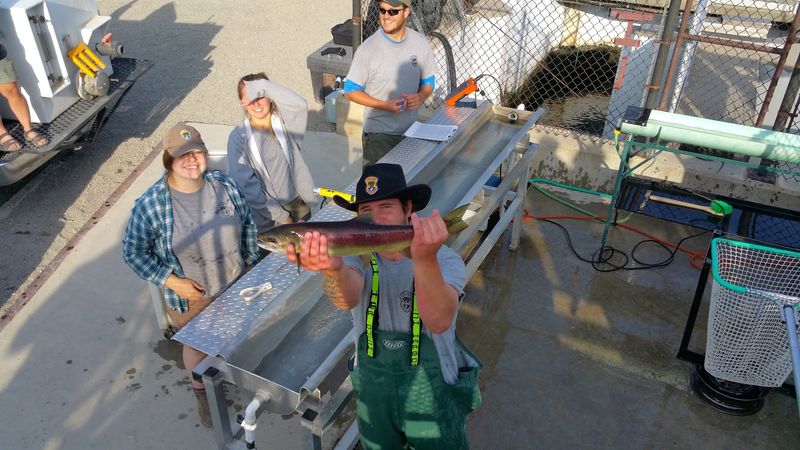
Kokanee spend most of their lives as plain silver fish, and then one autumn they flip to a red so bright it hardly looks real. Across Idaho, streams fill with these crimson swimmers from late summer into fall, and people line the banks just to watch.
Up in the high country below the Sawtooths, a working fish hatchery lets you follow the whole salmon story up close, from tiny eggs to big fish finishing their run. A quick roadside pull-off can easily turn into one of the best afternoons of your fall.
When Silver Turns Crimson
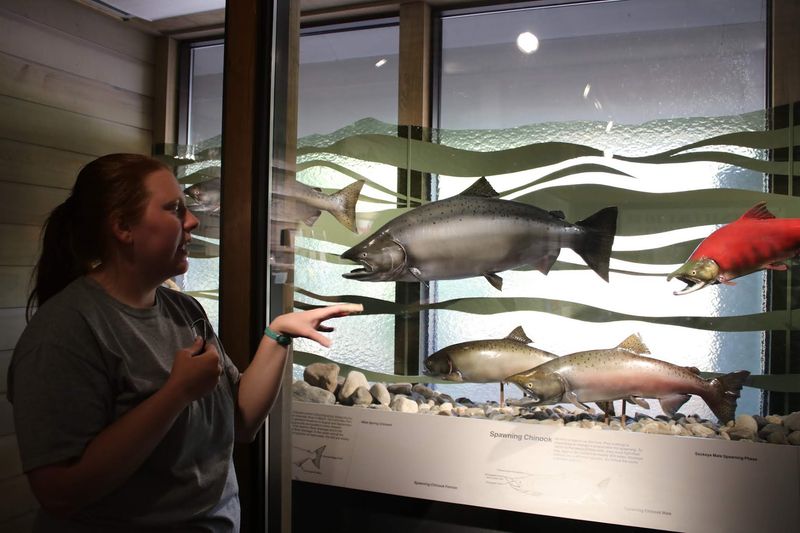
Silver bodies, blue-green backs, and not much to look at. That is how kokanee spend most of their two to four years in Idaho lakes and reservoirs, quietly growing and staying out of sight.
Then autumn arrives and everything changes. Mature kokanee flush a deep crimson, their heads turn green, and males grow a humped back and a hooked jaw called a kype.
The name comes from a Kootenay word meaning red fish, which feels like a fair description once you see a creek packed with them.
Kokanee are a landlocked form of sockeye salmon, so they never swim to the ocean. Early spawners can show up around Labor Day, the peak usually runs through September and early October, and in the big North Idaho lakes the show can stretch toward Thanksgiving.
Trestle Creek near Lake Pend Oreille draws crowds, and so do Mores Creek, the Middle and South Forks of the Boise River, and the Deadwood River. Boise families can even watch through glass panels at the MK Nature Center.
For the fuller salmon picture, though, plenty of travelers keep driving north into Sawtooth country, where a working hatchery tells the rest of the story.
Where Highway 75 Bends
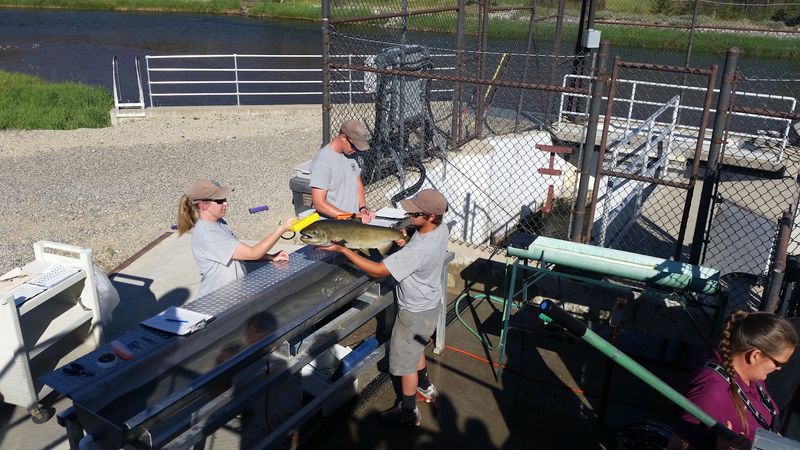
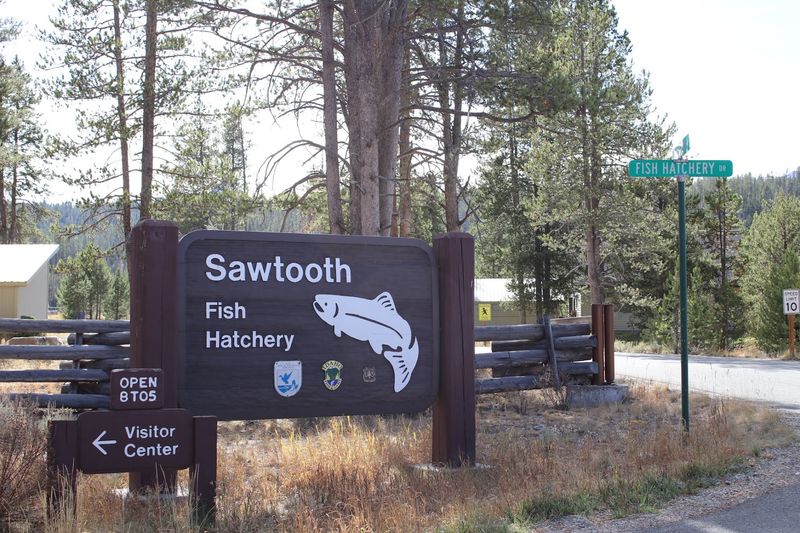
Mountains crowd the skyline and the upper Salmon River runs close by as you roll along Highway 75 in Custer County. Right there, on the edge of Stanley, sits the Sawtooth Hatchery, operated by Idaho Fish and Game.
The address is simply ID-75, Stanley, Idaho 83278. Officially it is listed as a fish farm, which undersells it a bit.
Visitors find a working hatchery, a visitor center, outdoor raceways, and a small fishing pond, all within an easy walk of the parking area.
It stays open year round, which matters in a region where plenty of places close once the snow flies. Summer brings the busiest days and the kids pond, while fall lines up with the season when salmon and their landlocked kokanee cousins are spawning across Idaho.
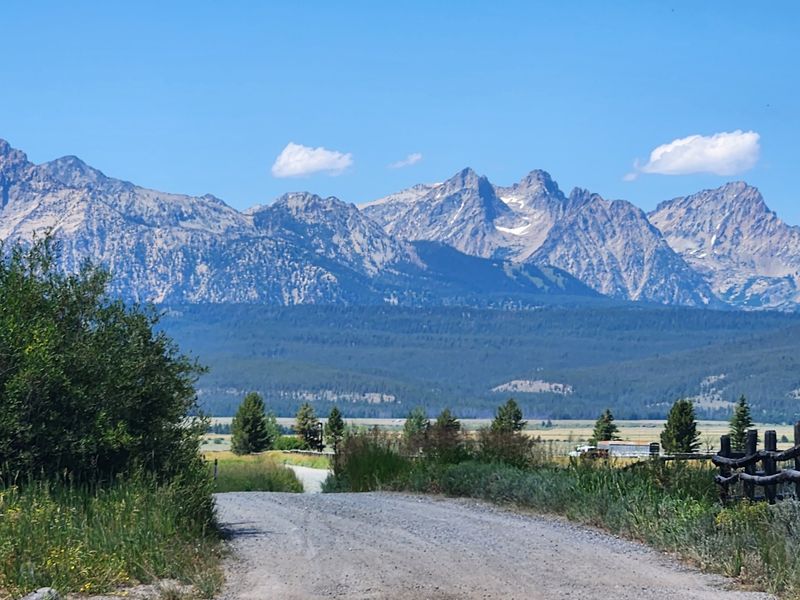
Location is half the appeal. The hatchery sits in the Stanley Basin, ringed by the jagged Sawtooth Range, so even a short stop comes with a view that has people reaching for their phones before they reach the front door.
Stanley itself is a tiny mountain town, and the hatchery often ends up being one of the simplest, most rewarding stops on a long day of scenic driving.
A Journey Measured In Miles
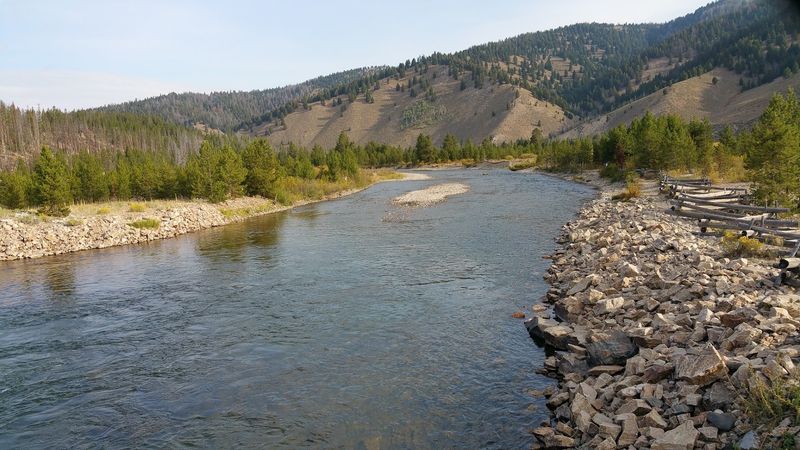
Salmon that return to the upper Salmon River make a trip that sounds almost made up. Young fish head downstream toward the Pacific, and the ones that make it eventually swim all the way back to the mountains where they started.
Plenty of visitors arrive with no idea how far that journey really is. One parent who toured the grounds admitted the downstream and upstream trek was brand new information, and that reaction comes up again and again among first-timers.
The hatchery exists to give those runs a boost. Staff raise young fish, handle returning adults at the spawning pools, and focus on salmon conservation so future generations have a better shot at making it home.
Inside, the salmon count records stop people in their tracks. Seeing the yearly numbers laid out shows how few salmon still come back to the river, and an easy family outing suddenly carries a little more weight.
Kokanee skip the ocean entirely, but they share the same instinct to return and spawn. Watching both kinds of salmon in Idaho waters makes the bright fall color change feel less like a curiosity and more like one chapter of a much bigger story unfolding every year.
Raceways, Pools, And Eggs
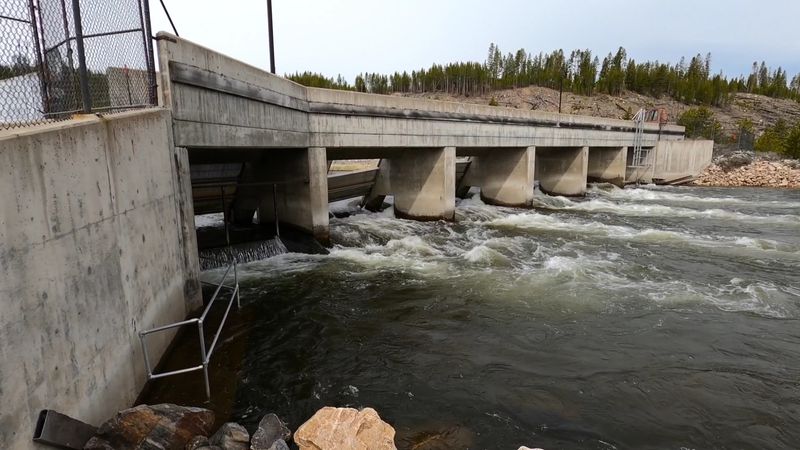
Long concrete channels stretch across the grounds, each one flickering with shapes just under the surface. Those are the raceways, where young fish grow until they are ready for life in the river.
Walk a little farther and you reach the spawning pools. During the right season, these hold adult salmon that made it back upstream, and they can look worn and dramatic after such a long trip.
Then there is the egg incubation center, and it is big. Rows of equipment keep eggs in steady conditions until tiny fish emerge, and it is easy to lose track of time reading about each step of the process.
What makes the tour click is seeing every stage in one place. Trout and salmon appear at different sizes, from newly hatched fry to fingerlings to some seriously large fish cruising the tanks.
Kids tend to race ahead, pointing at whichever tank holds the biggest swimmer. Adults usually linger, piecing together how an egg in a tray becomes a fish that can someday travel hundreds of miles.
Either way, the outdoor loop is short enough to walk twice if someone wants a second look at a favorite pool.
Crayons, Charts, And Exhibits
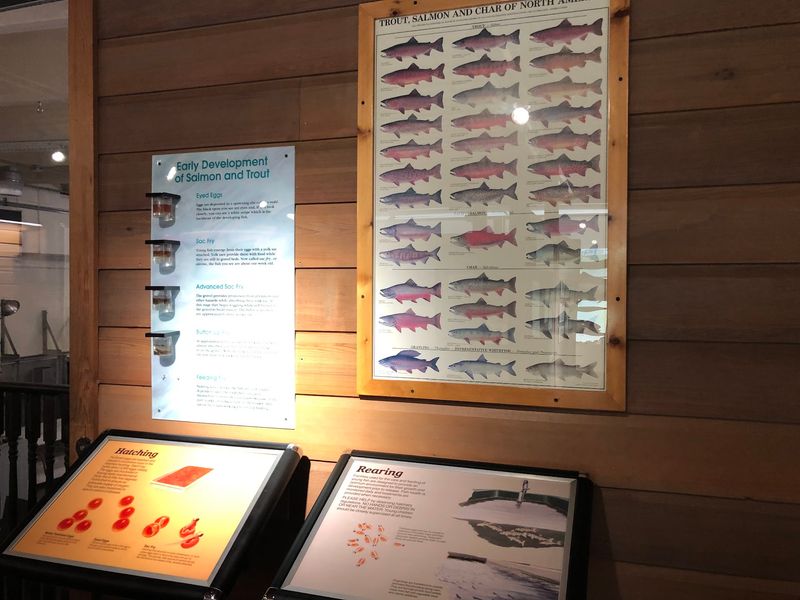
A coloring book might be the last thing you expect at a fish hatchery in the Idaho mountains. Yet it is one of the small touches families remember from the visitor center here.
The indoor exhibit sets up everything you see outside. Displays walk through the life cycle of salmon and trout, the species raised on site, and the work behind keeping salmon runs going in the upper Salmon River.
Tours are self guided, so you can move at your own speed. Some families breeze through in a few minutes, while curious readers stop at every panel and chart.
The space is genuinely informative without ever feeling like a lecture.
During busier months, staff members sometimes give tours or chat with guests. A summer employee once led groups around the grounds, and other travelers mention workers pausing to explain what they were doing and why it matters for the fish.
Start inside if you can. Having the basics in your head makes the raceways and spawning pools far more interesting, and younger kids get a head start on spotting the differences between species once they head outdoors.
Grab a moment at the salmon count records, too, since they spark plenty of conversation on the walk.
Quarters For Hungry Fingerlings
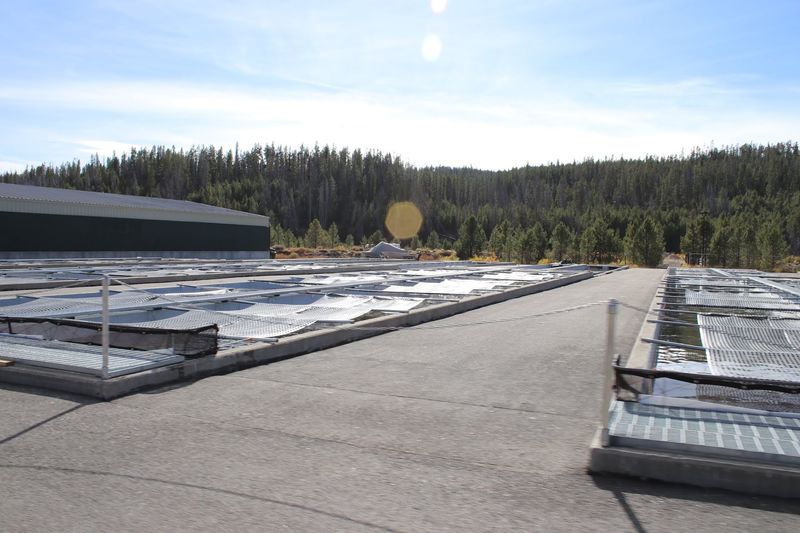
Bring change. A handful of quarters buys fish food at the feeding area, and tossing it in turns calm water into a splashing frenzy in about two seconds flat.
Children love this part, but plenty of grown adults get caught grinning too. Some of the fish here are surprisingly large, and watching a big trout or salmon surge up for a pellet is a lot more exciting than it sounds on paper.
The feeding station sits right along the walking path, so it fits naturally into the tour. It also offers a peek at daily hatchery work, since staff feed the fingerlings on a regular routine throughout the day.
Timing can pay off. Visitors have caught a worker mid-feeding who happily explained the conservation efforts underway, turning a simple chore into a mini lesson on how young salmon get their start.
Those conversations tend to be a highlight. A few friendly minutes with someone who handles these fish every day can teach more than any sign, and kids often leave with questions they keep asking for the rest of the trip.
Keep a couple of extra coins in the car. Once the first handful is gone, someone always wants another round, and the fish never seem to lose interest.
A First Cast For Kids
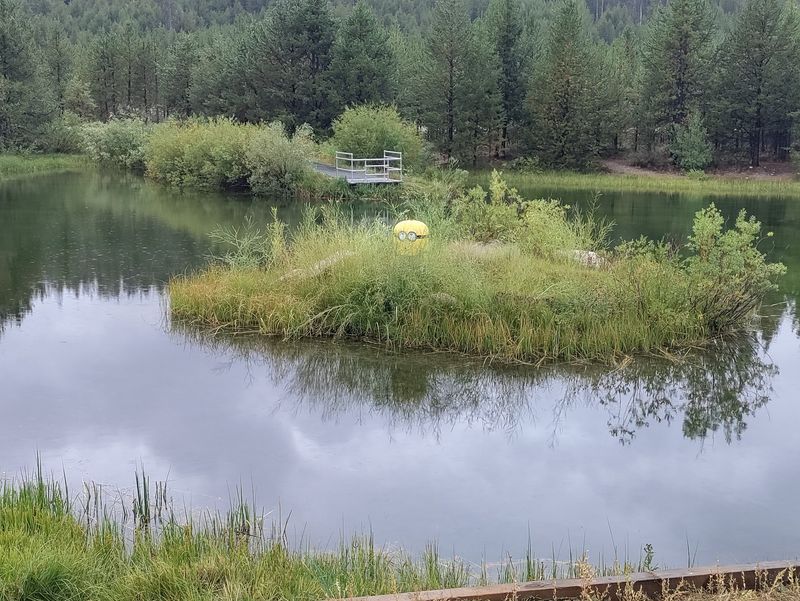
Fishing poles leaning against a rack, a cup of worms, and a pond full of hungry fish. For many young anglers in Idaho, the kids pond at the hatchery is where the whole hobby begins.
Each June, the pond gets stocked with salmon and trout, and from then on it stays busy with families. Loaner poles and worms are available during the daytime on a first come, first served basis, so arriving earlier gives you the best chance of grabbing gear.
No experience is needed. Even adults who call themselves fishing newbies have had a blast here, which says a lot about how forgiving the setup is.
The pond is small, and that is the point. Kids can see the fish, cast without snagging trees, and have a real shot at feeling a tug on the line.
Parents get to sit on the bank instead of hiking miles to a remote alpine lake.
Fishing rules and pond details can change from year to year, so check with Idaho Fish and Game before planning a whole day around it. Still, few summer scenes in the Sawtooths beat a kid holding up a first fish with the mountains behind them.
Steelhead Days And Spring Runs
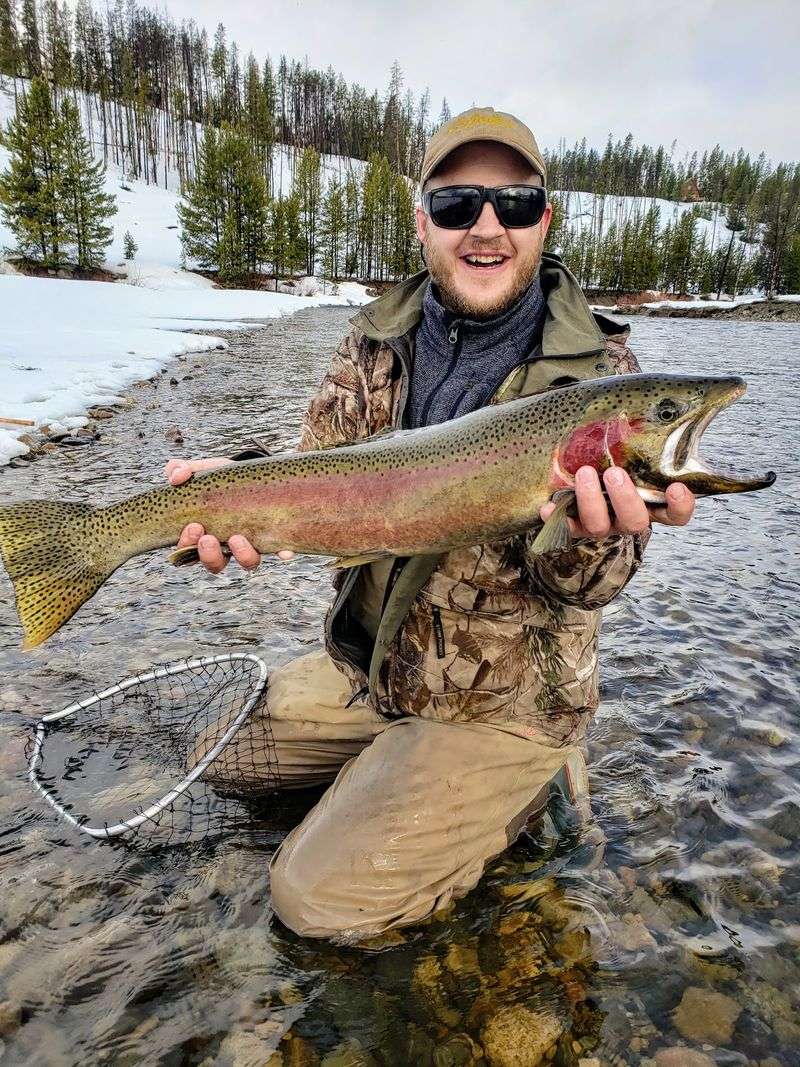
Spring on the upper Salmon River means steelhead. These seagoing rainbow trout return from the ocean, and the hatchery plays a real part in that seasonal run.
Anglers following the fish have long treated the area as a solid place to find fresh steelhead during spring. The hatchery’s fisheries program supports that fishery, adding to what makes the Stanley area such a draw for people who love rivers.
Some visitors have also mentioned a tag program on Mondays that sent them home with a couple of steelhead at no cost. Programs like that can shift from season to season, so treat it as something to ask about rather than count on.
Fall brings a different mood. Across Idaho, kokanee are turning red in creeks from the Panhandle to Boise River country, while salmon wrap up their own journeys.
An autumn visit connects the hatchery’s work to the bright spawning scenes people drive hours to see.
Every season offers something, but timing shapes the experience. Off-peak visits can feel quieter, with less happening in the pools, so it helps to call ahead and ask what is going on before making the drive into the mountains.
Room For Every Pace
Grandparents with two energetic grandsons in tow. A husband using a walker.
Toddlers chasing shadows along the raceways. The crowd at this hatchery tends to be a wonderful mix.
Easy walking paths make the grounds approachable for nearly everyone. The outdoor loop is flat and short, and visitors using mobility aids have found it comfortable enough to enjoy the whole visit without strain.
Families are the heart of it, though solo travelers and couples fit right in. Anyone who likes learning how things work will find plenty to chew on, from the egg trays to the salmon count records inside.
The setting does a lot of quiet work too. The Sawtooth Range looms in the distance, and the sound of the Salmon River drifts across the grounds while fish ripple the surface of the pools.
Good manners go a long way. Leave no trace, keep an eye on little ones near the water, and give the fish their space.
Treat the place well, and it stays just as welcoming for the next family pulling off Highway 75 in Custer County. Staff clearly care about this spot, and that care rubs off on the people who visit.
Before You Pull Off 75
Daytime visits work best. The hatchery keeps regular daylight hours every day of the week, but schedules can change, so check with Idaho Fish and Game before heading into the mountains.
Getting there is simple. Follow Highway 75 toward Stanley in Custer County, and the hatchery sits right along the road near the Salmon River.
Many travelers pair it with a drive through the Stanley Basin or a wander through town.
Pack a few things: quarters for the fish feeder, a jacket for cool mountain air, and a camera for the Sawtooth views. If kids plan to fish the pond, arrive with time to spare since loaner gear goes first come, first served.
Think about the season, too. Summer brings the stocked kids pond, spring lines up with steelhead, and fall matches the stretch when kokanee across Idaho turn their famous shade of red and salmon finish their long journeys home.
So, is it worth the stop? For anyone curious about where Idaho salmon come from and how hard people work to bring them back, this small hatchery delivers far more than its roadside spot suggests.
Plenty of families end up planning a return trip before they even reach the car.