Walk Through This Wallace, Idaho Depot That Traded Train Whistles For Mining History Displays
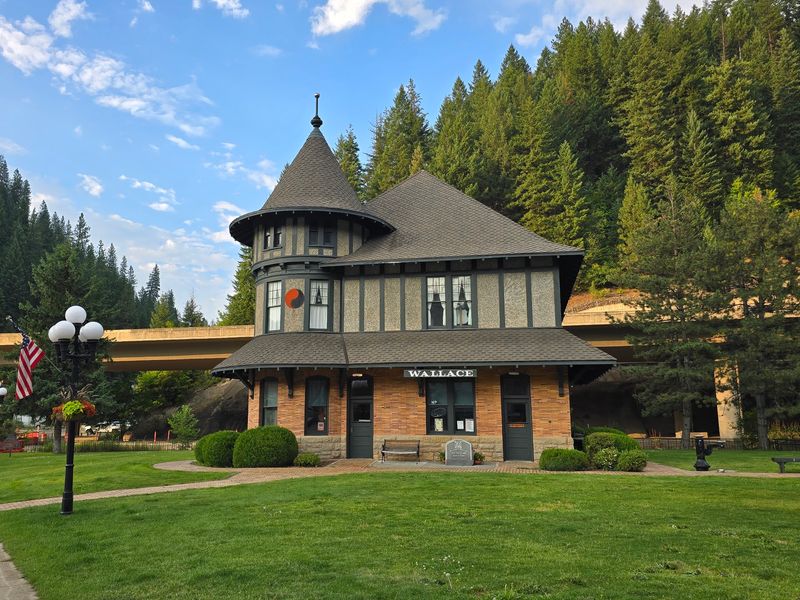
Tucked into a mountain town in Idaho’s Silver Valley, there’s a fancy old building that once buzzed with arriving trains and shouting conductors. Today, instead of ticket lines and steam whistles, its rooms are packed with dusty artifacts and stories about the railroads that built this corner of the state.
It’s the kind of place you might drive past without a second glance, only to walk out an hour later knowing more about Idaho history than you ever expected. If you love a good day trip with a payoff, this stop delivers.
A Chateau-Style Landmark In The Heart Of Wallace
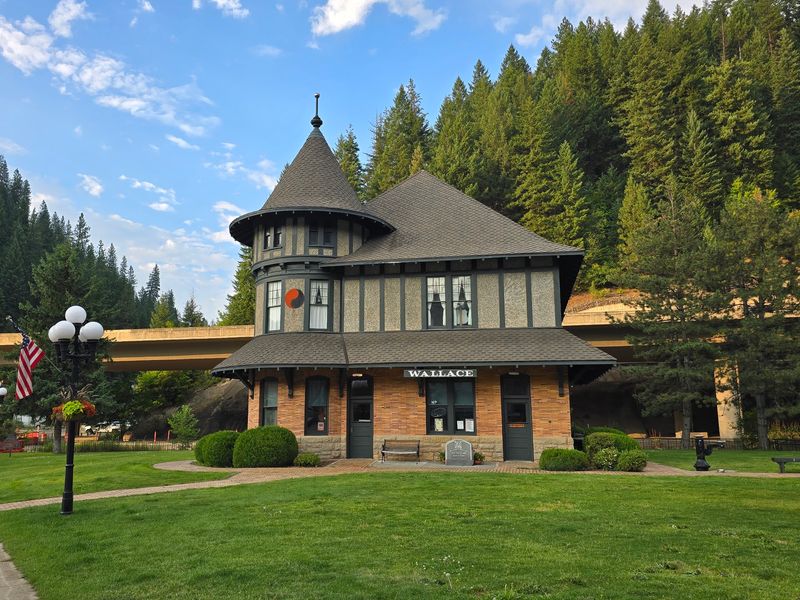
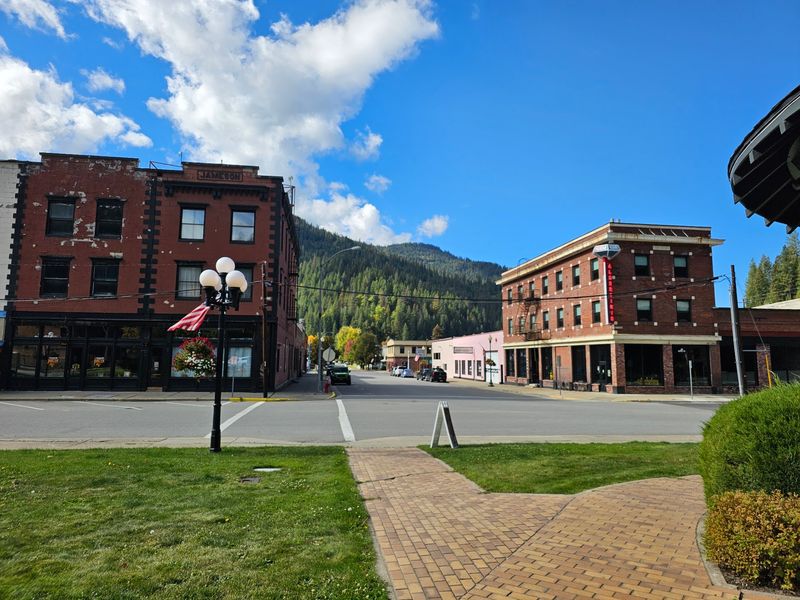
Rounding the corner in downtown Wallace, you spot a building that looks nothing like the mining town around it. A rounded corner turret rises above walls of warm brick, giving the place the air of a small European castle plopped into the Idaho mountains.
Built in 1901 and opened for business the following spring, the depot was the fanciest thing for miles. Its bricks carry an odd backstory, having first been shipped from China in 1890 for a hotel in Tacoma that never fully rose.
What strikes most first-time visitors is how out of place such grand architecture feels in a rugged Silver Valley town. Yet that contrast tells the whole story, because when the railroad arrived, mining money flowed and the community wanted a station worthy of its ambitions.
Standing on the sidewalk out front, you get a sense of how much pride went into this structure. It was never just a place to catch a train.
It was a statement that Wallace mattered, and it still makes that case today.
How The Railroad Shaped Idaho’s Silver Valley
Long before highways cut through the canyons, steel rails were the lifeline of this mining region. Trains first reached the Silver Valley around 1886, with the Northern Pacific becoming the pioneering line to push into northern Idaho and link the area to coastal ports.
Those connections changed everything. Ore could finally move out to market, and supplies, people, and news could pour in, fueling the growth of the Coeur d’Alene Mining District into one of the richest silver regions anywhere.
Inside the museum, photographs and exhibits trace this transformation. You see how a scattering of camps grew into a bustling district, all riding on the rhythm of freight cars and passenger schedules.
The active train era eventually wound down, with the last Northern Pacific service running in 1978 and the final Union Pacific train passing through in the summer of 1994. Walking these rooms, you feel the weight of that closed chapter, and you understand why saving the depot became such an important mission for the people who live here.
The 90-Ton Move That Saved The Depot
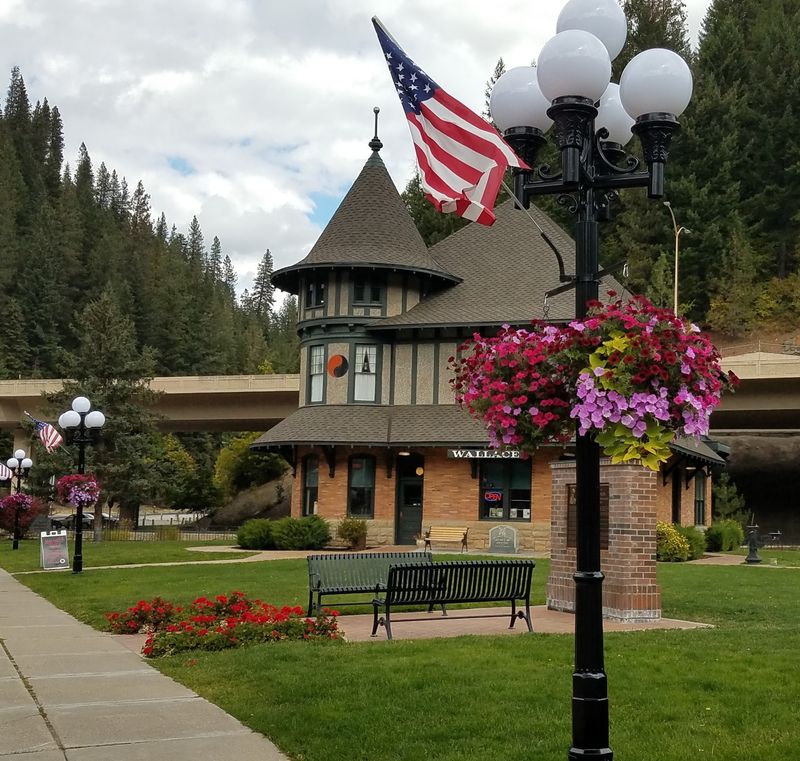
Here’s the detail that stops people mid-tour: the entire building you’re standing in was once picked up and carried to a new spot. In 1986, construction of the Interstate 90 viaduct threatened the depot, since massive highway columns were slated to rise right where it stood.
Rather than lose the landmark, concerned citizens rallied to save it. Crews moved the whole 90-ton structure roughly 200 feet across the South Fork of the Coeur d’Alene River to its present resting place.
Moving a brick building of that size without it crumbling was no small engineering trick. Docents love explaining exactly how it was done, and there are exhibits showing the process step by step.
The rescue is celebrated every May with the Depot Day Classic Automobile Show, a nod to the community effort that pulled it off. It’s a reminder that this depot survives today only because a determined group of Idahoans refused to let a piece of their history disappear under a freeway.
Stepping Into A Turn-Of-The-Century Agent’s Room
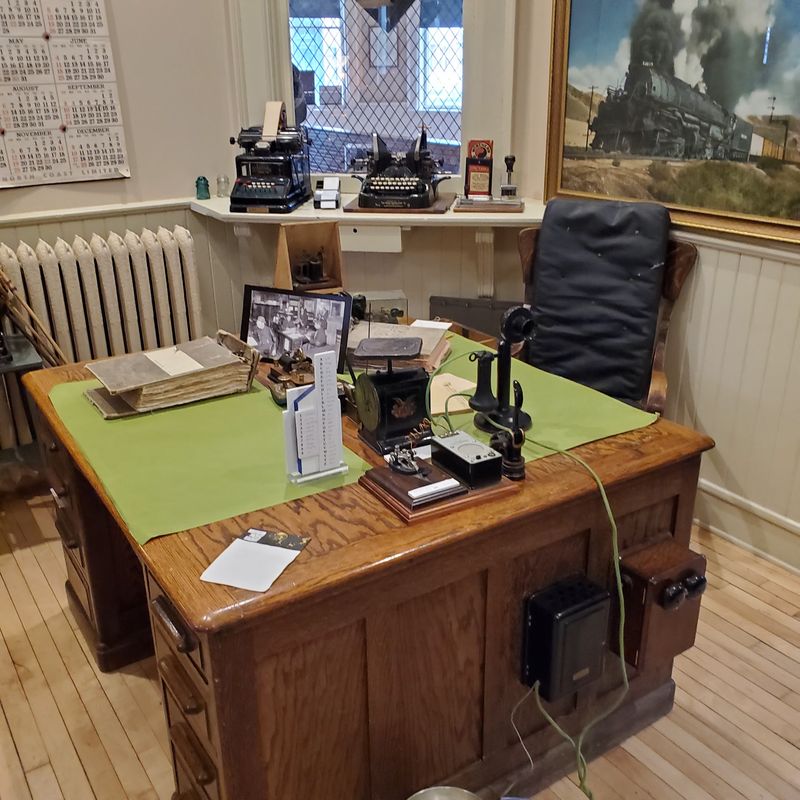
Push into the recreated agent’s room and the calendar seems to roll back more than a hundred years. A beautiful old safe anchors the space, its heavy door hinting at the money and records that once passed through here.
An authentic 1908 telephone sits nearby, along with telegraph gear that clicked out messages across the region. These aren’t reproductions behind glass.
Many pieces are the real working tools that kept the railroad running.
Visitors often mention how hands-on the experience feels. A guide might invite you to crank the old phone or tap the telegraph key, turning a quiet display into something you actually get to touch and try.
It’s the little station-office details that stick with you: the ledgers, the schedules, the worn wood of a desk where an agent tracked every arrival and departure. Standing there, it’s easy to picture the daily hustle of a working depot, back when a single phone line and a telegraph wire connected this mountain town to the rest of the world.
An Upstairs Packed With Memorabilia And Artifacts
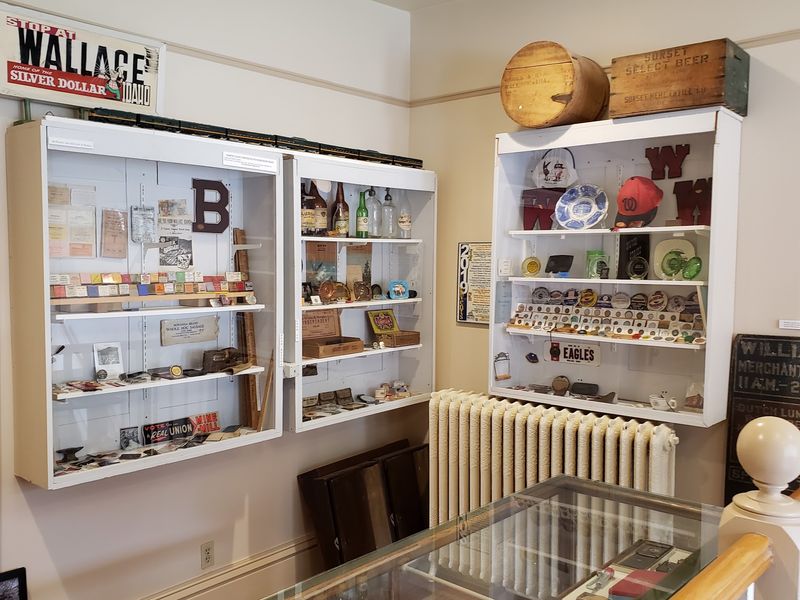
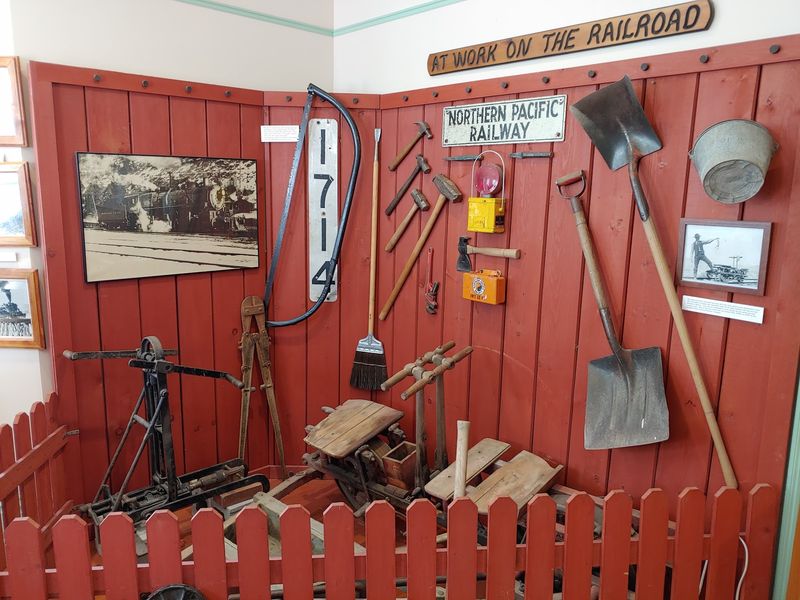
Climb the stairs and you reach the part of the museum people talk about most. The upstairs rooms overflow with memorabilia, from old railroad tools and signs to everyday items that tell the story of life in early Wallace.
There’s so much here that even folks who arrive uninterested in trains end up lingering. One visitor noted her husband, no rail buff, spent ages reading through the displays and studying the artifacts.
Original pieces fill nearly every corner, and that authenticity is a big part of the charm. Rather than glossy replicas, you’re looking at objects that actually served this depot and this district.
You’ll also spot fun cultural touches, like posters for two films shot in the area over the years. It rounds out the collection with a bit of local movie trivia.
Because the good stuff lives on the second floor, the upstairs does involve a staircase, something worth keeping in mind if stairs are tricky for anyone in your group. Downstairs staff happily help visitors who cannot make the climb.
The Docents Who Bring The History Alive
Ask anyone what made their visit memorable and the answer usually isn’t an object. It’s a person.
The volunteer docents here have a gift for turning a small museum into an unforgettable stop.
Some greet guests in period costume, playing the part of a station agent or conductor. Others simply share their deep knowledge with a warmth and humor that keeps the history from ever feeling dry.
Guides named John and Niel come up again and again as favorites, praised for being funny, kind, and downright encyclopedic about Wallace and the railroad. Several visitors joke that these folks know more town history than any search engine could dig up.
A personalized tour often runs just ten or fifteen minutes, yet people walk away buzzing with stories and backstories they never expected to learn. The passion is genuine, and it’s contagious.
Because this is a nonprofit run by dedicated volunteers, that human connection is really the heart of the whole place. Come for the trains if you like, but stay for the storytellers.
Interactive Exhibits And A Working Model Railroad
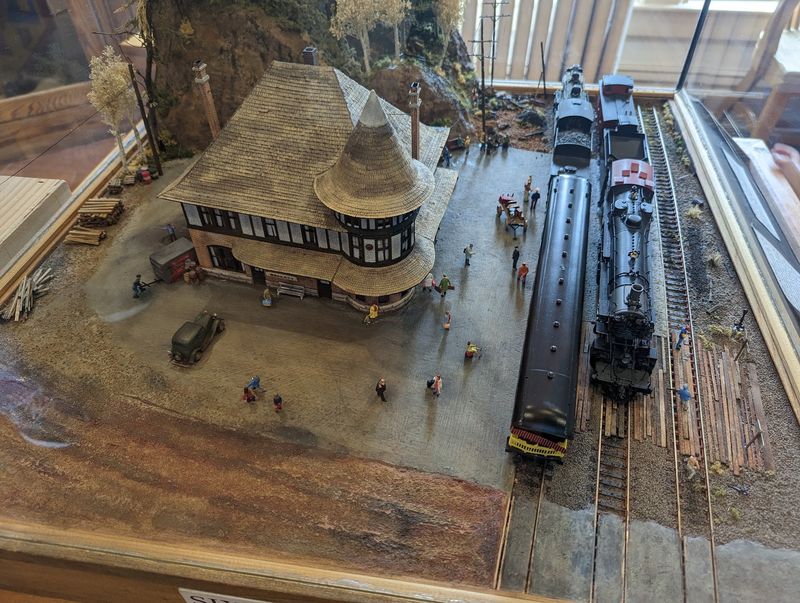
Not every museum lets you push buttons and pull levers, but this one leans into the fun. Interactive exhibits are scattered throughout, giving both kids and grown-ups something to do beyond reading placards.
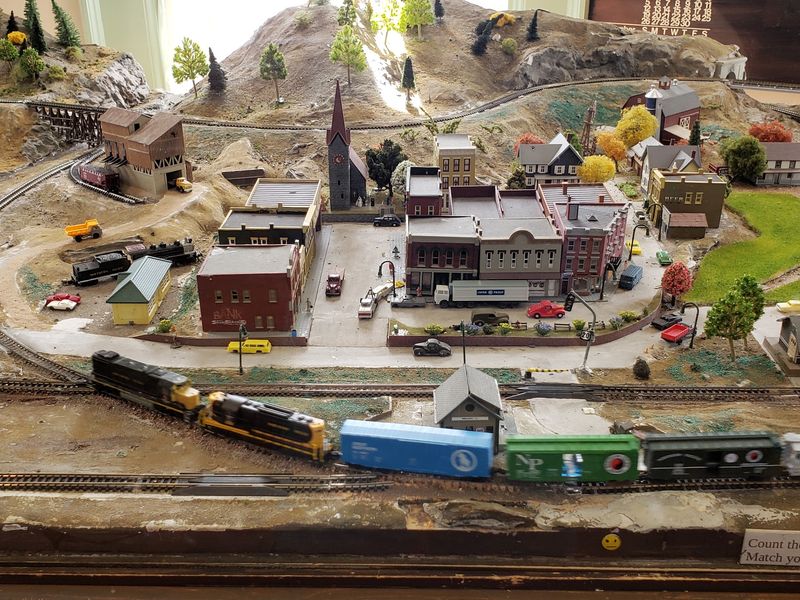
A model railroad draws plenty of attention, its tiny trains winding through miniature scenery that captures the feel of the real Silver Valley routes. It’s the kind of display that gets people leaning in close.
Then there’s the old technology you actually get to operate. Cranking a vintage telephone or working the telegraph turns abstract history into a playful, hands-on moment.
Families find this especially handy, since the interactive touches keep younger visitors engaged while parents soak up the deeper stories. Nobody has to just stand and watch.
Outside, the grounds even host a geocache, adding a little treasure-hunt twist for anyone who enjoys tracking down hidden finds. Between the model trains, the old gadgets, and the outdoor cache, there’s enough variety here that curiosity gets rewarded at every turn, no matter how old you are or how much you thought you cared about railroads.
A Gift Shop And Picnic Grounds Worth Lingering For
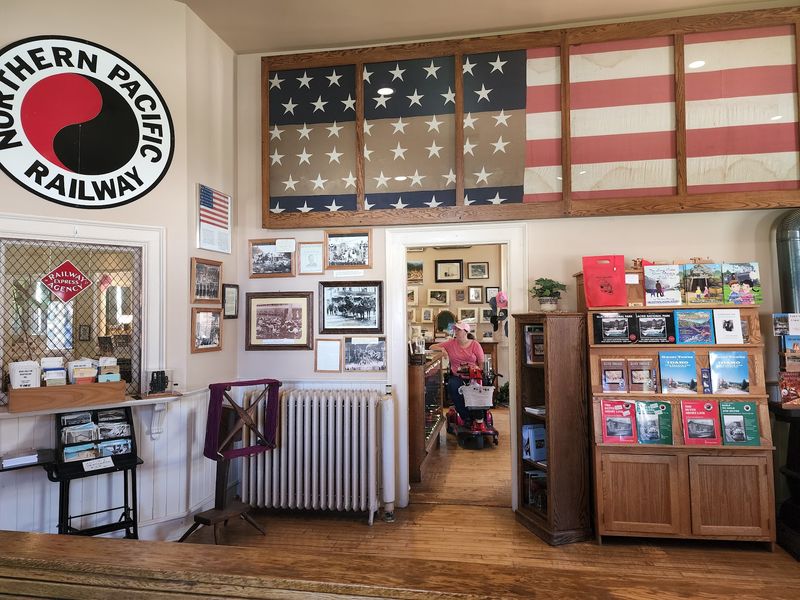
Before you leave, the gift shop is worth a slow browse. Shelves hold a mix of railroad souvenirs, local keepsakes, and neat little curiosities that fit almost any budget or interest.
Collectors sometimes hit a jackpot here. The shop has been known to carry old coins, a few of which turn out to be worth more than their asking price, which makes poking around feel a bit like a hunt.
Every purchase and donation helps this nonprofit keep the lights on and the doors open. Supporting the shop is a direct way to help preserve the building for the next round of visitors.
Outside, a spacious picnic area invites you to slow down and enjoy the setting. Pack a lunch and you’ve got a shady, pleasant spot to rest between exploring the rest of Wallace’s historic downtown.
With good parking right nearby and plenty of area attractions within walking distance, the depot works nicely as either a quick stop or a relaxed midday base for a bigger day out.
Who This Stop Is Really For
Worried that a railroad museum sounds too niche? Don’t be.
Time and again, people who arrive with zero interest in trains end up calling it a highlight of their trip.
The reason is that the stories reach well beyond locomotives. You get the tale of Wallace itself, the mining boom, the daring building move, and the characters who guide you through it all.
Families do especially well here thanks to the hands-on gadgets and the geocache outside. Kids stay busy while parents dig into the deeper history.
History lovers and day-trippers rambling through Wallace find it slots perfectly into an afternoon of wandering the historic downtown. It’s small enough to enjoy without eating your whole day, yet rich enough to leave you satisfied.
One honest note for planners: the depot now sits away from the tracks, so there are no full-size locomotives parked outside. If you’re picturing a big rail yard, adjust expectations.
What you get instead is an intimate, story-driven experience where the people and the building are the real stars.
Planning Your Visit To The Depot
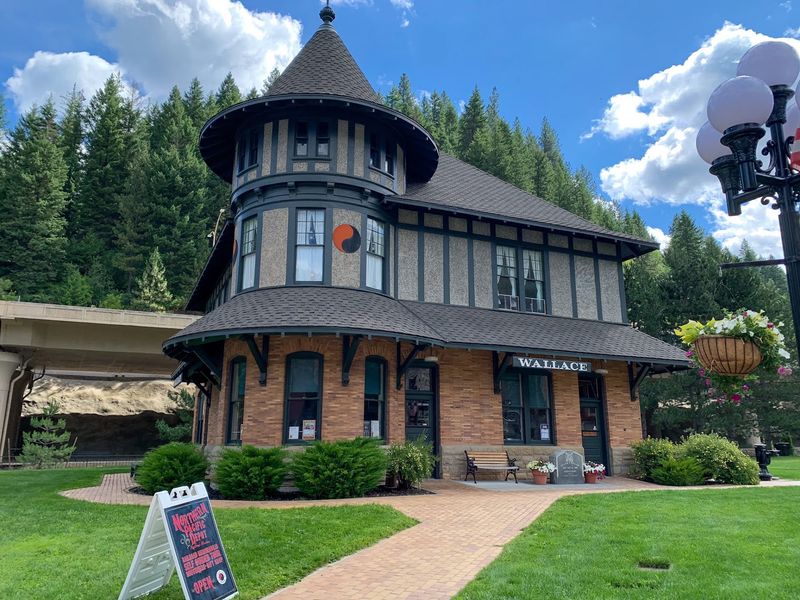
You’ll find the depot at 219 6th Street in Wallace, right in the thick of the historic district and easy to reach off Interstate 90. Parking is plentiful, and many of the town’s other attractions sit within an easy stroll.
Admission is a bargain. A small donation, just a few dollars, covers your visit and helps this volunteer-run nonprofit keep going, so the box by the door is money well spent.
The museum keeps daytime hours and welcomes guests throughout the week, opening in the morning and closing in the late afternoon, with a slightly shorter Sunday window. It’s wise to confirm before making a long drive, since one disappointed traveler once arrived to find it closed unexpectedly.
Time your trip for May and you can catch the annual Depot Day Classic Automobile Show, a lively celebration of the building’s daring rescue.
Whether you come for the architecture, the artifacts, or the warm-hearted guides, this little depot turns a quick pit stop into one of the more memorable pieces of any Silver Valley day trip.