Everyone In Connecticut Should Watch The Sunset From This Coastal Spot At Least Once
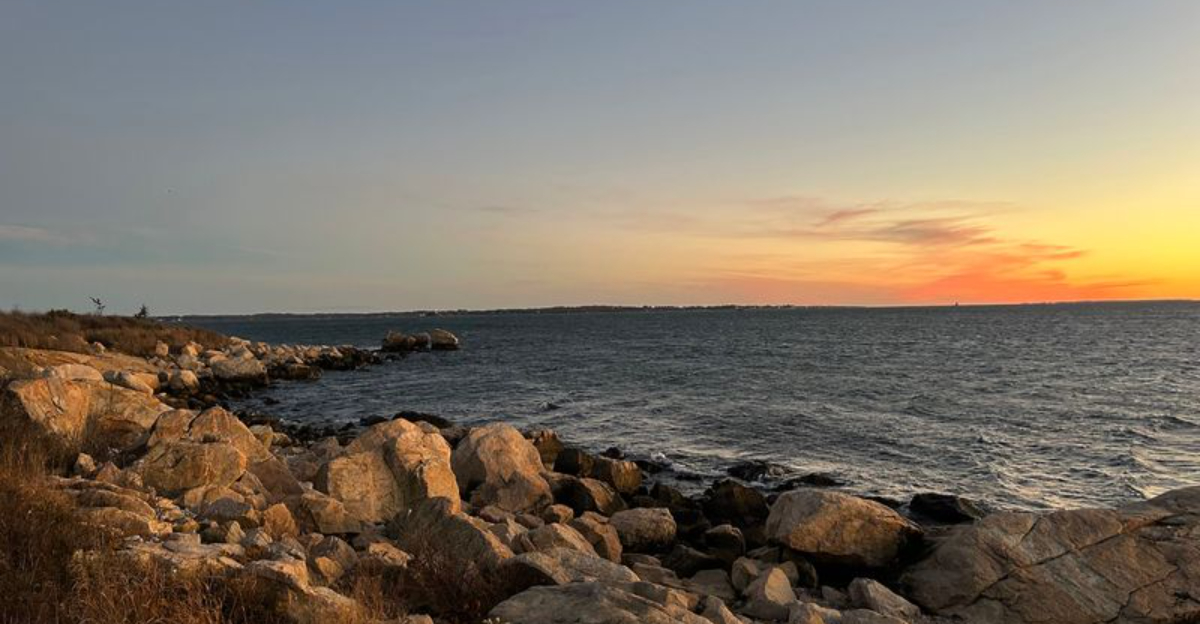
Sunsets feel different when reaching the shoreline takes a little effort. The path winds through quiet woods before the view suddenly opens, and that reveal makes the whole evening feel more special.
Few coastal places in Connecticut make sunset feel this peaceful while still keeping the shoreline wonderfully wild and open.
There are no busy boardwalks competing for attention. Instead, broad water views meet salty air, with enough room to slow down without feeling rushed.
The landscape changes as you move from shaded trail toward open coast, which keeps the walk interesting.
What makes the moment memorable is how unpolished it all feels. The light settles across the water as the horizon softens.
Soon, the entire day seems to exhale. It is calm without being boring and scenic without feeling staged.
Long after the sky fades, the quiet mood stays with you, even when the walk back has already begun.
1. A Wild Peninsula Left Almost Untouched
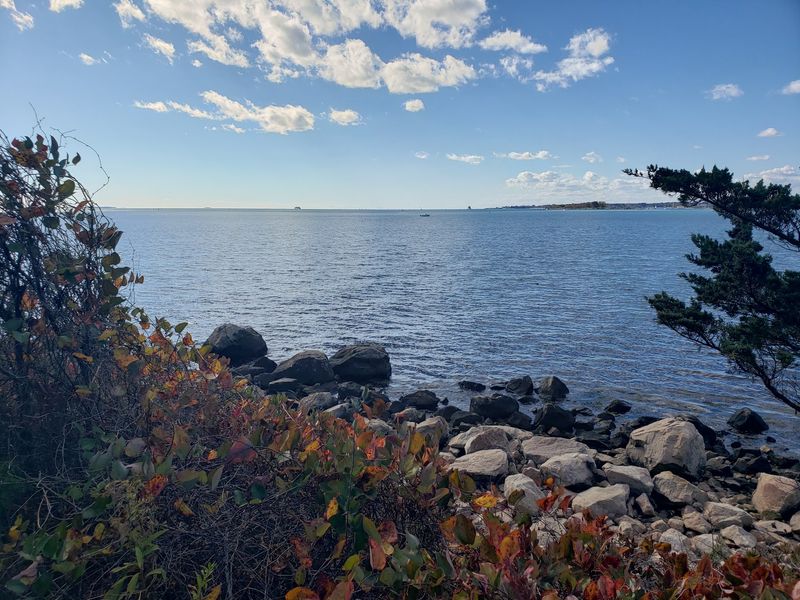
Honestly, hardly anywhere left on the northeastern coast feels this untouched, and that’s saying something for an 800-acre stretch of preserve in Groton.
Back in 1975, Bluff Point State Park picked up the designation of Coastal Reserve, which sounds bureaucratic but actually means it got the highest level of protection the state can offer.
That wasn’t just a formality either, the whole point was to keep native ecological patterns, rare geological features, and the natural scenery as close to untouched as humanly possible.
Spread across a wooded peninsula, the park manages to pack in a surprising range of habitats.
You’ll find coastal woodlands, dune grasslands, tidal wetlands, coastal plain ponds, intertidal mudflats, and even offshore eelgrass beds, all blending into one another so smoothly it feels less like a managed park and more like wandering through a landscape that’s just doing its own thing.
What really sets it apart is its title as the largest undeveloped wooded coastal peninsula between New York and Cape Cod, a rare feat given how much of the region’s coastline has been built up over the years.
Spend even a little time here and it becomes obvious why so many locals and conservationists have pushed hard to keep it exactly as nature intended.
2. Walking The Trail To The Shore
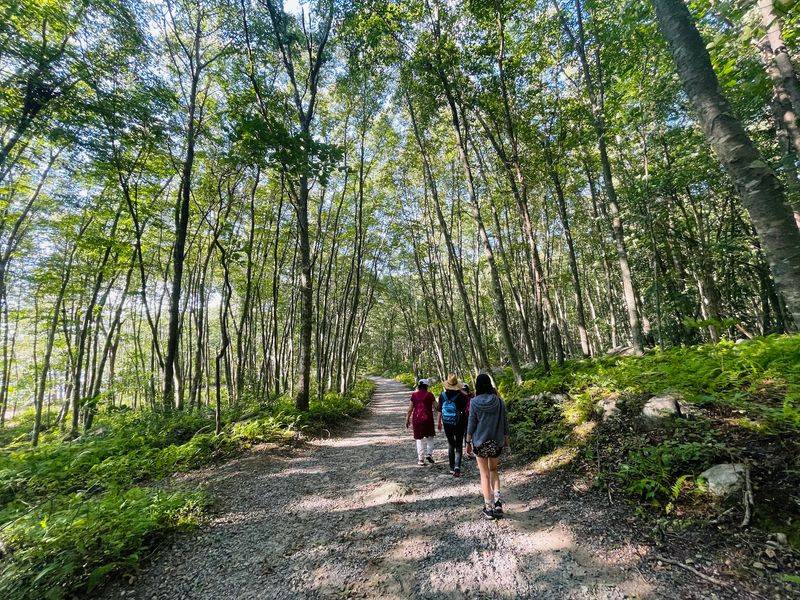
The main trail at Bluff Point State Park follows a loop of roughly 3.45 to 3.7 miles along a wide, flat gravel fire road. Most of the path is easy to navigate, making it a reasonable choice for families, casual walkers, and those bringing strollers or bikes along for the outing.
The surface stays relatively even for most of the route, though a few sections closer to the shoreline can get rocky or muddy after rain.
Along the way, the trail passes through coastal woodland, open meadows, and salt marshes before opening up to sweeping views of Long Island Sound.
Benches are positioned at select points along the main path, offering a chance to pause and take in the surroundings without needing to find a rock to sit on.
For those who prefer a shorter outing, an out-and-back walk is a perfectly reasonable alternative to completing the full loop.
Visitors interested in a longer adventure can connect to the adjacent Haley Farm State Park from certain trail points. Access to the bluff area is limited to foot traffic and non-motorized vehicles only, which keeps the atmosphere noticeably quieter than most parks of similar size in the state.
3. Wildlife Around Every Bend
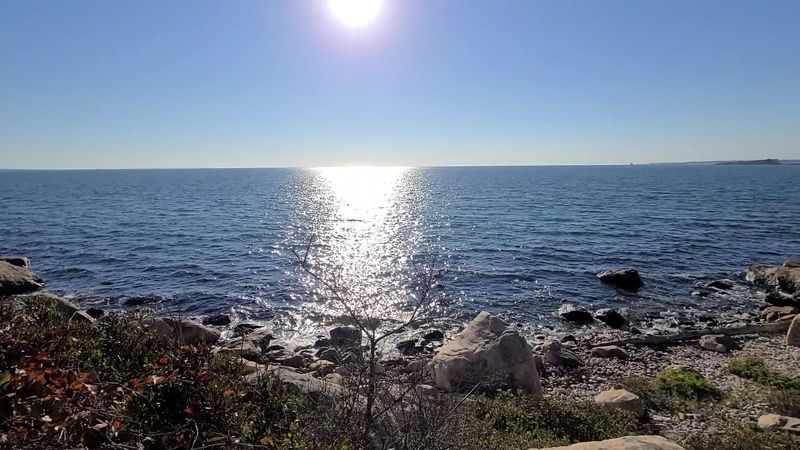
More than 200 bird species have been recorded at Bluff Point State Park, making it a genuinely exciting destination for birdwatchers at any skill level.
Shorebirds are present throughout the year, but fall migration brings a particularly impressive variety of warblers, raptors, and sparrows through the area.
Winter visits can occasionally yield surprising sightings from the coastal bluffs, including snowy owls and short-eared owls scanning the open ground along Long Island Sound.
The variety of habitats within the park supports this remarkable birdlife. Tidal wetlands, intertidal mudflats, coastal forests, and open grasslands each attract different species, meaning the wildlife experience changes noticeably depending on where a visitor happens to be standing.
Mumford Cove, visible from the trail, tends to be especially active with waterfowl and wading birds.
On land, deer, coyotes, foxes, rabbits, raccoons, and opossums are among the terrestrial animals that call the park home. The offshore waters support horseshoe crabs, clams, mussels, snails, and various crustaceans.
Because rare and endangered species are present throughout the preserve, staying on marked trails is strongly encouraged to avoid disturbing the habitats that make this ecosystem so diverse and healthy.
4. Quiet Beaches Away From The Crowds
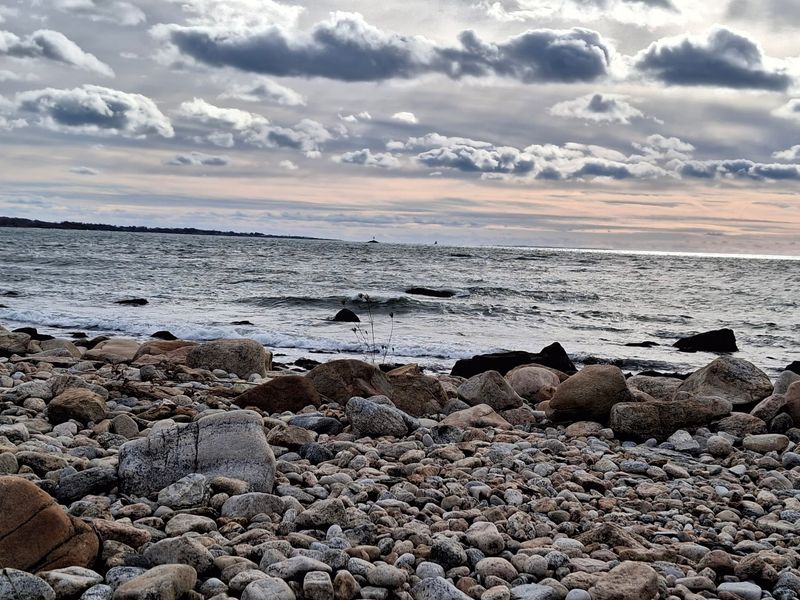
The beaches at Bluff Point State Park have a character entirely their own. Rather than the fine, smooth sand found at more popular shorelines, these stretches feature a mix of shells, pebbles, and rocks shaped over centuries by glacial activity and ongoing coastal erosion.
The result is a beach that feels genuinely raw and natural rather than groomed or managed.
A particularly striking feature is the sandspit, sometimes called a tombolo, that extends nearly a mile outward and connects to a small rocky island known as Bushy Point. Walking out along this narrow strip of land with water on both sides creates a sense of being completely surrounded by the Sound.
The approximately 1.5-mile walk from the parking area to the beach naturally limits the number of visitors who make it out there, which contributes to the peaceful, uncrowded atmosphere most people experience.
A few important details are worth keeping in mind before visiting. Dogs are not permitted on the beach between April 1 and September 1 to protect nesting birds during that sensitive period.
The beach is also not designated as a swimming beach, so visitors should plan their activities accordingly and come prepared with water, snacks, and appropriate footwear for rocky terrain.
5. Hidden Scenic Spots Along The Coast
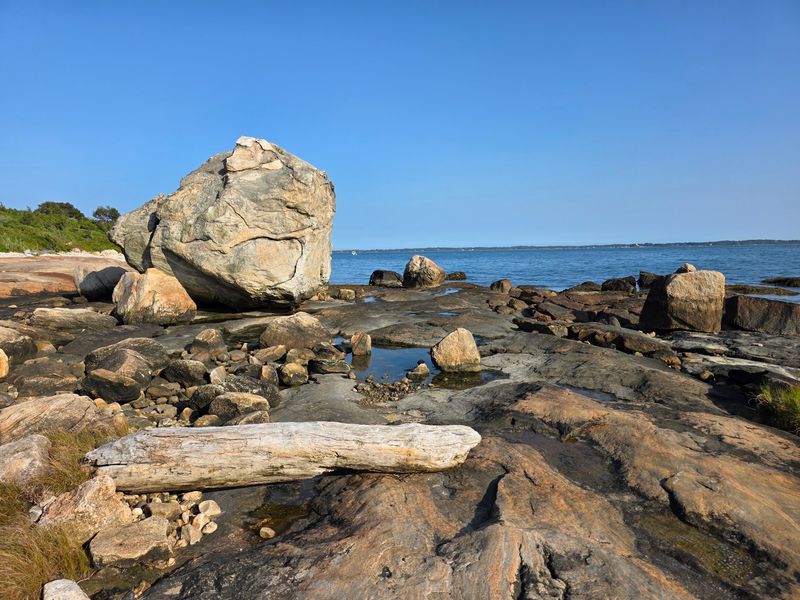
Scattered throughout the park are scenic spots that reward visitors who take their time and explore beyond the main trail. Sunset Rock is one of the most well-known of these, a large glacial erratic boulder that has become a natural gathering point along the route.
Sitting on or near it offers a solid vantage point with open views toward the water, and the name alone gives a strong hint about the best time of day to be there.
The coastal bluffs themselves are composed of ancient Avalonia shield rock, giving them a rugged, textured appearance that looks dramatically different from the sandy dunes found elsewhere along the shoreline.
From various elevated points along the trail, views stretch across Long Island Sound, Mumford Cove, and the Poquonnock River.
On clear days, Fisher Island and the New London Ledge Lighthouse can be spotted on the horizon, adding a sense of depth and distance to the scenery.
Coastal plain ponds located within the park offer quieter, more sheltered moments of beauty away from the open coastline.
The combination of dense woodland, open salt marsh, and exposed bluff creates a landscape that shifts in texture and mood throughout a single walk, keeping the experience engaging from start to finish.
6. Why Locals Treasure This Preserve
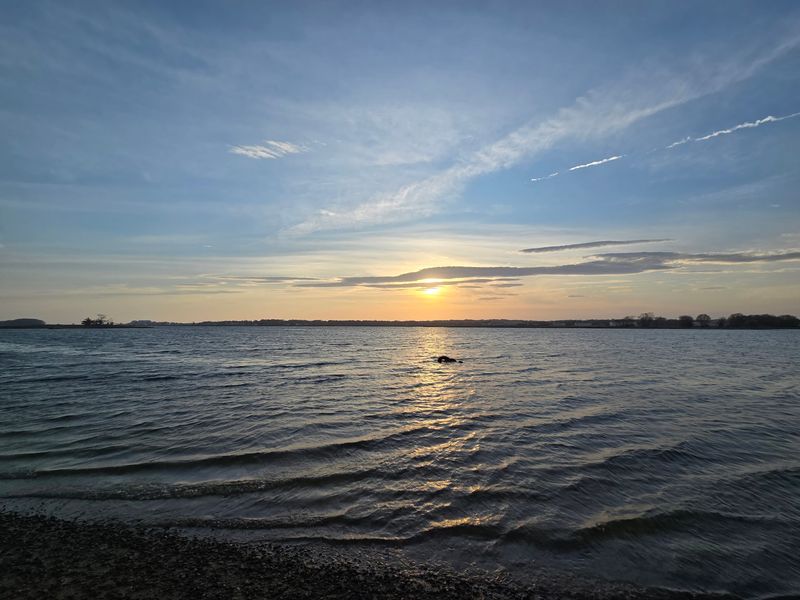
Ask longtime residents of the Groton area why Bluff Point matters to them, and the answers tend to circle back to one central idea: there is simply nothing else like it left on the shoreline.
Recognized as the last significant undeveloped piece of coastal land in the state, the park represents something increasingly rare in a densely populated region where waterfront property has been in high demand for generations.
The Coastal Reserve designation ensures that the land cannot be developed, subdivided, or altered in ways that would compromise its natural integrity.
That protection gives locals a sense of reassurance that the park will remain as it is, not just for the current generation but for the ones that follow.
Knowing that a stretch of wild coastline exists within a reasonable drive carries a quiet but genuine emotional weight for many people who grew up nearby.
Beyond the sentimental value, the park delivers practical benefits as well. Abundant recreational opportunities including hiking, biking, fishing, birdwatching, and photography make it a year-round destination.
The combination of solitude, accessible trails, and diverse ecosystems creates a place that serves both casual visitors looking for a relaxing afternoon and more dedicated naturalists seeking a deeper connection with the state landscape.
7. The Best Time To Catch The Sunset
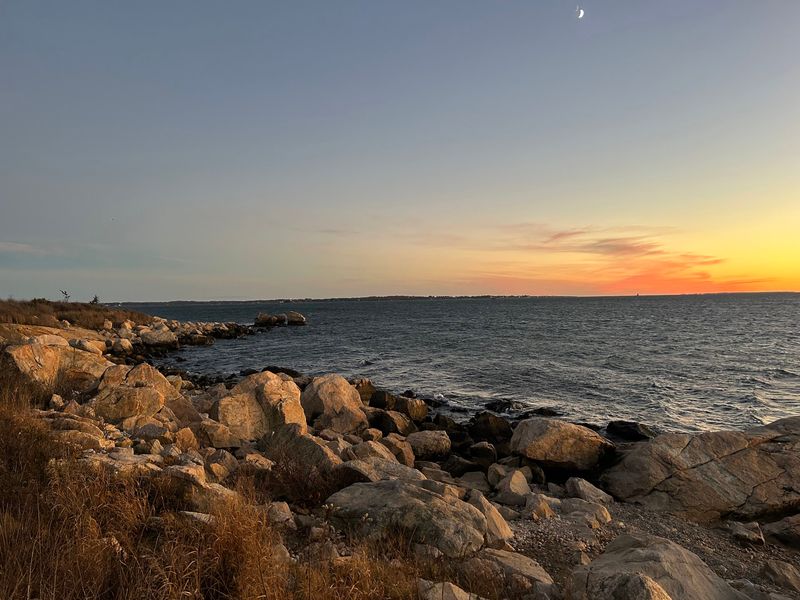
The park operates from 7 a.m. until sunset each day, so visitors hoping to catch the last light of the evening should plan to arrive well before the sun starts its descent. Arriving at least an hour before sunset allows enough time to walk out to a preferred viewing spot without feeling rushed.
Sunset Rock, the large glacial erratic boulder along the main trail, is one of the most popular spots for watching the sky change color over Long Island Sound.
The open coastal bluffs facing west also provide unobstructed sightlines as the sun drops toward the horizon, with the water reflecting the shifting colors back upward in a way that makes the scene feel twice as vivid.
Clear evenings in autumn tend to produce some of the most striking displays, as the lower angle of the sun and drier air combine to deepen the colors.
The walk back from the bluff after sunset will be in low or fading light, so bringing a small flashlight or using a phone torch is a practical precaution. Comfortable, sturdy footwear makes the return trip much easier on the uneven sections of trail near the shore.
8. A Place That Feels Wonderfully Remote
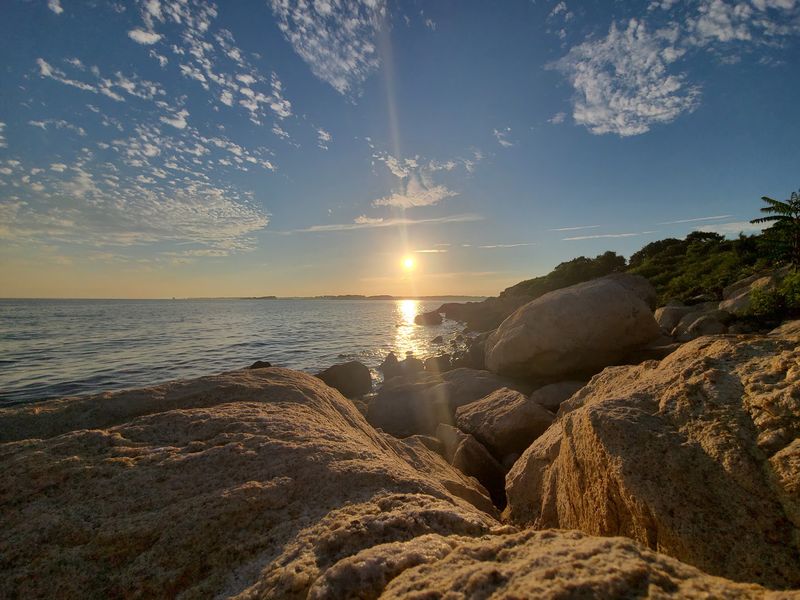
It’s kind of wild how quickly you forget a busy shoreline region surrounds Bluff Point State Park on almost every side once you’re actually walking through it. Thanks to its protected status, there are no vendors, no concession stands, nothing built up to interrupt the scenery.
Visitors are expected to pack out everything they bring in, which keeps the trails and beaches impressively clean and reinforces that sense of a landscape mostly left to do its own thing.
Only foot traffic and non-motorized vehicles are allowed on the bluff, and that one rule does a lot of heavy lifting. It filters out the noise and rush that comes with busier parks, so what you actually hear is wind, birdsong, and water rather than engines or crowds.
It’s a small detail, but most people notice the difference within minutes of starting their walk.
As the largest undeveloped wooded coastal peninsula between New York and Cape Cod, this park really is in a category of its own.
Between the protection it’s been given, the deliberate lack of development, and the sheer variety packed into the landscape, the solitude here feels earned rather than staged.
Anyone willing to slow down will find a kind of quiet that’s genuinely tough to find anywhere else along the state’s coastline.