Experts Reveal 10 Things Ruining Illinois Kitchens – And 10 That Fix Them
Kitchens across Illinois face common challenges that can turn meal prep into a frustrating experience.
From cramped counters to cluttered cabinets, these everyday issues affect how families cook, gather, and enjoy their homes.
Fortunately, design experts have identified both the problems and practical solutions that can transform any kitchen into a more efficient and welcoming space.
Whether dealing with poor lighting or disorganized storage, small changes can make a significant difference in daily kitchen life.
1. Inadequate Counter Space Limits Meal Prep

Running out of room while chopping vegetables or assembling ingredients creates unnecessary stress during meal preparation.
Counter space becomes precious real estate when multiple dishes need attention at once, and every square inch matters when the family gathers for dinner.
Limited surfaces force cooks to work in cramped conditions, increasing the risk of spills and accidents.
Ingredients pile up awkwardly, mixing bowls balance precariously, and the entire cooking process slows down considerably.
Adding a slim rolling cart provides mobile workspace that tucks away when not needed.
Another clever trick involves placing a fitted cutting board over the sink, instantly creating an extra prep zone.
These affordable additions give home cooks the breathing room they desperately need without requiring expensive renovations or major construction projects in Illinois kitchens.
2. Poor Lighting Conditions Create Cooking Errors
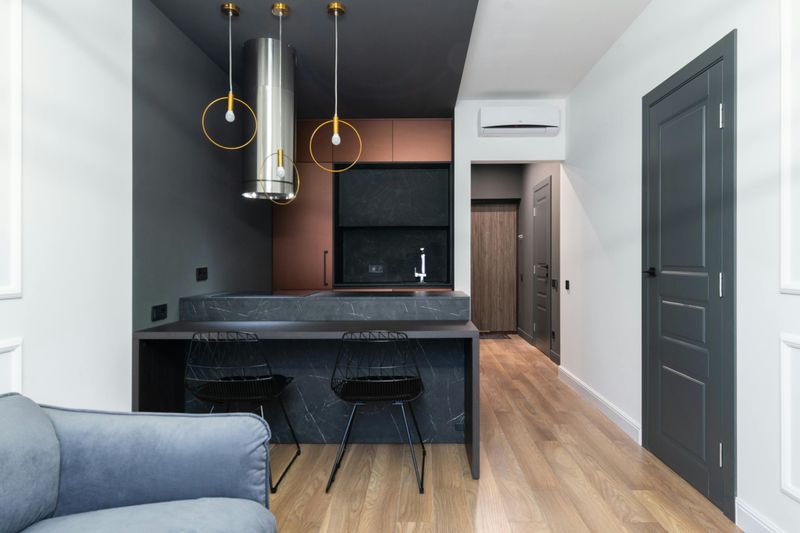
Shadows falling across cutting boards make precise knife work nearly impossible, while dim overhead fixtures leave entire corners shrouded in darkness.
Proper illumination affects everything from reading recipes to spotting spills before they become safety hazards.
Insufficient brightness can turn evening meal prep into a guessing game.
Colors appear muted, making it difficult to judge doneness or freshness, and the overall atmosphere feels more cave-like than inviting.
Installing under-cabinet LED strips transforms work surfaces with focused task lighting that eliminates shadows completely.
Upgrading to brighter overhead fixtures or adding pendant lights over islands creates layers of illumination throughout the space.
These lighting improvements reduce mistakes, enhance safety, and create a more pleasant environment for cooking and gathering with family members.
3. Suboptimally Placed Sinks Disrupt Workflow
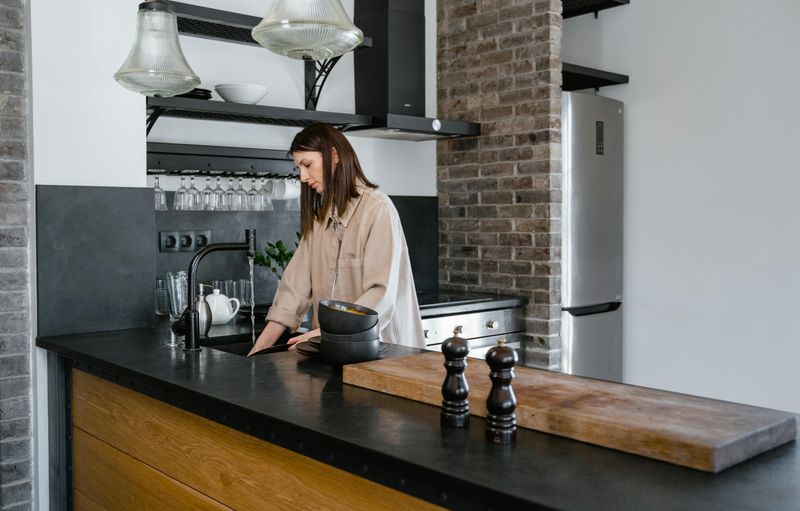
Walking back and forth across the kitchen dozens of times while preparing a single meal wastes energy and breaks concentration.
Distance between the sink and stove matters more than most homeowners realize, affecting everything from filling pots to rinsing vegetables mid-recipe.
When these two essential stations sit too far apart, cooking becomes a cardio workout rather than an enjoyable activity.
Water drips across floors, hot pans travel unnecessary distances, and the entire process feels disjointed and exhausting.
Experts recommend keeping sinks within a reasonable distance from cooking surfaces to maintain smooth workflow patterns.
While relocating plumbing requires significant investment, understanding this principle helps when planning renovations or choosing homes.
Temporary solutions include setting up a prep station with a large bowl of water near the stove for quick rinses during active cooking sessions.
4. Cluttered And Disorganized Cabinets Waste Time
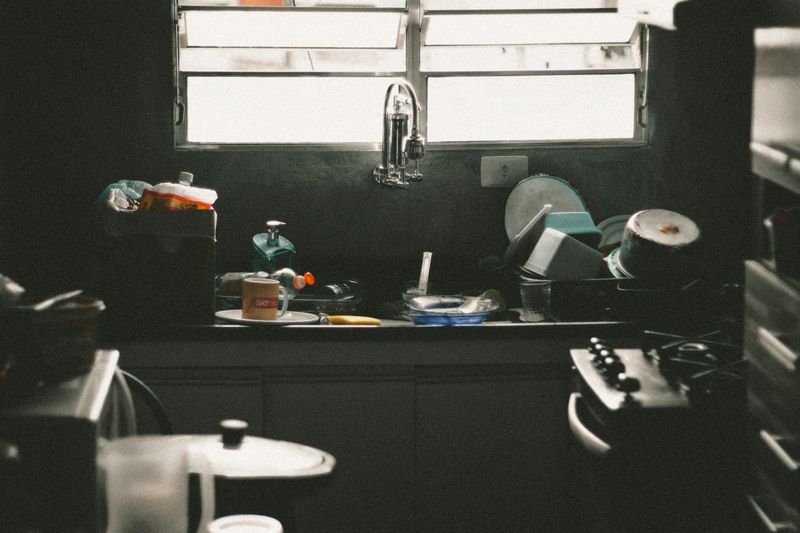
Digging through towering stacks of pans to find the right lid adds minutes to every cooking session and frays nerves before dinner even starts.
Cabinet chaos creates a domino effect where removing one item causes avalanches of cookware clattering onto counters or floors.
Without proper organization systems, even spacious cabinets become black holes where items disappear for months.
Duplicate purchases happen frequently because locating existing supplies proves too frustrating, leading to wasted money and even more clutter accumulating over time.
Drawer dividers keep utensils separated and easy to grab without rummaging through tangled messes.
Vertical pan racks allow stacking cookware on edge, making every piece visible and accessible instantly.
Regular decluttering sessions help eliminate duplicate tools and expired ingredients, creating breathing room and restoring sanity to daily kitchen routines throughout Illinois homes.
5. Unzoned Refrigerator Layouts Lead To Waste
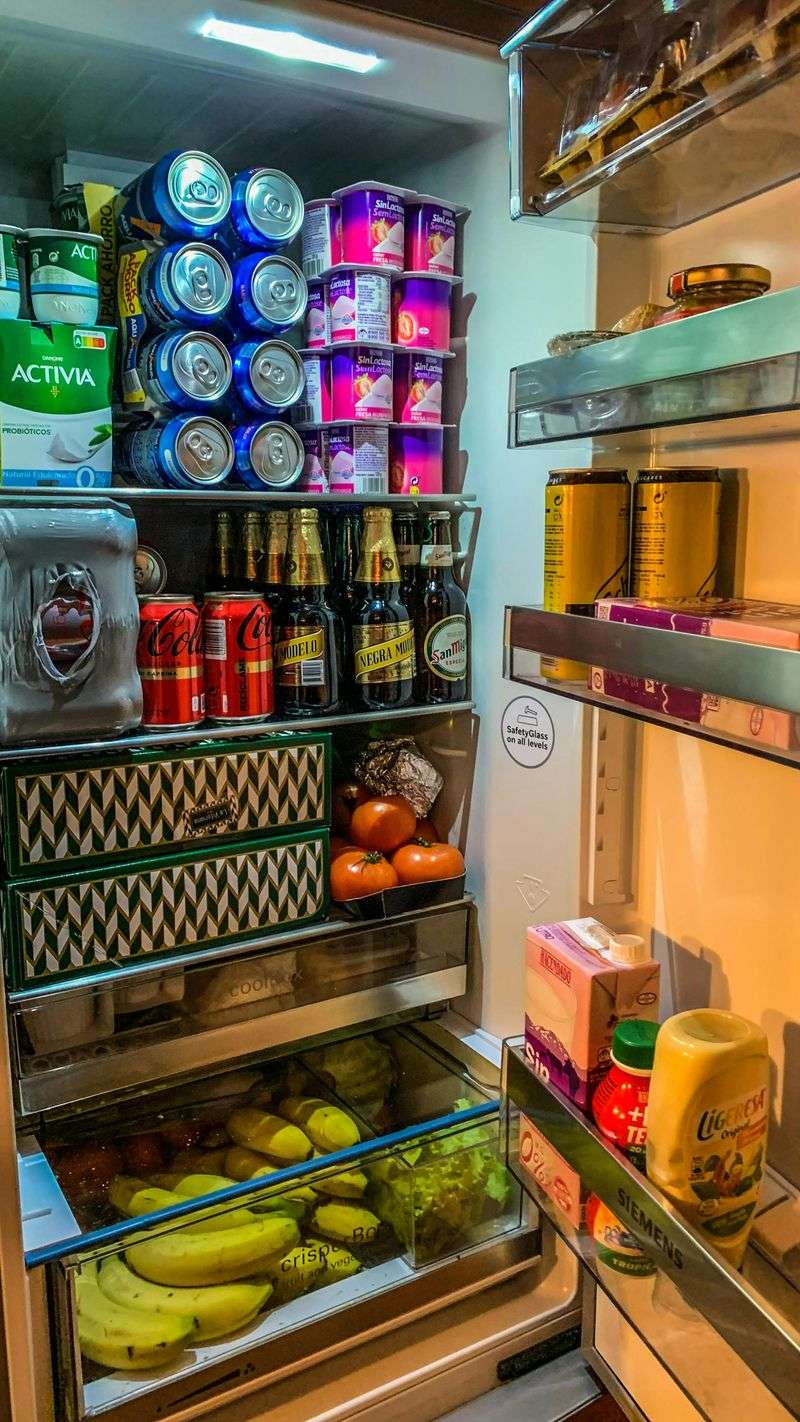
Forgotten vegetables turn to mush in back corners while fresh groceries get shoved wherever space appears, creating a chaotic jumble that makes meal planning nearly impossible.
Without designated zones, even well-stocked refrigerators fail to support efficient cooking or healthy eating habits.
Food spoilage increases dramatically when items lack consistent homes, and money literally rots away in produce drawers.
Family members struggle to find ingredients, leading to unnecessary grocery runs and duplicate purchases that crowd shelves even further.
Creating dedicated areas for produce, proteins, dairy, and condiments transforms refrigerator functionality overnight.
Clear bins or designated shelves help everyone know exactly where items belong and make restocking after shopping trips much faster.
This simple organizational strategy reduces waste, saves money, and makes preparing meals significantly easier for busy Illinois families juggling work and home responsibilities.
6. Obstructive Countertop Appliances Block Movement
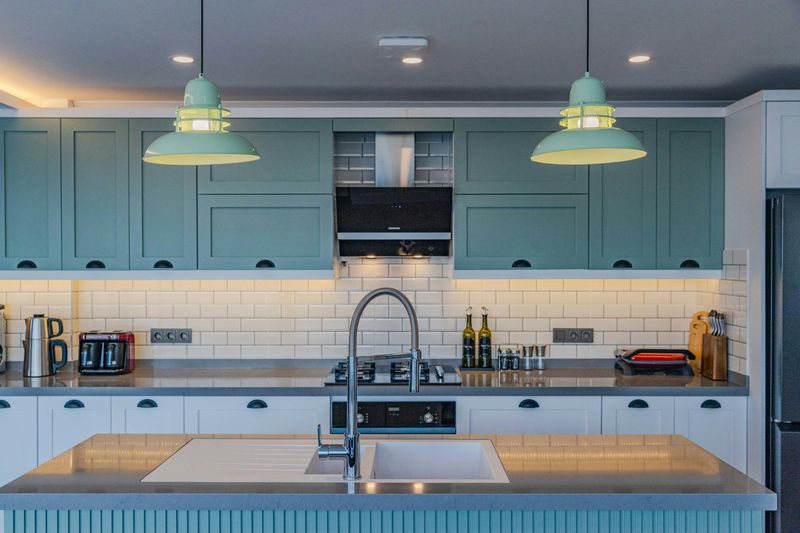
Bulky mixers, toasters, and coffee makers colonize prime real estate, leaving minimal room for actual cooking activities and creating obstacle courses during busy meal times.
Appliances positioned in high-traffic zones force awkward detours and increase collision risks when carrying hot pots or sharp knives.
The work triangle connecting sink, stove, and refrigerator becomes a maze when countertop gadgets interrupt natural movement patterns.
Even small appliances accumulate quickly, transforming functional kitchens into cluttered showrooms for rarely used equipment.
Relocating infrequently used appliances to pantry shelves or appliance garages clears valuable workspace instantly.
Keeping only daily essentials like coffee makers on counters maintains functionality while opening up room for meal preparation.
This strategic approach balances convenience with efficiency, ensuring Illinois kitchens remain practical spaces rather than storage units for forgotten gadgets collecting dust and taking up precious counter space.
7. Low-Hanging Overhead Cabinets Cause Strain
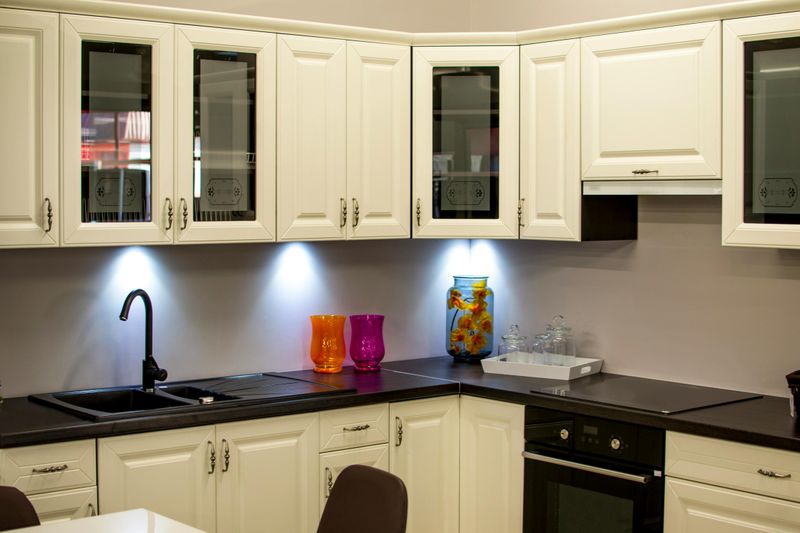
Constantly ducking or hunching over counters to avoid hitting cabinet edges creates chronic discomfort that worsens with each cooking session.
Cabinets positioned less than eighteen inches above work surfaces force unnatural postures that strain backs, necks, and shoulders over time.
This design flaw turns simple tasks like kneading dough or using stand mixers into physically awkward challenges.
Taller family members suffer most, but even average-height cooks find themselves contorting to accommodate poorly planned cabinet heights that seemed fine during installation.
Raising cabinets to proper heights or installing shallower upper storage provides adequate headroom and improves ergonomics significantly.
When renovations prove impractical, removing a row of cabinets entirely opens up the space and can create opportunities for open shelving instead.
These adjustments enhance comfort and functionality, allowing Illinois home cooks to work naturally without constant awareness of looming obstacles overhead during daily kitchen activities.
8. Mismatched Appliance Heights Create Uneven Workspace
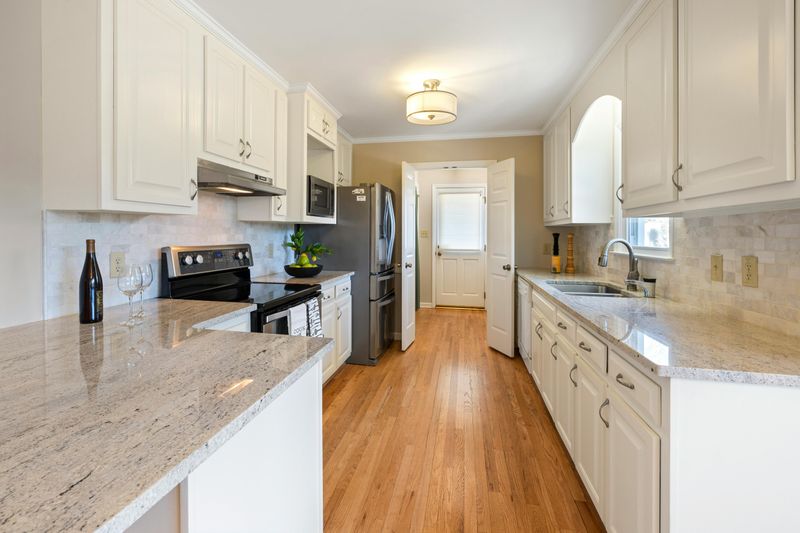
Countertops that resemble staircases rather than smooth work surfaces make rolling dough or sliding heavy pots between stations unnecessarily difficult and potentially dangerous.
Height variations between built-in appliances and standard counters disrupt the visual flow and practical functionality of kitchen layouts.
Working across uneven surfaces strains wrists and forearms, particularly during extended meal preparation sessions.
Mixing bowls wobble on raised edges, cutting boards slide unpredictably, and the entire workspace feels disjointed and uncomfortable throughout cooking processes.
Ensuring appliances install at consistent heights maintains harmonious and ergonomic kitchen layouts that support natural movement patterns.
During renovations or appliance replacements, careful planning prevents these mismatches from occurring in the first place.
Custom cabinetry or appliance platforms can correct existing height differences, creating smooth transitions that make Illinois kitchens more comfortable and efficient for everyone who cooks or gathers there regularly throughout the week.
9. Excessive Fridge Magnets Create Visual Clutter

Refrigerator doors buried under layers of magnets, school papers, and random notes transform kitchen focal points into chaotic bulletin boards that overwhelm the senses.
What begins as a convenient spot for one or two reminders quickly escalates into visual noise that makes entire kitchens feel disorganized and stressful.
Every magnet adds to the accumulated clutter that distracts from otherwise clean and thoughtful kitchen design choices.
Guests notice the chaos immediately upon entering, and even family members grow desensitized to important information hidden among the visual confusion covering appliance surfaces.
Limiting refrigerator decorations to a few meaningful items maintains clean and organized kitchen appearances that feel more intentional and welcoming.
Designating a small command center elsewhere for papers and schedules keeps information accessible without sacrificing aesthetics.
This simple discipline creates calmer environments in Illinois kitchens where design elements can shine rather than competing with layers of accumulated clutter.
10. Bold Themed Dish Towels Clash With Design

Bright holiday prints, cartoon characters, or loud slogans on dish towels draw attention for all the wrong reasons, disrupting carefully planned color schemes and aesthetic choices.
These small textile decisions carry more visual weight than expected, especially when towels hang prominently on oven handles or hooks near main work areas.
Themed towels that seemed fun in stores often clash with existing kitchen palettes, creating dissonance rather than harmony.
Seasonal or novelty patterns quickly feel dated or inappropriate, yet they linger in rotation long after their charm fades into embarrassment.
Choosing simple, neutral-toned towels complements kitchen aesthetics and maintains cohesive looks that feel intentional and sophisticated.
Classic colors like white, gray, or soft neutrals coordinate with any design style while remaining timeless and appropriate year-round.
This understated approach allows other design elements to shine while keeping Illinois kitchens looking polished and pulled together rather than haphazard or overly busy with competing patterns.
11. Expanded Prep Surfaces

Spacious prep areas make cooking feel relaxed and organized, giving every ingredient, utensil, and appliance a natural place to belong.
Generous counter space allows multiple tasks to happen at once, keeping meal preparation smooth and preventing last-minute scrambling.
Extra room reduces spills and accidents, creating a safer environment for chopping, mixing, and assembling dishes.
Well-planned prep surfaces encourage cooking from scratch, making it easier to handle fresh ingredients and larger recipes.
Additional workspace also supports shared cooking, allowing family members to help without getting in each other’s way.
Flexible solutions like rolling carts, sink-cover boards, and pull-out extensions add space only when needed.
These options maintain clean layouts while adapting effortlessly to busy cooking moments.
Expanded prep surfaces help Illinois kitchens feel functional, comfortable, and ready for everyday meals and special occasions alike.
12. Layered Kitchen Lighting
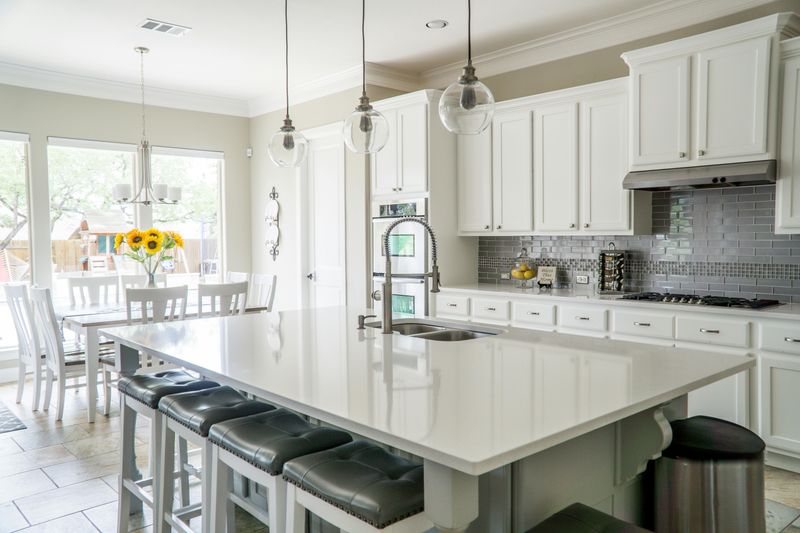
Thoughtfully layered lighting transforms kitchens into bright, inviting spaces that feel comfortable at any hour of the day.
Balanced illumination supports both functionality and atmosphere, making cooking, dining, and gathering more enjoyable.
Multiple light sources prevent harsh shadows, ensuring countertops and prep areas remain clearly visible at all times.
Proper lighting improves accuracy during food preparation, from reading recipes to judging doneness and freshness.
Layered lighting highlights cabinetry, backsplashes, and textures that might otherwise fade into the background.
Warm ambient light creates a welcoming glow, helping kitchens feel less utilitarian and more like living spaces.
Task lighting under cabinets delivers focused brightness exactly where it is needed most.
Accent and pendant lights add visual depth, personality, and architectural interest to the room.
Dimmer controls allow easy transitions from energetic meal prep to relaxed evening settings.
This lighting approach enhances safety, comfort, and design harmony throughout Illinois kitchens.
13. Improved Sink-To-Stove Workflow
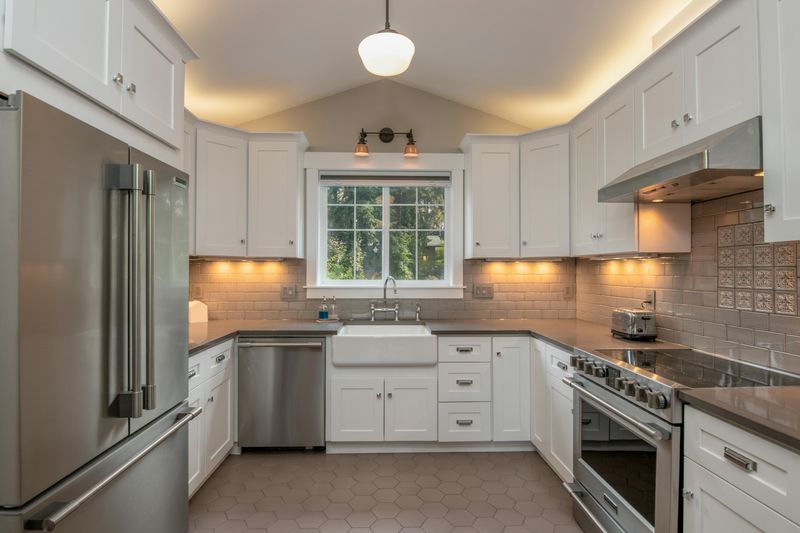
A thoughtfully planned sink-to-stove layout creates a smoother, more intuitive cooking experience that supports every stage of meal preparation.
Keeping these two essential stations within comfortable reach reduces unnecessary movement and helps cooks stay focused and efficient.
Shorter distances make it easier to rinse produce, fill pots, and transition seamlessly from prep to cooking without interruption.
This improved flow minimizes spills and drips by limiting how far water and hot cookware need to travel across the kitchen.
Cooking feels calmer and less physically demanding when movement follows a natural, predictable pattern.
A well-designed workflow encourages multitasking, allowing washing, chopping, and sautéing to happen fluidly and in harmony.
Less back-and-forth movement saves time and energy, especially during longer or more complex cooking sessions.
Improved positioning also supports safer cooking by reducing awkward turns, congestion, and crowded pathways.
The kitchen feels more connected and intentional when its most-used zones work together rather than against each other.
14. Organized And Zoned Cabinet Storage
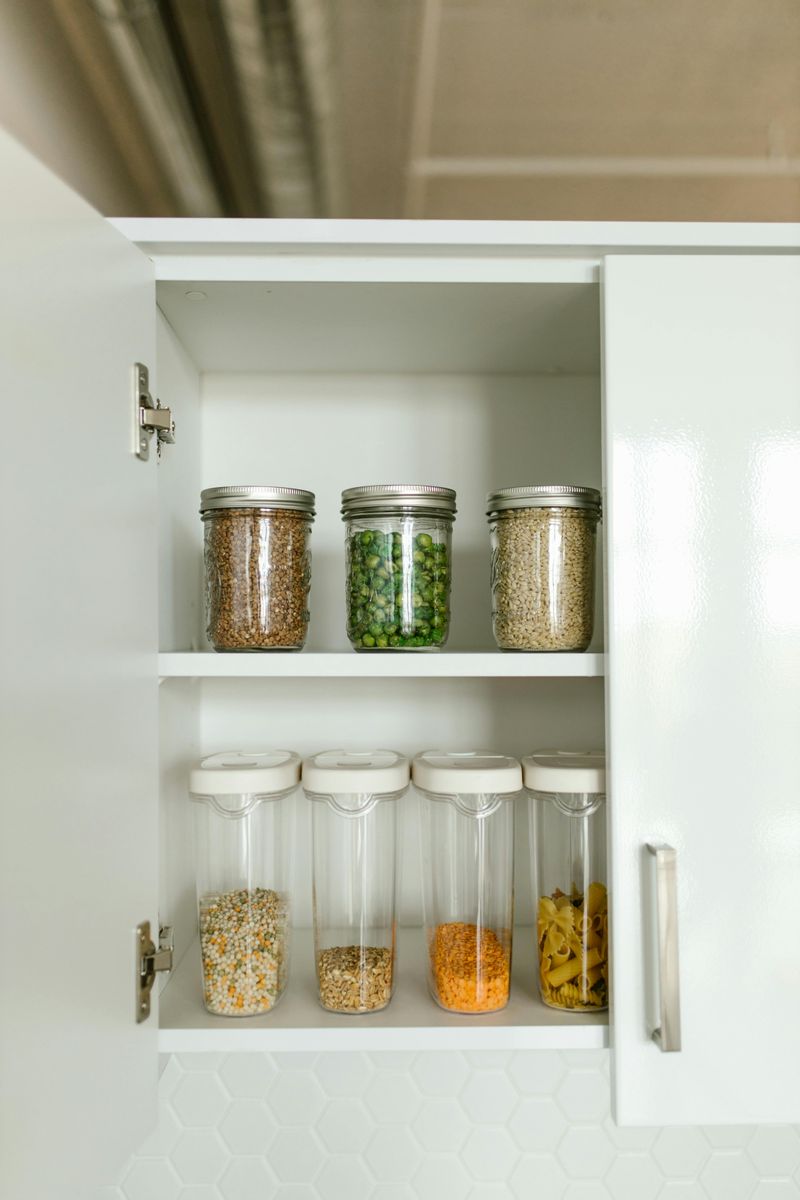
Clearly organized and intentionally zoned cabinets make daily kitchen tasks noticeably easier and more efficient.
Designated storage zones ensure cookware, utensils, and pantry items always have logical, easy-to-remember locations.
Zoned organization reduces frustration by eliminating constant searching and unnecessary rearranging.
Cooking becomes smoother when items are stored close to where they are actually used.
Proper cabinet organization helps prevent duplicate purchases and forgotten ingredients hiding in the back of shelves.
Grouping items by function supports faster meal prep and more streamlined workflows.
Visual order creates a calming atmosphere that makes the kitchen feel more spacious and manageable.
Cleanup becomes quicker and less overwhelming when everything has a clearly defined place.
Well-planned cabinet zones adapt easily as household routines, cooking habits, and storage needs change.
Organized and zoned storage turns cabinets into practical tools that actively support daily life in Illinois kitchens.
15. Refrigerator Zoning Systems
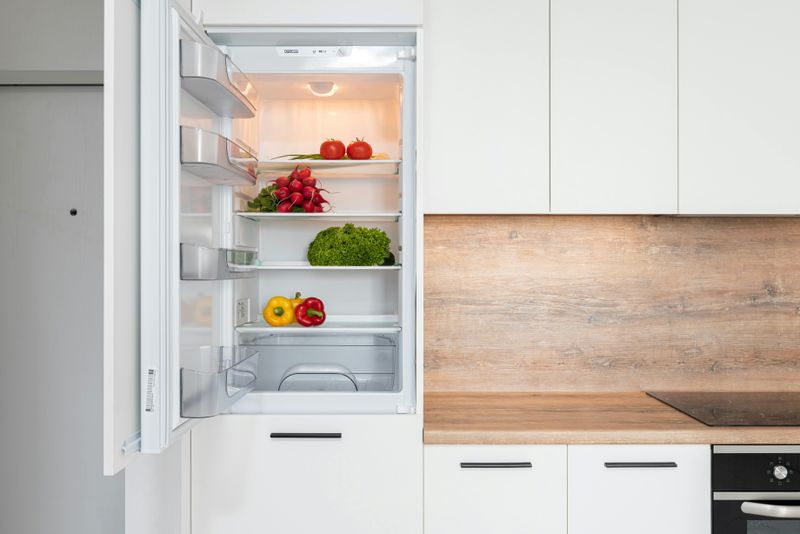
Well-designed refrigerator zoning systems make meal planning, cooking, and grocery management far more efficient and stress-free.
Clearly defined zones for produce, proteins, dairy, leftovers, and condiments ensure every item has an obvious and reliable home.
This organization improves visibility, making it easier to see what is available at a glance and reducing forgotten food.
Consistent placement helps family members quickly find and return items, keeping the refrigerator orderly without constant reminders.
Zoning supports healthier eating habits by keeping fresh foods front and center rather than buried behind containers.
Proper organization reduces food waste by preventing items from getting lost in hard-to-see corners.
Restocking after grocery trips becomes faster and more intuitive when shelves and bins serve specific purposes.
Clear zones also simplify cleaning by limiting spills and containing messes to designated areas.
The refrigerator functions more like a tool than a storage box when its layout supports daily routines.
Refrigerator zoning systems create a calmer, more efficient kitchen environment that supports busy Illinois households.
16. Streamlined Countertop Appliance Use
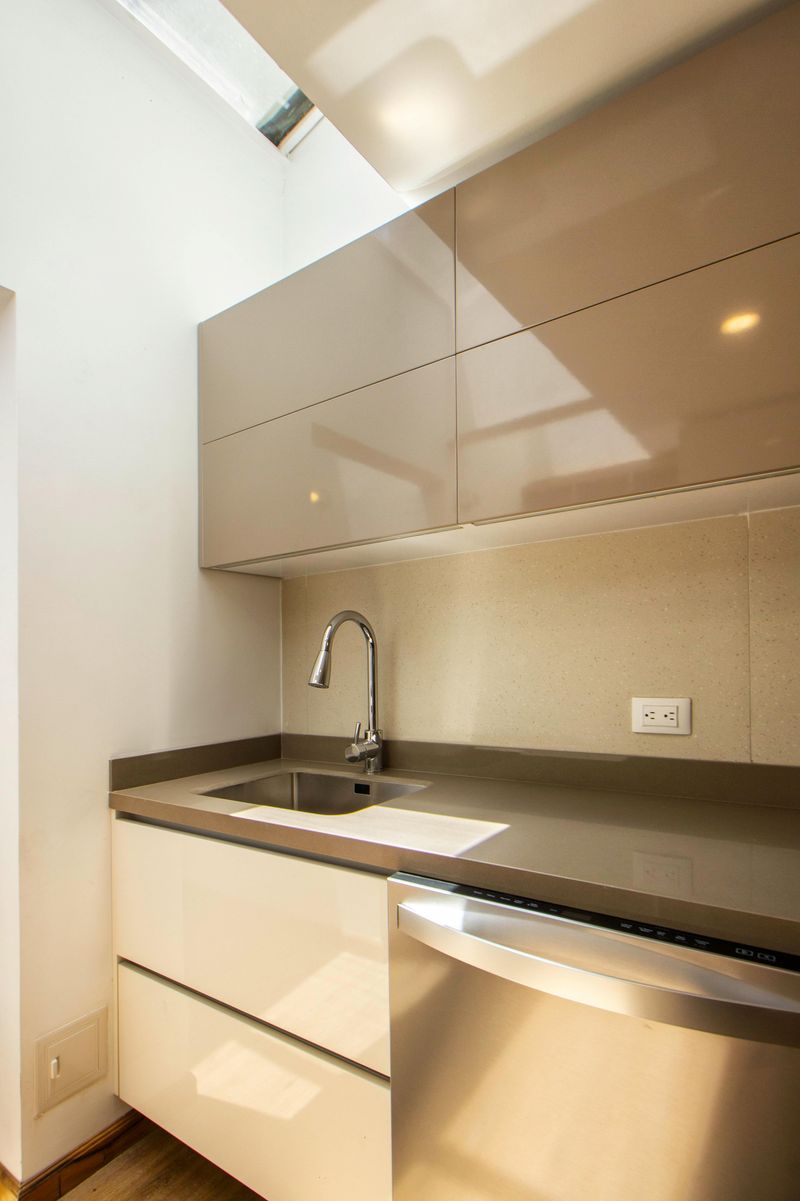
A streamlined approach to countertop appliances creates cleaner sightlines and significantly improves kitchen functionality.
Limiting counters to essential daily-use appliances preserves valuable workspace for food preparation and serving.
Reduced visual clutter makes kitchens feel more open, organized, and easier to navigate.
Clear counters support smoother movement between work zones, especially during busy cooking periods.
Storing infrequently used appliances nearby but out of sight keeps them accessible without dominating the space.
This balance allows convenience without sacrificing efficiency or design harmony.
Streamlined appliance use encourages intentional cooking habits rather than reliance on overcrowded surfaces.
Daily tasks become faster and safer when counters remain open and unobstructed.
The kitchen feels more purposeful when appliances support activities instead of competing for space.
This approach transforms countertops into functional work areas that enhance comfort, flow, and usability in Illinois kitchens.
17. Aligned Appliance Heights
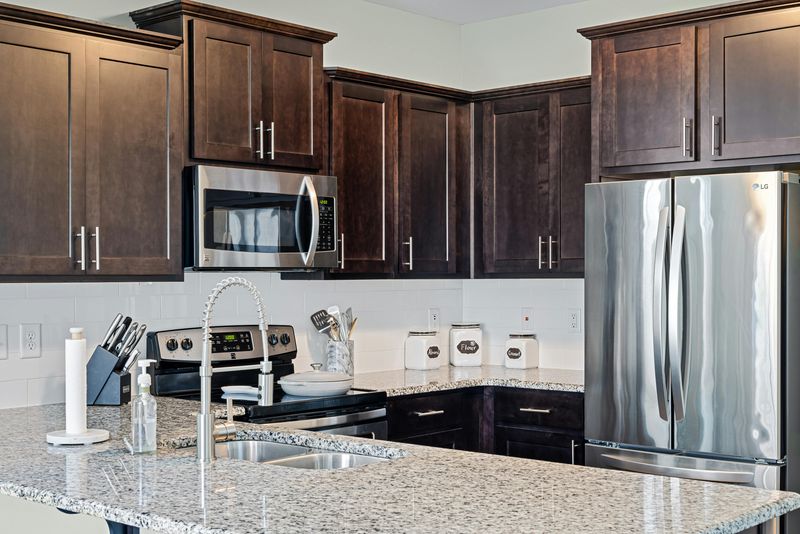
When countertops and built-in appliances sit at consistent levels, everyday cooking tasks become easier and more efficient.
Sliding heavy pots, trays, or mixing bowls across surfaces feels natural instead of awkward or strained.
A level workspace reduces unnecessary wrist, shoulder, and arm fatigue during longer meal prep sessions.
Consistent heights also improve safety by minimizing tipping, wobbling, or sudden drops caused by uneven transitions.
The kitchen gains a cleaner, more intentional appearance when appliances blend seamlessly into surrounding cabinetry.
Visual flow improves, making the entire space feel calmer and more professionally designed.
Aligned heights support better posture, especially for frequent cooks who spend extended time at the counter.
This thoughtful layout allows the kitchen to function as a unified system rather than a collection of separate parts.
Proper appliance alignment enhances both comfort and efficiency, contributing to kitchens that work effortlessly for daily life.
18. Ergonomic Upper Cabinet Placement
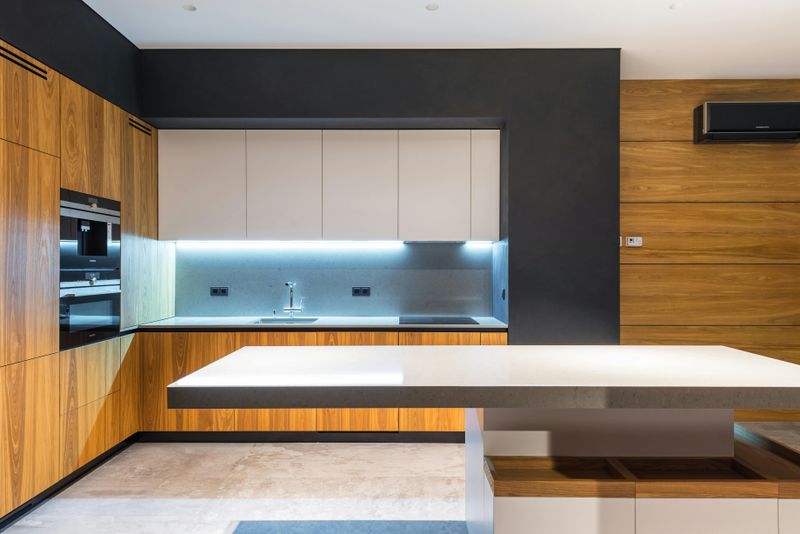
Cabinets positioned at appropriate heights reduce strain on the neck, shoulders, and back during everyday tasks.
Reaching for dishes, glassware, or pantry items becomes smoother and more natural without constant stretching or bending.
Proper spacing above countertops creates a more open feeling that prevents kitchens from feeling closed-in or cramped.
Improved cabinet placement supports better posture while cooking, baking, or cleaning for extended periods.
The kitchen feels more balanced when storage aligns with the way people naturally move and work.
Thoughtful cabinet heights also make room for better lighting placement, enhancing visibility on work surfaces.
Taller users benefit from increased head clearance, while shorter users gain easier access to frequently used items.
Well-placed upper cabinets encourage efficient organization by keeping essentials within comfortable reach.
Ergonomic cabinet placement transforms kitchens into spaces that feel supportive, functional, and enjoyable to use every day.
19. Dedicated Kithen Command Centers
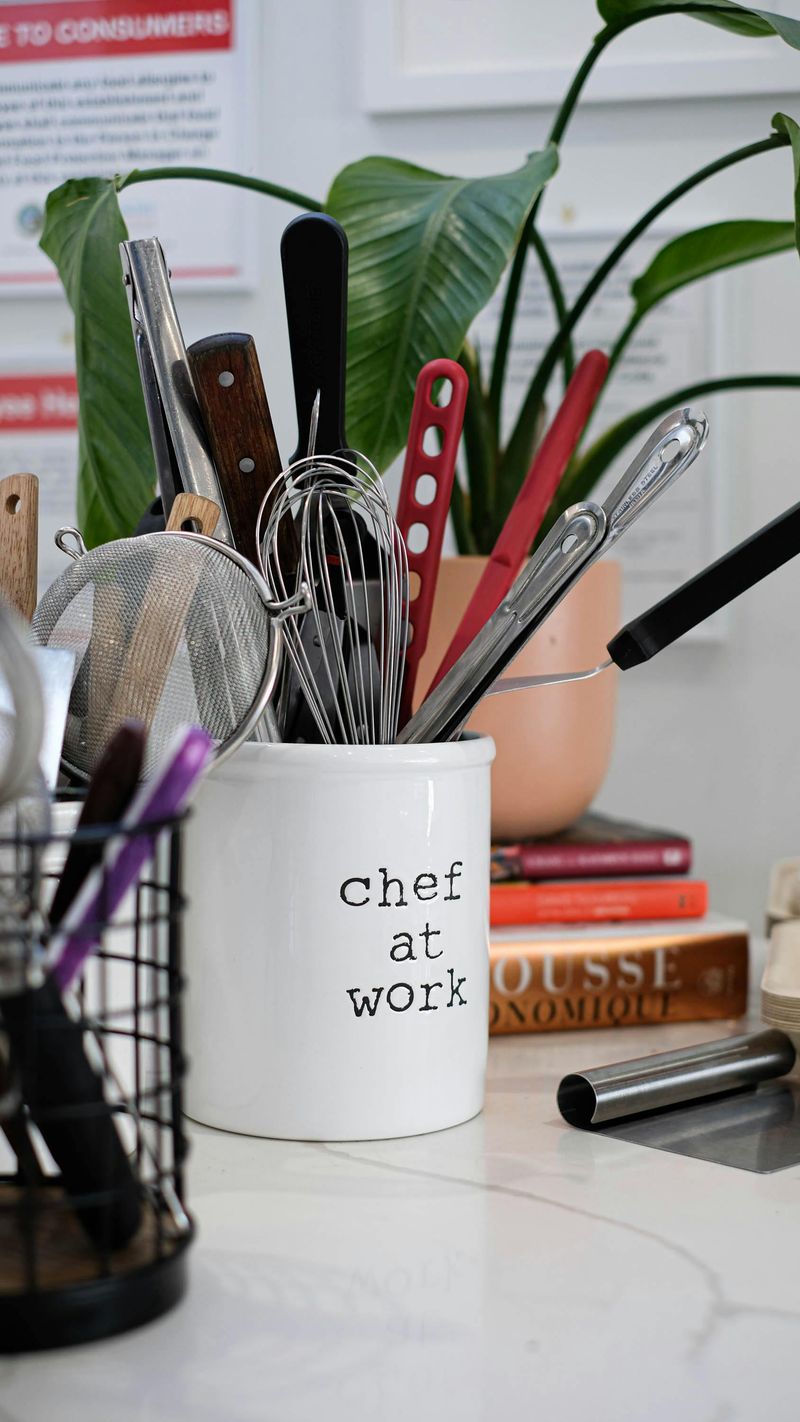
Important papers, schedules, and reminders stay organized in one intentional location rather than scattered across surfaces.
This central hub supports better communication by keeping family members informed without visual clutter.
Mail, calendars, and to-do lists remain easy to access while staying neatly contained.
Command centers reduce stress by eliminating frantic searches for permission slips, grocery lists, or important notes.
Thoughtful placement keeps these items visible yet discreet, preserving clean kitchen sightlines.
Designated storage encourages consistent habits that keep information up to date and easy to manage.
The kitchen feels more functional when organization supports daily routines instead of interrupting them.
Command centers help busy households stay coordinated without sacrificing aesthetics or workspace.
This approach transforms the kitchen into an efficient control center that supports smooth, well-organized days.
20. Neutral And Timeless Kitchen Textiles
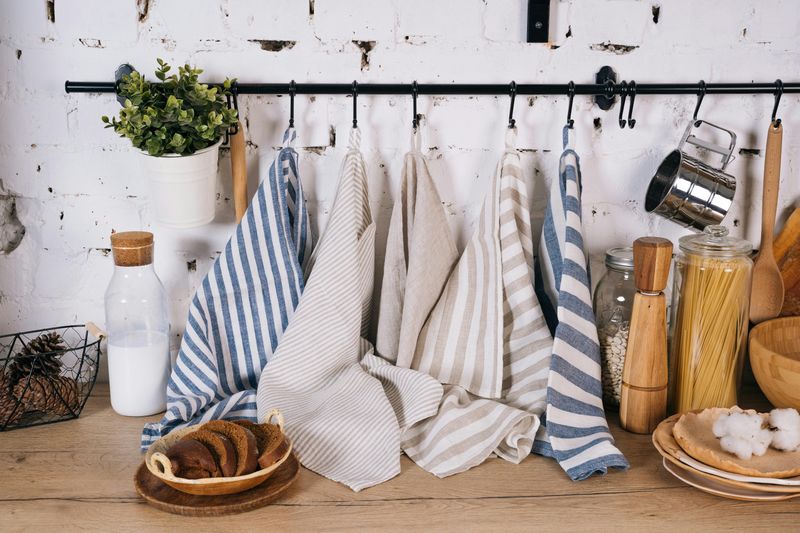
Soft, understated colors allow cabinetry, countertops, and architectural details to stand out without visual competition.
Textiles in whites, grays, and gentle neutrals naturally complement a wide range of kitchen styles, from traditional to contemporary.
These versatile choices make future updates easier, allowing homeowners to refresh spaces without replacing core elements.
Timeless fabrics avoid novelty themes and seasonal patterns that often feel outdated after only a short time.
Neutral textiles introduce a calming presence that balances the energy of busy, high-traffic kitchen environments.
Subtle textures add depth and warmth, preventing the space from feeling flat while maintaining visual simplicity.
Coordinated linens help kitchens feel thoughtfully curated rather than cluttered with mismatched or distracting accents.
High-quality neutral fabrics tend to age gracefully, retaining their appeal despite frequent washing and daily use.
This design approach keeps kitchens looking polished, adaptable, and effortlessly cohesive for years to come.