12 Florida Beaches Where You Can Escape The Crowds
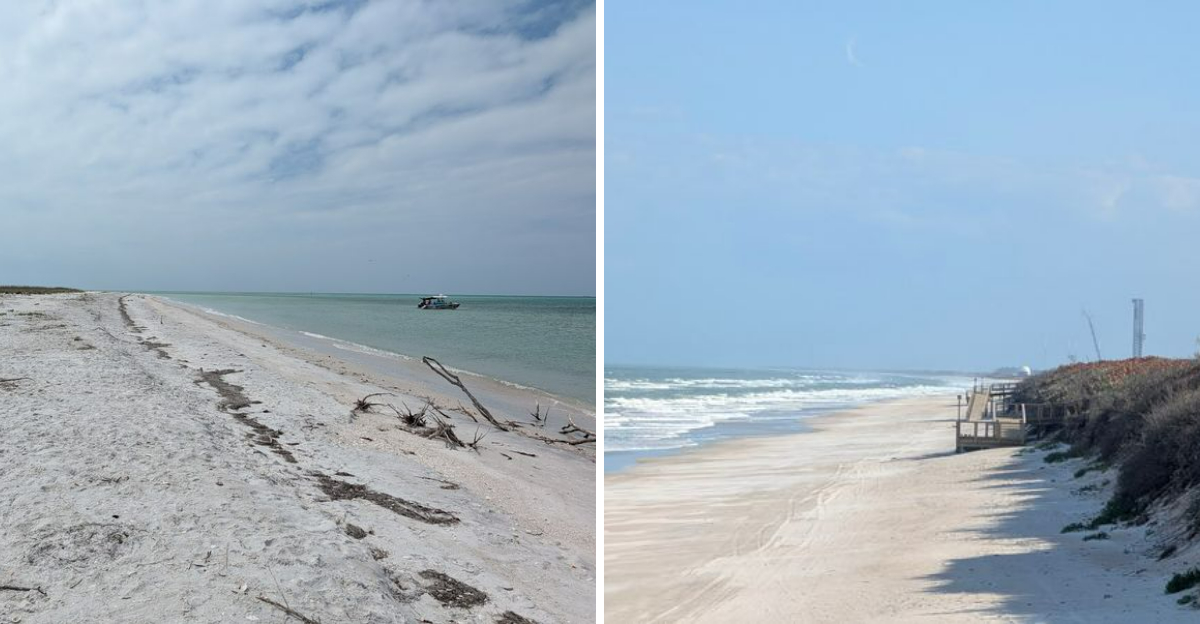
I almost missed it. I was driving down a two-lane road in the Panhandle, sunburned and slightly lost, when I pulled over at a beach with no name on my map.
No parking attendant. No gift shop.
Just white sand disappearing into the distance and a pelican judging me from a nearby post. That moment cracked everything open for me.
The state has a reputation it cannot shake. Spring breakers, theme parks, bumper-to-bumper traffic on US-1.
But Florida holds secrets, and most of them are coastal. There is a quieter version of this state running parallel to the one tourists flock to, and it took me years of wrong turns to find it.
This is what I want to show you.
1. Cayo Costa State Park
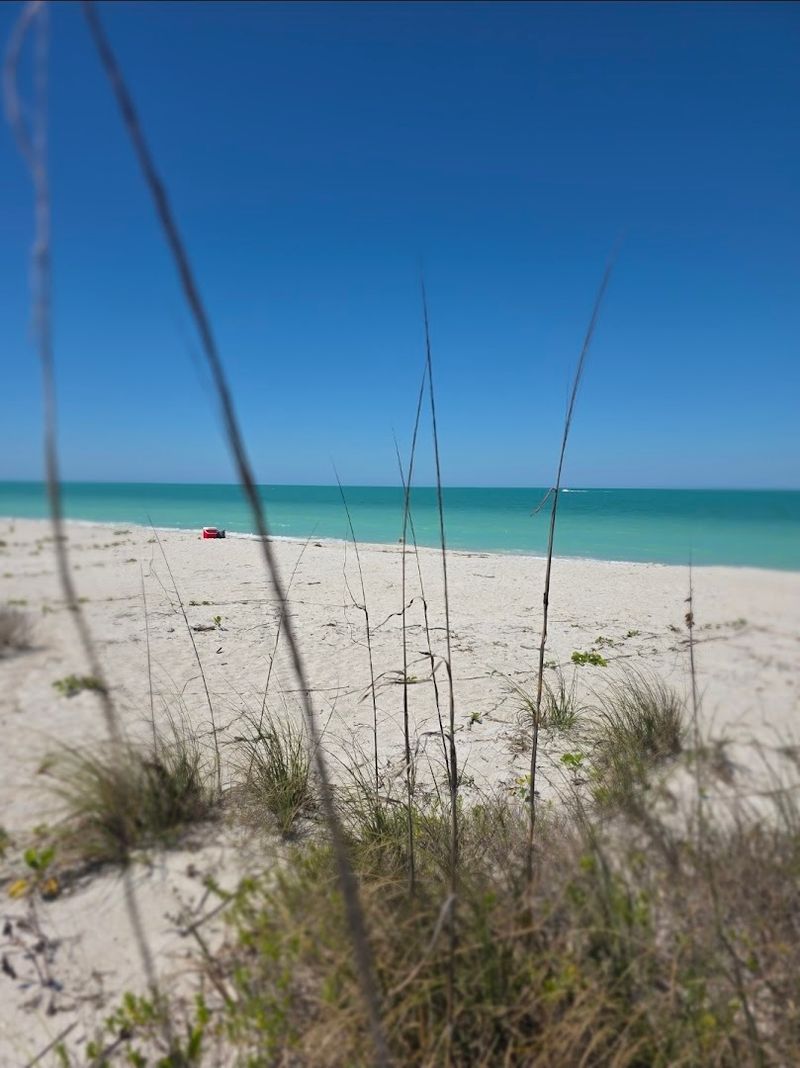
Most people never make it to Cayo Costa. That is exactly why you should.
The park sits on a barrier island. You can only reach it by boat or ferry.
No roads lead here, and that single fact filters out most of the crowd. The people who show up actually want to be there.
The island stretches nine miles. Most of it feels completely untouched.
Shelling is genuinely impressive here. Gulf currents push in lightning whelks, tulip shells, and sand dollars that still look like they belong underwater.
Come early, before the ferry crowd arrives.
Spending a night on the island is something else. The sky gets dark in a way city people forget is possible.
Dolphins appear just offshore. Osprey circle overhead without any particular urgency.
Note that Cayo Costa State Park is currently accessible only by private boat. Ferry service and overnight stays may be limited.
Kayaking the mangrove edges on the bay side reveals something that feels prehistoric. Bring everything you need.
No shops, no restaurants, no cell signal worth mentioning.
That is the whole point.
2. Caladesi Island State Park
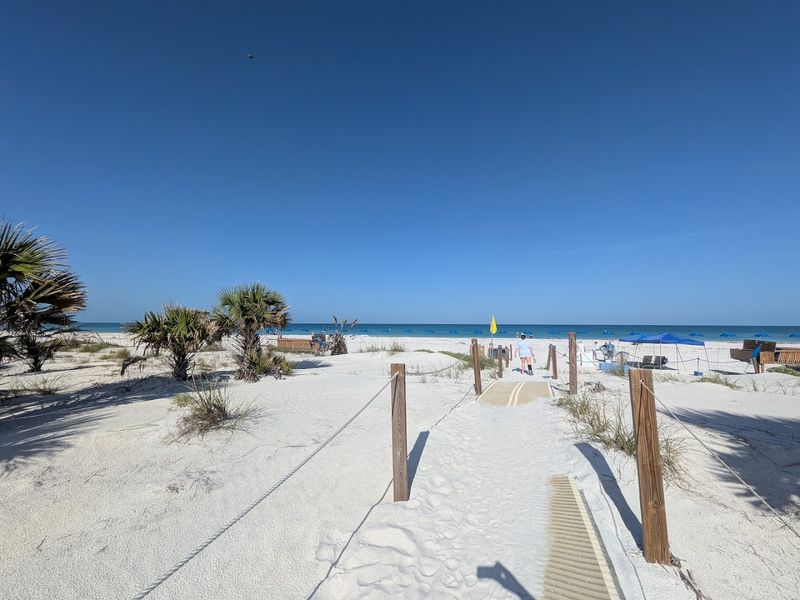
Caladesi Island has been ranked one of the best beaches in the country. That kind of title usually destroys a place. This one survived it.
The ferry from Honeymoon Island does the filtering. Anyone who cannot be bothered to make a small effort simply does not show up. The island rewards that effort fast.
The Gulf side beach is soft, pale, and wide. The water is clear enough to watch small fish dart around your ankles.
No hotels interrupt the shoreline. No high-rises.
Nothing built to break the view. It is one of the few places on the Gulf Coast where the shoreline still looks the way it did a century ago.
The bay side tells a different story. A kayak trail winds through mangrove tunnels that feel genuinely wild.
Roseate spoonbills feed in the shallows. Move quietly and you can get surprisingly close.
Reach Caladesi by ferry from Honeymoon Island. Go on a weekday.
The difference is noticeable. Crowds stay manageable, the pace slows down, and the whole thing feels less like a tourist attraction and more like a lucky find.
3. St. George Island State Park
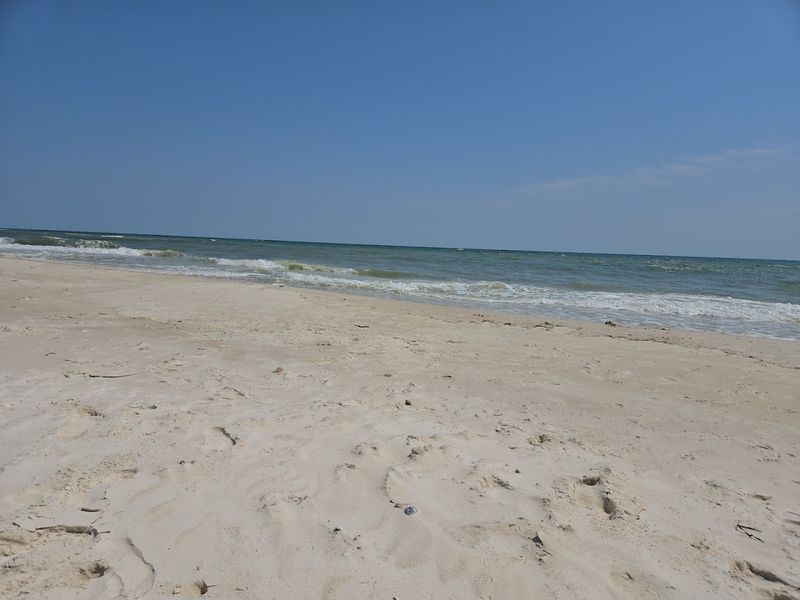
Nine miles of undeveloped beach is not something you find often in Florida anymore. St. George Island State Park sits at the eastern end of St. George Island in the Panhandle, far enough from the main beach town that most visitors never make it this far.
The sand here is the powdery white kind that the Panhandle is famous for, and the water runs clear and calm on most days. Shorebirds work the waterline constantly, and loggerhead sea turtles nest on these beaches during summer months.
The park takes nesting season seriously and marks off protected zones carefully.
Camping is one of the best reasons to visit. The primitive campsites sit close enough to the water that you can hear waves from your tent.
Fishing is popular along the shoreline and in the bay, and kayak rentals are available nearby if you want to explore the salt marshes on the island’s other side.
The park address is 1900 E Gulf Beach Dr, St George Island, FL 32328. Getting here requires crossing a bridge onto the island and then driving to the eastern tip, which adds to the sense of arrival.
Facilities are clean but minimal, which is exactly what this kind of beach should offer. Bring sunscreen, water, and a good reason to stay all day.
4. St. Joseph Peninsula State Park
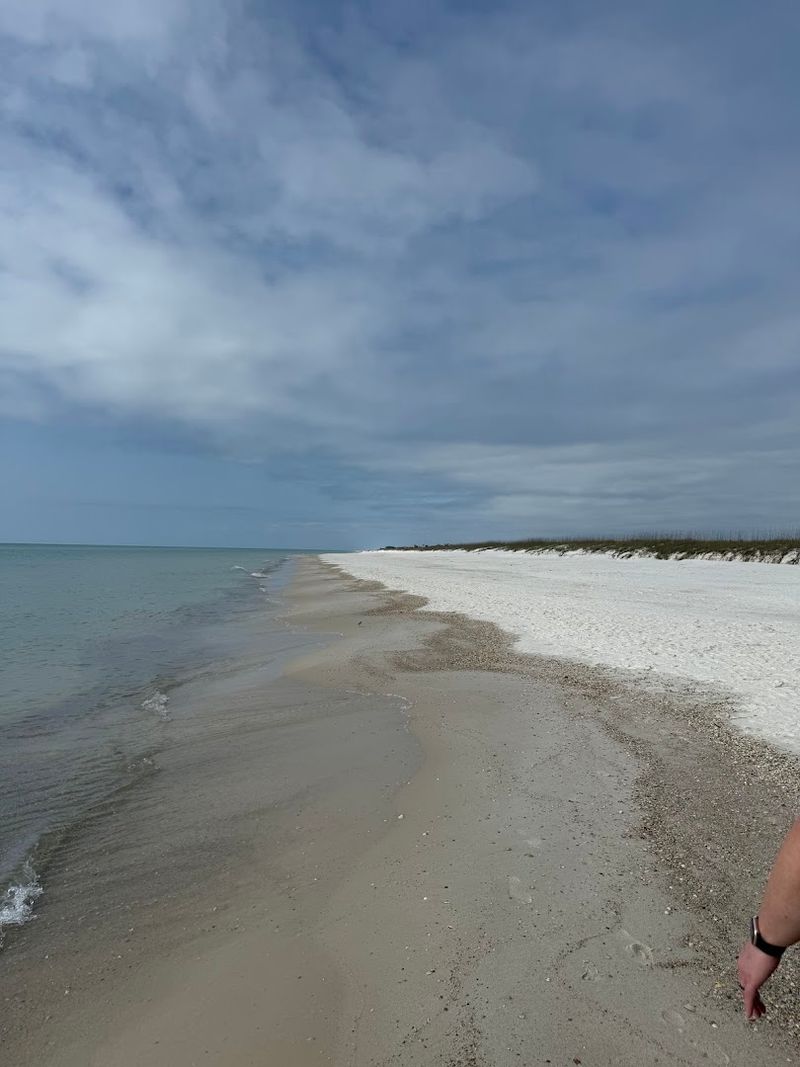
Stand in the right spot on St. Joseph Peninsula and you can see water on both sides without turning your head. That tells you everything about this place.
The park sits on a narrow strip of sand jutting into the Gulf. It is one of the most striking stretches of coastline in the state.
The Gulf side stops you mid-walk. Bright white sand, fine-grained, with water shifting from pale green to deep blue depending on depth.
Dune systems rise tall and well-formed, shaped by winds that have been doing the same work for thousands of years.
Birding here is exceptional. Fall migration pushes raptors and songbirds through in large numbers, and the park has earned a serious reputation among birders.
Camping ranges from developed sites to primitive backcountry spots for anyone who wants real solitude.
The drive in from Port St. Joe sets the mood before you even arrive. Pine flatwoods and salt marshes line the road, and by the time you reach the beach, you already feel far from everything.
Find the park at 8899 Cape San Blas Rd, Port St Joe, FL 32456. This is one of those places that feels like a reward for paying attention to the map.
5. Canaveral National Seashore
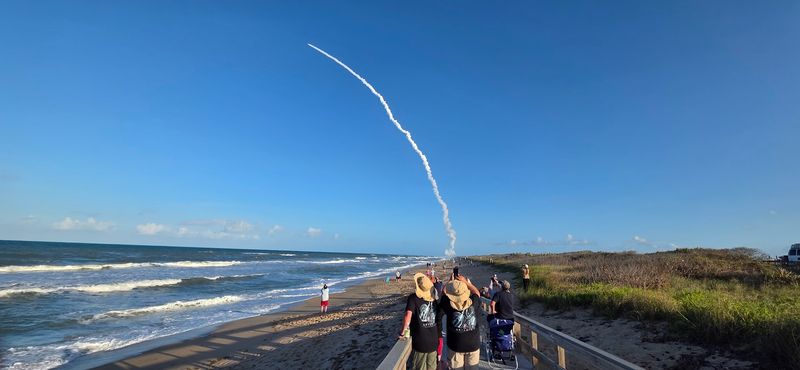
There are not many beaches in the world where you can watch a rocket launch from your beach towel, but Apollo Beach at Canaveral National Seashore is one of them. The Kennedy Space Center sits just to the south, and on launch days, the experience is memorable.
Most days, though, the beach is just quiet and beautiful.
Canaveral National Seashore protects 24 miles of Atlantic coastline, and Apollo Beach sits at the northern end near New Smyrna Beach.
The dunes are large and healthy, the water is Atlantic blue, and the parking lot almost never fills up the way it does at popular Volusia County beaches just a short drive north.
Sea turtle nesting activity here is significant. The seashore is one of the most important loggerhead nesting sites on the East Coast, and the park manages that with care.
During nesting season, beach access hours are sometimes adjusted, so checking ahead is worth the two minutes it takes.
The address for this section of the seashore is 7611 S Atlantic Ave, New Smyrna Beach, FL 32169. The drive in from the highway takes you past lagoons and scrub habitat full of birds and gopher tortoises.
Manatees show up in the Mosquito Lagoon on the inland side, and a kayak trip through there is something worth planning around.
6. Playalinda Beach
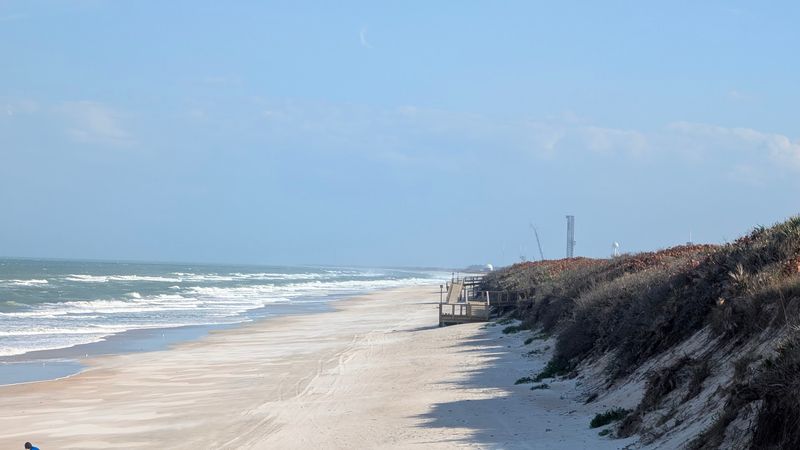
Playalinda Beach sits at the southern end of Canaveral National Seashore, and it earns its reputation for solitude honestly.
The road in from Titusville passes through the Merritt Island National Wildlife Refuge, which means the wildlife watching starts long before you reach the sand. Bald eagles, herons, and alligators are all regular sightings along that drive.
The beach itself is wide, windswept, and almost entirely without amenities. The farther you walk from the lots, the fewer people you encounter.
Moving away from the main parking areas, the beach feels noticeably quieter.
Surfers know this beach well because the Atlantic swells here can be surprisingly consistent. On days when the waves cooperate, a small group of locals usually shows up, but it never gets crowded the way more accessible beaches do.
The water is clear on calm days and powerful when the wind picks up.
Playalinda Beach is accessed via Playalinda Beach Road near Titusville. Keep in mind the beach closes when launches are scheduled from Kennedy Space Center, which is an inconvenience that comes with a pretty extraordinary consolation prize if you time it right.
Bring everything you need because the nearest store is a long drive back toward town.
7. Shell Key Preserve
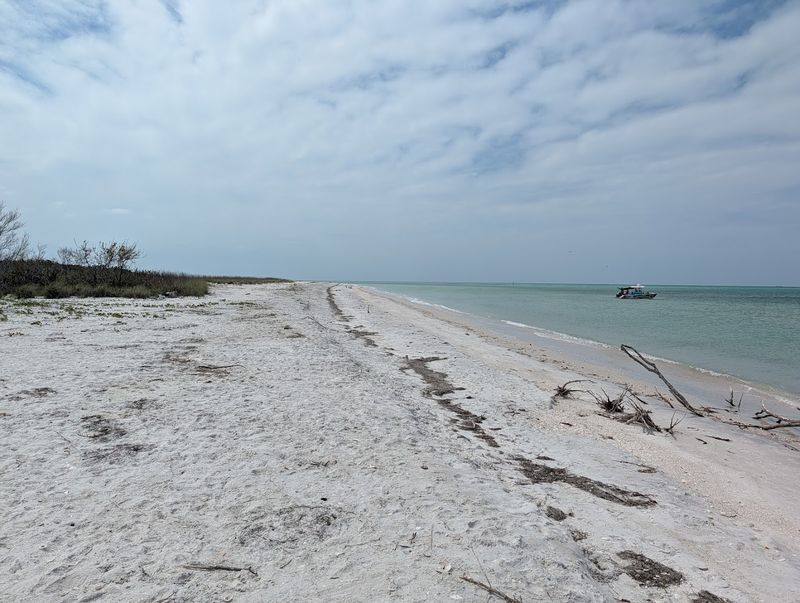
Shell Key is the kind of place that makes you feel like you found something nobody else knows about, even though plenty of people do.
The difference is that reaching it requires a boat, a kayak, or a ride on the Shell Key Shuttle from Fort De Soto Park, and that trip alone sorts out who is serious about the experience.
The preserve is a collection of barrier islands and shallow flats located near St. Pete Beach, FL 33706. Shelling here is extraordinary on a good tide, and the variety of species washing up on the sandbars rivals anything you will find on the more famous shelling islands farther south.
Low tide reveals sandbars that simply disappear at high tide, which makes timing your visit part of the fun.
Shorebird nesting is a big deal at Shell Key, and sections of the island are roped off during nesting season to protect species like the least tern and black skimmer.
Rangers and volunteers monitor the site carefully, and the preserve has seen real conservation success because of those efforts.
Snorkeling in the clear, shallow water around the sandbars turns up sea stars, small rays, and the occasional seahorse clinging to seagrass. The water temperature is warm for most of the year.
Nothing here is particularly dramatic or loud, and that is precisely what makes it worth the effort to get there.
8. Egmont Key State Park
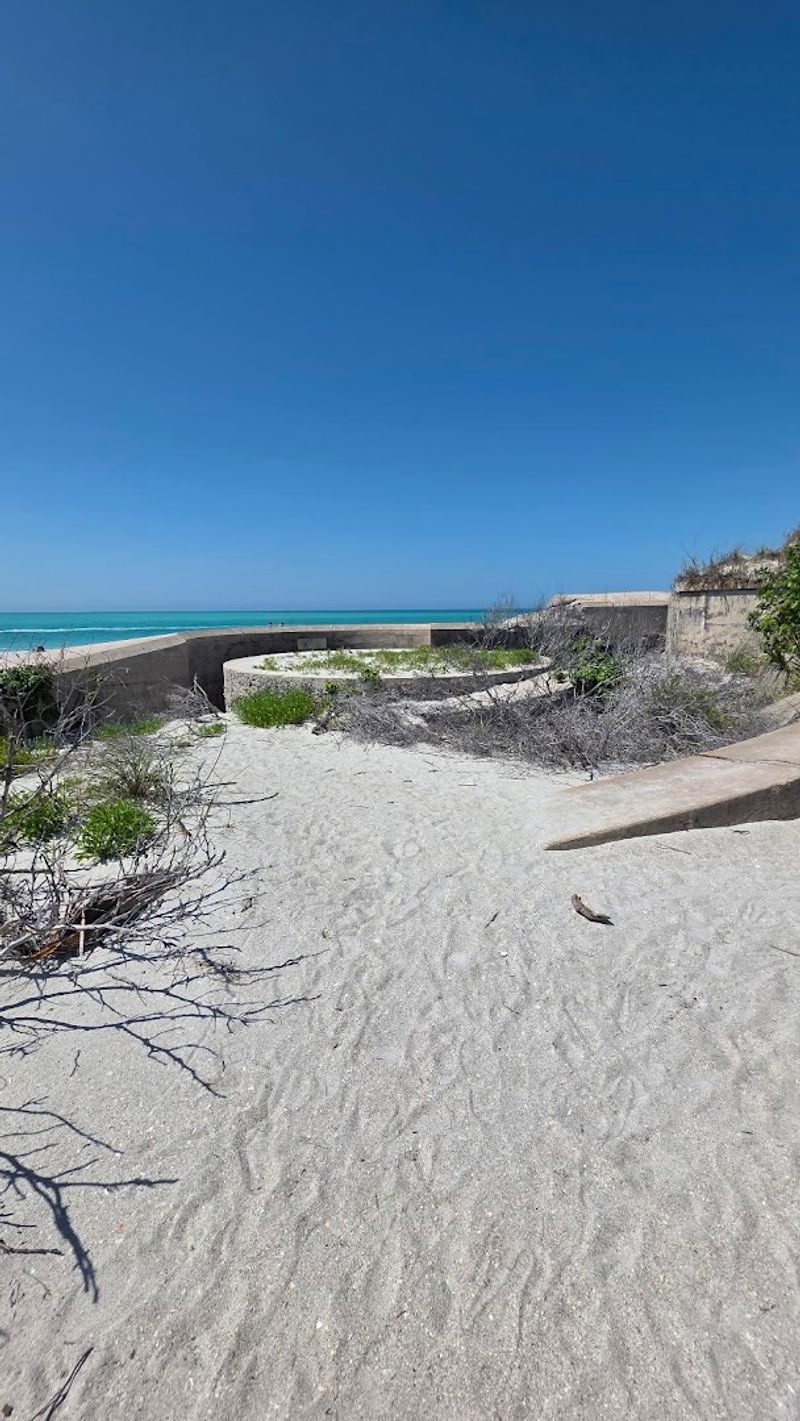
Most beaches have sand, water, and not much else to say for themselves. Egmont Key has brick roads swallowed by jungle, fort ruins from the turn of the 20th century, and loggerhead turtles swimming close enough to watch from shore.
The island sits at the mouth of Tampa Bay. You can only reach it by boat, which keeps it honest.
The Gulf side beaches are white and wide. The water around the island is well known for its sea turtle population, and the island itself is a designated wildlife refuge.
Development stays out. The experience stays natural.
Snorkeling around the old fort structures and rock jetties is worth the effort. Underwater visibility runs excellent on calm days.
Fish congregate around any hard structure in these warm waters, and the variety visible from the surface alone is impressive.
Ferry service runs from Fort De Soto Park in Pinellas County and from Anna Maria Island. The crossing takes around 30 minutes.
What you arrive to feels entirely disconnected from the Tampa Bay metro area surrounding it. That contrast alone makes the trip worthwhile.
9. Little Talbot Island State Park
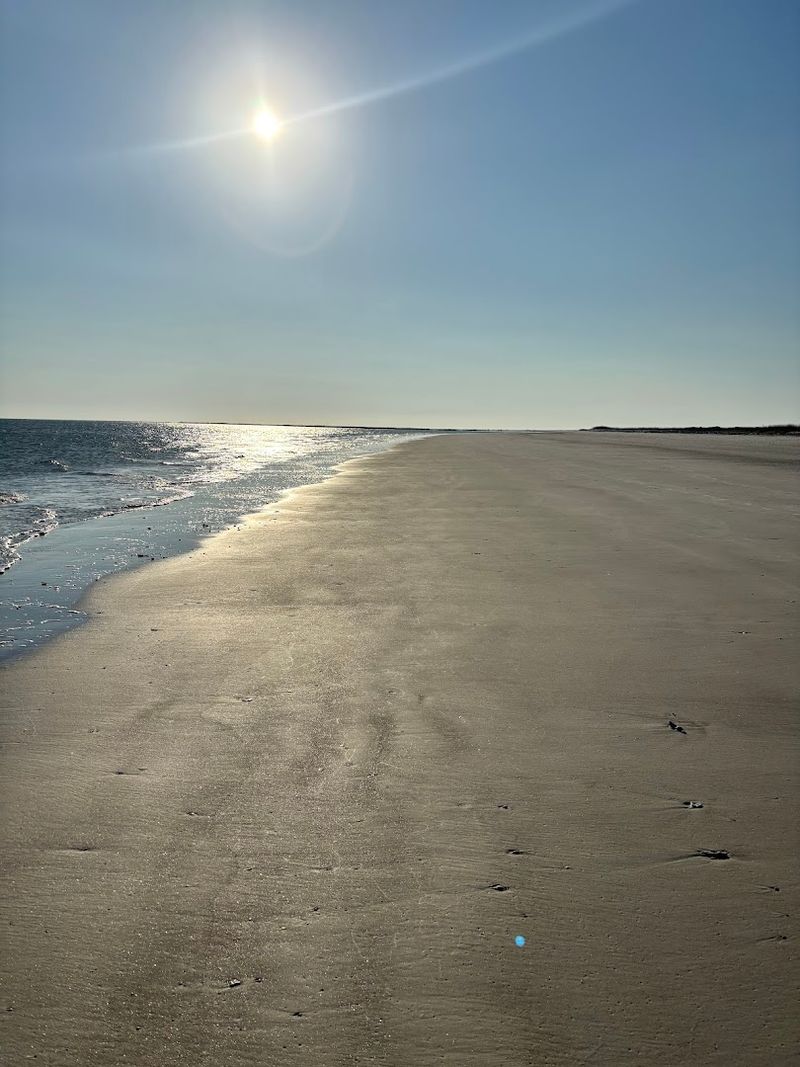
Northeast Florida does not get the same beach attention as the coasts farther south. Little Talbot Island benefits from that oversight enormously.
The park sits just east of Jacksonville. Five miles of undeveloped Atlantic beach back up against one of the most intact maritime forests in the state.
That combination is genuinely striking.
The beach has a wilder feel than most Gulf Coast spots. Atlantic waves arrive with more energy.
Dunes are tall and dramatic. The shoreline shifts noticeably between seasons, which makes repeat visits interesting rather than repetitive.
The maritime forest is worth exploring on its own terms. Hiking and biking trails wind through live oaks draped in Spanish moss, magnolia trees, and cabbage palms.
River otters, marsh rabbits, and a remarkable variety of birds live here year-round.
Kayaking the tidal creeks on the western side is popular and easy to arrange. Camping is available and genuinely peaceful, especially midweek.
Find the park at 12157 Heckscher Dr, Jacksonville, FL 32226, along a scenic stretch of road that follows the Nassau River.
10. Boneyard Beach
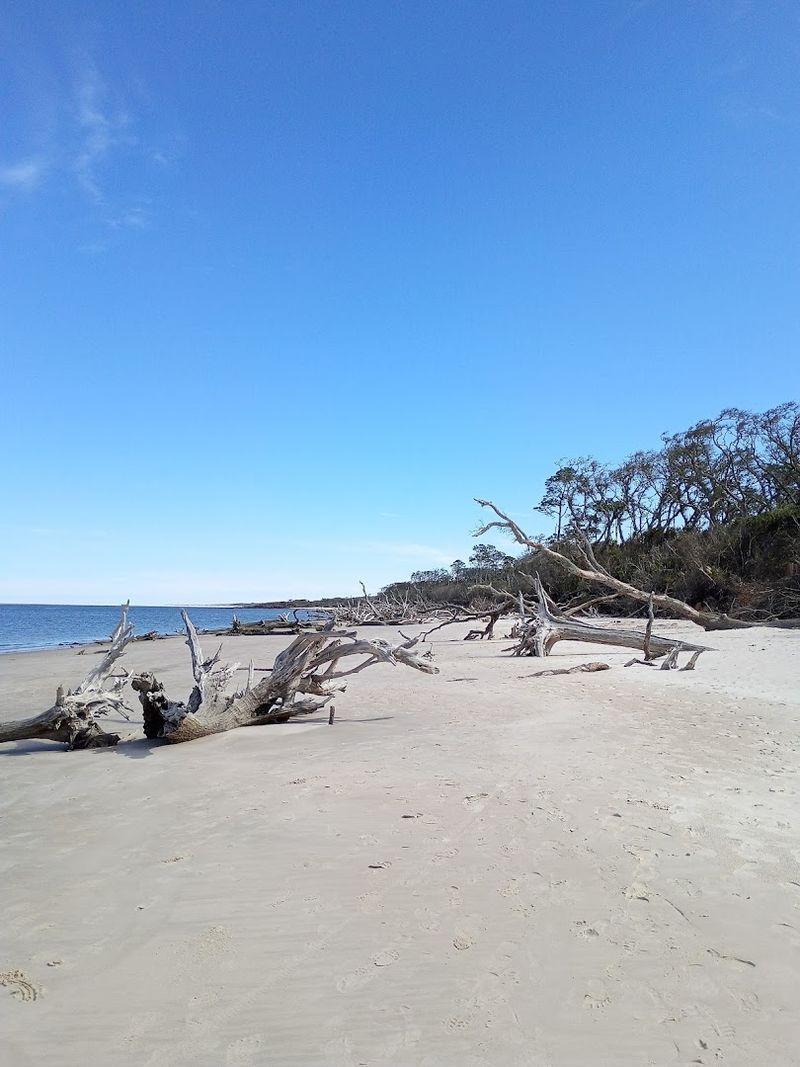
Nobody forgets their first look at Boneyard Beach. The bleached skeletons of ancient oak and cedar trees lie scattered across the sand like something from a dream sequence, their root systems exposed and reaching in every direction.
Erosion has claimed the land beneath them, leaving the trees to fall onto the beach and slowly become part of the landscape.
Big Talbot Island State Park preserves this stretch of coastline in its natural state, which means the scene changes with every storm and every tide. What you see on one visit will look different on the next, and that unpredictability is part of the appeal.
Photographers come specifically for this beach and often arrive at sunrise or sunset when the light turns everything golden.
The beach is not a swimming destination. The shoreline drops off quickly and the currents can be strong, but standing in the shallow water while surrounded by those driftwood forms is its own kind of experience.
It is more like visiting a natural sculpture park than a traditional beach.
The park sits along State Rd A1A N, Jacksonville, FL 32226, just north of Little Talbot Island. The two parks are close enough to visit in the same day, which makes the contrast between them all the more interesting.
One offers a classic beach experience, the other offers something you will not find anywhere else in Florida.
11. Blind Pass Beach
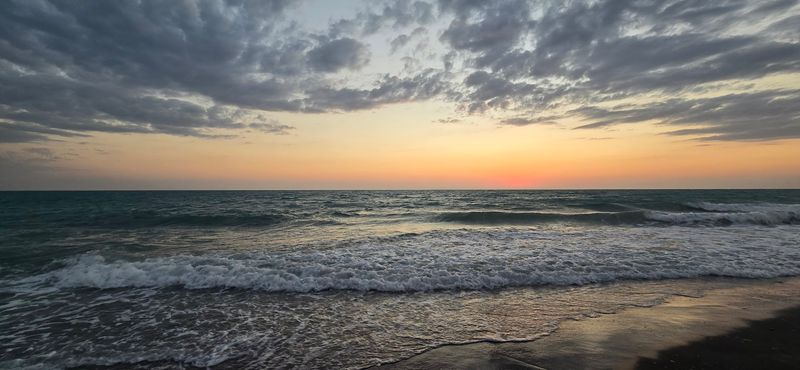
Locals near Englewood treat Blind Pass Beach like a secret they are not quite ready to share. Spend an afternoon here and you will understand why.
The beach sits at the northern tip of Manasota Key. A tidal pass once connected the Gulf to Lemon Bay here, and the current still moves through in ways that pull in good shelling and interesting marine life.
Shark teeth wash up regularly. That alone turns a beach walk into something more.
Australian pines shade the upper beach and create a canopy that makes the place feel like it belongs somewhere else. The filtered light through those trees in late afternoon is genuinely hard to describe without sounding excessive.
Fishing from the shoreline is popular. Tidal movement through the pass concentrates fish in predictable spots, and regulars know exactly where to stand.
Parking is limited at 6725 Manasota Key Rd, Englewood, FL 34223, which naturally keeps the crowd size down. Arrive early on weekends.
The drive along Manasota Key is narrow and lined with old Florida-style homes, and that alone is worth the detour. It is a reminder of what much of the Gulf Coast looked like before the condos arrived.
12. Stump Pass Beach State Park
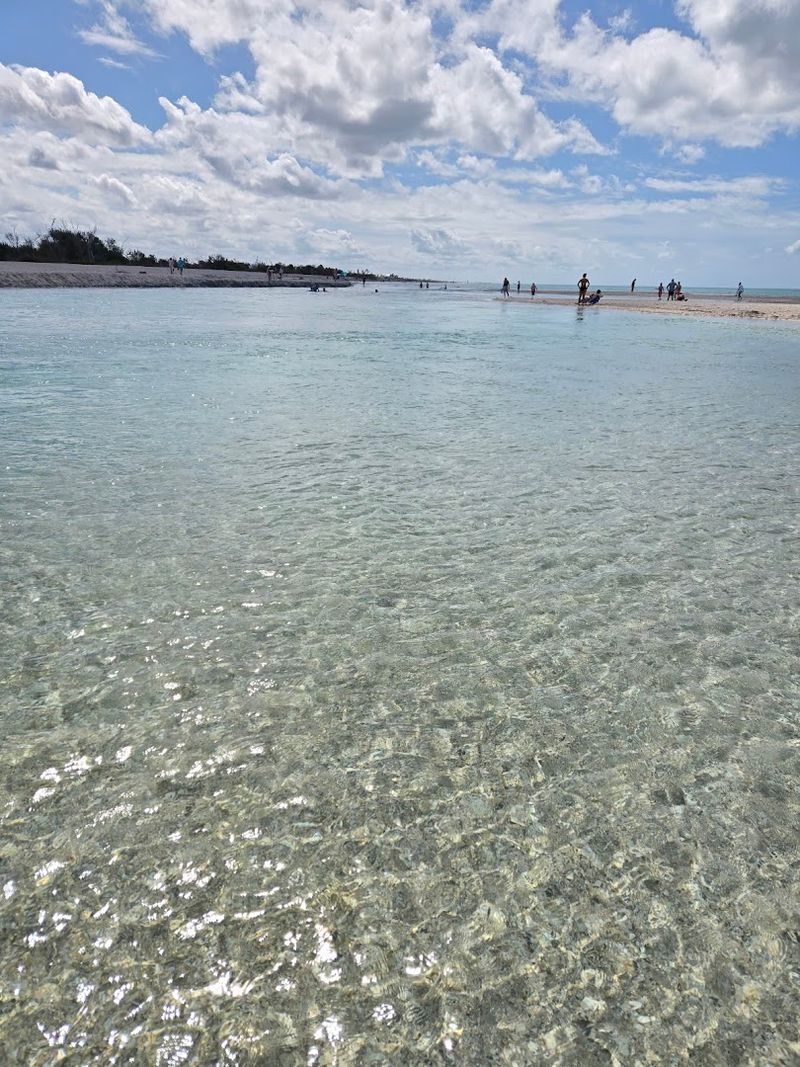
Most people drive past Manasota Key without a second thought. The ones who stop at the southern tip tend to stay much longer than they planned.
Stump Pass Beach State Park sits where the Gulf of Mexico and Lemon Bay meet at a natural tidal inlet. That pass shifts with every storm and tide.
It also concentrates shells in a way that makes serious beachcombers genuinely excited.
The park protects beach, coastal scrub, and pine flatwoods. Gopher tortoises cross the trail between the parking area and the beach regularly.
Spotting one has become a normal part of the visit. The scrub habitat here is rare and ecologically important, which gives the park a purpose beyond a good beach day.
Fishing the pass is productive. Snook, redfish, and flounder move through during tidal changes.
Dolphins work the current most afternoons, which is a reliable show if you time it right.
The park sits at 900 Gulf Blvd, Englewood, FL 34233. Blind Pass Beach is just a short drive north.
Visiting both in the same day is easy and gives you a full picture of what Manasota Key holds. Facilities are basic but clean, and the entrance fee is modest for what you get in return.