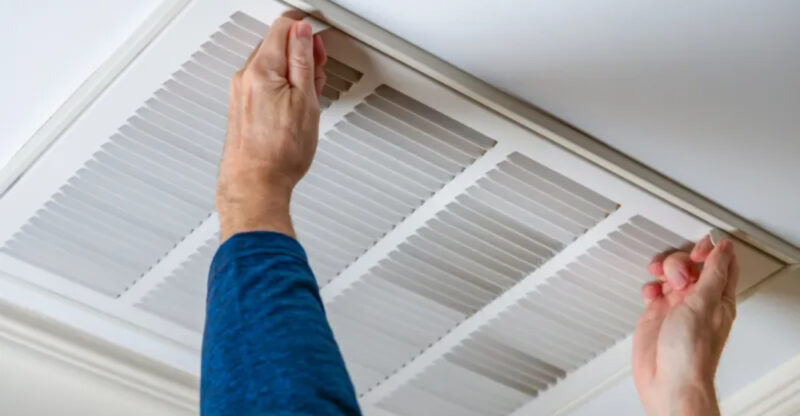
12 Florida Home Additions That Might Be Illegal Under Current State Regulations

Adding something new to a home often feels like an exciting upgrade, the kind that promises more comfort and a little extra breathing room.
In Florida, those dreams can unravel quickly once homeowners learn how many additions fall under strict permitting rules and tightly enforced building codes.
A simple project can shift into risky territory the moment it alters structure, utilities, or outdoor spaces governed by state and county regulations.
Small missteps grow expensive fast as unauthorized work becomes grounds for fines, stop-work orders, insurance issues, and even forced removal.
From roofed enclosures to structural changes, the state treats these upgrades seriously because safety, storm resistance, and long-term stability hinge on following the correct process.
Understanding what requires official approval saves time, money, and frustration while keeping a property compliant with Florida’s evolving standards.
1. Room Additions

Expanding your living space sounds like a dream come true until you realize you’ve skipped a crucial step.
Building permits aren’t just bureaucratic red tape – they ensure your new room meets safety standards for electrical wiring, structural support, and proper ventilation.
Adding a bedroom, sunroom, or extended living area without authorization violates zoning laws and can create serious headaches when you try to sell your property.
Buyers often discover unpermitted work during inspections, which can kill deals or force you to lower your asking price significantly.
The cost of obtaining retroactive permits can run into thousands of dollars, and some municipalities may require you to bring the entire addition up to current code standards.
Before breaking ground, visit your local building department to understand what paperwork you need.
Most counties in Florida have online permit applications that make the process easier than you might expect, and the peace of mind is worth the wait.
2. Enclosed Patios Or Carports
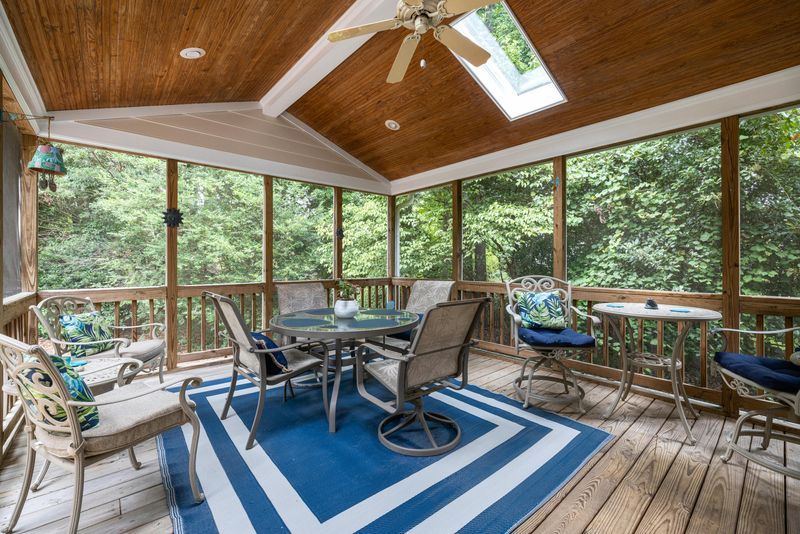
Converting your breezy outdoor space into a climate-controlled room might seem straightforward, but Florida’s building codes have other ideas.
When you enclose a patio or carport, you’re fundamentally changing the structure’s purpose and load-bearing requirements.
The walls, windows, and roof now need to withstand hurricane-force winds, which requires engineering approval and proper anchoring systems.
Many homeowners assume that because the roof already exists, they can simply add walls without official approval.
This misconception leads to structures that may look fine but could fail catastrophically during severe weather.
Insurance companies also take a dim view of unpermitted enclosures – if your converted space suffers damage during a storm, your claim might be denied entirely.
Local code enforcement officers can spot these conversions during routine inspections or neighbor complaints, resulting in stop-work orders and mandatory removal.
The permitting process typically takes a few weeks and ensures your new enclosed space is safe, insurable, and legal.
3. Decks And Patios
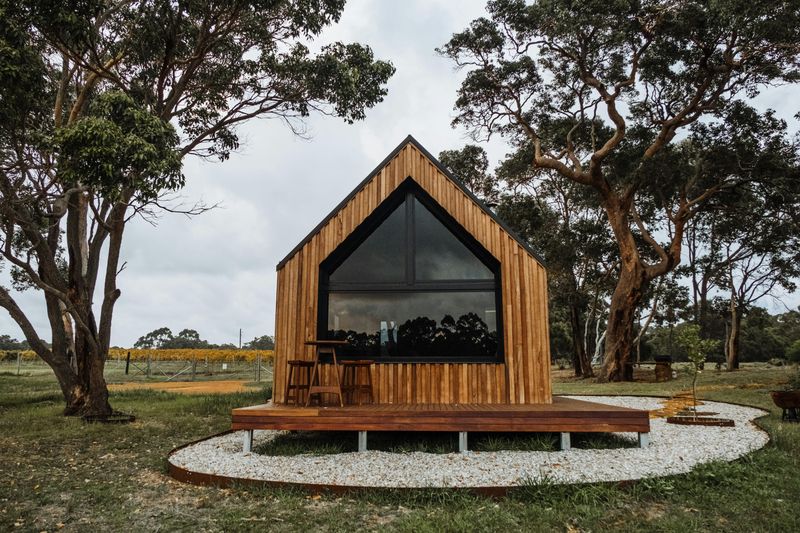
Building a deck for weekend barbecues seems harmless enough, but even these outdoor additions fall under Florida’s regulatory umbrella.
Decks require permits because they involve structural elements that must support significant weight – think about a dozen guests gathered for a party, plus furniture and grills.
The support posts need proper footings that extend below the frost line (or in Florida’s case, deep enough to provide stability in sandy soil).
Railings must meet specific height requirements and spacing standards to prevent accidents, especially if your deck is elevated more than 30 inches above ground.
Setback requirements also come into play – your deck cannot encroach on property lines or easements, and some neighborhoods have restrictions on how close structures can be to rear or side boundaries.
Unpermitted decks discovered during home sales can delay closings or require price renegotiations.
Code enforcement can also order unpermitted decks to be dismantled, wasting all the money and effort you invested in building them in the first place.
4. Swimming Pools
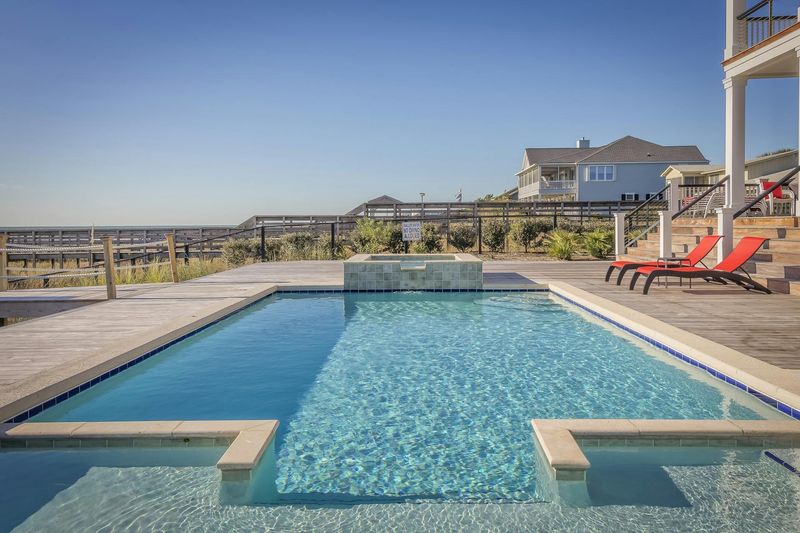
Installing a pool without proper permits is one of the most serious violations Florida homeowners can commit.
Florida law mandates specific safety features for all pools, including barrier fencing at least 4 feet high with self-closing, self-latching gates to prevent unsupervised access by young children.
These requirements exist because drowning is a leading cause of accidental death for children in the state.
Electrical work for pool pumps, heaters, and lighting must be inspected to ensure it meets code standards for wet locations and ground-fault protection.
Setback requirements determine how close your pool can be to property lines, septic systems, and your home’s foundation.
Unpermitted pools create massive liability issues – if someone is injured in your pool and it’s discovered that you skipped permits, your homeowner’s insurance might deny coverage entirely.
Selling a home with an unpermitted pool is nearly impossible, as lenders typically won’t approve mortgages until all work is properly permitted and inspected.
The permitting process protects your family and guests while safeguarding your property investment.
5. Sheds And Outbuildings
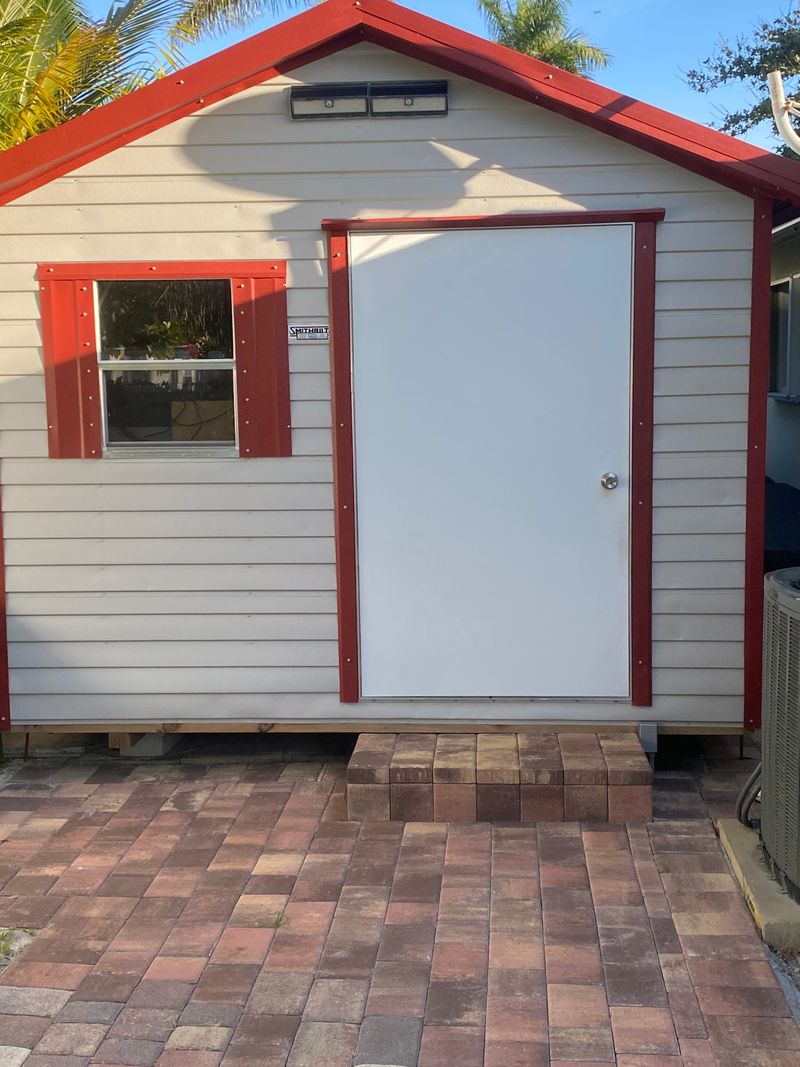
That garden shed you bought at the home improvement store might need official approval before you can legally install it.
Size thresholds vary by county, but many Florida municipalities require permits for sheds larger than 100 or 120 square feet.
Placement matters too – sheds must typically be set back a certain distance from property lines and cannot obstruct drainage easements or utility access.
If you run electricity or plumbing to your shed, permits become mandatory regardless of size.
Electrical work requires licensed contractors and inspections to ensure safe wiring that won’t create fire hazards.
Homeowner associations often have strict rules about shed appearance, requiring them to match your home’s exterior or be screened from street view.
Some neighborhoods prohibit sheds entirely or limit them to specific areas of your property.
Unpermitted sheds can result in fines and removal orders, especially if neighbors complain about their appearance or placement.
Taking the time to research local requirements before installation saves you from having to relocate or demolish your new storage space later.
6. Treehouses

Building a magical treehouse for your kids sounds innocent, but it can land you in unexpected trouble with local authorities.
Larger treehouses – especially those with platforms higher than 10 feet or with electrical hookups for lights or outlets – often require building permits.
Safety concerns drive these regulations, as falls from elevated structures can cause serious injuries.
Structural requirements include proper anchoring systems that won’t damage the tree while still providing stable support, railings to prevent falls, and safe access methods like sturdy ladders or stairs.
Some municipalities also have rules about how close treehouses can be to property lines, as they can be seen as privacy intrusions by neighbors.
If your treehouse is elaborate enough to be considered a dwelling or includes amenities like sleeping areas, the permitting requirements become even more stringent.
Unpermitted treehouses discovered during property assessments or neighbor complaints can result in removal orders.
Before starting construction, check with your building department to understand what’s allowed and what requires official approval for your backyard project.
7. Outdoor Kitchens With Gas Lines

Creating an outdoor cooking paradise with a built-in grill and all the amenities takes your entertaining game to the next level – but not without proper permits.
Any outdoor kitchen that includes gas line installations requires permits to ensure safe connections and leak prevention.
Gas leaks can lead to explosions or carbon monoxide poisoning, making professional installation and inspection critical.
Electrical outlets for refrigerators, lighting, or other appliances also need permits and must be installed with proper weatherproof boxes and ground-fault circuit interrupter (GFCI) protection.
The electrical work must be performed by licensed electricians who understand outdoor installation requirements.
Permanent structures like pergolas or roofs over your outdoor kitchen may trigger additional permitting requirements based on their size and attachment to your home.
Setback rules apply to outdoor kitchens just as they do to other structures, keeping them a safe distance from property lines.
Unpermitted outdoor kitchens can create insurance nightmares if fires or gas-related accidents occur, potentially leaving you personally liable for damages and injuries.
8. Fire Pits And Outdoor Fireplaces

Gathering around a crackling fire on cool Florida evenings creates wonderful memories, but permanent fire features need careful planning and permits.
Built-in fire pits and outdoor fireplaces require permits because they involve combustible materials and must meet clearance requirements from your home, fences, and vegetation.
Florida’s fire codes specify minimum distances to prevent structure fires and control smoke issues.
Gas-powered fire features need permits for the gas line installation, similar to outdoor kitchens.
The installation must include proper shutoff valves and leak detection measures.
Some municipalities restrict or prohibit outdoor burning entirely during dry seasons when wildfire risk increases.
Portable fire pits typically don’t require permits but are still subject to local burning ordinances and HOA rules.
Unpermitted permanent fire features can create liability issues if they cause property damage or injuries, and your insurance might refuse to cover fire-related claims.
Code enforcement can also require removal of unpermitted fire features, especially after neighbor complaints about smoke or safety concerns.
Checking local regulations before building ensures your fire feature is both legal and safe.
9. Fences

Privacy fences can transform your backyard into a secluded retreat, but they come with surprising legal requirements.
Height restrictions vary by municipality, with most Florida communities limiting front-yard fences to around 4 feet and backyard fences to 6 or 8 feet.
Installing a fence that exceeds these limits without a variance can result in enforcement actions requiring you to cut it down or remove it entirely.
Property line disputes are another common issue – if your fence crosses onto your neighbor’s land even by a few inches, you could face a lawsuit and be forced to relocate the entire structure.
Many homeowners skip the survey step to save money, only to regret it later when boundary conflicts arise.
Homeowner association rules often add another layer of restrictions, dictating fence materials, colors, and styles to maintain neighborhood aesthetics.
Some HOAs prohibit chain-link fences or require specific wood stains.
Checking with your local building department and HOA before installing a fence saves you from costly mistakes and neighborly disputes.
10. Unpermitted Structural Changes

Knocking down walls to create an open floor plan can modernize your home’s layout, but it requires professional assessment and permits.
Load-bearing walls support your home’s structural integrity, and removing them without proper engineering can cause sagging floors, cracked walls, or even catastrophic collapse.
Permits ensure that structural engineers evaluate the wall and design appropriate support beams to carry the load.
Electrical and plumbing modifications also require permits when you’re reconfiguring spaces.
Moving outlets, switches, or plumbing fixtures must meet current code standards even if the original installation was grandfathered under older rules.
Unpermitted structural work is one of the first things home inspectors flag during sales transactions, often requiring expensive remediation before closing can proceed.
Lenders may refuse to finance homes with known unpermitted work, severely limiting your buyer pool.
The permitting process protects your home’s structural integrity and ensures that modifications are safe.
Working with licensed contractors who handle permits as part of their service makes the process straightforward and protects your investment for years to come.
11. Unauthorized Home Businesses In Garages
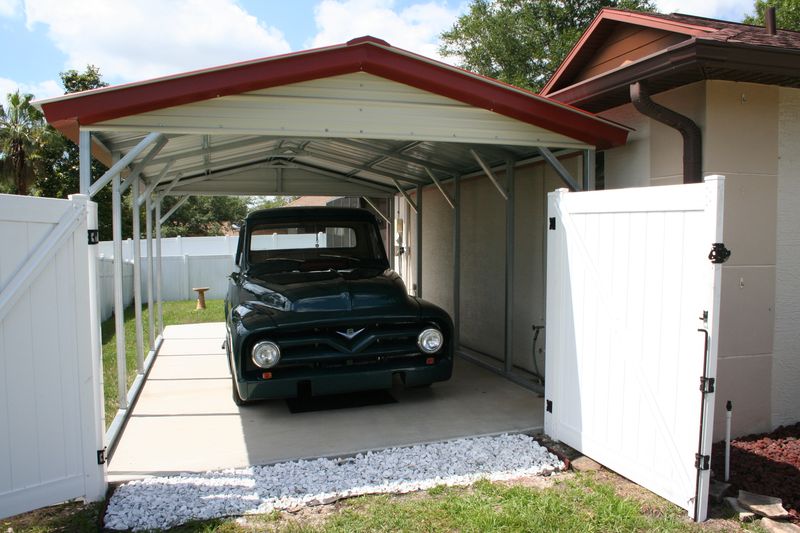
Running a small business from your garage seems like entrepreneurial spirit at its finest, but zoning laws have something to say about it.
Residential zoning exists to protect neighborhoods from commercial traffic, noise, hazardous materials, and other disruptions associated with business operations.
Auto repair shops, woodworking businesses, or manufacturing operations in residential garages often violate these zoning restrictions.
The intensity of your business matters – occasional freelance work on a computer is generally fine, but operating a shop that generates customer traffic, loud noise from equipment, or produces fumes and waste crosses the line into commercial use.
Neighbors can file complaints with code enforcement, triggering investigations and potential cease-and-desist orders.
Business licenses and proper zoning approval are required for home-based businesses that exceed certain thresholds of activity.
Penalties for zoning violations can include daily fines that accumulate quickly, plus orders to cease operations immediately.
Before launching a garage-based business, consult your local zoning department to understand what’s permitted in residential areas and what requires commercial property or special use permits.
12. Garage Conversions

Transforming your garage into a home office, gym, or guest suite can maximize your square footage brilliantly – if done correctly.
Garage conversions involve more than just throwing up some drywall and calling it a day.
Building codes require proper insulation, adequate ventilation systems, emergency egress windows, and sometimes even upgraded electrical panels to handle the additional load.
Florida’s hot, humid climate makes ventilation particularly critical in converted spaces, as poor air circulation can lead to mold growth and health problems.
The floor also needs proper treatment since garage floors typically aren’t designed for living spaces and may lack moisture barriers.
Another consideration is parking requirements – some municipalities mandate a certain number of covered parking spaces per home, and eliminating your garage might put you out of compliance.
Unpermitted conversions can trigger reassessments that increase your property taxes while simultaneously making your home harder to sell.
Working with a licensed contractor who pulls the proper permits protects your investment and ensures the space is comfortable year-round.