Florida Is Hiding An Art Village So Unusual It Barely Feels Real
The best version of Florida is rarely the one that announces itself loudly from the interstate. You are driving through the kind of flat, sun-bleached corridor that starts to blur after a while and then the road narrows and the buildings get louder.
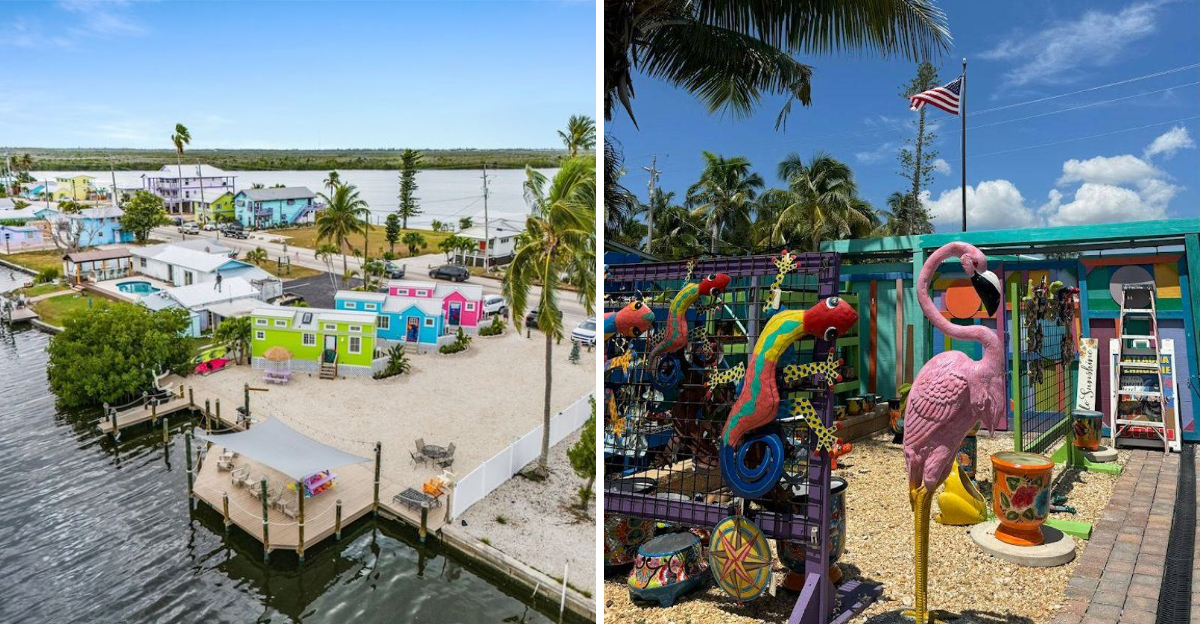
Something shifts in a way that is genuinely hard to explain, and the colors are the first thing to tell you why. Not the tasteful coastal palette that every beach town reaches for, but something wilder and more personal.
It looks like every building decided to have an opinion all at once. That is when you come face to face with a tiny fishing village that somehow has a second life as one of Florida’s most surprising art communities.
It has been quietly thriving there ever since. Galleries spill onto porches, sculptures appear in yards without explanation, and the whole place operates on a frequency that feels slightly removed from the rest of the state.
If you have been looking for the version of Florida that nobody puts on a postcard, you just found it.
The Wild, Colorful Streets
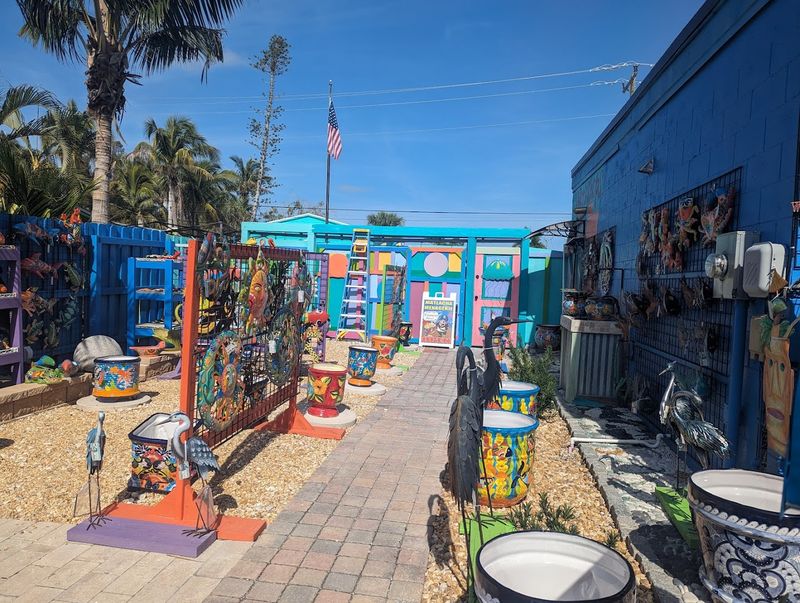
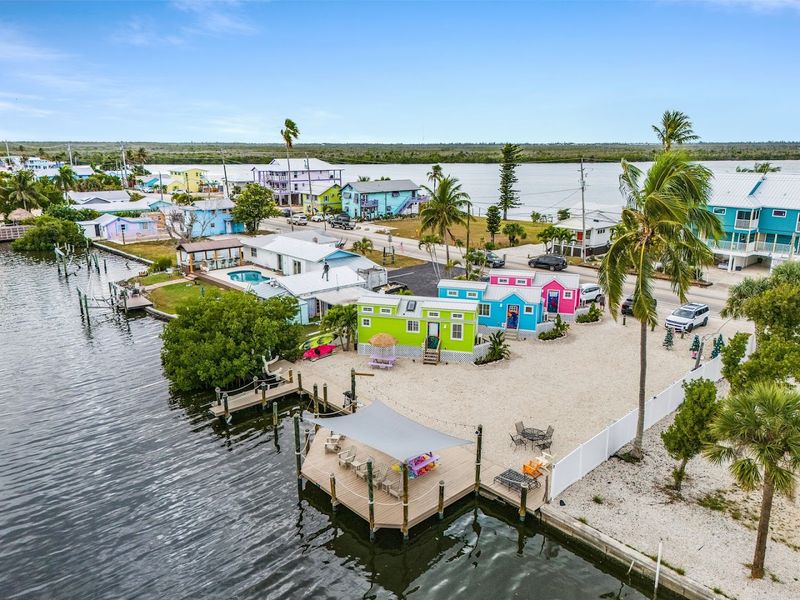
You round a bend on Pine Island Road and suddenly every building is screaming at you in turquoise, lime green, hot pink, and sunshine yellow. It is a lot, in the best possible way.
Matlacha sits on a small island between Cape Coral and Pine Island, connected by a two-lane drawbridge that feels like a portal to another dimension.
The whole village stretches along one main road, and almost every square inch of it is covered in some kind of art, mural, or painted declaration of creative joy.
What makes it so striking is that nothing matches, and somehow everything works together. Funky sculptures sit next to hand-painted signs.
Wind chimes made from shells and sea glass dangle from every porch.
The whole place hums with a kind of low-key artistic energy that you feel the moment you roll down your window. It is not trying to impress you.
That is exactly why it does.
The Art Galleries You Cannot Stop Walking Into
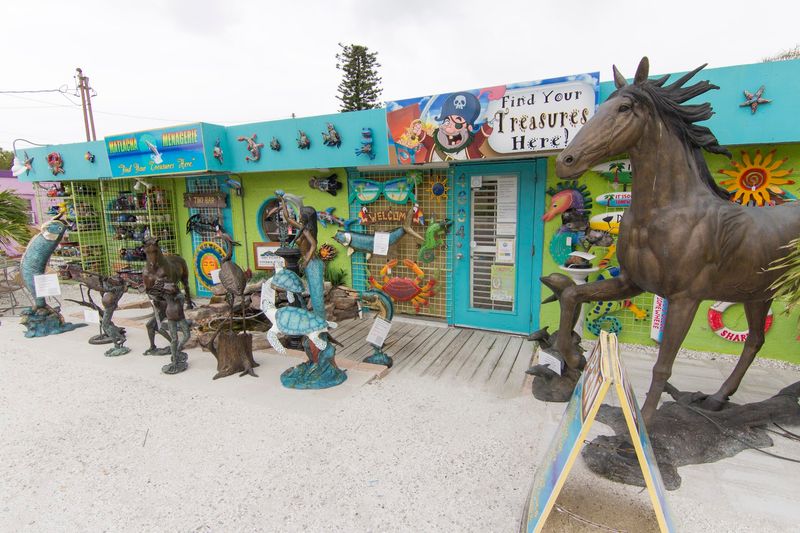
Matlacha has more art galleries per block than most cities have coffee shops. That ratio alone tells you something important about this place.
The galleries here are nothing like the stiff, hushed spaces you find in bigger cities.
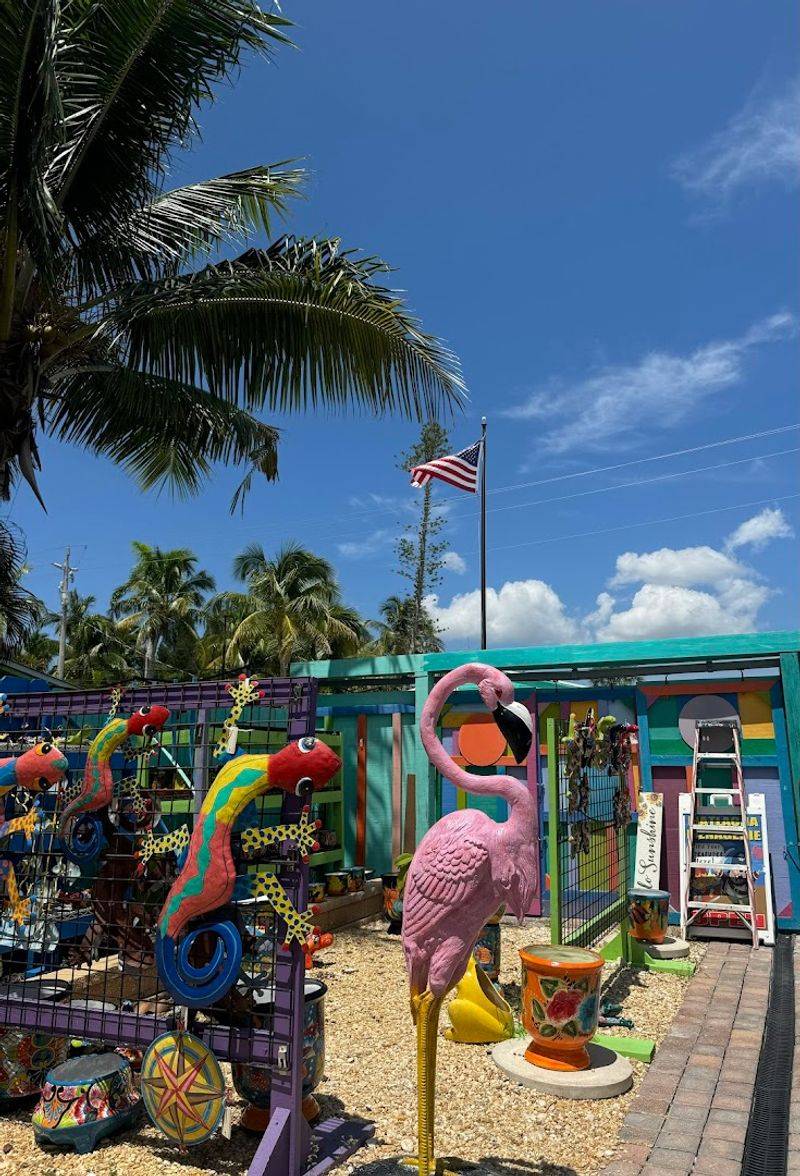
Most of them spill out onto porches and sidewalks, with paintings stacked against railings and sculptures balanced on driftwood pedestals.
You wander in because something catches your eye, and you end up staying twenty minutes talking to the artist who made it. That happens constantly here.
The work ranges from serious fine art to wonderfully weird folk pieces that you absolutely cannot explain but somehow need in your home.
Florida landscapes, marine life, abstract color explosions, carved fish, painted shells, and ceramic mermaids all coexist without any apparent curation strategy. And it works beautifully.
One gallery I stepped into had a three-foot ceramic alligator wearing a top hat perched on the front counter. The artist was completely unbothered by my reaction.
That level of commitment to the absurd is exactly what makes Matlacha galleries so memorable and so worth your afternoon.
The Fishing Heritage That Started It All
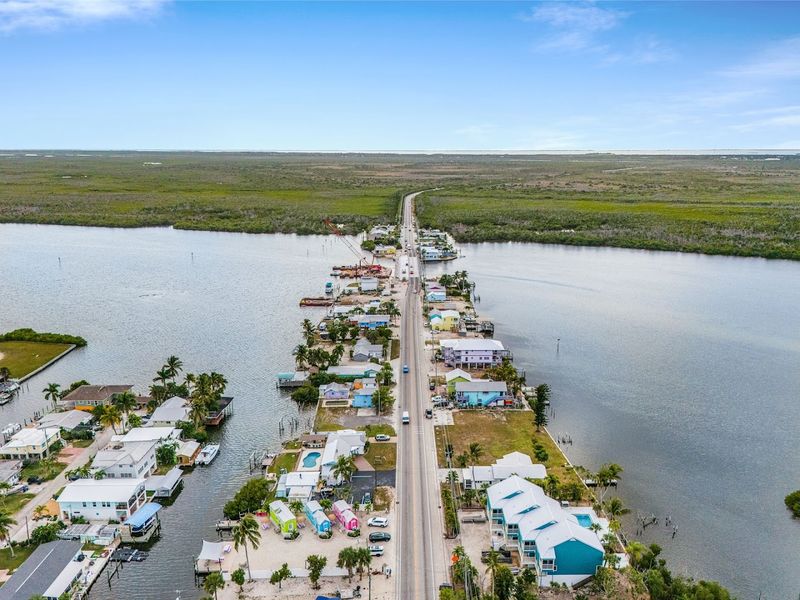
Before the galleries and the murals, Matlacha was a working fishing village.
That history is still very much present if you know where to look, and it gives the whole place a grounded, salty soul that pure art towns sometimes lack.
The waterways around Matlacha are part of Charlotte Harbor Estuary, one of the most productive fishing ecosystems in Florida.
Locals have been pulling snook, redfish, and tarpon from these waters for well over a century.
The old docks are still standing, and some of them still have boats tied up that look like they have serious work to do.
That contrast between the rough fishing culture and the bright artistic one is what makes Matlacha genuinely interesting.
Neither side has erased the other. Artists moved in because the light was good and the rents were low, and they stayed because the fishermen and the water gave them something real to paint.
You can still grab fresh stone crab claws from a roadside cooler if you time your visit right. That kind of thing keeps Matlacha honest in a way that most art villages never manage to pull off.
The Drawbridge That Slows Everything Down
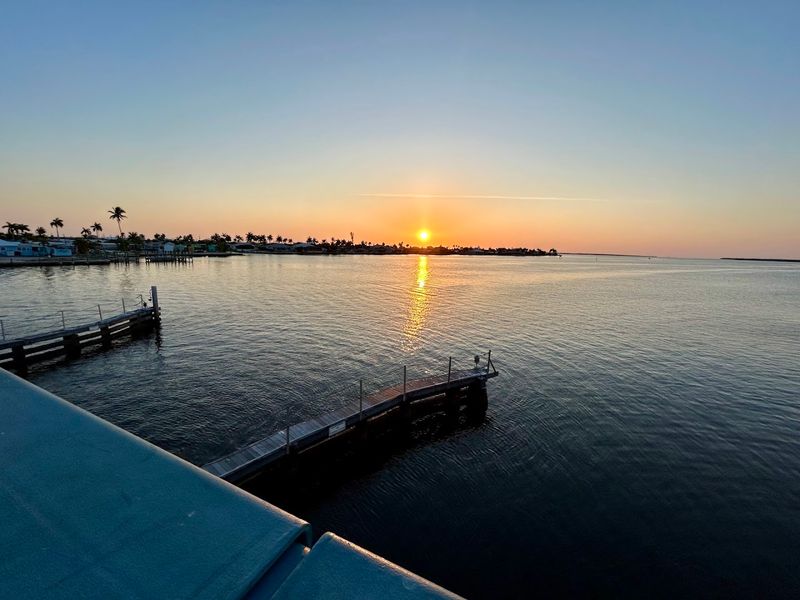
There is a drawbridge in Matlacha, and it will stop your car, your plans, and your sense of urgency all at once. At first I was mildly annoyed.
Then I realized the pause was the point.
The Matlacha Pass drawbridge opens regularly to let boats through, and when it does, traffic on both sides simply stops and waits.
Locals do not seem bothered at all. Visitors either fume or, if they are paying attention, get out of their cars to look at the water.
The views from the bridge are genuinely stunning.
Mangroves stretch in every direction, the water shifts between green and silver depending on the clouds, and pelicans cruise past at eye level like they own the airspace. Which, to be fair, they kind of do.
That forced pause sets the tone for your entire visit. Matlacha operates on its own schedule, and the bridge enforces it.
Once you surrender to that rhythm, everything about the village starts to make more sense.
Slow down, look around, stop checking your phone. The bridge is doing you a favor whether you realize it or not.
The Food Scene That Punches Way Above Its Weight
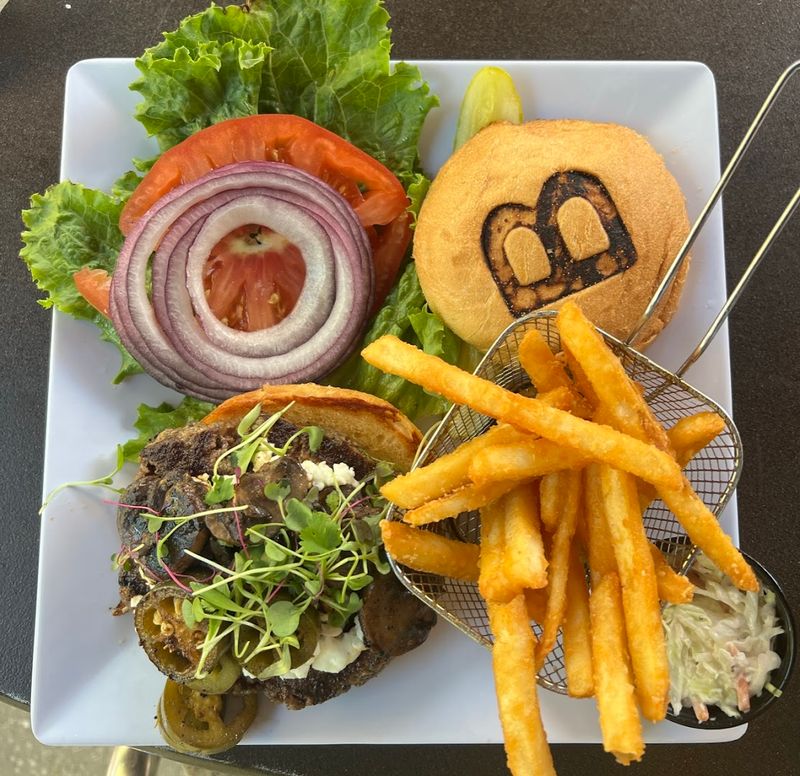
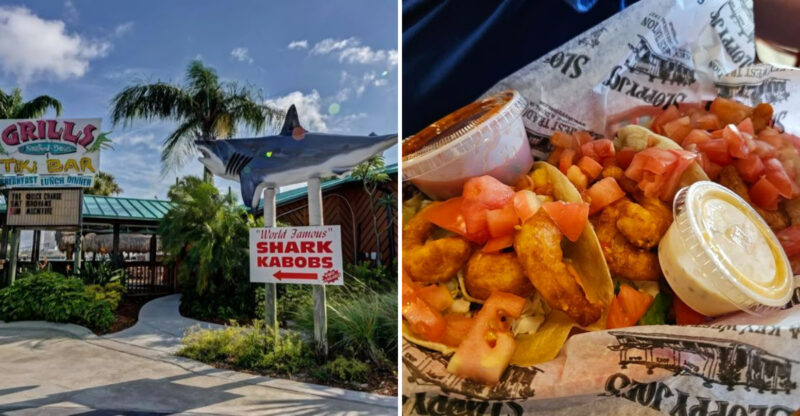
For a village this small, the food situation in Matlacha is surprisingly satisfying. Fresh seafood is the obvious move, and the restaurants along the main road deliver it without any pretense or inflated pricing.
The atmosphere at most spots is casual bordering on chaotic, in a charming way. Picnic tables, paper napkins, ceiling fans working overtime, and fish caught that morning.
That is the formula, and it is a good one. You are not there for the ambiance.
You are there because the grouper sandwich is legitimately excellent.
Several spots also lean into the artsy vibe with creative menus and decor that matches the surrounding galleries.
One place I ate at had original paintings covering every wall and a chalkboard menu that changed based on what came in that day. That kind of freshness, both literal and figurative, is rare.
The food options are clustered right along that main stretch.
Plan to eat outside if the weather cooperates. The water views from most patios are free and completely worth lingering over with a bowl of clam chowder in your hands.
The Artists Who Actually Live And Work Here
Matlacha is not a theme park version of an art village. Real artists actually live here, work here, and have built their careers here.
That distinction matters enormously when you are trying to figure out whether a place is authentic or just performing authenticity for tourists.
Many of the gallery owners are the artists themselves. You will watch someone finish a painting, hang it on the wall, and sell it to the next person who walks through the door.
That pipeline from imagination to wall to living room is refreshingly direct.
The artistic community here has been building since the 1990s when painters and sculptors started moving into the affordable waterfront spaces that fishing families were slowly vacating.
What grew was organic, unplanned, and genuinely community-driven. Nobody appointed Matlacha an art village.
It just became one because the right people showed up and stayed.
Talking to the artists is one of the best parts of any visit. They are opinionated, funny, and deeply knowledgeable about the natural world around them.
Most of their work is rooted in the local ecosystem, and that specificity gives it a depth that generic coastal art simply does not have.
The Wildlife That Wanders Through Like It Belongs
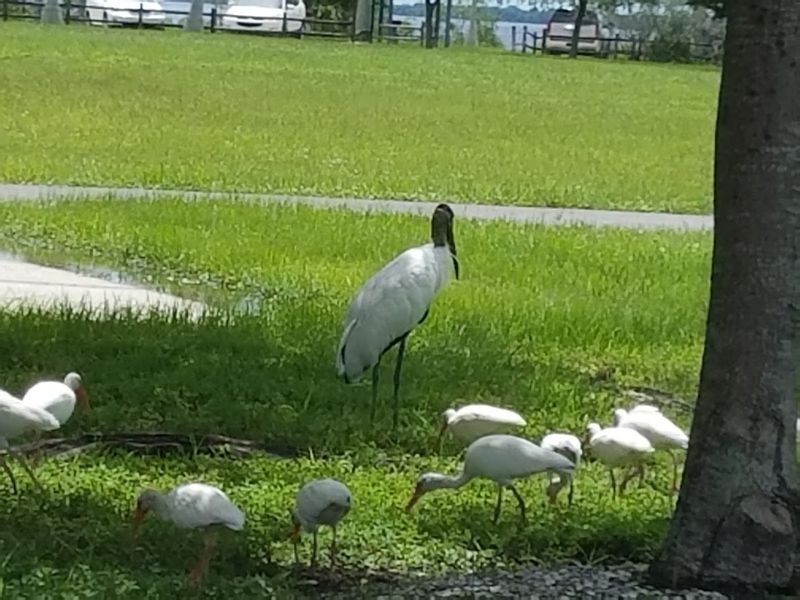
The wildlife in Matlacha does not wait to be invited. Herons land on gallery rooftops.
Manatees surface in the channel beside the road.
Ospreys circle overhead with a casual authority that makes you feel like the visitor, which, of course, you are.
The waters around Matlacha Pass, Florida are part of a protected aquatic preserve, which means the ecosystem is genuinely healthy and active.
That shows up in the sheer number and variety of birds you see just walking the main street. Roseate spoonbills, anhingas, snowy egrets, and brown pelicans are all regulars.
On my visit, a manatee surfaced about ten feet from the dock where I was eating lunch. Nobody around me seemed particularly surprised.
The woman next to me just said, quietly, there he is, and went back to her fish tacos. That kind of casual coexistence with wild things is something you cannot manufacture.
The wildlife also feeds directly into the art. You will find herons, manatees, tarpon, and roseate spoonbills rendered in paint, ceramic, glass, and metal throughout every gallery.
The natural world here is not background scenery. It is the primary subject, and the artists treat it with genuine reverence.
Why Matlacha Stays Under The Radar
Matlacha does not have a PR team. There are no billboards on I-75 directing you there.
No celebrity chef has opened a restaurant on the main strip.
And somehow, despite everything that makes it extraordinary, it remains genuinely low-key.
That quietness is part of what makes it so refreshing. You will not fight for parking or wait in a line stretching around the block.
On a weekday morning, you might have entire stretches of the village almost to yourself, which is a rare thing in Florida.
The locals seem to prefer it this way. There is a collective, unspoken agreement that Matlacha should stay weird and small and a little hard to explain.
The artists are not trying to scale up. The restaurants are not franchising.
The drawbridge is not getting any faster.
If you are the kind of traveler who values discovery over convenience, Matlacha will feel like a genuine reward. It asks almost nothing of you except your curiosity and your willingness to slow down.
What it gives back is a few hours in a place that feels genuinely unlike anywhere else in Florida, or honestly, anywhere else at all. Go before everyone figures it out.