Florida Living Rooms Are Finally Letting Go Of These Once-Beloved Trends
Soft breezes, bright light, and everyday wear are reshaping how living spaces look and feel. Comfort now carries more weight than trends that once dominated magazine spreads.
In Florida, homeowners are rethinking materials, layouts, and finishes to better suit heat, humidity, and real life.
What once felt stylish often struggles under constant moisture, sandy feet, and rooms meant to be lived in, not staged.
Living rooms across Florida are shifting toward cooler surfaces, durable fabrics, and designs that breathe easily. The result is a calmer, more practical approach that still feels inviting.
Style hasn’t disappeared. It has simply adapted to the rhythms of Florida living.
Wall-To-Wall Carpeting
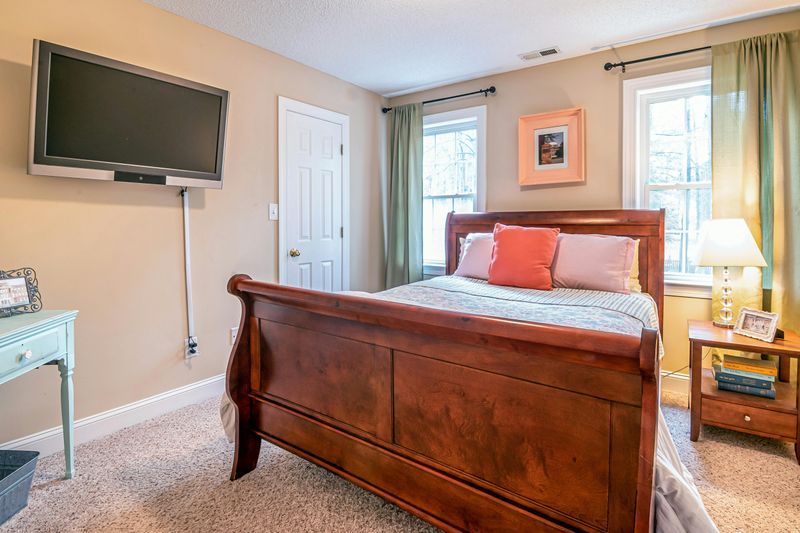
Carpet covering every inch of floor space seemed cozy decades ago, but Florida’s humidity tells a different story.
Moisture gets trapped in carpet fibers, creating a breeding ground for mold, mildew, and dust mites that trigger allergies.
The constant dampness makes carpets smell musty faster and wear out quicker than in drier climates.
Homeowners are swapping out wall-to-wall carpeting for tile, luxury vinyl planks, and engineered hardwood that handle moisture much better.
These materials stay cooler underfoot during hot months and clean up quickly after sandy beach trips or rainy days.
A simple area rug adds warmth without the maintenance headaches.
Removing old carpet instantly makes rooms feel fresher, brighter, and more spacious while improving indoor air quality for families dealing with Florida’s year-round allergens.
Open Kitchen Shelving
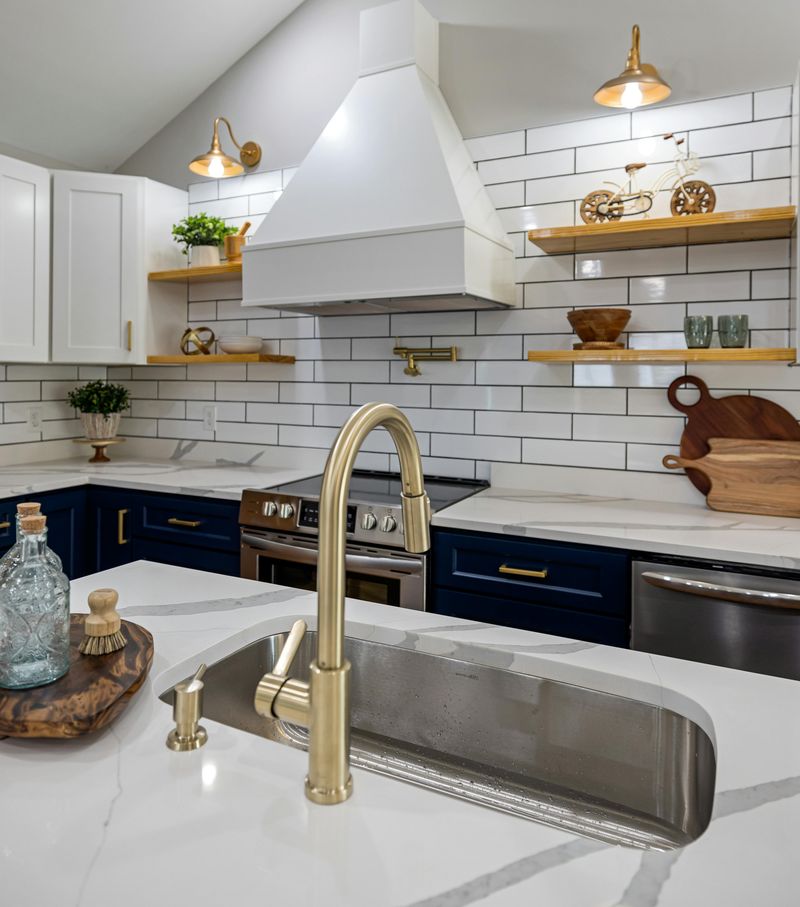
Exposed shelves displaying pretty dishes looked charming on home renovation shows, but Florida’s reality proved messier.
Humidity causes dust to settle faster on open surfaces, meaning constant wiping becomes another chore.
Grease from cooking also clings to everything within reach, leaving dishes that need washing before use.
Glass-front cabinets offer a smart compromise – they show off favorite pieces while keeping them protected from airborne grime.
Closed storage keeps everyday items cleaner and reduces visual clutter that can make kitchens feel chaotic.
Homeowners appreciate not having to keep shelves styled perfectly at all times.
A few open shelves for frequently used items work fine, but covering most storage makes daily life easier.
Less dusting means more time enjoying the kitchen instead of maintaining it, which feels especially important in spaces where families gather daily.
Living Walls
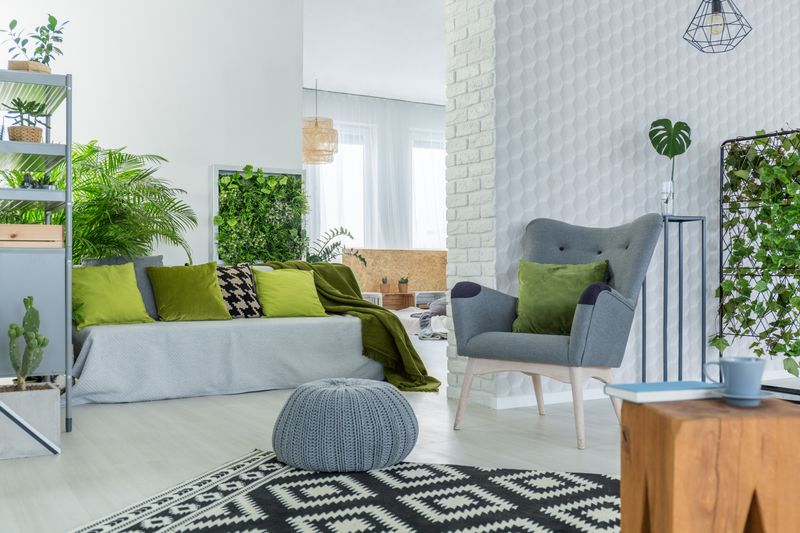
Vertical gardens covering entire walls created dramatic focal points, but their upkeep became overwhelming for most homeowners.
Florida’s natural humidity should help plants thrive, yet living walls often developed mold behind the mounting systems.
Watering systems clogged or leaked, damaging walls and creating expensive repair bills.
Individual potted plants offer all the greenery without the complicated installation and constant monitoring.
Ferns, pothos, and snake plants handle Florida conditions beautifully when placed on plant stands or shelves.
Moving plants around lets homeowners adjust to changing light or refresh a room’s look seasonally.
Potted greenery costs less upfront and allows for experimentation with different varieties.
When one plant struggles, replacing it doesn’t require dismantling an entire wall system.
The simpler approach brings nature indoors without turning plant care into a part-time job that demands daily attention.
Lacquered Kitchen Cabinets
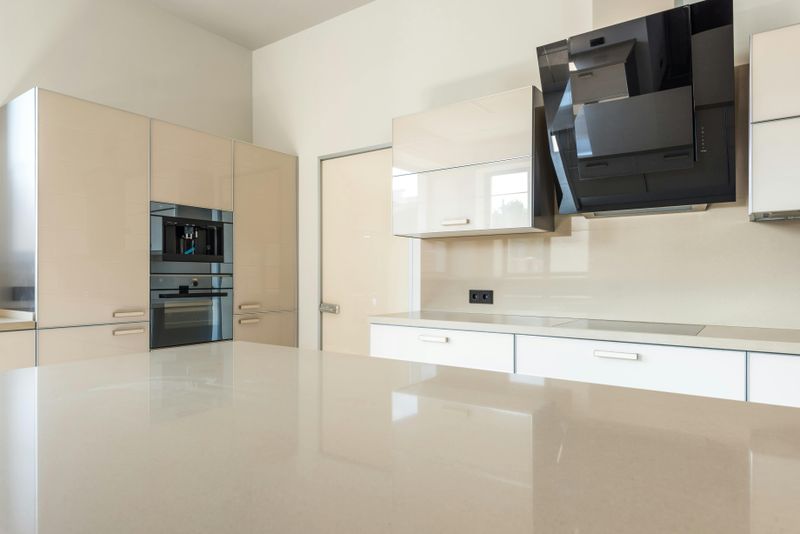
Shiny, high-gloss cabinets promised a sleek, modern look that would make kitchens feel larger and brighter.
Reality delivered constant fingerprint smudges, visible scratches, and a never-ending cleaning cycle.
Every touch left a mark that showed up clearly under Florida’s abundant natural light streaming through windows.
Matte and satin finishes hide imperfections much better while still offering a sophisticated appearance.
These softer finishes don’t show every smudge, making them practical for busy households with kids or frequent cooking.
Humidity also caused some lacquered surfaces to develop a hazy appearance over time, requiring professional refinishing.
Switching to more forgiving finishes means kitchens look polished without constant maintenance.
Cabinet color matters more than shine level anyway – the right hue creates style without demanding perfection.
Homeowners feel relieved choosing finishes that look good even between deep cleaning sessions.
Bold Wallpapers
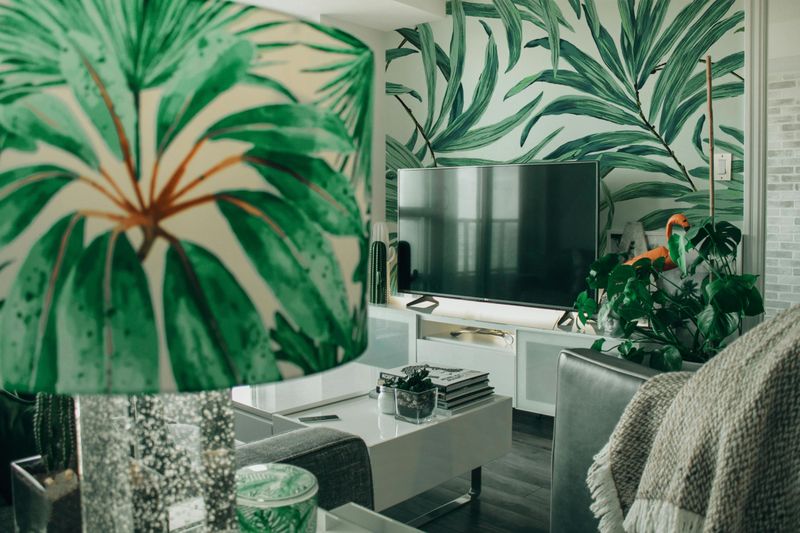
Dramatic patterns covering entire rooms made bold statements when first installed, but many homeowners quickly felt overwhelmed by the visual noise.
Large-scale florals, geometric prints, and tropical motifs competed for attention instead of creating restful spaces.
Humidity also caused wallpaper edges to peel faster in Florida homes, especially in rooms without excellent ventilation.
Accent walls in powder rooms or behind beds offer personality without dominating a space.
Smaller applications let homeowners experiment with bolder designs they might tire of quickly if used everywhere.
Paint remains easier to change when tastes shift, and it handles moisture better than most wallpapers.
When wallpaper does appear, subtle textures or tone-on-tone patterns add interest without overwhelming sightlines.
The shift recognizes that restful spaces need visual breaks, not constant pattern stimulation that makes rooms feel smaller and busier than they actually are.
Shiplap
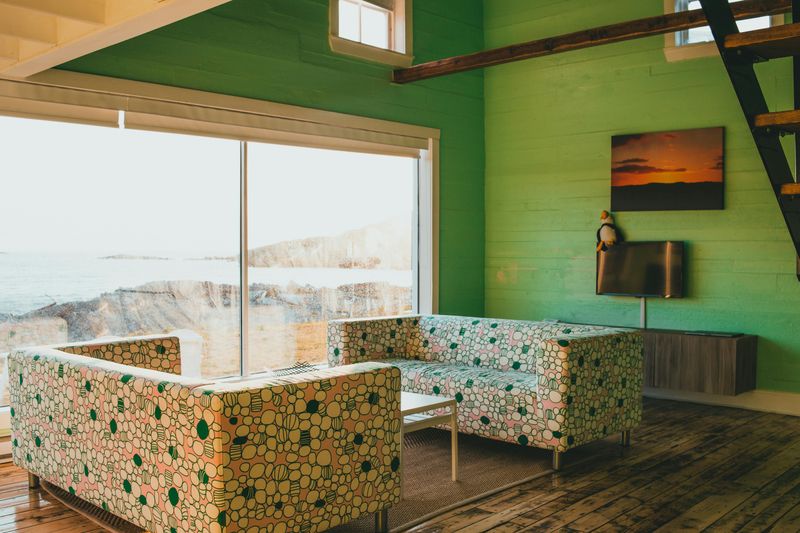
Farmhouse-style shiplap spread everywhere after appearing on popular renovation shows, but it never quite fit Florida’s coastal character.
The horizontal wood planking felt more suited to rural barns than beach houses or subtropical homes.
Installing it created gaps that collected dust and made walls harder to clean thoroughly.
Textured plasters, subtle beadboard, or smooth walls with interesting paint colors better reflect Florida’s architectural heritage.
These alternatives create visual interest without forcing a style that belongs in different climates and regions.
Authentic Florida design draws from Spanish, Mediterranean, and coastal influences rather than farmhouse aesthetics.
Homeowners are rediscovering materials that make sense for their location – elements that have kept Florida homes comfortable for generations.
Regional authenticity creates spaces that feel right instead of trendy.
Letting go of borrowed styles allows rooms to embrace what actually works in the Sunshine State’s unique environment and cultural history.
White Bouclé
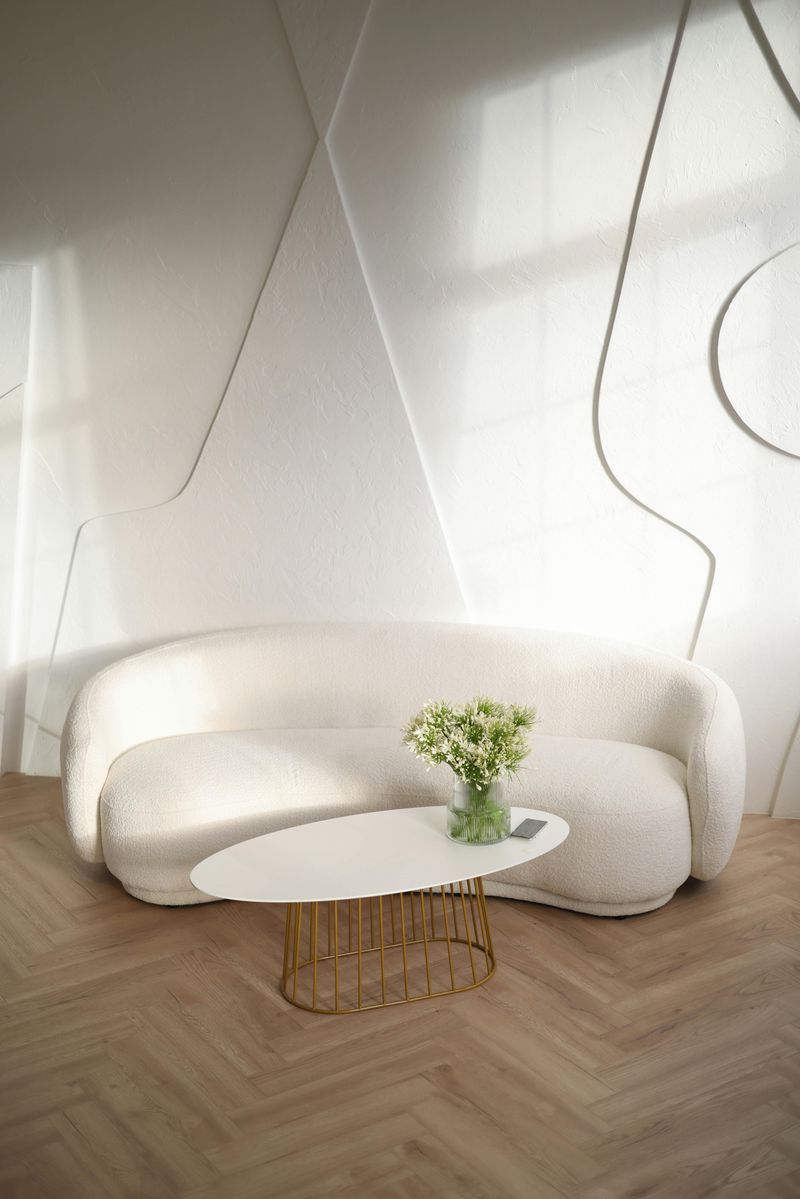
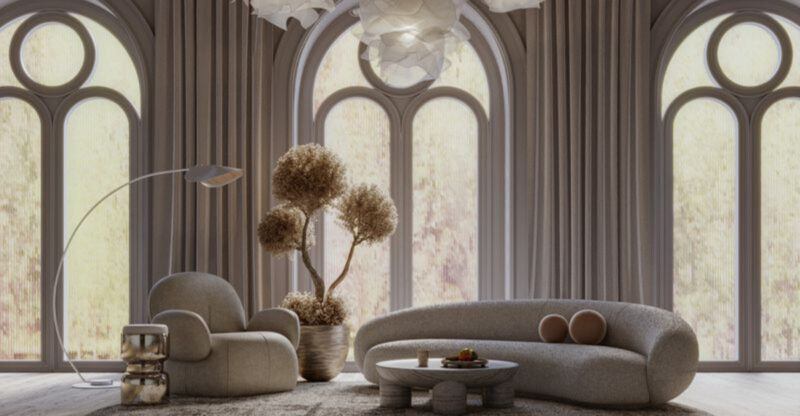
Textured white bouclé furniture promised sophisticated style with its nubby, looped fabric that looked expensive and elegant.
Then real life happened – spilled coffee, pet paws, kids with snacks, and the fabric showed every single mishap.
The loops snagged easily and trapped dirt deep within the weave where vacuuming couldn’t reach.
Performance fabrics now come in beautiful textures and varied colors that handle daily wear without constant stress.
These treated materials repel stains and clean up easily, letting families actually use their furniture instead of protecting it.
Neutral tones with subtle patterns hide minor marks between cleanings while still looking pulled together.
Washable slipcovers offer another practical solution for those who love lighter colors.
Furniture should serve life, not create anxiety about sitting down with a glass of wine.
Choosing durable, attractive fabrics means enjoying living rooms without worrying about every potential spill or stain.
Crammed Micro Spaces
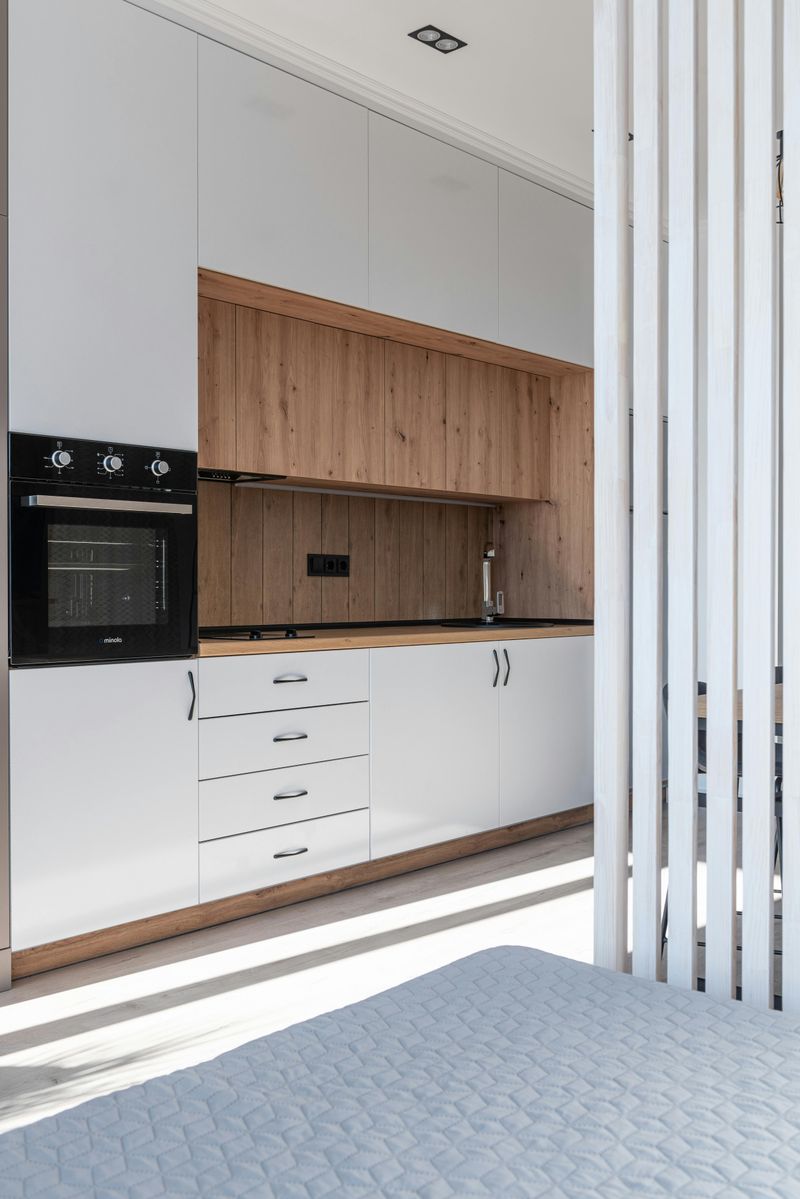
Trying to fit maximum function into minimum space created rooms that felt suffocating rather than clever.
Every surface held something, every corner contained furniture, and moving through rooms required sideways shuffling.
The tiny-house trend inspired layouts that worked on TV but felt uncomfortable in daily life.
Homeowners are reclaiming breathing room by choosing fewer, better pieces that serve multiple purposes without crowding sightlines.
An ottoman with storage beats three separate small tables that create obstacle courses.
Open floor plans work best when furniture groupings leave clear pathways and visual rest areas.
Space itself becomes a design element – empty floor and bare walls let eyes relax and rooms feel larger.
Multi-functional areas adapt to different needs throughout the day without permanent dividers that chop up square footage.
The shift values quality over quantity, recognizing that thoughtful space planning beats cramming in every possible item.
Awkward Architecture
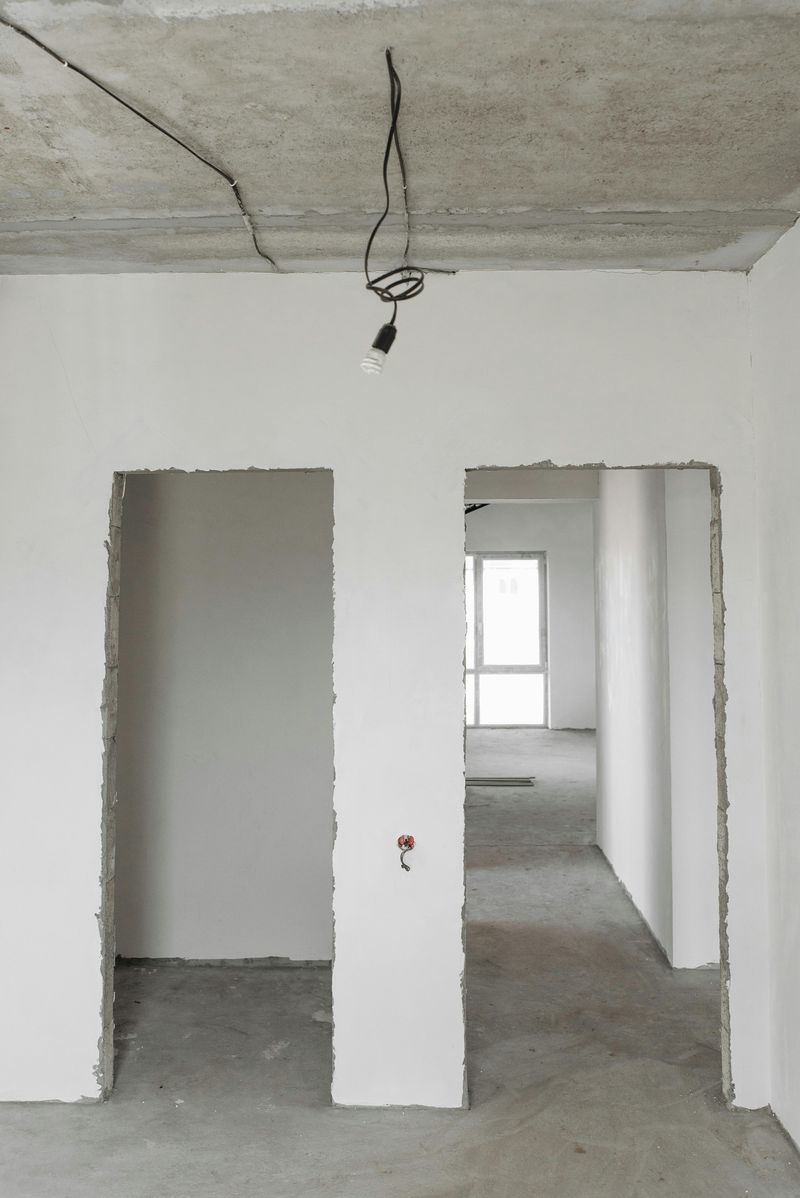
Random columns, unnecessary half-walls, and oddly placed soffits interrupted natural flow for no clear reason.
These peculiar features often resulted from builder shortcuts or outdated design thinking that prioritized appearance over function.
They created dead spaces, blocked sight lines, and made furniture arrangement frustrating.
Removing these obstacles opens up rooms and restores logical layouts that make daily movement easier.
Walls should define spaces purposefully, not randomly divide them into awkward zones nobody knows how to use.
Structural columns that can’t be removed get incorporated thoughtfully – wrapped with built-in shelving or used as natural room dividers.
The focus shifts to timeless design principles that enhance how spaces actually work instead of adding decorative elements that complicate everything.
Better flow improves how homes feel, even when square footage stays the same.
Thoughtful architecture serves the people living there, creating homes that function beautifully for years.
Overly Cluttered Spaces
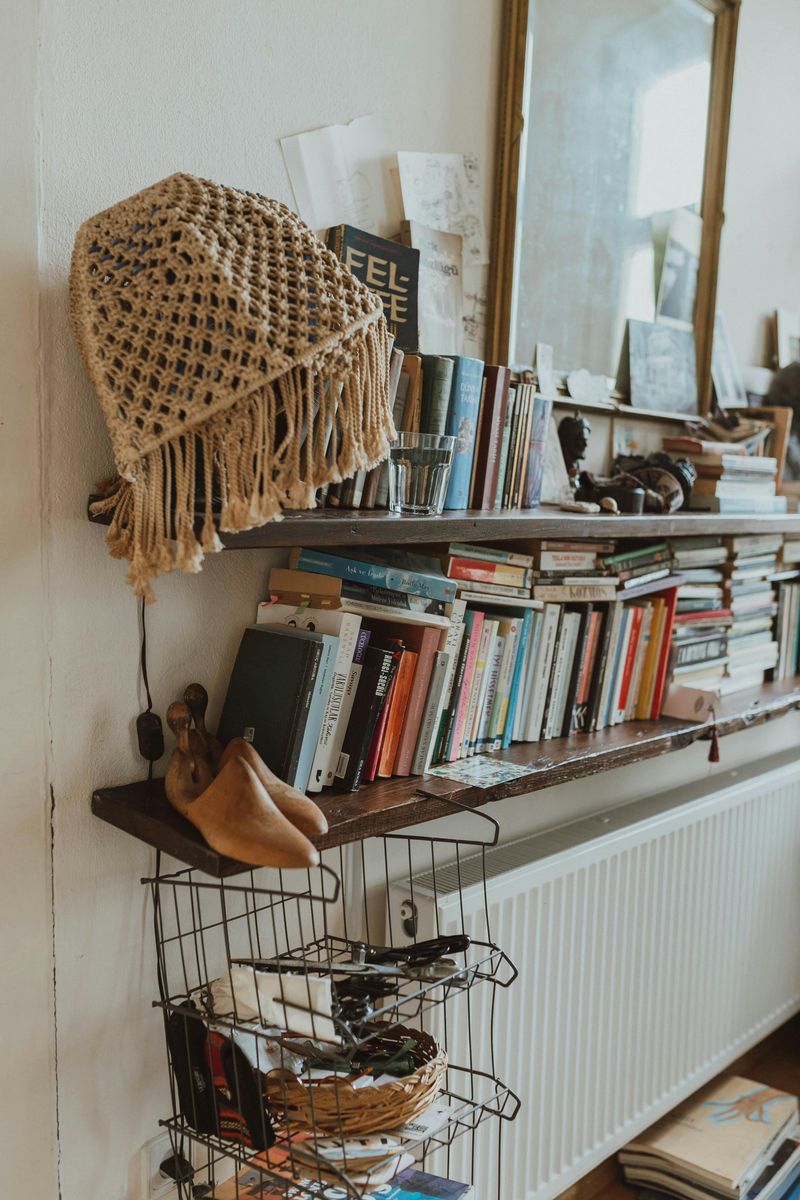
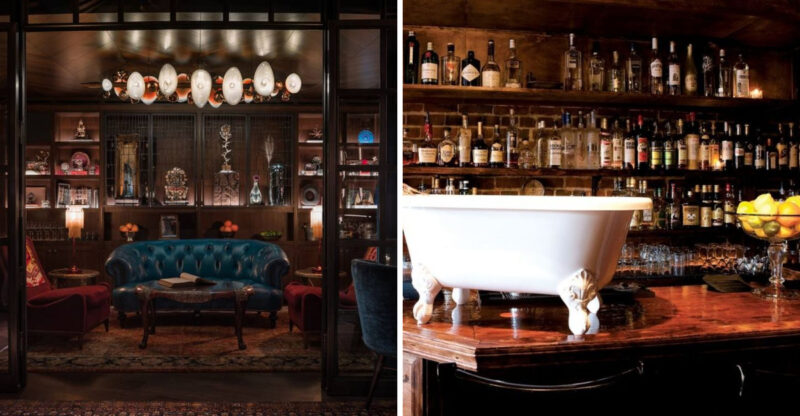
Maximalism encouraged filling every surface with collections, knickknacks, and decorative objects until rooms felt like antique shops.
The “more is more” approach created visual chaos that made cleaning difficult and left no surface available for setting down a coffee cup.
Eyes had nowhere to rest, and favorite pieces got lost in the crowd.
Curated displays with intentional spacing let special items shine instead of competing for attention.
Rotating collections seasonally keeps things fresh without permanent clutter.
Empty space around objects creates visual impact – a single beautiful vase stands out more than twelve crowded together.
Drawers and closed storage keep necessary items accessible without constant visual noise.
The shift recognizes that displaying fewer cherished pieces with room to breathe creates more meaningful spaces.
Each item gets noticed and appreciated instead of blending into overwhelming abundance that dilutes everything’s impact and makes rooms feel smaller and more chaotic.
Overly Minimalist Interiors
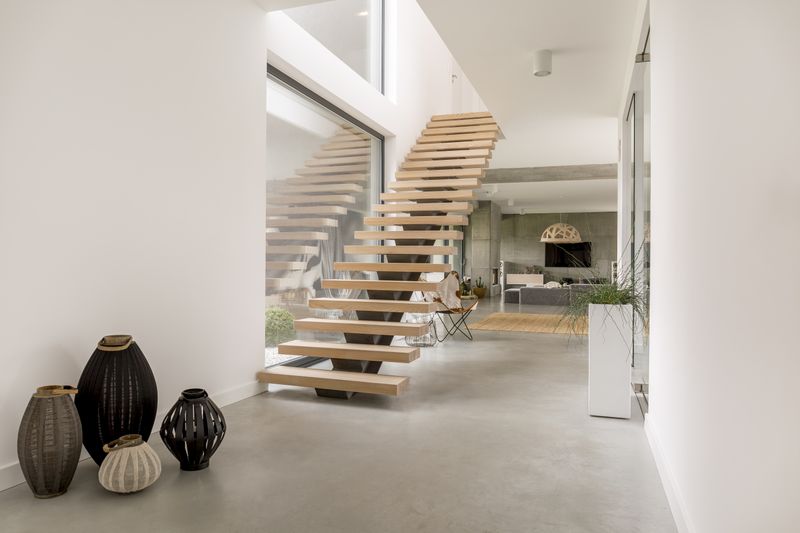
Stark white walls and empty surfaces might photograph well, but living in those spaces feels cold and unwelcoming after a while.
The ultra-minimalist look that dominated design magazines left many Florida homes feeling more like galleries than places where families actually relax.
People missed having personality and warmth around them.
Now residents are bringing back color through throw pillows, woven baskets, framed photos, and artwork that tells their personal stories.
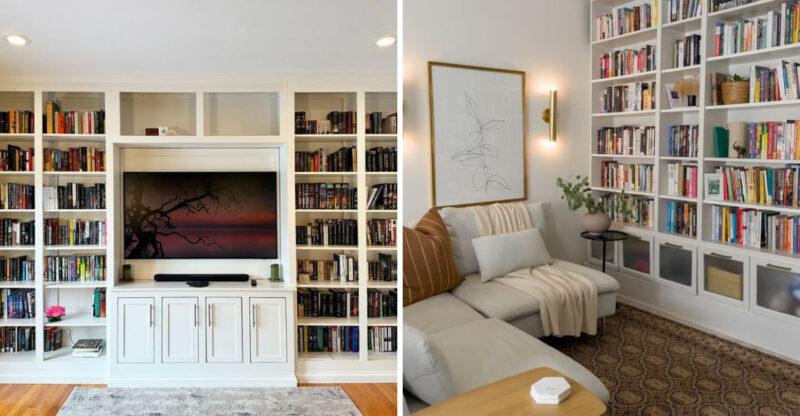
Bookshelves hold favorite reads alongside beach finds and travel souvenirs.
Textured fabrics like linen curtains and cotton throws add softness without creating clutter.
The goal is balance – enough open space to breathe but enough character to feel like home.
Rooms should reflect who lives there, not just follow a strict design rulebook that strips away all individuality and comfort.
Live Laugh Love Signs

Mass-produced inspirational signs with generic phrases hung in countless homes, creating identical spaces with zero personality.
These signs became shorthand for following trends without thinking about what actually mattered to the people living there.
They filled walls without telling any real stories or reflecting individual experiences and interests.
Personal artwork, family photos, local artist pieces, and travel souvenirs create walls that mean something specific.
A framed print from a favorite beach vacation carries more significance than factory-made slogans.
Children’s artwork, inherited pieces, or photographs from meaningful moments make spaces uniquely yours.
Local art supports Florida creators while adding authentic regional character.
The movement toward personal storytelling brings depth and connection to homes instead of borrowed sentiments that could hang anywhere.
Walls become galleries of actual life rather than displays of what design blogs suggested everyone should have hanging in their living rooms last season.