8 Florida Towns Where Rising Homeownership Costs Are Putting More Pressure On Residents
A postcard-perfect neighborhood feels different once the yearly bills start demanding more attention.
In Florida, homeowners in several towns are watching taxes, assessments, insurance, and property values reshape the cost of staying put.
The interesting part is how quietly that pressure can build. Streets stay familiar. Parks remain busy. Local routines carry on as usual.
Meanwhile, the numbers underneath homeownership keep moving. That makes these communities worth a closer look.
Population changes have many causes, but rising property costs add an important piece to the picture.
The towns ahead show where affordability is becoming a bigger part of the conversation, even in places that still look incredibly appealing from the curb.
1. Cape Coral, Lee County
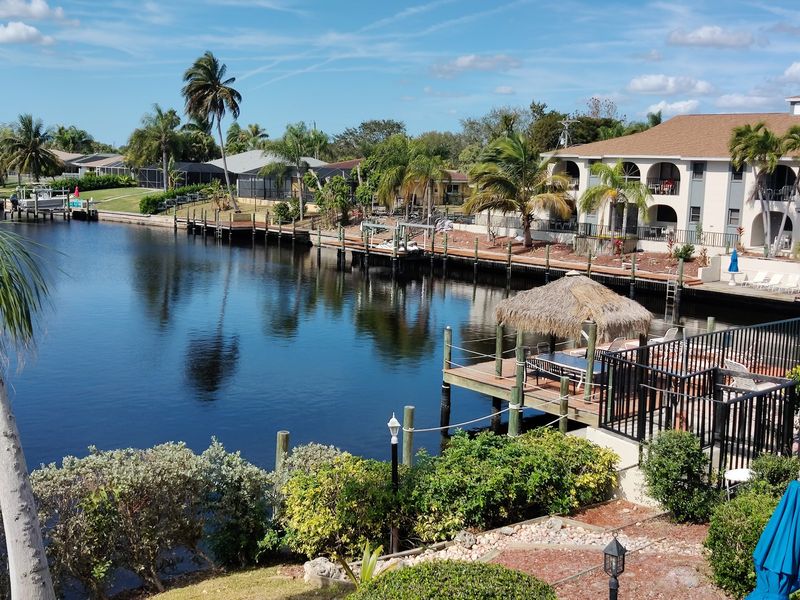
Just imagine for a second trying to outrun two rising bills at once. Waterfront living here was once the affordable answer for buyers priced out of the coast.
Cape Coral, tucked into Lee County, has quietly turned into one of the pricier addresses around. The overall cost of living index now sits slightly above the national average, roughly between 103 and 107.
Insurance drives much of that jump. Homeowners insurance and flood insurance premiums climbed sharply.
Property-related charges have risen too. Cape Coral’s fire service assessment increased again for fiscal 2026, adding to the annual costs homeowners see alongside their property-tax bills.
The building landscape is changing too. Older houses are being renovated or knocked down, with larger and costlier homes rising in their footprints.
As rebuilding and home prices change the market, affordable options can become harder to find for local workers and longtime residents.
Even owners who carried flood insurance ran into trouble. Rebuilding to current codes often costs far more than a policy pays out.
Some families end up selling their lots as vacant land. Each sale reshapes the street a little more.
If you are house hunting here, get insurance quotes before you make an offer. Flood zone maps matter as much as square footage.
Ask about assessments, not just the tax rate. Those add-ons can surprise you at closing.
The canals still sparkle and boats still slip out toward the Gulf every morning. Cape Coral remains beautiful, but the budget conversation now happens before the sunset cruise.
2. Homestead, Miami-Dade County
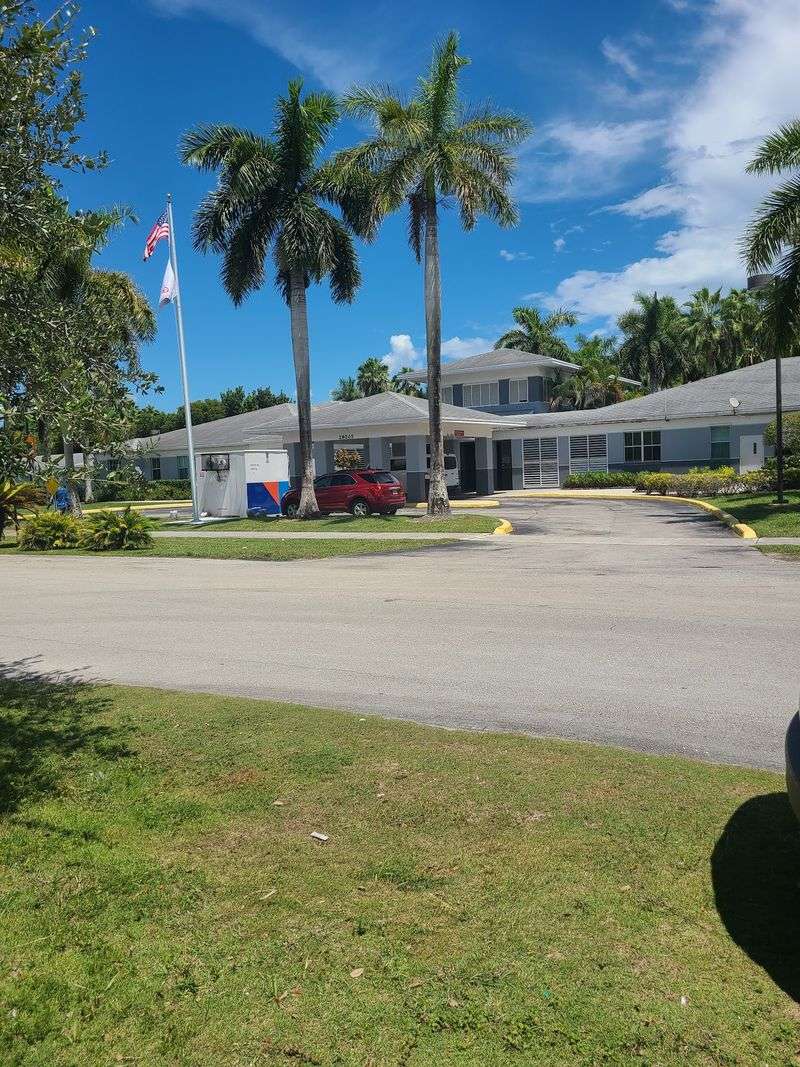
I was so shocked when I saw these housing numbers. Small increases hit hardest where budgets have no cushion left.
Homestead sits in southern Miami-Dade County, a working community built around farms, warehouses, and hourly shifts. The cost of living here runs about 13 percent above the national average.
Compared with the national average, Homestead’s housing and everyday expenses can still put noticeable pressure on household budgets.
Costs rose roughly 3 percent from the previous year. Housing, transportation, and groceries did most of the pushing.
Housing remains one of the biggest expenses for residents, especially as home prices, rents, insurance, and property-related costs have risen across South Florida.
Florida charges no state income tax, which helps a little. Still, the essentials eat the savings quickly.
Commuting adds another layer. Many residents drive north for work, so gas and car repairs bite into every paycheck.
Young families and retirees feel the squeeze first. When rent, taxes, and food all climb together, there is no line left to cut.
Practical tip for anyone eyeing this area: check homestead exemption eligibility right away. It can meaningfully lower your annual bill.
Shopping locally at the farm stands also stretches a grocery budget. The agricultural roots here are still very real.
Neighbors look out for each other, and that community spirit has not faded one bit. What has changed is how much math goes into staying.
3. St. Petersburg, Pinellas County
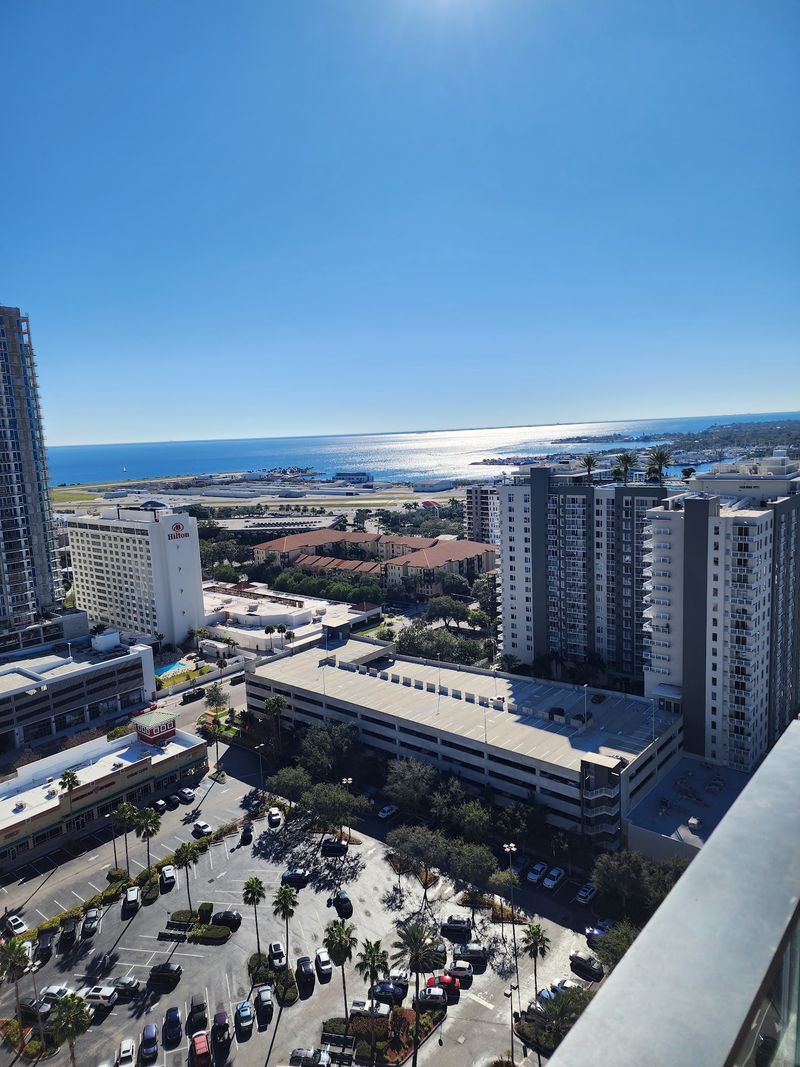
I am still turning these population figures over in my head. A county that everyone wants suddenly started shrinking.
St. Petersburg anchors Pinellas County along Tampa Bay, known for murals, museums, and easy waterfront mornings. Between July 2024 and July 2025, the county lost 11,834 residents.
Population slipped from 960,397 down to 948,563. That ranked as the second-largest county loss anywhere in the United States.
Most of the decline came from people moving to other states. A natural decline also played a role.
Back-to-back hurricanes Helene and Milton contributed to displacement and population movement, while housing and insurance costs have added another layer of pressure for residents.
Taxes add pressure too. In 2024, Pinellas recorded $2,607 in per-capita total property tax levies, the 12th highest statewide.
Taxable values keep climbing by double digits even when officials trim rates. Lower millage does not always mean a smaller bill.
Meanwhile, higher-income retirees and buyers hunting waterfront views keep arriving. The market stays busy while the resident count drops.
Anyone shopping here should read the flood elevation certificate carefully. It affects both insurance and resale.
Also watch your annual valuation notice each August. Filing an appeal on time can save real money.
The city itself still hums with farmers markets, pier crowds, and kayakers gliding through mangrove tunnels. Its charm has not dimmed, but the arithmetic behind homeownership has grown noticeably heavier.
4. Hialeah, Miami-Dade County
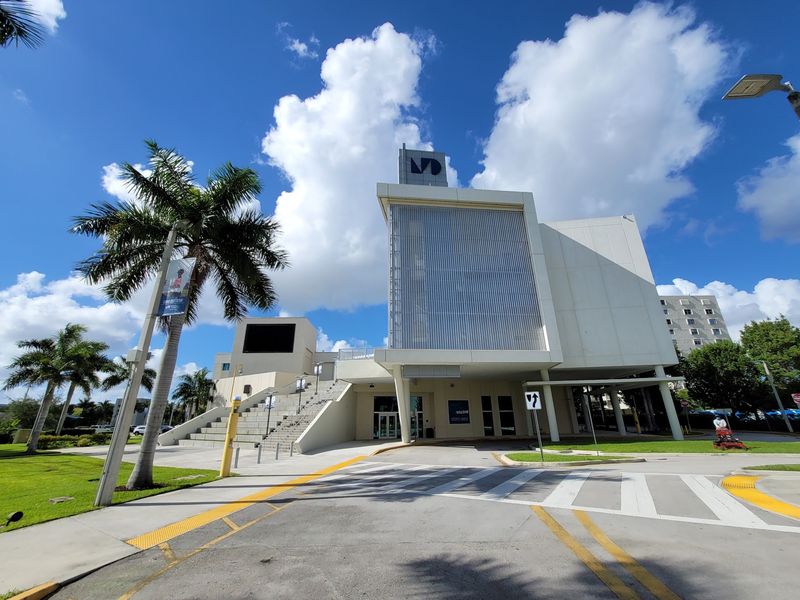
A community can be rich in culture and still strapped for cash. Wages and home values do not always travel together.
Hialeah counted 223,109 residents in the 2020 census, making it one of Florida’s largest cities. It sits in Miami-Dade County and has a heavily immigrant, working-class population.
Hispanic or Latino residents make up about 95 percent of the population. It holds the highest share of Cuban and Cuban-American residents in the country.
Bakeries, cafeterias, and family shops give the streets a rhythm all their own. Spanish is the language of daily business.
Affordability, though, has become a serious strain. The city ranks as the most house poor in the nation.
Homeowners here spend an average of 36.9 percent of income on housing. Financial guides usually suggest staying near 28 percent.
For a homeowner earning about $71,386 a year, that means over $26,000 goes toward housing. Very little remains for savings or repairs.
Census data place Hialeah’s median household income at $55,594 for the 2020–2024 period, while homeowner-specific income figures are higher.
Those gains simply have not matched housing costs. Taxes, insurance, and maintenance climbed faster.
One practical move is bundling insurance policies and requesting a wind mitigation inspection. Shutters and roof upgrades can lower premiums.
Multi-generational households also help families share the load. That tradition runs deep here.
Hialeah keeps its warmth and its strong neighborhood ties intact. The challenge now is protecting room in the monthly budget.
5. Fort Myers Beach, Lee County
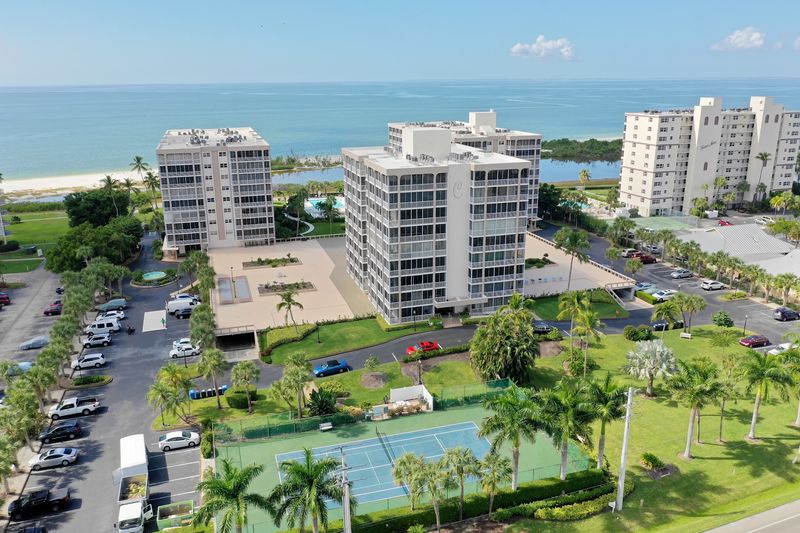
My jaw dropped when I learned how much this island has endured. Rebuilding is one thing, affording it is another.
Fort Myers Beach stretches along a barrier island in Lee County, all white sand and shallow Gulf water. Hurricane Ian struck in September 2022 with Category 4 winds and an enormous storm surge.
The town’s population remains below its 2020 level, with Census estimates showing about a 5 percent decline by 2025. Affordability had already been slipping before the storm.
Insurance turned into the biggest obstacle. Many home insurance quotes more than doubled following the hurricane.
Florida already carries the nation’s highest property insurance premiums. They often run close to triple the national average.
Even families with flood coverage hit a wall. Rebuilding to stricter new codes cost far more than expected.
Rebuilding costs, insurance expenses, and post-storm redevelopment have made it harder for some longtime property owners to remain on the island.
Home values across Lee County dropped more than 10 percent from a year earlier by October. They also ran over 16 percent below pre-Ian levels from August 2022.
For anyone buying here, elevation is everything. Homes on tall pilings usually earn better insurance rates.
Request a wind mitigation report and ask about the roof’s age. Both influence what you will pay yearly.
Shrimp boats still head out, and shorebirds still patrol the tideline every morning. Recovery continues one rebuilt porch at a time, and the island’s spirit refuses to fade.
6. Miami Beach, Miami-Dade County
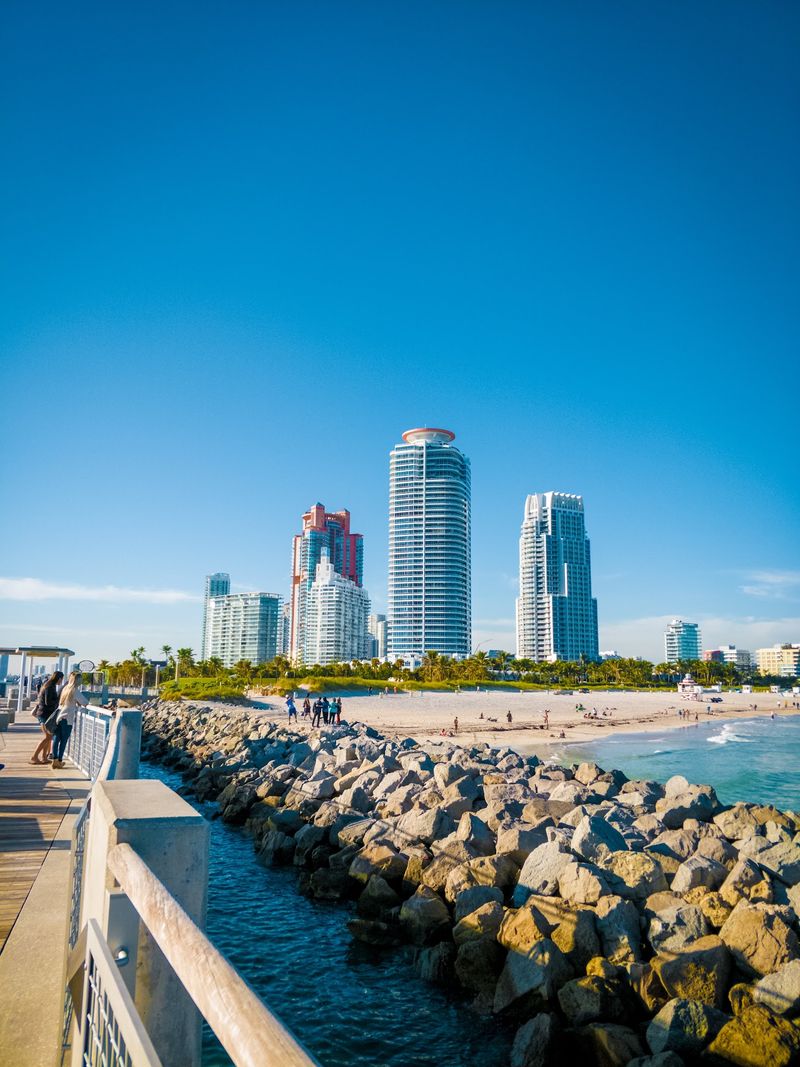
Let’s be real for a second: not every glamorous address keeps its neighbors. Some transformations happen faster than anyone expects.
Miami Beach, the famous coastal resort city, has seen one of the sharpest population drops among Florida’s larger cities. Miami Beach has recorded a notable long-term population decline despite remaining one of the state’s highest-profile real estate markets.
Census counts show Miami Beach falling from 87,779 residents in 2010 to 82,890 in 2020, while the latest 2025 estimate stands at 81,594.
Between 2010 and 2022, the city shed roughly 9.2 percent of residents. Owner-occupied housing shrank while rentals expanded.
Median rent climbed considerably during that stretch. Long-time residents found staying increasingly difficult.
Rising property taxes added pressure. Zoning changes that favor seasonal, second, and third homes reshaped whole blocks.
The result is a shift from a working neighborhood toward a luxury-focused market. Ultra-wealthy buyers and international investors keep demand strong at the top.
Art Deco facades along the beachfront still glow pink and mint at sunset. Cyclists roll past, and the ocean stays impossibly blue.
If you are considering a condo here, study the association’s reserve funding closely. Assessments for structural work can rival your tax bill.
Ask how many units sit empty most of the year. That affects both fees and neighborhood feel.
Save Our Homes portability is worth researching too. Eligible homeowners may transfer all or part of their homestead assessment difference to a new Florida homestead.
Miami Beach remains dazzling, though its everyday population tells a quieter story about who can afford to stay.
7. Sarasota, Sarasota County
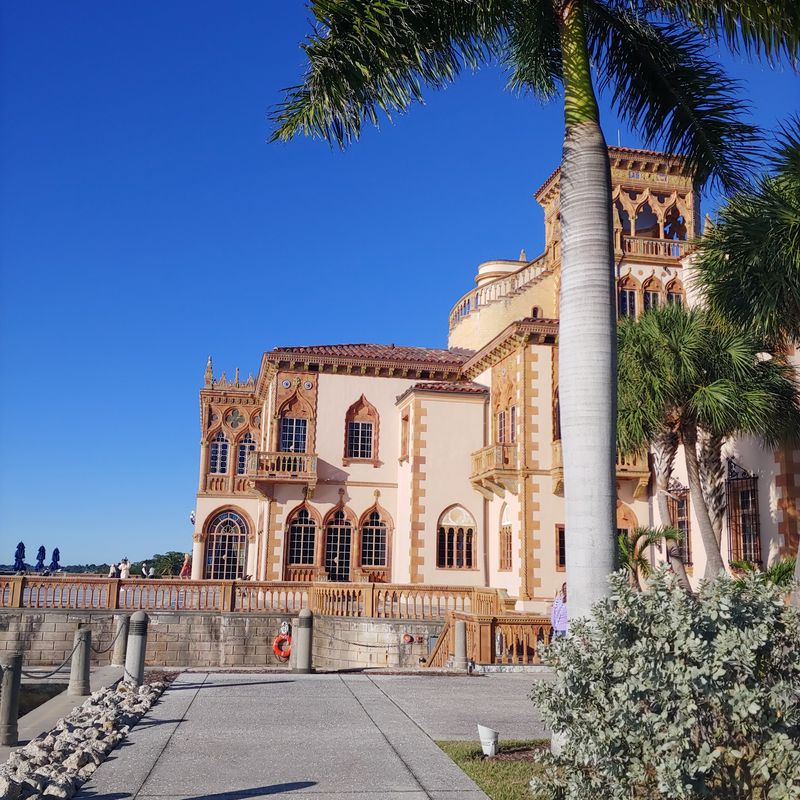
Call me crazy, but a boom town does not always tell the whole story. Growth and affordability rarely move in the same direction.
Sarasota County hugs the Gulf Coast with barrier island beaches and a strong arts scene. In-migration and a hot real estate market built its reputation.
County population grew from roughly 433,000 in 2020 toward an estimated 470,000 to 480,000 by 2025. Growth has been steady, though slower than the 2021 and 2022 peaks.
The city itself has also grown, though more slowly than the county overall. Even with that growth, affordability remains a major concern for households trying to keep pace with housing costs.
Teachers, nurses, restaurant staff, and young professionals struggle to find housing they can carry. Rising taxes and insurance compound the problem.
Wealthier buyers keep arriving, especially affluent retirees and remote workers. Many relocate from Midwestern states seeking sunshine and flexibility.
Those cash-ready purchases pushed prices upward across neighborhoods. Local wages did not follow.
The economy still thrives on construction, healthcare, and property services. Yet many working households face strong incentives to look farther inland for less expensive housing.
If you want to buy here, look slightly east of the coast. Inland neighborhoods often carry lower insurance costs.
Apply for your homestead exemption in your first year of ownership. The Save Our Homes cap then limits future assessment jumps.
Meanwhile, the bayfront still fills with sailboats and the banyan trees still sprawl across old streets. Sarasota keeps its beauty and its culture, even as its middle stretches thinner each year.
8. Opa-Locka, Miami-Dade County
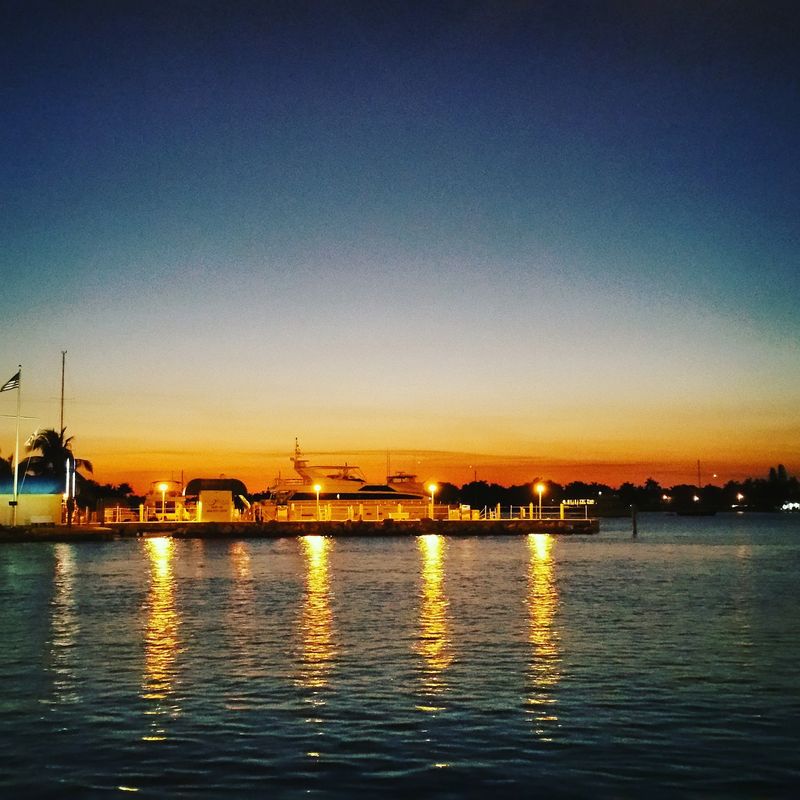
High housing costs and deep poverty share the same zip code here. That combination hits harder than any statistic suggests.
Opa-locka sits in Miami-Dade County and is famous for its Moorish revival architecture, with domes and arches downtown.
Property taxes can add meaningful pressure for homeowners here, particularly when they are combined with relatively low household incomes and other housing expenses. That is about $2,110 above the national median.
Meanwhile the poverty rate reaches 29.66 percent. Nearly a third of residents face real financial strain.
That figure more than doubles the rates for the Miami-Fort Lauderdale-West Palm Beach metro area, Florida, and the country. Median household income here is $37,532.
Roughly 71 percent of residents live above the poverty line. Even so, a heavy tax burden on modest incomes leaves painfully little slack.
Homeowners in situations like this should absolutely claim every available exemption. Additional relief exists for seniors, veterans, and residents with disabilities.
Checking your property’s assessed value each year is smart too. Errors happen, and appeals are free to file.
Local nonprofits sometimes help with roof repairs and weatherization grants. Those programs can lower insurance premiums over time.
The city’s unusual architecture, built in the 1920s, still turns heads for anyone driving through. Opa-locka carries history and grit, and its residents deserve a lighter load than the one they shoulder now.