10 Foods New York Perfected – And 10 California Completely Reinvented
New York and California don’t just compete for cultural influence – they battle it out on the plate.
One city built America’s most iconic food traditions, while one state reimagined them with sunshine, creativity, and a rule-breaking spirit.
From corner bakeries to food trucks, these two food capitals have spent decades borrowing, reinventing, and subtly challenging each other.
What starts as a classic on the East Coast often returns with a bold twist from the West. This culinary back-and-forth has shaped how the entire country eats.
New York perfected comfort through consistency, tradition, and mastery of the basics. California took those same beloved dishes and infused them with fresh ingredients, global flavors, and a willingness to experiment.
The result is a fascinating food conversation that stretches from breakfast to late-night cravings. Bagels evolved. Pizza transformed. Even desserts tell two very different stories.
These foods aren’t just meals – they’re reflections of lifestyle, geography, and attitude. East Coast grit meets West Coast glow. Together, they’ve defined modern American eating.
This is the story of how classic New York staples found new life in California kitchens. And how two food cultures continue to inspire – and outdo – each other.
1. Bagels With Lox & Schmear
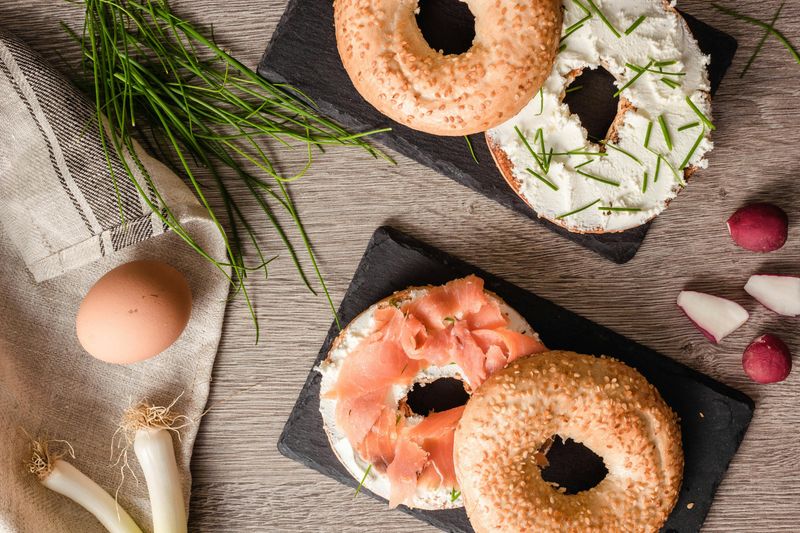
New York bagels are chewy, dense, and perfectly golden, boiled before baking to create that signature texture.
Topped with cream cheese and thinly sliced lox, this breakfast combination became a weekend tradition across the city.
The bagel shops in Manhattan have been serving this classic for generations, and the recipe hasn’t changed much because it simply works.
California took the bagel and lightened it up, sometimes adding avocado or swapping cream cheese for vegan alternatives.
West Coast bakeries experiment with flavors like everything seasoning mixed with jalapeño or rainbow-colored dough.
The bagel became more photogenic and health-conscious, trading some of that dense chewiness for a softer, airier bite. Both versions have their fans, but the difference is clear.
New York keeps it traditional and straightforward, while California turns it into an Instagram-worthy creation with unexpected ingredients.
2. Cheesecake

New York cheesecake is rich, dense, and tangy, made primarily from cream cheese and sour cream. The texture is smooth and firm, sitting on a graham cracker crust that adds just a hint of sweetness.
Every slice feels substantial, and the flavor is bold without being overly sweet. California reimagined cheesecake by making it lighter and adding fresh fruit or unconventional flavors like matcha and lavender.
Some bakeries on the West Coast even create vegan versions using cashew cream or tofu. The presentation often includes edible flowers or colorful fruit coulis drizzled artfully across the plate.
New York’s version is about indulgence and tradition, while California’s approach focuses on creativity and dietary flexibility.
Both are delicious, but they cater to different cravings. Whether you prefer classic richness or inventive lightness depends on your mood and taste preferences.
3. Hot Dogs
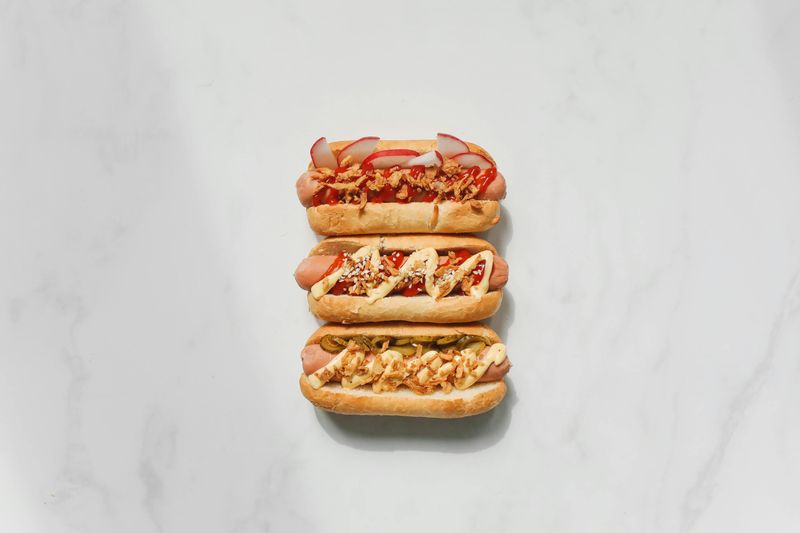
Street cart hot dogs are a New York institution, sold from metal carts on nearly every busy corner.
The classic setup includes a grilled or steamed frankfurter in a soft bun, topped with mustard, sauerkraut, and onions.
Nathan’s Famous in Coney Island has been serving hot dogs since 1916, and their recipe remains largely unchanged.
California took the humble hot dog and dressed it up with gourmet toppings like avocado, sriracha mayo, and pickled jalapeños.
Food trucks across Los Angeles and San Francisco serve hot dogs wrapped in bacon or topped with kimchi and Asian-inspired sauces.
The focus shifted from simplicity to bold, layered flavors that reflect the state’s diverse food scene.
New York’s hot dog is fast, affordable, and satisfying. California’s version is an adventure, often costing more but delivering unexpected taste combinations that surprise and delight.
4. New York Strip Steak
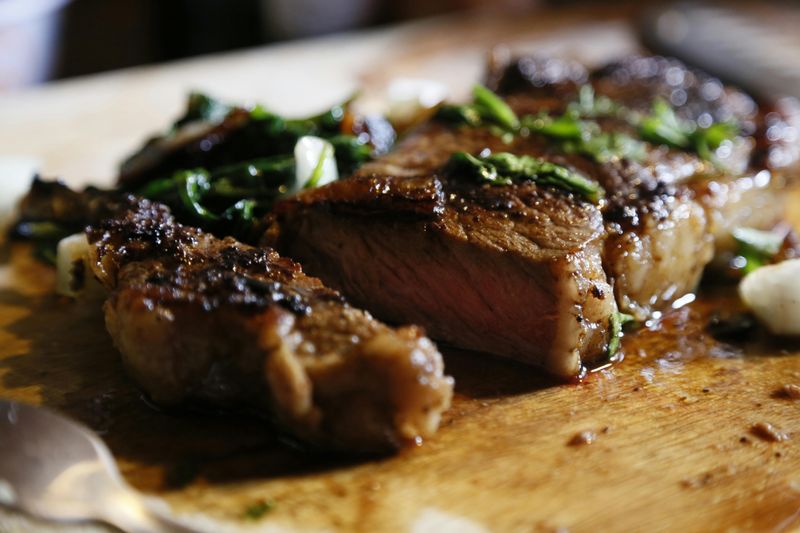
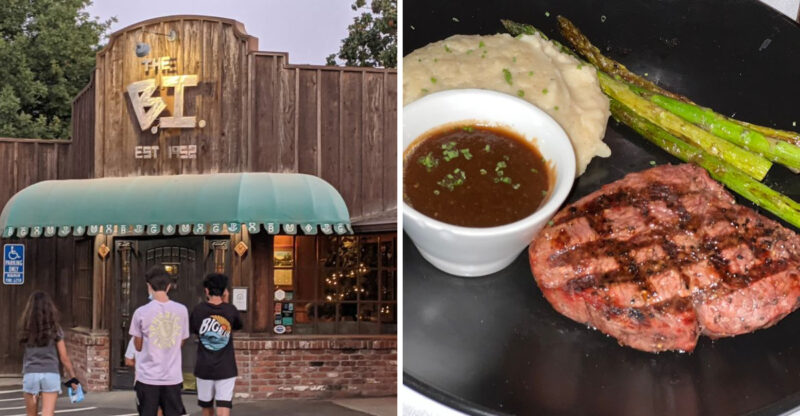
The New York strip steak became famous in the city’s legendary steakhouses, known for its juicy texture and beautiful marbling.
Cut from the short loin, this steak is grilled to perfection and often served with simple sides like mashed potatoes or creamed spinach.
The emphasis is on quality beef and straightforward preparation that lets the meat shine.
California steakhouses began offering grass-fed, organic, and locally sourced beef, often pairing steaks with lighter sides like roasted vegetables or quinoa salads.
Some restaurants in San Francisco and Los Angeles serve the steak with chimichurri or miso butter, adding international flavors to the classic cut.
The presentation is often more colorful and health-focused.
New York’s approach celebrates the beef itself, while California adds global influences and wellness trends.
Both deliver a satisfying meal, but the experience feels different – one is traditional luxury, the other modern and adventurous.
5. Black & White Cookie
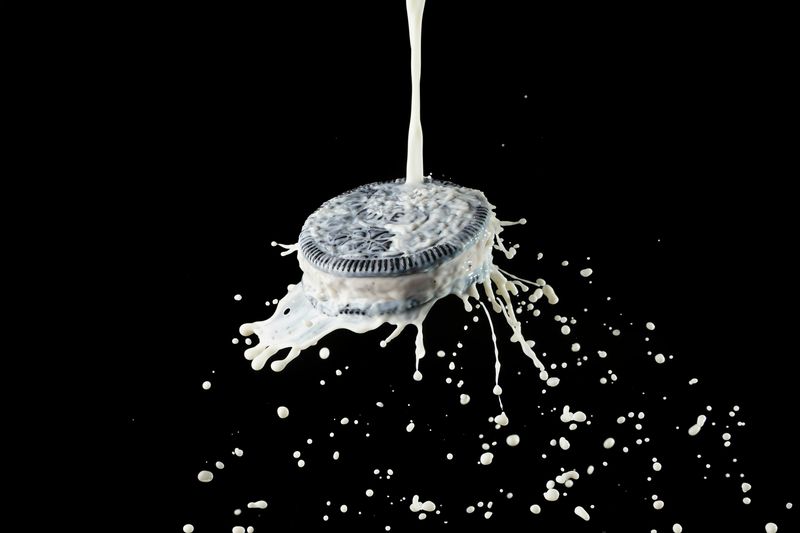
The black and white cookie is a soft, cake-like treat with half chocolate fondant and half vanilla icing.
It’s been a staple in New York bakeries and delis for over a century, offering a simple but satisfying sweetness. The cookie is thick and tender, with a flavor that’s mild and comforting.
California bakeries started experimenting with the black and white cookie by adding flavors like salted caramel, raspberry, or even matcha to the icing.
Some versions use gluten-free or vegan dough to cater to dietary preferences. The cookie became more artisanal, with hand-piped designs and Instagram-worthy presentations.
New York’s version is nostalgic and straightforward, a treat that hasn’t changed much over the years. California’s take is playful and modern, turning a classic into something new.
Both are delicious, but they represent different philosophies – tradition versus innovation.
6. Egg Cream
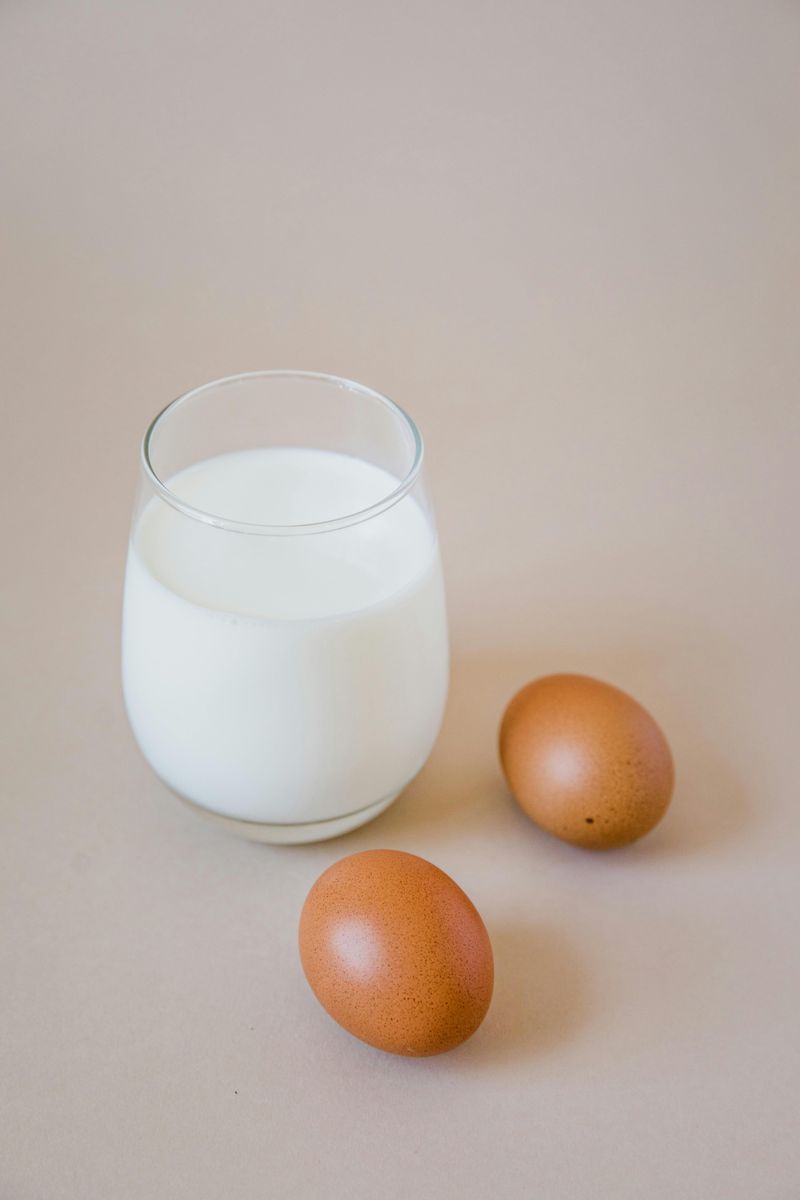
Despite its name, the egg cream contains no egg or cream – just milk, seltzer, and chocolate syrup.
This fizzy drink became a New York classic in the early 1900s, served at soda fountains and candy stores across Brooklyn and Manhattan. The drink is simple, refreshing, and nostalgic, with a light chocolate flavor and a foamy top.
California reinvented the egg cream by using almond milk, oat milk, or coconut milk instead of dairy. Some cafes add flavors like vanilla, strawberry, or even lavender to the syrup.
The drink became more customizable and health-conscious, fitting into the West Coast’s wellness culture.
New York’s egg cream is about tradition and simplicity, a taste of the past that hasn’t changed. California’s version is modern and flexible, allowing for dietary preferences and creative twists.
7. Manhattan Clam Chowder
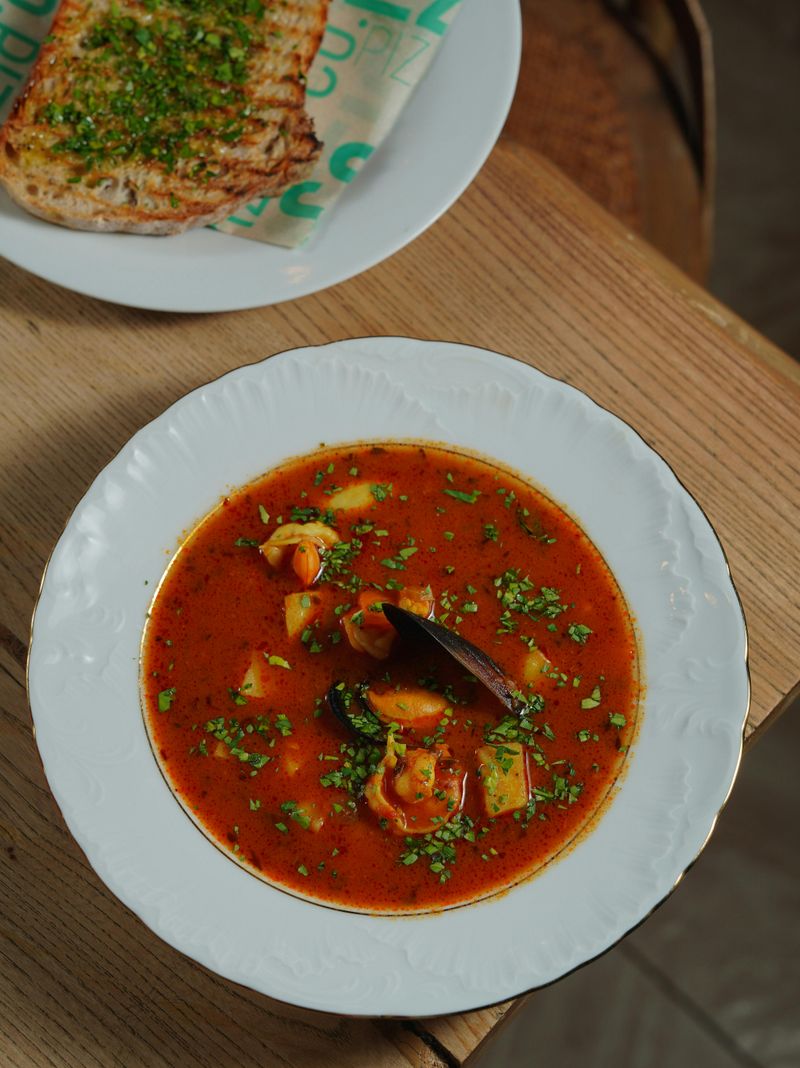
Manhattan clam chowder features a tomato-based broth loaded with clams, vegetables, and herbs.
Unlike the creamy New England version, this soup is lighter and tangier, with a clear, flavorful broth that highlights the seafood.
It became a staple in New York diners and seafood restaurants, especially in coastal neighborhoods.
California chefs took clam chowder and added their own spin, sometimes using coconut milk for a dairy-free version or adding spices like chipotle and cilantro.
West Coast chowders often include more vegetables and grains like farro or quinoa, making the dish heartier and more nutritious. The presentation is often more colorful and garnished with fresh herbs.
New York’s chowder is straightforward and comforting, a warm bowl that tastes like the sea. California’s version is adventurous and inclusive, catering to various diets and flavor preferences.
8. Knish
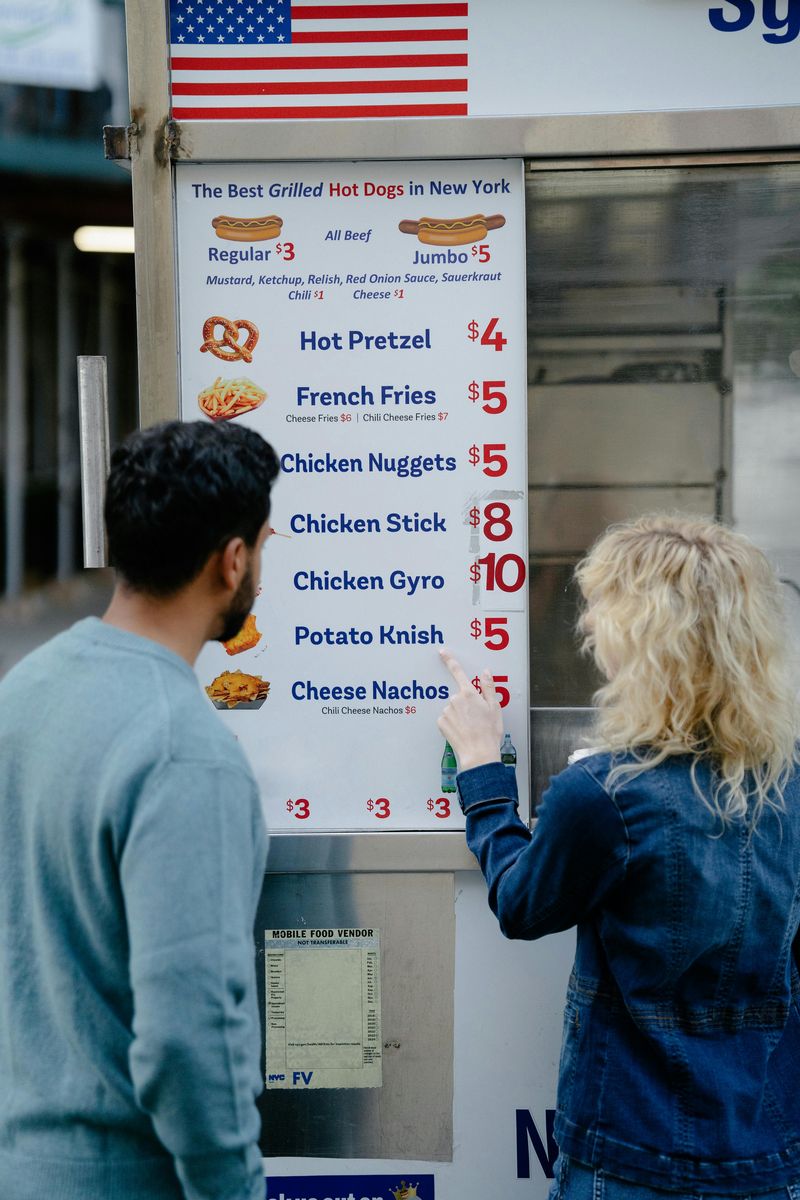
The knish is a pastry filled with mashed potatoes, meat, or kasha, often enjoyed with gravy. This Eastern European import became a New York street food staple, sold from carts and delis across the city.
The dough is flaky and buttery, and the filling is warm and savory, making it a perfect snack on a cold day.
California bakeries started making knishes with unconventional fillings like sweet potato, spinach and feta, or even vegan cheese.
The pastry became lighter and sometimes baked with whole wheat or gluten-free dough. The knish transformed from a hearty street snack into a gourmet appetizer served at upscale cafes.
New York’s knish is about comfort and tradition, a taste of old-world cooking. California’s version is creative and health-conscious, appealing to modern tastes.
9. Pastrami On Rye
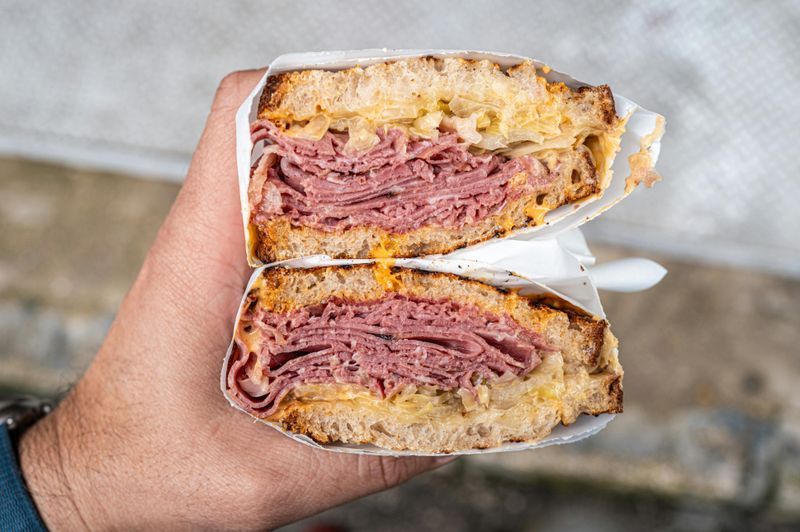
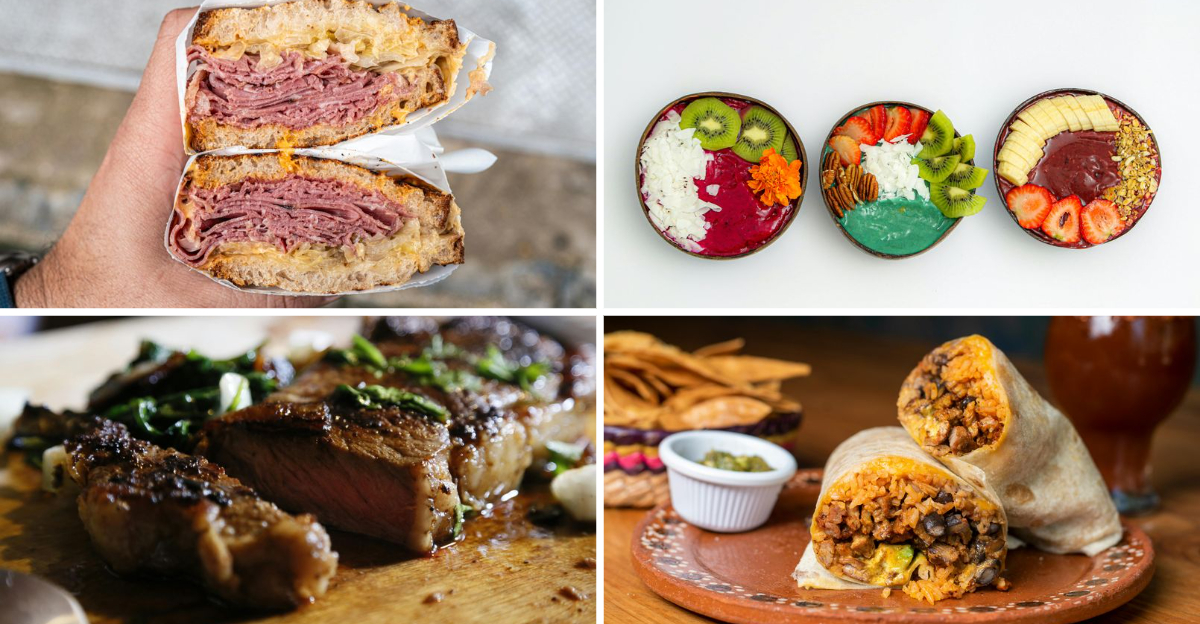
Pastrami on rye is a New York deli classic, featuring spiced, smoked beef brisket piled high on rye bread with yellow mustard.
The meat is tender and flavorful, with a smoky, peppery crust that adds depth. Delis like Katz’s at 205 E Houston St, New York, NY 10002, have been serving this sandwich for over a century, and the recipe remains largely unchanged.
California delis started offering pastrami sandwiches with lighter bread options like sourdough or whole grain, and added ingredients like arugula, pickled vegetables, or aioli.
Some versions use turkey pastrami or plant-based alternatives to cater to health-conscious diners. The sandwich became more customizable and less heavy.
New York’s pastrami on rye is bold and unapologetic, a meat lover’s dream. California’s version is lighter and more diverse, offering options for different dietary needs.
10. Avocado Toast
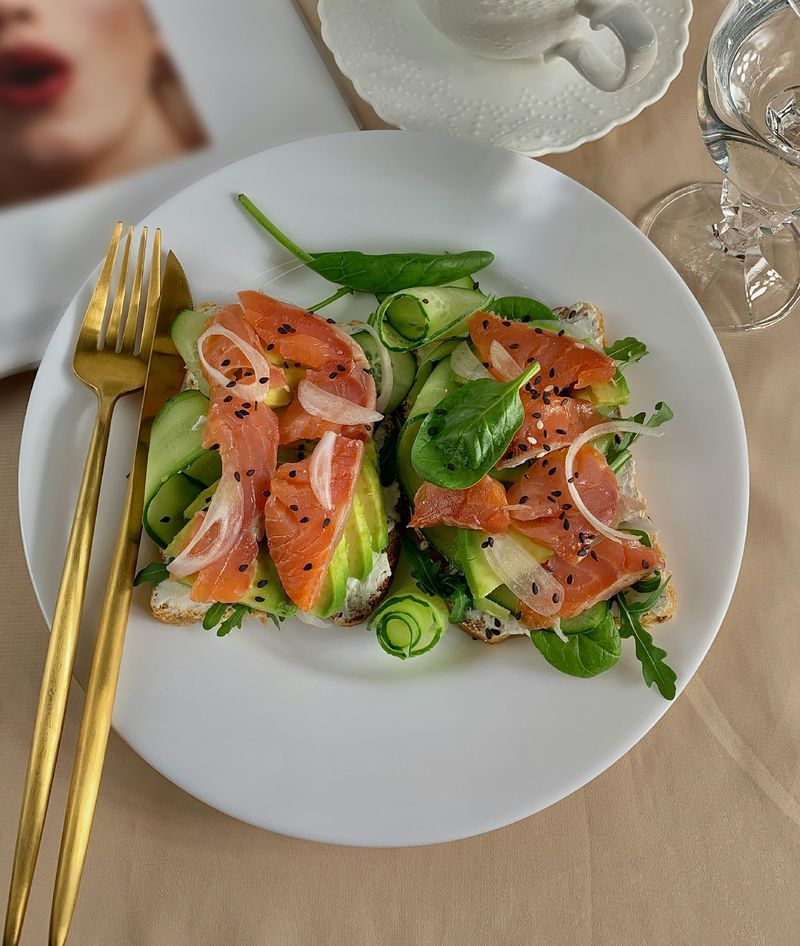
While avocado toast didn’t originate in California, the state made it famous.
Served on sourdough bread and topped with tomatoes, herbs, and a spritz of lemon juice, this dish became a brunch staple across Los Angeles and San Francisco. The toast is simple, fresh, and photogenic, embodying the West Coast lifestyle.
New York cafes eventually adopted avocado toast, often adding their own twists like smoked salmon, poached eggs, or everything bagel seasoning.
The dish became heartier and more filling, fitting into the city’s fast-paced breakfast culture. Some spots even serve it on thick slices of challah or brioche.
California’s avocado toast is light and health-focused, perfect for a leisurely brunch. New York’s version is more substantial, designed to fuel a busy day.
11. Fish Tacos
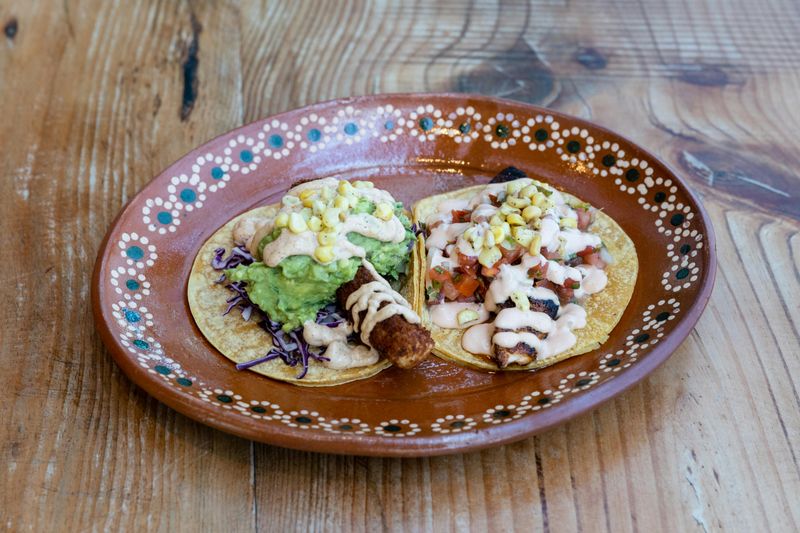
Fish tacos became a California icon, especially in Southern California where Mexican cuisine thrives.
The tacos feature fried or grilled fish topped with cabbage, crema, salsa, and a hint of heat, all wrapped in a soft corn tortilla. The flavors are bright and fresh, with a perfect balance of textures.
New York chefs brought fish tacos to the East Coast, often adding local seafood like striped bass or fluke.
Some spots serve them with fusion toppings like pickled red onions, sriracha mayo, or kimchi slaw. The tacos became more experimental, blending Mexican flavors with global influences.
California’s fish tacos are authentic and straightforward, celebrating the state’s proximity to the ocean and Mexico.
New York’s versions are creative and diverse, reflecting the city’s multicultural food scene. Both are delicious, but they offer different flavor profiles and experiences.
12. California Roll
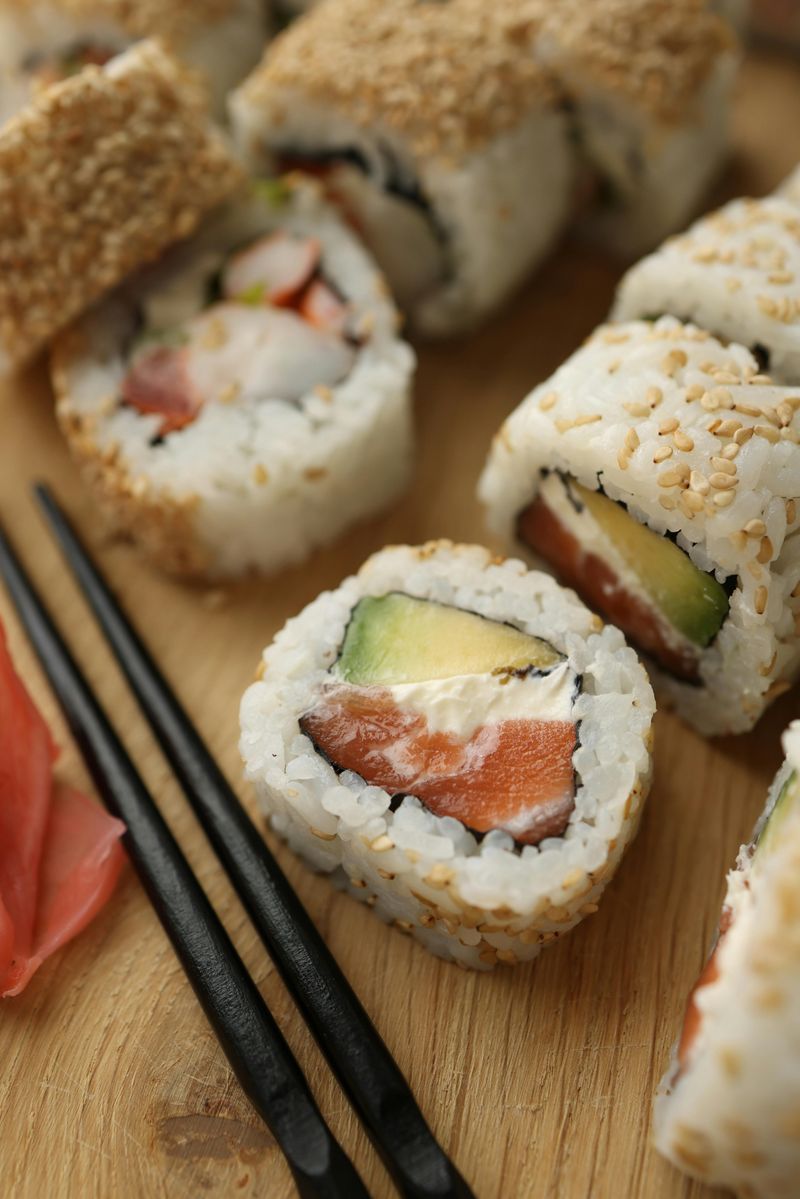
Los Angeles chefs created the California roll in the 1960s, substituting raw fish with imitation crab and avocado to make sushi more accessible to American diners.
The roll became wildly popular, introducing millions of people to sushi for the first time. It’s mild, creamy, and easy to eat, with no intimidating raw fish.
New York sushi chefs took the California roll and elevated it, sometimes adding spicy mayo, tempura flakes, or even truffle oil.
The roll became more elaborate and expensive, fitting into the city’s upscale dining scene. Some restaurants serve it with premium crab or lobster instead of imitation crab.
California’s roll is about accessibility and simplicity, making sushi approachable for everyone. New York’s version is about luxury and innovation, turning a simple roll into a gourmet experience.
13. Sourdough Bread
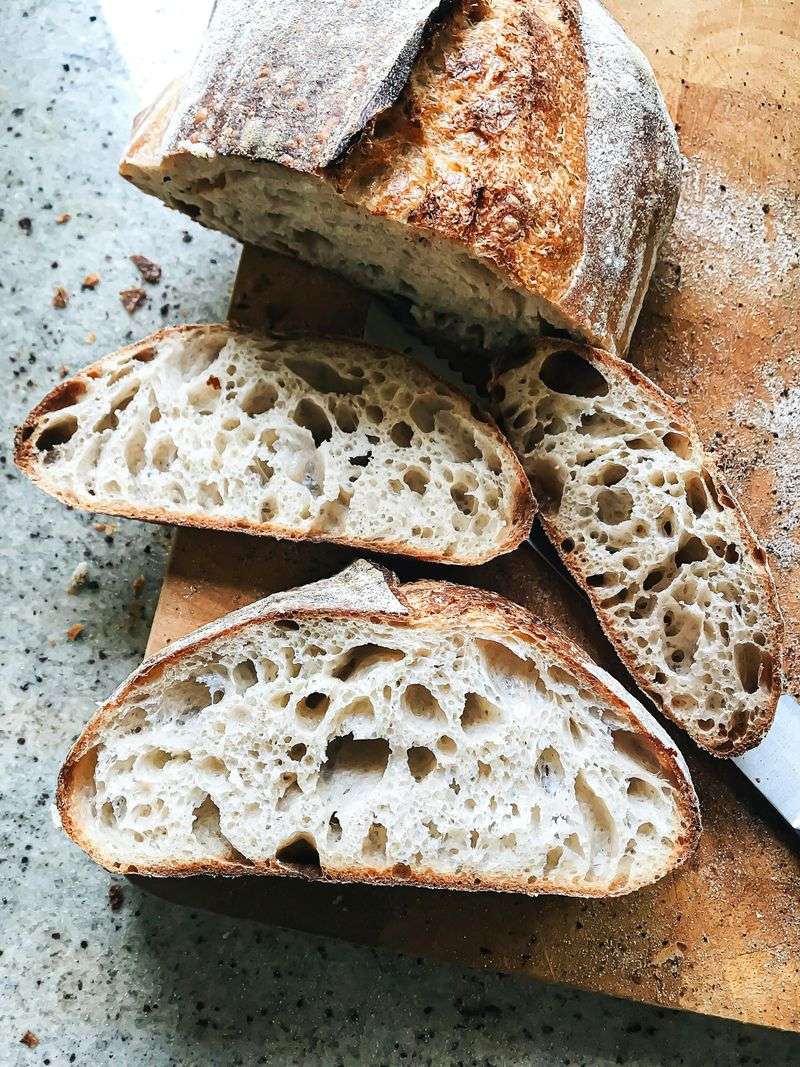
San Francisco’s sourdough bread is legendary, thanks to the city’s unique microclimate that creates a distinctive tangy flavor.
Boudin Bakery at 160 Jefferson St, San Francisco, California 94133, has been making sourdough since the Gold Rush era, and the recipe uses wild yeast that gives the bread its characteristic sour taste.
The crust is crispy, and the inside is soft and chewy.
New York bakeries started producing their own sourdough, often experimenting with different flours like whole wheat, rye, or spelt.
Some bakers add seeds, nuts, or dried fruit to the dough, creating artisanal loaves with unique flavors. The bread became more diverse and customizable, reflecting the city’s experimental food culture.
California’s sourdough is about tradition and terroir, a taste that can’t be replicated elsewhere. New York’s versions are about creativity and variety, offering something new with each loaf.
14. Cioppino
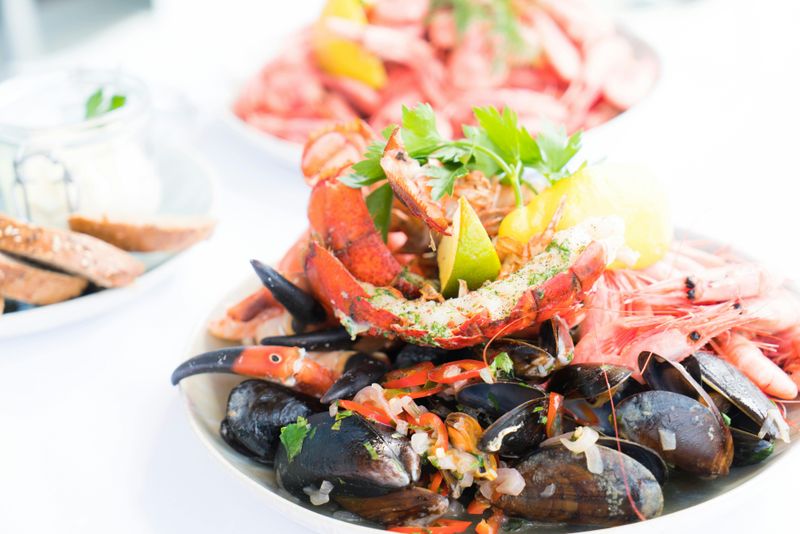
Cioppino is a hearty fisherman’s stew from San Francisco, blending Italian flavors with local seafood like Dungeness crab, shrimp, and clams.
The tomato-based broth is rich and flavorful, seasoned with garlic, white wine, and fresh herbs. The stew is comforting and satisfying, perfect for a foggy San Francisco evening.
New York chefs adapted cioppino by using East Coast seafood like lobster, mussels, and scallops.
Some versions add a spicy kick with red pepper flakes or calabrian chili. The stew became more versatile, reflecting the variety of seafood available along the Atlantic coast.
California’s cioppino is rooted in Italian-American tradition, celebrating the state’s fishing heritage. New York’s version is more eclectic, incorporating different flavors and seafood.
15. Acai Bowls
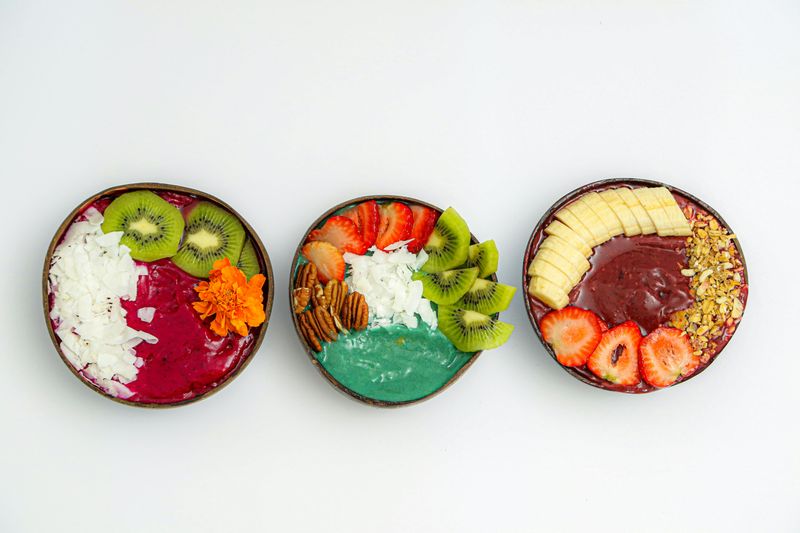
Acai bowls became a California breakfast staple, blending the Brazilian superfood with granola, fresh fruit, and honey. The bowls are colorful, nutritious, and refreshing, embodying the state’s health-conscious culture.
Cafes across Los Angeles and San Diego serve them with various toppings like chia seeds, coconut flakes, and almond butter.
New York cafes adopted acai bowls, often adding more substantial toppings like protein powder, peanut butter, or even cookie dough.
The bowls became heartier and more indulgent, fitting into the city’s grab-and-go breakfast culture. Some spots serve them in smaller portions as a quick snack rather than a full meal.
California’s acai bowls are light and focused on wellness, perfect for a post-workout treat. New York’s versions are more filling and indulgent, designed to power through a busy day.
16. Pizza
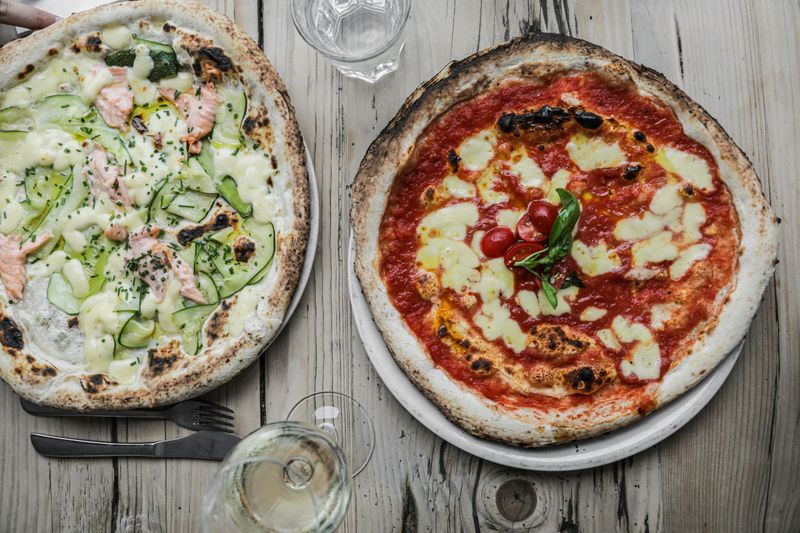
New York pizza is thin, foldable, and sold by the slice from pizzerias across the city. The crust is crispy on the bottom but soft enough to fold in half, and the sauce is tangy with just the right amount of cheese.
It’s fast, affordable, and perfect for eating on the go, a true street food icon. California pizza became famous for its gourmet toppings and thin, crispy crusts.
Restaurants like California Pizza Kitchen at 53 3rd St, San Francisco, CA 94103, introduced combinations like BBQ chicken, Thai chicken, and even pear and gorgonzola.
The pizza became more experimental, focusing on fresh, local ingredients and unconventional flavor pairings.
New York’s pizza is about tradition and simplicity, a slice that tastes the same whether you’re in Manhattan or Brooklyn. California’s pizza is creative and diverse, turning pizza into a canvas for culinary innovation.
17. Burritos
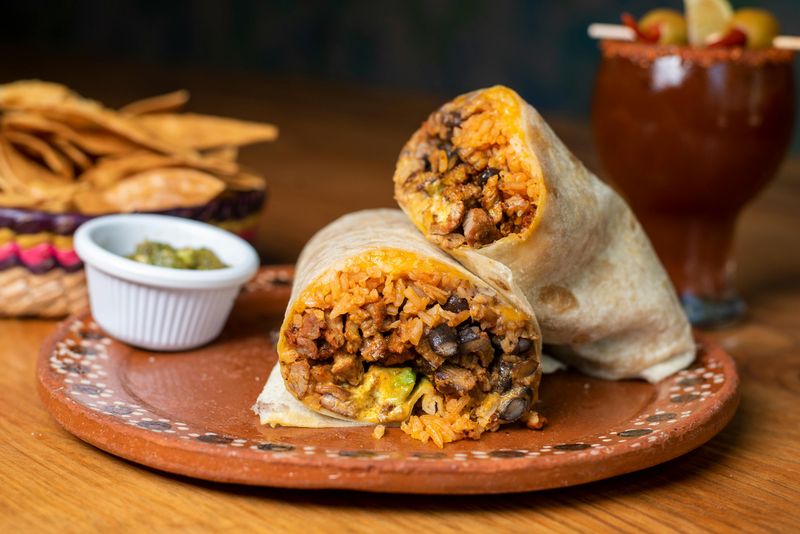
The Mission-style burrito from San Francisco is enormous, stuffed with rice, beans, meat, salsa, sour cream, and guacamole, all wrapped tightly in a large flour tortilla.
The burrito is hearty and filling, designed to be a complete meal. Taquerias across the Mission District have perfected this style, making it a California staple.
New York bodegas started serving their own version of the burrito, often adding breakfast ingredients like eggs, bacon, and hash browns.
The breakfast burrito became a morning favorite, served quickly and affordably at corner stores across the city. Some spots even add hot sauce or ketchup for extra flavor.
California’s Mission burrito is about size and variety, a meal that satisfies every craving. New York’s breakfast burrito is about convenience and comfort, perfect for a quick morning bite.
18. Cobb Salad
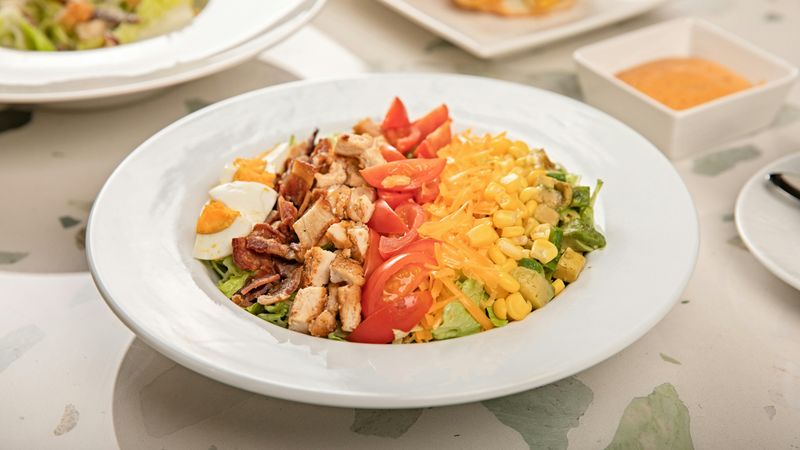
The Cobb salad was invented at the Brown Derby restaurant in Hollywood in the 1930s.
This salad features rows of chopped lettuce, tomatoes, bacon, chicken, hard-boiled eggs, avocado, and blue cheese, all arranged neatly on a plate. The presentation is beautiful, and the combination of flavors and textures is perfectly balanced.
New York restaurants adopted the Cobb salad, often adding their own ingredients like smoked turkey, roasted vegetables, or different cheeses.
Some versions use mixed greens instead of iceberg lettuce, making the salad feel more upscale. The salad became more customizable, fitting into the city’s diverse dining scene.
California’s Cobb salad is classic and visually stunning, a dish that looks as good as it tastes. New York’s versions are more flexible and varied, reflecting the city’s love for customization.
Both are satisfying and healthy, but they offer different presentations and ingredient combinations.
19. French Dip Sandwich
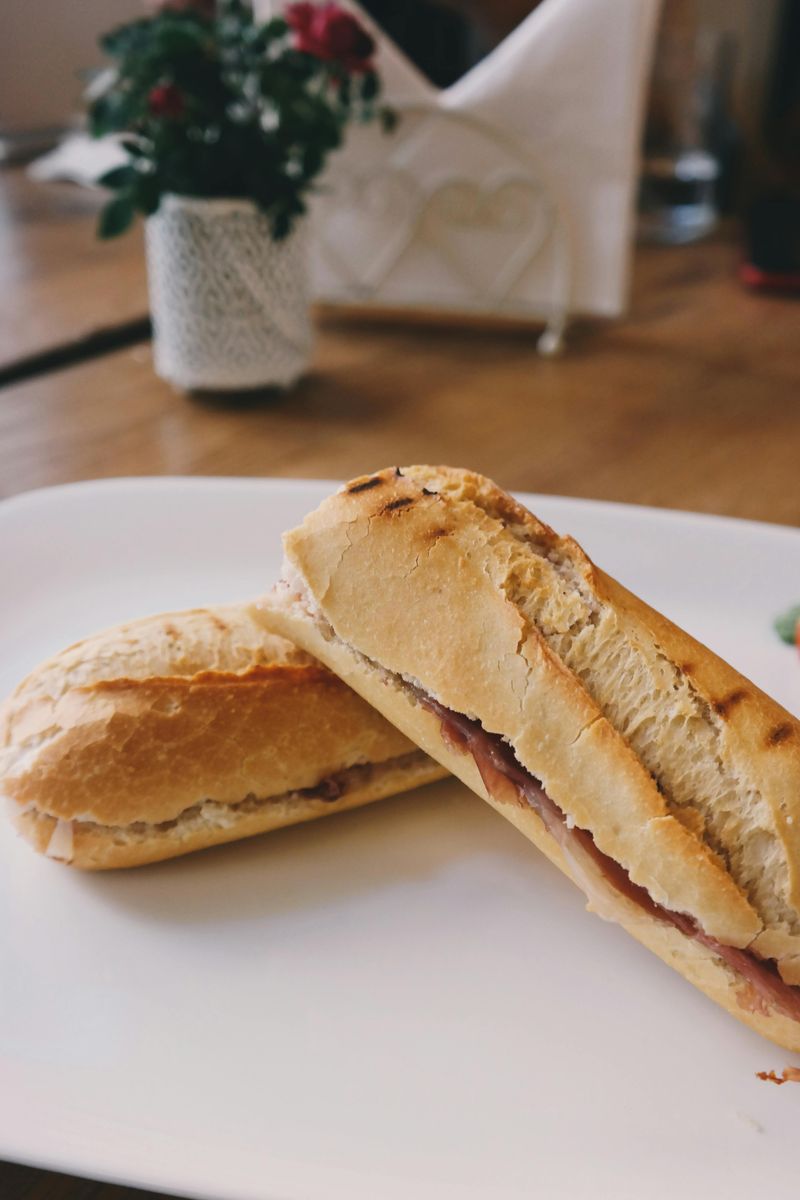
The French dip sandwich was created in Los Angeles, featuring thinly sliced roast beef on a French roll served with au jus for dipping.
The sandwich is simple but satisfying, with the warm, savory broth adding depth to every bite.
Restaurants like Philippe’s (1001 N Alameda St, Los Angeles, CA 90012) and Cole’s (118 E 6th St, Los Angeles, CA 90014) both claim to have invented it in the early 1900s.
New York delis started serving their own versions of the French dip, often using different breads like ciabatta or sourdough.
Some spots add horseradish, caramelized onions, or melted cheese to the sandwich, making it more complex. The sandwich became heartier and more customizable, fitting into the city’s deli culture.
California’s French dip is straightforward and focused on the quality of the beef and broth. New York’s versions are more elaborate, with added flavors and ingredients.
20. Ice Cream Sandwiches
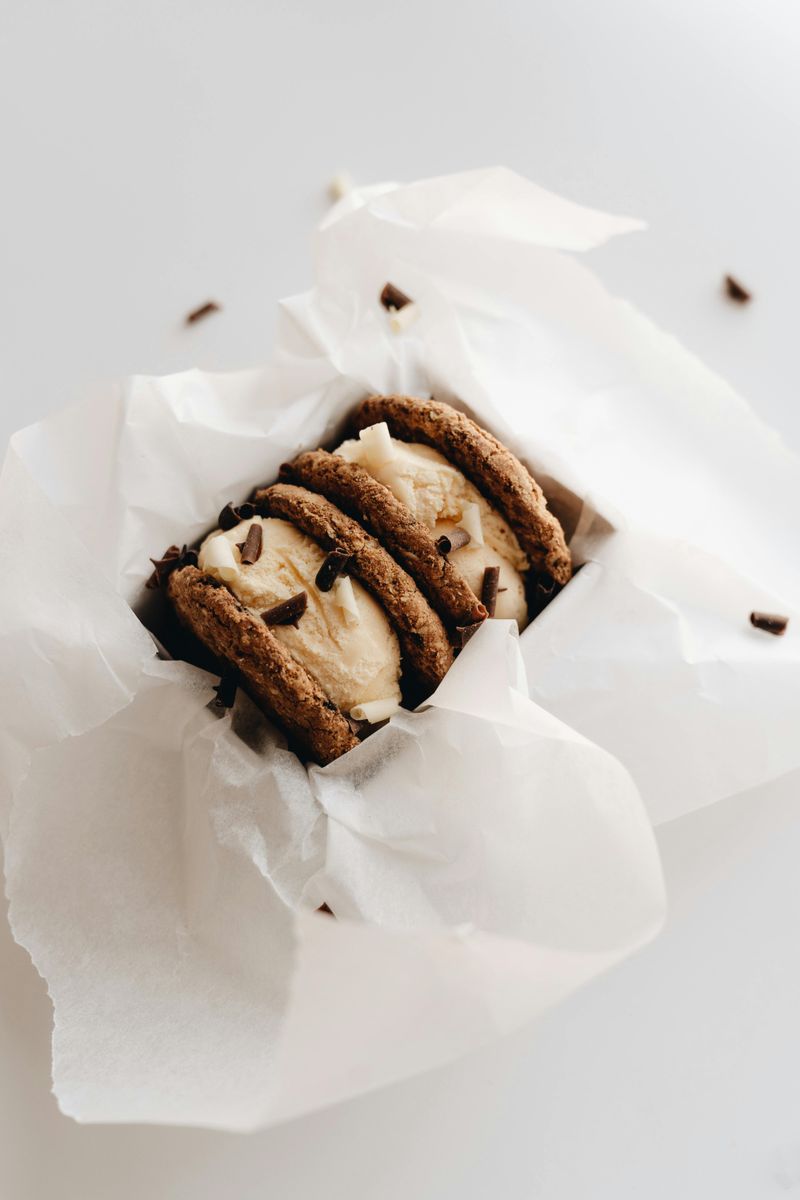
The ice cream sandwich became a New York street treat, sold from trucks and carts across the city.
The classic version features vanilla ice cream between two chocolate wafers, simple and refreshing on a hot summer day. The treat is nostalgic, reminding many people of childhood summers.
California ice cream shops took the ice cream sandwich and made it gourmet, using homemade cookies and artisanal ice cream flavors like salted caramel, lavender honey, or matcha.
The sandwiches became bigger and more photogenic, often rolled in sprinkles, crushed cookies, or nuts. The treat transformed from a simple snack into a dessert experience.
New York’s ice cream sandwich is about simplicity and nostalgia, a classic that hasn’t changed much. California’s version is creative and indulgent, turning a simple treat into something special.