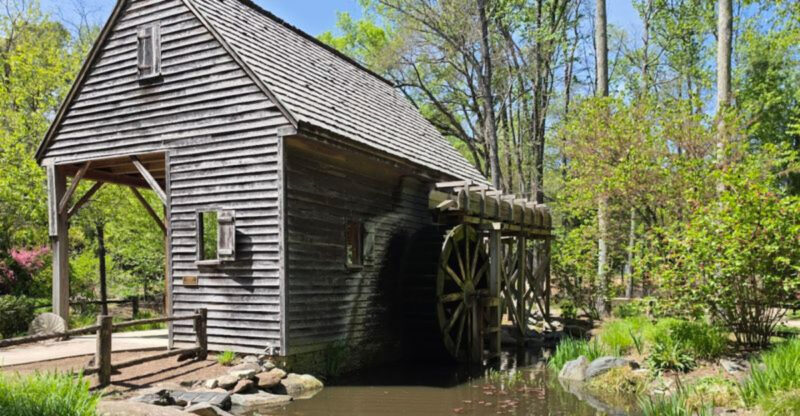
Forget The Crowded Blue Ridge, This Quiet North Carolina Forest Is Made For A Fall Escape
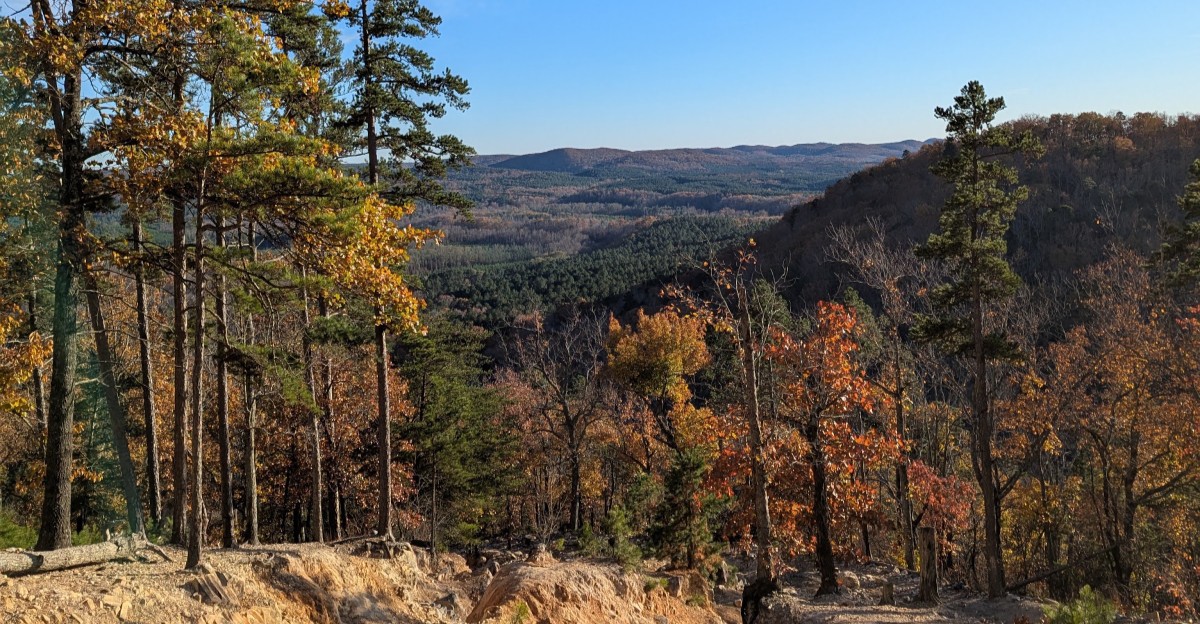
There is a point in October when chasing fall color starts feeling suspiciously like sitting in rush hour.
Brake lights glow almost as brightly as the leaves.
That is when it pays to look somewhere less obvious.
A few hours east of the famous mountain routes, another side of North Carolina quietly starts changing color without nearly as much commotion.
It feels like the road trip nobody thought to tell the crowds about. The hills roll gently, the woods stay peaceful, and the whole afternoon moves at a friendlier speed.
You can actually hear the leaves crunch instead of somebody leaning on a horn.
That alone feels luxurious. Sometimes the best fall view is the one you did not have to fight twenty cars for.
Trade Packed Mountain Overlooks For Miles Of Quieter Fall Forest
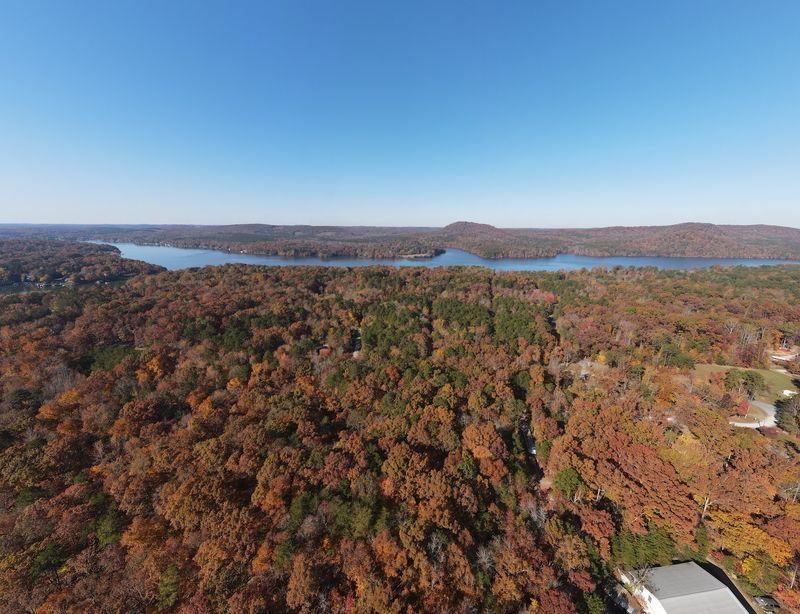
Picture a parking area with no line for a photo spot and a trail where the loudest sound is a squirrel digging for acorns.
That kind of calm makes the central Piedmont so appealing when the leaves start to turn.
Instead of steep peaks, you get soft, rolling ridges that glow in layers of gold and rust.
Uwharrie National Forest covers about 51,000 acres, making it the smallest of the state’s four national forests, yet it feels roomy once you start exploring.
A smart first stop is the district ranger office, open weekdays from 8 a.m. to 4:30 p.m., where you can pick up maps and trail updates. You will find it at 789 Biscoe Road in Troy.
Some fun history sits beneath your boots, too.
The Uwharrie Mountains rank among the oldest ranges in North America, worn down over hundreds of millions of years into the gentle hills you see today.
Their low height means easier climbs and wide skies above the treetops.
Pack a thermos of warm apple cider and a few pimento cheese sandwiches for a trailside picnic.
The office closes on weekends, so collect paper maps before Saturday arrives.
Cell signal can fade in the hollows, and a printed map keeps the day stress-free.
Follow A Long-Distance Trail Beneath A Canopy Turning Gold And Red
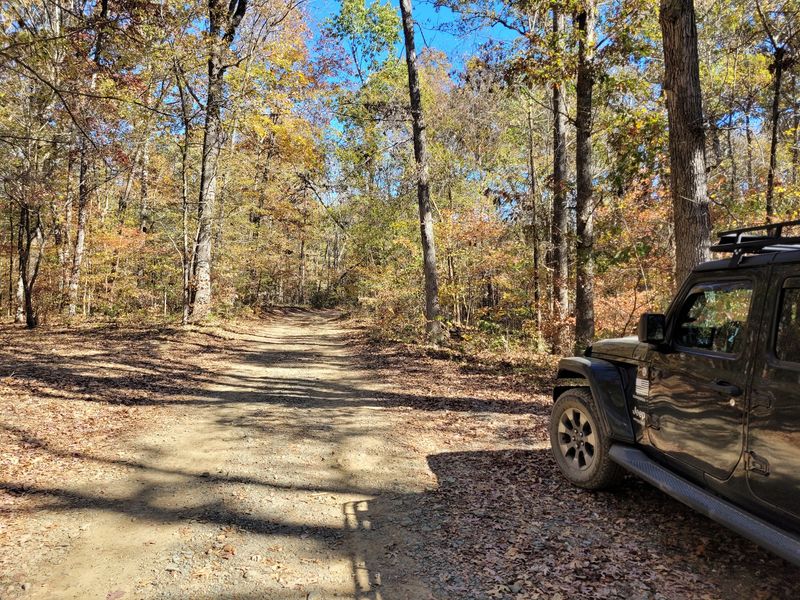
White paint blazes on tree trunks act like breadcrumbs through the woods, leading hikers along one of the region’s classic footpaths.
The Uwharrie National Recreation Trail runs roughly 20 miles through the heart of the forest.
Current trail work is focused on closing the remaining gap between High Pine Church Road and the southern boundary of the Birkhead Mountains Wilderness. Expect a roller coaster of short climbs and dips rather than one big summit.
Creek crossings pop up often, and a few rocky patches call for careful footing and sturdy shoes.
In autumn, fallen leaves can hide stones and roots, so slow down on the downhill stretches.
The southern trailhead sits along NC 24/27, while a northern access point waits on NC Highway 109.
Hikers who like loops can pair the southern section with the yellow-blazed Dutchman’s Creek Trail, which adds about 11 miles of forest walking.
Together, they form a full-day circuit for strong walkers or a relaxed overnight trip.
Overhead, hickories burn yellow while red maples and sourwoods flash scarlet.
Few trails in North Carolina deliver so much color with so little company.
Bring extra water, since creek water should be filtered before drinking, and a handful of trail mix with dried cranberries for quick energy.
Head Toward The Lake When You Want Autumn Color Beside The Water
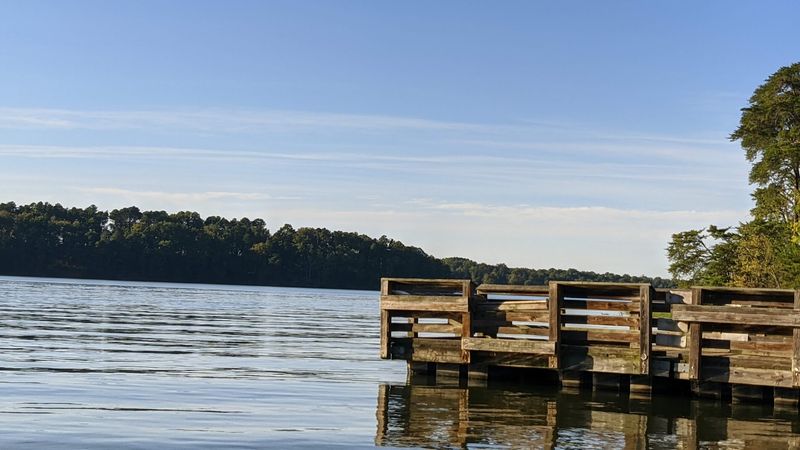
Nothing doubles the beauty of fall leaves quite like a calm lake holding their reflection.
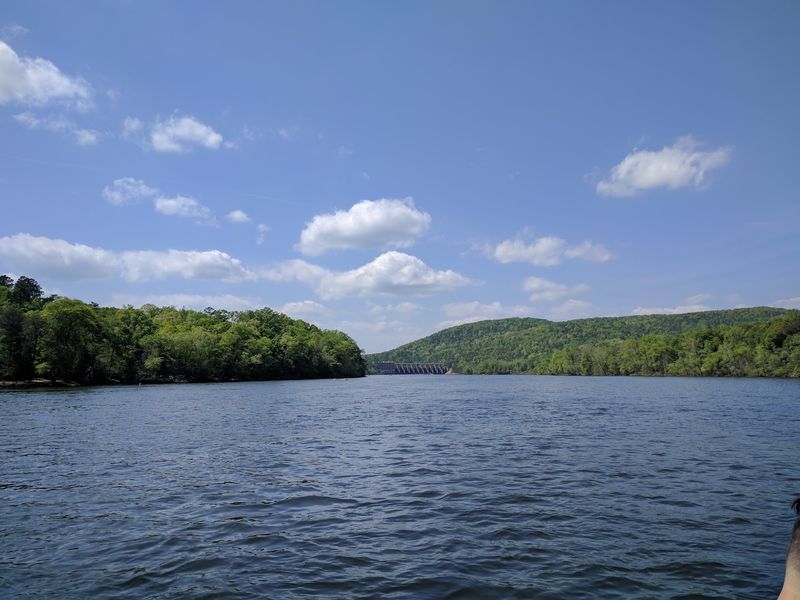
Badin Lake, a 5,350-acre reservoir along the western edge of the forest, gives you that mirror effect on still mornings.
Mist often lifts off the surface early, revealing shorelines painted in amber and crimson.
The Badin Lake Recreation Area makes it easy to enjoy the view without a long hike. Paved paths, picnic shelters, and a fishing dock sit close to the water.
Families can spread out a lunch of warm biscuits and fresh fruit, then toss a line for bass or crappie.
Paddlers find a lot to love here in autumn.
Summer boat traffic thins out, and gliding into quiet coves lets you drift beneath branches heavy with color.
Watch for great blue herons stalking the shallows and turtles sunning themselves on logs. Other waters shine nearby as well.
Lake Tillery, just to the south, offers more shoreline scenery and fishing spots, while High Rock Lake frames the northern edge of the Uwharrie Mountains.
Late afternoon brings the warmest light for photos, when the sun turns the treetops a glowing copper and the water shimmers like polished glass.
Escape Into The Backcountry For A More Remote Hike
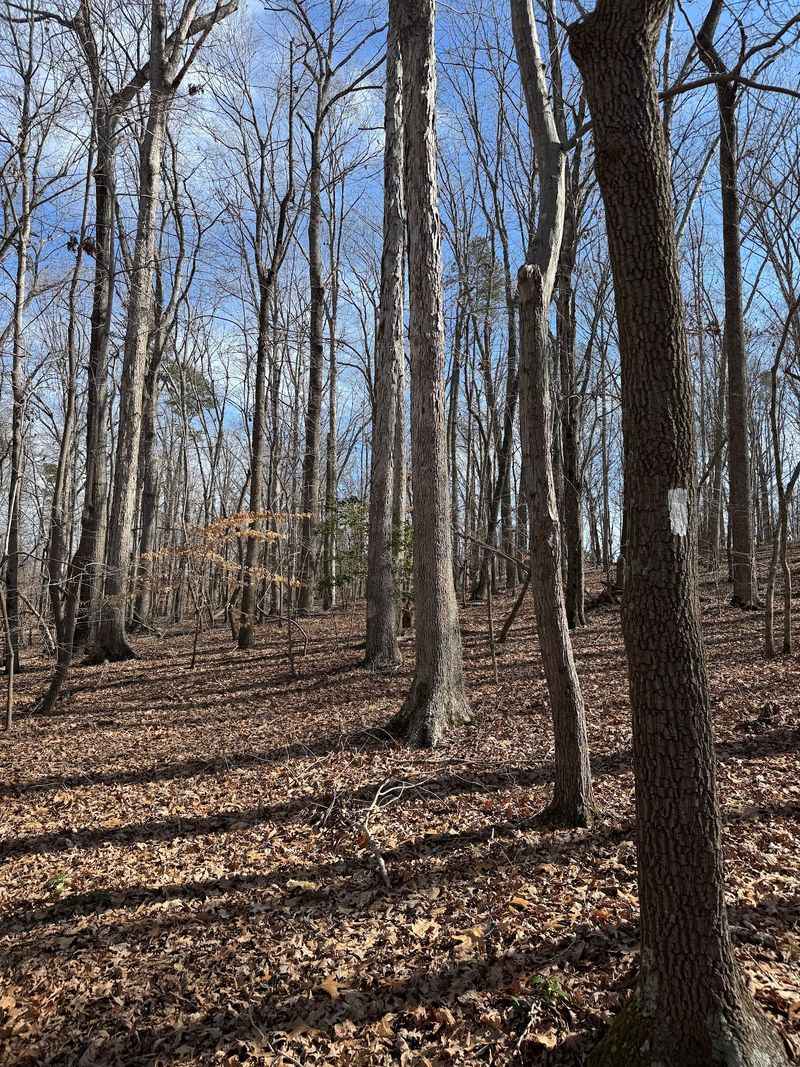
Silence has a different sound deep in the woods, a hush broken only by wind and the tap of a woodpecker.
For that feeling, head to the Birkhead Mountains Wilderness, a protected area of more than 5,000 acres in the northern part of the forest.
Trail maintenance is carried out with hand tools and non-mechanized access to preserve the area’s wilderness character. Hiking here takes a bit more planning.
Fallen trees, faint paths, and fewer signs mean you should carry a paper map, a compass, and a phone with offline maps downloaded.
Tell a friend your route and when you expect to return.
Such rugged ground can come as a surprise in central North Carolina, far from the tall peaks out west.
The ridges are low, but the feeling of being miles from any road is real.
Autumn adds crisp air, fewer bugs, and clearer views through thinning branches.
Outside the wilderness boundary, dispersed camping is allowed across much of the forest, so backpackers can choose their own quiet clearing for the night.
Some day-use sites and wildlife fields are off-limits, so check the rules before setting up.
Leave every spot as clean as you found it, packing out all trash and food scraps.
Look For Old Mines And Forgotten Homesteads Hidden Along The Trails
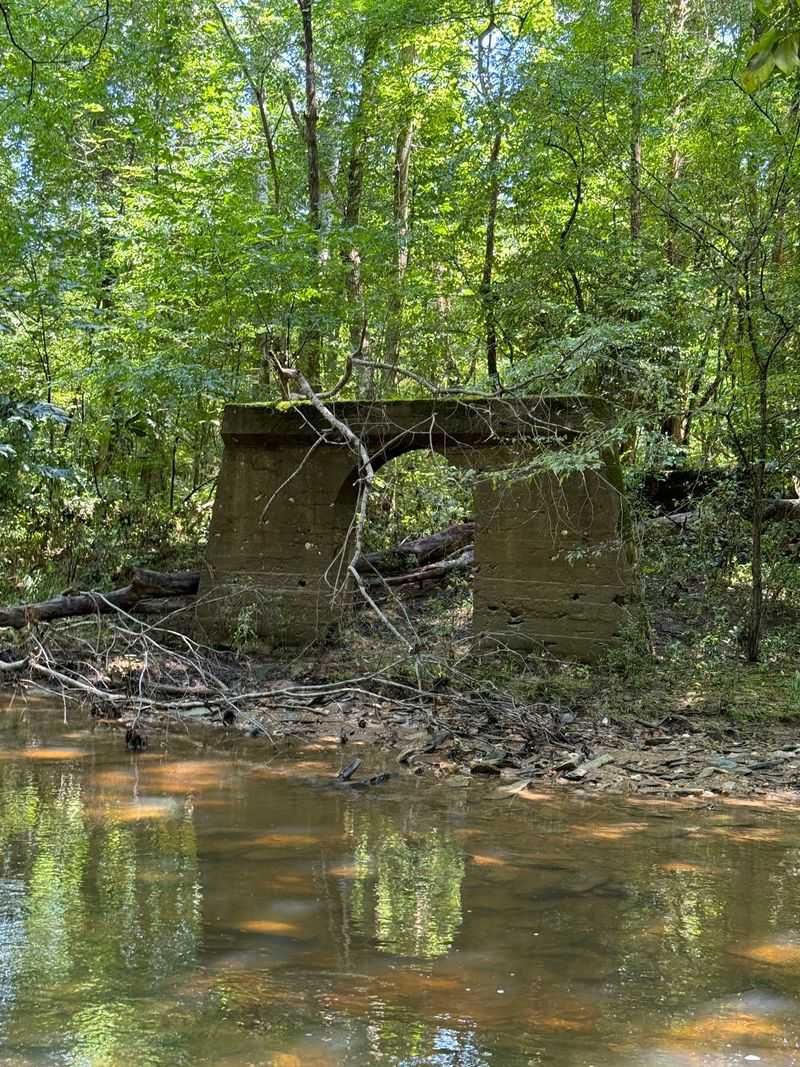
Long before hikers came looking for fall color, prospectors came looking for gold.
The Uwharrie region sits in the heart of the area tied to America’s first gold rush, which began in 1799 when a shiny rock turned up on a farm not far away.
Soon, miners were digging shafts and pits all over these hills. Today, hundreds of abandoned mines from the 1800s and early 1900s dot the landscape.
The Russell Mine, once a busy operation, still shows old remains off Coggins Mine Road near Big Creek. Stay outside any shafts or tunnels, since old mines can be unstable and unsafe.
Human stories hide along the trails, too.
Keep an eye out for stone chimneys, crumbling foundations, and quiet family cemeteries where early settlers rest.
Look without touching, since these sites are protected pieces of history.
For a fuller picture, visit the Thornburg Farm, where an 1855 farmhouse stands with several outbuildings.
Walking the grounds, you can imagine families tending gardens and cooking over wood stoves on chilly autumn evenings.
Old fields and fence lines hint at how hard people worked to farm this rocky soil.
Kids can turn the walk into a history scavenger hunt.
Make a list of things to spot, like rusted metal, stone walls, and old roadbeds.
Pitch A Tent And Stretch Your Fall Escape Into A Full Weekend
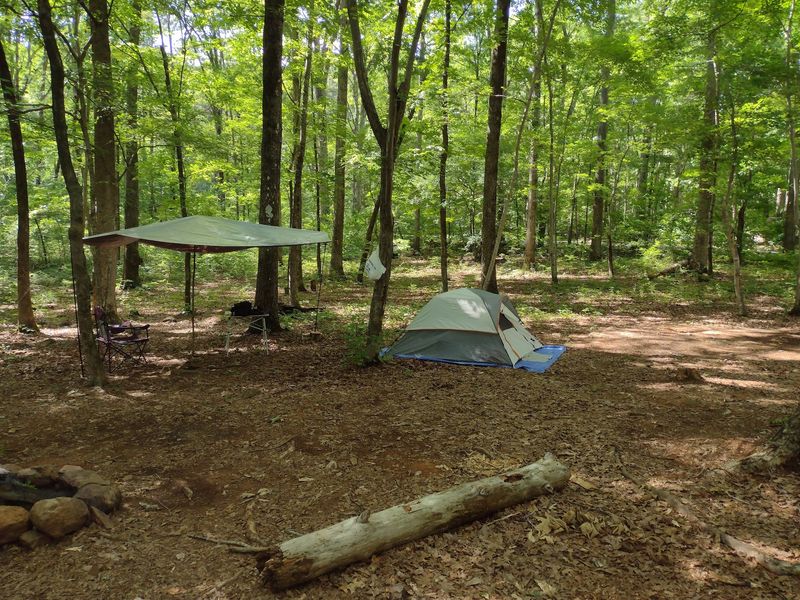
One day rarely feels like enough when the woods look this good.
Camping lets you catch sunrise fog, crackling campfires, and the scent of wood smoke drifting through cool night air. Luckily, the forest offers choices for every comfort level.
Arrowhead Campground, beside Badin Lake, is the most polished option. Some sites include electric hookups, and you will find modern restrooms plus a boat ramp nearby.
Autumn weekends draw steady interest, so reserve ahead when possible.
Prefer something simpler?
The Uwharrie Hunt Camp offers primitive tent sites with picnic tables, grills, and drinking water, and it stays open year-round on a first-come, first-served basis.
Dispersed camping is another route, allowing stays of up to 14 days within any 30-day period.
Campfire meals taste better in fall.
Try foil packets of sweet potatoes and sausage, a pot of hearty chili, or s’mores made with peanut butter cups.
Nights in this part of North Carolina can dip into the 40s by late October, so pack a warm sleeping bag and extra layers.
Once the fire burns low, look up.
Far from city lights, the stars feel close enough to count, and owls often call from the dark ridges.
Choose An Easy Lakeside Walk Or A Longer Wilderness Adventure
Some days call for a stroll with a cup of hot cocoa, and others call for muddy boots and tired legs.
With more than 100 miles of trails for hikers, mountain bikers, and horseback riders, the forest handles both moods.
Picking the right path depends on your time, energy, and group. For an easy outing, try the paved paths at the Badin Lake Recreation Area.
A loop around Kings Mountain Point passes a fishing pier and accessible platforms, making it friendly for strollers, wheelchairs, and little legs.
Longer lakeside trails follow the shore past driftwood and quiet coves. Near Troy, the Denson’s Creek Trail begins close to the forest office.
It offers a short 0.75-mile loop and a longer 2.2-mile loop, both easy to moderate.
Either one makes a handy warm-up before a bigger day or a relaxed walk after a picnic.
Ready for more?
The Uwharrie National Recreation Trail and Dutchman’s Creek Trail bring steady hills and changing elevations.
Hardy explorers can push into the Birkhead Mountains Wilderness for primitive routes through undeveloped land.
Whatever you pick, start early.
Autumn daylight fades sooner than you expect, and shadows arrive quickly under the trees.
Time Your Visit For The Sweet Spot Between Summer Heat And Bare Trees
Timing is everything with fall leaves, and the Uwharries follow their own schedule.
Because these hills sit lower and farther east than the Blue Ridge, color arrives later here.
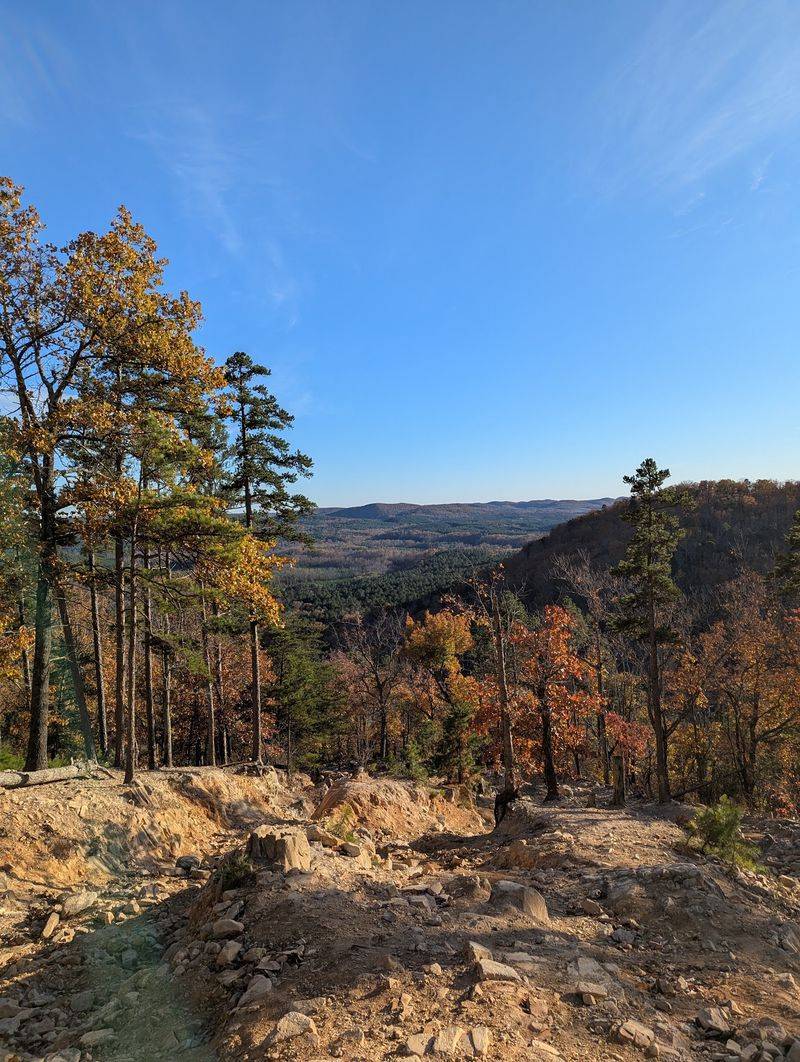
Strong fall color in the central Piedmont often develops from late October into early November, but the timing varies from year to year.
During those weeks, tulip poplars turn buttery yellow, red maples blaze scarlet, sourwoods deepen to ruby, and hickories glow golden. Mixed pines add a steady green backdrop that makes the bright shades pop.
Walking a trail then feels like strolling through a giant patchwork quilt. Weather cooperates, too.
Days are usually mild and comfortable, perfect for hiking in a light jacket, while summer’s sticky humidity has faded.
Bugs thin out, and the sky often turns a clear, crisp blue.
Weekdays bring the most peace, though even autumn Saturdays feel relaxed compared with busy mountain overlooks.
Check fall color reports from North Carolina tourism sources before heading out, since heavy rain or an early cold snap can shift the peak by a week.
Pack a picnic of crisp apples, sharp cheddar, and pumpkin bread, and you will be ready to savor the season’s last bright moments before the branches go bare.