Fresh Produce At This Kentucky Amish Auction Can Cost As Little As $2 A Half-Bushel
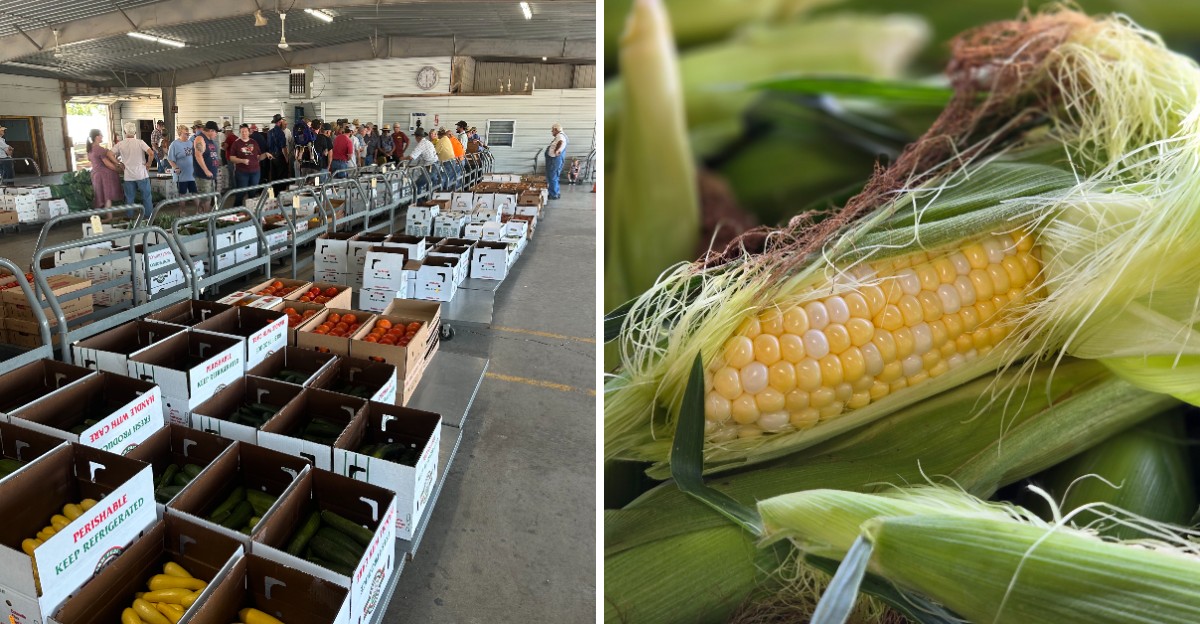
You’ve probably haggled at a yard sale, but have you ever bid on a box of tomatoes? At this Kentucky auction, that’s simply how produce shopping works.
Picture horse-drawn buggies and wagons pulling in, loaded with fresh vegetables. Now picture an auctioneer rattling off numbers faster than you can say sweet corn.
It feels like a scene from another century, and that’s a big part of the fun. Amish and Mennonite families brought the idea here from Pennsylvania.
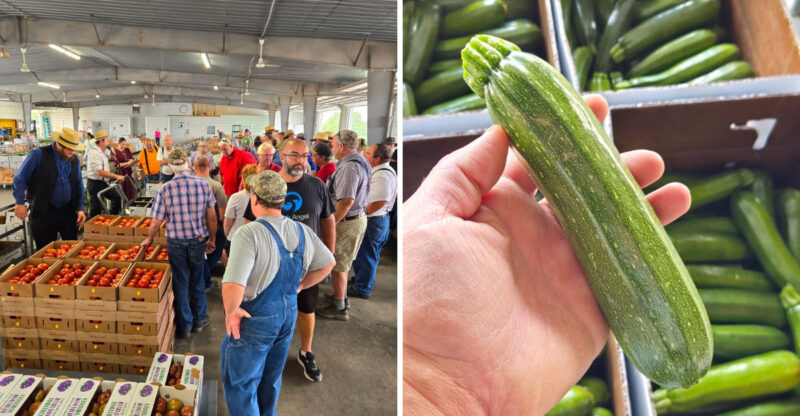
Most buyers are store owners and farm stand folks who load up in bulk. Don’t let that scare you off, though.
Smaller lots come up too, and they’re perfect for families who love to cook, can, or freeze. You just need to know where to look and when to raise your hand.
Bring an empty trunk, a little patience, and a big appetite. Here’s what to know before you place your first bid.
The Motto Here Is Short, Sweet, And Totally Serious
Three words sum up the whole operation: Where Quality Sells. The Fairview Produce Auction in Pembroke, Kentucky, has been living up to that promise since 1997.
That start date matters more than you might expect. Fairview was the first produce auction of its kind in Kentucky, which makes it a true trailblazer for the state.
Back then, the idea was simple but smart. Local growers needed a reliable place to sell big harvests, and buyers needed a reliable place to find them.
The auction became the bridge between those two groups. Small roadside stands, grocery stores, and larger retail buyers all show up looking for fresh local goods.
Sales have kept climbing over the years, which tells you the formula works. Farmers get a steady outlet, and buyers get produce that hasn’t spent a week on a truck.
I believe that kind of staying power says a lot. Plenty of farm ventures fade after a few seasons, but this one keeps growing like a well-watered tomato vine.
So when you hear that motto, take it at face value. Quality really is the main event, and the prices just make it sweeter.
You’ll find the auction at 10292 US Hwy 68 E, Pembroke, Kentucky, out in the farm country of western Kentucky.
Roll Up, Raise A Hand, And Roll Away With Dinner
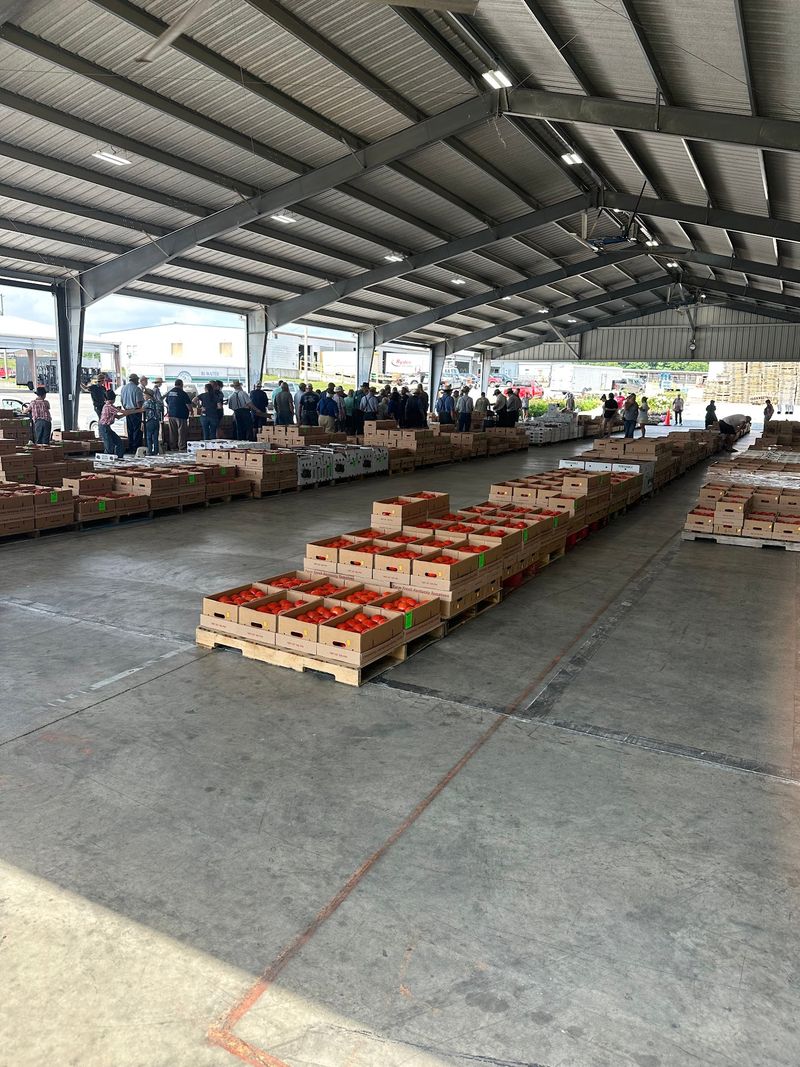
Most auctions ask you to sit on a folding chair for hours. Fairview flips that idea with a two-lane drive-thru system that keeps things moving.
Buyers can work through the offerings quickly and bid as the produce comes up for sale. It’s efficient, practical, and honestly a little thrilling the first time.
Think of it as fast food, but the food is still basically in the field. Large quantities sell swiftly, which helps farmers move their harvest while it’s at its best.
That speed is a big reason the auction handles so much volume. Crates, bins, and boxes can change hands in moments when the bidding gets going.
For first-timers, a little preparation goes a long way. Watch a few lots sell before jumping in, so you understand the rhythm and the pace of the auctioneer.
It also helps to know what you want before you arrive. Wandering in with a vague shopping list can lead to a surprise bin of squash riding home with you.
Then again, a surprise bin of squash isn’t the worst problem to have. Zucchini bread for everyone, right?
Every Box Comes With A Farmer’s Fingerprint
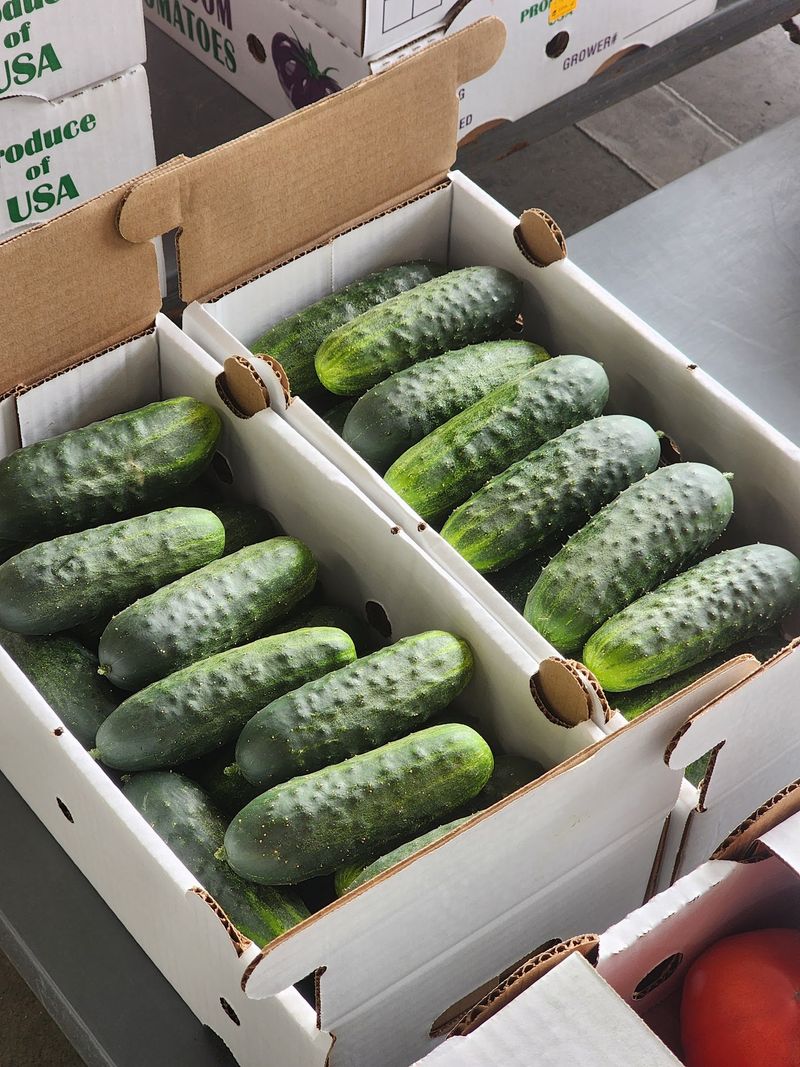
Ever wonder who actually grew your tomatoes? At this auction, you don’t have to guess.
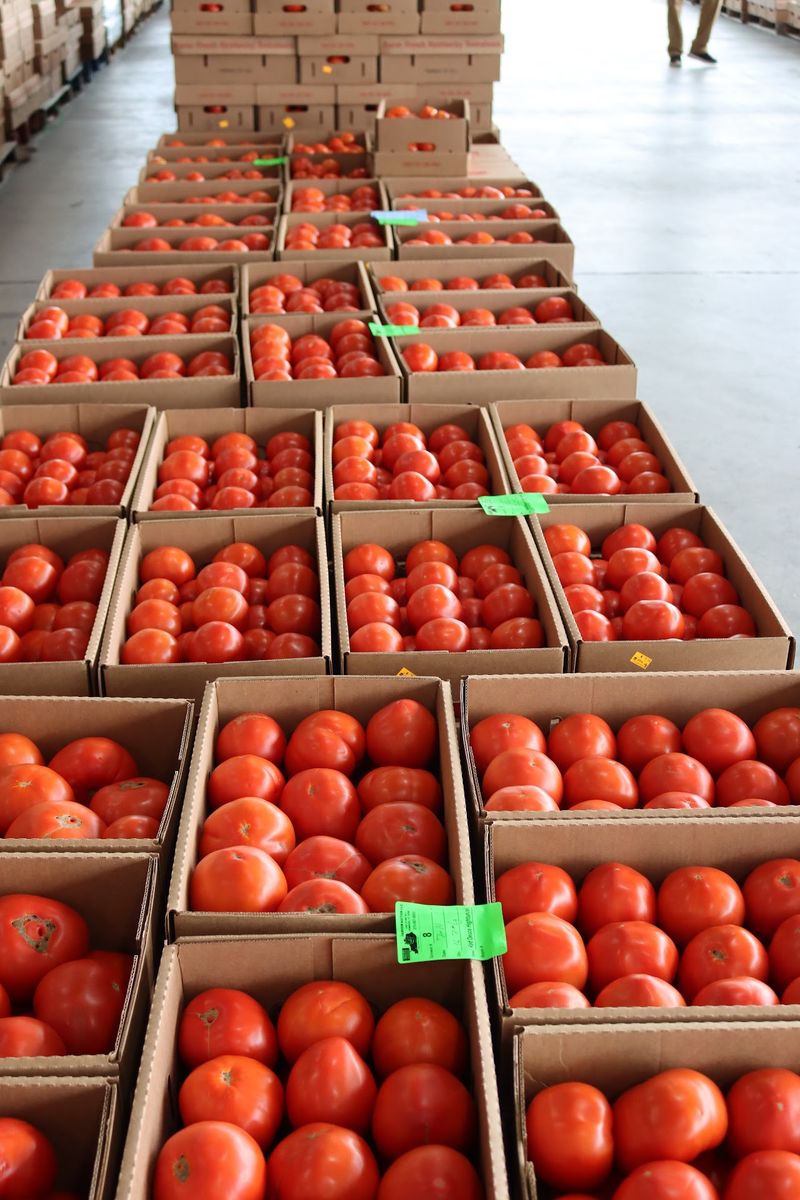
Each box carries a unique grower number that links it straight to the farmer who raised it. That small label turns a simple purchase into a direct connection with a real family farm.
The system builds trust in a quiet, practical way. Buyers know exactly where their goods came from, and growers have every reason to send their best.
It’s also a handy tool for repeat shoppers. If one farmer’s cantaloupes knock your socks off, you can watch for that number next time.
The reverse works too, of course. Buyers can learn which growers match their needs, whether that’s canning tomatoes or showy flowers for a storefront.
I like how this setup rewards care and hard work. A farmer who picks at the right moment and packs carefully builds a reputation one box at a time.
Grocery store stickers rarely tell you much beyond a country or a brand. Here, a simple number tells a much more personal story about your food and the hands behind it.
Yesterday It Was On The Vine, Today It’s Yours
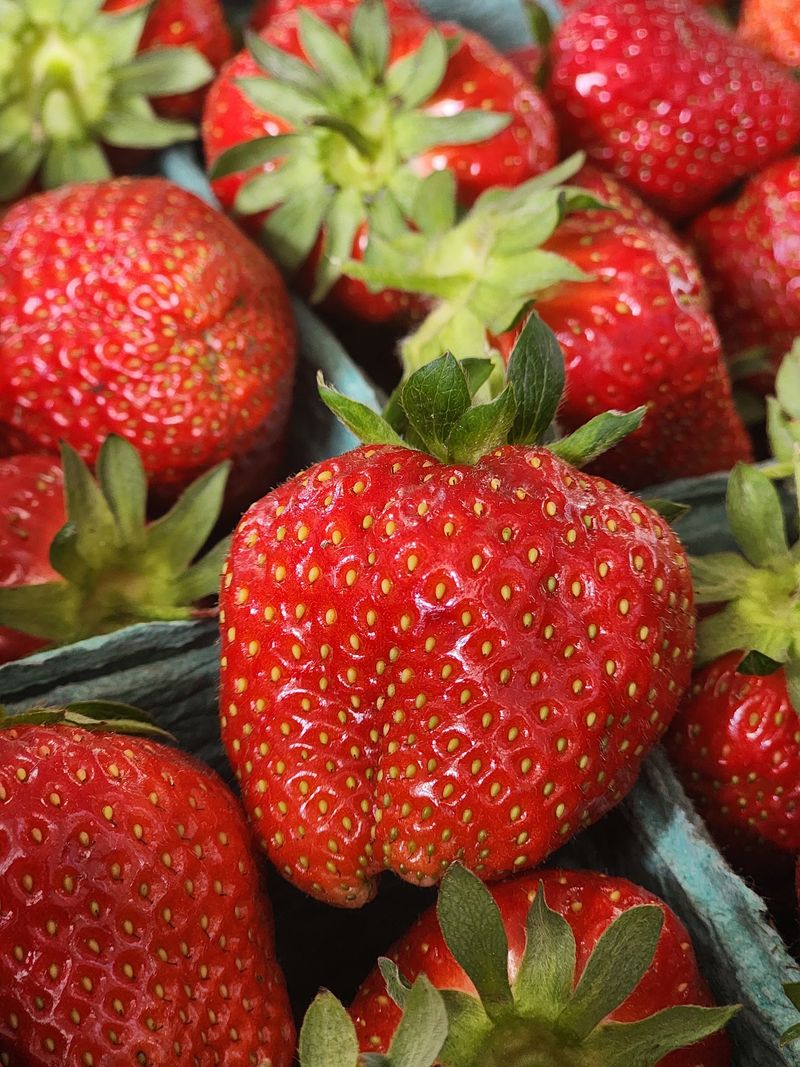
Supermarket produce often travels hundreds of miles before it lands in your cart. At Fairview, much of it was harvested within 24 hours of the sale.
That changes things in a big way. Produce bought at its peak simply tastes brighter and holds up better in your kitchen.
Sweet corn is a great example. Its sugars start turning to starch soon after picking, so a short trip from field to table really pays off.
The same goes for tomatoes, berries, and leafy greens. Fewer days in transit means less time for bruising, wilting, or losing flavor.
Buyers who run roadside stands or small markets benefit too. They can offer customers produce that feels like it came from a neighbor’s garden, because it nearly did.
A quick tip for home cooks buying in bulk: plan your week before bidding. A half-bushel of beans goes fast if you’re canning, but it’s a lot to eat fresh.
Freezing, pickling, and sharing with friends are all smart backup plans. Fresh this good deserves to be enjoyed, not forgotten in the back of the fridge.
Summer Turns The Sale Barn Into A Rainbow Of Crates
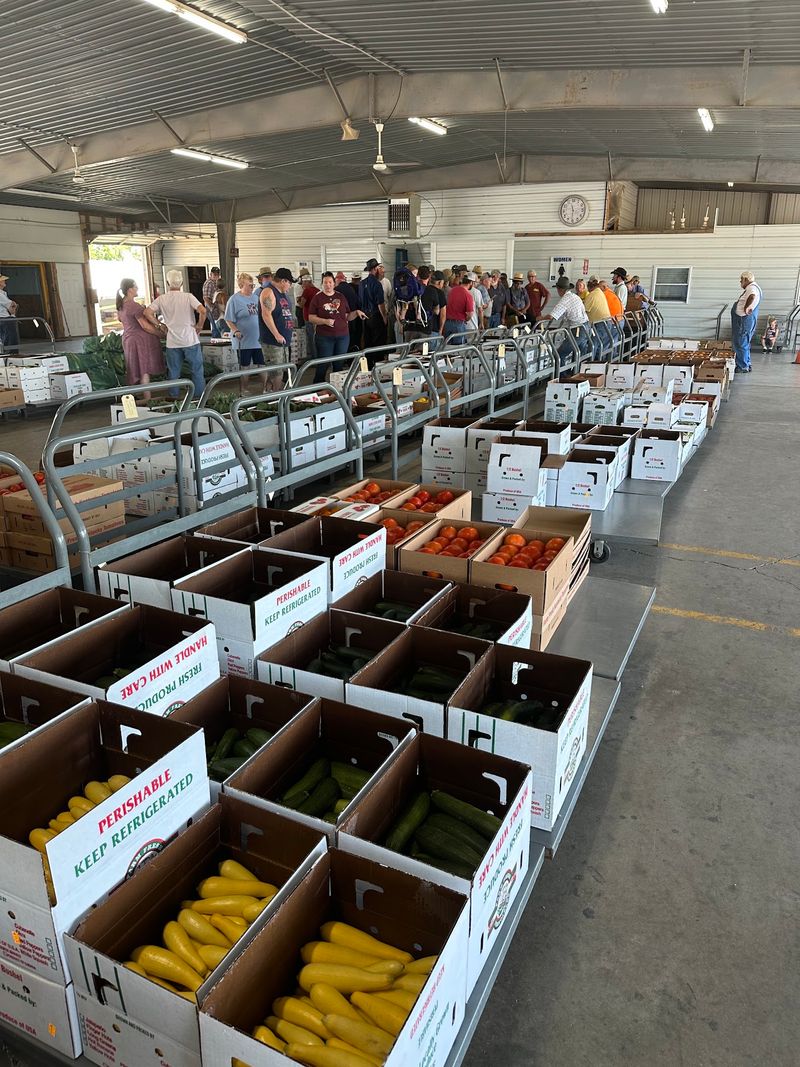
Strawberries usually kick off the produce parade. From April through October, the auction fills with the kind of harvest that makes gardeners a little jealous.
Tomatoes, squash, melons, and sweet corn all take their turn in the spotlight. The lineup shifts as the weeks go by, so no two trips feel quite the same.
Early season leans toward berries and tender spring crops. As summer heats up, the big hitters arrive, including heavy loads of watermelons and piles of fresh corn.
This is prime time for anyone who loves to put up food. Bulk lots make canning salsa, freezing corn, or making jam far more affordable than buying by the pound.
Restaurants and roadside stands find plenty to love here as well. Large quantities of local produce mean they can promise customers something fresh and homegrown.
Timing your visit to the crop you want is the smartest move. Peak tomato weeks and peak berry weeks are very different experiences.
Honestly, though, there’s no bad week in the warm months. Something delicious is always ripening in Christian County fields.
Flower Lovers Get Two Seasons Of Pure Color
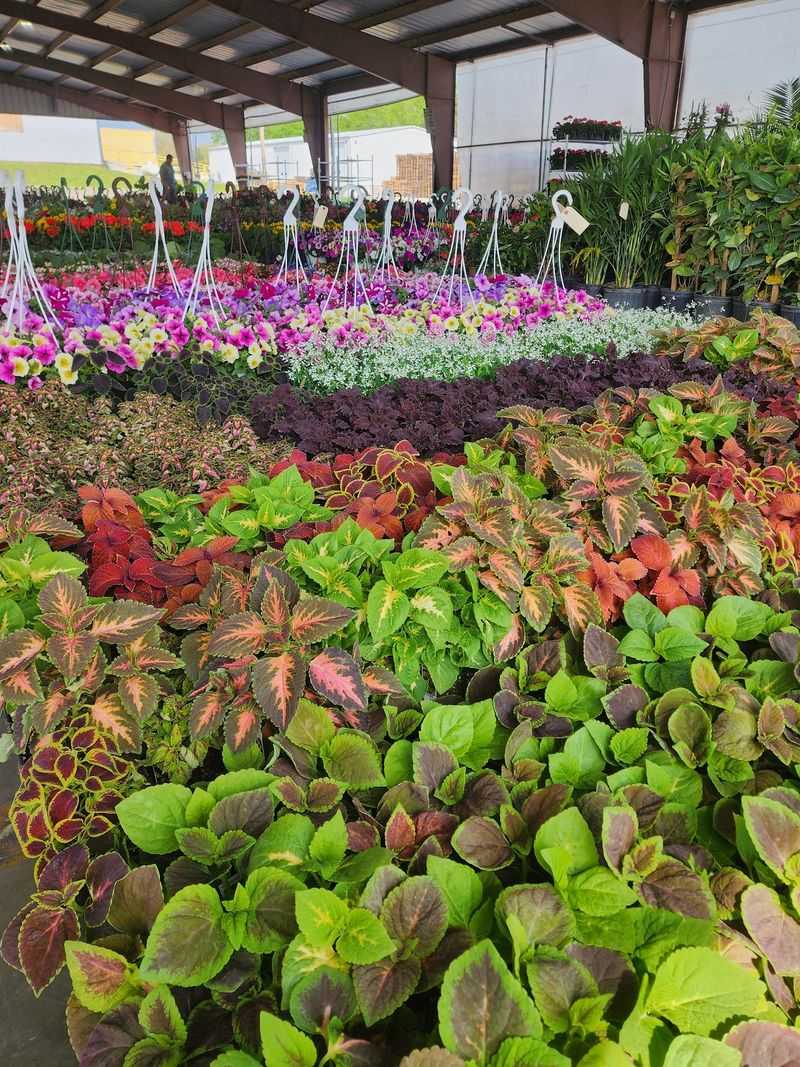
Not everything here ends up on a dinner plate. From mid-March to mid-May, bedding plants, hanging baskets, and potted flowers take over the auction.
It’s a cheerful sight after a long gray winter. Garden centers, landscapers, and home gardeners all have good reason to show up early in the season.
Buying flowers in bulk can stretch a planting budget surprisingly far. A porch full of baskets suddenly feels doable instead of like a splurge.
Then fall rolls around and the color comes back in a new shade. Pumpkins, mums, and gourds become the stars once the summer crops wind down.
That’s great news for anyone decorating a storefront, a church, or a front porch. Autumn displays look a lot fuller when you’re buying by the wagonload.
Choose healthy plants with strong stems and plenty of buds. Those will keep blooming long after you get them home.
Bring a vehicle with room to spare, too. Hanging baskets have a funny habit of multiplying once the bidding starts, and nobody wants to squeeze mums onto the dashboard.
Cold Months Bring Hay Bales And Tractor Talk
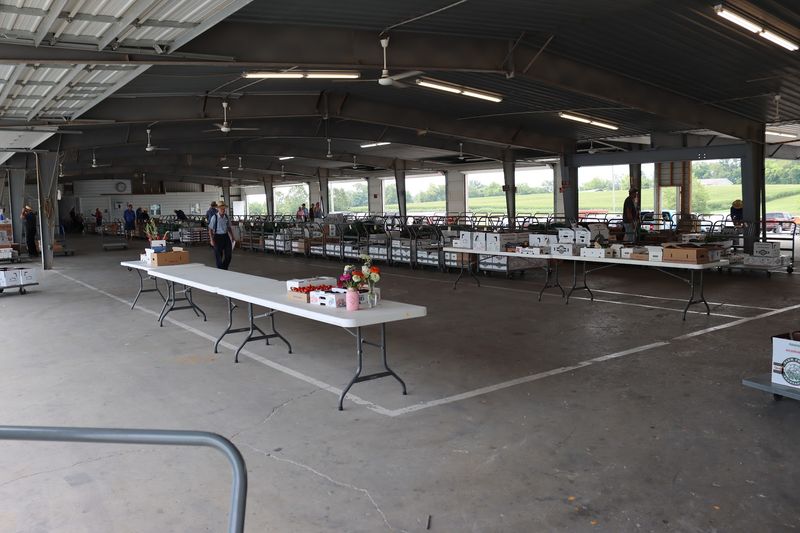
Winter might seem like quiet time on a produce farm. The auction stays busy anyway, with hay and firewood sales running from November through March.
Quality hay and straw matter a great deal to local farms and homesteads. Livestock still need feeding when the pastures turn brown.
Firewood sales serve a different crowd. Folks heating their homes or stocking up for chilly evenings can find wood during its designated season.
Then come the big days for machinery fans. Special farm machinery sales happen on the first Saturday in March and the last Saturday in September.
Those dates are worth circling on the calendar if you farm or garden on a larger scale. Equipment auctions can be a smart way to find tools without paying new prices.
Even if you’re not shopping, the energy is fun to experience. Rows of equipment and serious bidders make for an interesting morning out in the country.
I believe this year-round rhythm is part of what makes the auction special. It follows the farm calendar, not a retail calendar, and that keeps it rooted in real rural life.
Plain Communities Keep The Whole Thing Growing
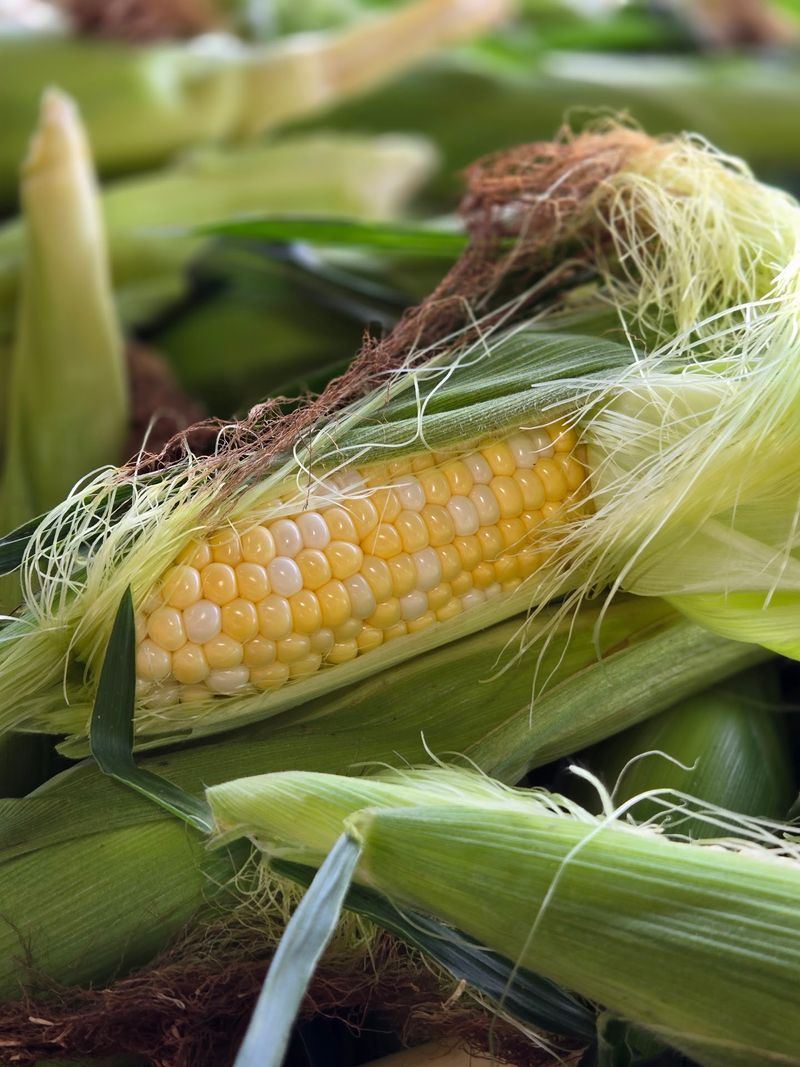
Behind all those crates are families who know their soil well. Many of the growers selling at Fairview come from Amish and Mennonite communities in the area.
Their farms help make Christian County one of the most interesting agricultural spots in Kentucky. Careful hands and long days in the field show up in every load.
The auction serves as an important middle step for these farmers. It sits right between the small volume of a farmers market and the huge demands of wholesale.
That middle ground opens real doors. A family farm can grow its business without needing a giant contract or a fleet of trucks.
It’s also a gathering place in a very practical sense. Growers, buyers, and haulers all cross paths, trading news along with produce.
Visitors should keep a respectful attitude, especially around photos. Many Plain community members prefer not to be photographed, so it’s kind to ask or skip it entirely.
Supporting this auction supports a way of farming that values hard work and family. That’s a pretty good return on a half-bushel of peppers.
A Little Planning Makes Your First Bid A Breeze
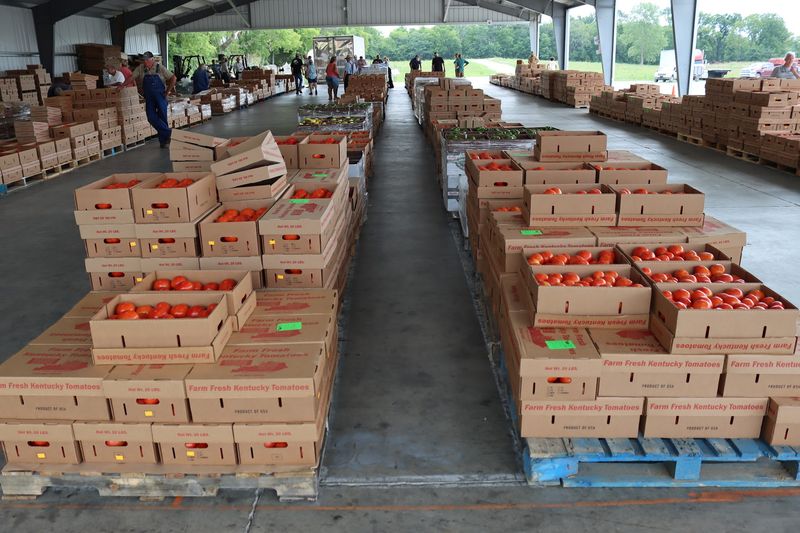
Weekdays are the time to go. The auction lists hours of 7 AM to 5 PM Monday through Friday, and it’s closed on weekends outside special sale days.
Season matters just as much as the day of the week. Produce runs April through October, flowers peak mid-March to mid-May, and hay and firewood take over in winter.
Plan to buy in larger quantities. This is mainly a wholesale-style auction, so think half-bushels and boxes rather than a single onion.
A truck, trailer, or roomy SUV will make life easier. Coolers help too, especially on hot summer days when soft fruit needs gentle handling.
First-timers might find the layout a bit confusing at the start. Arrive early, take a lap, and watch how the lanes and bidding work before diving in.
After that, it’s all about the fun of the chase. Few shopping trips end with a trunk full of farm-fresh food and a great story.