This Scenic 2.4-Mile Waterfall Hike In Kentucky Is So Beautiful, You’ll Be Thinking About It For Days
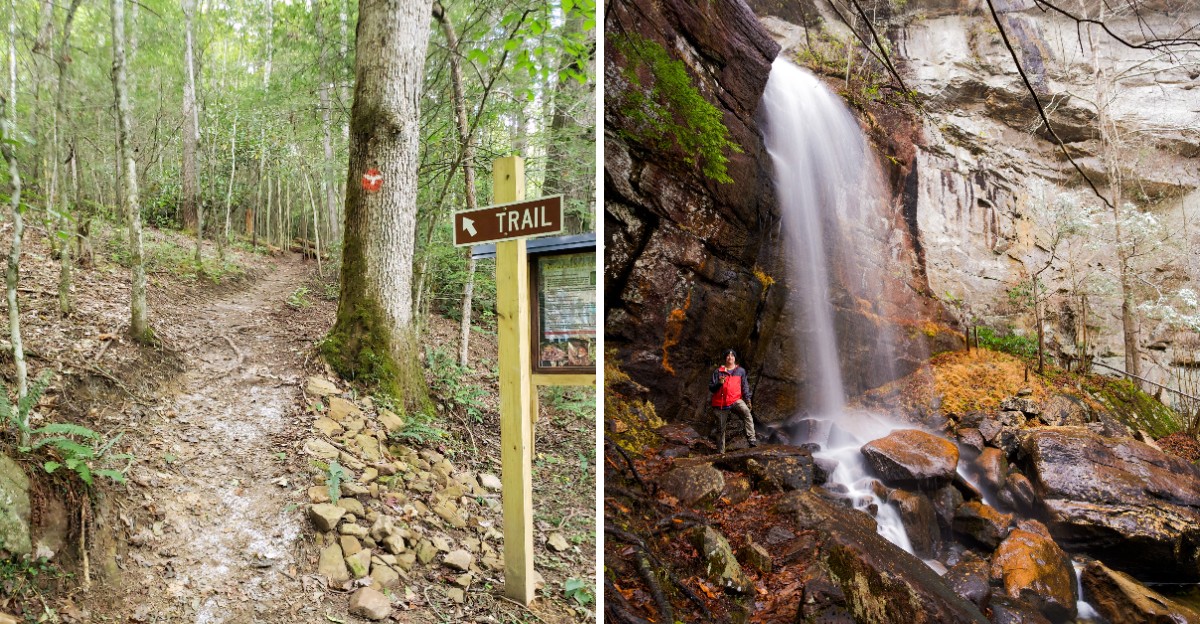
You have probably seen plenty of waterfalls that look better in photos than in person. This one flips that script completely.
Here, in eastern Kentucky, a crystal clear stream takes a big leap. It tumbles sixty feet down a craggy sandstone cliff.
The best part is that you will hear it long before you see it. That sound alone will put a little extra pep in your step.
The trail runs about a mile and change each way. You will follow a gurgling stream through shady hemlocks and thick rhododendron.
The last stretch gets rocky, so your legs will earn their bragging rights. Keep your eyes open, because the preserve shelters an impressive number of rare plants and animals.
When you finally reach the base of the falls, your phone will come out on its own. Your camera roll will thank you, and your daydreams will too.
A Short Trail With A Big Payoff
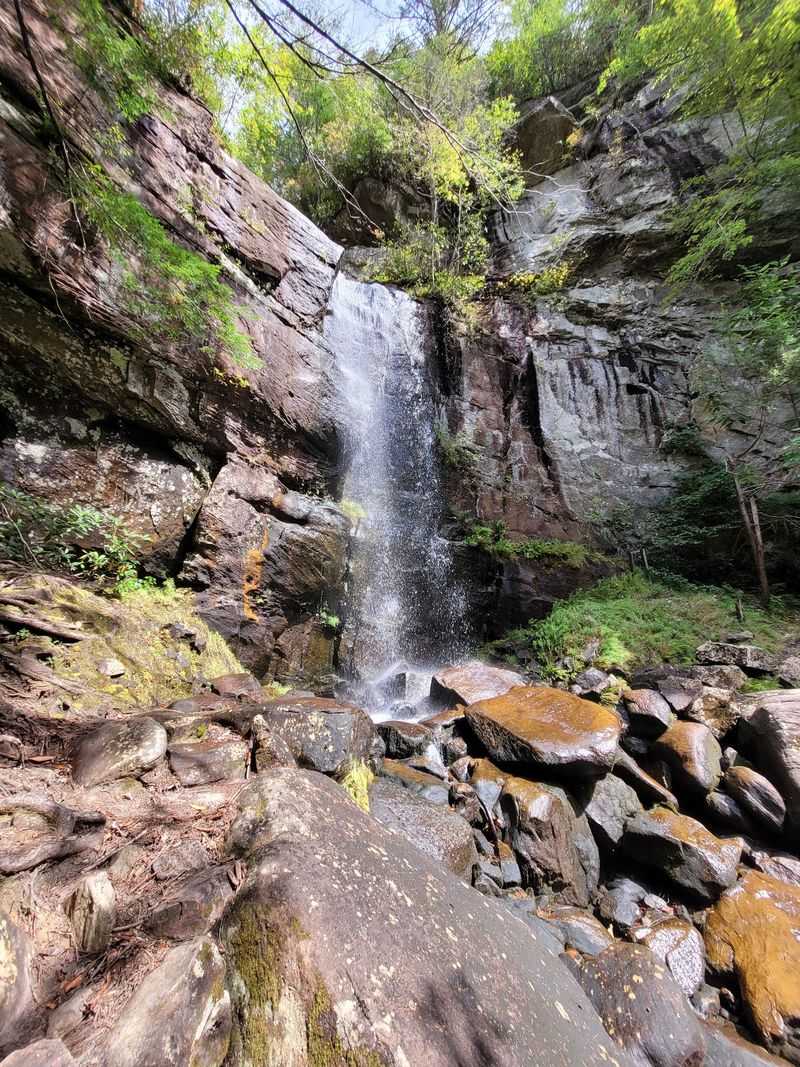
Good things come in small packages, and this trail proves it in hiking boots. Bad Branch State Nature Preserve offers a 2.4-mile round trip to a waterfall that feels earned.
The preserve covers 2,829 acres on the south face of Pine Mountain. It is jointly managed by The Nature Conservancy and the Office of Kentucky Nature Preserves.
That shared care shows in how wild the place still feels. Visitors give it glowing marks, and it is easy to see why.
The hike is rated moderate, with a few strenuous stretches. You will climb over rocks and step around small ledges in spots.
Most of the walk feels calm and steady at first. The real workout shows up near the end, so save some energy.
Plan on roughly an hour or a bit more for the round trip. That does not count the time you spend staring at the falls.
Trust that you will spend a while there. Bring a snack, a camera, and patience for slow, happy wandering.
Families with older kids often handle the trail well. Just set an easy pace and enjoy the ride.
Sixty Feet Of Falling Water
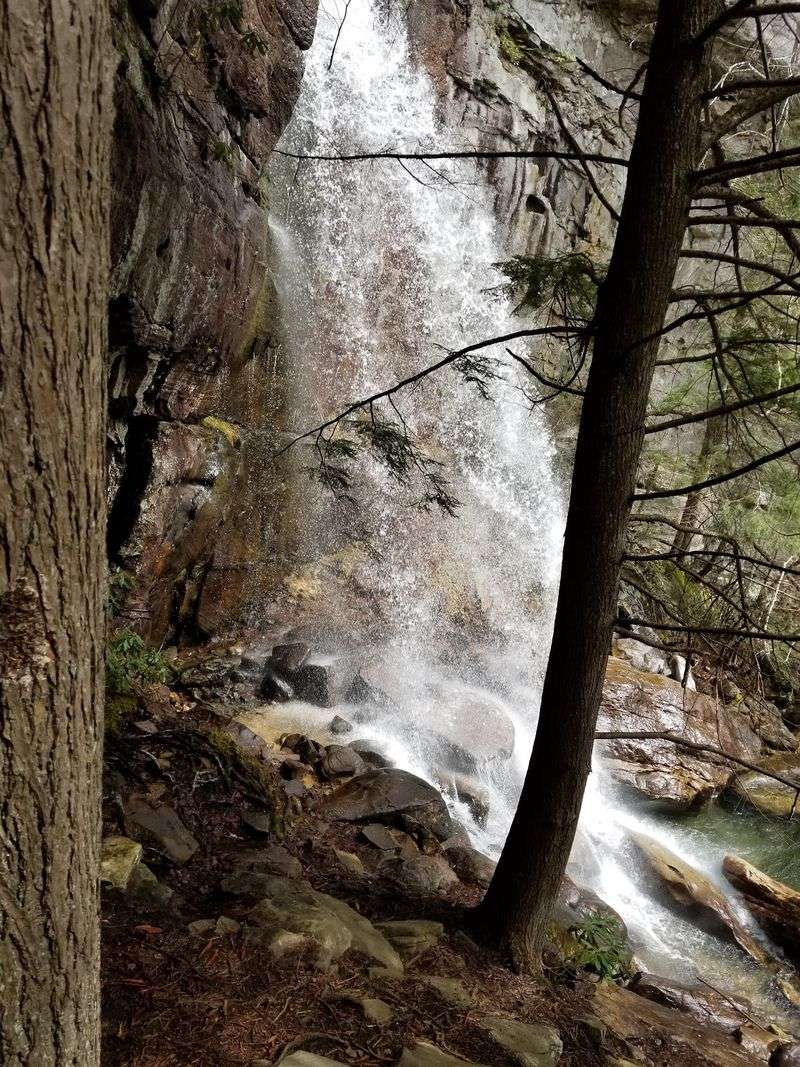
Your ears get the first look at this waterfall. The roar of Bad Branch Falls often reaches you long before your eyes catch up.
That sound builds as you climb, like a drumroll for nature. It is a fun kind of suspense, and it keeps your feet moving.
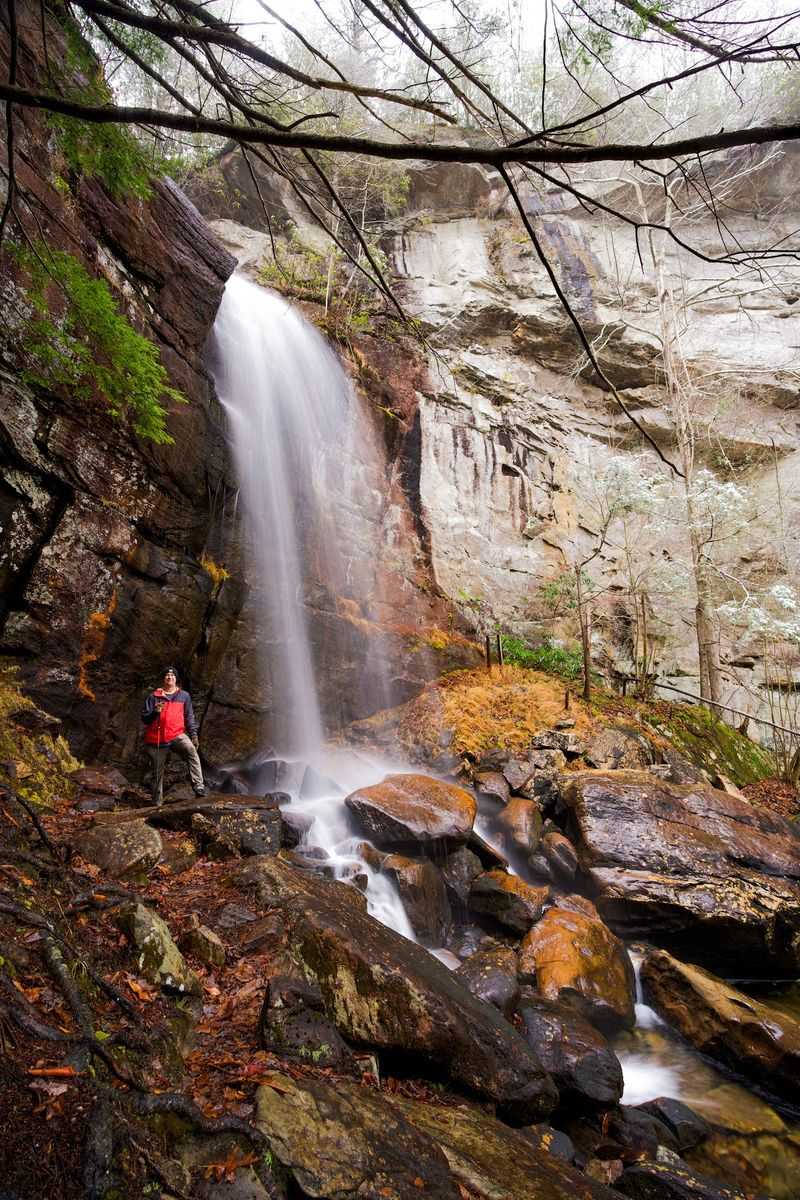
Then the trees open up, and there it is. Water drops about 60 feet over tall sandstone cliffs.
The stream spreads into ribbons as it falls. Mist drifts across the rocks and cools the air around you.
Getting to the base is fairly easy for most hikers. That makes it a great spot for photos without fancy gear.
The pool below invites splashing on warm days. Just remember that wet socks make the walk back feel longer.
Flow changes a lot with the weather. After a few rainy days, the falls look full and thunderous.
During dry spells, the water can slim down to a gentle trickle. Check recent rainfall before you go if you want the full show.
Winter visits can bring a quieter scene with fewer people. Either way, the cliffs alone are worth the climb.
A Gorge That Drops In A Hurry
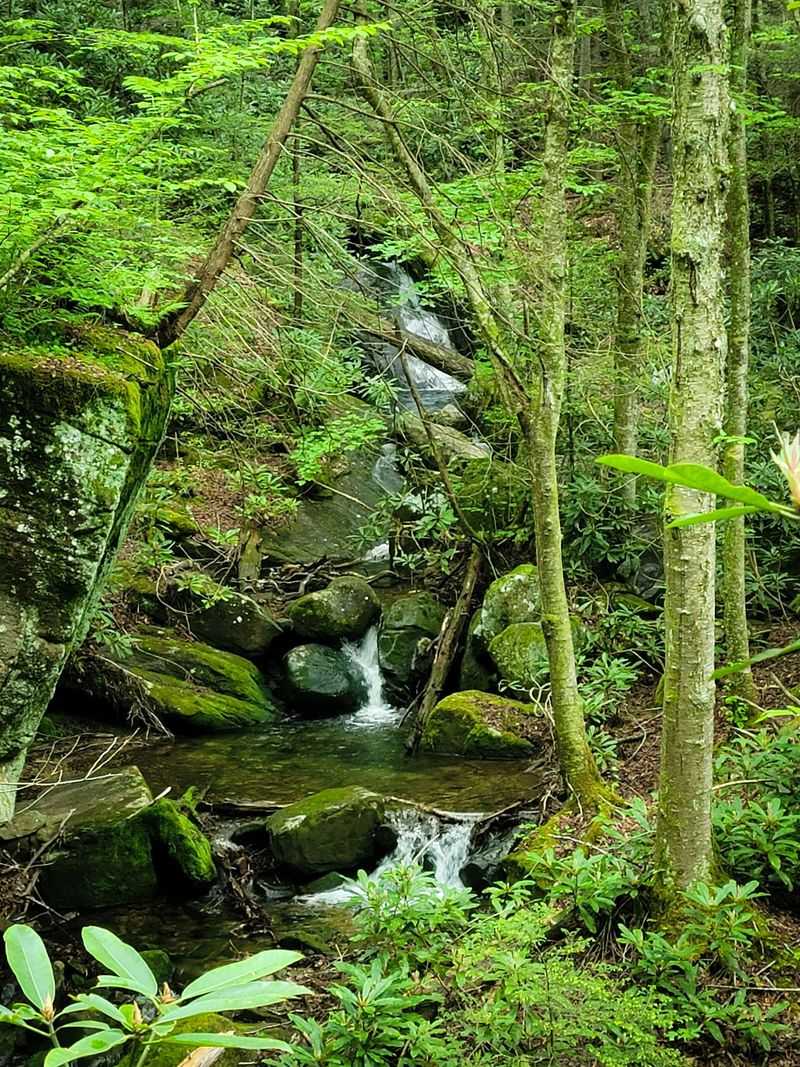
Water here is always in a rush, and honestly, who can blame it? Bad Branch Gorge is deep and narrow, carved by a busy little stream.
That stream drops more than 1,000 feet in under three miles. That is a steep slide for any creek, and you can see the results everywhere.
Boulders crowd the streambed like giant marbles. Between them, the water forms clear pools and quick, bubbling riffles.
Along the trail, you will spot many small cascades. They work like opening acts before the main falls takes the stage.
Several footbridges help you cross the stream. Take them slowly, because wet wood and rocks can turn slick.
The gorge stays shady and cool for much of the day. That makes it a nice escape when summer heat sits heavy on the hills.
Pause at a bridge and simply listen for a minute. The mix of splashing water and rustling leaves feels like free therapy.
Kids love tossing leaves in and watching them race downstream. Grown-ups secretly love it too, so go ahead and join in.
Just keep an eye on footing near the edges. Moss hides on rocks like a sneaky banana peel.
Rocks With A Wild Backstory
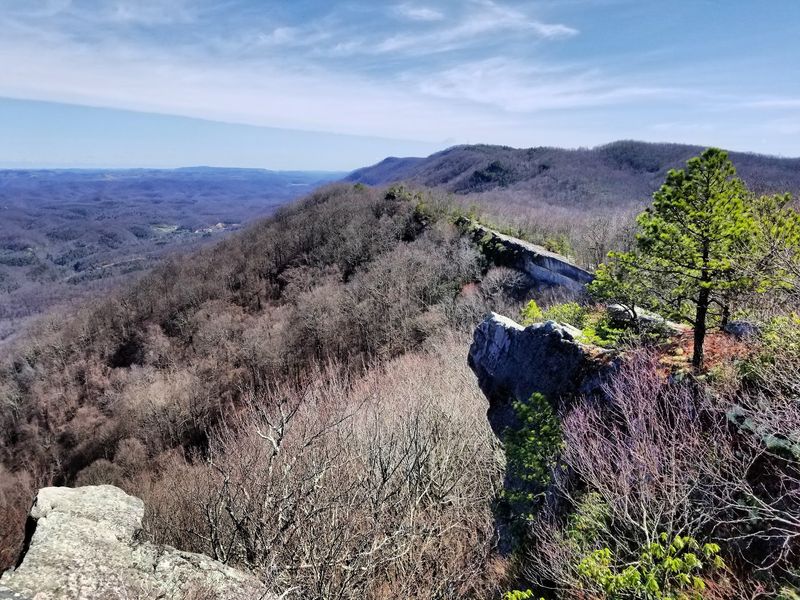
Mountains do not usually move, but Pine Mountain clearly missed that memo. Its shape comes from thrust-faulting, where huge slabs of rock pushed up and over each other.
The result is a landscape of steep slopes and dramatic cliffs. Walking here feels like strolling through a giant stone sculpture.
Keep looking up as you hike. Towering sandstone cliffs rise above the forest canopy in several spots.
You will also pass rock shelters and overhangs. They look like nature built little porches for weary travelers.
These formations make the trail more than a path to a waterfall. Every bend shows off a new layer of the mountain’s long history.
Photographers should pack a wide lens if they own one. The cliffs are tall enough to fill any frame.
Rocks also mean careful steps. Roots and big boulders cover parts of the trail, with drops between some of them.
Sturdy hiking shoes help a lot here. A walking stick can give you extra balance on the trickier climbs.
Go slow, and enjoy the scenery while catching your breath. Nobody hands out medals for speed on this mountain anyway.
Green Tunnels Of Hemlock And Rhododendron
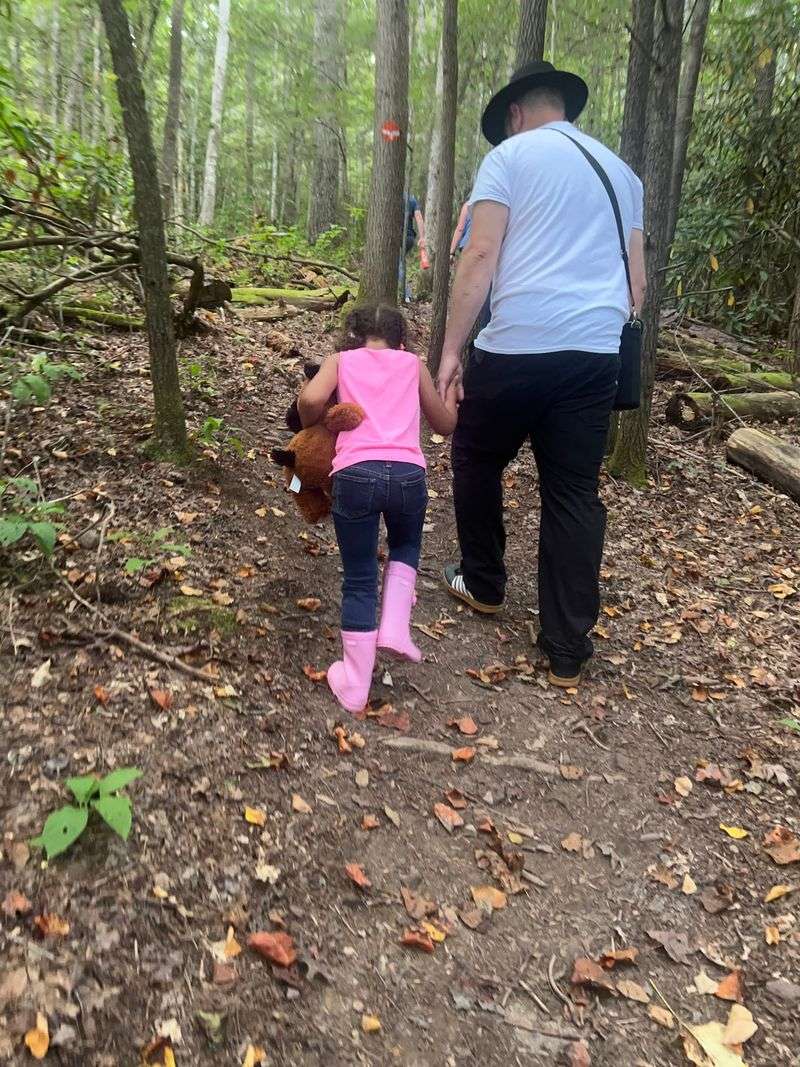
Picture a hallway made entirely of leaves. That is what the rhododendron thickets feel like as the trail winds through them.
Tall hemlocks stand guard overhead, keeping things shady and calm. Their needles soften the light into a gentle green glow.
The forest mix goes well beyond those two. You will also find yellow birch, Fraser magnolia, and tulip poplar trees here.
Each one adds its own shape and texture to the woods. Tulip poplars grow tall and straight, while magnolia leaves look huge and glossy.
Cool shade and a cold mountain stream create a special climate. It supports plants more common in northern places or higher elevations.
That is a neat trick for a spot in southeastern Kentucky. You get a taste of the north without a long road trip.
Spring and early summer bring extra color when rhododendrons bloom. The thickets can look like someone sprinkled confetti through the trees.
Fall paints the hardwoods in warm shades too. The evergreens stay steady, giving the woods a nice balance of colors.
Bring your camera, but also take a few photo-free minutes. Breathing in that piney air might be the best part.
Rare Plants That Play Hard To Get
Botany fans, consider this your treasure map. The preserve protects one of Kentucky’s largest groups of rare and uncommon species.
More than 30 rare plants and animals live within its borders. That is a serious collection for a place you can explore in an afternoon.
Painted trillium is one standout. Its white petals with a bright pink center look almost hand-painted.
Fraser’s sedge also grows here, with wide, strappy leaves. Small enchanter’s nightshade adds tiny, delicate blooms to the shady forest floor.
Names like that sound spooky, but the plants are harmless beauties. They just prefer quiet, cool corners away from the crowds.
Spring is a great time to look for wildflowers. Walk slowly and scan the ground near the trail.
Remember that these plants are protected for good reason. Stay on the path and leave every bloom right where it grows.
A simple photo works better than picking anyway. It lasts longer and does not harm a single petal.
A small field guide or plant app can make the search more fun. Turning the hike into a scavenger hunt keeps kids curious too.
Neighbors With Fur, Fins, And Feathers
Ravens rarely get the spotlight, but here they earn it. The preserve is home to Kentucky’s only known nesting pair of common ravens.
Keep an ear out for their deep, croaking calls near the cliffs. They sound like the forest is clearing its throat.
Down in the water, a tiny star swims below the falls. The blackside dace is a federally listed rare fish that loves fast, clean streams.
The longtail shrew also calls this area home. It is small and secretive, so spotting one would be a lucky surprise.
Black bears roam these mountains too. Make some noise as you walk and keep snacks packed away.
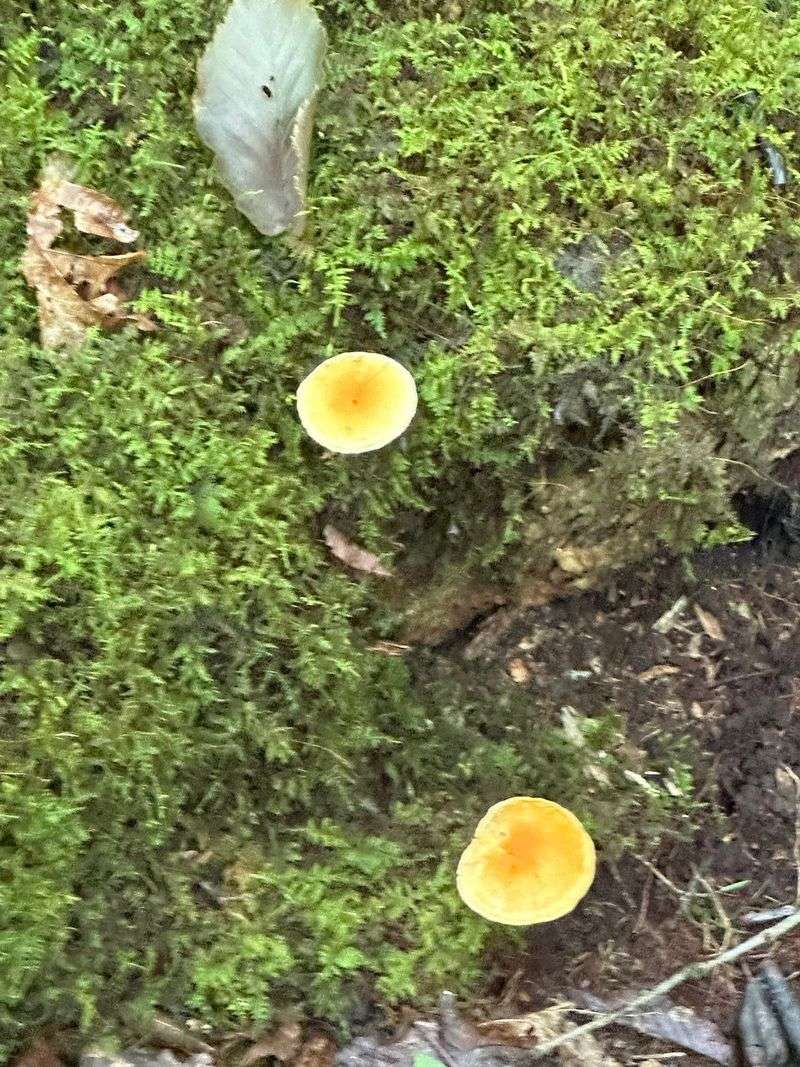
Hikers also report salamanders, millipedes, mushrooms, and wild turkey calls. Smaller creatures are easier to find if you look under ferns and near damp logs.
Snakes, including rattlesnakes, live in this habitat as well. Watch where you put your hands when you scramble over rocks.
Give every animal plenty of space. You are the guest here, and good guests do not crash the party.
Leave pets at home, since they are not allowed. That rule helps keep the wildlife calm and happy.
Smart Tips Before You Hit The Trail
Planning ahead turns a good hike into a great one. Start with directions, since cell service in the mountains can be spotty.
From the junction of KY 15 and U.S. 119 near Whitesburg, follow U.S. 119 south for 8 miles. Turn left onto KY 932 and drive east for 2 miles.
A gravel parking area will be on your left. It holds roughly ten cars, so early arrival helps on busy days.
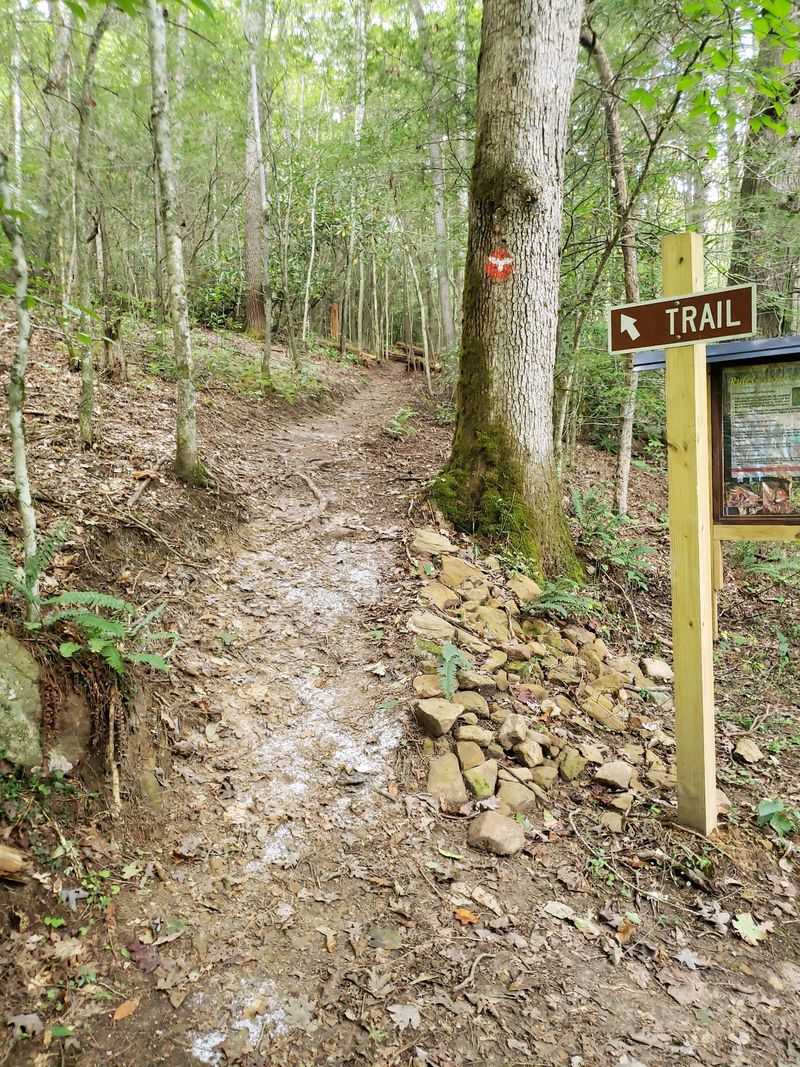
Signs at the trailhead explain the routes clearly. Near the falls, watch for the stairs and boarded section that lead the right way.
Wear real hiking shoes, not your favorite sneakers. The trail gets muddy, rocky, and slick near the creek.
Pack plenty of water and a small snack. A walking stick makes steep spots feel much friendlier.
Feeling extra bold? A longer trail climbs to High Rock with sweeping views.
It is far tougher, so plan a full day for it.
Check trail conditions before you leave home. Floods have closed the path for repairs in the past.
Pack out every scrap of trash too. Keeping it clean means the next hiker gets the same magic you did.