11 Georgia Coastal Beaches Where Seashell Hunters Strike Gold
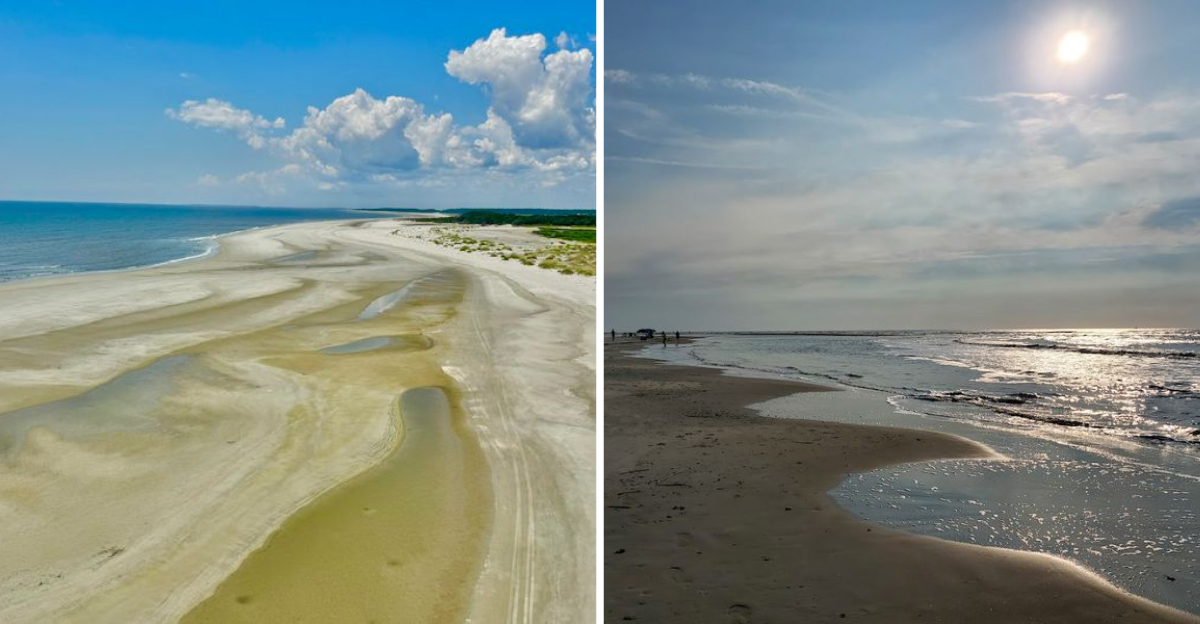
There is a certain kind of walk where your eyes never leave the sand. Slow steps, head down, scanning the wet line where the waves pull back and leave their gifts behind.
Georgia’s coast was made for exactly that walk. Out along the barrier islands and tidal shores, the Atlantic keeps delivering treasure: whole shells, fragments, the occasional shark tooth dark against the pale sand.
The marshes, maritime forests, and wild untouched beaches all conspire to pile it up in places most travelers overlook. Some of these spots sit beside busy family beaches.
Others hide on remote islands you can only reach by ferry. Either way, the reward is the same.
Bend down, look closer, and the shoreline starts handing you small wonders. Curious beachcombers of every age leave with full pockets.
1. North Beach, Tybee Island
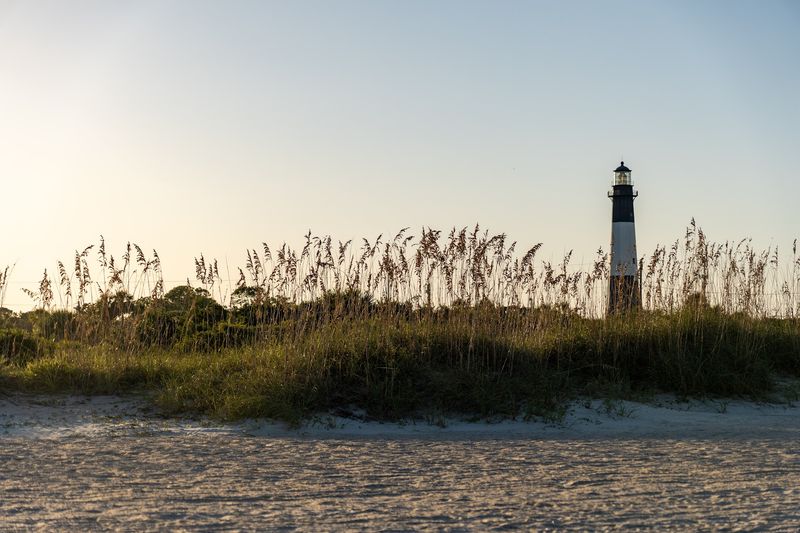
At the far northern tip of Tybee Island sits a stretch of beach that many locals quietly consider their favorite shell-hunting spot.
North Beach, located at Railwood Ave, Tybee Island, GA 31328, faces the mouth of the Savannah River, which creates strong tidal currents that regularly deposit shells, driftwood, and marine debris onto the sand.
Because this end of the beach sees less foot traffic than the main Tybee strand, shells often sit undisturbed until a sharp-eyed collector arrives. Look for whelks, moon snails, and coquina clams scattered near the waterline after the tide pulls back.
Morning visits during low tide tend to yield the best finds in Georgia. Parking is available nearby, and the walk to the shoreline is short and easy.
Bring a small mesh bag for your treasures and wear water shoes since the sand near the inlet can be rocky in spots.
2. Tybee Island Beach
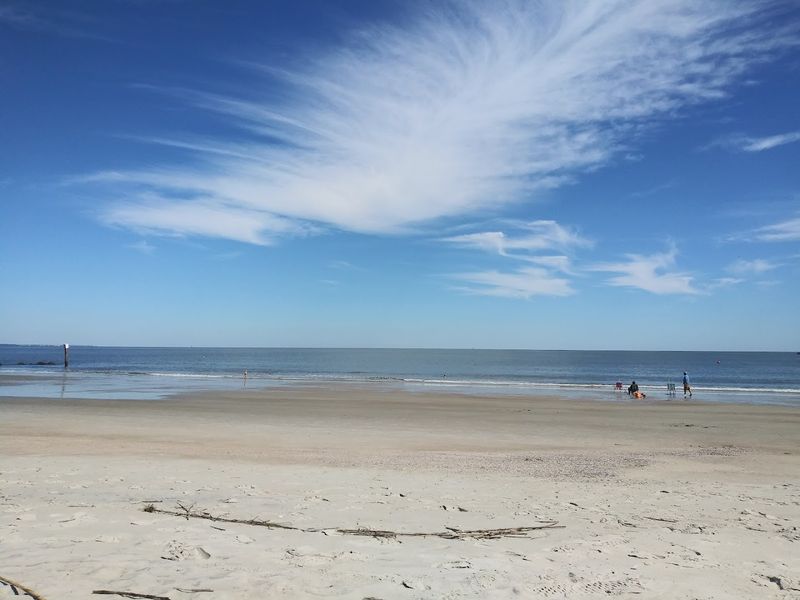
Tybee Island Beach is probably the most well-known stretch of sand in all of Georgia, drawing visitors from Atlanta and beyond every summer.
Located on Tybee Island, GA 31328, this wide public beach offers easy access, plenty of parking, and a relaxed coastal town atmosphere that makes a full day of beachcombing genuinely enjoyable.
Shell hunters here will find the best pickings early in the morning before crowds arrive and after storm systems pass through, stirring up the ocean floor and pushing new material ashore. Auger shells, sand dollars, and small bivalves are commonly spotted along the wrack line.
The beach stretches long enough that walking south toward the less-visited sections often reveals more intact shells. Tybee Island also has a small beach shop district nearby where collectors can learn to identify what they have found.
Georgia beach lovers of all skill levels feel comfortable starting their shell journey right here.
3. Driftwood Beach, Jekyll Island
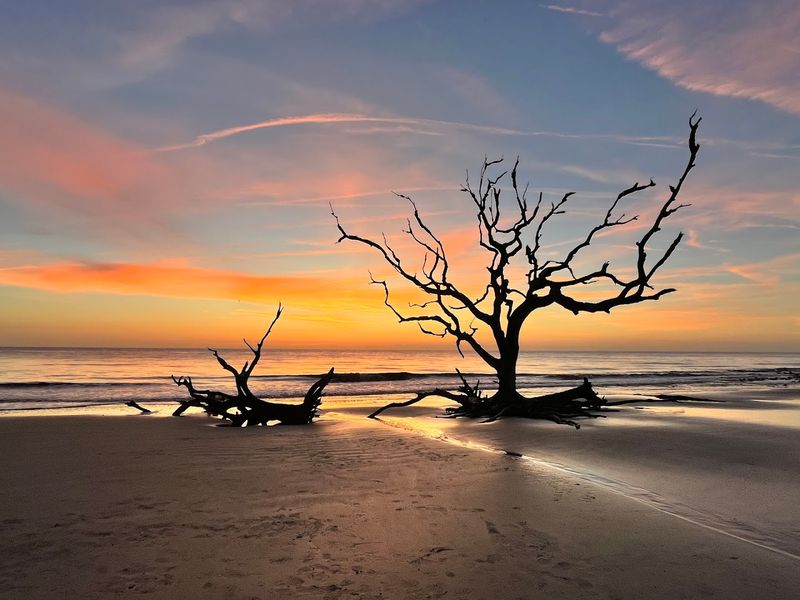
Few beaches anywhere along the Georgia coast create a visual impression quite like Driftwood Beach on Jekyll Island.
Located on Jekyll Island, GA 31527, this hauntingly beautiful stretch is lined with the skeletal remains of ancient live oak and cedar trees, their bleached white trunks and roots rising from the sand like natural sculptures.
The same erosion forces that toppled those trees over decades also churn up an impressive variety of shells from deeper water. Collectors here frequently find larger whelks, oyster clusters, and occasionally small shark teeth mixed in with the shell fragments near the driftwood bases.
Because the area is protected as part of Jekyll Island State Park, visitors are asked not to remove live shells or disturb nesting areas. Empty shells and shark teeth are generally fine to collect.
Plan to arrive at low tide, wear comfortable walking shoes, and bring a camera because the scenery is genuinely unlike anything else on the Georgia barrier island chain.
4. Sharktooth Beach, Jekyll Island
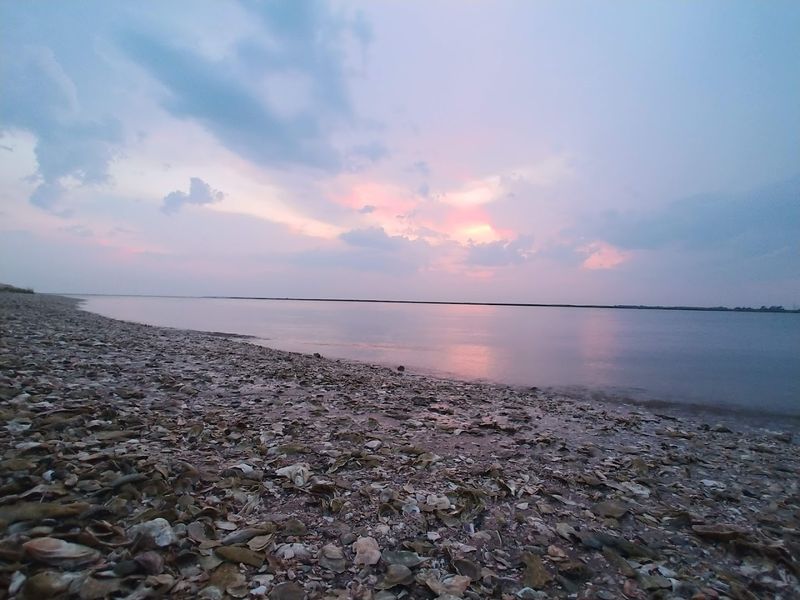
Sharktooth Beach earns its name honestly. Fossil hunters and shell collectors who visit Jekyll Island, GA 31527, quickly learn that this particular section of shoreline is one of the most reliable spots in all of Georgia to find fossilized shark teeth washing up with the tide.
The teeth range from tiny pin-sized fragments to larger specimens from ancient species that once patrolled these warm coastal waters millions of years ago.
Mixed in with the shark teeth are an array of shells, including scallops, clams, and whelk fragments that collect along the waterline after each tidal cycle.
Low tide is absolutely the prime time to search here, and serious hunters bring a small sifting screen to sort through shell hash and sand more efficiently.
The beach is accessible from the northern end of Jekyll Island and does not require any special permit to visit.
This spot consistently surprises first-time visitors with just how many teeth a single morning of searching can turn up.
5. Jekyll Island State Park Beach
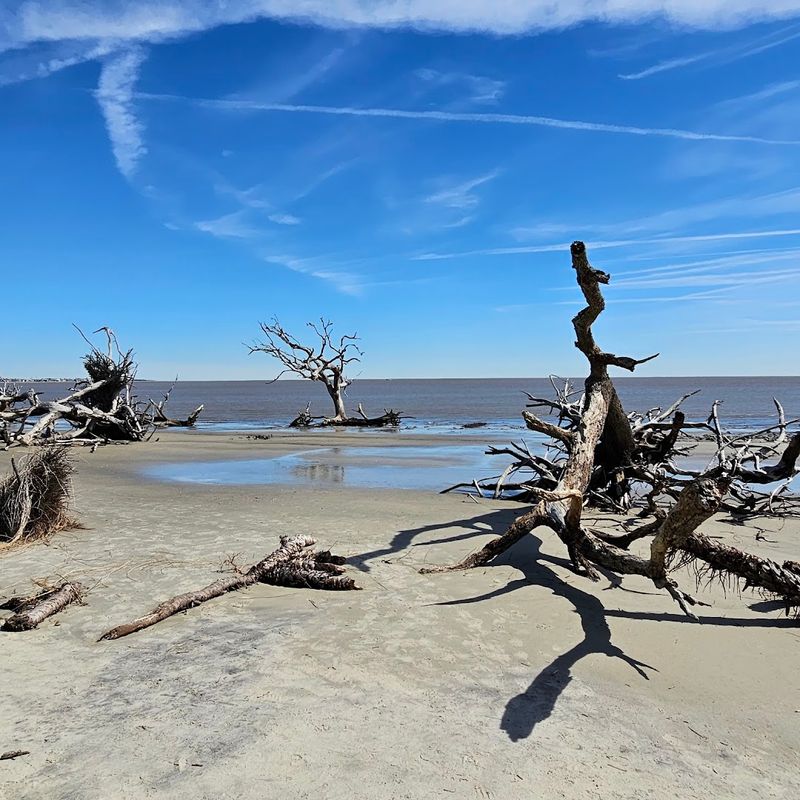
Stretching across the eastern side of one of Georgia’s most beloved barrier islands, Jekyll Island State Park offers visitors a generous expanse of Atlantic shoreline that feels refreshingly natural and unhurried.
The park’s main beach access is near 100 James Rd, Jekyll Island, GA 31527, and the broad, gently sloping strand makes walking and shelling comfortable for all ages.
The park’s relatively undeveloped character means that shell accumulations along the tide line often go undisturbed for longer periods, giving collectors a better chance of finding intact specimens. Common finds include lightning whelks, olive shells, and ark clams, all of which wash ashore regularly.
Jekyll Island State Park also has excellent amenities including restrooms, picnic areas, and bike paths that connect to other shell-rich spots around the island. Visiting on a weekday keeps the beach quieter and the shell pickings fresher.
Georgia’s barrier island system is at its most approachable and family-friendly right here at this well-maintained coastal park.
6. East Beach, St. Simons Island
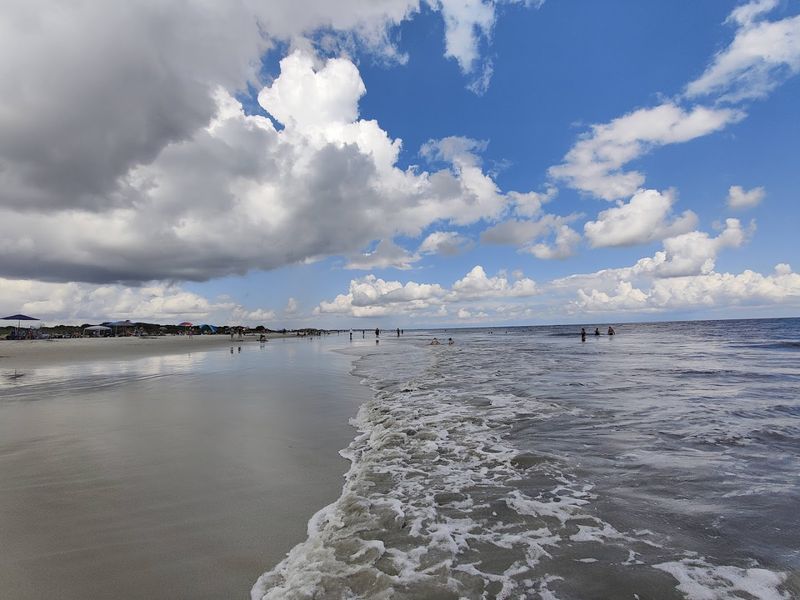
East Beach on St. Simons Island has a loyal following among Georgia beachgoers who appreciate a mix of casual swimming and serious shell hunting. Positioned at 4202 1st St, St Simons Island, GA 31522, this beach faces the open Atlantic, which means stronger wave action that regularly brings in a fresh supply of shells from offshore.
After a good northeast wind event, the wrack line at East Beach can be absolutely packed with whelks, moon snails, scallops, and the occasional sand dollar. The beach is wide and flat, making it easy to cover a lot of ground during a single low-tide session.
The surrounding area offers a relaxed coastal village atmosphere with cafes and shops just a short drive away, making it easy to turn a morning of shelling into a full day out. East Beach is one of those Georgia spots where even a casual visitor with no shelling experience tends to walk away with a satisfying handful of finds.
7. Cumberland Island National Seashore
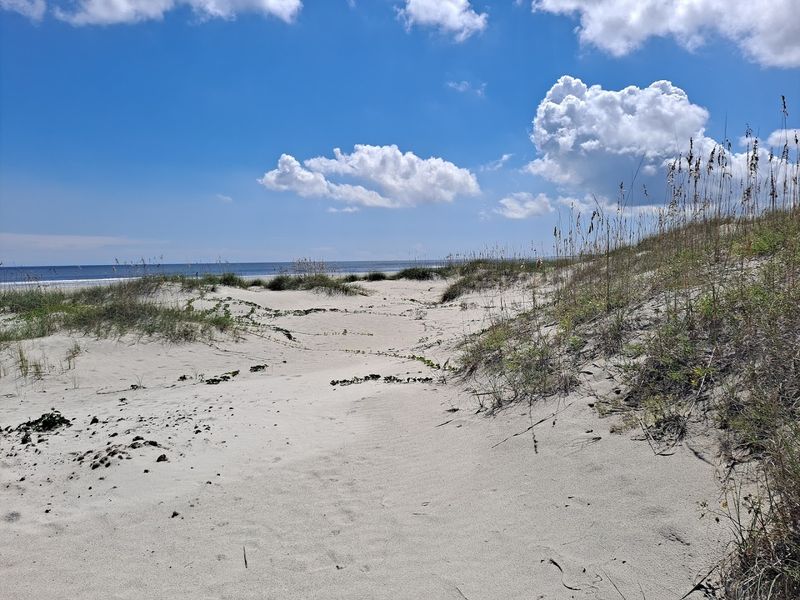
Cumberland Island National Seashore is one of the crown jewels of Georgia’s coastal wilderness, protecting nearly 18 miles of undeveloped Atlantic beach on the state’s southernmost barrier island. Access is by ferry from St. Marys, and the seashore’s address is Plum Orchard Dr, St Marys, GA 31558, with ferry reservations recommended well in advance during peak seasons.
The combination of remote location, strong tidal patterns, and rich offshore marine life makes Cumberland’s beaches extraordinary for shell collecting. Visitors regularly find large intact whelks, horse conchs, and shark teeth along the tide line, particularly near the island’s southern beaches where currents concentrate shell material.
The island is also famous for its wild horses, ancient ruins, and maritime forest, so a visit here offers far more than just shelling. Day-trippers should plan to arrive on the first ferry to maximize low-tide time on the beach.
Georgia rarely offers a coastal experience this raw, this beautiful, and this genuinely rewarding for those who love the shoreline.
8. Cabretta Island Beach, Sapelo Island
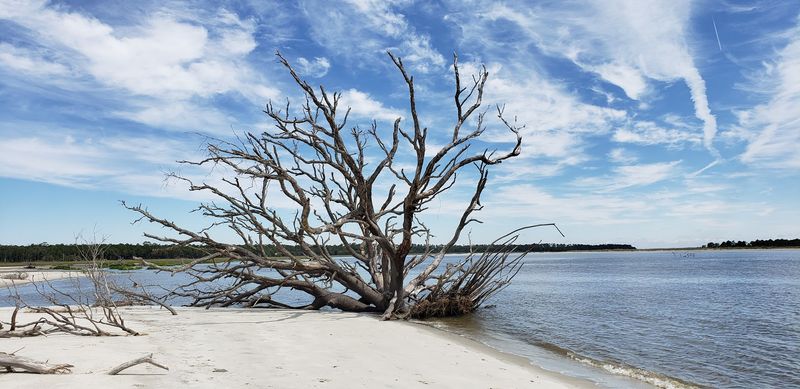
Sapelo Island is one of Georgia’s least visited and most ecologically significant barrier islands, and the beach at Cabretta Island on its eastern shore reflects that protected status beautifully. Located within Sapelo Island, GA 31327, the island is accessible only by state-operated ferry from Meridian, making the beach experience feel genuinely off the beaten path.
Cabretta Beach benefits from its position on a dynamic stretch of coastline where tidal energy regularly deposits shells, sand dollars, and sea beans from the open Atlantic. The lack of development and heavy visitor pressure means that quality specimens sit waiting to be discovered along the wrack line with impressive regularity.
Tours of Sapelo Island are managed through the Georgia Department of Natural Resources, and visitors should book in advance since ferry capacity is limited. The island also has deep cultural history tied to the Gullah Geechee community, adding meaningful context to any visit.
Shell hunters who make the effort to reach Cabretta Beach are almost always glad they did.
9. Wassaw Island North Beach
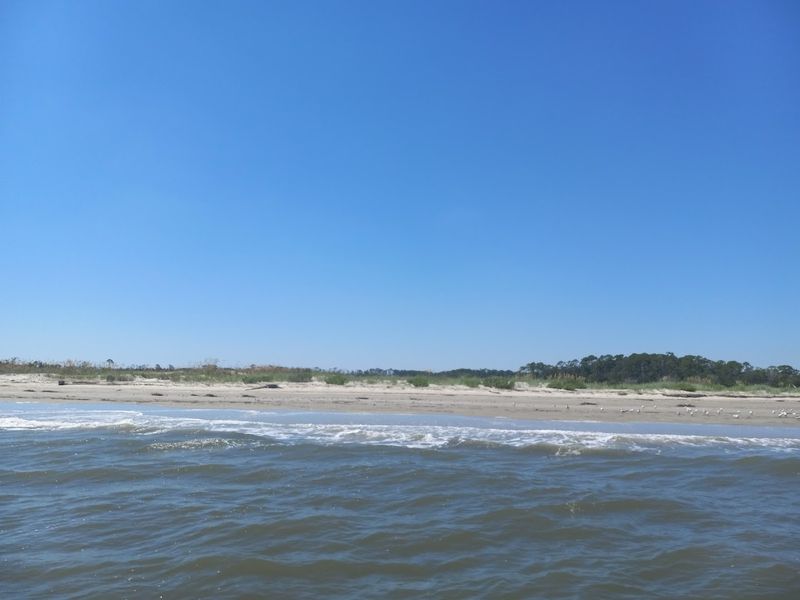
Wassaw Island is a federally protected national wildlife refuge located off the coast of Savannah, GA 31411, and its North Beach is accessible only by private boat or chartered vessel, which keeps visitor numbers refreshingly low. The island has no roads, no development, and no permanent residents, meaning the beach environment remains almost entirely natural.
That wildness translates directly into exceptional shelling conditions. Tidal action on Wassaw’s north end regularly pushes in large whelks, olive shells, and coquina formations, and because so few people walk this beach each day, the best specimens often sit undisturbed for extended periods.
Charter boats from Savannah occasionally run trips to Wassaw, and some kayak tour operators also offer guided paddles to the island for experienced paddlers. Visitors must follow U.S.
Fish and Wildlife Service guidelines, which prohibit disturbing nesting wildlife. Georgia does not have many beaches this untouched and this rewarding, making Wassaw a genuine treasure for anyone willing to plan the journey carefully.
10. Massengale Park Beach, St. Simons Island
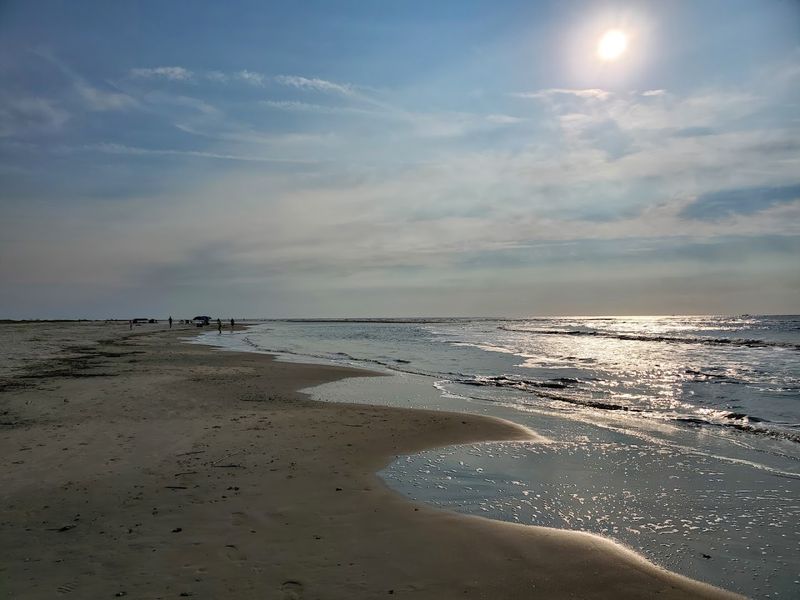
Massengale Park Beach sits at the quieter southern end of St. Simons Island and tends to attract a more relaxed crowd than some of the island’s busier access points. Found at 1350 Ocean Blvd, St Simons Island, GA 31522, this beach benefits from its position near a natural inlet that concentrates shell deposits along specific sections of the shoreline.
Shellers here report finding a good variety of bivalves, whelk fragments, and coquina shells, especially after the tide recedes in the early morning hours. The park itself has shaded pavilions and restrooms, making it a comfortable base for a longer beachcombing session with children or older adults.
Parking at Massengale is generally easier to find than at more popular Georgia beach access points, and the pace of the beach feels genuinely unhurried. Combining a visit here with a stop at East Beach just down the road gives shell hunters two distinct tide zones to explore in a single outing on St. Simons.
11. Ossabaw Island Southend Beach
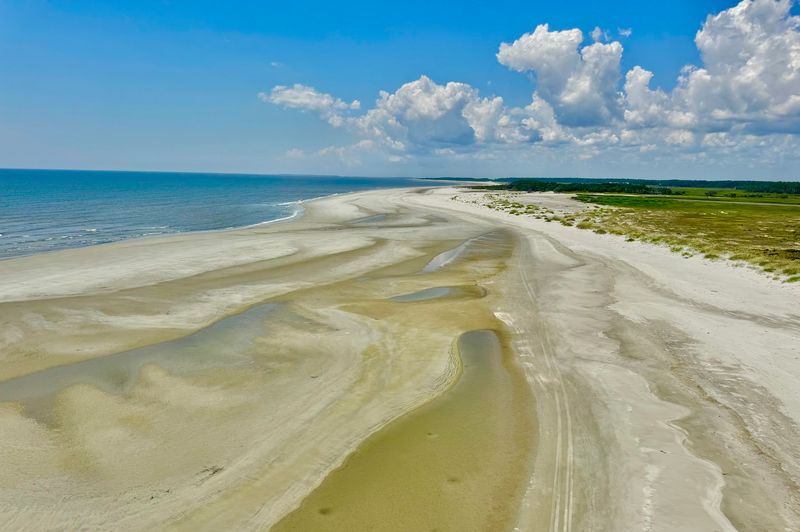
Ossabaw Island is one of Georgia’s Heritage Preserve islands, managed by the state to maintain its natural and cultural character, and access requires a permit or organized trip through the Ossabaw Island Foundation. The island’s address falls within the Ossabaw Island Wildlife Management Area, GA, and the southern beach is among the most shell-rich stretches of undeveloped coastline in the entire state.
The southend beach faces open ocean with minimal shelter from tidal energy, which means shells, shark teeth, and even sea glass collect here in impressive quantities. Large whelks, lettered olives, and moon snail casings are regularly spotted along the tide line, especially after periods of strong onshore winds.
Planning a trip to Ossabaw takes more effort than visiting a standard Georgia beach, but that effort is rewarded with a shoreline experience that feels genuinely removed from the modern world. Groups and researchers frequently visit for multi-day stays, and the island’s old-growth maritime forest adds a dimension of natural beauty that complements the shelling beautifully.