This Georgia Museum Brings Centuries Of Quilt And Textile History To Life
My grandmother would have cried in this place. I nearly did.
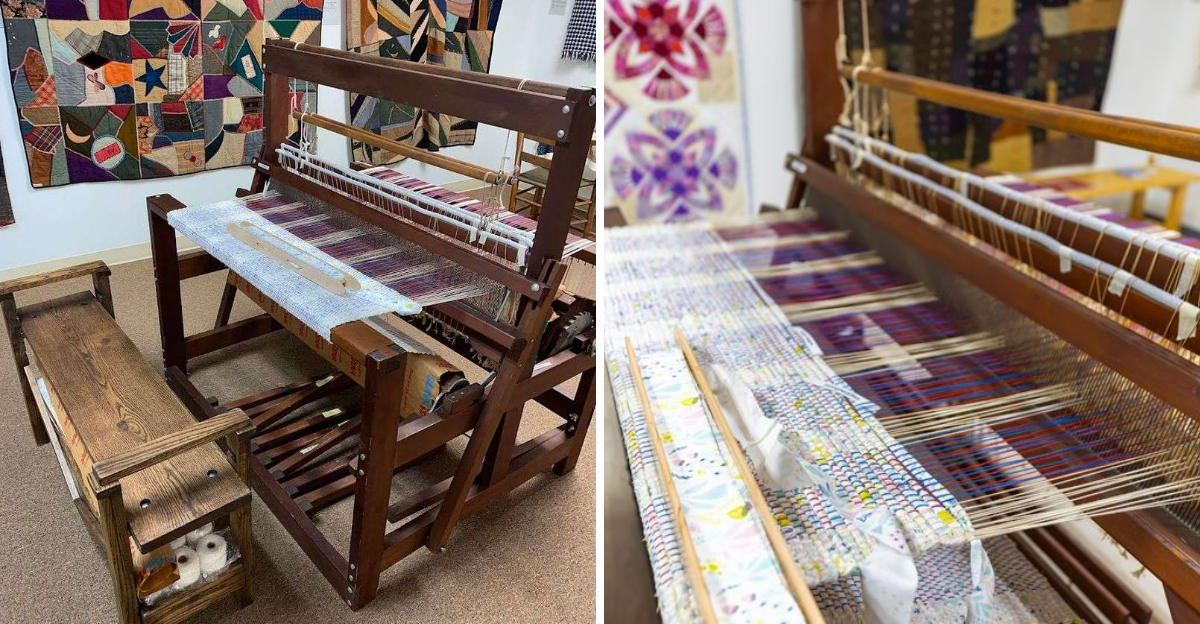
Rows of antique sewing machines, each one polished and proud, each one carrying a century of stories in its gears. Somewhere in Georgia, a museum has quietly assembled one of the most fascinating textile collections you will ever encounter.
Quilts stitched by hands that never signed their work. Machines that dressed entire towns.
Tools that turned thread and patience into art. I expected a quick thirty-minute visit.
I stayed until closing. There is something deeply moving about standing inches away from objects that shaped everyday life for generations.
Georgia protects plenty of history in its museums, but this one honors the makers. The quiet heroes with needles and steady hands.
Come curious, take your time, and prepare to leave inspired.
A Historic Cotton Warehouse Turned Cultural Treasure
Not every museum gets to live inside a building that already tells a story. The space itself feels like part of the exhibit before you even read a single placard.
Brick walls, warm lighting, and the faint sense of industrial history surround you the moment you step inside.
The building was once a working cotton warehouse, which makes it a perfect home for a textile museum. That connection between the raw material and the finished art form hits you in a way that no modern building could replicate.
It adds a layer of meaning that is hard to explain but easy to feel.
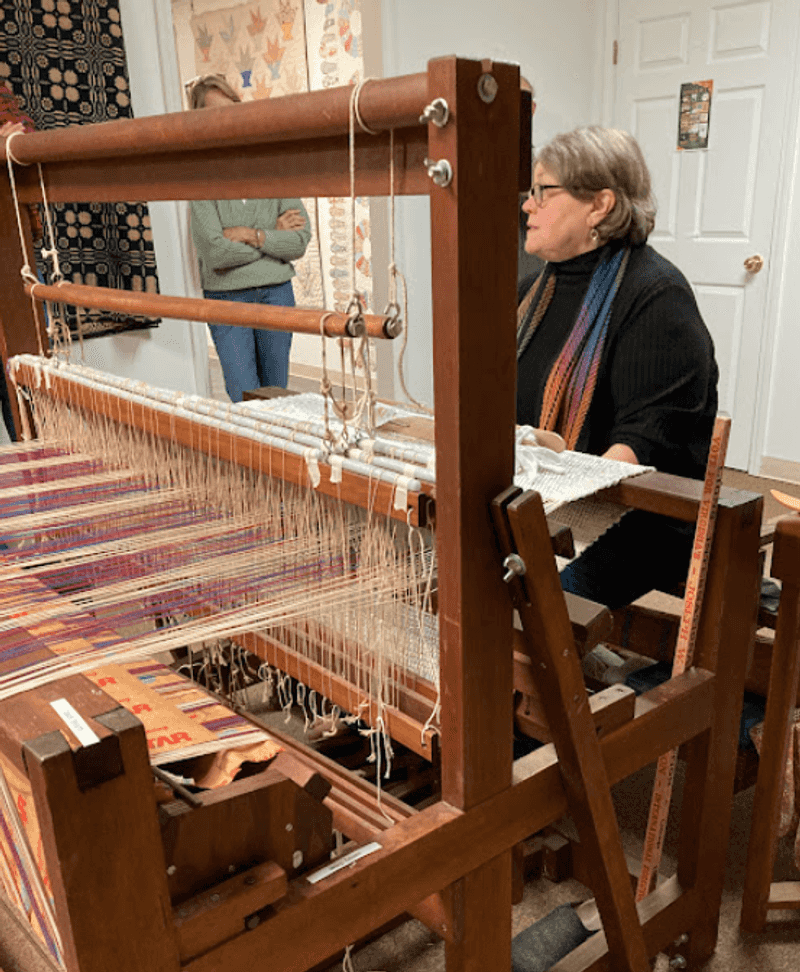
Three distinct gallery spaces fill the interior, along with a dedicated classroom and a well-stocked library. A charming gift shop rounds out the experience.
The Southeastern Quilt and Textile Museum, located at 306 Bradley St Ste C, Carrollton, GA 30117, earns its 4.7-star rating the old-fashioned way, through genuine quality and thoughtful curation. Admission is just eight dollars for adults, with discounts available for seniors and youth.
Rotating Exhibitions That Keep Every Visit Fresh
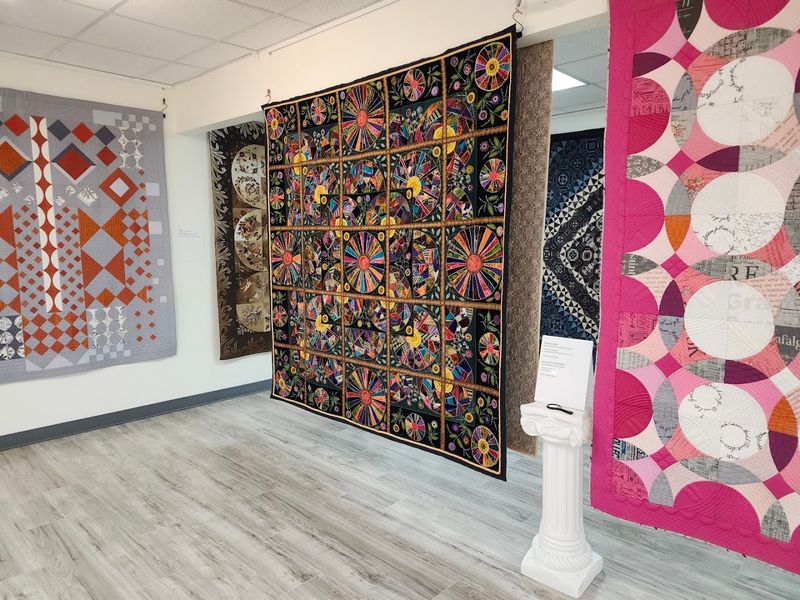
Boredom has no place here. Exhibitions rotate roughly every two months, which means repeat visitors always find something new waiting for them.
That kind of curatorial energy is rare in a small museum, and it keeps the place feeling alive year-round.
Past themes have ranged from quilts celebrating inspirational American women to a stunning collection of Japanese quilts that earned five-star reviews across the board. One visitor described the Japanese exhibition as outstanding, and that word feels accurate.
The level of detail and artistry on display is genuinely jaw-dropping.
Other past exhibits explored quilting trends from 1945 to 1979, tracing how post-war America influenced fabric choices and design styles. The exhibit called 19th Century Blues showcased quilts from the 1800s, offering a rare window into daily life through cloth.
Each new theme feels carefully chosen to teach something specific while still being visually stunning. Coming back every few months is not just worthwhile, it is practically required.
Over 200 Quilts Spanning Centuries Of Craft
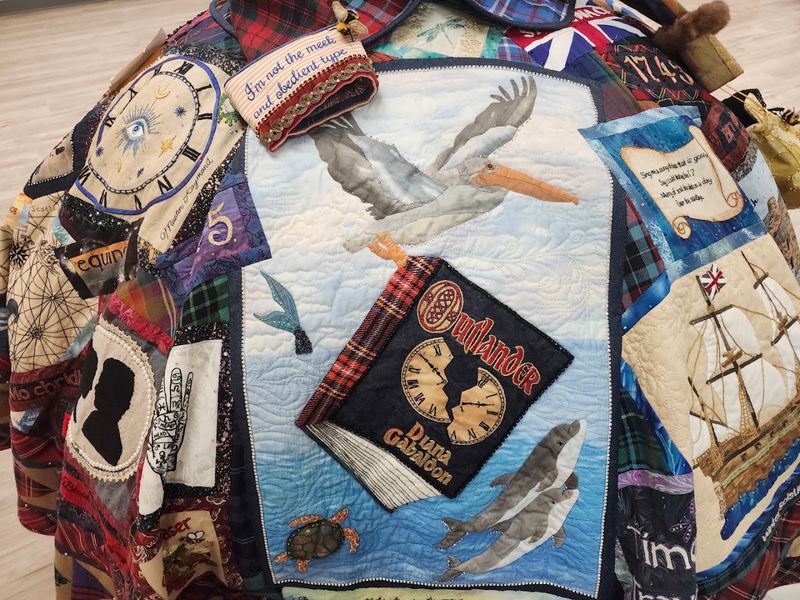
More than 200 quilts are part of the museum’s permanent collection, representing centuries of craftsmanship and textile history. Then it feels like just enough.
The permanent collection spans from the late 1700s all the way through the early 2000s, covering styles and techniques that most people have never even heard of.
Patchwork, applique, thread painting, and embroidery all have a place in this collection. Some pieces were made entirely by hand, stitch by careful stitch.
Others were crafted using early machine techniques, showing how technology quietly changed the art form without erasing its soul.
Standout pieces include the Milledge Family Crazy Quilt and the Broderie Perse Quilt, both of which carry fascinating histories. Each quilt in the collection represents real people, real families, and real moments in southeastern American life.
Seeing them displayed with proper care and context makes the experience feel more like reading a novel than visiting a museum. Every panel holds a story, and the collection gives those stories room to breathe.
How Textile Tools And Techniques Shaped Quilt Making
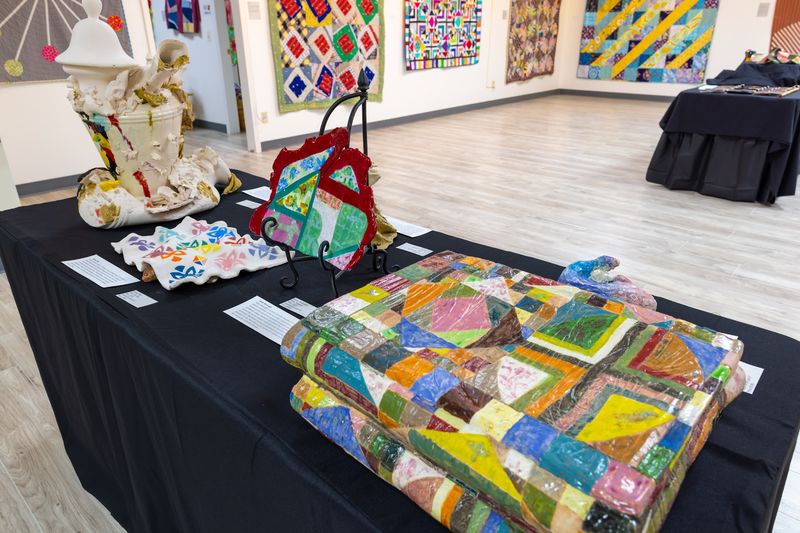
Few inventions changed everyday life as quietly and completely as the sewing machine. Before it arrived, every stitch in every garment was placed by hand.
That kind of labor is almost impossible to imagine in a world where fabric production happens at industrial speed.
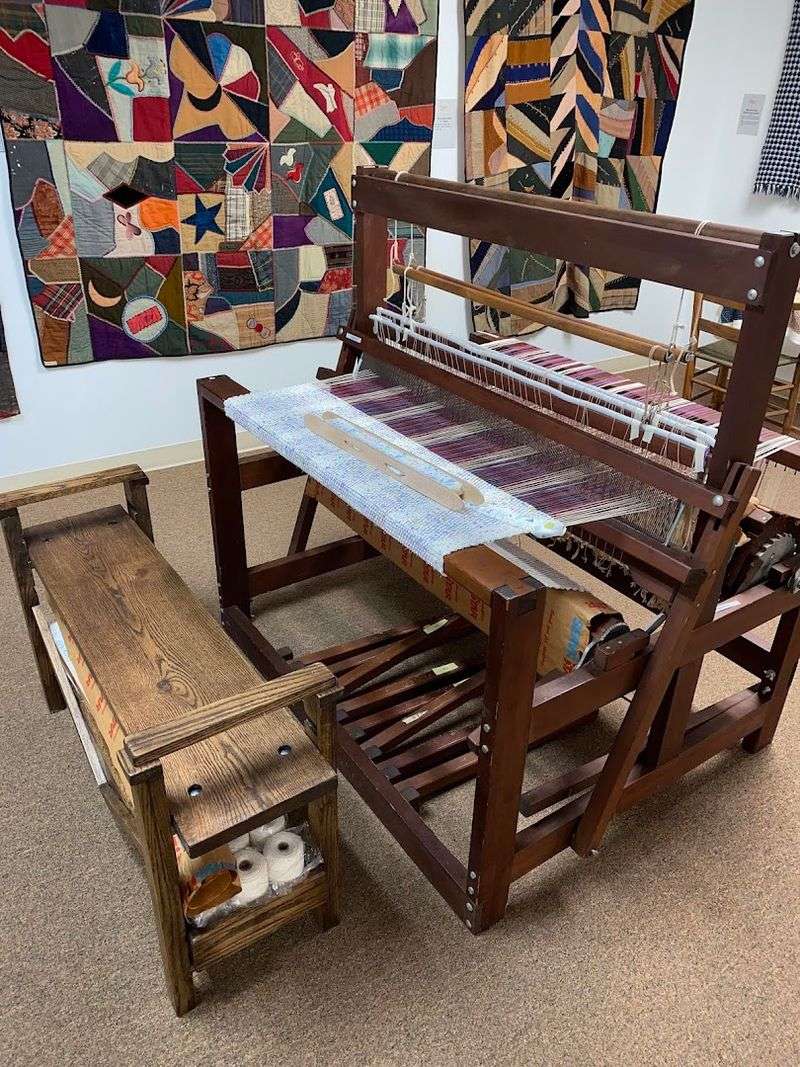
This museum does not just mention the sewing machine in passing. It explores how mechanical innovation transformed quilting styles, production timelines, and even the social dynamics of sewing circles.
Suddenly, what once took weeks could be completed in hours. That shift rippled through families, communities, and entire regional economies.
Exhibits here trace how quilting evolved alongside these technological leaps, showing the relationship between the tools and the art they helped create. Visitors who arrive thinking quilts are just decorative quickly realize they are looking at living records of industrial and cultural change.
The sewing machine is not a footnote in this story. It is a main character.
Understanding its role makes every quilt in the collection feel even more meaningful and historically rich.
Hands-On Classes For Adults Who Want To Learn
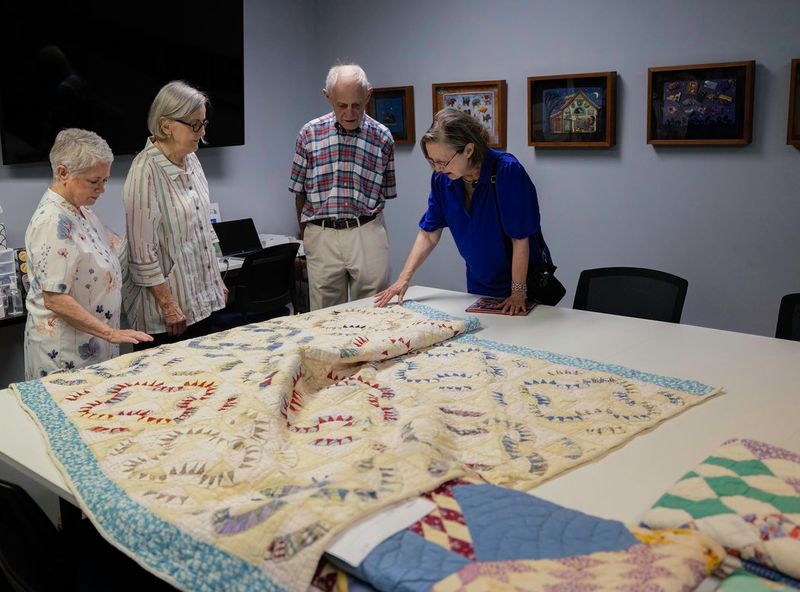
Watching beautiful things is satisfying. Making them yourself is a completely different level of rewarding.
This spot understands that distinction, which is why it offers hands-on adult classes covering sewing, quilting, embroidery, and crochet throughout the year.
The classroom space is purpose-built for learning, with enough room to spread out fabric, tools, and creative ambition. Classes are structured but approachable, meaning you do not need any prior experience to show up and get something meaningful out of the session.
Beginners and experienced crafters both find value in the instruction offered here.
What makes these classes stand out is the connection to the collection itself. You are not just learning a skill in a vacuum.
You are learning it inside a building surrounded by centuries of proof that the skill matters. That context changes how you hold a needle or thread a machine.
It turns a craft class into something that feels closer to a conversation with history. Few places offer that kind of layered, immersive learning experience for adults.
Quilt Camp For Kids That Makes History Fun
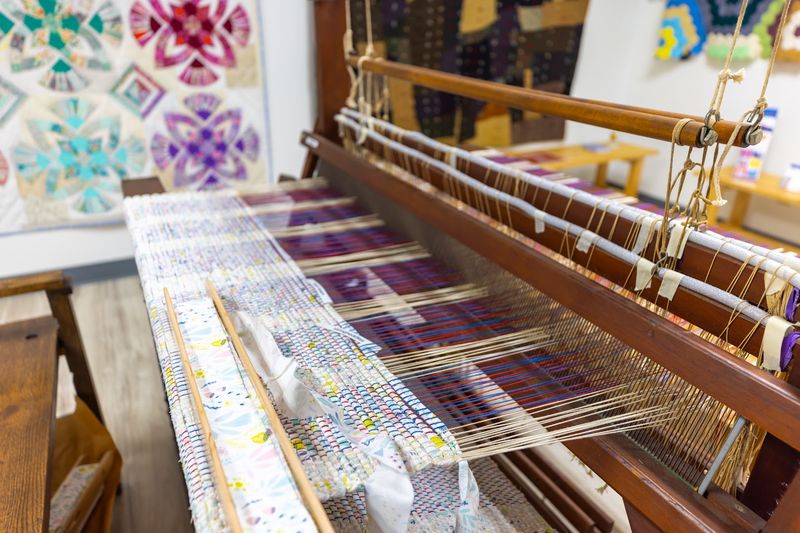
Getting kids excited about history usually requires some creative thinking. This place figured that out early, which is why it runs a summer Quilt Camp specifically designed for young learners.
It is not a passive sit-and-listen experience. Kids actually make things.
The camp provides personalized mentorship, meaning each child gets real guidance rather than a generic group lesson. They leave with skills, confidence, and something tangible they created with their own hands.
That kind of outcome is hard to replicate in a classroom setting, and it sticks with kids long after summer ends.
The camp also connects children to the broader history of textiles in the Southeast without making that history feel dry or distant. When a kid sews their first quilt block, they are participating in a tradition that stretches back centuries.
That realization tends to land quietly but powerfully. Parents who bring their children here often report that the experience sparks a lasting interest in craft, history, and creative problem-solving.
It is a summer activity that genuinely earns its place on the schedule.
A Research Library With Over 2,200 Books On Textiles
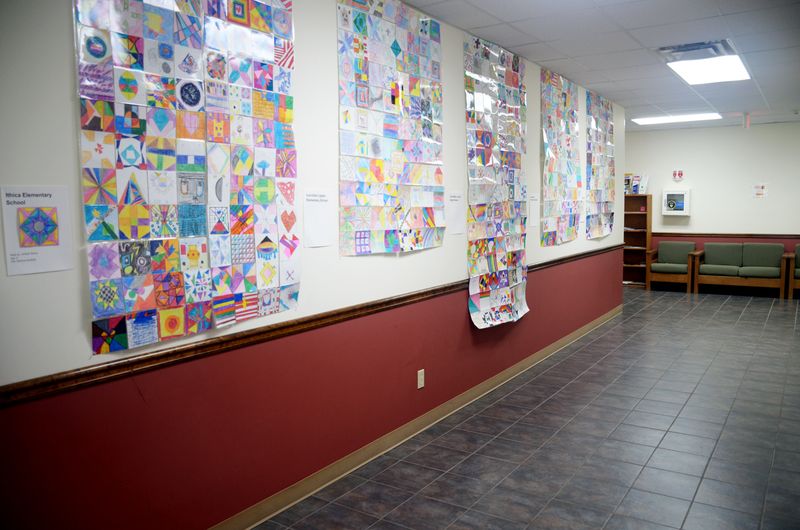
Most museums have a gift shop. Fewer have a research library with more than 2,200 books dedicated to a single subject.
That collection signals something important about the seriousness and depth of this institution.
The library is available by appointment, making it accessible to students, researchers, and seriously dedicated enthusiasts. Topics covered range from historical quilting techniques to the cultural significance of specific regional textile traditions.
Whether you are writing a paper or simply feeding a deep personal curiosity, the library has something worth your time.
Having that many resources in one place transforms the museum from a viewing experience into a genuine center of knowledge. It is the kind of detail that separates a well-run cultural institution from a simple display space.
Visitors who take advantage of the library often describe it as one of the most underrated aspects of the entire experience. For anyone with a serious interest in textile history, the library alone makes the trip worthwhile.
It is a quiet powerhouse sitting right alongside the galleries and classrooms.
A Gift Shop Stocked With Local Artist Creations
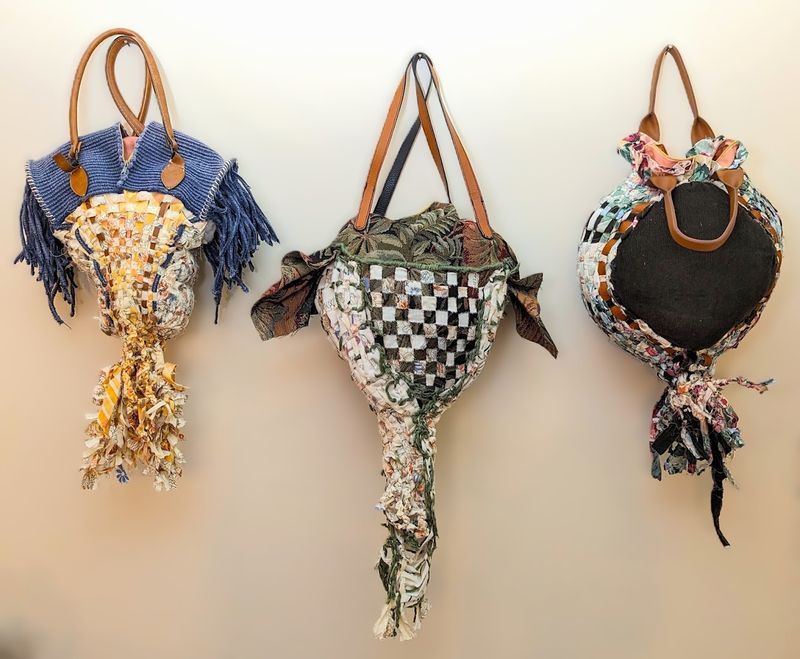
Museum gift shops often feel like afterthoughts. This one feels like a destination.
Items sold here come from 17 different local artists, all working on consignment, which means every purchase directly supports a real creative person in the community.
The selection leans toward textile-based work, which fits the theme perfectly. You might find small quilted pieces, embroidered items, or fabric-based home goods that you genuinely cannot find anywhere else.
Nothing here feels mass-produced or generic, and that distinction matters when you are looking for something worth keeping or gifting.
Shopping here also feels ethical in a way that big-box souvenirs never do. You know exactly where the item came from and who made it.
That transparency adds value beyond the price tag. Visitors frequently mention the gift shop as a highlight, not just an add-on.
If you are the kind of person who collects meaningful objects rather than generic trinkets, this shop will test your self-control in the best possible way. Budget a few extra minutes and a few extra dollars before you walk through that door.
Why This Museum Belongs On Your Georgia Travel List
Georgia has no shortage of things worth seeing. But few experiences combine history, art, education, and community the way this one does.
The museum sits just twelve miles off Interstate 20, making it an easy stop rather than a major detour.
The surrounding area adds to the appeal. Several restaurants are within walking distance, and the historic downtown square offers architecture worth exploring after your visit.
A full afternoon here feels genuinely satisfying, not rushed or incomplete. The museum is open Tuesday through Saturday from 10 AM to 4 PM, so planning ahead keeps things smooth.
What makes this place worth recommending is not just one thing. It is the combination of rotating exhibitions, hands-on learning, a serious library, a thoughtful gift shop, and a building that already carries its own story.
The experience rewards curious visitors who show up ready to engage. Some trips are good.
This one tends to be memorable.