14 Georgia Foods That Outsiders Always Get Wrong – And Locals Love To Correct

Southern food isn’t just about the ingredients; it’s about history, tradition, and the rhythm of a community gathered around the table.
The names of these dishes hold decades, even centuries, of stories. In Georgia, each meal is a link in a long chain of family gatherings, church socials, and quiet evenings at home.
But ask an outsider to pronounce some of the favorites, and you might see them trip over a few tongue-twisters.
Locals know exactly how to say them, and getting it right is more than just a matter of speech – it’s a way of showing respect for the roots of this rich culinary culture.
Georgia’s food traditions are something to savor, especially when you understand how to say them with love and authenticity.
1. Brunswick Stew
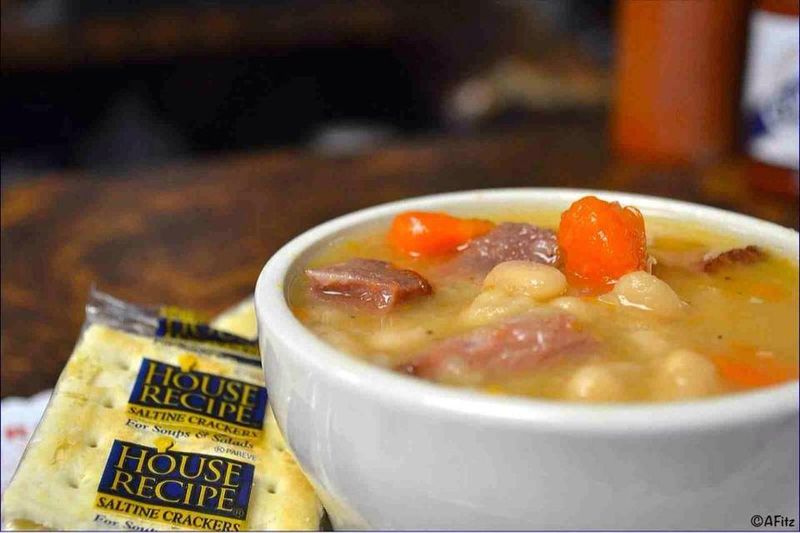
Anyone who orders this hearty dish for the first time might call it “Bruns-wick,” drawing out that middle syllable like it’s two separate words.
Locals know better – it’s “BRUNZ-wik,” said quickly with the emphasis on the first part.
This tomato-based stew brings together smoked pork or chicken, sweet corn, butter beans, and tomatoes into something that warms you from the inside out.
Families have been making Brunswick stew for generations, often in big batches for church suppers or backyard gatherings.
The recipe varies from kitchen to kitchen, with some cooks adding their own secret touches.
What never changes is the way it tastes like home, especially when the weather turns cool.
Thick enough to coat a spoon and packed with flavor, this stew has been a Georgia favorite since the 1800s.
Getting the name right shows respect for the tradition behind every steaming bowl.
2. Pimento Cheese
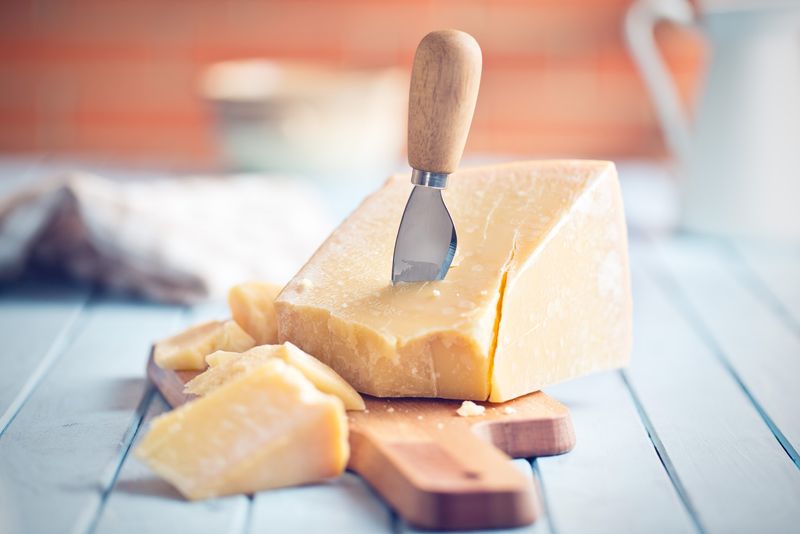
Walk into any Georgia kitchen and you’ll likely find a container of this orange-tinted spread in the refrigerator, ready for sandwiches or crackers.
Visitors often pronounce it “pie-MENT-oh,” putting the stress on the wrong syllable and making it sound fancier than it really is.
The correct way rolls off the tongue more naturally: “pih-MEN-toh,” with a soft first syllable.
Sharp cheddar gets mixed with mayonnaise and chopped pimentos until everything comes together in a creamy, slightly tangy combination.
Some recipes add a dash of hot sauce or Worcestershire for extra depth.
This spread shows up at picnics, tailgates, and Sunday lunches, served on white bread or stuffed into celery sticks.
Calling it the “pâté of the South” might be a stretch, but locals treat it with similar affection.
Say it right and you might just earn yourself a generous scoop on a fresh biscuit.
3. Hoppin’ John
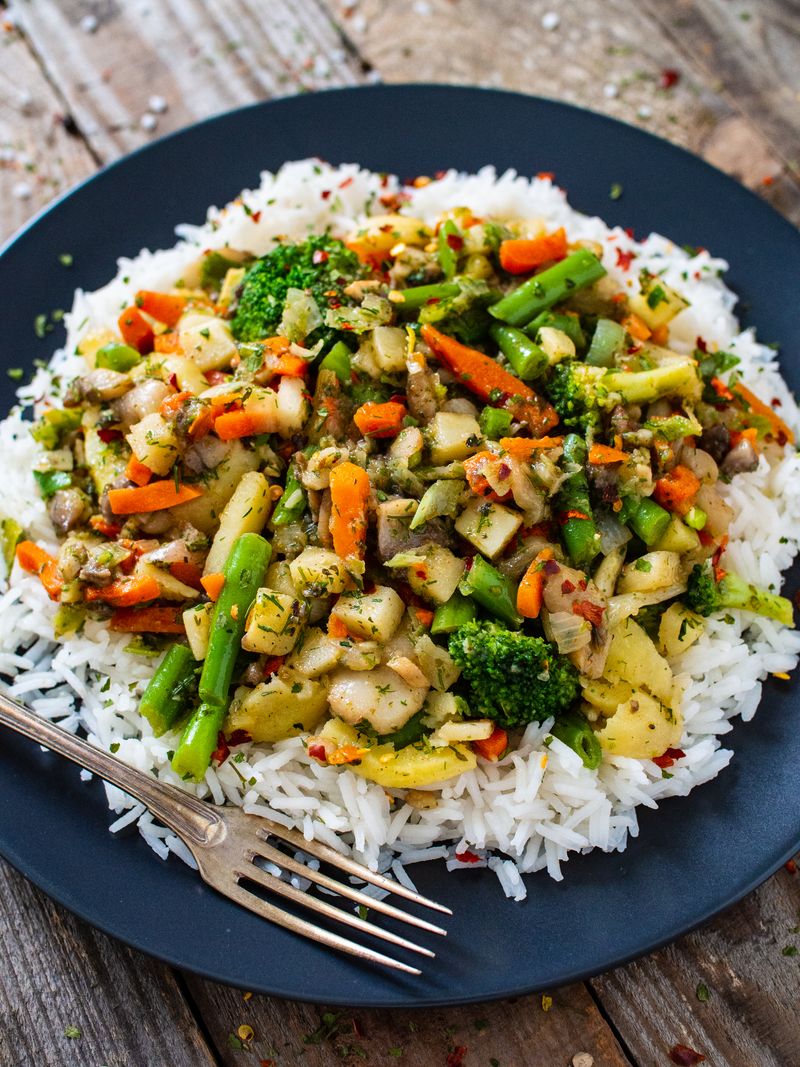
New Year’s Day in Georgia wouldn’t feel complete without a steaming plate of this rice and black-eyed pea dish on the table.
Outsiders sometimes call it “Hopping John,” like someone’s jumping around, but the proper pronunciation is “HOPP-in John,” with the G dropped entirely.
Black-eyed peas simmer with rice, onions, and usually some form of pork – bacon, ham hock, or salt pork – until everything melds together.
The tradition says eating Hoppin’ John brings good luck and prosperity for the year ahead, with the peas representing coins.
Collard greens often join the meal, symbolizing paper money.
Families gather around tables loaded with cornbread and hot sauce, making sure everyone gets at least a spoonful.
The dish has African and Caribbean roots that traveled through the Lowcountry and became part of Georgia’s food story.
Pronouncing it correctly connects you to generations of hopeful New Year celebrations.
4. Chitlins (Chitterlings)

Not everyone grows up eating these, but for those who do, chitlins hold a special place at holiday tables and family reunions.
Visitors might carefully pronounce each syllable – “CHIT-ter-lings” – but locals shorten it to “CHIT-linz” or just “chitlins.”
These are thoroughly cleaned pig intestines, boiled or fried until tender, and they require patience to prepare properly.
The smell during cooking is distinctive, strong enough that some families open windows or cook them outside.
Despite the effort involved, chitlins represent resourcefulness and tradition, dating back to times when families used every part of the animal.
They’re usually served with hot sauce, vinegar, and plenty of cornbread to balance the rich flavor.
Younger generations might skip them, but grandmothers still know exactly how to clean and cook them right.
Calling them by their proper nickname shows you understand their place in soul food history.
5. Boiled Peanuts
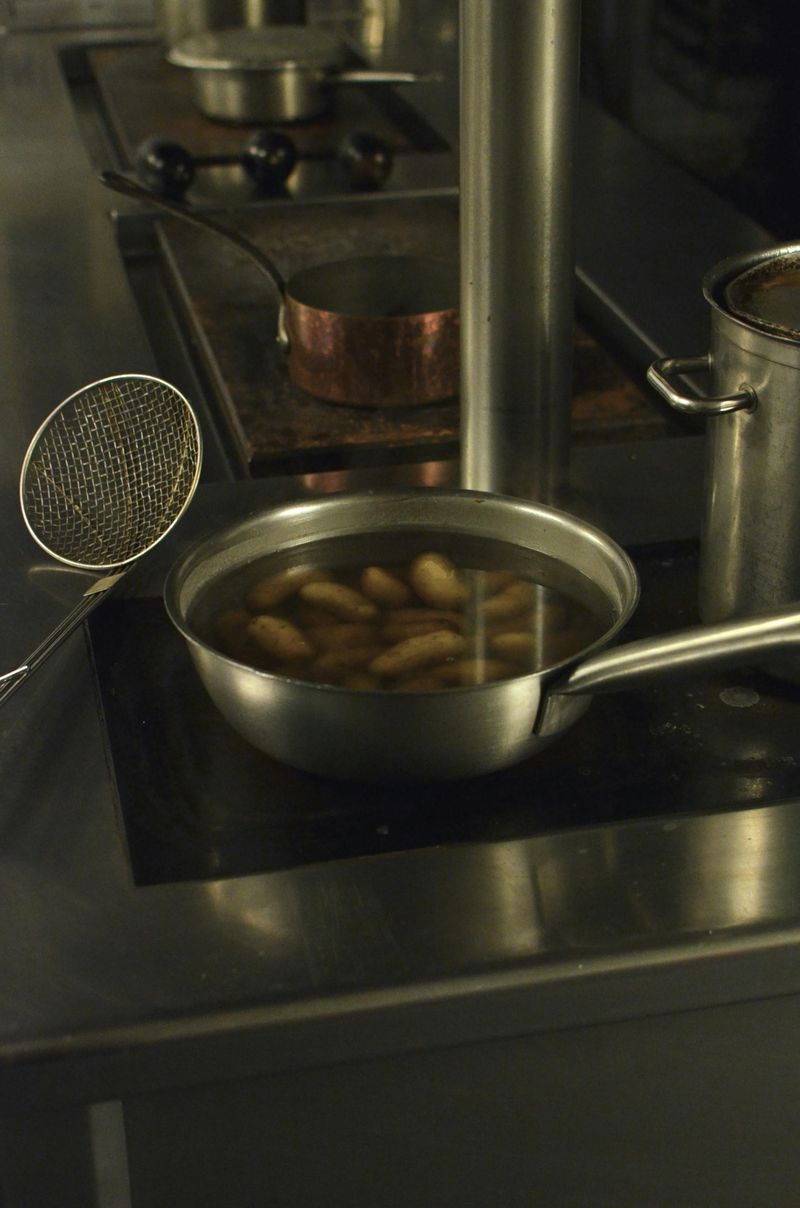
Roadside stands across Georgia sell these salty, soft legumes in everything from paper bags to Styrofoam cups, and they’re nothing like the crunchy peanuts most people know.
Newcomers often say “boyled” peanuts, pronouncing both syllables clearly, but locals compress it to “bald” or “biled” peanuts, dropping sounds until it’s almost one syllable.
Green peanuts get boiled in heavily salted water for hours until the shells turn soft and the peanuts inside become tender.
The result is salty, slightly mushy, and completely addictive once you acquire the taste.
Eating them means cracking open the shell, sucking out the brine, and popping the peanuts in your mouth.
Some folks add Cajun spices or hot peppers to the boiling water for extra kick.
They’re especially popular during summer and football season, sold from big pots at gas stations and farmers markets.
Pronouncing them correctly marks you as someone who understands Georgia’s snack culture.
6. Benne Wafers
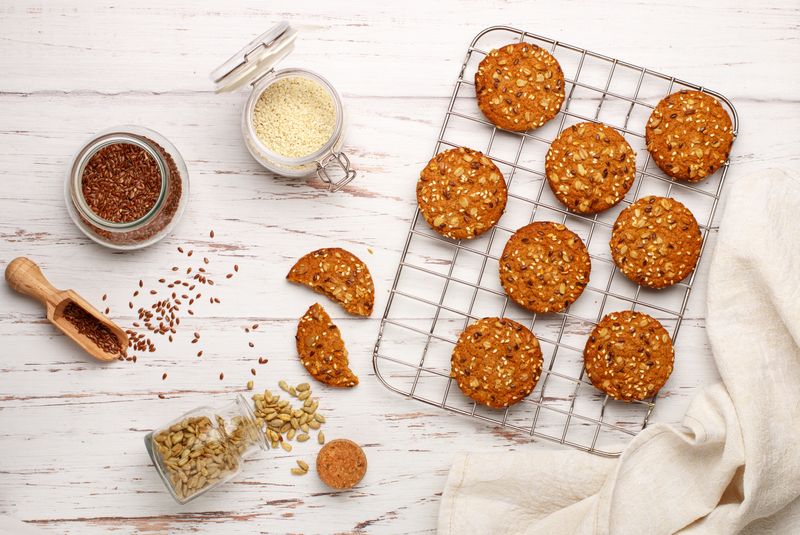
These delicate cookies carry history in every crispy bite, with roots stretching back to West African ingredients brought to Georgia centuries ago.
Visitors might say “BEN-ee” wafers, but the correct pronunciation is “BEN-ay” wafers, with that second syllable sounding almost French.
Toasted sesame seeds – called benne seeds – get mixed with butter, sugar, and flour, then baked until thin and caramelized.
The result is sweet, nutty, and so fragile they practically melt on your tongue.
Savannah claims these cookies as part of its culinary heritage, though they’ve spread throughout the state.
Bakers often make them during holidays or package them as gifts in decorative tins.
The sesame seeds were once considered good luck, planted around homes and stirred into recipes for prosperity.
Today, benne wafers show up in specialty shops and at historic sites, connecting modern Georgia to its complex past.
Getting the name right honors the African Americans who preserved this tradition.
7. Cracklin’ Cornbread
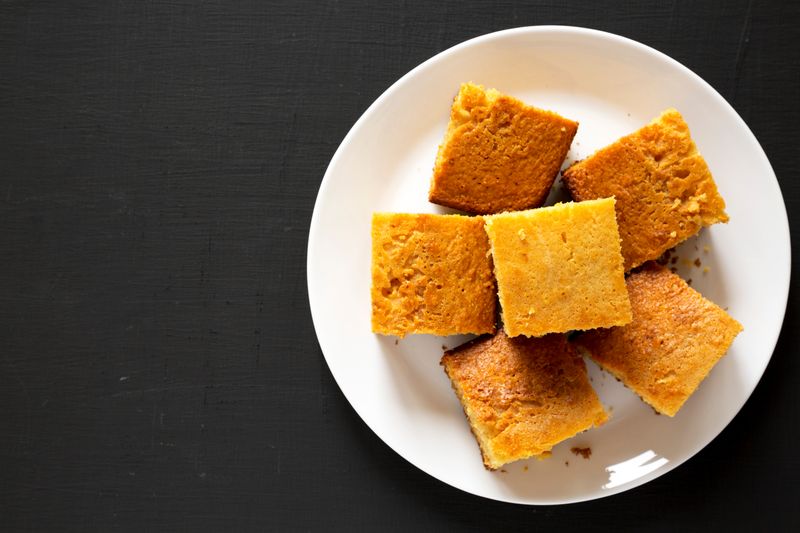
Regular cornbread is good, but adding crispy bits of fried pork skin takes it to another level entirely.
Outsiders tend to say “CRACK-ling” cornbread, adding that extra syllable at the end, while locals drop it to “CRACK-lin” cornbread.
The cracklins – those crunchy pieces of pork fat and skin – get stirred into cornmeal batter before baking, adding salty, meaty flavor to every bite.
The texture becomes more interesting too, with pockets of crispy fat throughout the tender crumb.
This isn’t everyday cornbread; it’s the kind made for special occasions or when someone wants to impress at a potluck.
Some recipes use store-bought cracklins, while others make them fresh from pork belly.
Either way, the result is rich, savory, and substantial enough to be almost a meal on its own.
Served warm with butter or alongside a bowl of greens, this cornbread represents Georgia cooking at its most unapologetically indulgent.
8. Cathead Biscuits
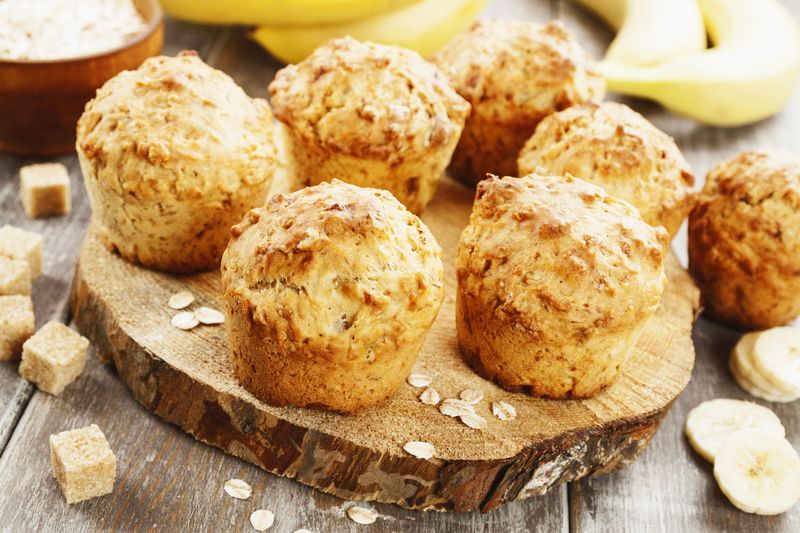
Forget about those perfectly uniform biscuits cut with a round cutter – these big, irregular beauties get shaped by hand and baked until golden.
The name comes from their size, roughly as big as a cat’s head, and locals say it just like it sounds: “KAT-hed BIS-kits.”
Each biscuit is hand-formed, which means no two look exactly alike, giving them a homemade charm that machine-made versions can’t match.
The dough gets mixed just until it comes together, then portions are pulled off and shaped quickly before going into a hot oven.
What emerges is tall, fluffy, and tender inside with a slightly crispy outside.
These biscuits are big enough to split and fill with country ham, sausage gravy, or just butter and jam.
Grandmothers across Georgia have been making them for generations, often by feel rather than measuring.
The name might sound funny to outsiders, but it perfectly describes these generous, no-fuss breakfast staples.
9. Kudzu Jelly
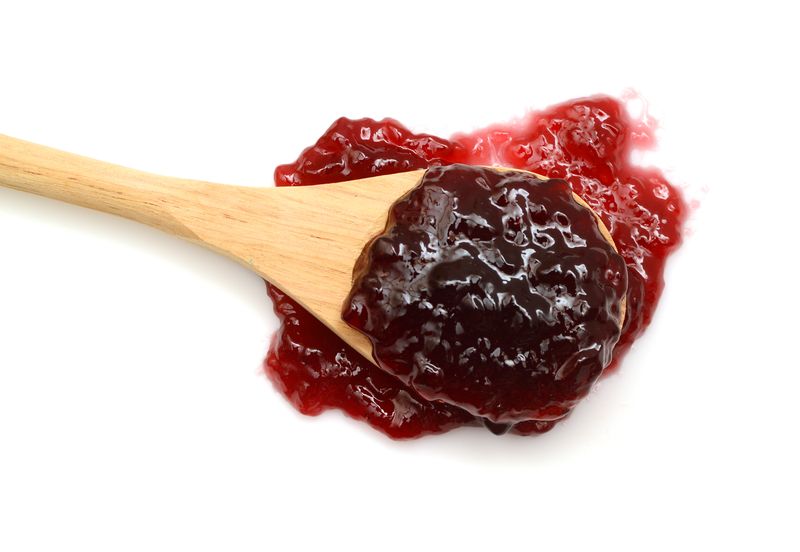
That invasive vine covering trees and telephone poles across the South actually produces fragrant purple flowers that smell like grapes.
Outsiders often say “KOOD-zoo” jelly, but the proper pronunciation is “KUD-zoo” jelly, with a short U sound.
Foragers collect the blossoms in late summer when they’re most fragrant, then steep them in water to extract the flavor.
The resulting liquid gets mixed with sugar and pectin to make a jelly that tastes surprisingly like grape with floral notes.
It’s not something you’ll find in every grocery store, but farmers markets and specialty shops sometimes carry it.
Making kudzu jelly turns an agricultural nuisance into something sweet and useful, which appeals to Georgia’s practical nature.
The jelly spreads nicely on biscuits or toast, adding a unique taste that always starts conversations.
Some people add it to glazes for meat or stir it into tea for sweetness.
Pronouncing it correctly shows you know your Georgia plants, even the troublesome ones.
10. Fatback
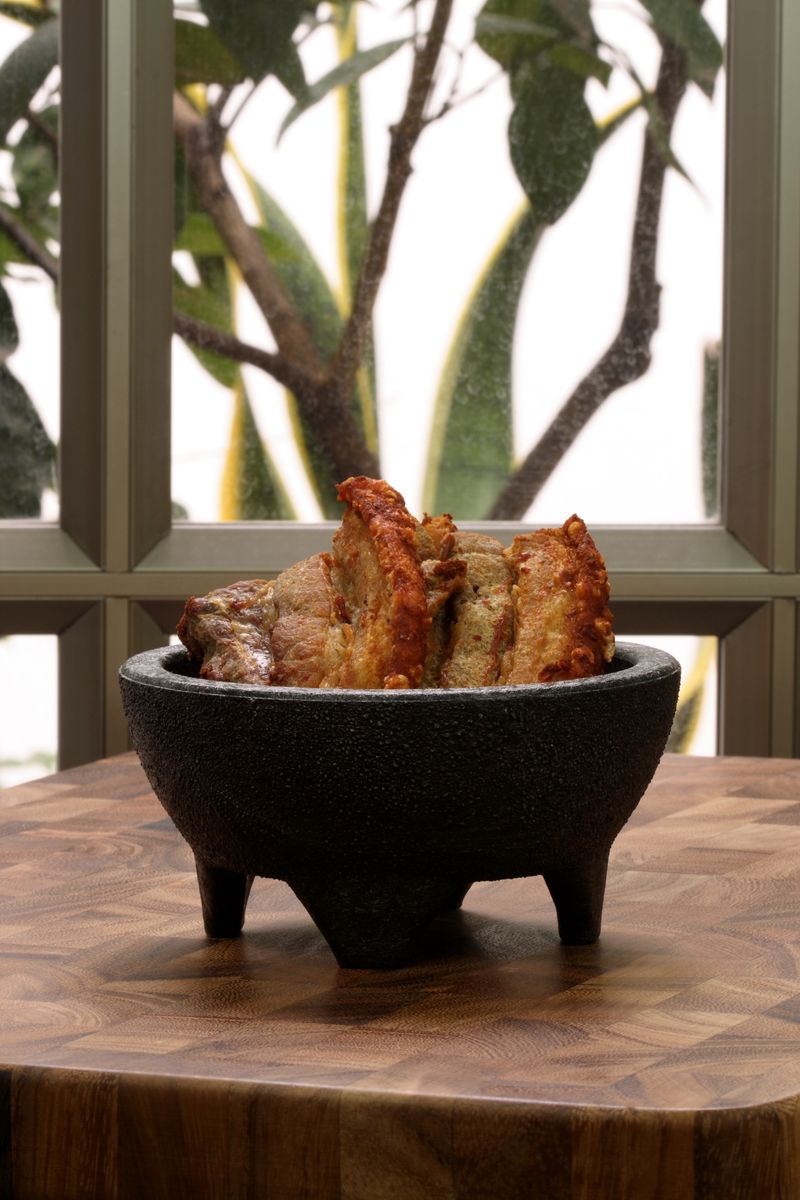
This cut of pork is exactly what it sounds like – the fat from a pig’s back, used to add flavor to everything from green beans to cornbread.
Some visitors overthink the pronunciation, but it’s simply “FAT-back,” said just like the two words put together.
Fatback comes as a solid slab of white fat, sometimes with a thin layer of meat attached, and it’s either fried crispy or used to season vegetables.
When cooked slowly with a pot of collards or butter beans, it melts and releases rich, porky flavor that transforms the whole dish.
Fried fatback becomes crispy like thick bacon, perfect for crumbling over grits or eating alongside eggs.
It’s not the healthiest ingredient, but Georgia cooks have relied on it for generations to make simple vegetables taste special.
Salt-cured fatback lasts for months, which made it valuable before refrigeration became common.
Today it’s still found in grocery stores across the state, usually near the bacon and ham.
11. Lowcountry Boil
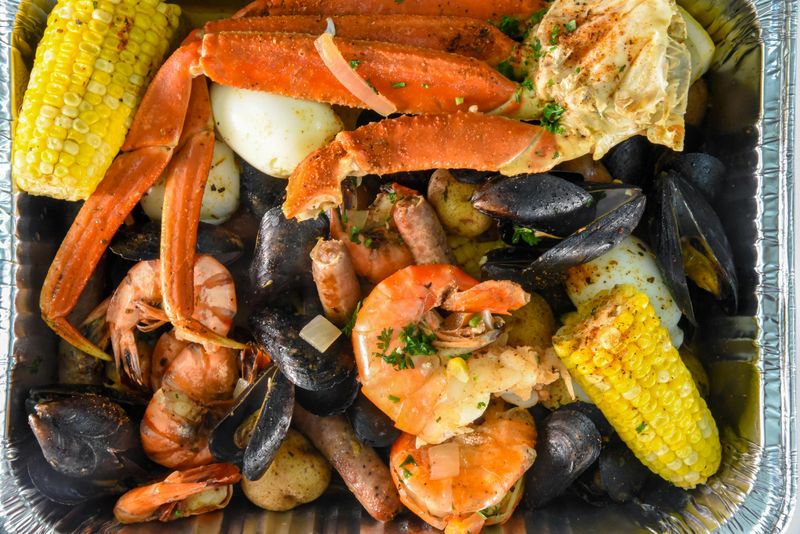
When Georgia families want to feed a crowd without much fuss, they dump shrimp, sausage, corn, and potatoes into a big pot with Old Bay seasoning and call it dinner.
Outsiders might carefully pronounce it as two separate words – “Low Country” boil – but locals run it together: “LOW-kun-tree” boil.
Everything cooks together in seasoned water until the shrimp turn pink and the potatoes are tender, then it all gets drained and spread out on newspaper-covered tables.
People gather around, peeling shrimp and eating with their hands, passing hot sauce and melted butter.
It’s messy, casual, and perfect for warm evenings when nobody wants to deal with fancy plates or utensils.
The dish comes from Georgia’s coastal regions, where shrimp are plentiful and outdoor eating is a way of life.
Some versions add crab or crawfish, depending on what’s available.
The name reflects the geography – the Lowcountry being the coastal plains and marshlands where this tradition started.
12. Ambrosia Salad
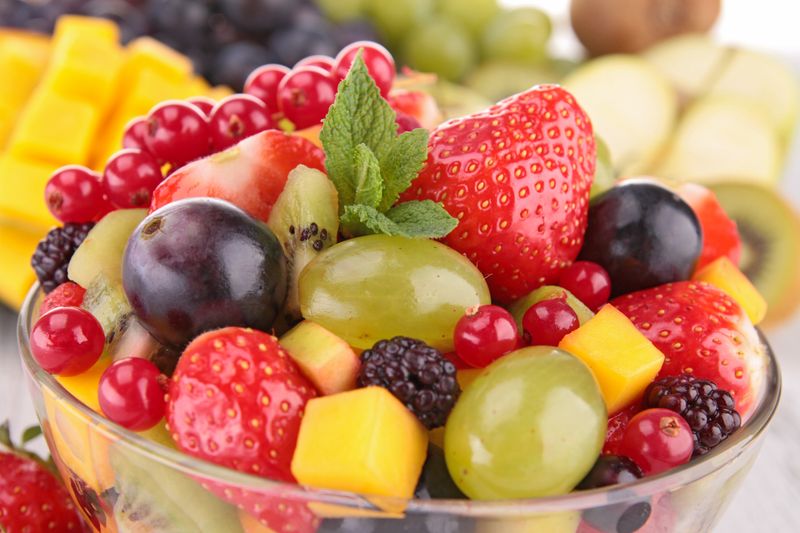
This sweet, creamy mixture shows up at almost every Georgia holiday meal, sitting right next to the sweet potato casserole and green bean casserole.
Visitors often say “am-BRO-zee-uh” salad, pronouncing that middle syllable like “zee,” but locals soften it to “am-BRO-zhuh” salad.
Mandarin oranges, pineapple chunks, shredded coconut, and mini marshmallows get folded together with sour cream or whipped cream until everything is coated.
Some recipes add maraschino cherries or chopped pecans for extra color and crunch.
The result is more dessert than salad, sweet and tropical-tasting despite being served alongside turkey and ham.
Kids especially love it, often going back for seconds before touching their vegetables.
The name comes from Greek mythology, where ambrosia was the food of the gods.
Whether this version lives up to that description depends on who’s making it, but it’s definitely a Georgia tradition.
Getting the pronunciation right means you’ve probably been to enough family dinners to know how it’s supposed to sound.
13. Pecan Pie
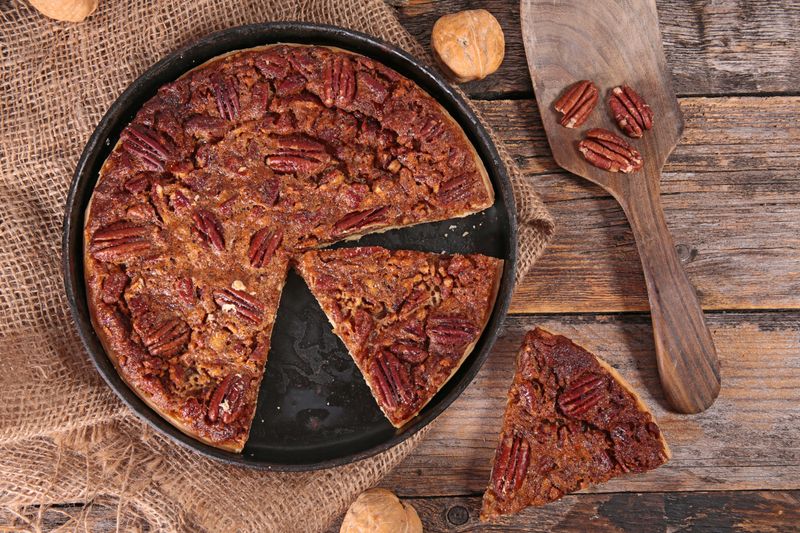
Georgia grows more pecans than almost any other state, so naturally, this pie holds a place of honor at Thanksgiving and Christmas tables.
The great pecan debate divides the state: outsiders say “pee-CAN” pie, but most locals insist on “puh-KAHN” pie, with that softer, more Southern pronunciation.
The filling combines pecans with butter, eggs, and corn syrup or cane syrup, creating something intensely sweet and rich.
When baked properly, the top develops a slightly crispy layer while the inside stays gooey and custardy.
Some bakers add bourbon or chocolate chips for variation, though purists prefer the classic version.
Pecan trees dot backyards and farms across Georgia, and families often gather pecans in the fall to use in holiday baking.
The nuts store well, making them perfect for pies year-round.
Serve the pie warm with vanilla ice cream or whipped cream, and nobody will care too much about pronunciation – though locals will still notice if you say it wrong.
14. Fried Green Tomatoes
Before tomatoes ripen to red, Georgia cooks slice them green, coat them in cornmeal, and fry them until crispy and tangy.
While there’s no pronunciation trick here, outsiders often get the preparation wrong, expecting something sweet like red tomatoes instead of the tart, firm texture that makes this dish special.
Thick slices of green tomato get dredged in buttermilk, then coated with seasoned cornmeal or flour before hitting hot oil.
They fry quickly, developing a golden crust that contrasts with the slightly sour tomato inside.
The result is crispy outside, tender inside, and just acidic enough to balance the richness of the fried coating.
Remoulade sauce, ranch dressing, or comeback sauce often accompanies them, adding creamy coolness to each bite.
The dish gained fame from a movie by the same name, but Georgia families have been making them for generations whenever tomato plants produce faster than they can ripen.
Restaurants across the state serve them as appetizers, but homemade versions still taste best.