Georgia Has An Entire Museum Dedicated To Bigfoot, And It Is Unlike Anything Else
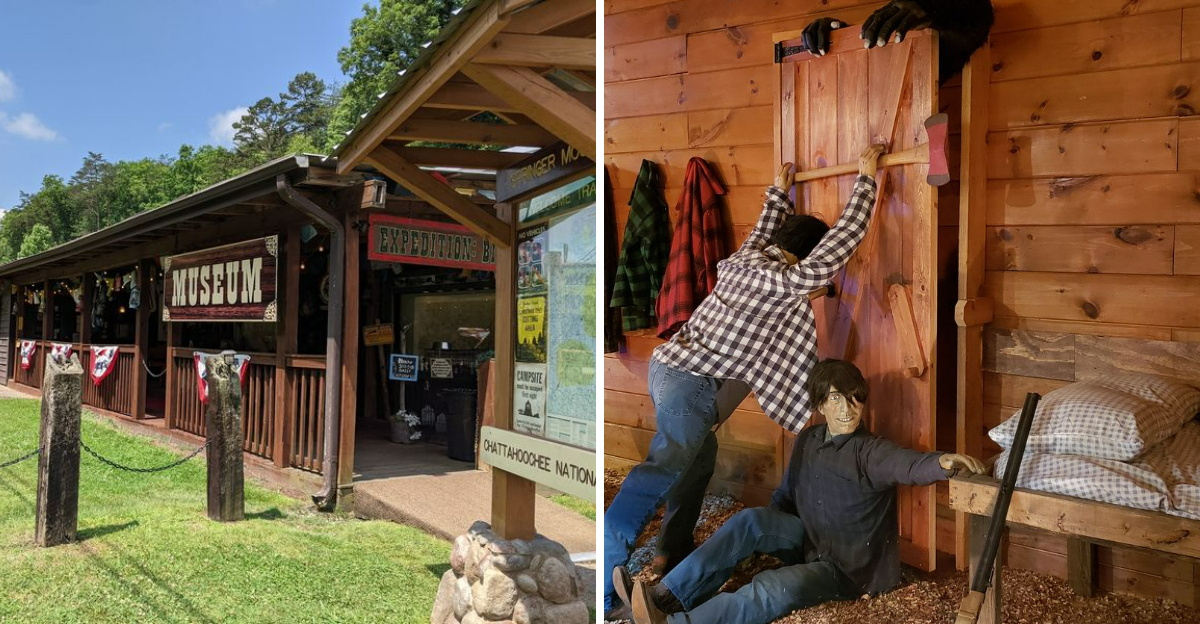
What does it take to convince skeptics that something strange really happened in these woods? A small museum in Georgia has spent years trying to answer exactly that question.
From the parking lot, it looks like nothing more than a gift shop with a big statue out front. That assumption falls apart fast once you step inside.
Room after room holds plaster casts, hand drawn maps, and recordings of sounds nobody has ever fully explained. Visitors linger far longer than they plan to, reading theories and comparing notes like amateur investigators.
Staff members share their own encounters without a hint of embarrassment, and somehow that makes the whole place feel more credible instead of less. What starts as a five minute joke turns into a real rabbit hole.
Georgia takes its legends seriously, and this museum proves it better than any campfire story ever could.
A Highway Stop That Takes Cryptids Seriously
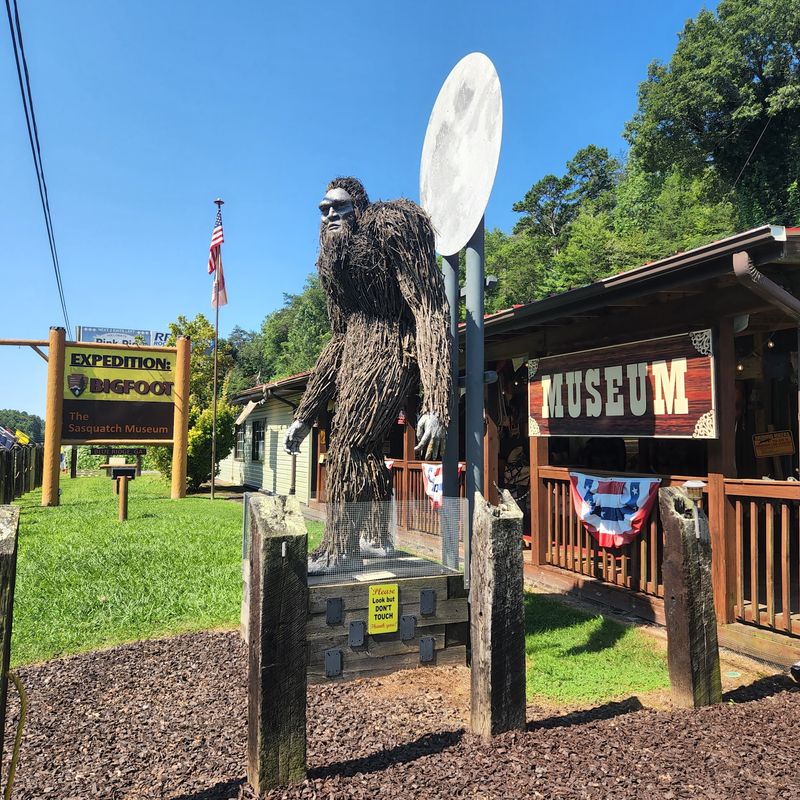
Most roadside attractions want your laugh and your five dollars. Here, the goal is bolder: convincing you that Sasquatch is a real, living animal.
The building sits right along the highway in the North Georgia mountains. From the road it looks modest, which is part of the fun.
Inside, more than 4,000 square feet of exhibit space unfolds room by room.
The whole thing opened in 2016, started by a Bigfoot researcher and his wife. Their personal collection became the backbone of the displays.
It is billed as North Georgia’s biggest family attraction, and the mix works. Entertainment sits next to genuine research material, not instead of it.
Skeptics show up constantly, often dragged in by kids or cousins. Many leave admitting the evidence was more organized than expected.
Ratings hover around 4.6 stars across more than 3,600 reviews. That is unusually high for a themed attraction on a state route.
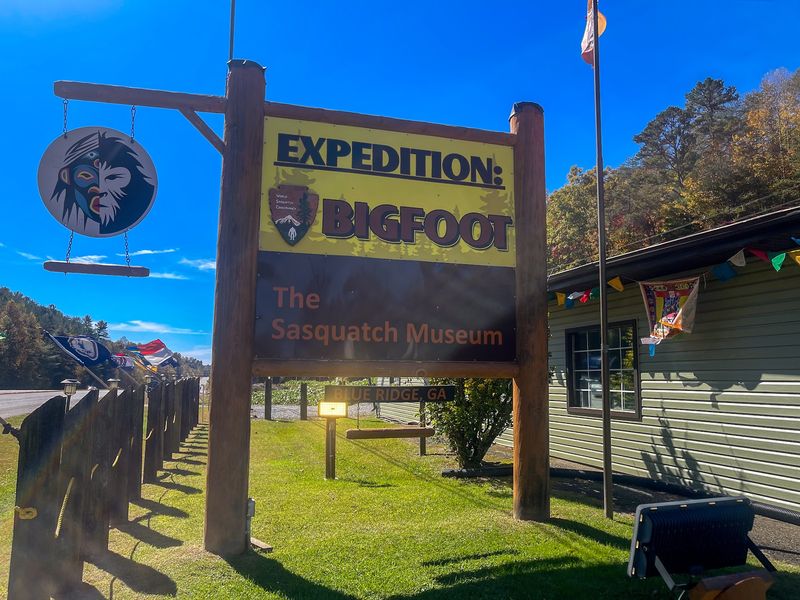
You will find EXPEDITION: BIGFOOT! The Sasquatch Museum at 1934 Hwy 515, Blue Ridge, Georgia 30513.
The World’s Largest Permanent Collection Of Sasquatch Artifacts
Claiming the world’s largest anything is bold. In this case, the claim holds up in glass cases and wall mounts.
The museum describes its collection as the world’s largest permanent display of claimed Sasquatch artifacts. That includes items gathered across the United States and beyond.
Plaster casts dominate. Footprints stretch far past any shoe size you own, and handprints look almost cartoonishly wide.
Reportedly, the footprint casts form the nation’s largest permanent collection. Seeing dozens lined up changes how you think about the topic.
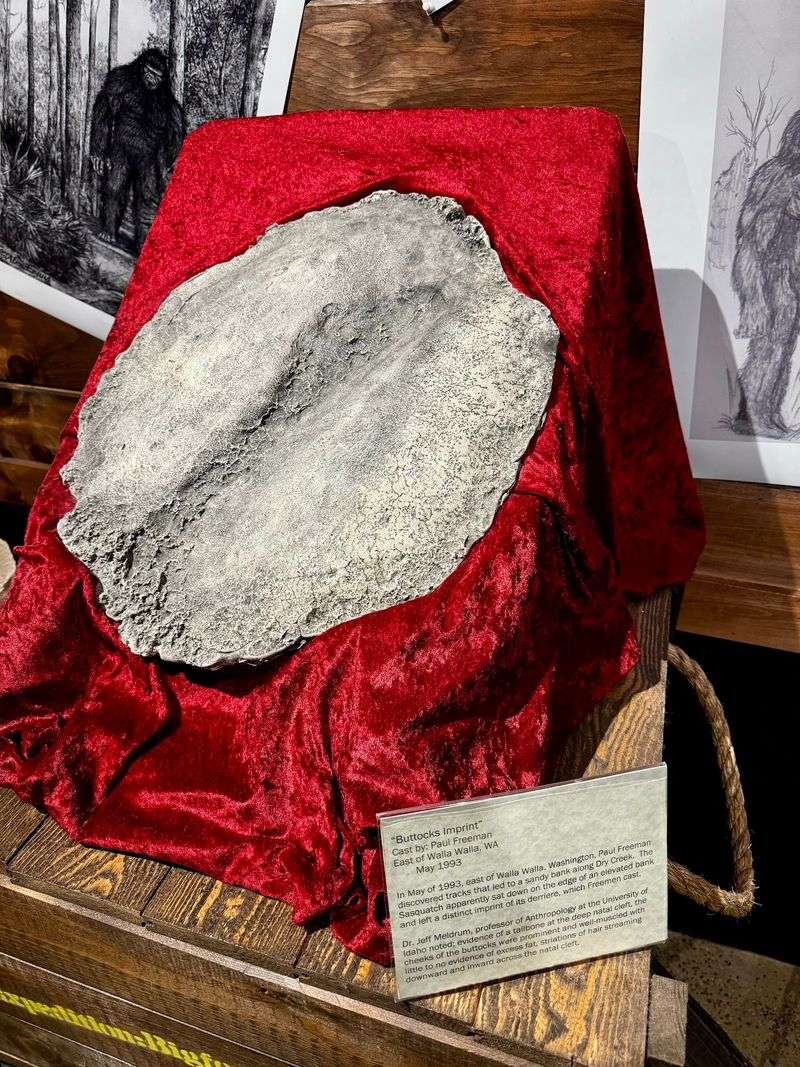
There is also a cast of a claimed Bigfoot sitting print, displayed on red velvet. It gets the biggest reaction from visitors, easily.
Sketches and photographs fill the walls between cases. Many come with dates, locations, and short written accounts.
Artifacts also arrived from Russia and China, which widens the story considerably. The exhibit stops feeling regional and starts feeling worldwide.
Footprints get mentioned constantly in visitor comments, and now I understand exactly why.
Listening Stations With Reported Bigfoot Vocalizations
Quiet museums make me whisper. Not an issue here, because sound is part of the exhibit design.
A dedicated sound base lets you press buttons and hear recorded vocalizations. Howls, whoops, knocks, and low grunts come through clearly.
Some clips are strange enough to raise the hair on your arms. Others sound almost like an animal you might guess at.
Background audio drifts through the rooms too, mixed with music and film soundtracks. The place hums instead of hushing.
Eyewitness video interviews play alongside the audio. Hearing people describe encounters in their own voices adds real weight.
Kids gravitate straight to the buttons, which keeps them moving through the exhibits. Adults tend to linger longer than they admit.
Because the atmosphere is loud and layered, the visit feels active rather than academic. You are not reading placards in silence.
Photography is allowed inside, so you can capture the setups. Full video tours require permission first, which is worth knowing ahead of time.
Bring curiosity and patience, and the audio room alone earns the admission price.
The Only Bigfoot Research And Tech Vehicle On Earth
Every serious expedition needs a ride. This one looks like something built for swamp missions, because it was.
The museum displays what it calls the world’s only Bigfoot Research and Tech Vehicle. It is an ATV loaded with gear.
The founders used it on research trips in Florida before it retired indoors. That history makes it more than a prop.
Cameras, mounts, and monitoring equipment cover the frame. It reads like a field lab on wheels.
Standing next to it, the scale of the effort sinks in. People genuinely spent nights in wetlands chasing sounds.
Visitors often photograph this piece more than the life-size figures. It photographs well and looks unlike any other museum object.
Nearby displays include vintage camping gear and older recording equipment. The contrast between old and new tech is genuinely interesting.
Even a firm skeptic can appreciate the engineering and the stubbornness behind it. Somebody built this on purpose, for one specific animal.
Of everything inside, the vehicle is the exhibit I described first to friends afterward.
Sasquatch Theater And Two Films On Constant Rotation
Sitting down mid-museum is underrated. The theater gives your feet a break and your brain new material.
Films and presentations run continuously in the Sasquatch Theater. Visitors have noted two movies or documentaries playing nonstop.
Content covers sighting reports, research methods, and famous historical cases. It is paced for families rather than academics.
The seating area is small, which makes it feel like a private screening. On a busy day you may share it with a few strangers.
I found the films useful for context before returning to the display cases. Names and locations suddenly connected to the casts on the walls.
Kids stay engaged because the footage is short and dramatic. Nobody sits through a ninety-minute lecture here.
Because the loop repeats, you can catch whatever you missed on the way out. No showtimes to plan around.
Combine the theater with the reference materials, and the visit gains real structure. Watch, read, listen, repeat.
The whole self-guided route runs roughly 45 minutes to an hour, though film breaks stretch it happily.
A Reference Library Built From Decades Of Sighting Reports
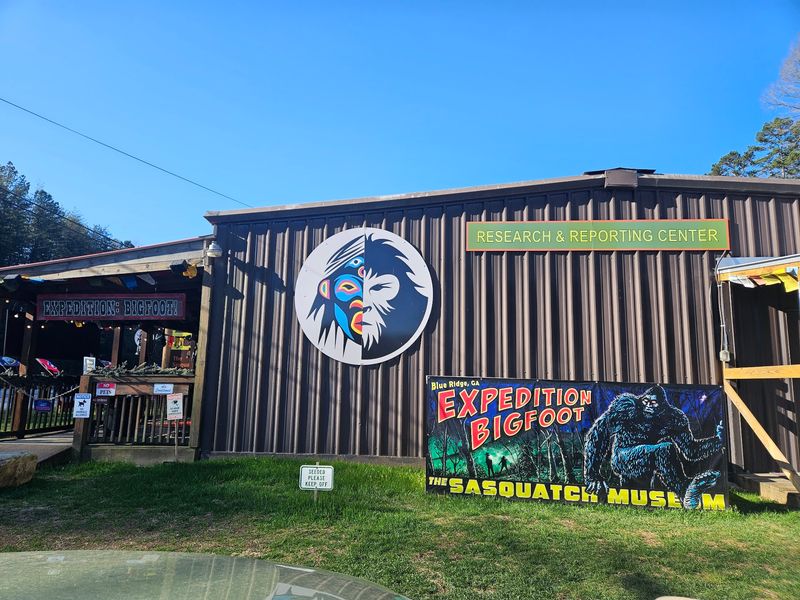
Paper does not sound thrilling next to giant footprints. Then you start reading, and time disappears.
A dedicated Bigfoot Reference Library holds newspaper articles, documented sightings, and sketches. Some clippings go back generations.
What struck me was consistency. Descriptions from different states and different decades line up more than you would expect.
Large sighting maps hang nearby, kept up to date with reported encounters. Georgia and the wider Appalachians show heavy clustering.
The Appalachian Mountains are often called ground zero for Bigfoot reports. Seeing that mapped out makes the local connection concrete.
The museum also works as a research and reporting center. People submit encounters here, so the collection keeps growing.
Hand-drawn witness sketches are quietly the most memorable part. Amateur art carries a sincerity that polished illustrations lack.
Reading a few accounts changed how I looked at the rest of the exhibits. Context turns curiosities into a case file.
Give yourself extra minutes in this section, even if reading is not usually your museum priority.
The Ape Canyon Cabin Replica You Can Step Inside
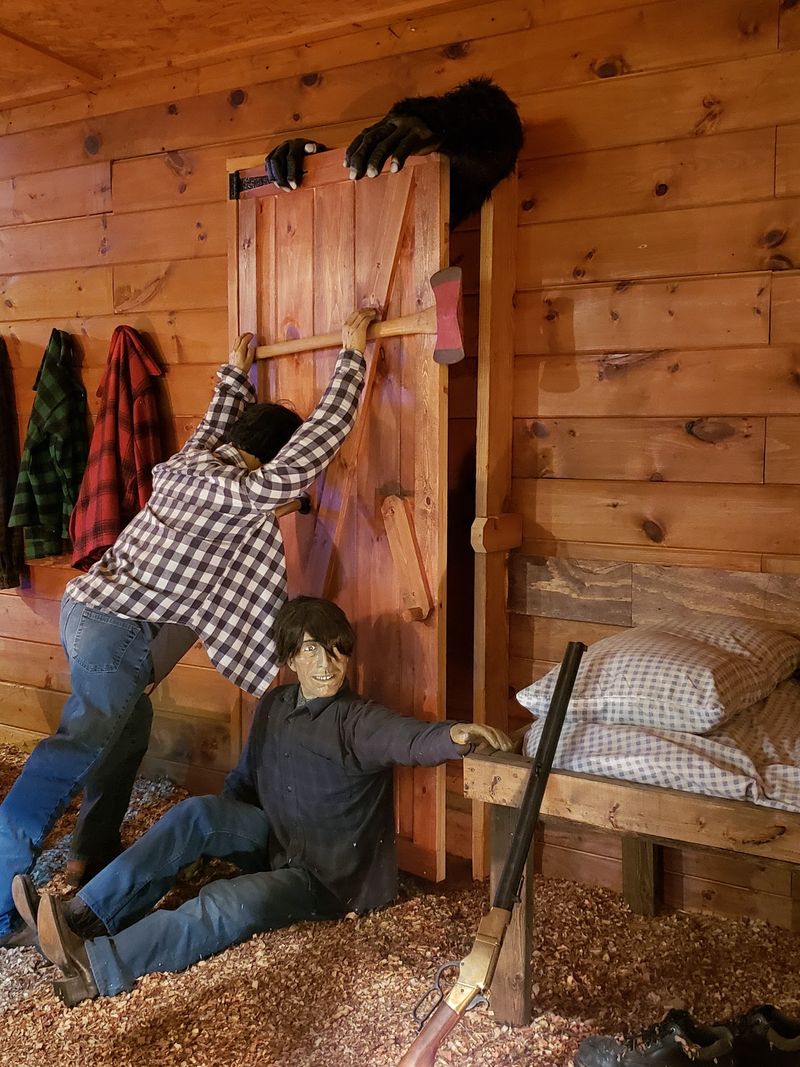
One doorway leads somewhere unexpected. Behind it sits a full-size interior replica of a cabin from Ape Canyon.
The scene recreates an alleged 1924 encounter, when miners reported being attacked by creatures they called Mountain Devils. It is a famous piece of Bigfoot lore.
Rough log walls, period gear, and careful staging sell the moment. You stand where the story supposedly happened.
The detail work is impressive without being frightening. Families with young kids move through comfortably.
What makes it effective is the age of the account. The 1924 account became a well-known part of Bigfoot folklore, although its accuracy remains disputed.
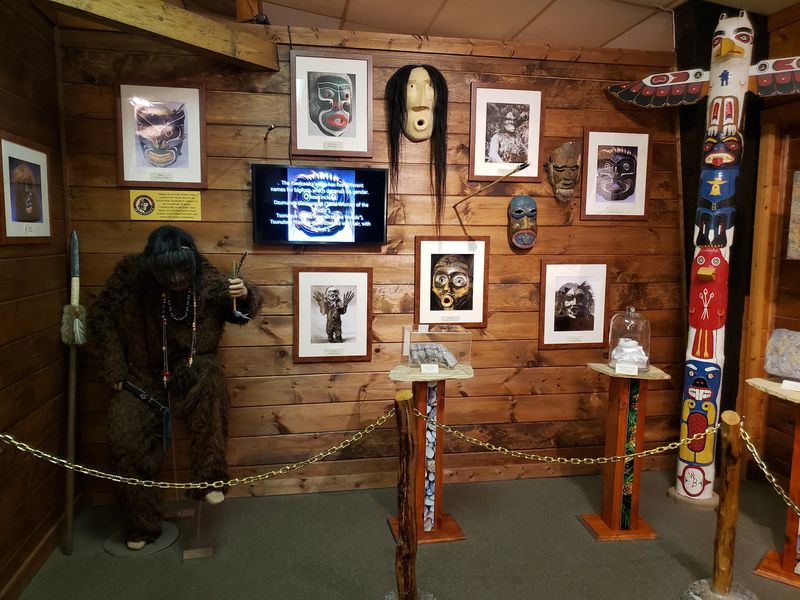
Native American exhibits sit elsewhere in the museum, covering older cryptid legends from the region. Several visitors call that section the biggest surprise.
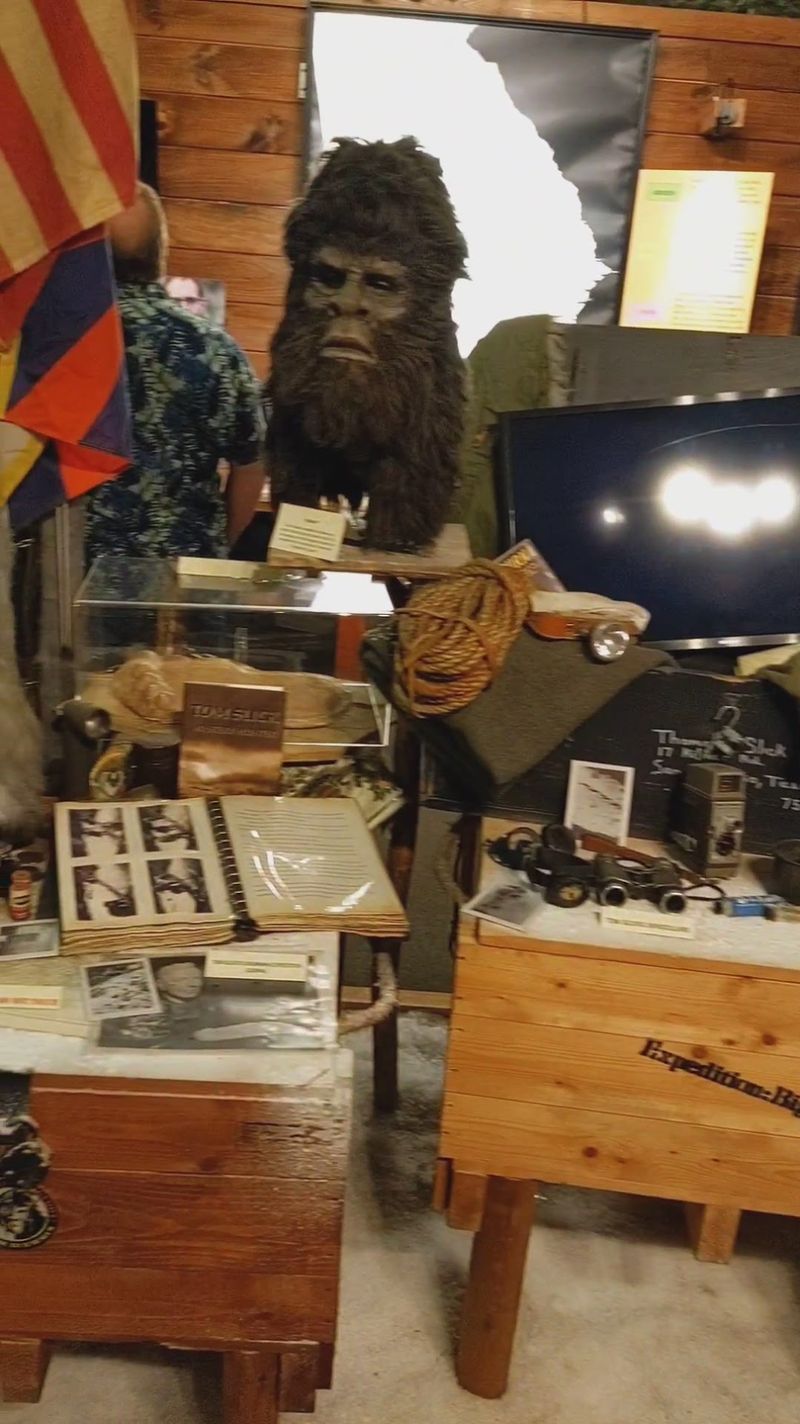
Donations from renowned yeti researcher Tom Slick are also on display. His name carries real weight in cryptozoology history.
Together these rooms build a timeline instead of a gimmick. Old stories, newer evidence, same basic creature.
The cabin is where I stopped smirking and started genuinely paying attention.
Cryptids From Around The World, Not Just North America
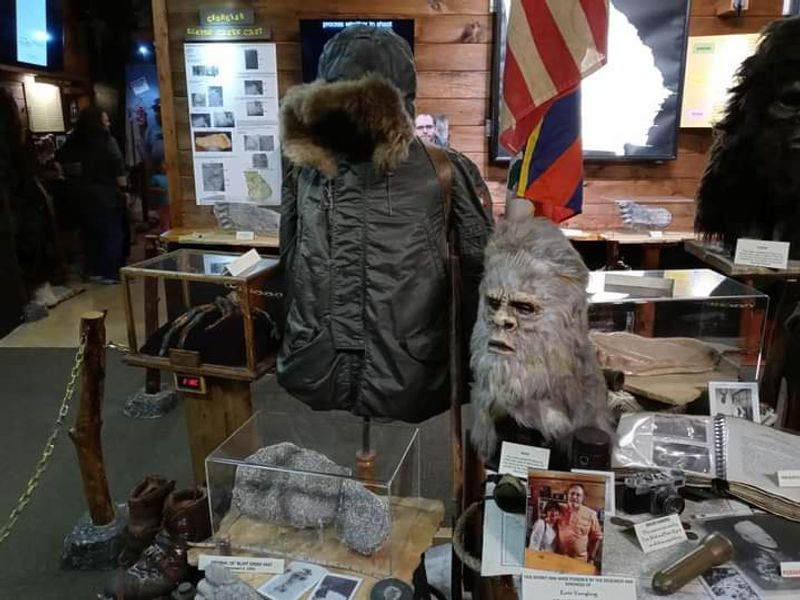
Bigfoot has cousins. That was news to me, and the museum lays them out clearly.
Exhibits cover the Yeti of the Himalayas and the Yowie of Australia. Both come with their own long histories.
China contributes the Yeren, while Russia offers the Alma. Mexico brings El Cuatlacas into the mix.
Closer to home, Florida’s Skunk Ape and Missouri’s Momo get attention. Regional nicknames pile up fast.
Seeing them side by side raises an interesting question. Why do so many separate cultures describe something so similar?
Life-sized figures and replicas anchor several of these displays. They give you a real sense of claimed height and bulk.
The international angle explains why artifacts arrived from Russia and China. Research here reaches well past Georgia’s ridges.
Cryptid fans get plenty of depth, and casual visitors get variety. Nobody stalls out on one topic for too long.
I walked in thinking about one creature and walked out with a list of eight to read about later.
Everything You Need To Know Before You Go
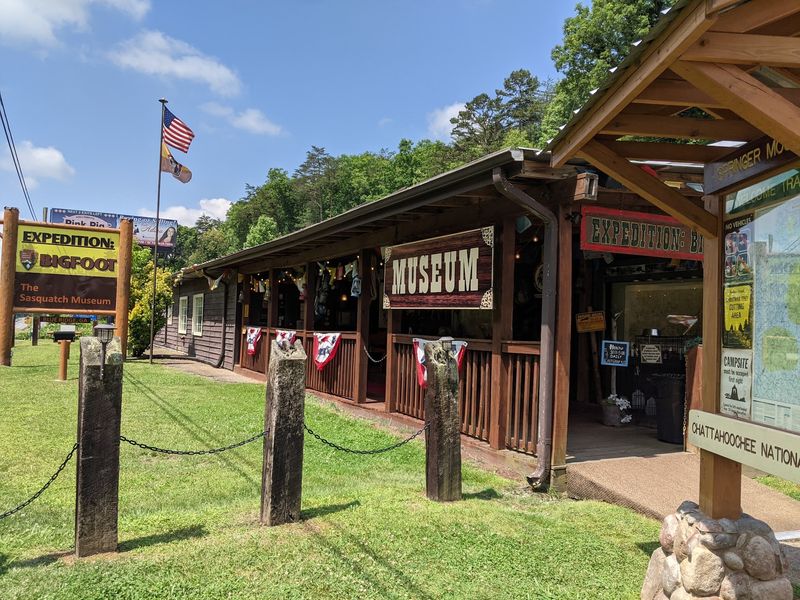
Great attractions get ruined by surprise logistics. Happily, the details here are simple and cheap.
Doors open daily at 10 AM and close at 5 PM. Last admission is 4:30 PM, so do not cut it close.
Admission runs $9.00 for adults and teens, $6.00 for children ages 5 through 12. Kids under 5 enter free.
Active military with ID also get in free. Major holidays including Easter, Thanksgiving, Christmas Day, and New Year’s Day are closed.
Parking works for regular vehicles, but RVs, trailers, and buses cannot be accommodated. Plan your route accordingly.
Dogs cannot come inside, though a large crate is available outside. Drinks are not allowed in the exhibit areas.
The gift shop gets mentioned in hundreds of reviews, and prices stay reasonable. Plush figures, shirts, and mugs make easy souvenirs.
Complimentary cookies sometimes appear at the front, which is a nice touch. Staff let you explore at your own pace.