These Georgia Hikes Reveal Hidden Waterfall Swimming Holes Perfect For Summer Exploration
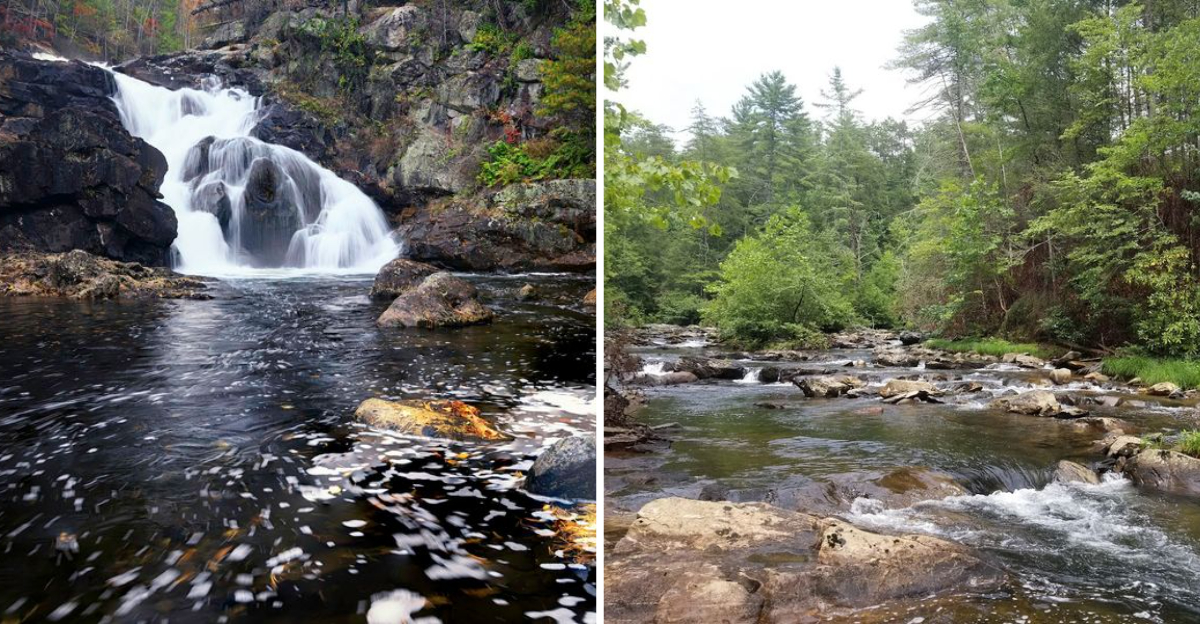
Discover a trail where waterfalls cascade into swimming holes so perfect they seem almost fictional, where lush forest provides constant cooling relief, and where genuine wilderness character rewards patient exploration. Beech Bottom Trail proves that memorable hiking experiences emerge when landscapes deliver multiple rewards simultaneously scenic beauty paired with practical refreshment. This North Georgia gem captures what summer adventures truly mean spaces where genuine escape happens naturally.
Lush forest winds naturally through Cohutta Wilderness, waterfalls cascade into pristine swimming holes inviting genuine relief, scenic surroundings remind hikers constantly why effort matters. Whether seasoned explorers or casual walkers seeking cool dips, visitors discover exactly what they need in terrain accommodating various experience levels. Local appreciation demonstrates genuine quality word-of-mouth recommendations carry weight earned through consistent delivery.
What distinguishes Beech Bottom is how completely it delivers stunning views paired with practical refreshment without requiring extreme difficulty. Discover reasons why this North Georgia trail deserves prominent summer placement, why returning becomes inevitable, and why hiking here transforms ordinary days into genuinely memorable adventures worth revisiting repeatedly throughout seasons.
1. A Waterfall Swimming Hole Worth Every Step
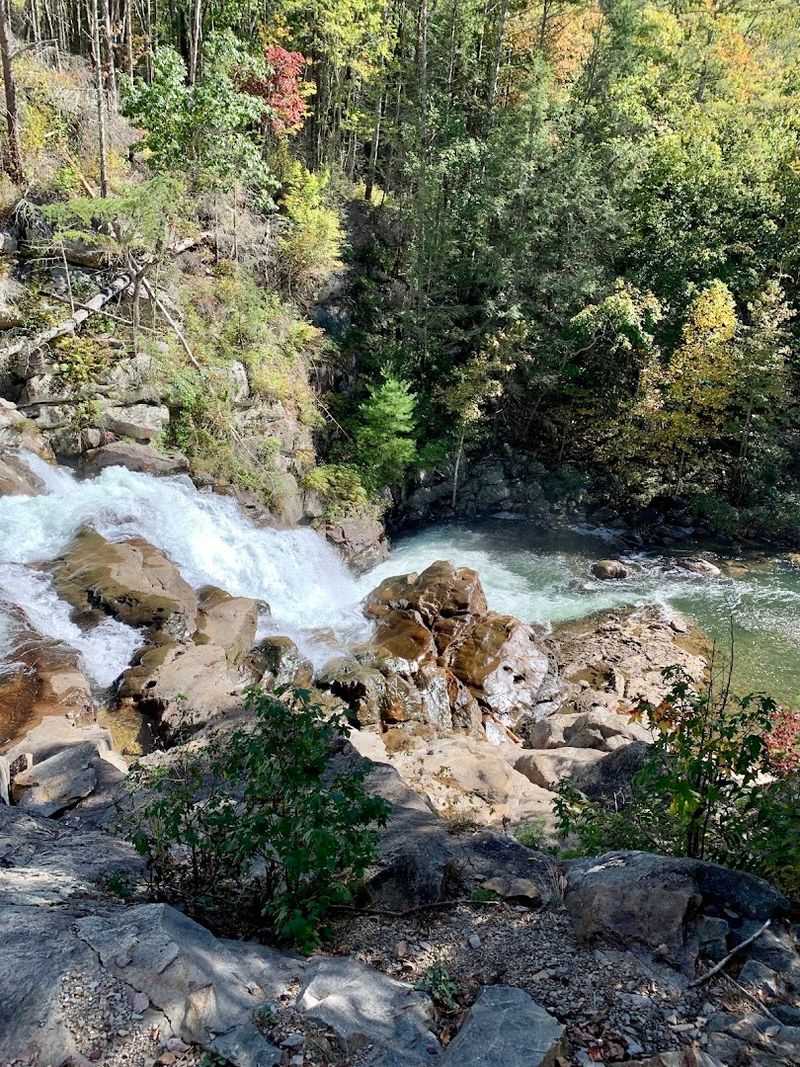
Few rewards feel as satisfying as peeling off your hiking boots and slipping into a natural pool fed by a genuine mountain waterfall. Beech Bottom Trail delivers exactly that kind of moment, and the payoff grows sweeter the longer the summer heat has been building. The water runs cold and clear straight from the mountain, making it feel like nature’s own air conditioning.
The swimming hole near the end of the trail sits beneath a modest but beautiful waterfall that tumbles over smooth rocks into a pool deep enough to actually swim in. Families, solo hikers, and groups of friends all find their way here on warm weekends. Arriving early on a weekday gives you the best chance of having the spot nearly to yourself.
Packing a dry bag with a change of clothes and a snack turns this hike into a full afternoon adventure rather than just a quick walk.
2. Cohutta Wilderness Solitude That Feels Genuinely Wild
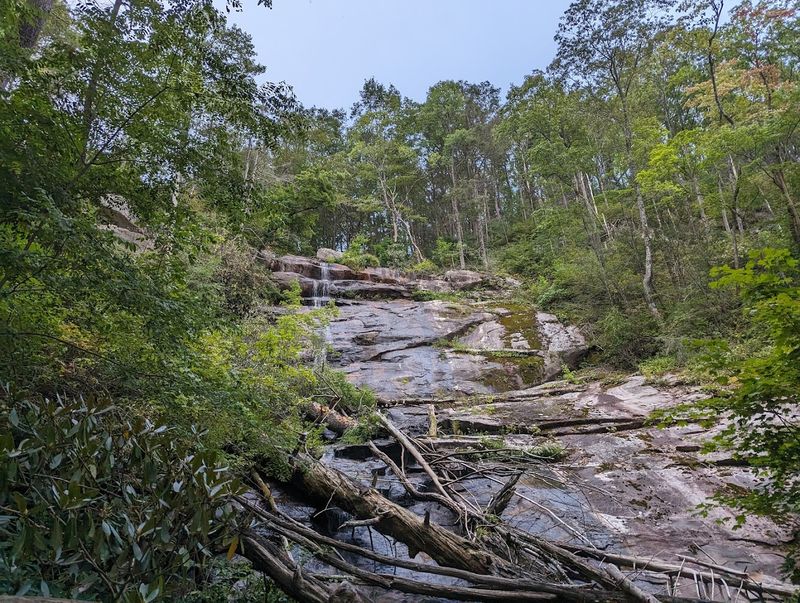
Stepping onto Beech Bottom Trail means stepping into one of Georgia’s most protected wild spaces. The Cohutta Wilderness, part of the Chattahoochee-Oconee National Forests, covers over 36,000 acres of rugged terrain where no motorized vehicles are permitted and the forest gets to simply be itself. That kind of quiet is increasingly rare and surprisingly moving.
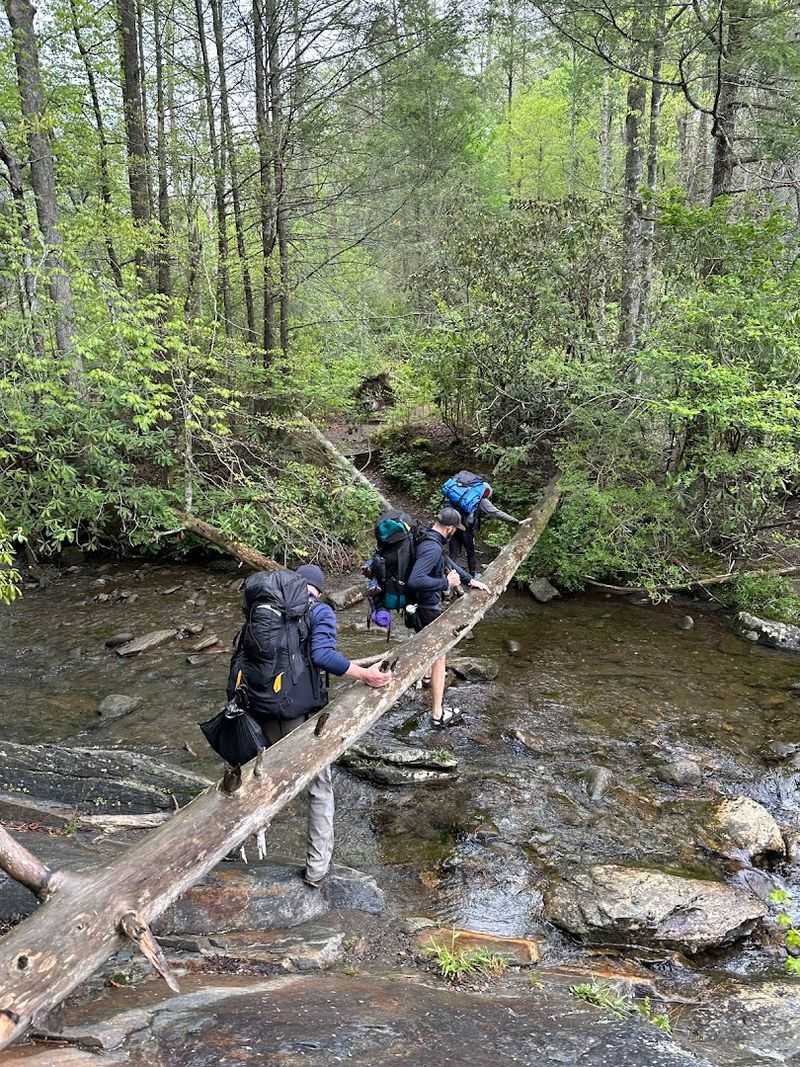
Unlike state park trails that can feel polished and managed, Cohutta trails carry a rawness that reminds you nature operates on its own schedule. Stream crossings may shift after heavy rain, and fallen trees occasionally reframe the path. That unpredictability is part of the appeal for hikers who want something more honest than a paved greenway.
Cell service is minimal to nonexistent for much of the route, which means conversations happen, observations sharpen, and the mental noise of daily life fades faster than expected. A downloaded offline map is a smart move before heading out.
3. Moderate Difficulty That Welcomes A Wide Range Of Hikers
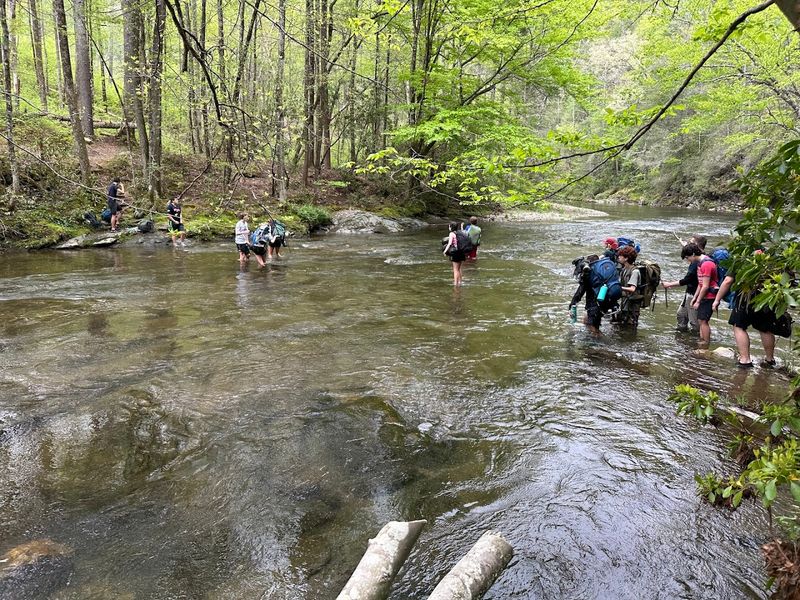
Not every great hike needs to punish your legs to feel worthwhile. Beech Bottom Trail runs approximately 4 miles round trip with elevation changes that are steady but manageable, making it accessible to fit beginners and comfortable for experienced hikers looking for a half-day outing. The footing is mostly packed dirt and rock with some rooted sections that keep you paying attention.
Trekking poles are helpful but not essential. Sturdy trail runners or light hiking boots handle the terrain well, and the grade never becomes aggressively steep for extended stretches. Most reasonably active adults complete the round trip in two to three hours, not counting time spent at the waterfall.
Families with older kids, say ages eight and up, often manage the trail comfortably. Younger children may need assistance on the stream crossings. Checking trail conditions after significant rainfall is always wise, since creek levels can rise quickly in mountain terrain.
4. Stream Crossings That Add A Playful Element To The Hike
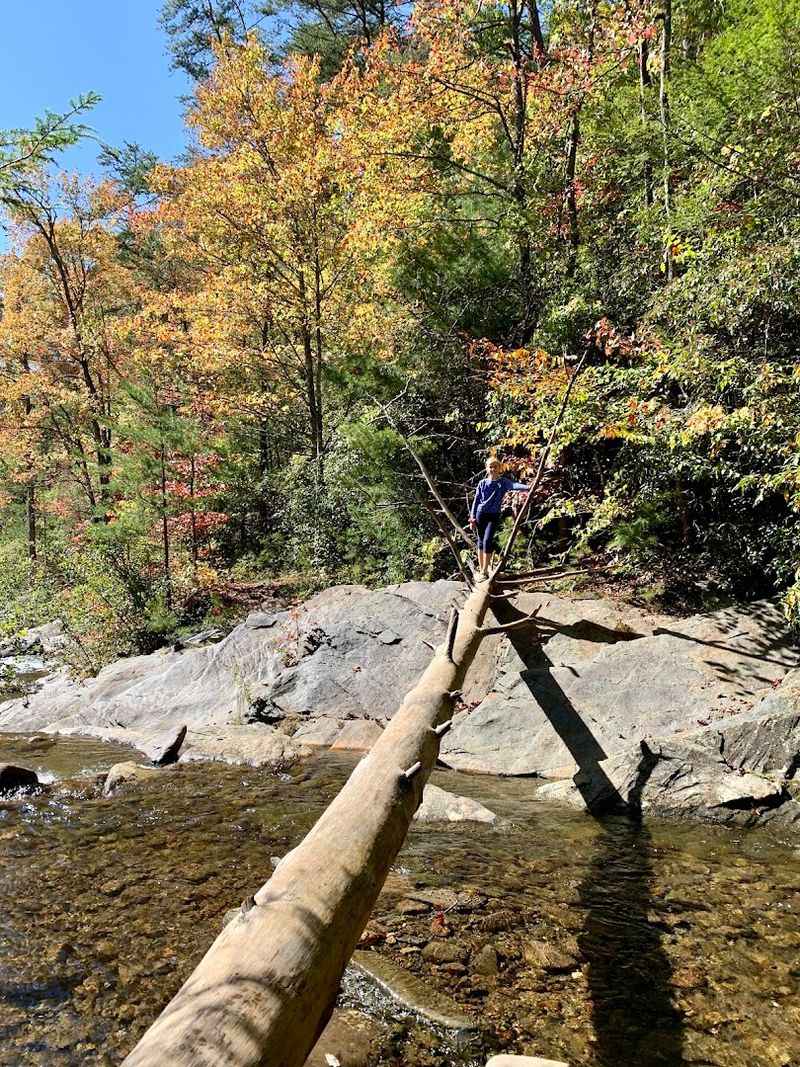
There is something undeniably fun about a trail that asks you to hop across a stream rather than walk over a tidy footbridge. Beech Bottom Trail includes multiple creek crossings along Jacks River and its tributaries, and those crossings become part of the adventure rather than just obstacles to manage. Waterproof trail shoes or sandals with ankle support make the crossings much more enjoyable.
After a dry spell, most crossings are ankle-deep at most and easy to navigate with a little care. Following heavier rain, water levels rise noticeably, and some crossings may require wading rather than rock-hopping. Checking recent trail reports on AllTrails or similar platforms before visiting gives a realistic preview of current conditions.
Kids especially love these sections, and the crossings naturally slow the pace in a good way, encouraging everyone to look down at the water, spot small fish, and notice the way light plays across moving current. Nature shows up in small details here.
5. Old-Growth Beech Trees That Give The Trail Its Name
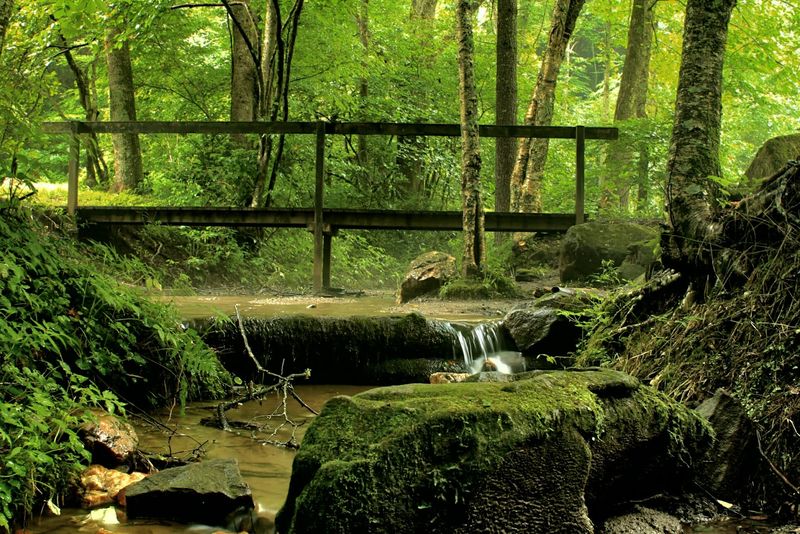
The trail’s name is not decorative. American beech trees genuinely line sections of the path, and their smooth silver-gray bark and broad canopy create a distinct forest atmosphere that feels older and calmer than the surrounding mixed woodland. Beech trees grow slowly and live long, and some specimens along this trail carry the quiet authority of decades of undisturbed growth.
Unlike many tree species, beech bark stays smooth throughout the tree’s life, which gives the forest here an almost architectural quality. Sunlight filters through the canopy differently under beeches, landing softer and more diffused on the forest floor. In autumn, beech leaves turn a warm golden bronze and hold on the branches longer than most other deciduous trees, extending the visual interest well into November.
Even in summer, the beech sections of the trail feel noticeably cooler and more sheltered, offering natural shade that makes the hike far more comfortable during Georgia’s hot months. Worth pausing here.
6. Wildlife Encounters That Remind You Who Lives Here
Beech Bottom Trail passes through habitat that supports a healthy variety of wildlife, and patient, quiet hikers are often rewarded with sightings that feel genuinely lucky. White-tailed deer are commonly spotted near dawn and dusk. Wild turkey, black bear signs, and various songbirds round out the cast of residents in this corner of the Cohutta Wilderness.
Bear encounters are possible in any part of the Cohutta, though attacks are extremely rare when standard precautions are followed. Storing food in a bear canister or hanging it properly, making noise on the trail, and never approaching wildlife are basic practices that keep both hikers and animals safe. Familiarizing yourself with bear safety before the visit is genuinely useful, not just cautionary filler.
Birding along the trail is quietly excellent. The forest supports species like wood thrush, ovenbird, and various warblers during breeding season. Bringing small binoculars adds a completely different dimension to the experience without adding much weight to a daypack.
7. Summer Temperatures That Make The Cold Water Feel Like A Gift
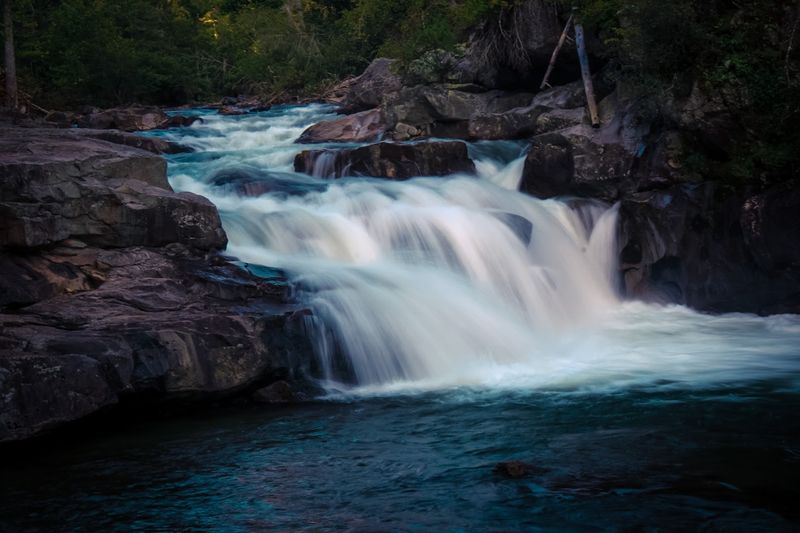
Georgia summers are not subtle. Heat and humidity arrive early and stay late, which makes the cold mountain water at Beech Bottom Trail feel genuinely transformative rather than just refreshing. The creek water originates from higher elevations and stays noticeably cold even in peak summer, providing relief that no air-conditioned restaurant can quite replicate.
Arriving at the swimming hole after a warm two-mile hike sharpens the contrast in the best possible way. The cold hits immediately and completely, and the combination of exertion, heat, and then sudden cold water creates a physical reset that hikers describe as one of the most satisfying sensations in outdoor recreation. It sounds simple because it is.
Sunscreen applied before the hike, a light hat, and moisture-wicking clothing make the walk in much more comfortable. Packing extra water is non-negotiable since the trail does not have any facilities, and hydration affects how much you enjoy the entire outing from start to finish.
8. Photography Opportunities Around Every Bend
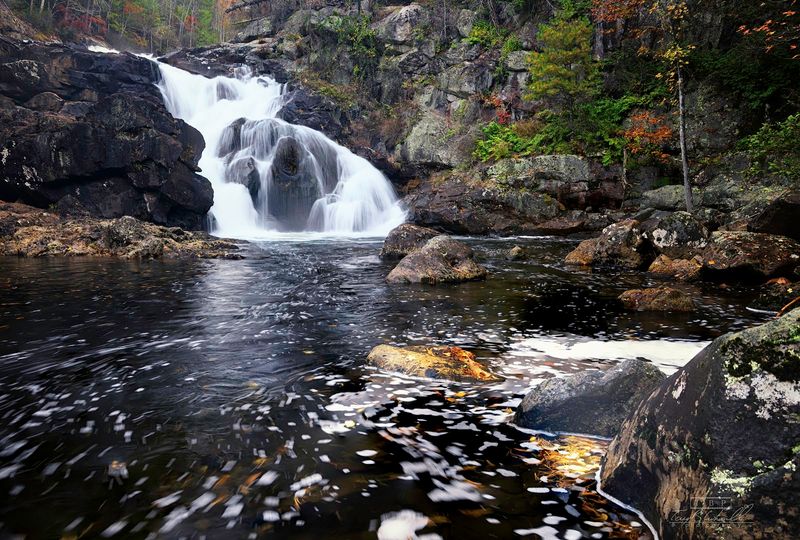
Beech Bottom Trail offers the kind of visual variety that makes photographers forget to check the time. Mossy boulders, root-tangled paths, dappled forest light, rushing creek water, and the waterfall itself all present compelling subjects within a relatively short distance. The trail rewards slowing down and looking carefully rather than racing toward the endpoint.
Morning light filters through the canopy at a low angle in summer, creating warm backlit scenes that photograph beautifully without any filters or editing. The waterfall pool catches light differently depending on time of day, with midday sun occasionally creating dramatic contrast between shadow and bright water. Early morning visits also tend to bring lower foot traffic, which helps with unobstructed compositions.
A waterproof camera case or dry bag for a phone is worth bringing since the stream crossings and swimming hole create obvious splash risks. Wide-angle shots of the forest canopy looking upward at the beech trees produce striking images that capture the scale and serenity of this place.
9. Jacks River Access That Extends Your Adventure
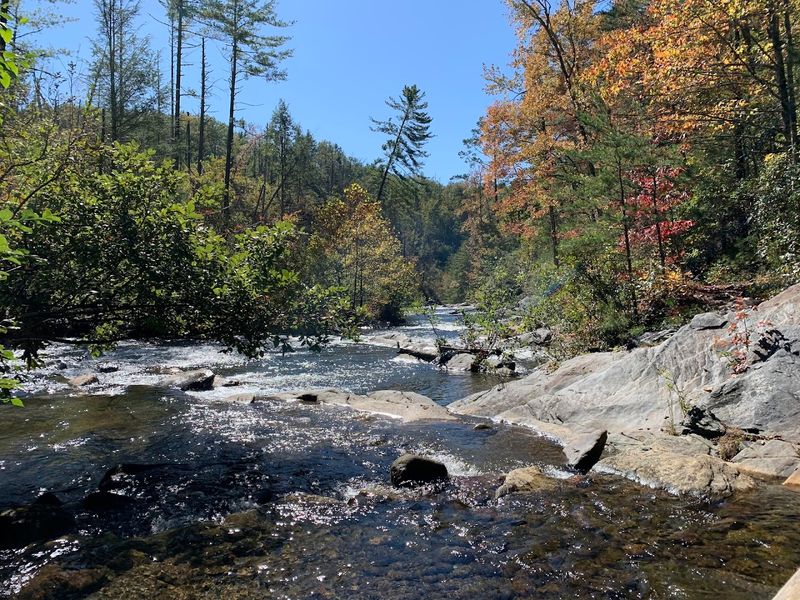
Beech Bottom Trail connects to the broader Jacks River corridor, one of the most celebrated waterways in the Cohutta Wilderness. Jacks River is known for its clarity, its consistent flow, and the scenic valley it carves through the mountains. Hikers who arrive with extra time and energy can explore further along the river and discover additional pools and cascades beyond the main trail destination.
The river also attracts fly fishermen who come for the native brook trout population, which thrives in cold, clean mountain streams like this one. Watching an experienced angler work the current adds an unexpected layer of atmosphere to the visit, like stumbling into a scene from a quieter, slower era of outdoor recreation.
Wading along the shallower river sections is a popular activity for those who want more water time without committing to a longer hike. Water shoes with good grip handle the slippery river rocks far better than bare feet, which is a lesson most people learn the slightly painful way on their first visit.
10. Trailhead Access From Cisco Road That Sets The Scene Early
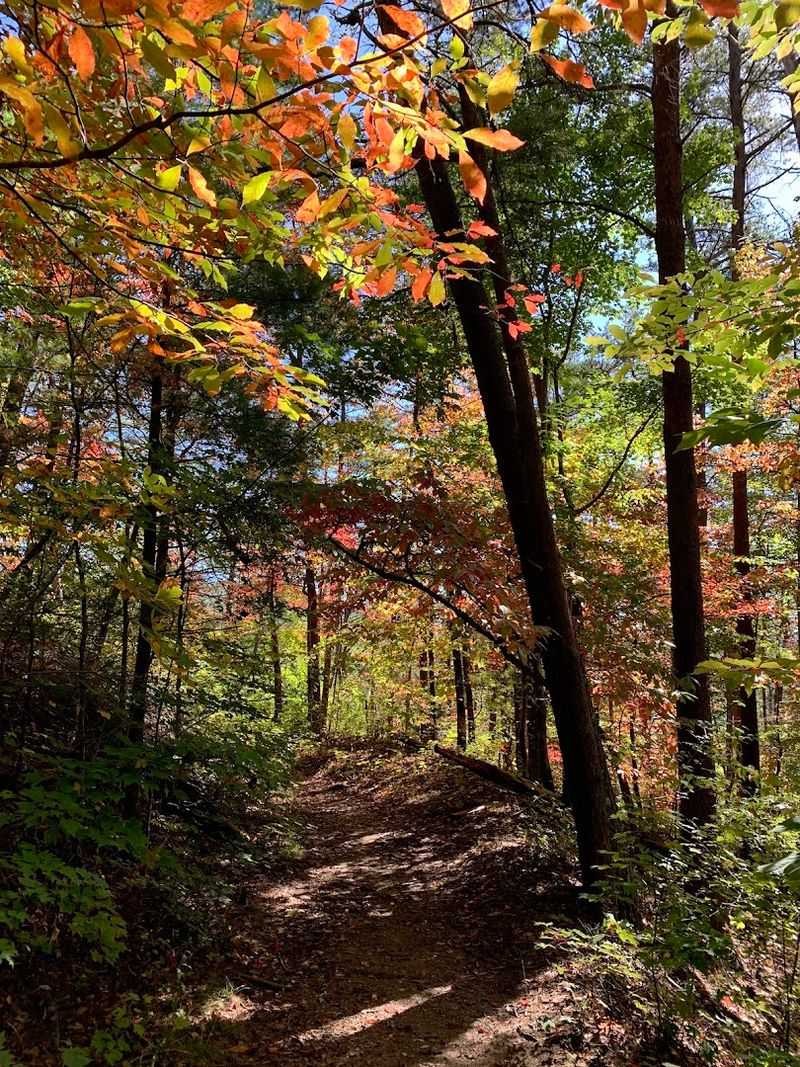
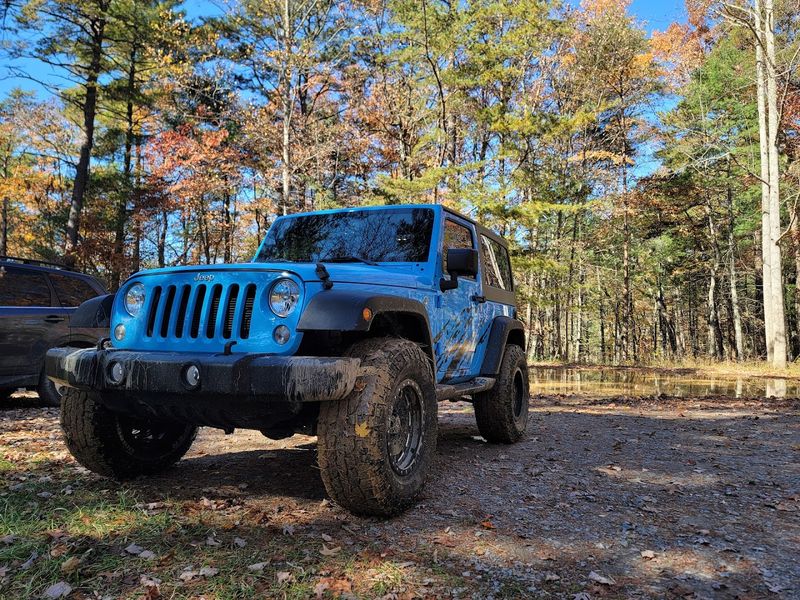
Getting to Beech Bottom Trail is part of the experience. The drive along Cisco Road winds through progressively wilder terrain, transitioning from paved rural roads to gravel forest service roads that signal the shift from everyday life to genuine backcountry. The trailhead sits at the end of Forest Service Road 16, and the approach itself is scenic enough to merit slowing down.
High-clearance vehicles handle the gravel road most comfortably, though standard cars with reasonable ground clearance manage fine in dry conditions. After heavy rain, the road can develop ruts and muddy sections that make a higher vehicle genuinely useful rather than just preferable. Checking recent road conditions with the Cohutta Ranger District before visiting saves potential frustration.
Parking at the trailhead is limited and fills quickly on summer weekends. Arriving before 9 a.m. virtually guarantees a spot and rewards early visitors with cooler temperatures and quieter trail conditions. The morning drive through the forest with windows down is its own small pleasure worth savoring.
11. Fall Foliage Season Transforms The Trail Completely
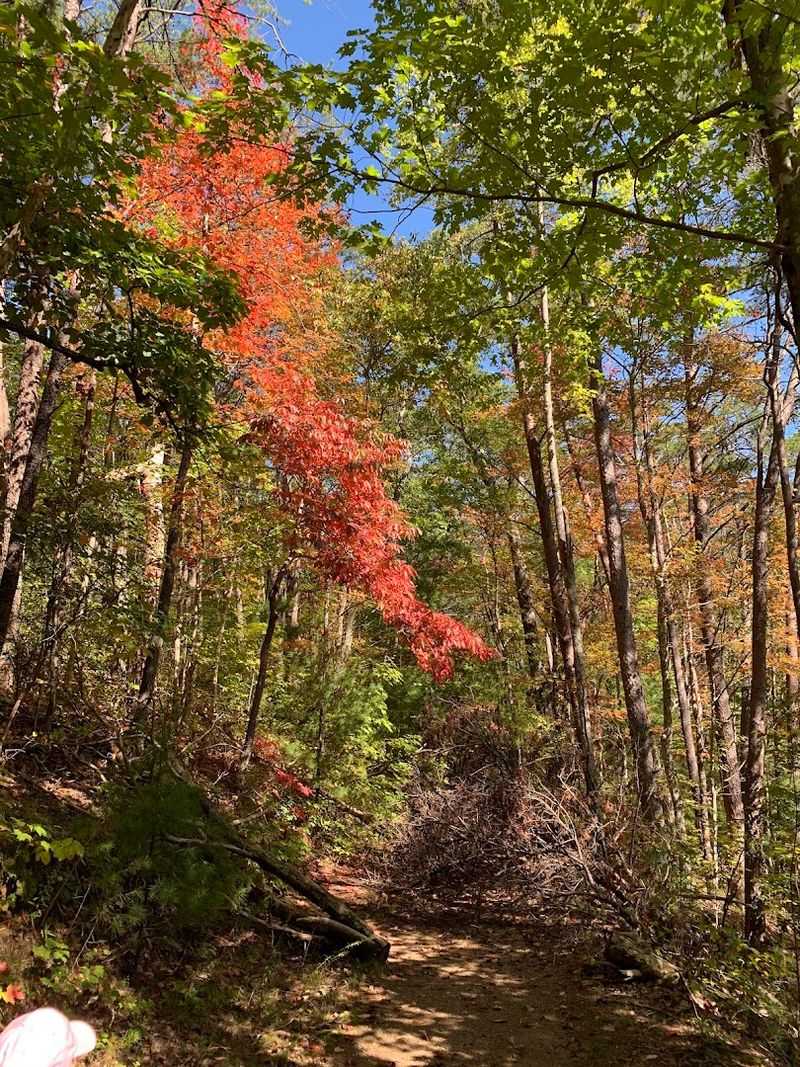
Summer gets most of the attention at Beech Bottom Trail, but the fall season offers a completely different and equally compelling reason to visit. North Georgia’s mountain elevations typically see peak fall color between mid-October and early November, and the beech trees along this trail hold their golden-bronze leaves longer than neighboring species, extending the visual season noticeably.
Cooler temperatures in fall make hiking more comfortable for people who find summer heat discouraging. The swimming hole is far too cold for most visitors by October, but the creek crossings and river access remain appealing for wading. The forest smells different in autumn too, earthier and more complex, with decomposing leaves adding a richness to the air that summer’s green canopy cannot replicate.
Weekday fall visits tend to be quieter than summer weekends, which is a pleasant shift. Trail conditions may include wet leaves that make roots and rocks slippery, so footwear with reliable grip becomes more important as the season progresses into November.
12. No Entry Fee Makes It Accessible For Everyone
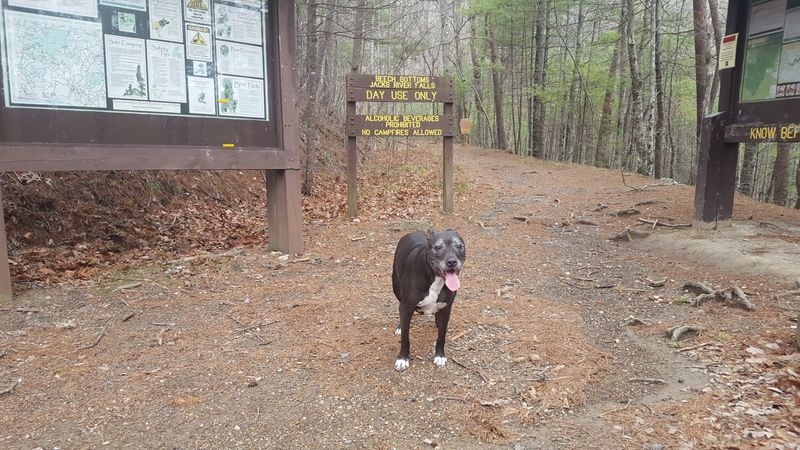
One of the most practical reasons to love Beech Bottom Trail is the complete absence of entry fees or parking charges. As a trail within the Chattahoochee-Oconee National Forests, access is free for all visitors, which removes one of the common barriers that keeps people from exploring public lands more frequently. A valid America the Beautiful pass is helpful for other national forest sites but not required here.
Free access does not mean low quality. The trail is maintained, the forest is protected, and the experience holds up against paid attractions that cost considerably more. For families trying to stretch a summer budget, a free mountain hike with a swimming hole is genuinely hard to beat as a full-day activity.
Leave No Trace principles apply regardless of the price tag. Packing out all trash, staying on the marked trail, and respecting wildlife ensures the trail remains beautiful and accessible for future visitors. The best free things only stay free when people treat them with care and consideration.
13. Spring Wildflowers That Carpet The Forest Floor
Spring arrives early and enthusiastically in the Cohutta Wilderness, and Beech Bottom Trail becomes a wildflower corridor between March and May that rewards visitors who time their hike right. Trillium, wild ginger, bloodroot, and various violets emerge along the forest floor before the canopy leafs out fully, taking advantage of the brief window of direct sunlight reaching the ground.
The combination of moisture from the creek and the rich forest soil creates ideal conditions for spring ephemerals, plants that bloom quickly and then disappear as summer shade deepens. Catching them in peak bloom requires a bit of timing luck, but even a partially bloomed spring visit carries an energy and freshness that summer and fall cannot replicate.
Spring also brings higher water flow to the creek and waterfall, making the swimming hole more dramatic and the stream crossings more challenging. Water temperatures remain quite cold through May, but wading and splashing are still popular even when full swimming feels ambitious. The scenery more than compensates.
14. Camping Options That Turn A Day Hike Into An Overnight Escape
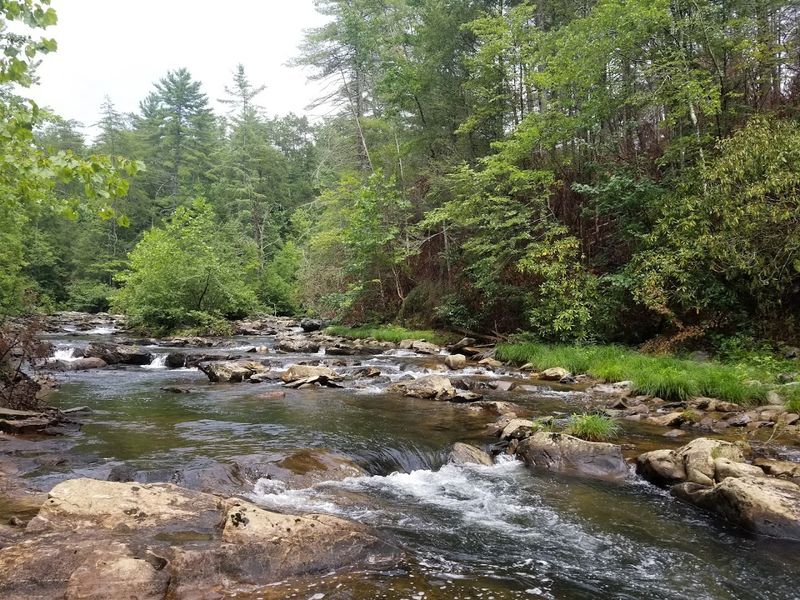
Beech Bottom Trail connects to a wider network of backcountry routes that make overnight camping genuinely appealing for those wanting more than a day visit. Dispersed camping is permitted in the Cohutta Wilderness, meaning hikers can set up camp in designated areas without reservations or fees, provided they follow Leave No Trace guidelines and camp at least 50 feet from water sources.
Spending the night near Jacks River means waking up to birdsong, cold creek water, and complete forest stillness before day hikers arrive. That early morning quiet in a wilderness setting carries a quality that is genuinely difficult to find anywhere else within a few hours of Atlanta. Sunset arrives gradually through the trees, and the stars overhead on a clear night are notably more vivid than anything visible from a city or suburb.
A bear canister is strongly recommended for food storage. Lightweight backpacking gear keeps the approach manageable, and arriving with a well-tested setup makes the overnight experience comfortable rather than stressful.
15. Close Enough To Atlanta For A Weekend Without A Long Drive
Distance matters when planning a summer adventure, and Beech Bottom Trail sits in a sweet spot for Atlanta-area residents. The drive from Atlanta to the Cohutta Wilderness trailhead runs approximately two hours under normal traffic conditions, making it entirely realistic as a Saturday morning departure with plenty of trail time before afternoon heat peaks.
The drive itself passes through Dalton and then into the mountain foothills, with scenery improving steadily as elevation increases. Stopping in the small town of Chatsworth for fuel and snacks before turning onto the forest roads is a practical and pleasant habit. Murray County’s rural character along the approach feels like a genuine transition from urban life rather than just a gap between highway exits.
Returning to Atlanta the same day is comfortable, leaving time for a meal and a shower before the evening. For those who want more, nearby campgrounds and the backcountry options along the trail make extending the trip into a full weekend straightforward and genuinely worthwhile.