This Georgia Home Is Where Coca-Cola’s Story Quietly Began
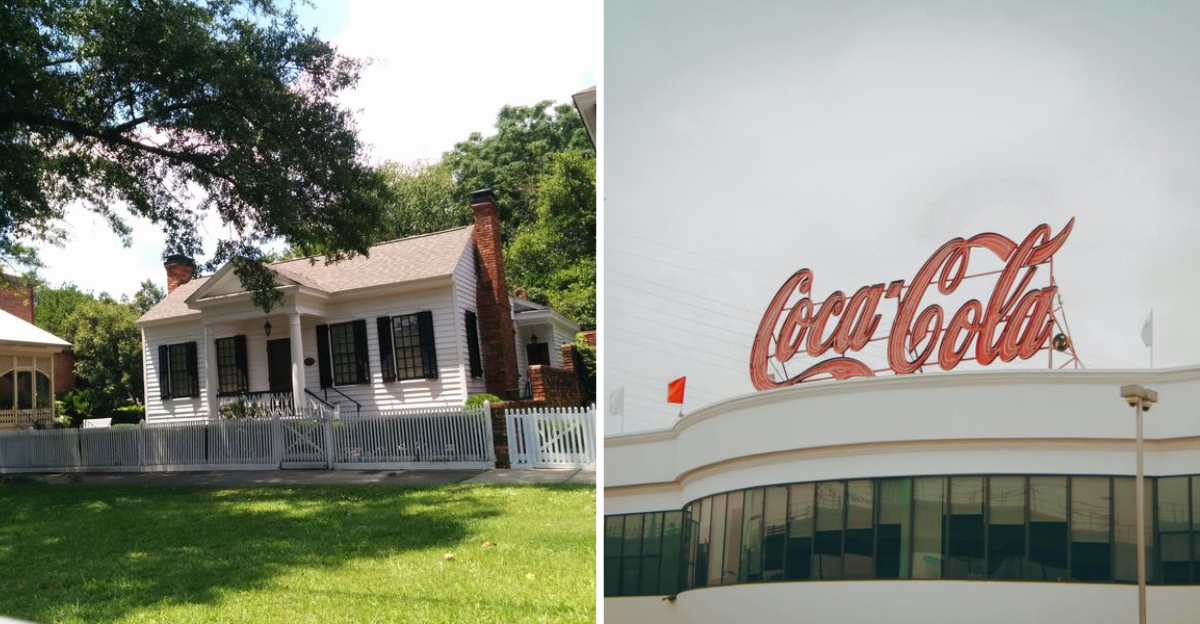
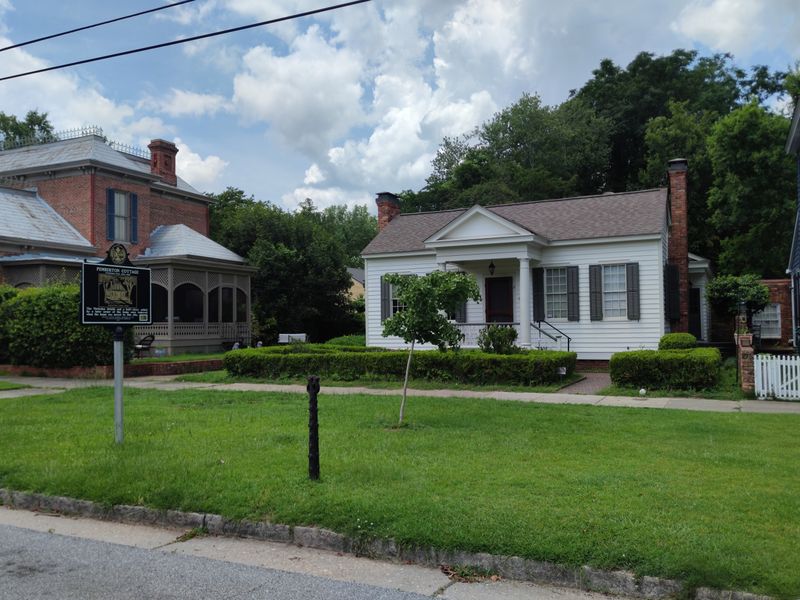
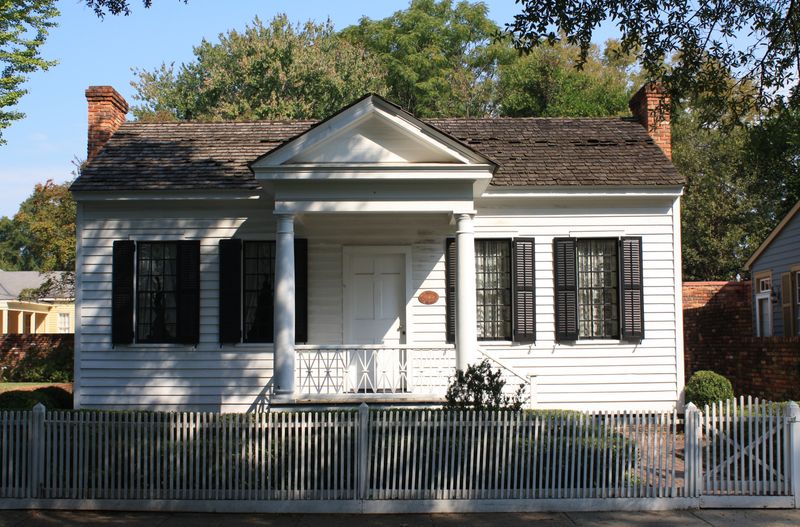
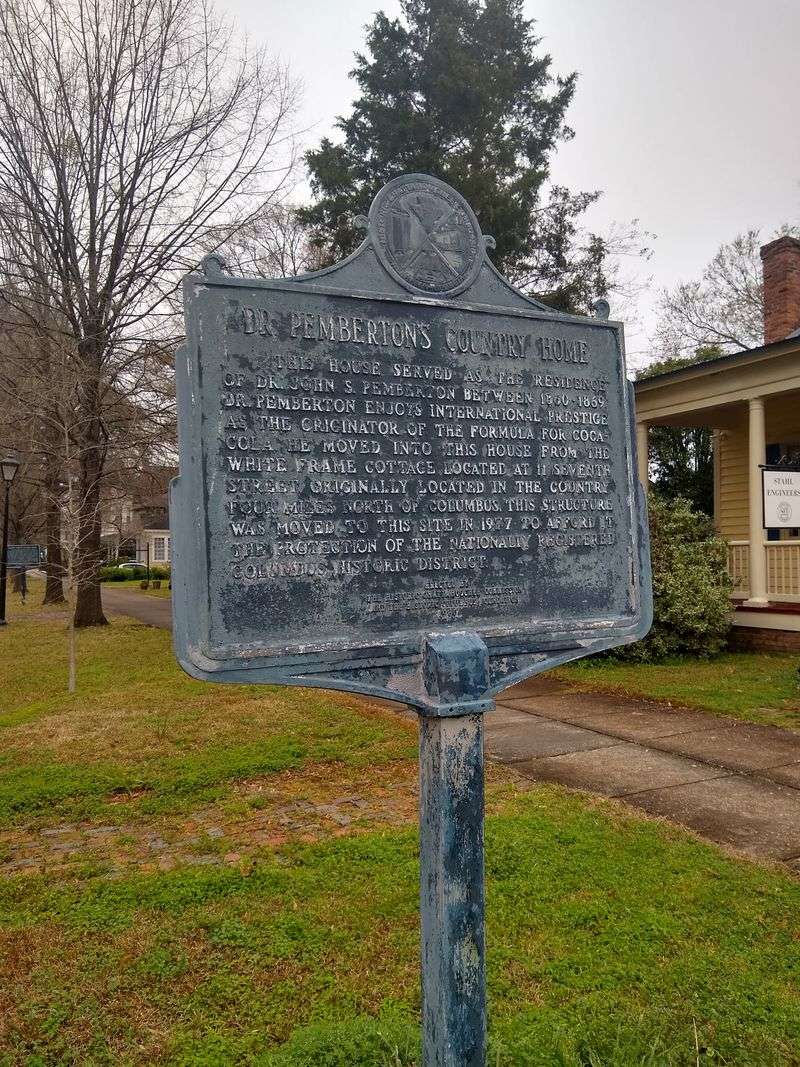
Few people realize that one of the world’s most famous beverages was born in a quiet Georgia home, far removed from global fame and modern branding. In Columbus, Georgia, Dr. John Pemberton first created Coca-Cola, and the house where he lived holds stories that many visitors never hear. Located at 11 7th Street, this modest home offers a fascinating glimpse into the early life and work of the man behind the iconic drink.
Inside its history are moments of experimentation, ambition, and persistence that helped shape an idea long before it became a worldwide phenomenon. Most people know the brand, but very few understand the personal journey that started here. Exploring the story of the Pemberton House adds depth to Coca-Cola’s origins and reveals how innovation can begin in the most unassuming places.
These hidden details will change the way you think about one of America’s most recognizable creations.
1. Dr. Pemberton’s Original Laboratory Setup
Walking into the space where Coca-Cola was born feels like stepping back in time. Dr. John Pemberton set up his laboratory in his Columbus home with shelves of glass bottles and experimental compounds that would change beverage history forever. You can still sense the innovative spirit that filled this room in the 1880s.
His workspace contained basic pharmaceutical equipment typical of that era. Mortars, pestles, and measuring tools lined the wooden counters where he mixed ingredients. The laboratory reflected his background as a trained pharmacist and Confederate veteran.
Pemberton spent countless hours here perfecting his formulas. He believed in creating medicinal remedies that could help people feel better. His dedication to experimentation eventually led to the syrup that became Coca-Cola, though he never imagined its global success.
2. The Secret Recipe Book That Started Everything
Pemberton kept detailed notebooks of every formula he created. These leather-bound journals contained hundreds of recipes for various tonics, elixirs, and medicinal compounds. His meticulous record-keeping habits proved essential when he finally developed his famous beverage.
Each page showed careful calculations and ingredient lists written in elegant script. He documented successes and failures with equal attention to detail. This scientific approach helped him refine his creations until they met his exacting standards.
The original Coca-Cola formula appeared in one of these journals in 1886. Pemberton noted specific measurements and mixing instructions that would become one of the most guarded secrets in business history. His handwritten notes represent the birth certificate of an American icon.
3. From Medicine to Refreshment: The Unexpected Shift
Pemberton never intended to create a soft drink sensation. His original formula served as a medicinal tonic meant to cure headaches and calm nerves. People in the 1880s regularly purchased such remedies from pharmacists for various ailments.
The transformation happened almost by accident at Jacob’s Pharmacy in Atlanta. A customer requested the syrup mixed with carbonated water instead of plain water. This simple change created the refreshing beverage we recognize today.
Pemberton quickly realized the commercial potential of this fizzy version. He began marketing it as a delicious and refreshing drink rather than just medicine. This pivot changed everything about how the product was sold and consumed, setting the stage for its worldwide popularity.
4. The Columbus Connection Nobody Talks About
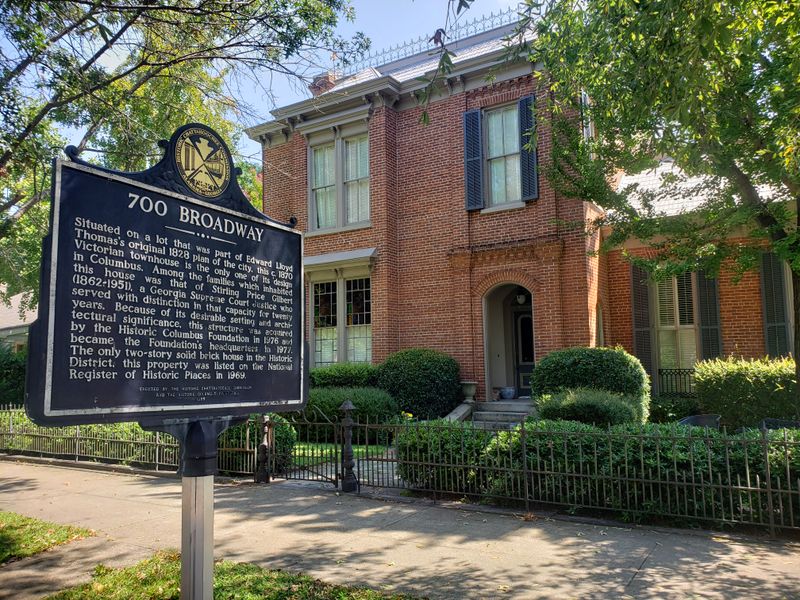
Most people associate Coca-Cola exclusively with Atlanta, but Columbus played a crucial role. Pemberton lived and worked in Columbus before moving to Atlanta, and his early experiments happened in his Columbus home. This Georgia city deserves recognition for nurturing the beverage’s creation.
Columbus provided Pemberton with a supportive community of fellow pharmacists and businesspeople. The city’s thriving economy in the 1880s gave him resources to pursue his pharmaceutical experiments. Local connections helped him refine his ideas before taking them to the bigger Atlanta market.
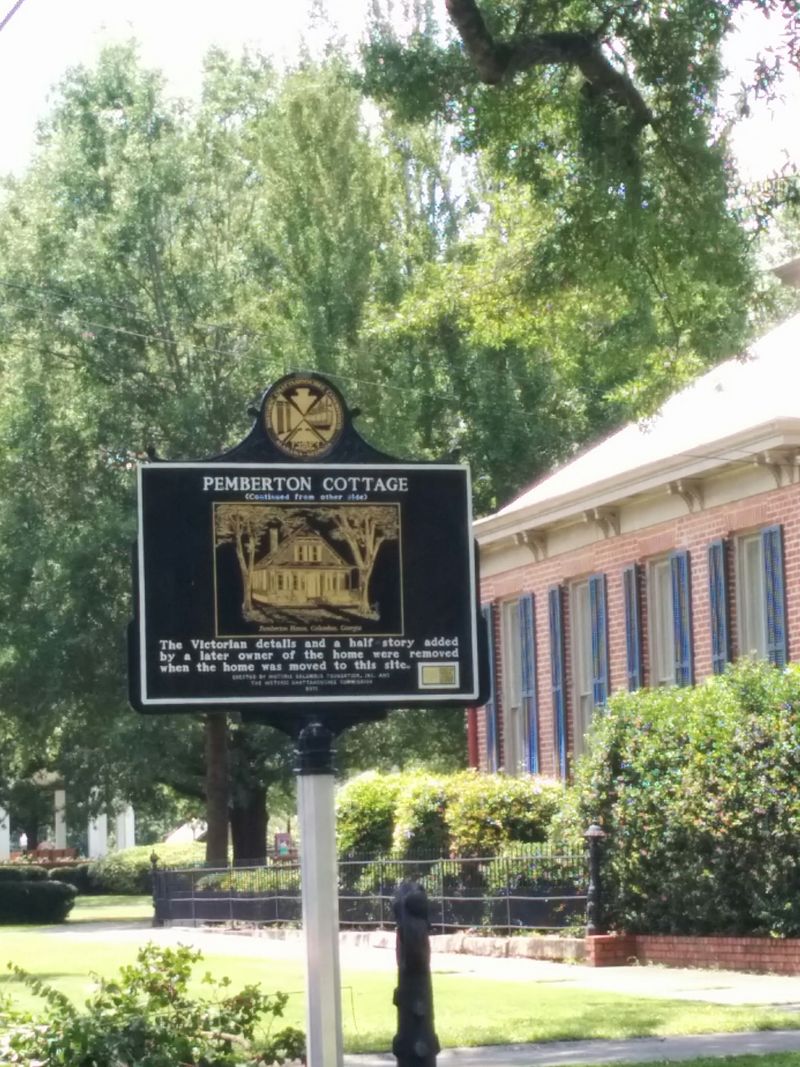
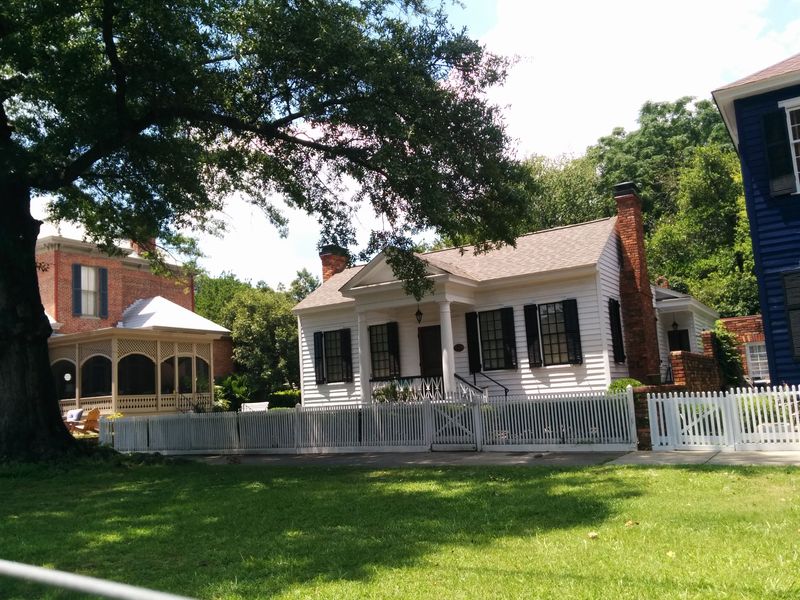
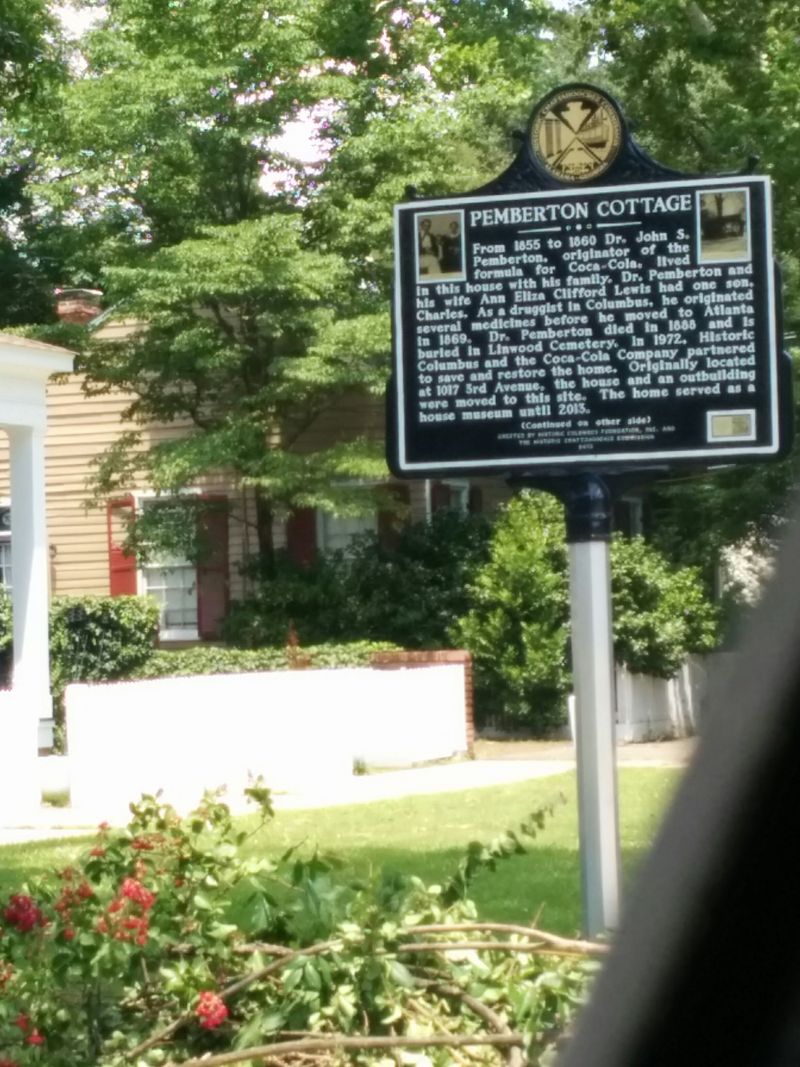
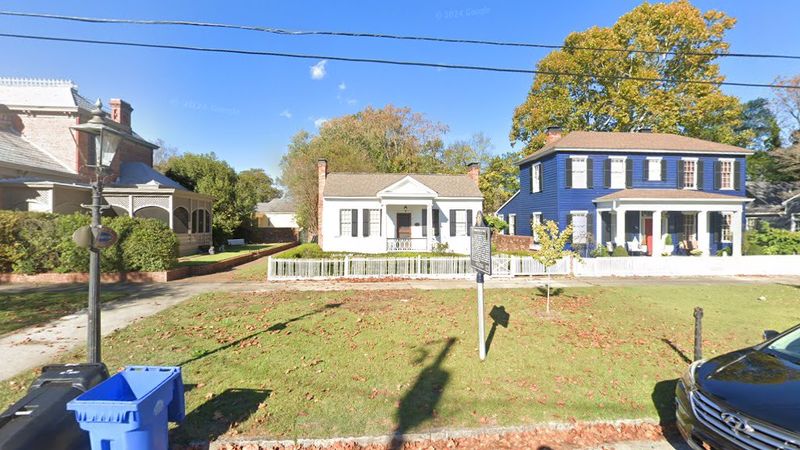
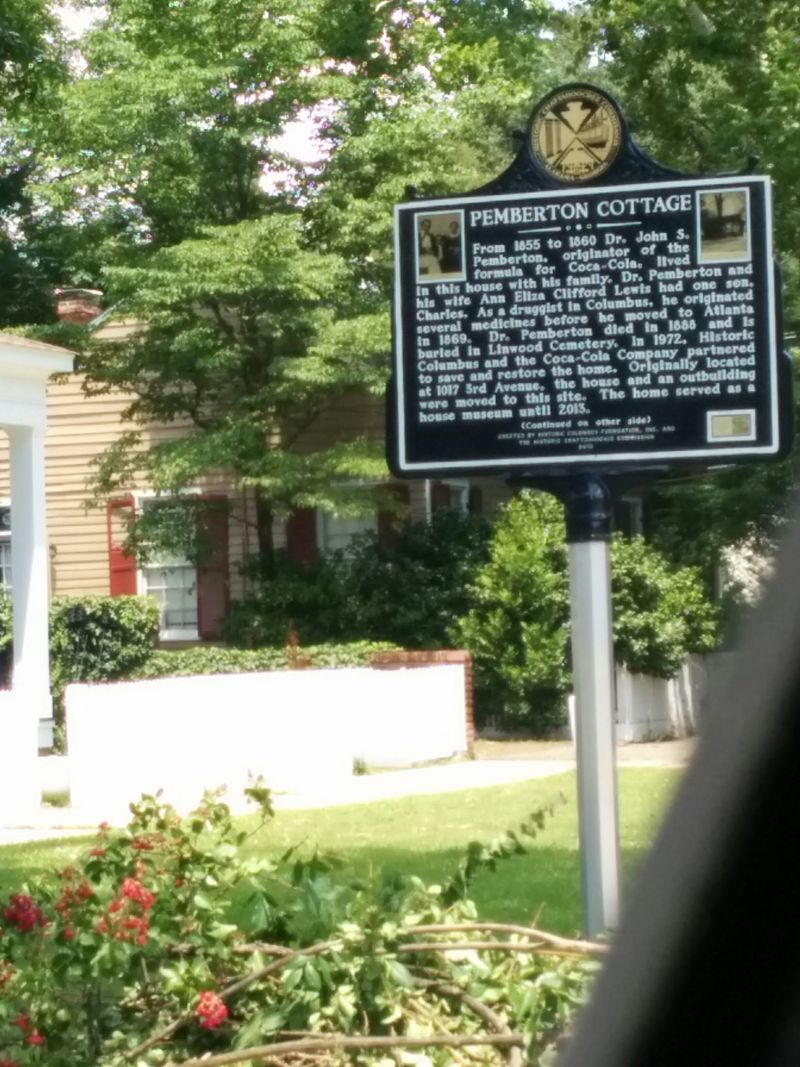
The Pemberton House in Columbus stands as a testament to this overlooked history. Visitors who make the trip discover a quieter, more intimate side of the Coca-Cola story. This home represents where innovation met opportunity in unexpected ways.
5. Pemberton’s Civil War Injuries Influenced His Work
Dr. Pemberton served as a Confederate cavalry officer during the Civil War. He sustained serious wounds during the Battle of Columbus in 1865, leaving him with chronic pain that lasted the rest of his life. These injuries profoundly shaped his pharmaceutical career.
His personal suffering drove him to create effective pain remedies. Pemberton understood firsthand what patients experienced when dealing with constant discomfort. This empathy made him determined to develop better medicinal solutions than what existed at the time.
Many historians believe his quest for pain relief directly influenced Coca-Cola’s creation. The original formula contained ingredients thought to ease headaches and nervous tension. His own medical needs became the catalyst for innovation that eventually produced a global phenomenon.
6. The Original Kola Nut Source
Pemberton sourced kola nuts from West Africa for his formula. These nuts contained natural caffeine and were already used in traditional African medicine for centuries. He recognized their stimulating properties could enhance his beverage.
Getting kola nuts to Georgia in the 1880s required complex international trade networks. Ships brought them across the Atlantic to American ports. The exotic ingredient added both functional benefits and marketing appeal to his creation.
The kola nut gave Coca-Cola its name and distinctive character. Pemberton combined it with coca leaf extract to create a unique flavor profile. This pairing of ingredients from different continents represented innovative thinking that set his drink apart from competitors.
7. Why Pemberton Never Became Wealthy
Pemberton died in 1888, just two years after creating Coca-Cola. His declining health and mounting debts forced him to sell portions of his company before the beverage achieved massive success. He never witnessed or profited from the empire his formula would build.
Financial pressures overwhelmed him during his final years. Medical bills from his ongoing health problems consumed his resources. He sold his remaining stake in Coca-Cola for a fraction of what it would soon be worth.
Asa Candler eventually purchased complete control of the formula and brand. Candler’s business acumen transformed Coca-Cola into a household name and generated enormous wealth. Pemberton’s family received almost nothing from the billions of dollars his invention would eventually create, a tragic irony of American business history.
8. The Pemberton House Architecture Tells a Story
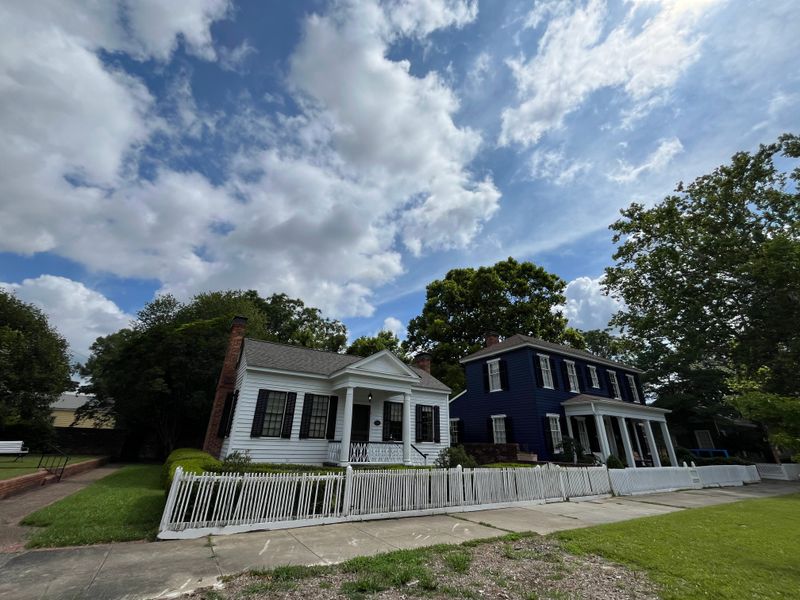
The house itself reflects typical upper-middle-class Southern architecture of its era. Victorian design elements combined with practical features suited to Georgia’s climate. Wide porches and high ceilings helped residents stay cool during hot summers.
Pemberton chose this home because it provided adequate space for his laboratory. The layout allowed him to separate his work area from family living spaces. This arrangement was common for professionals who operated businesses from their residences.
Architectural details reveal the social status Pemberton achieved as a respected pharmacist. Quality woodwork, decorative moldings, and carefully planned rooms demonstrated prosperity and taste. The house represented the American dream of the post-Civil War South, where hard work could rebuild fortunes lost during the conflict.
9. The Coca Leaf Controversy
Pemberton’s original formula included extract from coca leaves, the same plant used to make cocaine. This wasn’t controversial in the 1880s when many medicines contained cocaine as a common ingredient. Society viewed it differently than we do today.
Doctors prescribed cocaine-containing products for various ailments without recognizing addiction risks. Pemberton believed the coca extract provided legitimate therapeutic benefits. His medical training and the era’s pharmaceutical standards made this inclusion seem perfectly reasonable.
The formula changed in the early 1900s as attitudes shifted. Coca-Cola removed the cocaine-containing compounds while retaining other coca leaf components for flavor. This transition reflects evolving medical knowledge and changing social standards around drug use in America.
10. Pemberton’s Other Forgotten Inventions
Coca-Cola wasn’t Pemberton’s only creation, though it became his most famous. He developed numerous other tonics, hair dyes, and medicinal compounds throughout his career. French Wine Coca was one of his earlier successful products before Coca-Cola.
His portfolio included remedies for everything from liver problems to hair loss. Each formula represented hours of experimentation and refinement. Pemberton enjoyed a solid reputation among fellow pharmacists for his innovative approaches.
Many of these products sold well in their time but faded into obscurity. Only Coca-Cola survived and thrived beyond his lifetime. His other inventions remind us that success often comes from many attempts, not just one lucky break.
11. The Role of Pemberton’s Business Partners
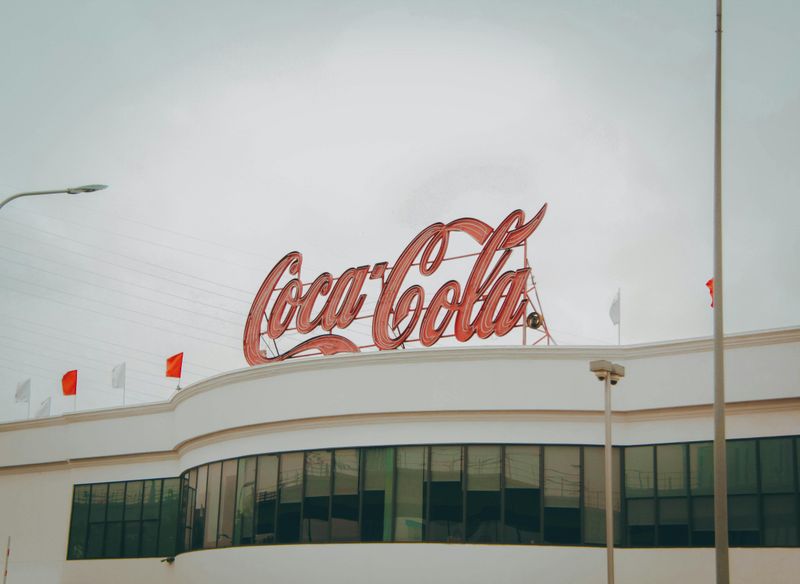
Pemberton couldn’t have launched Coca-Cola alone despite creating the formula. Business partners like Frank Robinson provided essential marketing expertise and financial backing. Robinson actually designed the distinctive Coca-Cola script logo still used today.
Robinson’s contributions extended beyond graphic design to advertising strategy. He understood how to position products in the marketplace. His skills complemented Pemberton’s pharmaceutical knowledge perfectly.
Other partners helped with distribution and production scaling. Each person brought different strengths to the enterprise. Pemberton’s genius lay partly in recognizing he needed collaborators to transform his laboratory creation into a commercial success, even though he didn’t live to see the full results.
12. How the Formula Was Nearly Lost
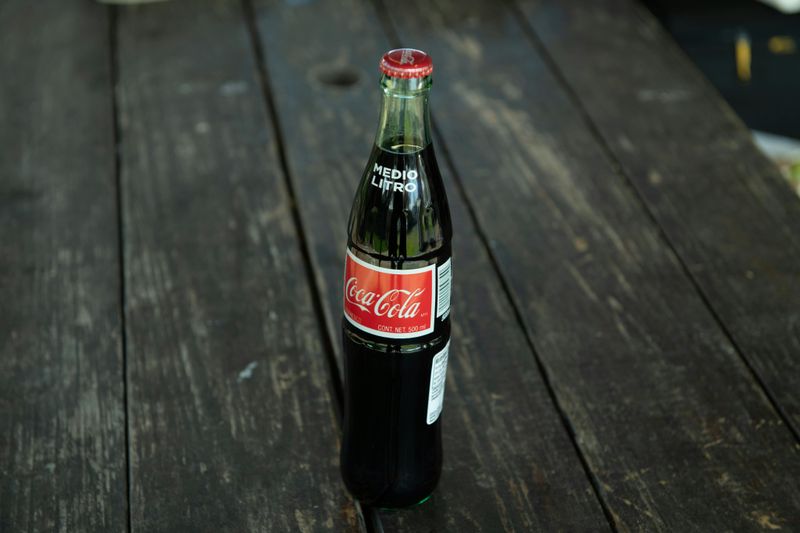
Pemberton’s deteriorating health in 1887-1888 created chaos around his business affairs. Multiple people claimed ownership of different portions of the Coca-Cola rights. Legal disputes threatened to destroy the brand before it could grow.
Documents containing the exact formula could have easily disappeared during this confusion. No formal patent protected the recipe, making verbal agreements and handwritten notes the only records. The transition period after Pemberton’s death was precarious.
Asa Candler’s determination to consolidate all rights saved the formula from obscurity. He tracked down every stakeholder and purchased their claims. His systematic approach preserved what Pemberton created and allowed the beverage to continue production without interruption.
13. Pemberton’s Educational Background
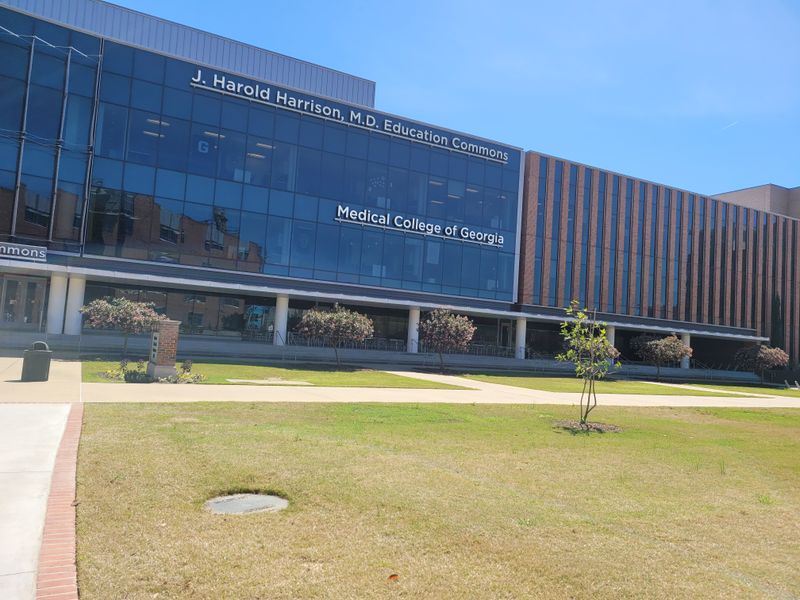
Pemberton attended the Reform Medical College of Georgia in the 1850s. This institution trained pharmacists and doctors using methods considered progressive for that era. His education gave him the scientific foundation needed for his later experiments.
Medical training in the 19th century differed dramatically from today’s standards. Students learned through apprenticeships and limited classroom instruction. Pemberton absorbed both traditional remedies and emerging pharmaceutical techniques.
His background in botany proved especially valuable for beverage creation. Understanding plant properties helped him select and combine ingredients effectively. The education he received, though basic by modern standards, equipped him perfectly for the innovation that would define his legacy.
14. The Pemberton Family Legacy
Pemberton’s wife Ann Eliza and son Charles witnessed the creation of Coca-Cola firsthand. They lived in the house where experiments took place and supported his work through difficult times. Family life intertwined completely with his professional pursuits.
Charles later tried to claim rights to his father’s formula without success. The legal complications from his father’s business dealings left the family with little financial benefit. This created lasting bitterness about how others profited from Pemberton’s genius.
The family’s story adds a human dimension to corporate history. Behind the global brand stood real people with hopes and struggles. Their experience reminds us that innovation often comes with personal costs that balance sheets never capture.
15. Visiting the Pemberton House Today
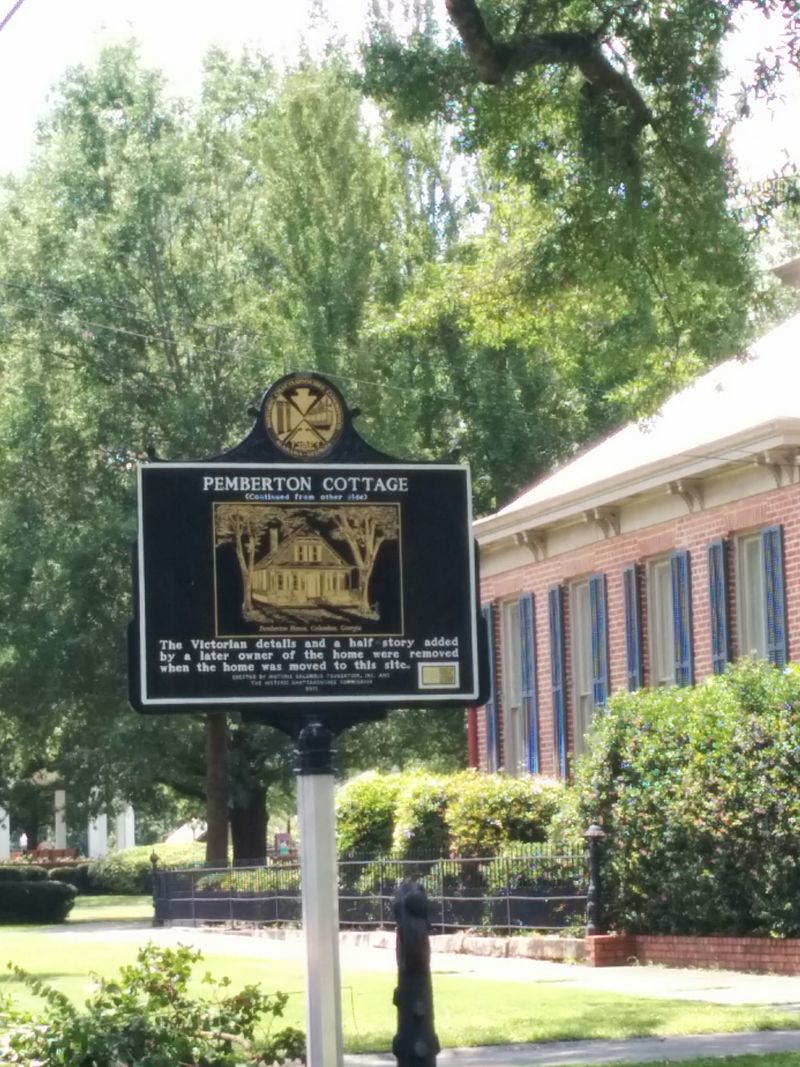
The Pemberton House operates as a historic site that welcomes curious visitors. You can explore rooms where Coca-Cola’s inventor lived and worked, getting an intimate look at his world. The experience connects you directly to one of America’s most significant business stories.
Guided tours provide context that brings the 1880s to life. Knowledgeable staff share details about Pemberton’s methods and the era’s culture. You’ll understand how different life was when this famous beverage was born.
Planning a visit offers a unique alternative to typical tourist destinations. The house isn’t as crowded as Atlanta’s World of Coca-Cola museum, giving you more time to absorb the history. I recommend calling ahead to confirm hours and tour availability for the best experience.