Georgia Is Home To America’s Largest Public Food Forest Where You Can Pick Fresh Food For Free
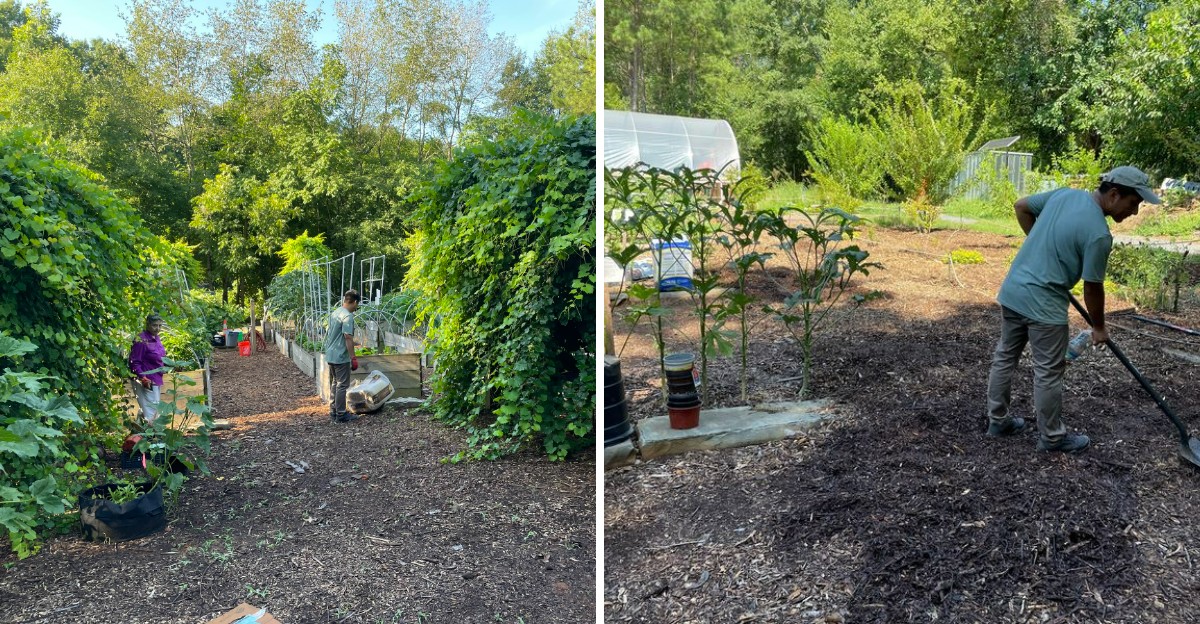
A city in Georgia owns 7.1 acres of fruit, nuts, herbs, and mushrooms, and you can pick them for free. No ticket booth.
No checkout line. Just a friendly rule to take only what you need.
The land used to be a working pecan farm. Those old pecan trees still stand, and wild blackberries and muscadine vines grow nearby.
Newer trees are expected to give figs, plums, pears, cherries, and native pawpaws.
I love that a neighborhood once labeled a food desert now has a forest you can snack from. It feels like a park and a pantry rolled into one.
Families, students, and volunteers all have a place here.
America’s Biggest Free Snack Spot Lives In Southeast Atlanta
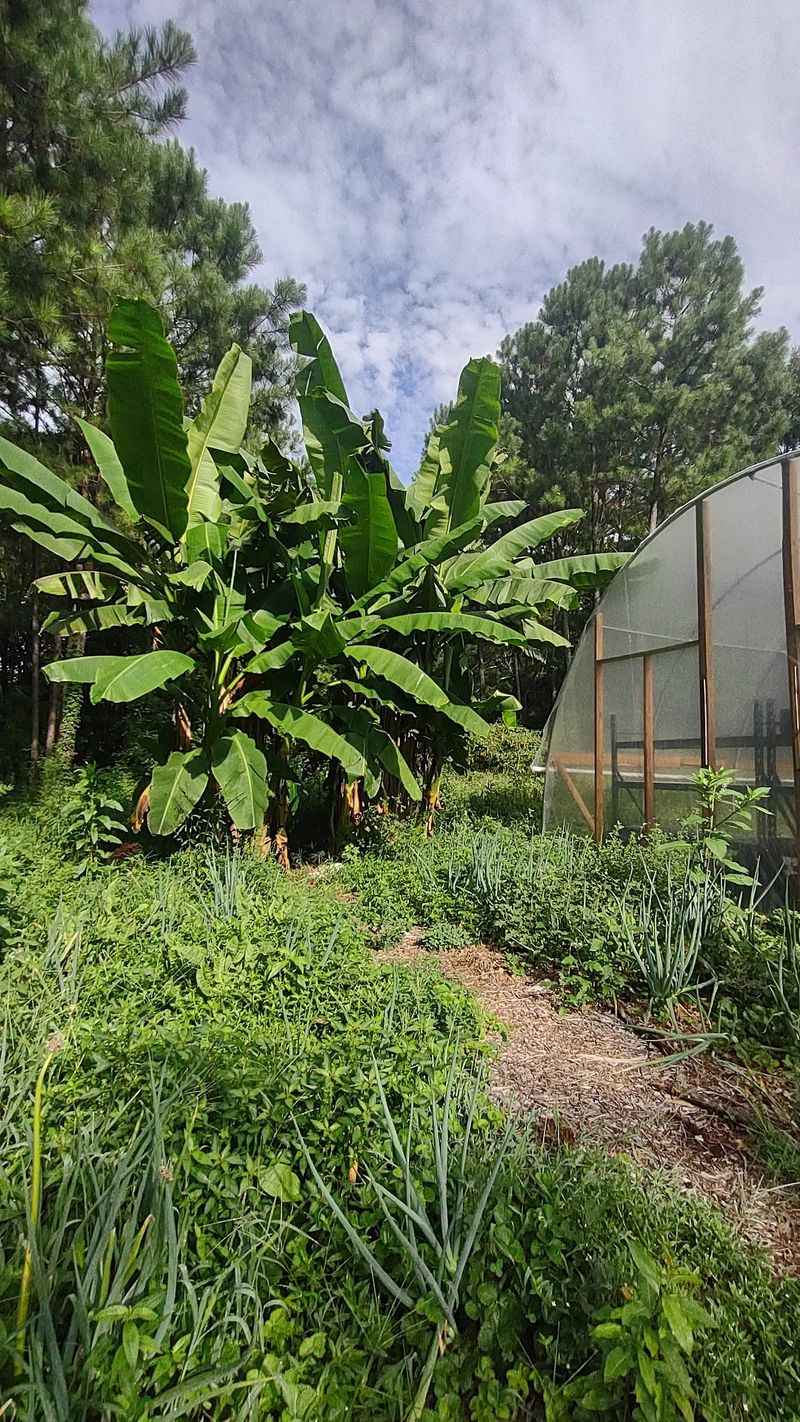
Most parks ask you to look but never touch. The Urban Food Forest at Browns Mill flips that rule and invites you to pick.
Spread across 7.1 acres, it’s recognized as the largest public food forest in the United States. It’s also Atlanta’s first food forest owned and managed by the city itself.
So what exactly is a food forest? Think of a regular forest, but nearly everything in it is planned to feed people.
Fruit trees, nut trees, shrubs, herbs, and vines grow in layers, just like they would in the wild.
About 2,500 edible and medicinal plants call this place home. That’s a lot of snacks for one neighborhood park.
The best part is the price tag, which doesn’t exist. Visitors can harvest designated produce for free, following the food forest’s community harvesting guidelines.
That one idea makes the Urban Food Forest at Browns Mill different from almost any green space you’ve visited. It’s a park, a garden, and a classroom wrapped into one leafy package.
Georgia has plenty of beautiful outdoor spots. Few of them let you leave with a handful of fresh food and a clear conscience.
A Generous Farm Couple Started This Story Long Before The City Did
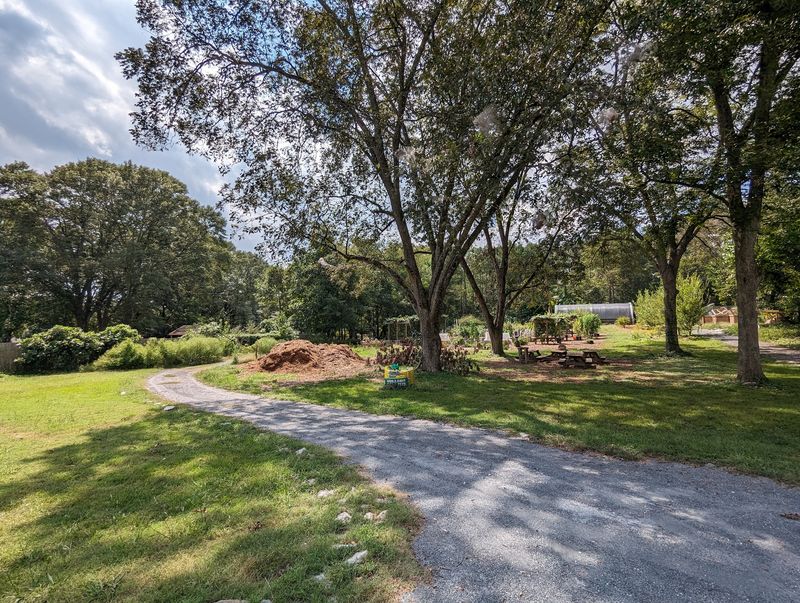
Long before it became a public park, this land was a working pecan farm. It was still producing as recently as 2000.
Ruby and Willie Morgan owned the property back then. They were known for their generosity in a sweet, simple way.
When they had extra produce, they’d leave it on fence posts for neighbors to take. No signs, no fuss, just food shared with people nearby.
After the Morgans, developers bought the land in the mid-2000s. Their plan was to build townhouses.
Those townhouses never happened. The site sat neglected for years, slowly waiting for a better idea.
That idea arrived in fall 2016, when The Conservation Fund bought the 7.1-acre property. The Atlanta City Council passed an ordinance that same year to support the project.
Fast forward to early 2021, when the city officially opened the space to the public. The fence-post kindness of the Morgans had found a much bigger stage.
I like how the land’s spirit never really changed. It started as a place for sharing food, and it still is today.
Pecans, Blackberries, And Muscadines Are Already Waiting For You
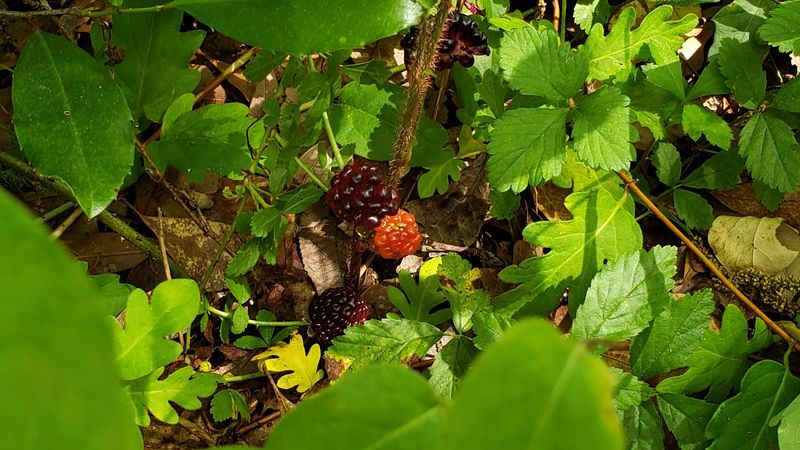
Some food forests start from scratch. This one got a head start thanks to plants that were already thriving on the land.
Mature pecan trees from the old farm still tower over the property. If you love pecan pie, that’s a pretty exciting thought.
Wild blackberry brambles grow here too. Anyone who’s picked blackberries knows they’re worth a few scratches on the arms.
Then there are muscadine vines, a true Southern classic. These thick-skinned grapes are a favorite across Georgia and the rest of the South.
Planners added much more to the mix. Fruit trees were planted with the goal of producing figs, nectarines, plums, apples, pears, pomegranates, and cherries.
Native pawpaws are part of the plan as well. Pawpaws are North America’s largest native fruit, and their flavor is often compared to banana and mango.
Remember, many of these trees are young and still growing. What you find depends on the season and on how far along each plant is.
Bring a small bag and some patience. Nature runs on its own schedule here.
The Golden Rule Here Is Simple: Take Only What You Need
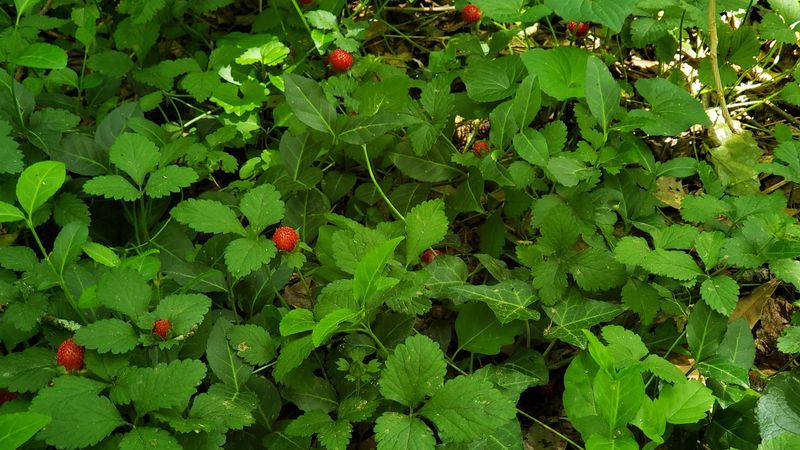
Free food sounds almost too good to be true. Here, it really is free, but it comes with one friendly understanding.
Visitors are asked to take only what they need. That way, there’s enough to go around for everyone.
Harvests at the Urban Food Forest at Browns Mill get shared widely. Garden members, volunteers, local food pantries, and the wider community all benefit.
This matters a lot in this part of Atlanta. The surrounding neighborhood has been officially labeled a food desert, meaning fresh, healthy food is hard to find nearby.
Fixing that problem is one of the forest’s main goals. Fresh fruits, nuts, herbs, vegetables, and even mushrooms become easier for families to reach.
So a little self-control goes a long way. Grab a handful of berries, not the whole bush.
Picking also comes with common sense. Only harvest what you can confidently identify, and leave plants you’re unsure about alone.
Think of it like a community potluck that never ends. Everyone brings something, whether it’s time, care, or respect, and everyone gets to eat.
Garden Beds, Herb Patches, And Mushroom Walks Fill Every Corner
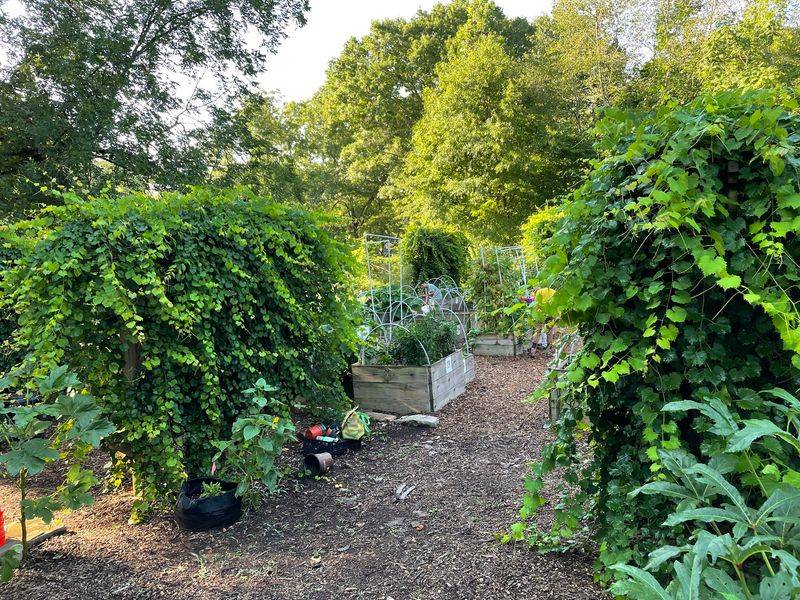
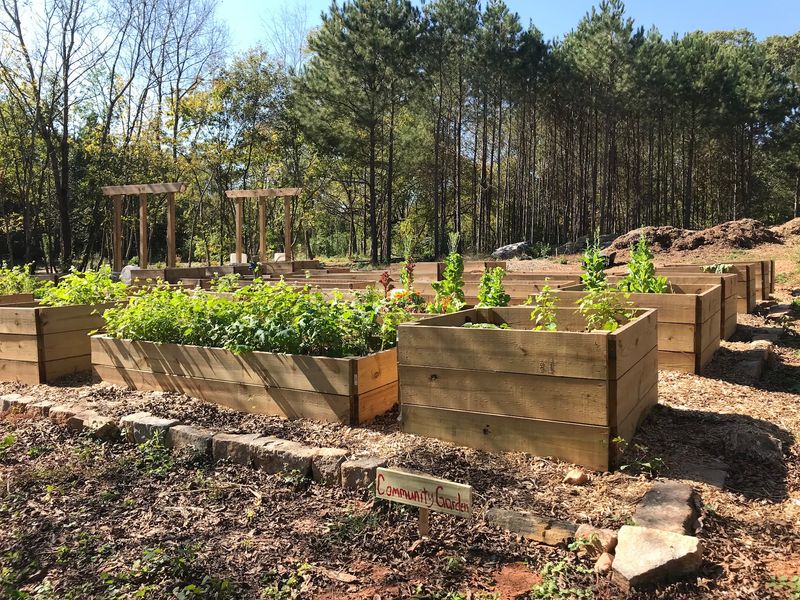
Corn and collard greens grow side by side in the community garden beds. It’s hard to get more Southern than that pairing.
The site features dozens of community garden beds where vegetables are grown for the neighborhood. Each one helps grow vegetables for the neighborhood.
Beyond the beds, you’ll find an orchard filled with fruit and nut trees. There are also dedicated herb gardens for the flavor lovers among us.
Mushrooms get their own spotlight too. The forest features mushroom walks, which is a fun twist you won’t see at most city parks.
Walking trails weave through the property. They make it easy to explore without trampling anything delicate.
Everything follows permaculture and agroforestry practices. In plain words, the design copies how nature naturally grows food in layers.
That approach keeps the soil healthy and the plants stronger. It also means less work fighting nature and more work partnering with it.
Wander slowly and read the signs when you can. Every corner of this place was planned with a purpose.
Yoga Under Pecan Trees Beats Any Gym Mirror
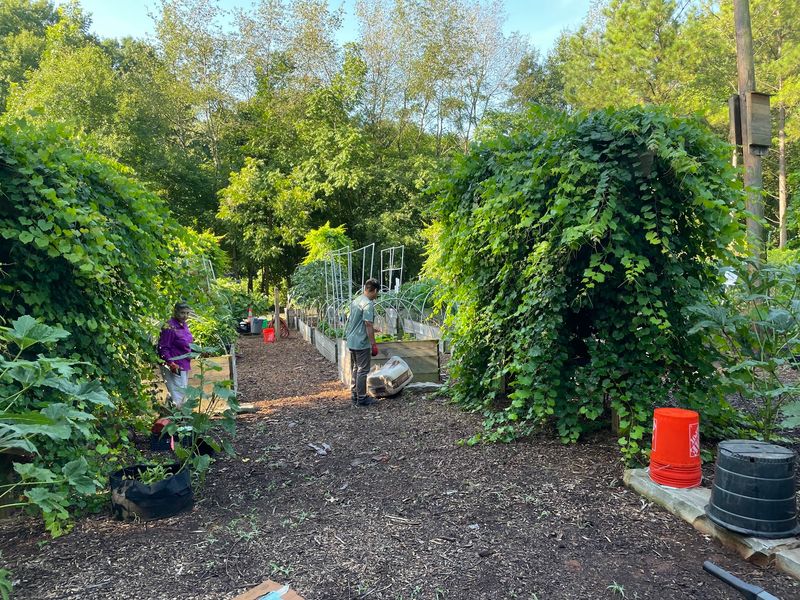
Stretching beneath century-style pecan trees sounds a lot more relaxing than staring at a gym wall. At this Georgia food forest, that’s a real option.
Wellness activities like yoga and sound healing sessions take place under the pecan trees. The shade alone is a big perk during a hot Atlanta summer.
The forest also offers gathering spaces and a picnic area. They’re great spots to pause, chat, or just enjoy some quiet.
Health is a big theme across the whole property. Programs encourage physical activity and healthy eating, which makes sense in a park full of fresh food.
The walking trails count as exercise too. A slow loop past fruit trees is a pleasant way to get your steps in.
I believe green spaces like this help the mind as much as the body. Birds, leaves, and growing plants have a calming effect that’s hard to copy indoors.
Bring water, comfortable shoes, and maybe a blanket for the picnic area. You might plan to stay twenty minutes and end up staying much longer.
Students Swap Classrooms For A Living Science Lab
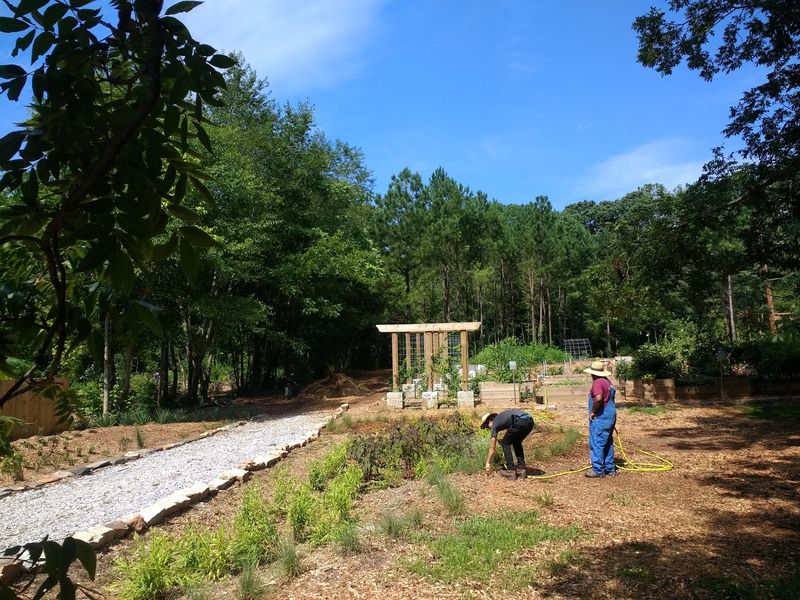
Textbooks can explain how a seed grows. A food forest lets kids actually watch it happen.
The Urban Food Forest at Browns Mill works as an outdoor learning space for STEM education. Environmental studies and student field trips happen here too.
That’s a pretty cool upgrade from a regular classroom. Kids can study soil, plants, bugs, and water in the real world.
The site also protects native plants, local wildlife, and the tree canopy. A stream restoration project adds another hands-on lesson about caring for nature.
Adults get to learn as well. Educational programs cover gardening and cooking, so you can grow food and then figure out what to do with it.
There’s even paid workforce training. Workforce training programs can help participants develop practical skills in urban agriculture and environmental stewardship.
The space was designed to feel welcoming and safe for families and children. Parents can feel good about bringing curious young explorers along.
Who knew a park could double as a school, a kitchen class, and a job training center?
Grab Gloves Because Volunteers Keep This Forest Growing
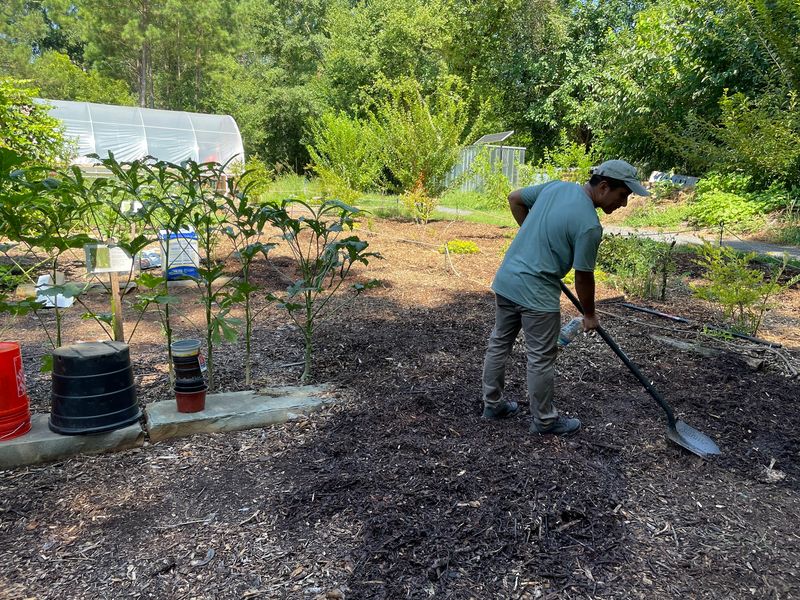
Free food doesn’t grow itself, at least not entirely. Volunteers do a huge share of the work that keeps this place thriving.
Maintenance and day-to-day care rely heavily on community helpers. Opportunities to pitch in come up on an ongoing basis.
Many partners helped build the forest too. The City of Atlanta’s Department of Parks and Recreation and its AgLanta team led the way.
The Conservation Fund, the U.S. Forest Service, Trees Atlanta, Park Pride, UGA Extension, and the Greening Youth Foundation all joined in.
Countless neighbors and local groups added their energy as well.
That’s a lot of hands for one park. It shows how much people care about making healthy food easier to reach.
Volunteering here can mean planting, weeding, mulching, or harvesting. It’s a great way to learn gardening skills without owning a single shovel.
Dress for dirt and expect to get a little messy. Your shoes may not thank you, but your neighbors will.
Check with AgLanta for current volunteer times before heading out. Schedules can shift with the seasons.
Festivals, Movie Nights, And A Spot Worth Mapping Out
Movies in the park, fall festivals, and science festivals have all brought crowds of neighbors together here. Not bad for a former pecan farm.
Community events are a big part of the forest’s personality. They turn a quiet green space into a lively neighborhood hangout.
The goal has always been a park for everyone. People come to learn, share, and celebrate growing food in the city.
Many see the project as a model for other cities. It shows how food can be part of fair, community-focused park planning across the country.
Ready to visit? You’ll find the Urban Food Forest at Browns Mill at 2217 Browns Mill Rd SE, Atlanta, GA 30315.
It sits in southeast Atlanta, an easy trip for anyone exploring the city. Wear sturdy shoes, bring water, and pack a reusable bag just in case.
Visit in different seasons for different surprises. Blackberries, pecans, and greens all have their moments.
Georgia gave the country its biggest public food forest. The only thing left is deciding what you’ll pick first.