15 Georgia State Parks Perfect For A Weekend Fishing Trip
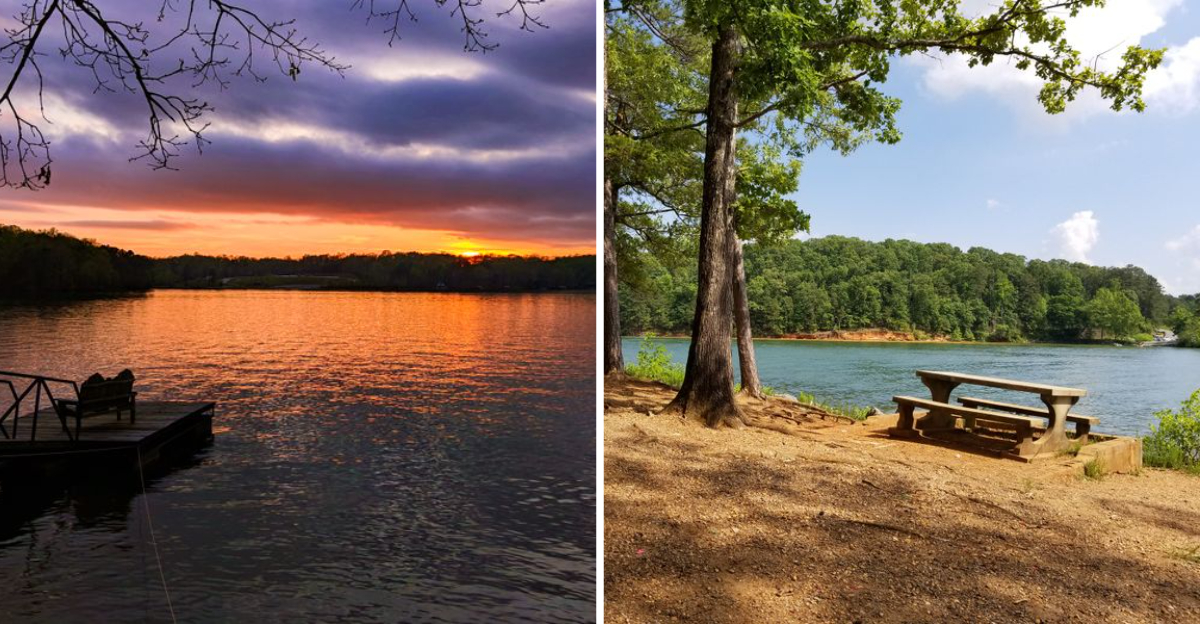
Georgia offers some of the best freshwater fishing in the Southeast, with state parks that combine beautiful scenery and excellent angling opportunities.
Whether you’re after bass, catfish, or trout, these parks provide everything you need for a memorable weekend getaway.
Pack your tackle box and get ready to explore waters teeming with fish while enjoying comfortable camping facilities and scenic trails.
1. Fort Yargo State Park
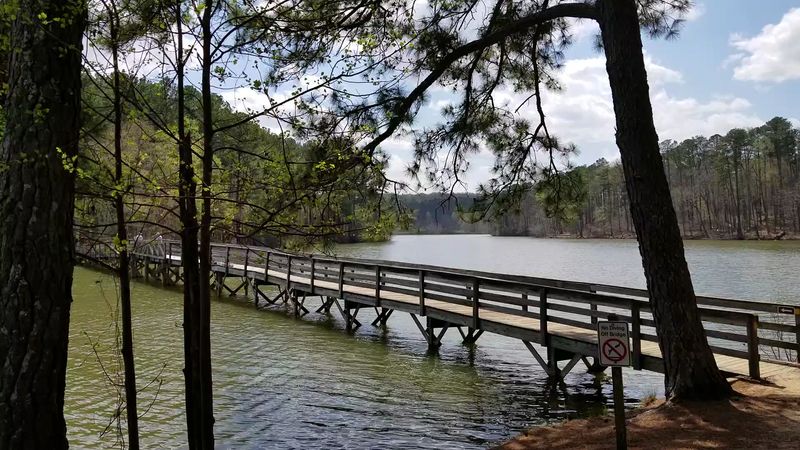
Anglers love the 260-acre lake that sits at the heart of this park, where largemouth bass and bream bite year-round. You’ll find the park at 210 S Broad St, Winder, GA 30680, making it an easy drive from Atlanta. The lake features a fishing pier that’s accessible to everyone, plus boat rentals if you want to explore deeper waters.
Camping spots sit close to the shoreline, so you can cast a line right after your morning coffee. The park also has a historic log fort from 1792 that kids enjoy exploring between fishing sessions. Spring and fall bring the best catches, though summer evenings can be productive too.
I recommend arriving early on weekends to secure a good fishing spot along the dam area. The park staff keeps the facilities clean and well-maintained, and there’s a camp store for last-minute bait needs. Catfish become more active at night, so bring a headlamp if you plan to fish after sunset.
2. Red Top Mountain State Park
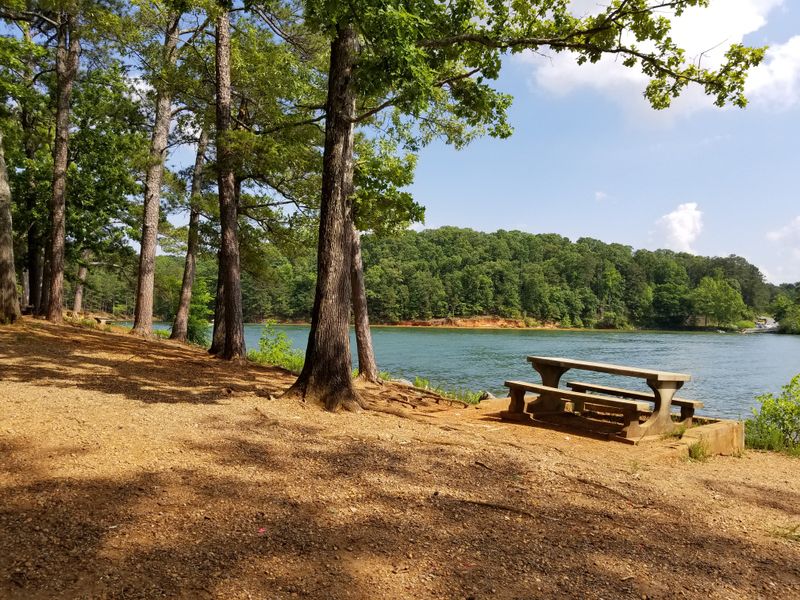
Lake Allatoona stretches for miles around this peninsula park, creating over 12,000 acres of prime fishing territory. The park entrance is located at 50 Lodge Rd SE, Cartersville, GA 30121, about an hour north of Atlanta. Striped bass and spotted bass thrive in these waters, with crappie running strong during spring spawning season.
Two fishing piers give you easy access without launching a boat, though the marina rents everything from kayaks to pontoon boats. The lake’s depth varies dramatically, so a fish finder helps locate schools holding near underwater structures. Summer mornings before 9 AM produce the most strikes, especially around rocky points.
Camping options range from tent sites to yurts, all within walking distance of the water. I’ve had success using live minnows for crappie and plastic worms for bass throughout the season. The visitor center sells fishing licenses and offers local tips about which coves are producing best.
3. Unicoi State Park
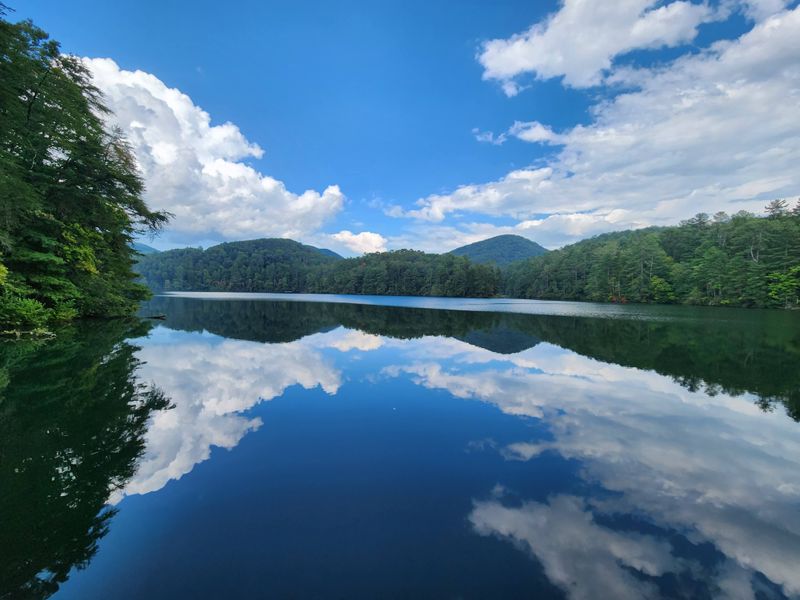
Mountain streams and a 53-acre lake make this northern Georgia park a trout fisher’s dream destination. You’ll find it at 1788 Highway 356, Helen, GA 30545, nestled in the Blue Ridge Mountains. Rainbow and brown trout swim in Smith Creek, which flows right through the park before feeding into the lake.
The Georgia Department of Natural Resources stocks trout regularly from March through October, keeping the action consistent. Fly fishing works beautifully in the creek’s riffles and pools, while the lake responds well to spinners and PowerBait. Cooler water temperatures mean fish stay active all day, unlike lowland lakes where midday heat slows the bite.
Rental cabins overlook the lake, giving you front-row access to evening feeding times. I always bring waders for creek fishing, as you’ll want to work upstream into shaded areas. The park sits near Helen’s Bavarian village, so families can enjoy shopping and restaurants between fishing sessions.
4. George L. Smith State Park
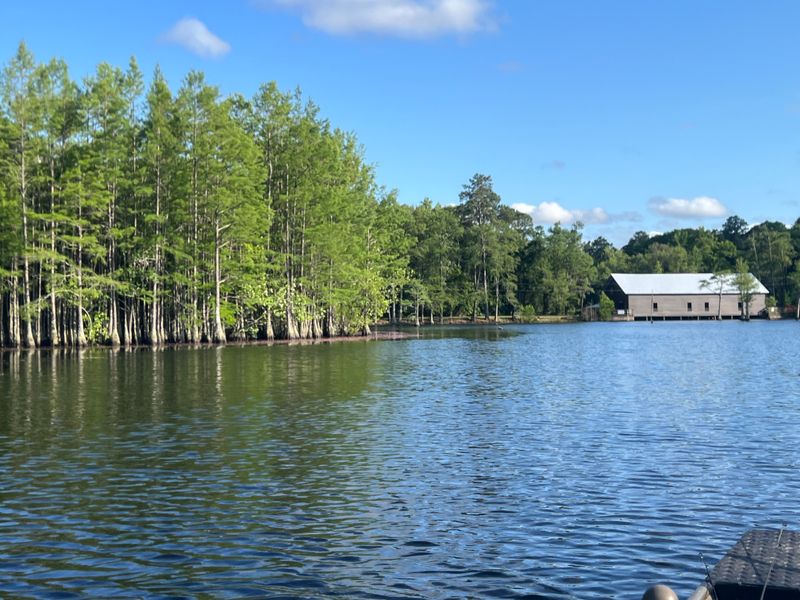
Spanish moss drapes from cypress trees around this blackwater paradise, creating an old-South atmosphere that’s perfect for a peaceful fishing weekend. The park is located at 371 George L Smith State Park Rd, Twin City, GA 30471, in southeast Georgia’s coastal plain. A 412-acre mill pond provides habitat for bass, catfish, and chain pickerel that hide among submerged logs.
Fishing from a canoe or kayak lets you navigate between the cypress knees where fish congregate. The dark, tannin-stained water requires brightly colored lures that fish can see clearly. Channel catfish bite best on chicken liver or cut bait fished on the bottom near deeper channels.
The historic gristmill and covered bridge add character to your fishing photos and give non-anglers something interesting to explore. I’ve found that topwater lures at dawn produce explosive strikes from bass ambushing prey. Primitive camping keeps costs low, and the quiet atmosphere means you’ll hear every splash and bird call.
5. Hard Labor Creek State Park
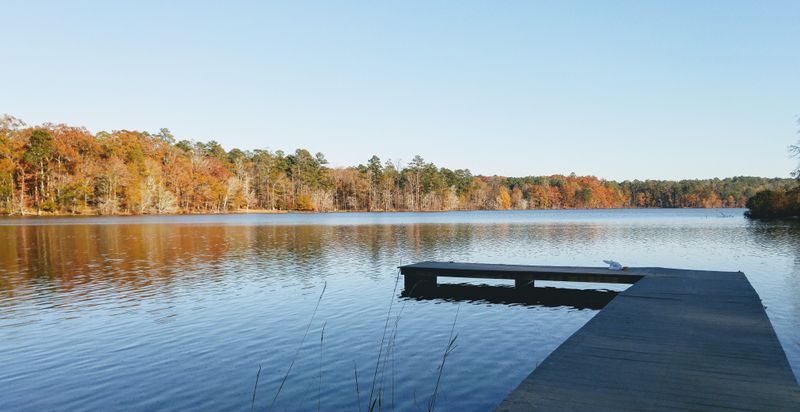
Two lakes totaling 275 acres give you plenty of water to explore at this central Georgia destination. The address is 5 Hard Labor Creek Rd, Rutledge, GA 30663, between Athens and Atlanta. Largemouth bass grow to impressive sizes here, with catches over five pounds reported regularly during spring.
Lake Rutledge and Lake Brantley both have fishing docks and boat ramps, though electric motors only are allowed to keep things peaceful. Bluegill and redear sunfish provide nonstop action for kids learning to fish, especially around brush piles and fallen trees. The park’s golf course adds a unique recreational option between morning and evening fishing sessions.
Cottages with screened porches let you tie flies or organize tackle while enjoying lake breezes. I recommend fishing plastic lizards along the shoreline structure where bass wait to ambush passing baitfish. The park hosts occasional fishing clinics that teach proper catch-and-release techniques and knot-tying skills for beginners.
6. Vogel State Park
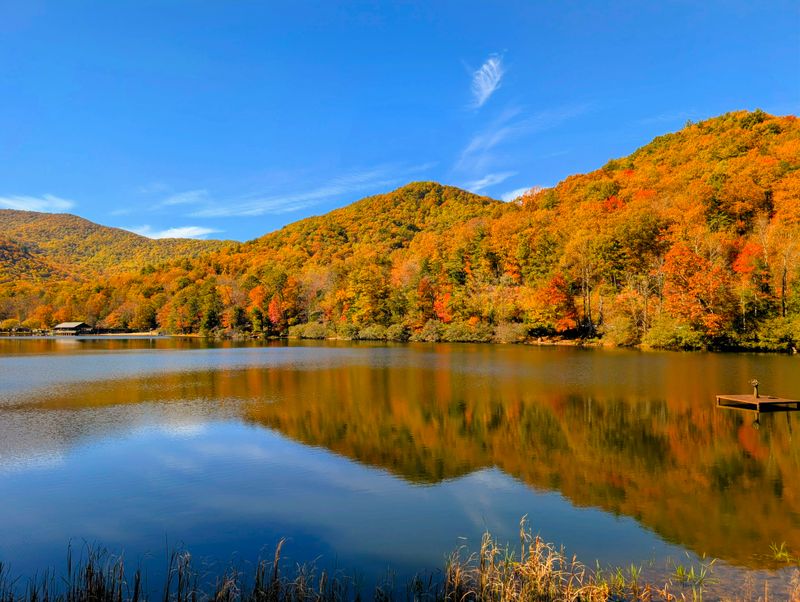
High in the Chattahoochee National Forest, this mountain park offers a 22-acre lake stocked with trout beneath towering peaks. You’ll find the entrance at 7485 Vogel State Park Rd, Blairsville, GA 30512, near Georgia’s highest mountains. Brook, rainbow, and brown trout cruise the cool waters, making every cast an opportunity for a colorful catch.
The lake’s small size means you can thoroughly fish it in a weekend, trying different techniques and locations. Trout stamps are required in addition to your regular fishing license, so pick one up before arriving. Early mornings see the most surface activity, with trout rising to snatch insects from the water’s surface.
Hiking trails lead to waterfalls and mountain vistas when you need a break from fishing. I always pack light spinning gear with small spinners in gold and silver patterns that trigger aggressive strikes. The campground fills up during fall color season, so reserve your spot well in advance for October visits.
7. Mistletoe State Park
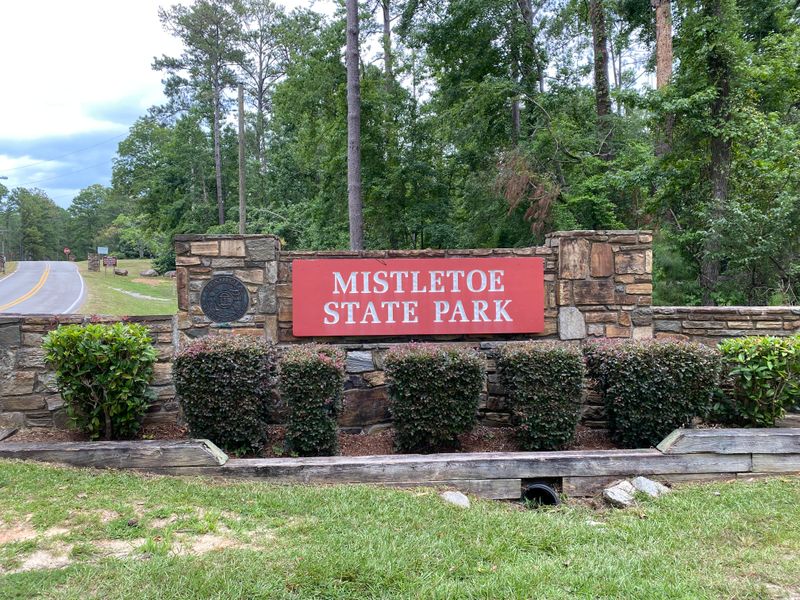
Clarks Hill Lake’s massive 71,000 acres border this park, providing some of Georgia’s best hybrid striped bass fishing. The park sits at 3723 Mistletoe Rd, Appling, GA 30802, along the Savannah River basin. Hybrids, locally called “wipers,” fight harder than almost any freshwater fish and can reach weights over ten pounds.
Spring brings schools of hybrids into shallow coves chasing shad, creating surface explosions visible from shore. The park’s boat ramp handles larger vessels that can cover water quickly when searching for active fish. Largemouth bass and crappie offer backup options when hybrids aren’t cooperative.
Full-service camping includes waterfront sites where you can watch the sunrise over the lake. I’ve had my best luck throwing white bucktail jigs or swimbaits that imitate injured shad. The park’s name comes from mistletoe-laden oak trees that create a unique canopy over camping areas, providing afternoon shade after hot mornings on the water.
8. Seminole State Park
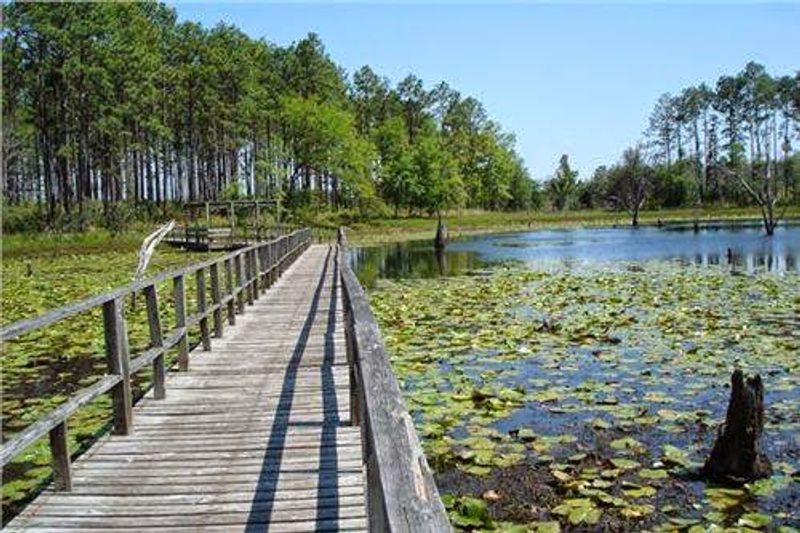
Lake Seminole’s reputation as a bass fishing mecca draws anglers from across the country to this southwest Georgia park. Located at 7870 State Park Dr, Donalsonville, GA 39845, the park provides access to 37,500 acres of prime habitat. Largemouth bass, stripers, and crappie all grow to trophy proportions in these productive waters.
Grass flats and cypress-lined channels create diverse structure that holds fish year-round. Tournament anglers frequently launch here, so you know the fishing quality is serious. The lake’s connection to the Chattahoochee and Flint rivers brings current and fresh nutrients that keep fish healthy and active.
Camping spots offer full hookups for RVs, and there’s a swimming beach for cooling off during hot afternoons. I recommend hiring a local guide for your first visit, as the lake’s size can be overwhelming. Topwater frogs worked over grass beds produce heart-stopping strikes during summer mornings, while deep-diving crankbaits catch winter bass holding on channel edges.
9. Elijah Clark State Park

Clarks Hill Lake surrounds this park on three sides, giving you miles of shoreline to explore. The park entrance is at 2959 McCormick Hwy, Lincolnton, GA 30817, in the heart of Georgia’s lake country. Besides hybrid striped bass, the lake holds excellent populations of white bass that school up and feed aggressively.
White bass runs in spring create some of the fastest fishing action you’ll experience anywhere. Fish stack up near the dam and creek mouths, hitting almost anything you throw. The park has both a fishing pier and boat launch, accommodating anglers with or without watercraft.
Colonial-era cabins add historical interest to your stay, and interpretive programs explain the area’s Revolutionary War significance. I always keep a spare rod rigged with a small crankbait when white bass are running, as you can catch them as fast as you can cast. Summer catfishing produces well using cut bait fished on bottom near rocky points and channel drops.
10. A.H. Stephens State Park
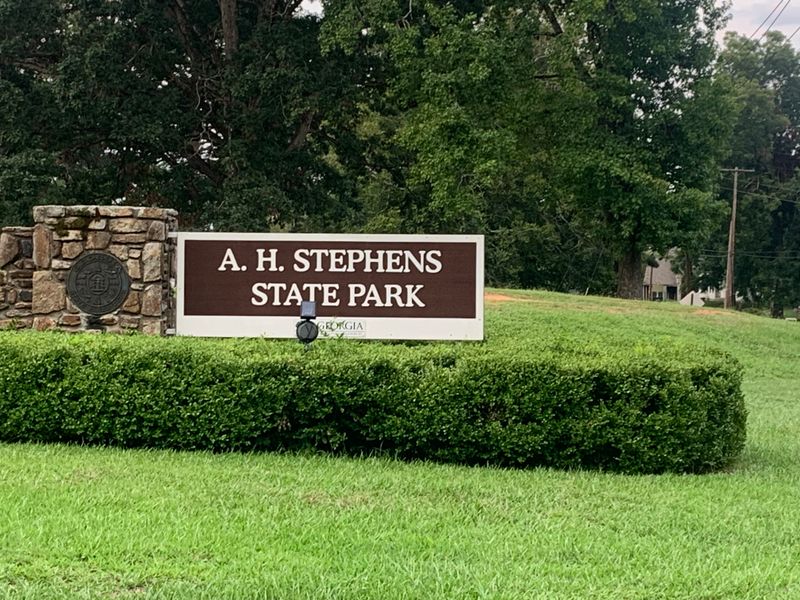
Two fishing lakes covering 24 acres provide intimate fishing experiences at this historic park. You’ll find it at 456 Alexander St NW, Crawfordville, GA 30631, in northeast Georgia’s rolling hills. Bluegill, bass, and catfish populate both lakes, with the smaller lake being perfect for bank fishing.
The Confederate Vice President’s home sits within the park, offering a glimpse into Civil War history between fishing sessions. Neither lake allows gas motors, keeping the atmosphere peaceful and the water undisturbed. This makes it ideal for float tube fishing or paddling a canoe while casting to shoreline structure.
Camping facilities are basic but clean, and the park’s small size means you’re never far from your vehicle. I’ve found that live crickets under a bobber catch bluegill consistently throughout summer, providing great action for young anglers. The park hosts fishing derbies occasionally, with prizes for kids and adults who land the biggest fish in various categories.
11. Watson Mill Bridge State Park
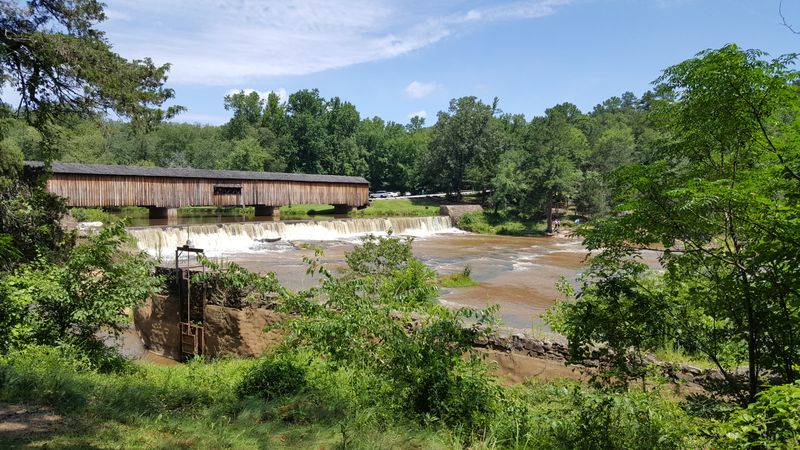
The South Fork River flows through this park, offering moving water fishing for bass and bream beneath Georgia’s longest covered bridge. The park is located at 650 Watson Mill Rd, Comer, GA 30629, in the Piedmont region. River fishing requires different techniques than lake fishing, with current creating ambush points behind rocks and logs.
Wading anglers can work upstream through riffles and pools, presenting lures to fish holding in feeding lanes. The river stays relatively shallow, making it safe for families with kids who want to splash around between catches. Smallmouth bass occasionally show up in catches, though largemouth and spotted bass are more common.
The historic covered bridge makes a beautiful backdrop for fishing photos and provides shade during midday heat. I recommend bringing water shoes with good grip, as river rocks can be slippery. Spring and fall offer the best river fishing, with water temperatures keeping fish active throughout the day and fewer people competing for spots.
12. Bobby Brown State Park

Clarks Hill Lake’s eastern shore hosts this park, giving you yet another access point to one of Georgia’s premier fishing destinations. The address is 2509 Bobby Brown State Park Rd, Elberton, GA 30635, near the granite capital of the world. The park’s location on a quiet arm of the lake means less boat traffic and more peaceful fishing conditions.
Crappie fishing shines here during spring when fish move shallow to spawn around brush and docks. The park has a lighted fishing pier that extends into deeper water, perfect for night fishing when catfish become active. Summer brings bass up into the shallows during early morning and evening hours.
Group camping shelters make this park great for fishing clubs or family reunions centered around angling. I’ve caught some of my biggest crappie here using small jigs tipped with minnows suspended at various depths. The park’s less-crowded nature compared to other Clarks Hill access points means you’ll often have entire coves to yourself on weekdays.
13. Moccasin Creek State Park
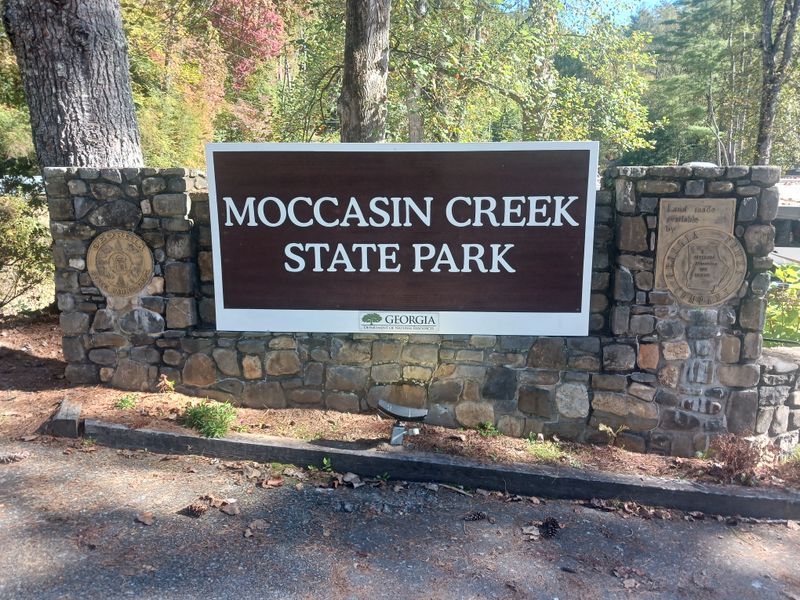
Lake Burton’s crystal-clear waters lap against this small mountain park that’s dedicated to trout fishing. You’ll find it at 3655 GA-197, Clarkesville, GA 30523, high in the North Georgia mountains. The park includes both lake access and Moccasin Creek itself, which flows cold and clear from higher elevations.
This is Georgia’s smallest state park, but it punches above its weight for fishing quality. Trout stocking happens regularly, and holdover fish from previous stockings grow to impressive sizes. The creek’s barrier-free fishing pier won awards for accessibility, letting everyone enjoy mountain trout fishing.
Camping spots sit right on the lake, so you can fish before breakfast and again after dinner. I’ve found that small Rooster Tail spinners in black or brown work well in the creek’s stained water. The park’s high elevation means comfortable temperatures even during summer, making it a perfect escape from lowland heat while pursuing active trout.
14. Tugaloo State Park
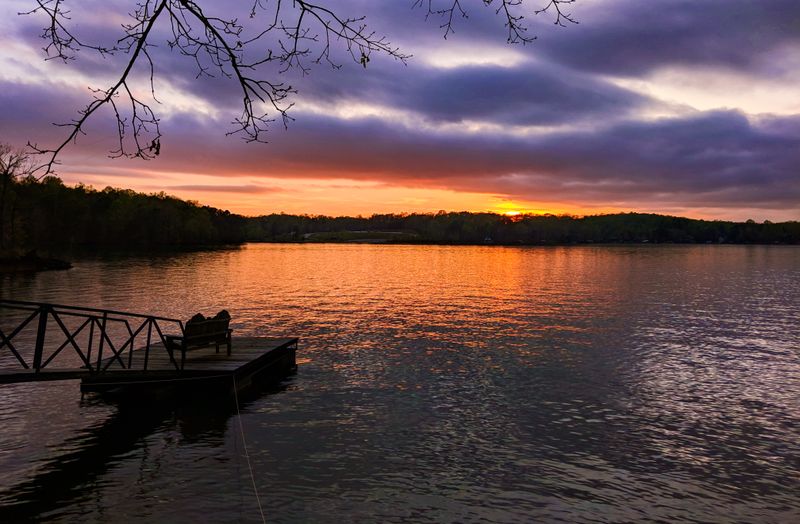
Lake Hartwell’s Georgia shoreline hosts this park, providing access to 56,000 acres of excellent fishing water. The park sits at 1763 Tugaloo State Park Rd, Lavonia, GA 30553, where Georgia meets South Carolina. Striped bass, largemouth bass, and catfish all reach trophy sizes in Hartwell’s fertile waters.
The park’s miniature golf course and swimming beach keep non-fishing family members entertained while you chase fish. Deep water near the park’s shoreline means you can catch fish from the bank without needing a boat. Spring striper fishing brings schools of fish chasing shad into shallow coves, creating easy opportunities for shore-bound anglers.
Cottages and campsites both offer lake views and easy water access for early morning launches. I recommend bringing heavier tackle here, as you never know when a big striper might hit. The park hosts fishing tournaments that raise money for local charities, combining competitive angling with community support in a fun weekend atmosphere.
15. Victoria Bryant State Park

A quiet 26-acre lake forms the centerpiece of this northeast Georgia park that many anglers overlook. Located at 1105 Bryant Park Rd, Royston, GA 30662, the park offers a more intimate fishing experience than the massive reservoir parks. Bass, bream, and catfish provide consistent action without the crowds found at larger destinations.
The lake’s manageable size means you can fish it thoroughly in a day, learning where fish hold and returning to productive spots. A fishing pier accommodates those without boats, while a gravel ramp handles small watercraft launches. Golf enthusiasts appreciate the park’s nine-hole course, making it easy to combine fishing and golfing in one weekend.
Camping options include both RV sites and tent areas, all within walking distance of the lake. I’ve had success fishing plastic worms around submerged brush piles that the park staff maintains for fish habitat. The park’s peaceful nature and lack of jet skis or large boats creates a relaxing atmosphere where you can actually hear fish jumping.