8 Georgia Towns Where Home Values Have Shifted The Most Over Recent Years
One Georgia city wrote a rule that keeps 70 percent of its land rural, and its home values still jumped more than 50 percent in five years. I had to read that twice.
Another spot on this list is a lake community with a post office dating back to 1914. A third is a coastal island where a British fort went up in 1736.
None of them feel like the usual suspects for a big price boom.
I love digging into numbers like these because they tell stories. Prices moved for reasons like lake views, film crews, college-town spillover, and plain old room to breathe.
A couple of places even mix several of those at once.
So which small towns saw the biggest swings, and what makes them so tempting? The answers surprised me, and a few might send you browsing real estate listings tonight, coffee in hand.
1. Chattahoochee Hills
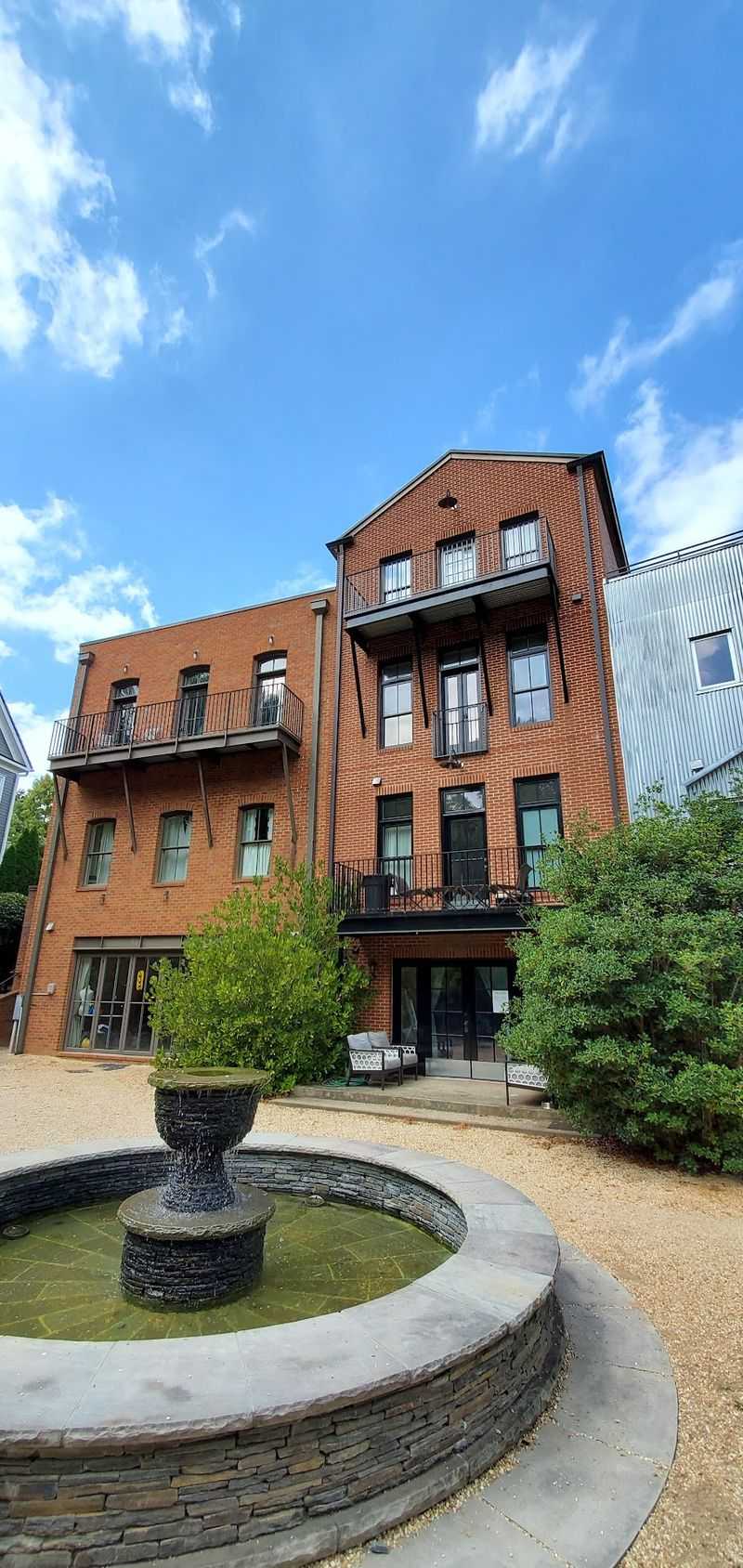
Talk about a plot twist. This city protects most of its land from building, yet its home values rose 18.4 percent in five years.
That figure comes from Stacker, using Zillow data through September 2026. It puts Chattahoochee Hills at the top of the pack for Georgia price growth.
So what’s the secret sauce? A 70/30 land use policy keeps 70 percent of the city rural, agricultural, or natural.
The other 30 percent allows clustered, walkable development. Fewer buildable spots plus big demand can push prices up fast, which is basic supply and demand in action.
Location helps too. The city sits in southern Fulton County, about 25 miles southwest of Atlanta.
You get rolling hills and sprawling farms without a brutal trip to the big city. The Serenbe planned community also sits inside city limits.
History runs deep here. The city formed from five crossroad communities that took shape in the 1800s.
It incorporated in 2007 as Chattahoochee Hill Country. A year later, in 2008, it took the shorter name you see today.
Outdoor fans have plenty to love. The Bear Creek Nature Center offers hiking, and the Chattahoochee Hills Eventing Center draws horse lovers.
Thinking about buying? Visit on a weekday and a weekend to see how the area feels at different paces.
Address: Chattahoochee Hills, Fulton County, GA
2. Lakemont
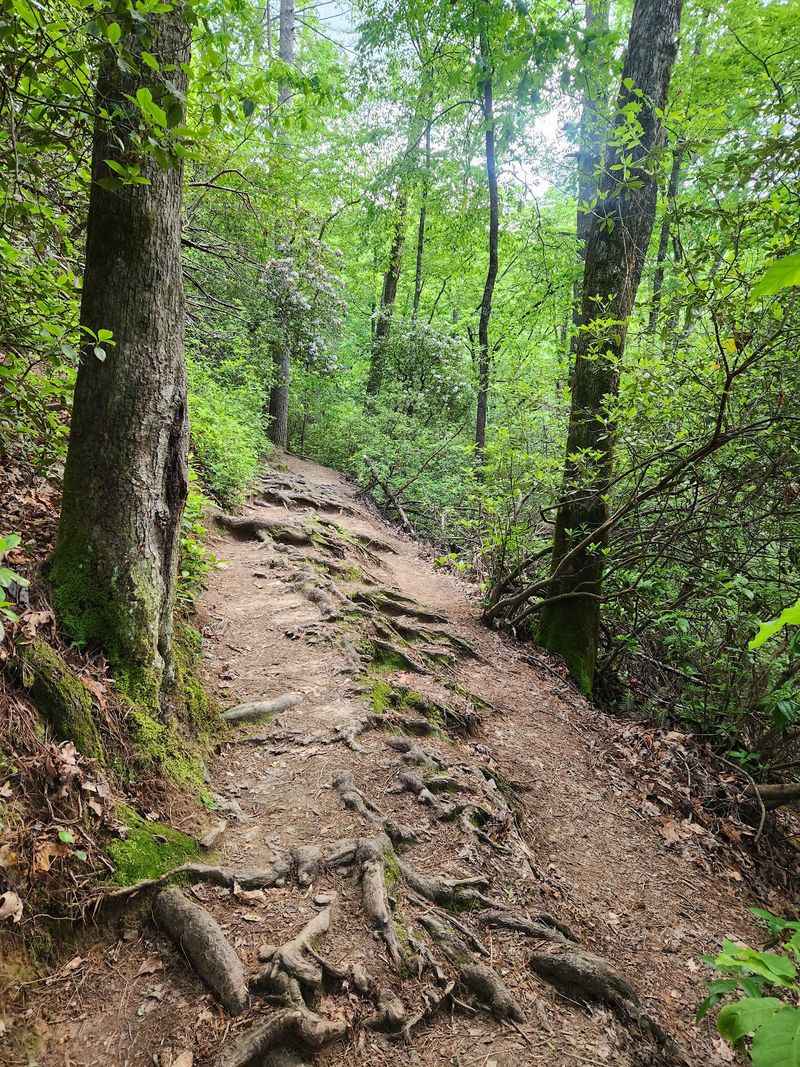
Lake life comes with a price tag, and Lakemont proves it. Homes in this Rabun County community climbed 22 percent over five years, according to Stacker and Zillow.
Lakemont isn’t even an incorporated town. It’s an unincorporated community with the ZIP code 30552.
The name tells you a lot. It was chosen for the community’s raised spot close to Lake Rabun.
A post office named Lakemont opened in 1914. That makes the area older than a lot of folks might guess.
Geography plays a huge role in those rising values. Lakemont sits in the mountains between U.S.
Route 23/441 and Lake Rabun.
Lake Rabun itself dates back to 1915, when Mathis Dam was built on the Tallulah River. It’s one of several lakes in a chain created by early hydroelectric projects in northeast Georgia.
Lake Rabun draws people for boating, fishing, and other water fun. Shoreline is limited, and limited things tend to get pricey.
Quiet coves and classic wooden boathouses give the shoreline a timeless look. That old-school lake character is a big part of what keeps demand strong.
Surrounding mountains add hiking and nature trips to the menu. For many buyers, that combo of water and woods is hard to beat.
History buffs can look up Historic Lakemont Village too. It adds some old-time charm to the modern market buzz.
Here’s a smart tip if you’re shopping. Mountain lake homes can differ a lot in access, so check road conditions and how you’d reach the water.
Also think about how you’d use the place. A weekend getaway and a full-time home come with very different needs.
Address: Lakemont, GA 30552
3. Buckhead
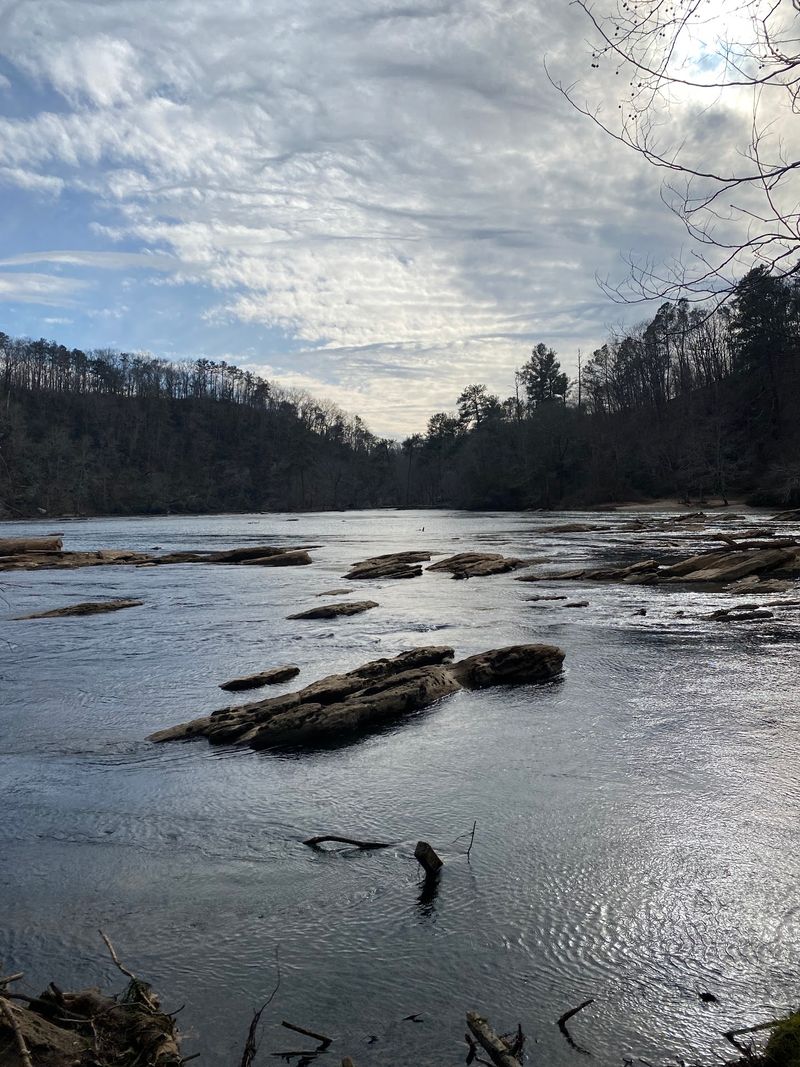
No, not that Buckhead. This one is a tiny Morgan County town, and its home values rose 30.6 percent in five years.
That growth comes from Stacker’s look at Zillow data through September 2026. It’s a big jump for a quiet lakeside spot.
The town’s name has a fun backstory. Legend says Booth Fitzpatrick shot a large buck and hung its head on a tree branch.
He then called a nearby spring Buckhead. The name stuck, which is more than most hunting stories can say.
Buckhead sits along the Oconee and Apalachee Rivers near Lake Oconee. Two marinas give residents easy access to the water.
The downtown keeps historic buildings in place. A public well and a 1910 jail both appear on the National Register of Historic Places.
Art lovers get a treat too. The Steffen Thomas Museum of Art is one of only a few single-artist museums in the country.
Steffen Thomas was a German-born artist who settled in Georgia and became known for his sculptures and paintings. The museum shows his work in a rural setting, which makes a visit feel personal and unhurried.
The roots go way back. Land here was handed out in the 1805 land lottery, and the town incorporated in 1887.
It incorporated again in 1908 as a railroad stop between Atlanta and Augusta. Nearby archaeology even points to people living here around 8,000 BCE.
Shopping here? Compare lake-access homes with in-town houses, since water views usually change the math in a big way.
Address: Buckhead, Morgan County, GA
4. North High Shoals
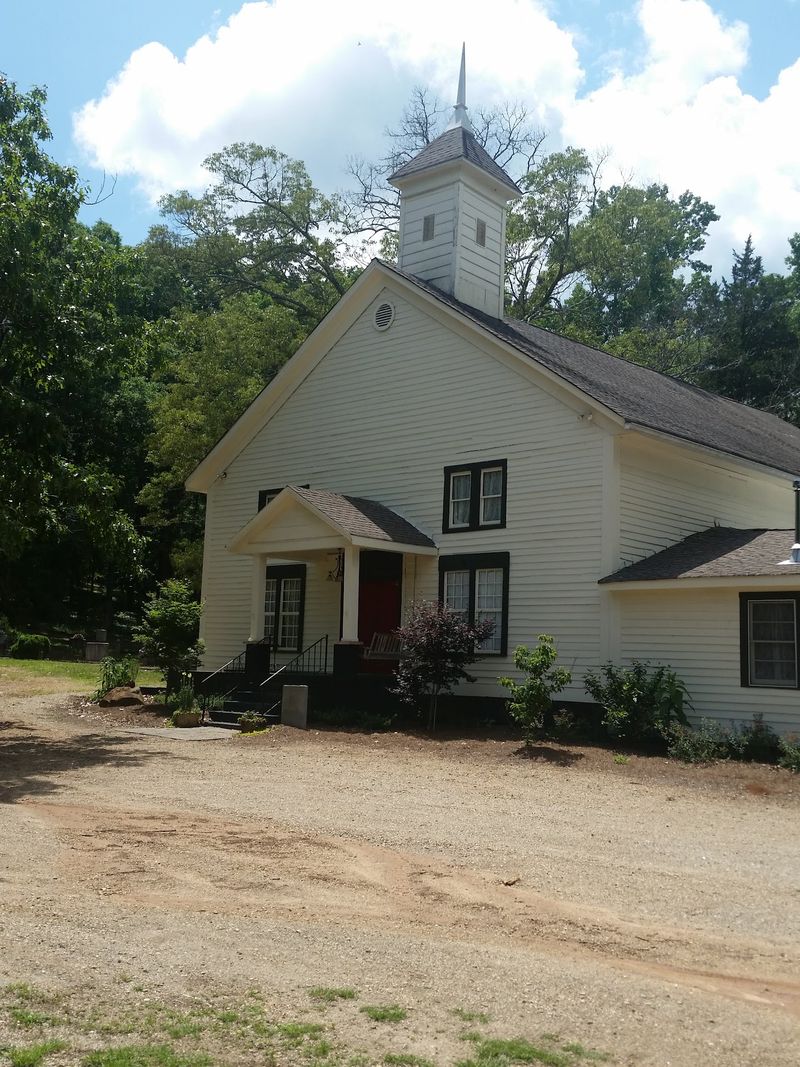
Here’s a town that technically got its paperwork twice. North High Shoals also posted a 40 percent home value jump in five years.
That figure comes from Stacker’s review of Zillow data through September 2026. It’s a strong showing for a rural Oconee County town.
The name comes from the shoals in the Apalachee River. The town sits right on the river’s eastern bank.
Shoals are shallow, rocky stretches where water tumbles over stone. Before electricity, that moving water was valuable power, which explains why a mill set up shop here.
The river shaped the local economy long before anyone tracked real estate trends.
People lived here by the late 1700s. A fort went up around 1794.
The story gets twisty from there. The original town of High Shoals incorporated in 1902.
Its charter lapsed after a fire destroyed the High Shoals Manufacturing Company mill in 1928. That textile mill had run since 1846.
A new charter for North High Shoals came in 1933. Officials finally acted on it in 1968, which is some serious patience.
History is still visible today. The High Shoals Historic District includes 49 contributing properties, certified by the state in 2006.
The town keeps a rural feel, and that’s a big part of the appeal. Oconee County as a whole has seen strong demand, as you’ll notice later on this list.
Want land and quiet? Ask about zoning rules before buying, since rural towns often have specific lot and building limits.
Address: 260 Hillsboro Road, Bishop, GA 30621
5. Cumming
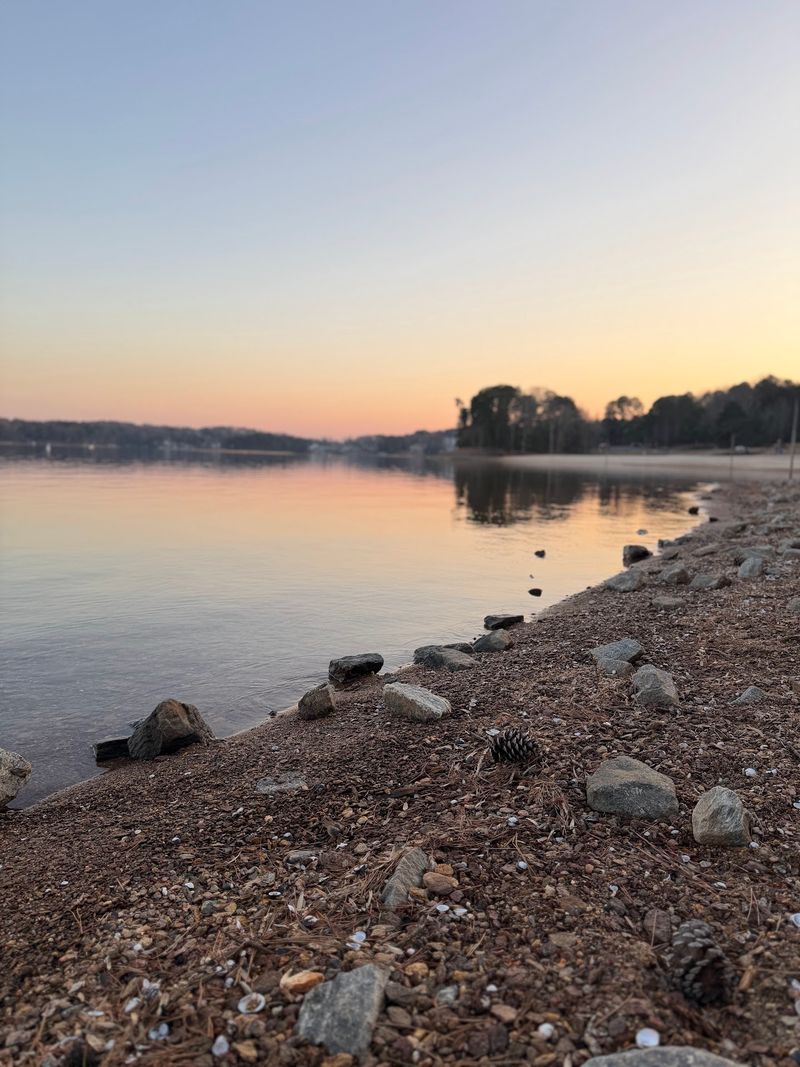
Growth got so quick around Cumming that Forsyth County hit the pause button. In spring 2025, the county put a moratorium on new high-density housing.
Meanwhile, home values rose 39.7 percent over five years. That’s from Stacker’s look at Zillow data through September 2026.
Cumming is the Forsyth County seat and the biggest name on this list by far. It was founded in 1833 and incorporated in December 1834.
The land came from the 1832 Cherokee land lottery. Most sources say the town honors Colonel William Cumming, an officer in the War of 1812.
Outdoor options are a big draw. Mary Alice Park at Lake Lanier offers fishing, and Sawnee Mountain Preserve offers hiking.
Culture fans can check out the School Street Playhouse. The Cumming Arts Center and Cumming Aquatic Center add more ways to stay busy.
Each year brings the Cumming Country Fair and Festival. It has run since 1995.
Don’t miss the history either. The Cumming Bandstand, built in 1915, sits on the National Register of Historic Places.
Buying in a fast-growing area takes some homework. Look into planned roads, schools, and new projects near any home you like.
Growth can raise values, but it can also change your view. Knowing the plans helps you avoid surprises later.
Address: 100 Main Street, Cumming, GA 30040
6. Senoia
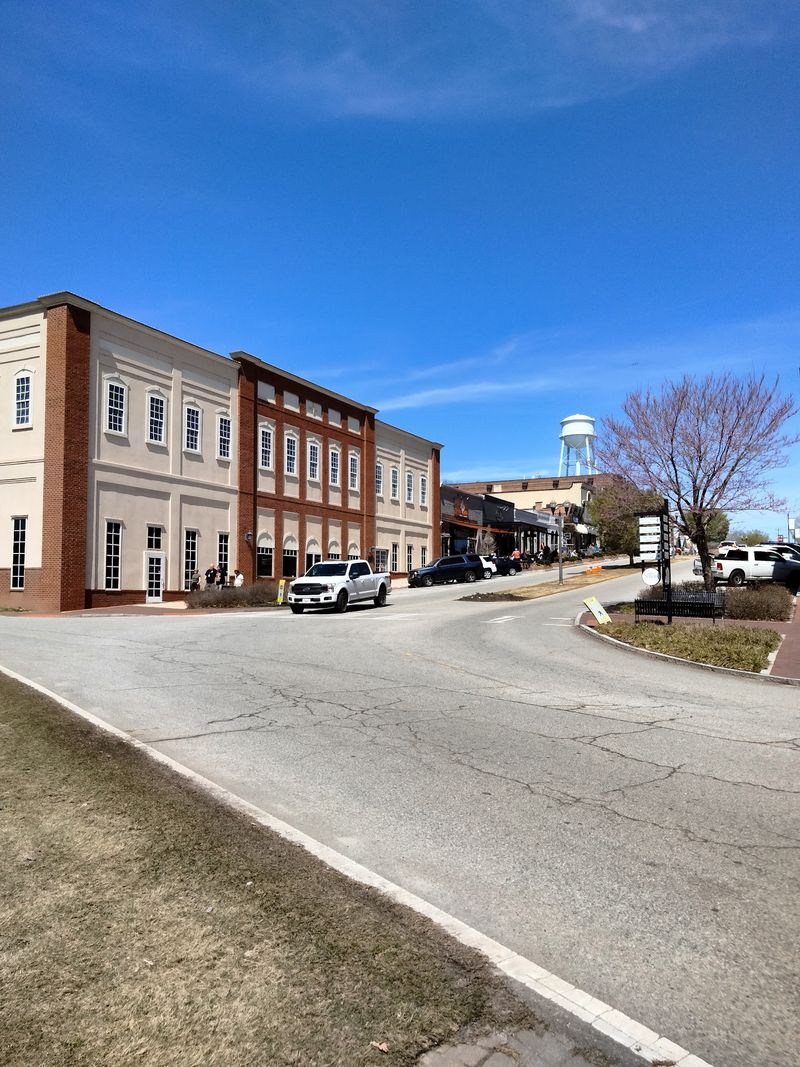
Hollywood keeps showing up in Senoia, and so do home buyers. Values here rose 35.8 percent over five years, per Stacker and Zillow.
The town has served as a filming spot for some big titles. Fried Green Tomatoes and Driving Miss Daisy both filmed here.
AMC’s hit zombie series used Senoia too. Fans still recognize its streets from the screen.
Of course, the town had a life long before cameras. Senoia incorporated in 1860 as a farming community.
Cotton gins, peach orchards, and railroads kept things moving back then. The name honors Senoya Hen-Hen-Ne-Hao, a Creek Indian princess.
Architecture is a big part of the charm. You’ll find preserved Victorian, Queen Anne, and Craftsman buildings around town.
Curious about the past? The Senoia Area Historical Society and Museum sits at 6 Couch Street.
Its collection includes original land lottery deeds from the 1820s. That’s a cool peek at how Georgia land changed hands.
Senoia sits in Coweta County, and the Welcome Center is right on Main Street. It’s a handy first stop for newcomers.
Here’s a tip if you love the look of the place. Ask whether your street falls under any historic guidelines, since those can affect remodeling plans.
Address: 80 Main Street, Senoia, GA 30276
7. St. Simons Island
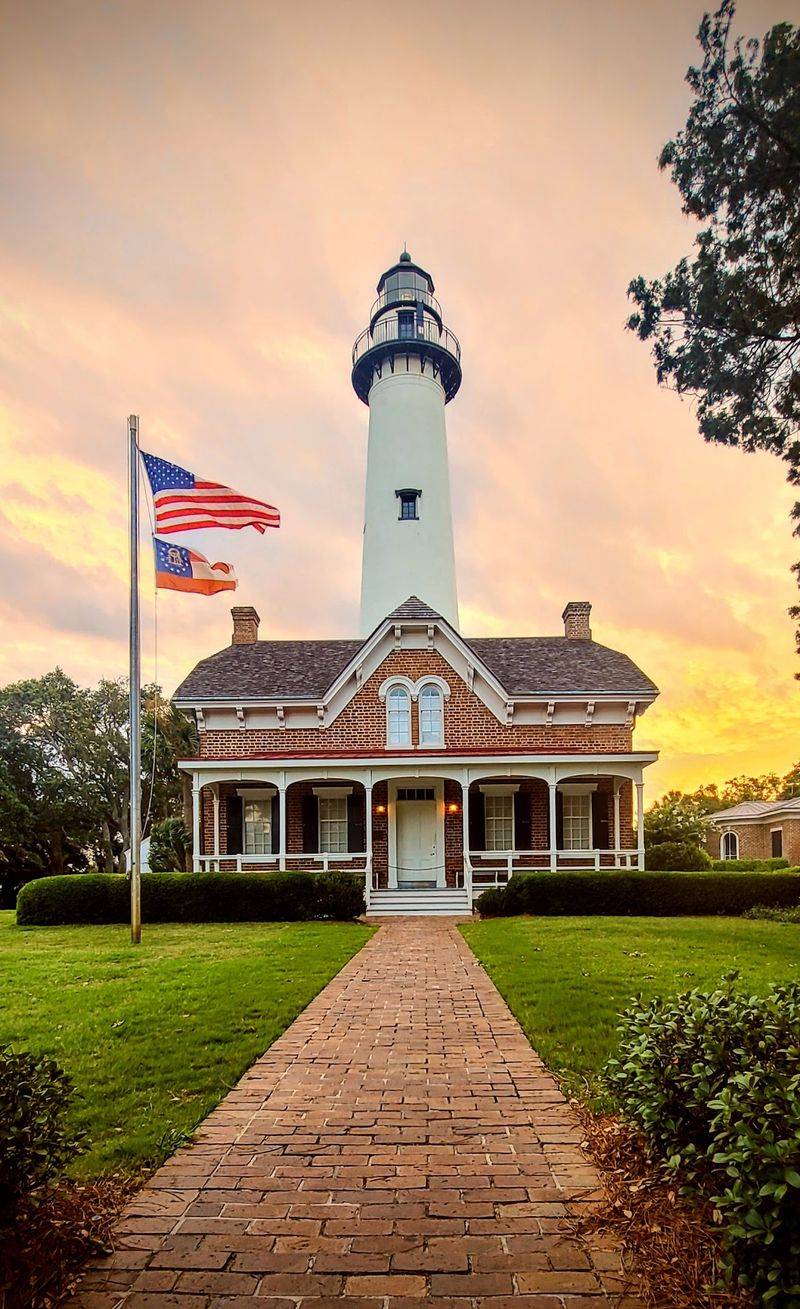
Beach towns usually top price charts, so seeing this island land at number nine feels almost modest. St. Simons Island still posted a 35 percent rise over five years.
That figure comes from Stacker’s review of Zillow data through September 2026. Even modest gains look big when island prices start high.
St. Simons is the largest of Georgia’s Golden Isles. It sits about midway between Savannah and Jacksonville in Glynn County.
The history here is seriously old. People lived on the island roughly 3,000 to 5,000 years ago.
James Oglethorpe built Fort Frederica in 1736 to protect the Georgia colony. Today it’s a national monument you can explore.
Christ Church is another stop for history fans. John and Charles Wesley preached on that site.
Tourism took off in the 1870s. A pier went up in 1887, and the Torras Causeway opened in 1924.
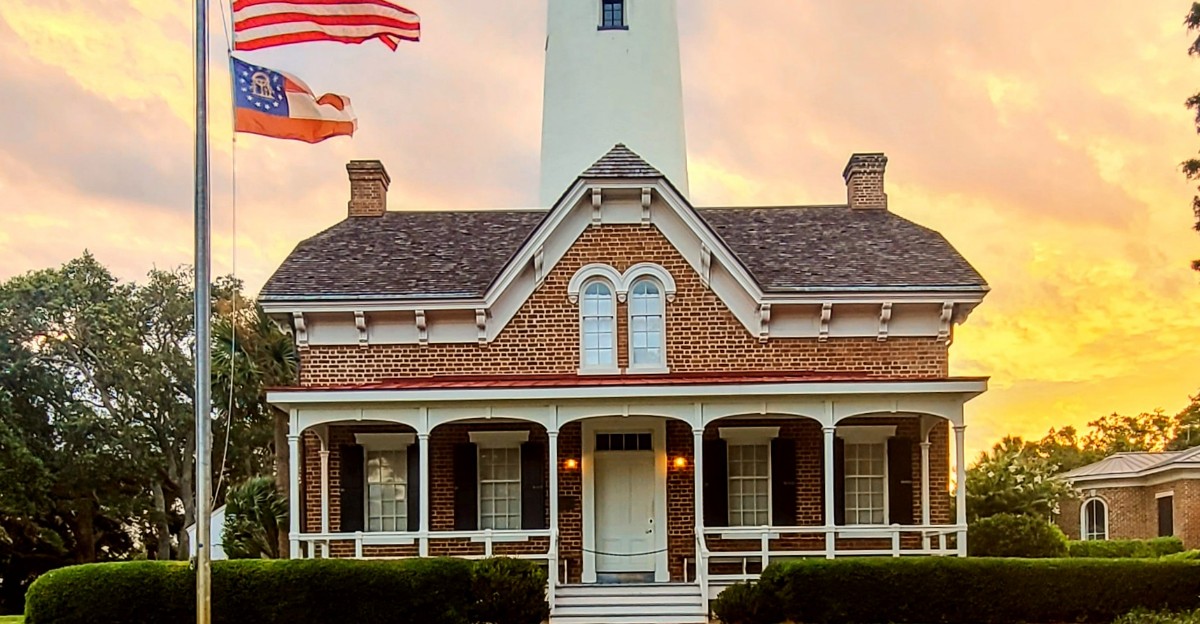
Today the island draws people for its beaches, shops, and restaurants. The St. Simons Island Light remains a postcard favorite.
You can also visit the Avenue of the Oaks and Cannon’s Point Preserve. The World War II Home Front Museum adds another layer of local history.
Coastal buyers should plan ahead. Ask about flood zones and insurance costs early, since they can change your budget fast.
Address: 610 Beachview Drive, St. Simons Island, GA 31522
8. Watkinsville
A tavern from 1801 now welcomes visitors to Watkinsville, minus the old-time rowdiness. The town rounds out this list with a 33.8 percent home value jump.
Stacker reported that five-year change using Zillow data. It makes Watkinsville the third Oconee County town here.
That Eagle Tavern now works as a museum and the Oconee County Welcome Center. It’s believed to stand on the site of old Fort Edward.
The town started as the Big Springs community. In 1802, it took the name of Colonel Robert Watkins of Augusta.
Watkinsville served as the Clarke County seat until 1872. In 1875, it became the seat of the new Oconee County.
Location matters a lot here. The town sits about 8 miles south of Athens and 60 miles east of Atlanta.
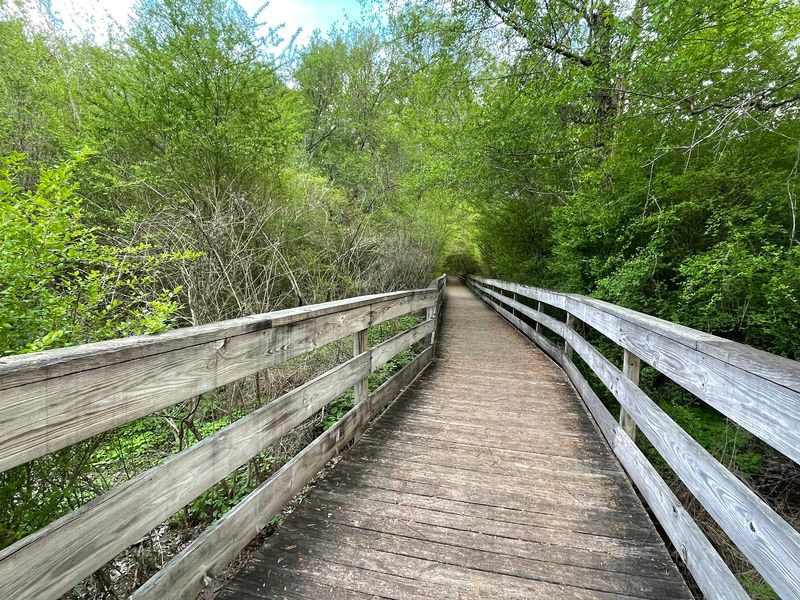
Outdoor time comes easy. Harris Shoals Park has walking trails and picnic areas, and Watkinsville Woods includes a historic spring.
The Elder Mill Covered Bridge is a rare find in the state. Oconee Joe even offers guided kayak trips on the Oconee River.
Art fans can stop by the Chappelle Gallery inside the historic Haygood House. It’s a fitting home for local creativity.
Shopping here? Start at the Eagle Tavern, grab some local info, and explore before you fall for a listing.
Address: 137 Barnett Shoals Rd, Watkinsville, GA 30677