Get Your Feet Muddy And Catch Hermit Crabs At This Hands-On Marine Science Center On Tybee Island Georgia
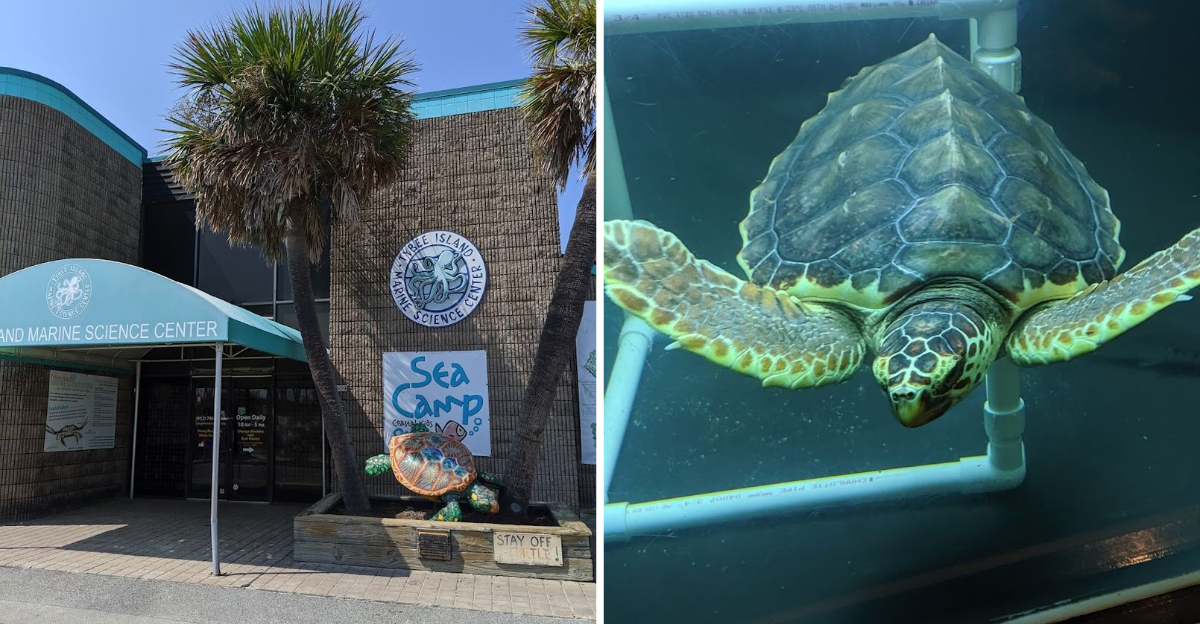
Have you ever wondered what it feels like to gently hold a hermit crab or explore a tidal pool with your own hands? The Tybee Island Marine Science Center invites you to move beyond simply observing sea life and step into a world of hands on discovery. Here, visitors can touch fascinating coastal creatures, learn about delicate marine ecosystems, and gain a deeper appreciation for the life thriving along Georgia’s shoreline.
Interactive exhibits and guided programs make each experience both exciting and educational, blending science with unforgettable moments of connection. Instead of peering through glass tanks, you engage directly with the environment in meaningful ways.
Whether you are visiting with family or exploring on your own, this coastal gem offers an inspiring adventure that reveals the hidden wonders of Georgia’s beautiful barrier islands.
1. Touch Tank Adventures
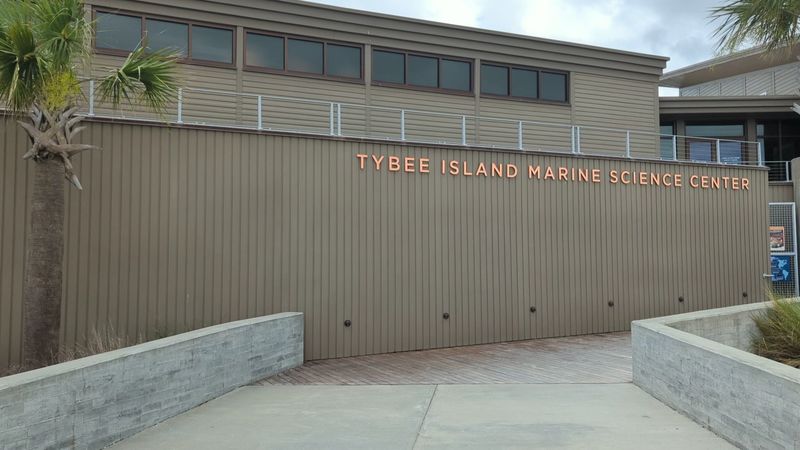
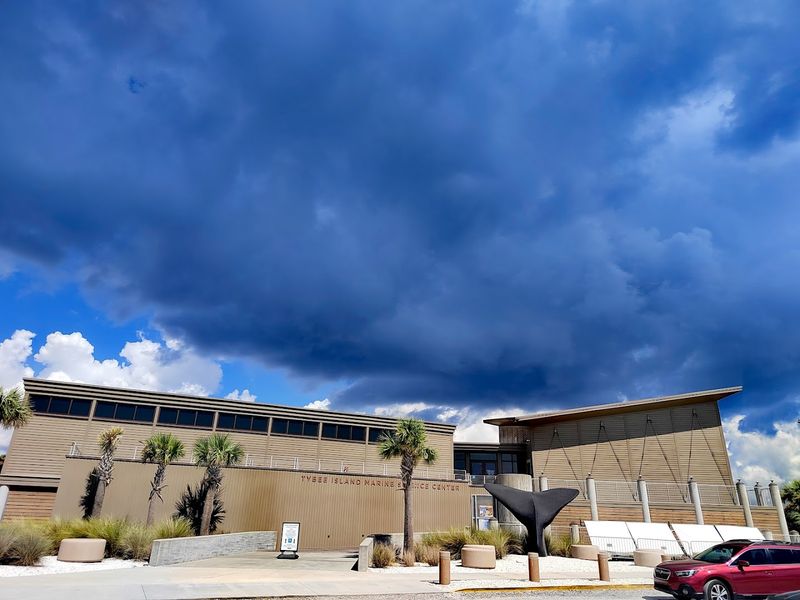
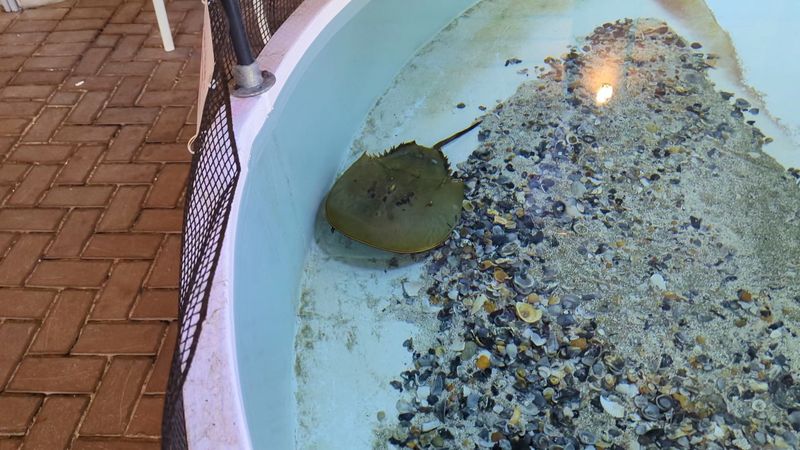
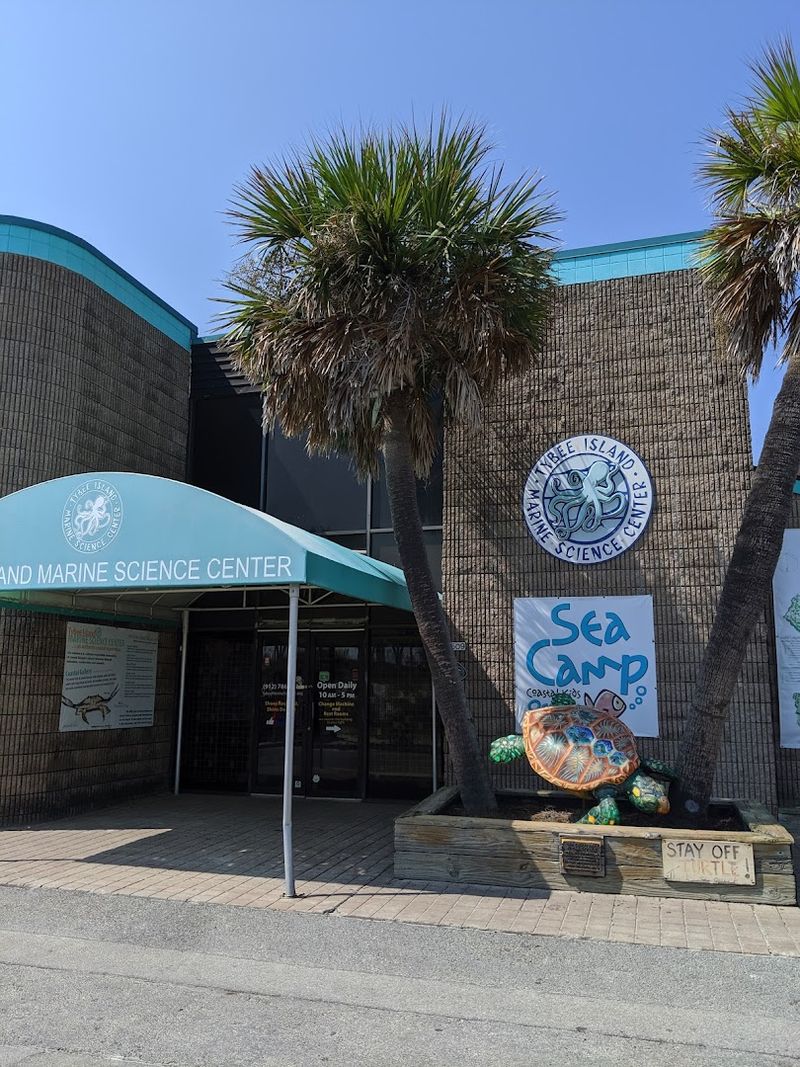
Getting your hands wet at the touch tank is an experience you will never forget. Located at 37 Meddin Dr, Tybee Island, GA 31328, the center lets you interact with living sea creatures in a safe and supervised environment. You can feel the texture of sea stars, watch hermit crabs scurry across your palm, and even touch horseshoe crabs.
The staff guides you through each interaction. They explain how to handle animals gently and share fascinating facts about each species. You learn about their behaviors, diets, and roles in the ocean ecosystem.
Every creature has its own personality. Some hermit crabs are shy and hide in their shells, while others boldly explore your hand. This personal connection makes marine biology come alive in ways textbooks cannot match.
2. Beach Walks With Marine Biologists
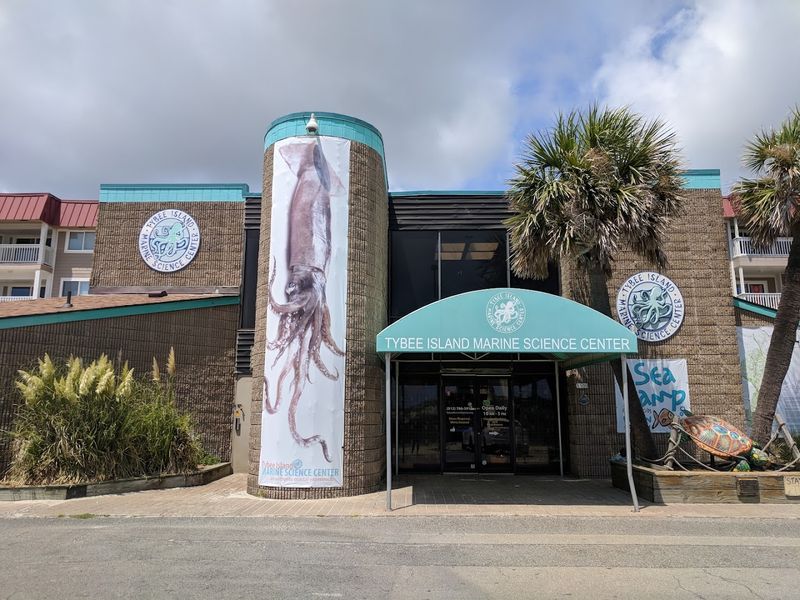
Walking along Tybee’s shoreline with an expert transforms an ordinary beach day into an educational expedition. You learn to identify different shells, spot animal tracks, and understand how tides shape the coastal environment.
These guided tours happen during low tide when the beach reveals its secrets. You might find sand dollars, observe shorebirds feeding, or discover tiny fish trapped in tidal pools. The biologists carry collection containers so you can examine creatures up close before returning them safely.
I love how these walks change your perspective on beach visits forever. You start noticing details you previously overlooked. The experience teaches you to be a better observer and appreciate the complexity of coastal ecosystems.
3. Marsh Trek Expeditions
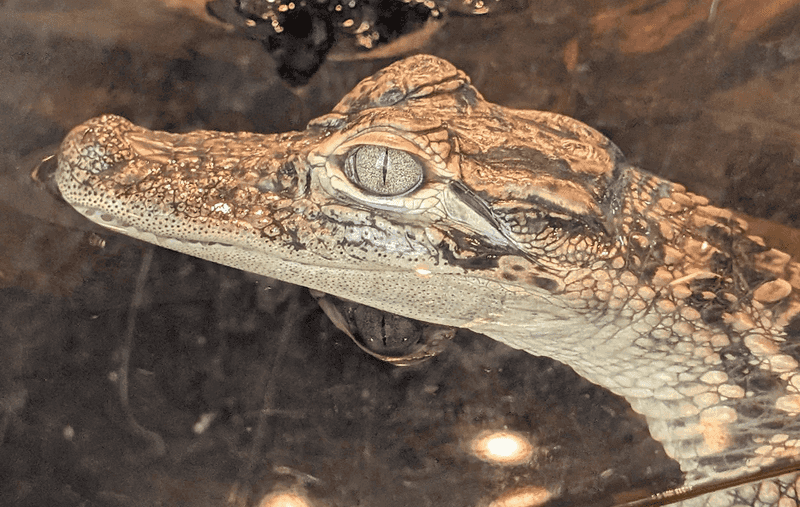
Pulling on rubber boots and stepping into the squishy marsh mud feels strange at first, but it becomes thrilling quickly. You wade through shallow water and soft mud while learning about this incredibly productive ecosystem.
The marsh teems with life that most visitors never see. You might catch blue crabs with nets, observe fiddler crabs waving their oversized claws, or watch periwinkle snails climbing spartina grass. The guides explain how marshes protect coastlines from storms and provide nurseries for fish and shrimp.
Getting muddy becomes part of the fun. You laugh with fellow trekkers as you navigate the uneven terrain. This messy adventure creates memories that last far longer than staying clean ever could.
4. Sea Turtle Conservation Programs
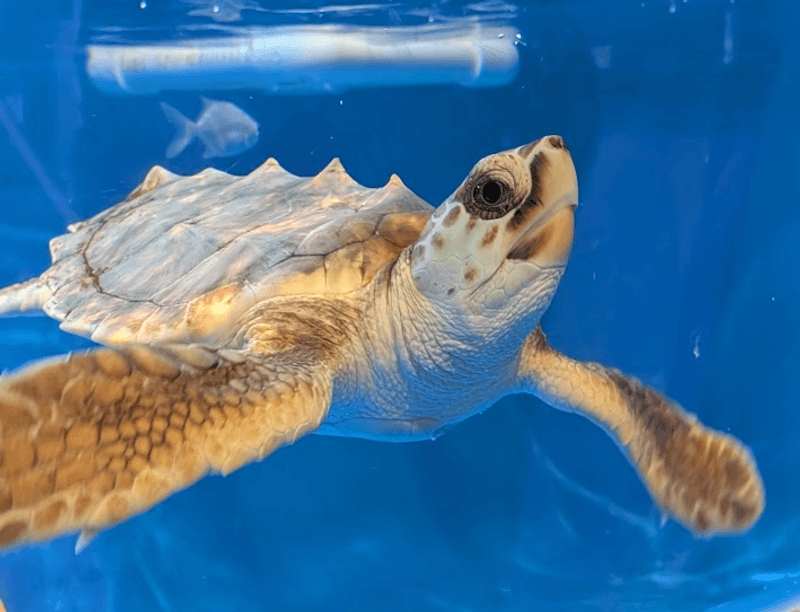
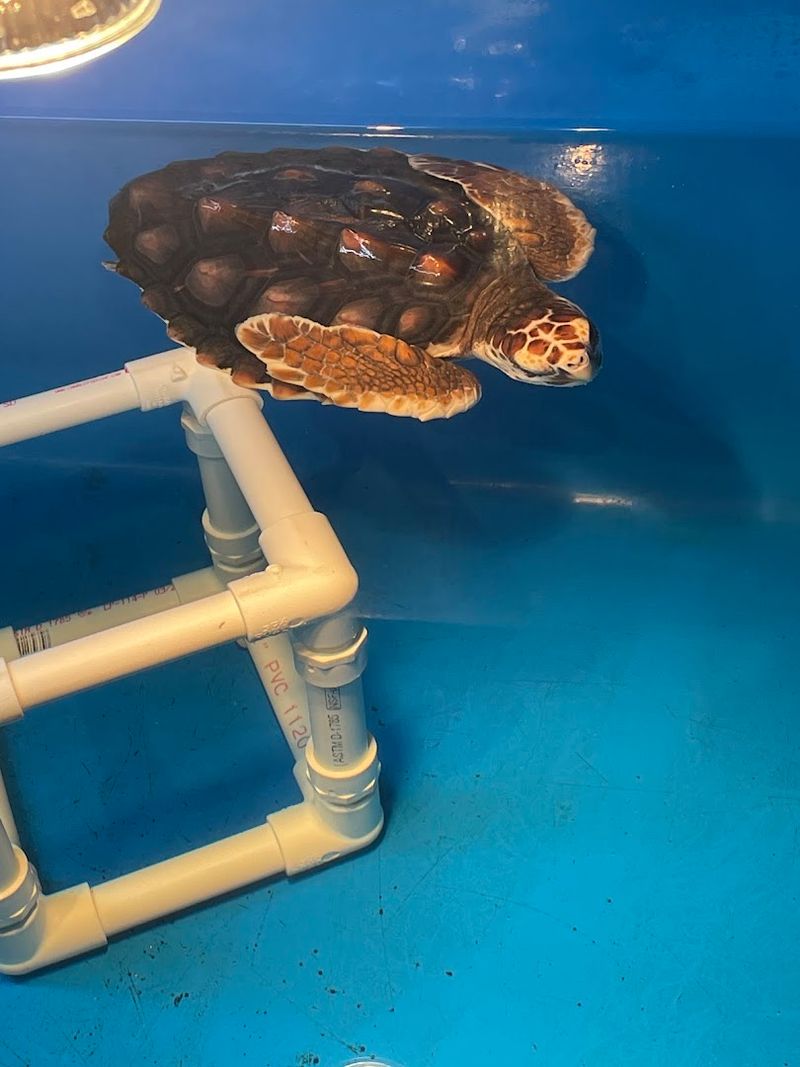
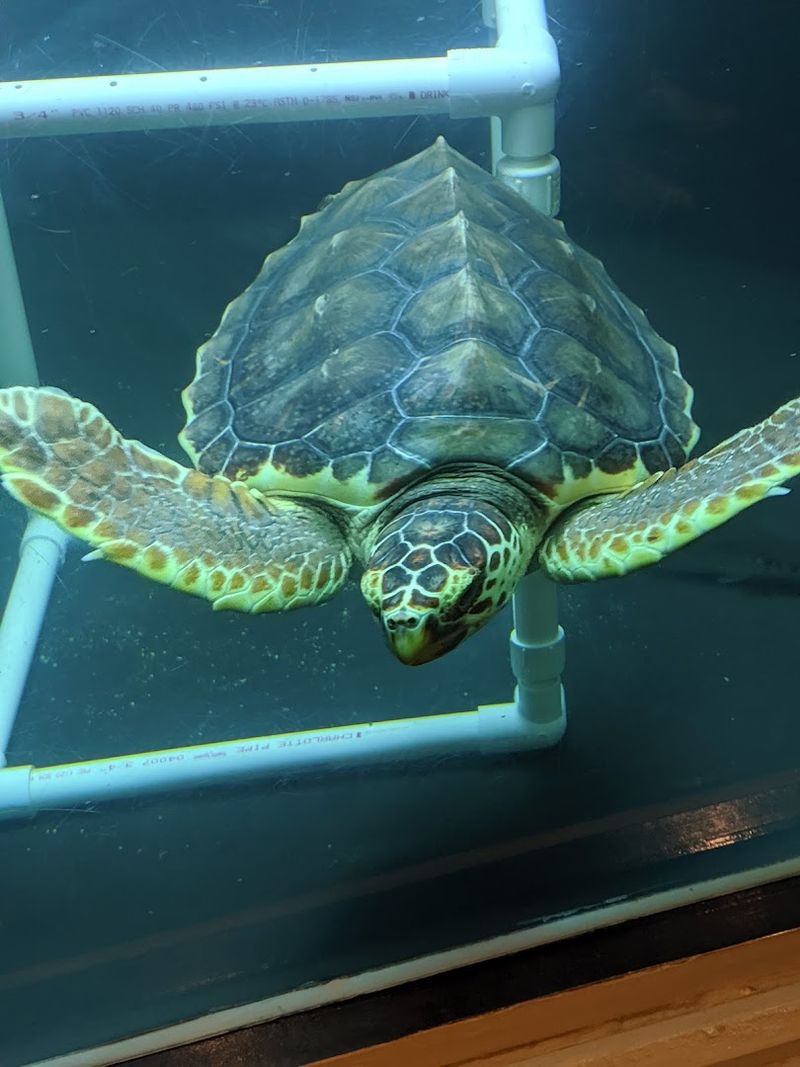
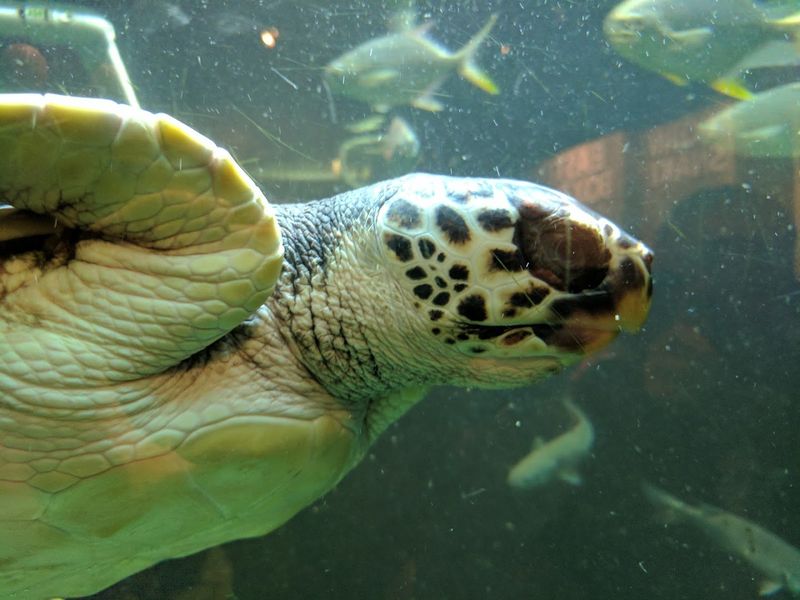
Learning about sea turtles that nest on Tybee’s beaches connects you to an ancient marine tradition. You discover how these magnificent creatures travel thousands of miles to return to Georgia beaches where they hatched decades earlier.
The exhibits feature real turtle shells, nesting information, and stories of rescued turtles. Staff members share updates about current nesting seasons and explain threats these endangered animals face. You learn simple actions that help protect turtle populations, like reducing light pollution and keeping beaches clean.
During nesting season, the center sometimes offers special programs. You might participate in nest monitoring or learn about hatchling releases. These programs show how individual actions contribute to species survival and ocean health.
5. Aquarium Displays Showcasing Local Species
Walking past the carefully maintained aquarium tanks shows you exactly what lives in Georgia’s coastal waters. You see flounder camouflaged against sandy bottoms, colorful sheepshead with their distinctive stripes, and blue crabs displaying their fighting claws.
Each tank recreates specific habitats found nearby. Some mimic oyster reefs, others show open water environments, and still others represent marsh edges. Reading the informative plaques teaches you about each species’ role in the food web and its importance to commercial fishing.
I appreciate how this local focus makes the ocean feel more accessible. You realize that incredible marine life exists right here in Georgia waters. You do not need to travel to tropical destinations to witness ocean wonders.
6. Educational Programs For All Ages
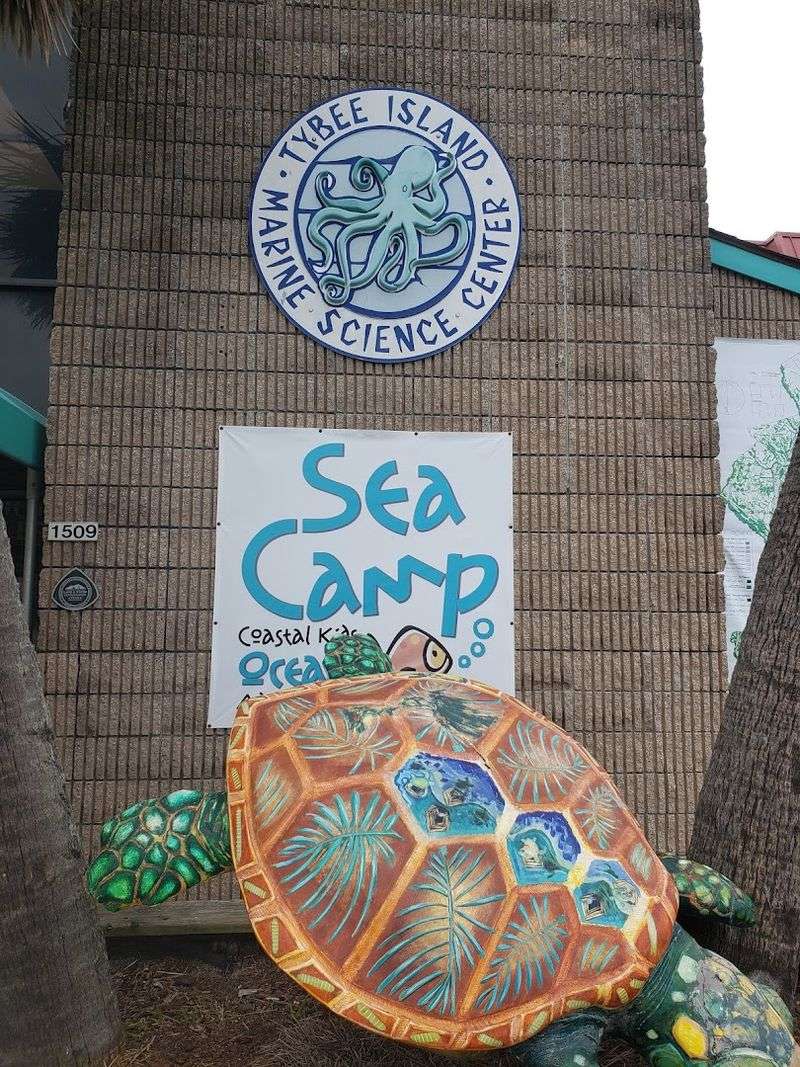
Finding a place where both kids and adults learn together creates special family bonding opportunities. Young children enjoy simple activities like shell sorting and creature crafts, while older visitors appreciate detailed discussions about marine ecology and conservation challenges.
The staff adjusts their teaching style based on audience interest and knowledge level. They answer questions patiently and encourage curiosity rather than just presenting facts. You leave feeling smarter and more connected to the coastal environment.
Summer camps run throughout vacation months, offering intensive experiences for young marine enthusiasts. School groups visit during the academic year for field trips that align with science curricula. These structured programs make complex scientific concepts understandable and memorable through hands-on activities.
7. Coastal Ecosystem Exhibits
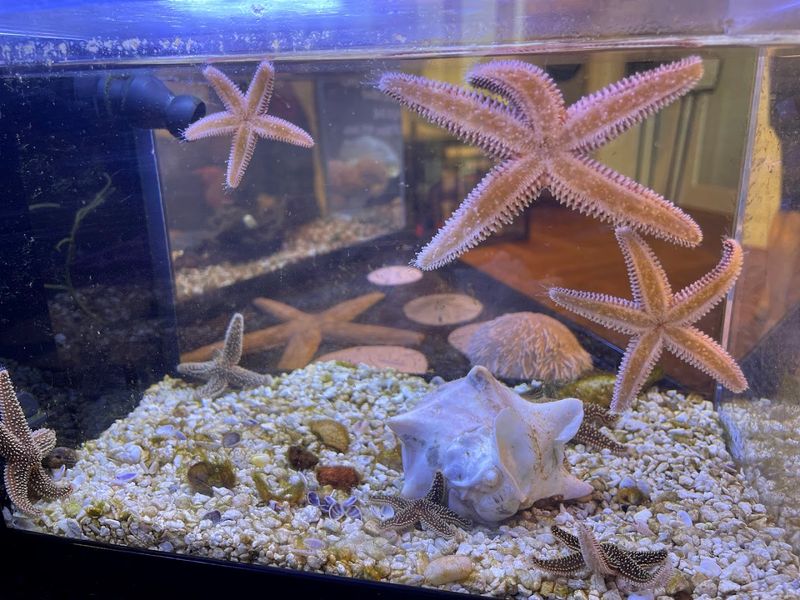
Understanding how different habitats connect helps you see the bigger environmental picture. You discover how nutrients flow between these zones and why protecting one habitat helps preserve all the others.
Interactive displays let you explore these connections hands-on. You might match animals to their preferred habitats or track a blue crab’s life cycle as it moves between environments. Models and diagrams simplify complex ecological relationships into understandable concepts.
The exhibits emphasize Georgia’s coastal geography specifically. You learn about barrier islands, tidal creeks, and estuaries that characterize this region. This local knowledge makes you a better steward of nearby natural resources and helps you appreciate what makes Georgia’s coast unique.
8. Hermit Crab Encounters
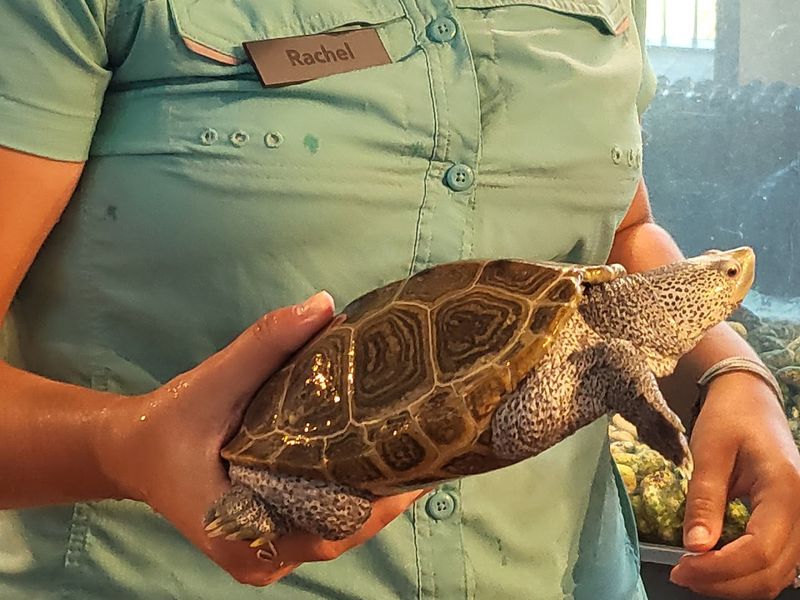
Watching a hermit crab switch shells right in your hand ranks among the most delightful experiences at the center. You observe how they carefully test new shells before committing to a move, showing decision-making abilities that surprise many visitors.
Staff members explain the symbiotic relationship between hermit crabs and sea anemones that sometimes ride on their shells. You learn why these crabs need to find larger shells as they grow and how shell availability affects populations. Holding one teaches you to be gentle and patient with wildlife.
Kids especially love these interactions. The crabs tickle as they walk across palms with their tiny legs. This positive first encounter with marine life often sparks lifelong interest in ocean science and conservation.
9. Tidal Pool Exploration
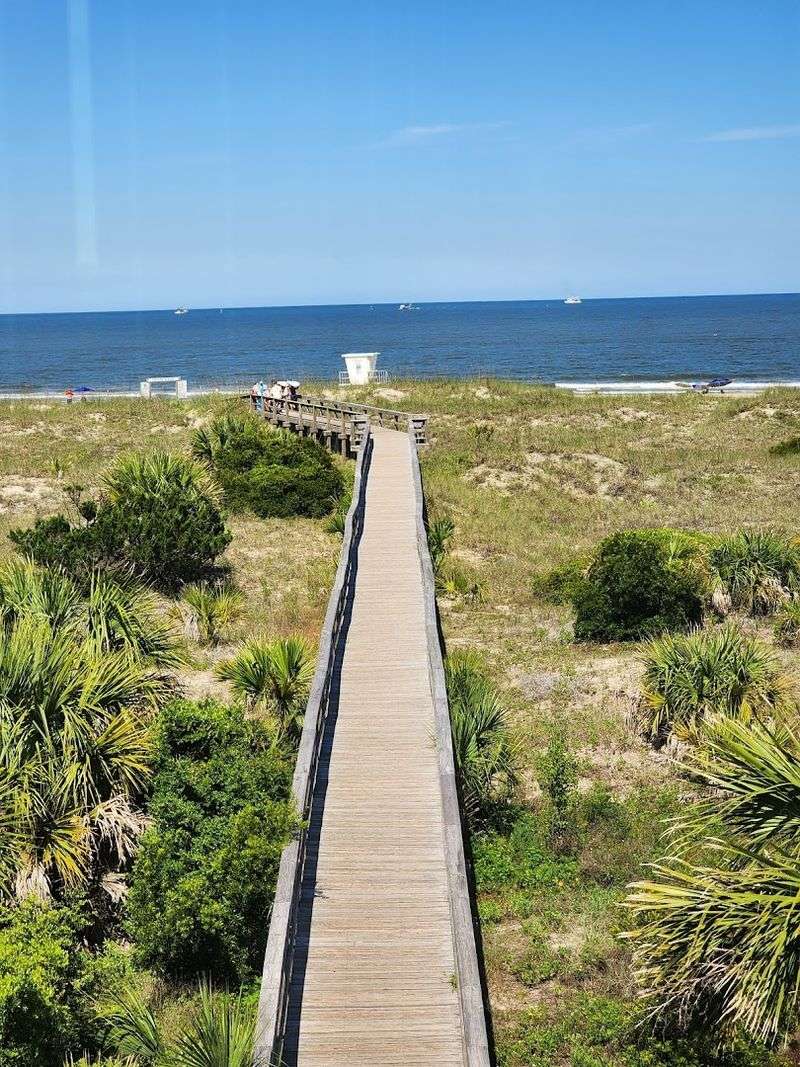
Crouching beside a tidal pool opens a window into a miniature ocean world. You discover that what looks like an empty puddle actually contains dozens of species surviving until the ocean returns.
Guides show you how to spot camouflaged fish, identify different seaweed types, and observe tiny shrimp darting between rocks. You learn proper etiquette for tidal pool exploration, including never removing creatures and always returning rocks to their original positions. These practices protect fragile ecosystems.
Each pool presents different discoveries depending on its depth, location, and connection to the ocean. Some harbor only hardy species that tolerate temperature changes, while others shelter more delicate creatures. This variability makes every exploration unique and exciting.
10. Seining Adventures In Shallow Waters
Dragging a seine net through shallow water and seeing what you catch brings out the excitement in everyone. You wade into the surf holding one end of a long net, then pull it onto the beach to see what marine life you captured.
The catch varies with seasons, tides, and luck. You might net juvenile fish, shrimp, jellyfish, or even small stingrays. Guides quickly sort through the catch, explaining what you found before releasing everything back into the ocean.
You learn to identify species and understand why shallow waters serve as nurseries for young marine animals.
This active participation makes you feel like a real marine biologist. You contribute to data collection while learning scientific techniques. The physical activity combined with discovery creates an engaging educational experience.
11. Wildlife Observation Opportunities
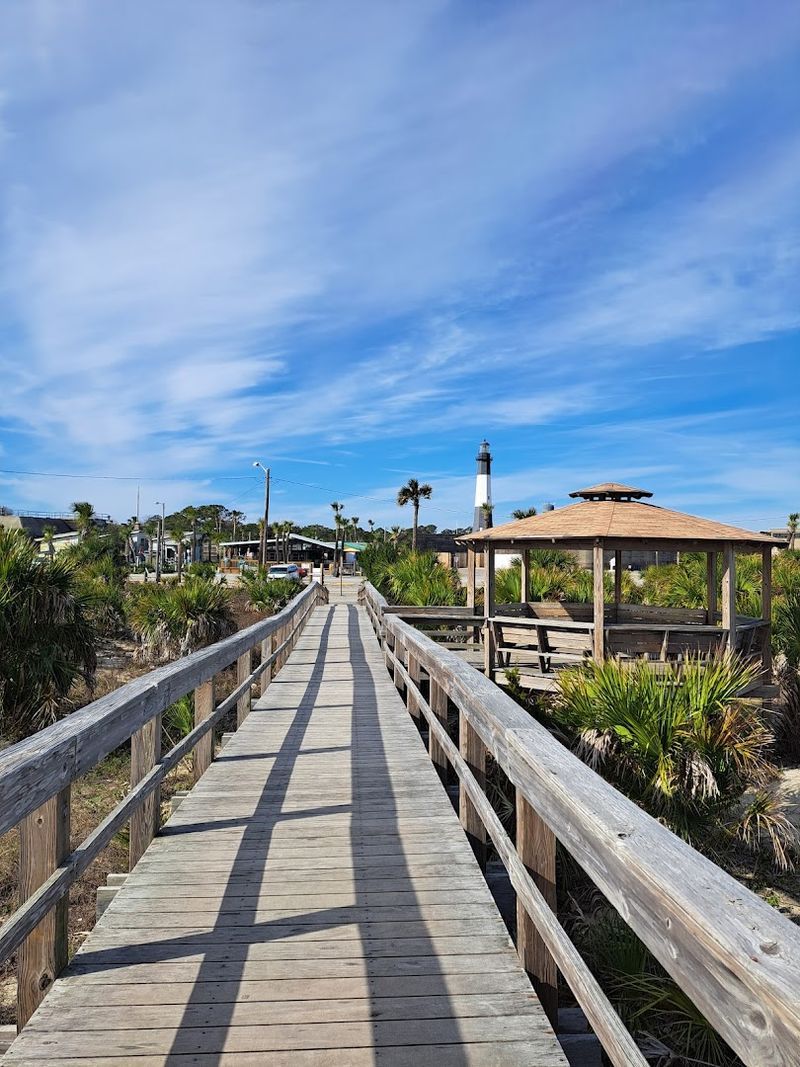
Bringing binoculars enhances your visit as you spot diverse wildlife beyond aquatic species. You might see brown pelicans diving for fish, great blue herons stalking prey in shallow water, or bottlenose dolphins surfing in the waves just offshore.
Staff members help you identify different species and explain their behaviors. You learn which birds migrate through Tybee Island seasonally and which species live here year-round. Understanding these patterns deepens your appreciation for coastal biodiversity.
Early morning visits often provide the best wildlife viewing opportunities. Animals are most active during cooler hours, and fewer human visitors mean less disturbance. Patience rewards you with memorable sightings that complement your hands-on learning experiences inside the center.
12. Sustainable Fishing Education
Understanding where seafood comes from changes how you think about restaurant menus and grocery store choices. You learn which species are abundant, which face overfishing pressures, and how regulations protect fish populations for future generations.
Interactive displays explain different fishing methods and their environmental impacts. You discover why certain gear types cause less habitat damage than others and how size limits ensure fish can reproduce before being caught. This information helps you make informed decisions as a consumer.
The center also addresses aquaculture and its role in seafood production. You learn about oyster farming in Georgia and how it provides food while improving water quality. Understanding these connections between human needs and environmental health promotes responsible resource use.
13. Hands-On Science Activities
Conducting actual scientific experiments makes abstract concepts concrete and memorable. You might measure water salinity, examine plankton under microscopes, or dissect squid to understand their anatomy.
These activities follow scientific methods with observations, hypotheses, and conclusions. Staff members guide you through procedures while encouraging independent thinking and problem-solving. You develop skills that extend beyond marine science into general scientific literacy.
I find that hands-on activities stick in memory far longer than passive learning. You remember what you did with your own hands and the discoveries you made personally. This experiential approach builds confidence and curiosity that may inspire future scientific pursuits or simply create informed citizens.
14. Storm Surge And Coastal Resilience Learning
Living in or visiting coastal areas requires understanding the power of storms and rising seas. You learn how barrier islands like Tybee protect mainland areas by absorbing wave energy and how natural features like dunes and marshes reduce flooding.
Interactive models demonstrate how storm surge works and why even small sea level increases dramatically expand flood zones. You discover engineering solutions like living shorelines that use natural materials to protect coastlines while maintaining habitat for wildlife. These approaches balance human safety with environmental health.
The information feels especially relevant given recent hurricane activity. You leave understanding why coastal conservation matters not just for wildlife but for human communities too. This knowledge helps you appreciate the importance of supporting protective measures and responsible development.
15. Volunteer And Citizen Science Programs
Contributing to real conservation work creates deeper connections to places you visit. You might help with beach cleanups, monitor shorebird nesting areas, or collect data about marine debris that scientists use in published research.
These programs welcome people with all skill levels. Training sessions teach you what to look for and how to record observations accurately. You become part of a larger community working to protect coastal environments and understand environmental changes over time.
Volunteering transforms you from tourist to stakeholder. You develop personal investment in Tybee Island’s health and beauty. Many volunteers return repeatedly, building relationships with staff and other conservation-minded individuals who share their values and interests.
16. Gift Shop With Educational Resources
Bringing home souvenirs that continue your education extends the learning experience beyond your visit. You find field guides for identifying local species, activity books for young naturalists, and toys that teach about ocean life.
Unlike typical tourist shops filled with generic items, this store focuses on quality educational materials. Purchases support the center’s programs and conservation work, making your shopping meaningful. You can find books about Georgia’s coastal ecology written at various reading levels, from picture books to detailed scientific texts.
I always appreciate gift shops that align with their organization’s mission. You avoid cheap plastic trinkets and instead choose items with lasting value. Kids especially benefit from taking home tools that encourage continued exploration and learning about the natural world they just discovered.