12 Great Farm-To-Table Restaurants In North Carolina
North Carolina spoils you. Two James Beard Award regions, one state, and the farmers here have been feeding people long before “farm-to-table” became a buzzword on every menu in America.
I’ve eaten my way through a lot of this state, and what keeps surprising me is how seriously chefs take their sourcing. They know their farmers by name.
They change menus mid-week when something better shows up at the back door. That kind of cooking is rare, and the state has built a whole culture around it.
These restaurants go beyond the basics. They focus on sourcing and seasonality in a way that defines what serious farm-to-table dining actually looks like.
1. Restaurant Constance, Charlotte
There are restaurants you visit once and restaurants you find yourself thinking about weeks later. Restaurant Constance falls firmly into the second category.
There is something about this place that stands out for its focus on quality and simplicity.
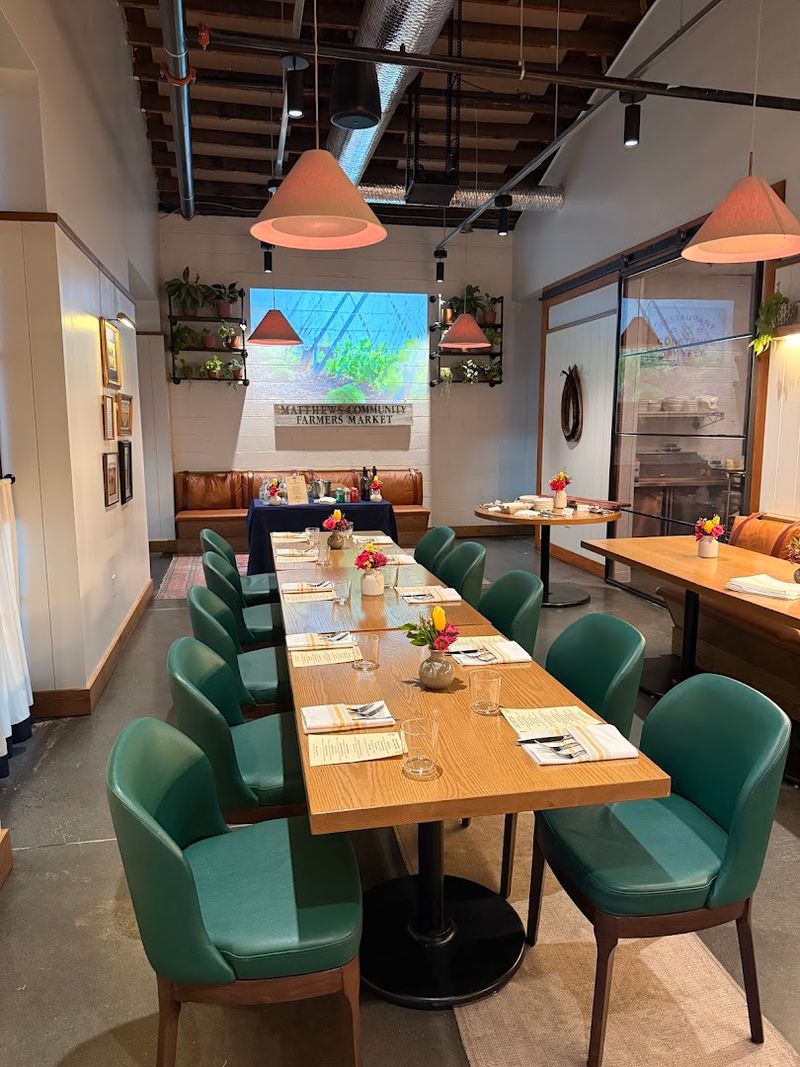
The room feels warm and considered, like someone spent a long time thinking about how every detail would make you feel. You will find it at 2200 Thrift Rd, Charlotte, and walking through the door already feels like the right decision.
The menu follows what is growing close by. Dishes shift with the seasons, so what lands on your plate in October looks nothing like what the kitchen is sending out in April.
That kind of commitment keeps things alive and gives the chefs a real reason to get excited.
The team behind the restaurant has created something here that feels genuinely rooted. The food nods to Southern tradition without being trapped by it.
Local grains, vegetables, and proteins show up in dishes that feel polished but never cold or showy.
This is the kind of place you go when you actually want to taste your dinner. Nothing is rushed, nothing feels like it was put together on autopilot.
Each dish reflects careful ingredient sourcing, and that is exactly what farm-to-table should feel like when it is done right.
2. The Hackney, Washington
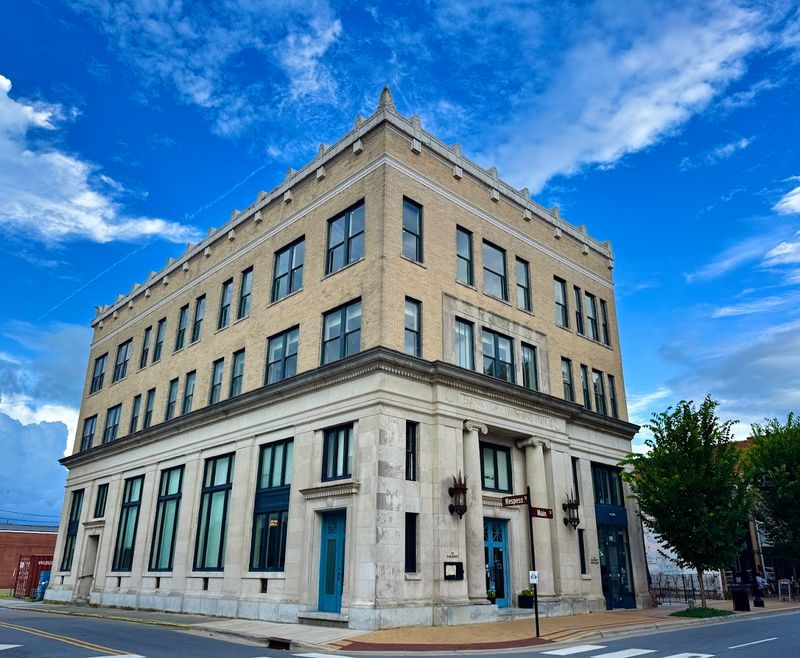
Not every great restaurant is in a city. Sometimes the best meal you will have all year is waiting in a small waterfront town most people drive straight past.
The Hackney in Washington is exactly that kind of discovery.
It sits inside a restored 1922 bank building at 192 W Main St, Washington, and the space has held onto everything that made it beautiful. High ceilings, original details, and a quiet sense of history make the dining room feel significant without ever feeling stuffy.
The menu changes daily. That alone tells you the kitchen is paying attention.
Local seafood pulled from nearby waters plays a central role, prepared with a Southern sensibility that feels genuine rather than performed.
Sourcing comes from regional farms and local fishermen, which keeps everything honest. No filler, no fluff.
What lands on your plate reflects what the land and water around Washington are actually producing at that moment in the year.
Meals here feel like they have mattered to people for a long time. After one visit, you will understand exactly why.
3. Rx Chicken & Oysters, Wilmington
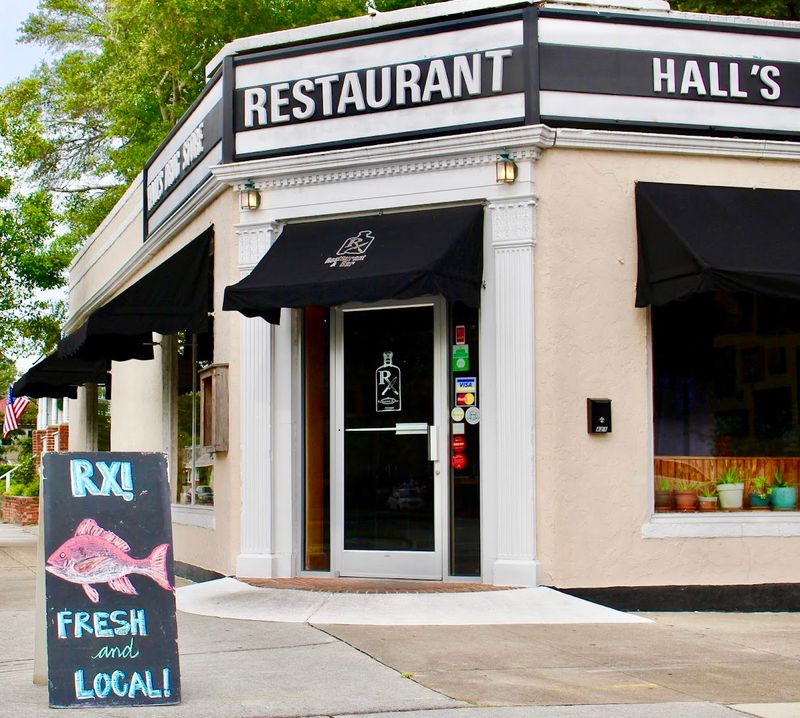
Some kitchens try to do everything and end up doing nothing particularly well. The ones worth remembering usually know exactly what they are.
That is exactly what you get on Castle Street in Wilmington. The neighborhood at 421 Castle St, Wilmington, has built a real identity around independent food and drink, and Rx Chicken and Oysters fits right into that spirit.
The name tells you everything. Oysters come from local waters, briny and cold, served simply so the source can speak for itself.
Chicken preparations lean on technique and quality ingredients rather than elaborate sauces or distractions.
What makes it work is restraint. The kitchen does not try to do everything, and that focus is exactly what elevates it.
Each dish gets the attention it deserves, and the sourcing from nearby farms and fisheries becomes the actual point of the meal.
The atmosphere is relaxed without being careless. Castle Street has a low-key energy, and Rx matches it perfectly.
Honest food, clear intention, and a kitchen that knows its own strengths make this a stop worth planning around.
4. The Eddy Pub, Saxapahaw
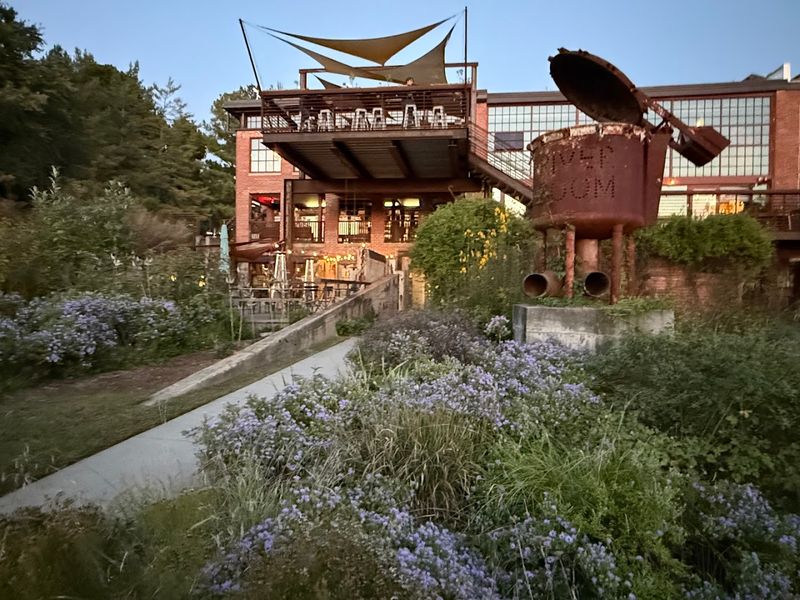
There are places that earn their reputation quietly, without press releases or hype. Saxapahaw is one of them.
This small mill village along the Haw River has reinvented itself around food, community, and local farming, and The Eddy Pub at 1715 Saxapahaw-Bethlehem Church Rd, Saxapahaw, sits at the center of that story.
The pub operates with a clear sense of place. Ingredients come from farms that are practically neighbors, and the menu reflects what those farms are producing week to week.
Burgers, sandwiches, and seasonal specials feel grounded in the landscape rather than borrowed from a trend.
The outdoor space near the river is one of the better places to eat in central part of the state.
The Saxapahaw General Store nearby and the broader village ethos create a context that gives the restaurant meaning beyond the plate.
The Eddy works because everything around it works, and that kind of community investment is exactly what makes a meal feel like it belongs somewhere specific.
5. The Chef’s Table, Waynesville
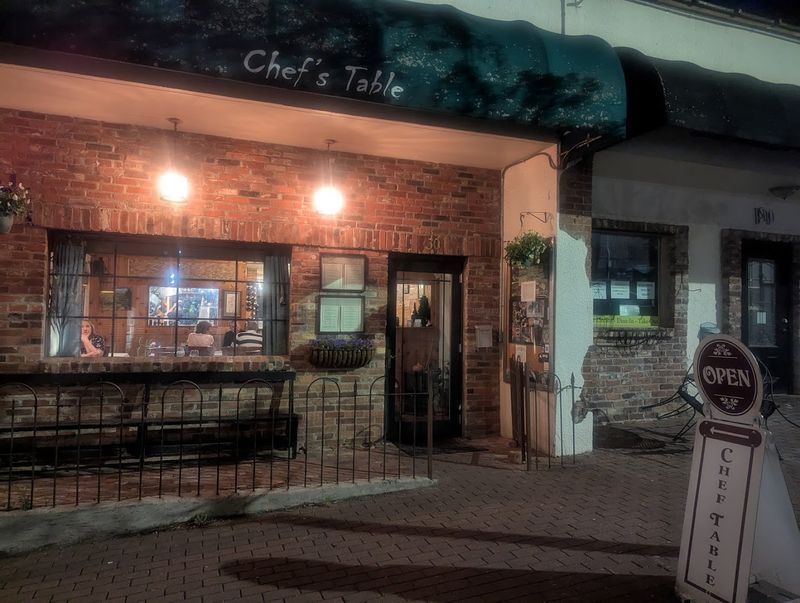
Everyone stops in Asheville. Hardly anyone stops in Waynesville, and that is exactly why the food there still feels like a real discovery.
The menu focuses on refined, seasonal cooking with strong European influences. Fresh pasta, house-baked bread, and ingredients sourced from the chef’s own farm and local producers define the experience.
The approach is thoughtful and precise, with an emphasis on technique as much as sourcing.
The dining room is intimate. Tables are spaced in a way that encourages actual conversation, and the pacing of the meal feels unhurried.
No background noise competing with the food, no sense that anyone is trying to rush you out.
That kind of quiet focus is rare. For anyone traveling through this part of the state, The Chef’s Table makes a strong case for slowing down and spending an evening somewhere the food is just as serious as anywhere else in the state.
6. All Souls Pizza, Asheville
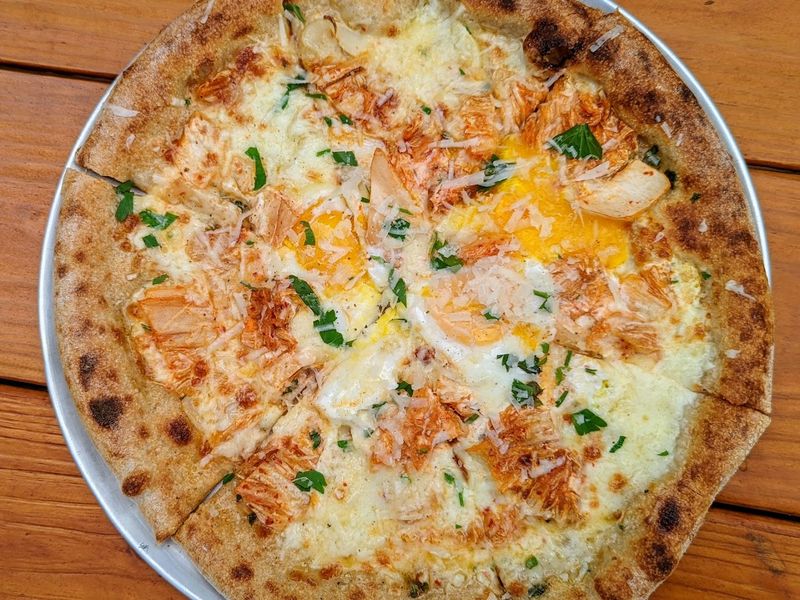
Most farm-to-table restaurants are not serving pizza. All Souls Pizza in Asheville decided that was not a good enough reason to skip it.
The dough is made with locally milled flour, which changes the texture and flavor in ways that actually matter. Toppings rotate with the seasons, so summer pies look and taste nothing like winter ones.
That is not a gimmick. It is what happens when a kitchen genuinely follows the harvest.
The space has an open, industrial feel with the kind of energy that comes from a wood fire and a busy kitchen. Loud in the best way, full of people who came specifically because they know what they are getting.
Asheville has no shortage of restaurants doing interesting things with local ingredients. All Souls stands out because it applies that same rigor to a format most people take for granted.
Good pizza made from good ingredients sourced nearby is a simple idea, and this kitchen executes it with real craft.
You will find them at 175 Clingman Ave, Asheville, inside a wood-fired room that smells exactly as good as you are hoping it will.
7. Blu Farm To Table, Washington
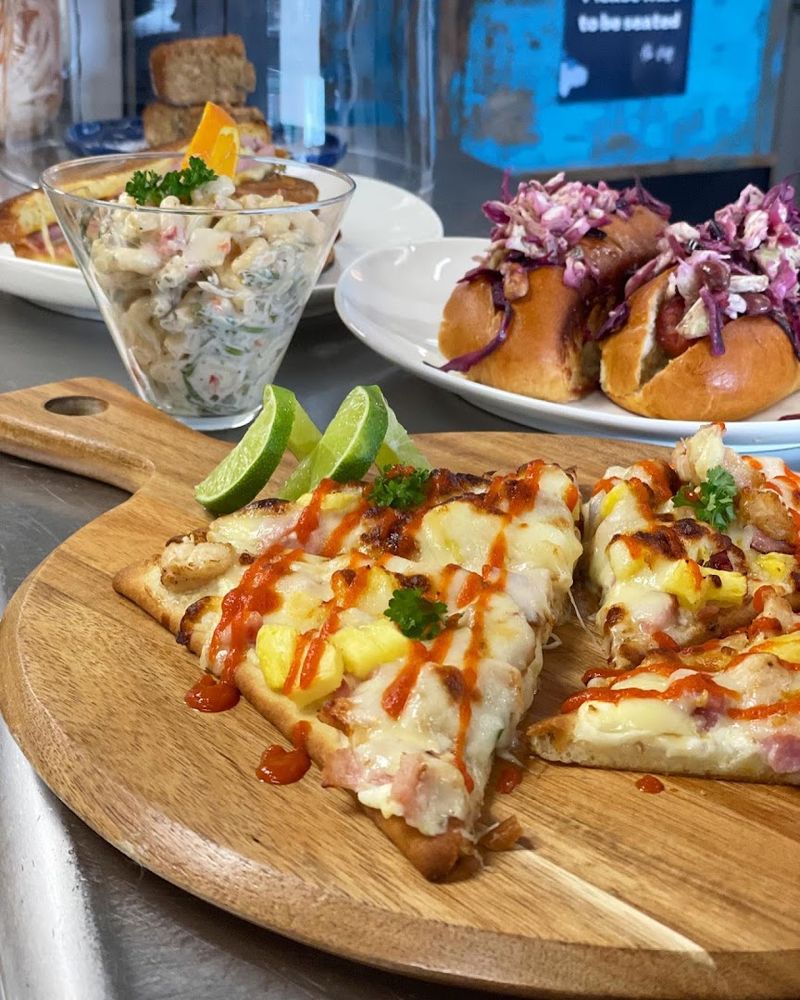
Washington shows up twice on this list for a reason. Blu Farm to Table, at 129 E Main St, Washington, approaches local sourcing from a different angle than its neighbor The Hackney.
Here the coastal Carolina identity merges with a genuine farm-fresh philosophy that pulls from both land and water.
The menu draws from nearby farms and local fisheries, creating dishes that reflect the full range of what this part of eastern North Carolina produces. That might mean fresh catch prepared simply alongside roasted vegetables from a farm just outside of town.
The dining room has a comfortable ease to it. Natural light, clean lines, and a pace that does not feel rushed make it a good choice for a longer meal.
The staff seems genuinely engaged with what they are serving, which always improves the experience.
The region does not always get credit for its food scene, but the town is quietly building something worth paying attention to. Blu is a big part of that story, connecting local agriculture and coastal resources in a way that feels specific to this stretch of the state.
8. The Market Place, Asheville
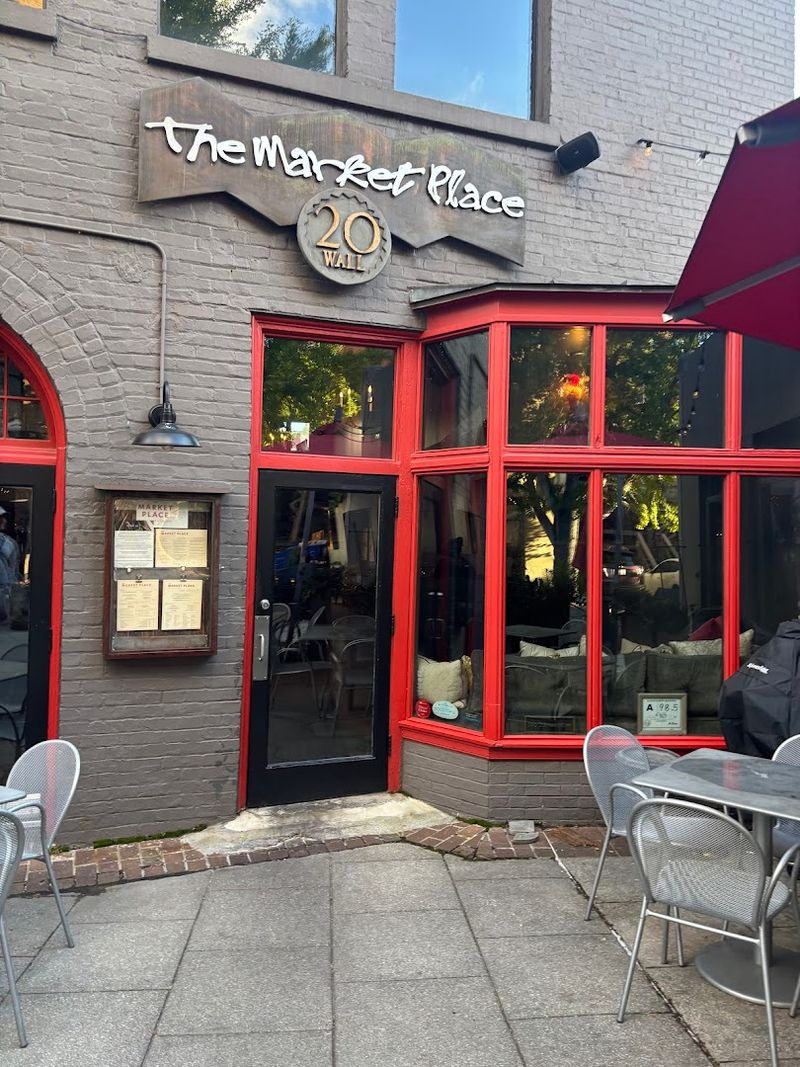
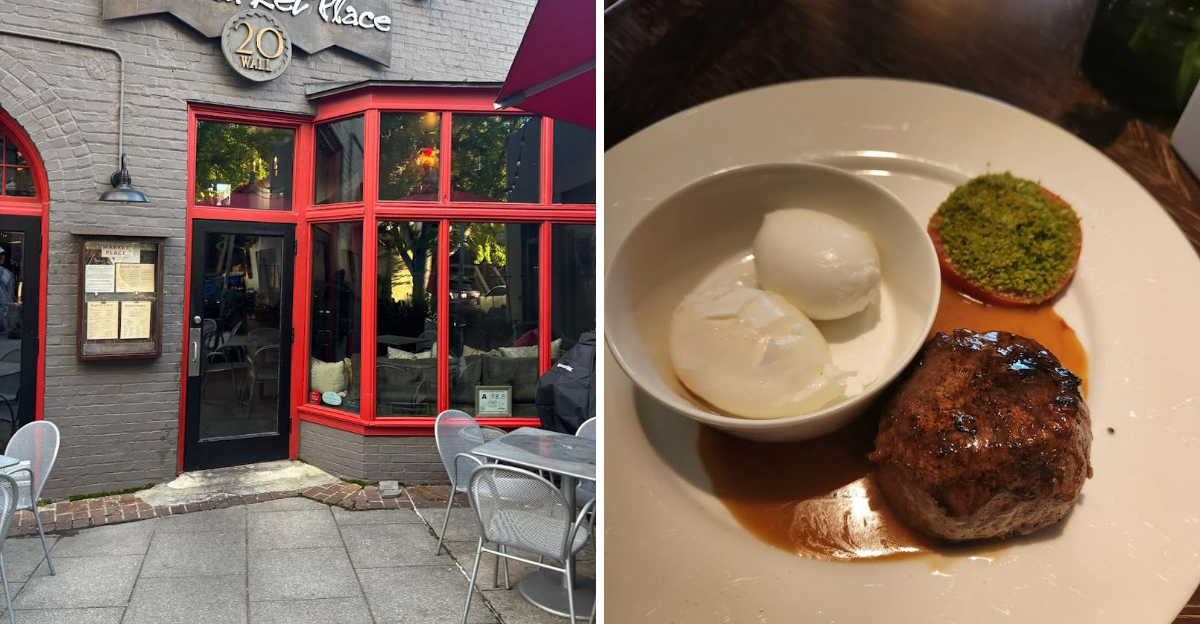
Few restaurants in the state have the kind of track record that The Market Place carries. Open since 1979 at 20 Wall St, Asheville, it was doing farm-to-table before the term became a marketing phrase.
That history gives the place a quiet authority that newer spots are still working to earn.
The kitchen sources from more than 200 local farms, and that commitment shows in the depth and variety of what lands on the menu each season. Appalachian ingredients anchor the cooking, from mountain trout to heirloom vegetables grown in the surrounding valleys.
The dining room on Wall Street has a settled quality, like a place that has figured out what it wants to be and has no interest in chasing trends. The food is confident and well-executed, with a sense of continuity that spans decades.
For anyone who wants to understand how deeply farm-to-table dining is woven into Asheville’s identity, The Market Place is the right starting point. It helped build that identity, and it continues to define what serious local sourcing looks like in the mountains of western part of the state
9. The Fearrington House Restaurant, Pittsboro
Very few restaurants can tell you to take a walk before dinner and actually mean it. This one can.
The property between Chapel Hill and Pittsboro feels like it exists slightly outside of time. Gardens, resident belted Galloway cattle, and a landscape that actually feeds the kitchen give Fearrington House a context most restaurants could never replicate.
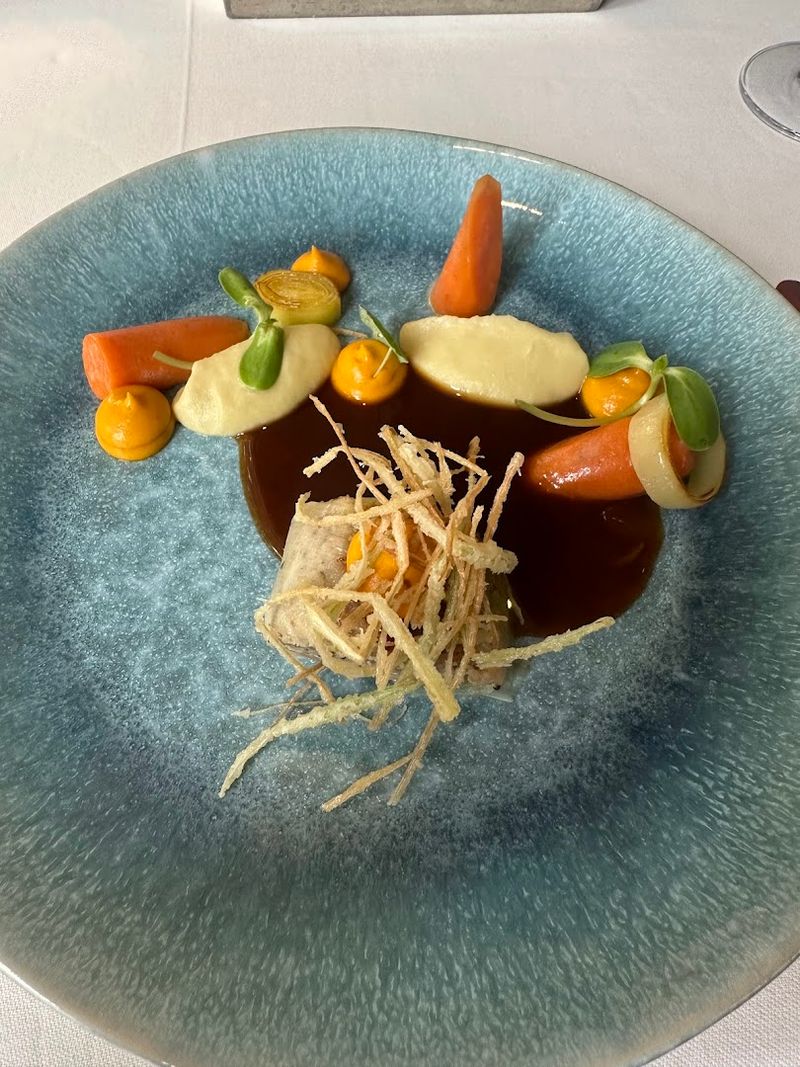
The kitchen works with the property’s own gardens as well as neighboring farms, building tasting menus around what is at peak ripeness. The approach is formal without being cold, and the craft in each course reflects a kitchen that takes sourcing seriously.
The dining room is beautiful in a restrained way. Garden views, careful table settings, and an unhurried pace create conditions for a meal that feels like a real event.
This is not a place for a quick dinner, and it does not pretend to be.
Walking the property before or after your meal, seeing exactly where the food comes from, turns dinner into something closer to an experience. That connection between landscape and plate is exactly what farm-to-table is supposed to feel like when it is done right.
You will find it at 230 Market St, Pittsboro, sitting quietly between two towns and worth every mile to get there.
10. Local Roots & Provisions, Lincolnton
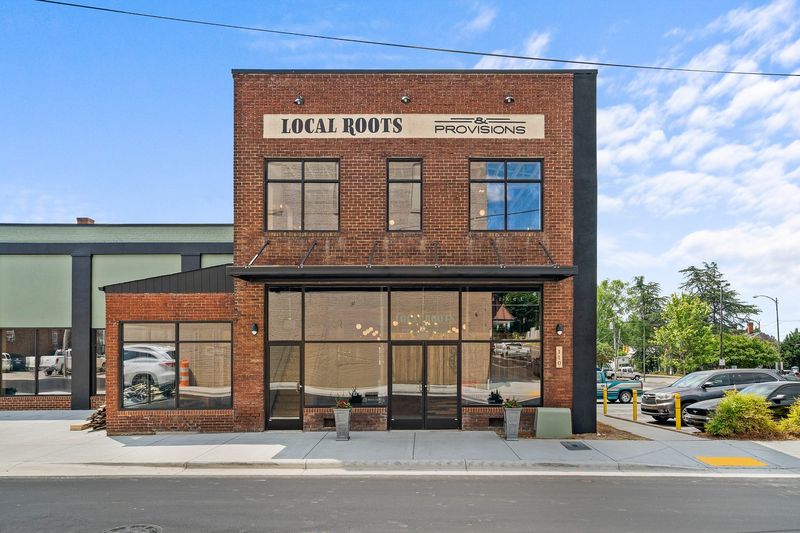
Lincolnton does not come up often in conversations about the state’s food scene, but Local Roots and Provisions is changing that.
Sitting at 110 E Water St, Lincolnton, the restaurant brings a serious commitment to local sourcing to a town that has historically been overlooked by the food travel crowd.
The menu draws from farms in the surrounding Piedmont region, turning seasonal produce, local meats, and regional pantry staples into Southern-leaning dishes that feel both familiar and carefully made. Nothing here is trying to impress with complexity.
The goal is honest, seasonal food done well.
The space has an intimate quality. Small-town restaurants that take food seriously often have a warmth that bigger city spots struggle to replicate.
The staff tends to know regulars by name, and that kind of familiarity extends to how guests are treated.
For road trippers moving through the western Piedmont, Lincolnton is worth a detour. Local Roots and Provisions represents exactly what happens when a community invests in its own food system and a kitchen decides to honor that investment with real skill and attention.
11. Crawford And Son, Raleigh
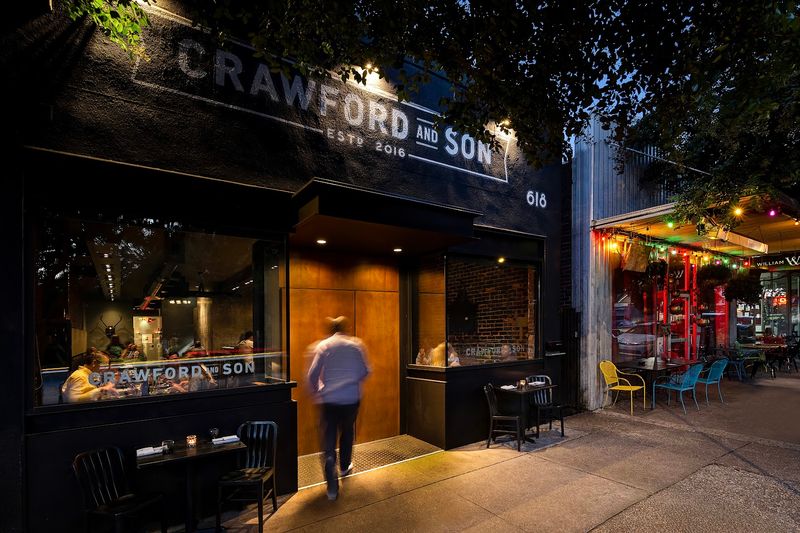
There are chefs who follow trends and chefs who set the direction for an entire food scene. Scott Crawford belongs to the second group.
His philosophy is straightforward. Cook with what is nearby, treat the ingredients with respect, and let the seasons drive everything else.
Crawford and Son sits on N Person St at 618, Raleigh, and the restaurant fits its neighborhood like it was always supposed to be there.
The dining room has a modern warmth, with an open kitchen that lets you watch the work happening in real time. A kitchen operating with that kind of focus and calm is its own kind of entertainment.
The menu is not shy about technique. Crawford trained at a high level, and that shows in how every component lands on the plate.
But the foundation is always the sourcing, and the relationships with local farmers are central to how the kitchen plans each season.
Crawford and Son is also known for offering a variety of vegetable-forward and seasonal dishes alongside its main menu. That flexibility, combined with serious sourcing standards, makes it one of the more complete farm-to-table experiences in the entire Triangle area.
12. Herons, Cary
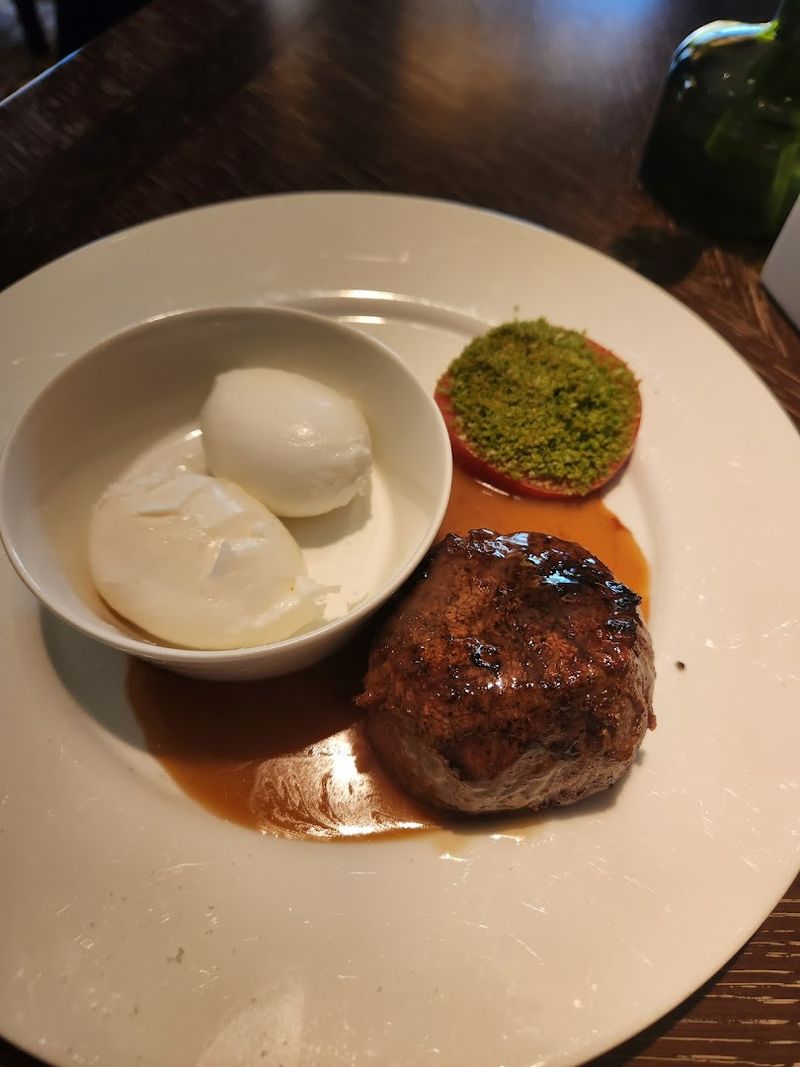
Herons operates at a level that few restaurants in the state reach. Located inside The Umstead Hotel in Cary, this restaurant holds Forbes Five-Star status and pairs refined technique with a strong focus on local ingredients.
The kitchen draws from the hotel’s own gardens and nearby farms, building tasting menus that showcase the best of what central region produces across each season. The ingredients are treated with the kind of care that only comes from a kitchen that respects where things come from.
The dining room looks out over a woodland pond, and that view sets a tone of stillness that the meal sustains. Service is precise without being formal to the point of discomfort.
The whole experience is calibrated to make you feel like the evening matters.
For a special occasion or simply a meal that you want to remember, Herons delivers something that most restaurants cannot.
The combination of serious sourcing, refined technique, and a setting that feels genuinely removed from everyday noise makes it one of the most complete dining experiences in the state.