9 Haunted Roads In Michigan That Get Much Creepier After Sunset
Would you still take the same road if somebody told you a ghost story first?
Michigan has routes where local legends make every dark curve feel a little more suspicious after sunset.
Strange lights, shadowy figures, and old tales have followed some of these roads for years, whether you believe them or not. That is the fun of it.
The trees seem darker. Empty stretches feel longer. Suddenly, a harmless reflection becomes a full conversation in the car.
The driver should probably focus on driving, though!
Let somebody else handle the creepy stories. The road already knows how to set the mood.
1. Denton Road, Canton
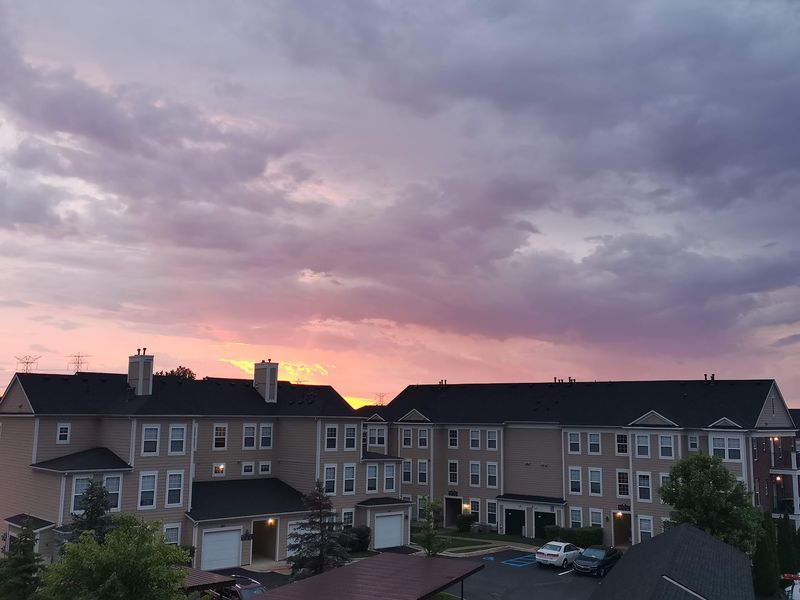
Did something blue move beyond those trees? A quiet bridge can make that question surprisingly hard to dismiss.
Denton Road in Canton carries a long-running legend about a mysterious Blue Lady near the Lower Rouge River crossing.
Versions disagree about who she was, how she died, and even what color the unexplained light is supposed to be. That uncertainty is a good reason to treat the story as folklore rather than local history.
The road itself has changed considerably. Denton is now a paved suburban route, and the current concrete bridge bears little resemblance to the older crossing that helped shape the tale.
The Lower Rouge River still passes beneath the road, giving the setting a real geographic anchor even when the supernatural details remain unverified.
Some retellings mention a lantern, a crying child, strange lights, or brief radio interference. None of those claims has been established as fact.
What survives most consistently is the image of a blue or bluish-white figure associated with the river crossing.
A daytime drive makes the modern layout easier to understand before darkness changes the view. Keep moving with traffic, avoid stopping on the bridge, and never use nearby private property as a viewing area.
For navigation, use Denton Road in Canton rather than searching for a ghost address. The legend supplies the atmosphere; ordinary road safety should control the visit.
2. Morrow Road, Marine City
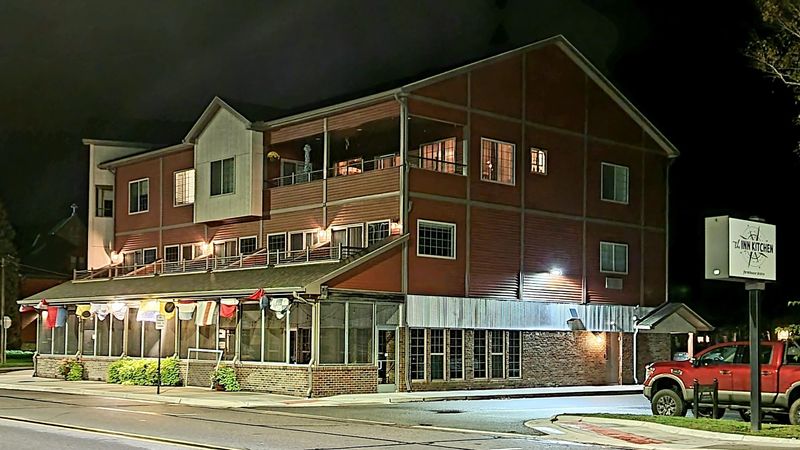
Just imagine hearing a faint sound across an empty field. Out here, even a normal noise can demand your full attention.
Morrow Road is tied to one of southeastern Michigan’s better-known roadside legends, usually centered on a woman searching for a missing child.
The story has circulated for generations, but details shift between retellings, and no historical event has been confirmed as its source.
The road runs through Clay and Cottrellville townships, between the Algonac and Marine City areas.
Older accounts describe it as a quiet rural route with drainage channels, wooded edges, and former bridge crossings that became important pieces of the folklore.
Some versions place a pale figure near the roadside. Others add cries, lights, or a mother wandering after dark. Those elements belong in the legend column, not the historical record.
The open landscape can still feel striking after sunset because headlights travel across fields while tree lines and ditches stay dark. That contrast is enough to make ordinary sounds seem unusually close.
Skip old dares that encourage stopping, honking, or leaving the vehicle. Morrow Road remains a public road used by residents, farm traffic, and other drivers.
Set the route before dusk, stay clear of driveways, and keep private land private. The story is strongest when it remains a piece of Michigan folklore rather than an excuse to disturb the people who live there.
3. Strasburg Street, Detroit

Listen closely, but keep your hands firmly on the wheel. The famous sound here supposedly comes straight through a passing car.
Strasburg Street in Detroit has carried the Knock-Knock Street legend for decades, and this entry has unusually strong folklore documentation.
University of Detroit Mercy’s James T. Callow Folklore Archive preserves versions collected in the late 1960s and around 1970.
The recurring element in every spooky story is a mysterious knocking supposedly heard against or beneath vehicles traveling along Strasburg.
Those archived stories demonstrate that the legend is old, not that the event behind it occurred exactly as described. No single documented incident has been established as the source of every version.
Today, Strasburg is an ordinary residential city street rather than an isolated rural route. Homes, intersections, parked vehicles, pedestrians, and regular traffic deserve more attention than any paranormal challenge.
Road seams, loose objects, debris, and normal vehicle noises can also create taps or rattles. If a sound seems mechanical, check the vehicle later in a safe place.
A drive here works best as a folklore stop rather than a ghost hunt.
Follow posted traffic rules, avoid photographing homes, and never slow suddenly to test the story. The old knocking tale is eerie enough without disrupting the neighborhood.
4. Hines Drive, Livonia
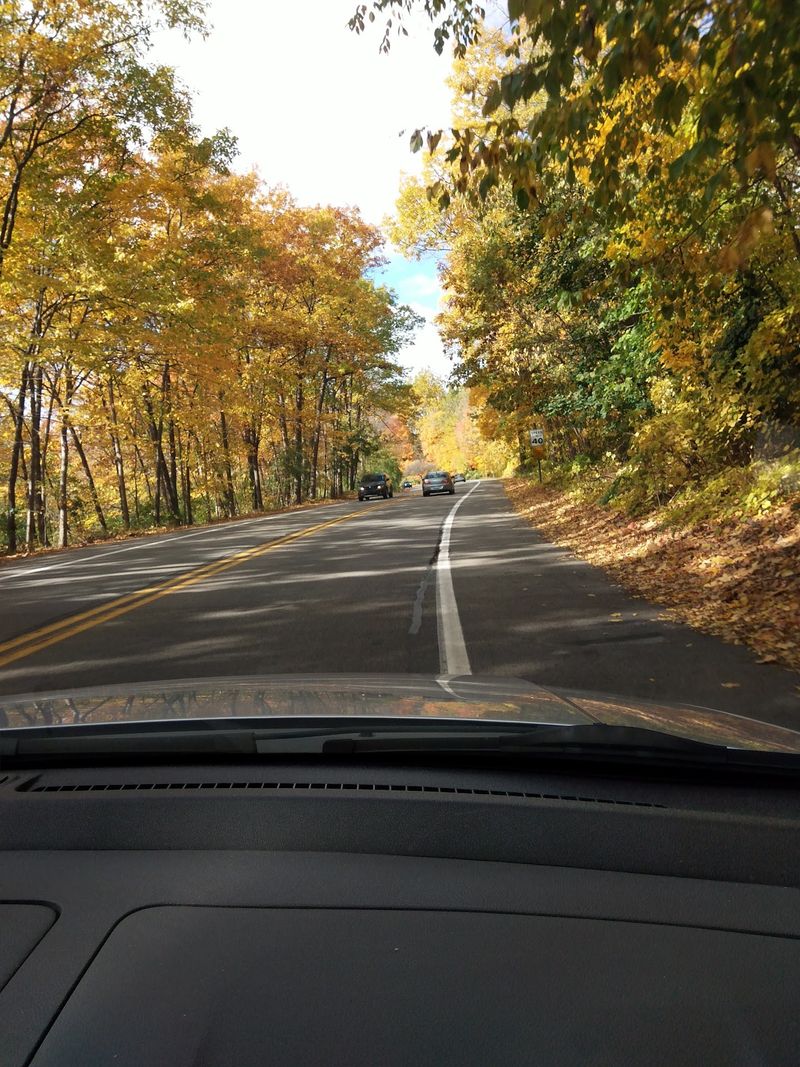
Wait, was that a voice, or just the wind? Wooded roads invite questions that sound silly under bright daylight.
Edward N. Hines Drive winds through one of Wayne County’s largest park systems, following the Middle Rouge River corridor through several communities, including Livonia.
The parkway is scenic, heavily used, and far less isolated than many haunted-road lists make it sound.
Stories about figures or strange sounds in the surrounding trees circulate online, but a reliable historical source for the specific children-in-white legend is difficult to establish. That makes careful wording important.
The creepy reputation is better treated as modern folklore attached to an already atmospheric landscape.
Hines Park itself covers thousands of acres and includes paved and unpaved trails, picnic areas, wetlands, playgrounds, and river scenery.
Individual park areas generally close at dusk, so nighttime trail exploration is not part of a responsible visit.
The road also functions as a major commuter route. Wayne County reports that thousands of vehicles use Hines Drive every day, which means abrupt stops or slow ghost-hunting passes can create real hazards.
Seasonal closures matter too. Flooding can temporarily shut sections, and organized events sometimes close long stretches to normal traffic.
Explore the scenery in daylight first, check current county notices, and keep after-dark curiosity on the roadway. The real landscape already provides plenty of atmosphere without inventing access where none exists.
5. Blood Road, Metamora
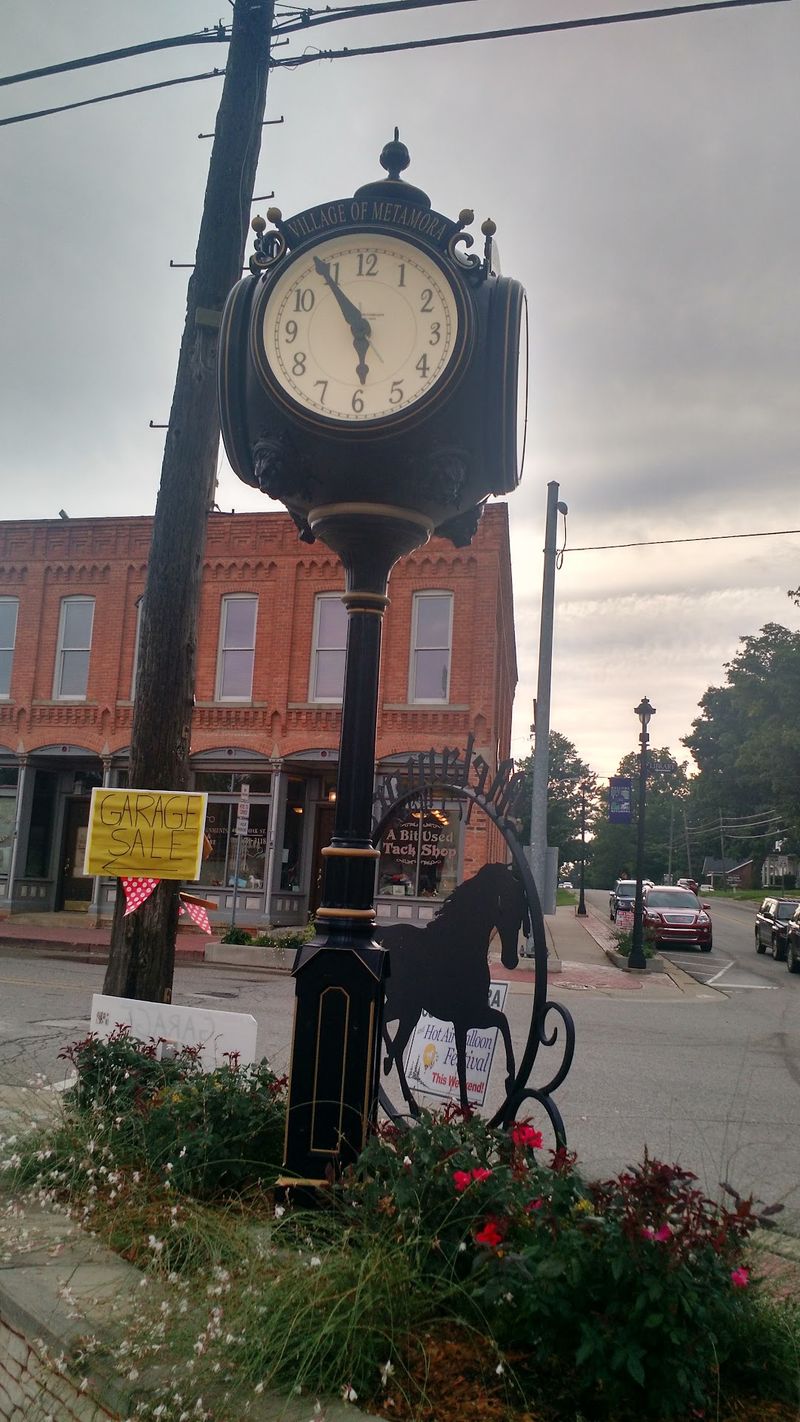
Okay, that name does half the spooky work already. The other half arrives when tree cover dims the evening sky.
Blood Road in Metamora Township is real, unpaved, and officially designated as one of Lapeer County’s Natural Beauty Roads.
The county lists a 1.64-mile designated section between Metamora Road and Brocker Road, giving this entry a firm geographic foundation.
The supernatural explanations are much less certain.
Michigan folklore archives and later retellings preserve several unrelated Blood Road stories, including tales involving strange stains, unexplained events, and frightening encounters. None provides a verified historical origin for the road’s name.
One popular natural explanation points to reddish clay and muddy water after rain. That idea is plausible, but it should not be presented as the proven naming history without stronger documentation.
The road’s wooded, rural character does most of the atmospheric work. Because the surface is unpaved, rain can change traction and visibility quickly.
Fallen branches, potholes, wildlife, and narrow shoulders deserve more attention than colored puddles.
A dry daytime pass is the easiest way to learn the route before considering an evening drive. Stay on the public roadway and avoid entering nearby property to investigate folklore.
Photographs belong at lawful stopping places, not in an active lane. Blood Road does not need a confirmed ghost to feel unusual; its memorable name and preserved rural setting already give it enough character.
6. Henry Ruff Road, Westland
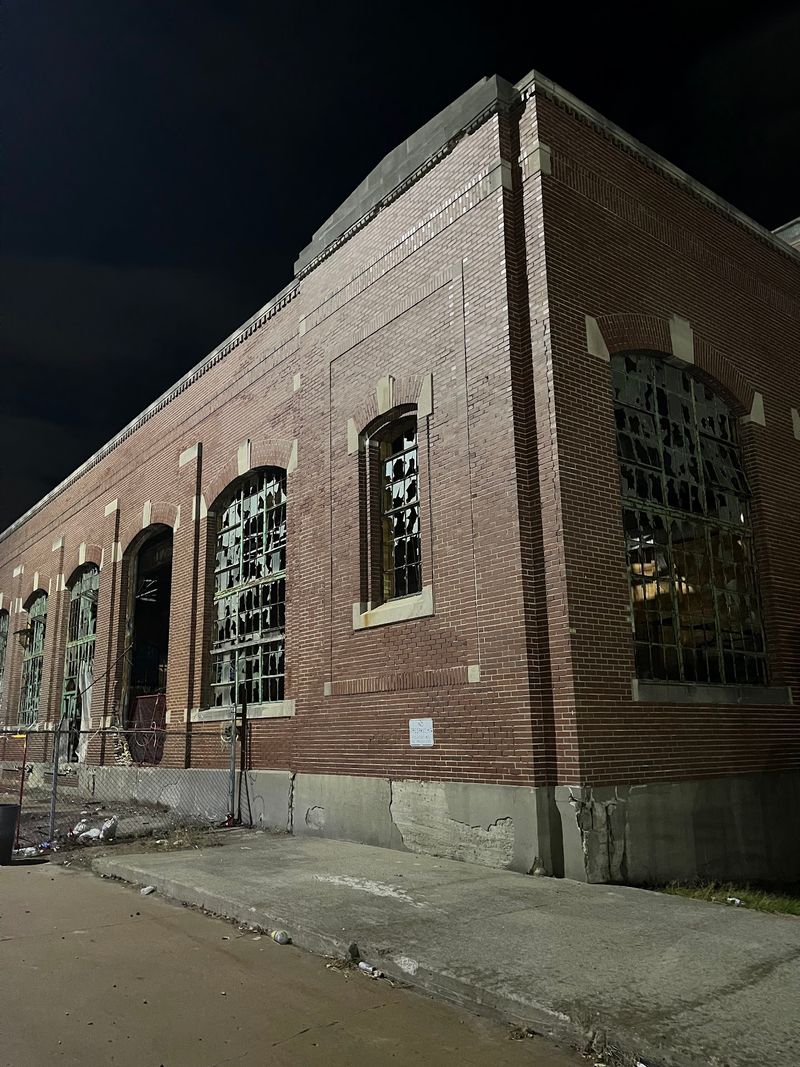
Some roads get their eerie reputation through a nearby building. Here, the history deserves more attention than a jump scare.
Henry Ruff Road in Westland runs close to the former Eloise complex, an institution dating to 1839.
Over time, the site served as a poorhouse, general hospital, psychiatric hospital, and tuberculosis sanatorium before the remaining medical operations closed in 1984.
That documented history is heavier than the paranormal stories later attached to the property. Reports of voices, shadows, or unexplained activity remain claims rather than established facts.
A separate cemetery associated with Eloise lies along Henry Ruff Road.
Thousands of people were buried in the broader Eloise system over the decades, and surviving burial areas deserve the same respect as any other cemetery. Fences and no-trespassing signs are not part of a challenge.
Most of the enormous original complex is gone. The surviving historic building near Michigan Avenue now hosts a commercial haunted attraction and paranormal events, while other former land has been redeveloped.
Anyone interested in the real story can learn more from the Michigan historical marker and documented local history without entering restricted ground.
Use Henry Ruff Road as a public-road viewpoint, keep entrances clear, and photograph only from lawful locations.
The strongest reason to pay attention is not a ghost story; it is the complicated history of a major public institution that shaped Wayne County for generations.
7. Honey Creek Road, Ada
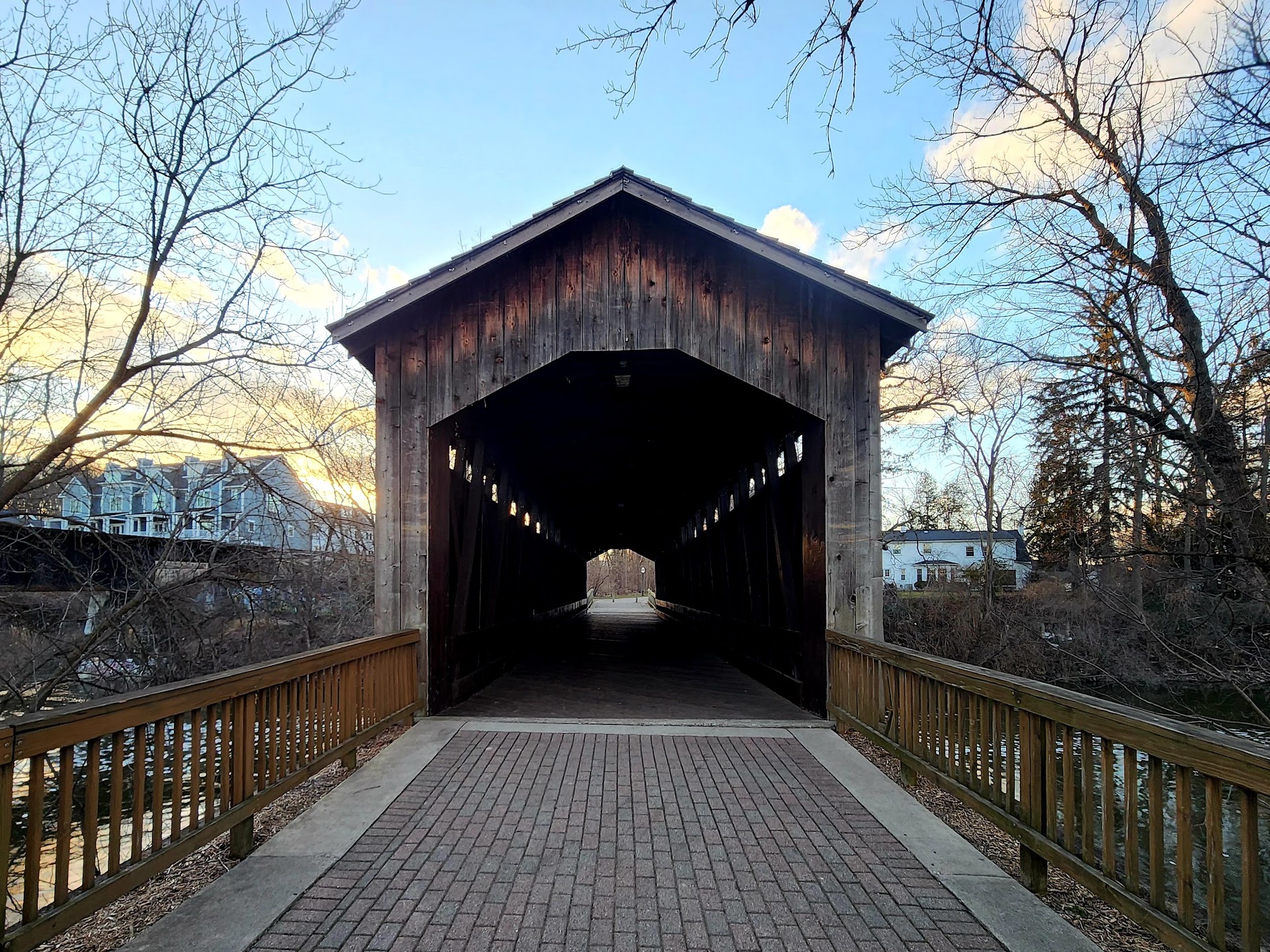
Why do quiet roads collect such detailed stories? A wooded edge and fading light can certainly help.
Honey Creek Road near Ada is one of several places connected with the long-running Ada Witch legend.
The apparition is often described as a woman in white, but versions disagree about her identity, origin, and exact location.
Researchers who have examined the legend have not found historical records supporting the dramatic story commonly attached to it. That makes the tale an example of folklore becoming attached to real roads, parks, and a cemetery.
Nearby Seidman Park provides a legitimate public way to experience the same wooded landscape during daylight.
The Kent County park protects more than 400 acres of woods, fields, and wetlands, with nearly five miles of natural-surface trails. Current hours run from 7 a.m. to sunset.
Findlay Cemetery, also associated with some retellings, is township property and should be treated as a cemetery rather than a paranormal attraction. Graves, gates, and neighboring private land deserve complete respect.
After dark, Honey Creek Road still has hills, curves, wildlife, homes, and limited sightlines. Those are practical reasons to drive carefully.
If the Ada Witch story adds a little tension to the trip, let it remain a story. Public trails in daylight offer the scenery; the roadway after sunset requires attention, not a search through private woods.
8. Seven Gables Road, Dansville
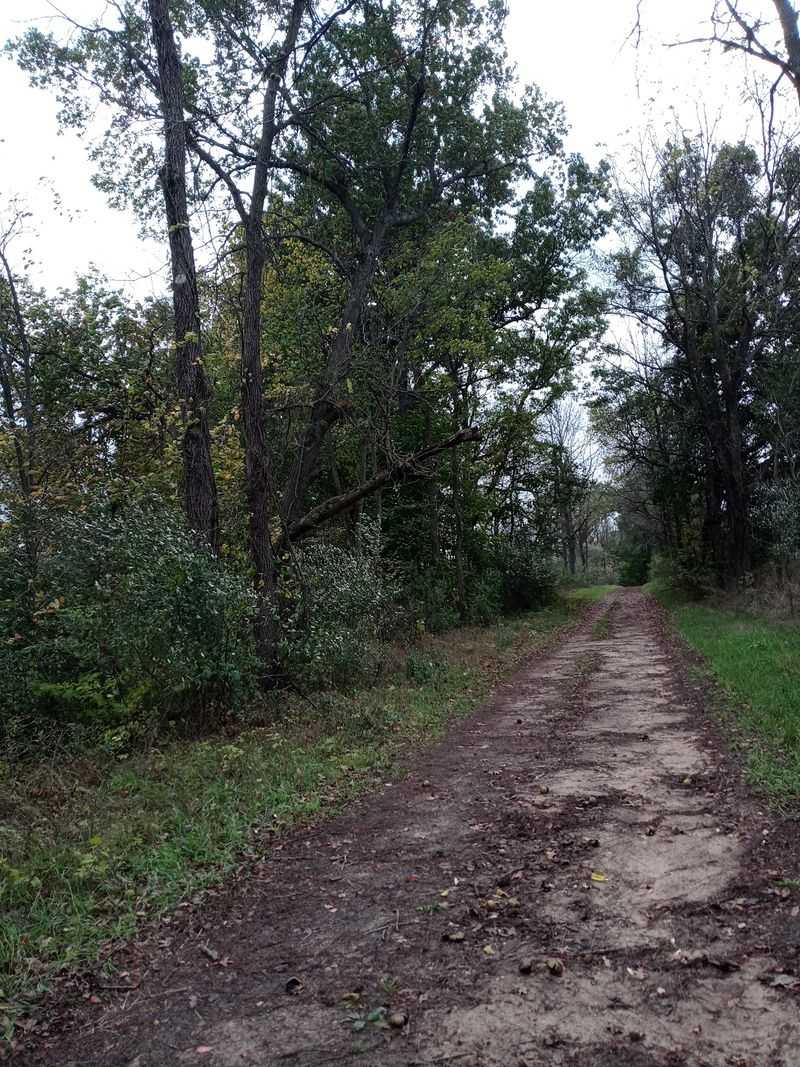
That gate raises a simple question: what lies beyond it? The sensible answer begins with respecting where public access ends.
Seven Gables Road near Dansville has carried an elaborate Michigan rural legend for decades. Versions mention a witch, a cursed gate, a vanished house, screams in the woods, or a family tragedy.
The details are dramatic, but researchers have not found reliable historical evidence confirming those supernatural stories.
What is real is the setting. The road borders the Dansville State Game Area, and Michigan conservation projects document public access from a parking area near Seven Gables Road.
Older records show the road and nearby trails have existed for decades.
The gate itself has become a major symbol in the folklore. That does not make every piece of ground beyond it private, but access rules still depend on posted signs, state-game-area regulations, hunting seasons, and current closures.
State game land is managed primarily for wildlife and hunting, not nighttime ghost hunting. Anyone entering legal public areas should understand seasonal safety requirements before leaving the road.
The narrow, wooded approach already creates plenty of atmosphere after sunset. There is no reason to cross barriers, wander blindly, or search for ruins that may never have existed as described.
Check the route in daylight, follow posted DNR rules, and let the gate remain part of the legend rather than turning it into a dare.
9. North Adams Road, Addison
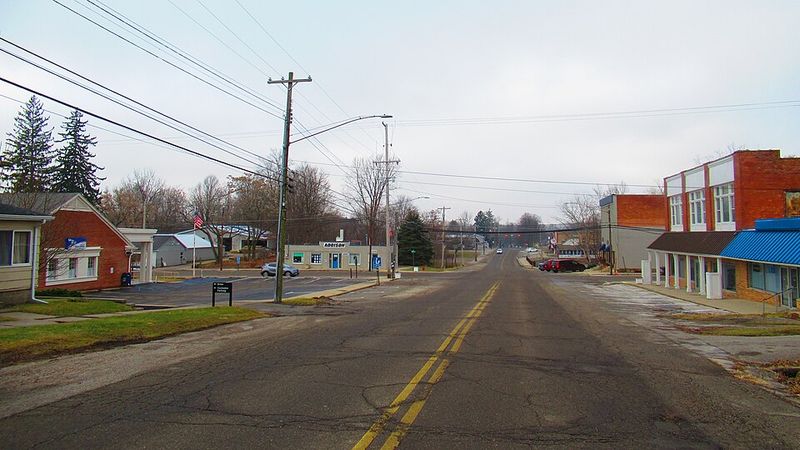
Here’s one last mystery worth taking slowly. A quiet roadside story can stay with you longer than any sudden scare.
North Adams Road near Addison carries a local legend about a child supposedly struck while waiting for a school bus. Retellings connect the story with unexplained knocks, a roadside figure, a cemetery, and a former family home.
The problem is documentation. Paranormal accounts repeat the story, but reliable historical confirmation is difficult to establish.
That means the safest treatment is to identify it clearly as folklore rather than present the accident and haunting as verified local history.
North Adams Road itself is a rural route south of the village, with fields, scattered homes, intersections, and stretches where darkness reduces depth perception. Mailboxes, signs, and wildlife look different at dusk.
Some versions point visitors toward a cemetery or private residence. Neither should become part of an after-hours challenge.
Cemeteries have rules, homes have residents, and private property remains private regardless of what a ghost story says.
A passenger can handle navigation while the driver watches the road, especially after dark. If an unexplained noise occurs, continue until there is a lawful and safe place to stop.
Enter the route before leaving town and avoid roadside loitering. North Adams Road works best as the final chapter in a folklore drive: eerie enough to remember, but grounded enough to keep curiosity responsible.