15 Healthy School Lunches California Kids Will Actually Eat
Packing a school lunch can feel like a daily showdown between good nutrition and what kids will actually touch.
Between picky preferences, short lunch periods, and foods that don’t travel well, it’s easy to fall back on the same uninspiring options.
Fortunately, California’s food culture offers a major advantage, with fresh produce, wholesome ingredients, and flavors kids already recognize and love.
When healthy lunches look colorful, feel familiar, and taste good at room temperature, kids are far more likely to eat them without complaint.
These lunch ideas are designed with real school days in mind, balancing nutrition with convenience and kid-approved appeal.
Each option includes protein for energy, whole grains for staying power, and fruits or vegetables that don’t feel forced.
Simple presentations turn everyday ingredients into meals that feel fun, not restrictive.
Instead of negotiating bites or tossing untouched food at the end of the day, these lunches aim to come home empty.
This is about smarter packing, less stress, and lunches kids actually look forward to opening.
Healthy lunches don’t have to come back untouched.
These kid-approved meals make mornings easier and afternoons better.
Real food, real nutrition, and lunches kids won’t trade away.
Finally, school lunches that parents feel good packing and kids actually want to eat.
1. Rainbow Veggie Wraps
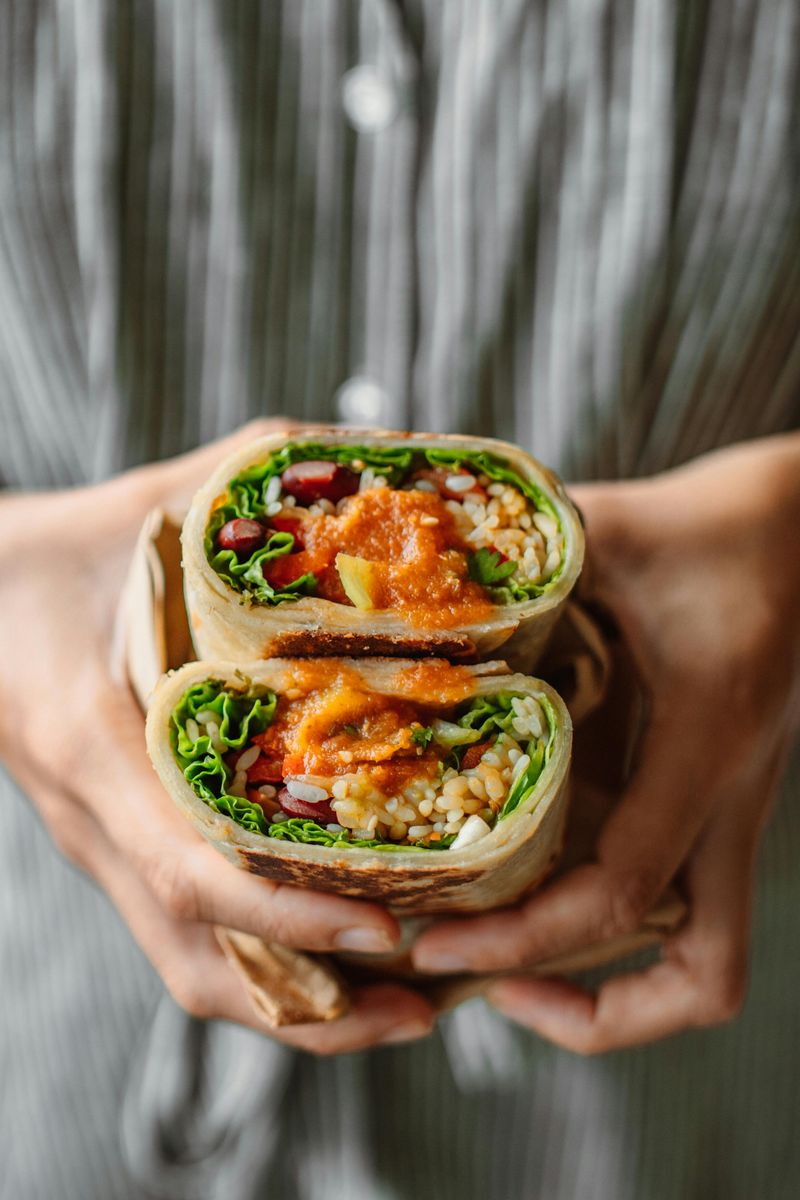
Bright colors make food instantly more interesting to young eaters, and these wraps deliver visual appeal alongside solid nutrition.
Whole grain tortillas provide fiber and sustained energy, while hummus adds protein and healthy fats that keep hunger at bay through afternoon classes.
Red bell peppers bring sweetness and vitamin C, carrots add crunch and beta-carotene, spinach sneaks in iron, and purple cabbage contributes anthocyanins.
The wrap format makes vegetables feel less intimidating than a plain salad, and kids enjoy the handheld convenience.
Rolling these together the night before saves morning time, and they hold up well in insulated lunch bags without getting soggy.
Cutting the wrap into pinwheels creates bite-sized pieces that feel special and are easier for smaller hands to manage during short lunch periods.
2. Avocado Sushi Rolls
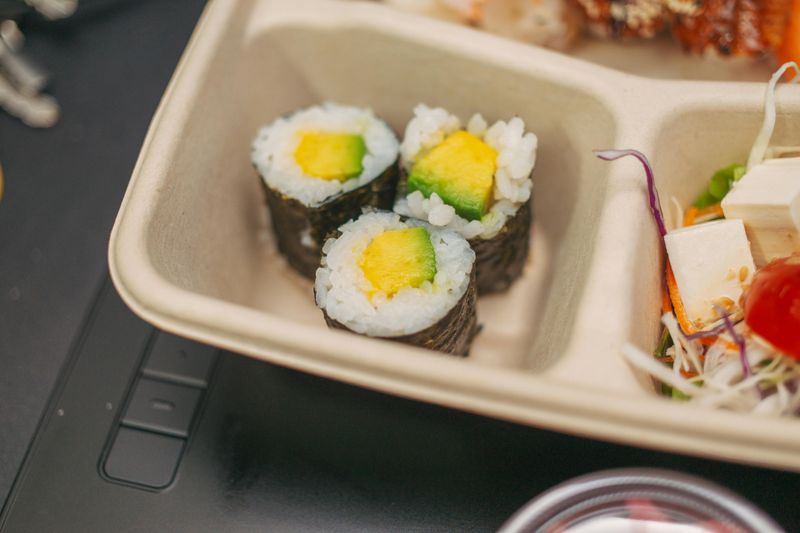
California avocados transform simple ingredients into something that feels restaurant-special, making lunch period more exciting.
Brown rice offers more fiber and nutrients than white varieties, supporting steady blood sugar levels that help with concentration.
Avocado slices provide healthy monounsaturated fats that support brain development, while cucumber adds hydration and a satisfying crunch.
Nori sheets contribute iodine and minerals, plus they hold everything together in a format that’s easy to eat without utensils.
Rolling these at home takes just minutes once you get the hang of it, and kids often enjoy helping with the assembly process on weekends.
Pack a small container of low-sodium soy sauce or skip it entirely since the ingredients taste great on their own.
These rolls travel well and can be made the night before without losing their texture or freshness.
3. Sunshine Quesadillas

Presentation matters more than most adults realize, and cutting quesadillas into fun shapes instantly increases their appeal.
Whole grain tortillas deliver complex carbohydrates that provide longer-lasting energy than refined white flour versions.
A modest amount of cheese supplies calcium for growing bones and protein for muscle development, while diced bell peppers add vitamin C and natural sweetness.
Cooking these until golden creates a slightly crispy texture that holds up better in lunch boxes than soft, undercooked versions.
The sun shape can be created with a large round cookie cutter for the center and triangular cuts around the edges for rays.
These quesadillas taste good at room temperature, which matters since most school lunches aren’t served warm.
Adding a small container of salsa or guacamole on the side gives kids a dipping option that makes eating more interactive.
4. Farmers Market Pasta Salad
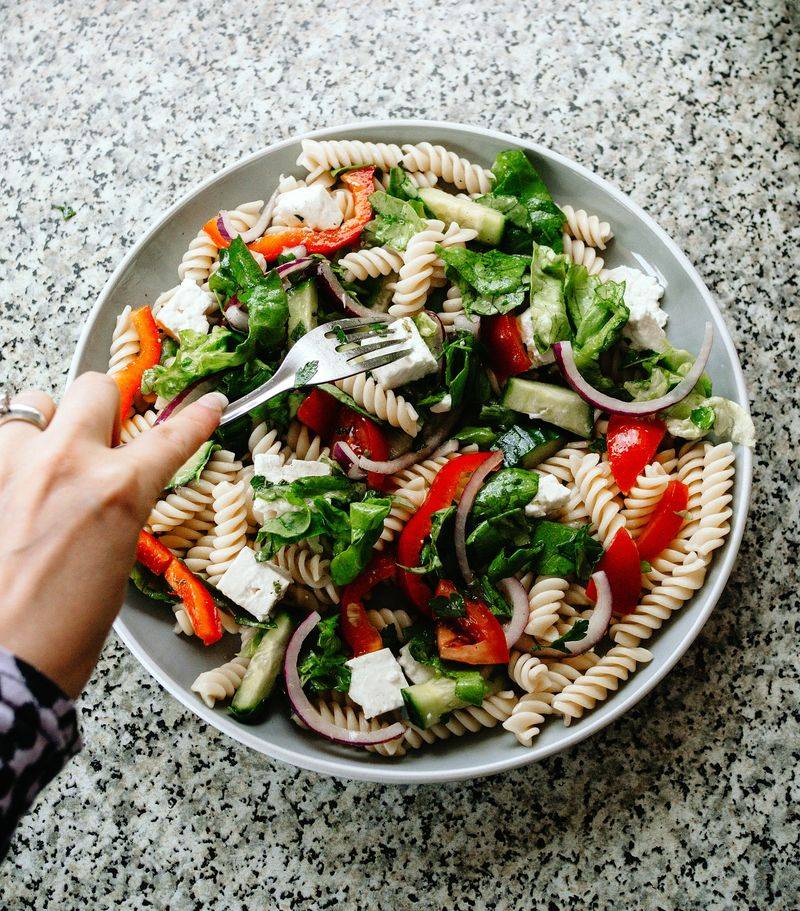
Cold pasta salads solve the problem of lunches that need to taste good hours after being packed.
Whole grain pasta varieties provide more protein and fiber than traditional white pasta, helping kids feel satisfied longer.
Cherry tomatoes burst with flavor and lycopene, cucumber adds refreshing crunch and hydration, and sweet corn brings natural sugars that appeal to young palates.
A light dressing made from lemon juice and olive oil keeps things from getting heavy while adding healthy fats that help absorb fat-soluble vitamins.
California’s farmers markets overflow with fresh seasonal vegetables that can be swapped in based on what looks best each week.
This salad actually tastes better after sitting for a few hours as the flavors blend together, making it perfect for school lunch timing.
Pack it in an insulated container to keep it cool until lunch period arrives.
5. Fruit Kebab Dippers

Turning ordinary fruit into kebabs transforms a simple snack into something that feels like a treat.
California strawberries deliver vitamin C and antioxidants, melon chunks provide hydration and natural sugars for quick energy, and grapes offer convenience and kid-friendly sweetness.
Threading fruit onto short skewers makes eating more interactive, which often encourages kids to finish their servings.
A small container of honey-vanilla yogurt for dipping adds protein and calcium while making the fruit feel more like dessert.
Greek yogurt varieties pack even more protein, which helps balance out the natural fruit sugars and keeps energy levels steady.
These kebabs work best when assembled the morning of to prevent fruit from getting too soft or releasing excess moisture.
Using blunt-ended skewers or sturdy toothpicks ensures safety while still providing the fun presentation that makes this lunch special.
6. Turkey And Cheese Roll-Ups
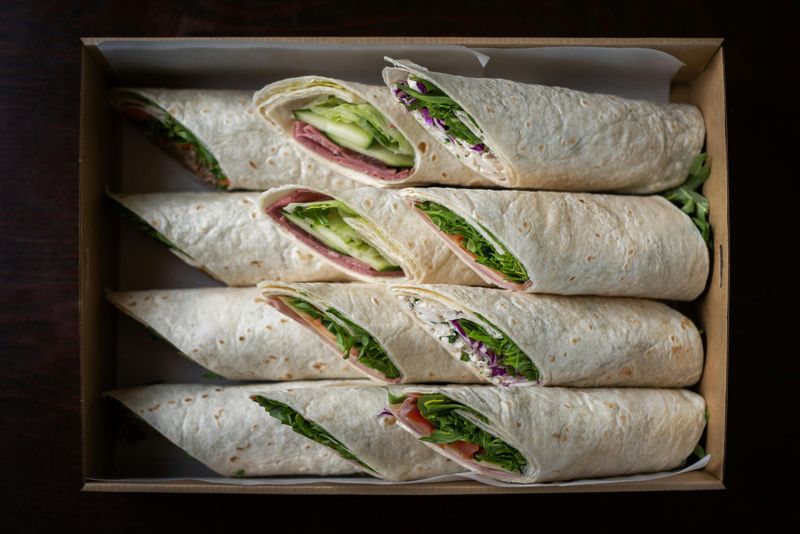
Sometimes the simplest lunches work best, especially when kids have limited time to eat between recess and afternoon classes.
Deli turkey provides lean protein that supports growth and development, while cheese adds calcium and makes the flavor more appealing to young eaters.
Rolling these together without bread reduces carbohydrates and increases the protein-to-carb ratio, which many nutrition experts suggest helps with focus and energy.
Adding a thin layer of cream cheese or hummus before rolling helps everything stick together and adds extra flavor.
Slicing the rolls into bite-sized pinwheels makes them easier to eat quickly and creates a more interesting presentation.
Pack whole grain crackers on the side for kids who prefer having some carbohydrates with their protein.
These roll-ups can be made several at a time and stored in the refrigerator, making morning packing faster throughout the week.
7. Peanut Butter Banana Sushi
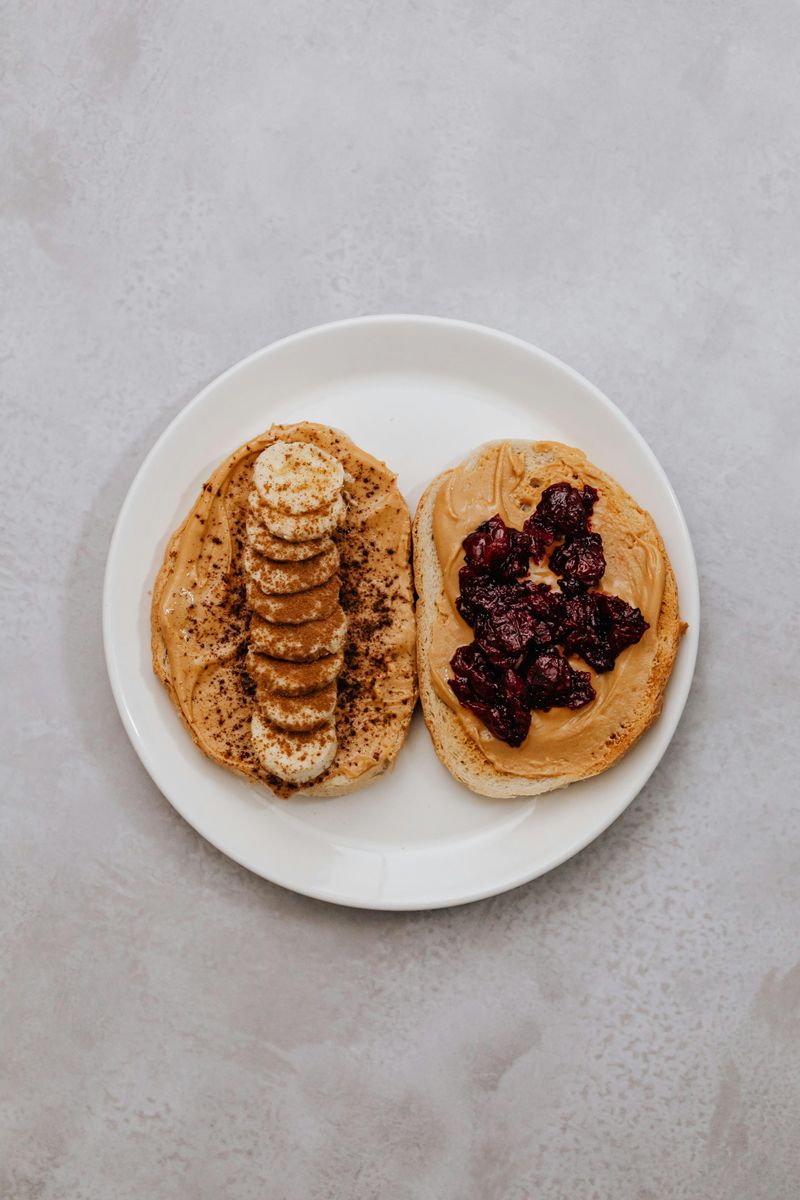
Nut-free schools require careful planning, but for classrooms where peanuts are allowed, this combination delivers serious nutrition.
Peanut butter provides protein and healthy fats that help kids feel full, while bananas offer potassium and natural sweetness that makes this feel like a treat.
Spreading peanut butter on a whole grain tortilla, placing a peeled banana on one edge, then rolling it tight creates the sushi effect.
Slicing the roll into rounds reveals the spiral pattern inside, which looks impressive and makes eating more fun.
This lunch comes together in under five minutes, making it perfect for rushed mornings when time is short.
The combination of protein, healthy fats, and complex carbohydrates provides sustained energy without the sugar crash that comes from many packaged lunch options.
For variety, try almond butter or sunflower seed butter in nut-free environments.
8. Chicken And Veggie Skewers
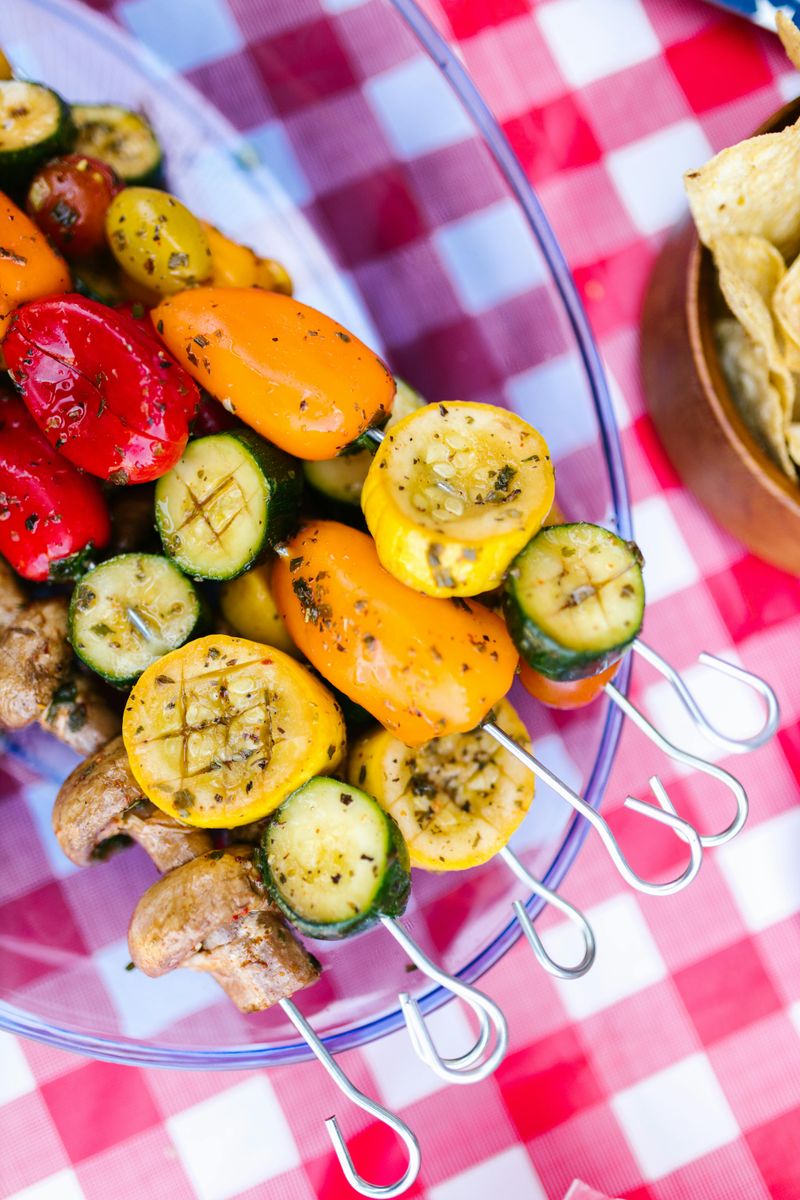
Grilled chicken strips threaded onto skewers with colorful vegetables turn protein and produce into something that feels party-ready.
Chicken breast provides lean protein without excess saturated fat, supporting muscle development and providing amino acids needed for growth.
Cherry tomatoes, bell pepper chunks, and zucchini rounds add vitamins, minerals, and fiber while contributing different textures and flavors.
Marinating the chicken in a simple mixture of olive oil, lemon juice, and herbs before grilling adds flavor that kids actually enjoy.
These skewers can be grilled in batches on Sunday evening and refrigerated for easy lunch packing throughout the week.
They taste good cold or at room temperature, which makes them practical for school lunches without access to reheating.
Pack a small container of ranch dressing or hummus for dipping to make the vegetables even more appealing to hesitant eaters.
9. Greek Yogurt Parfait
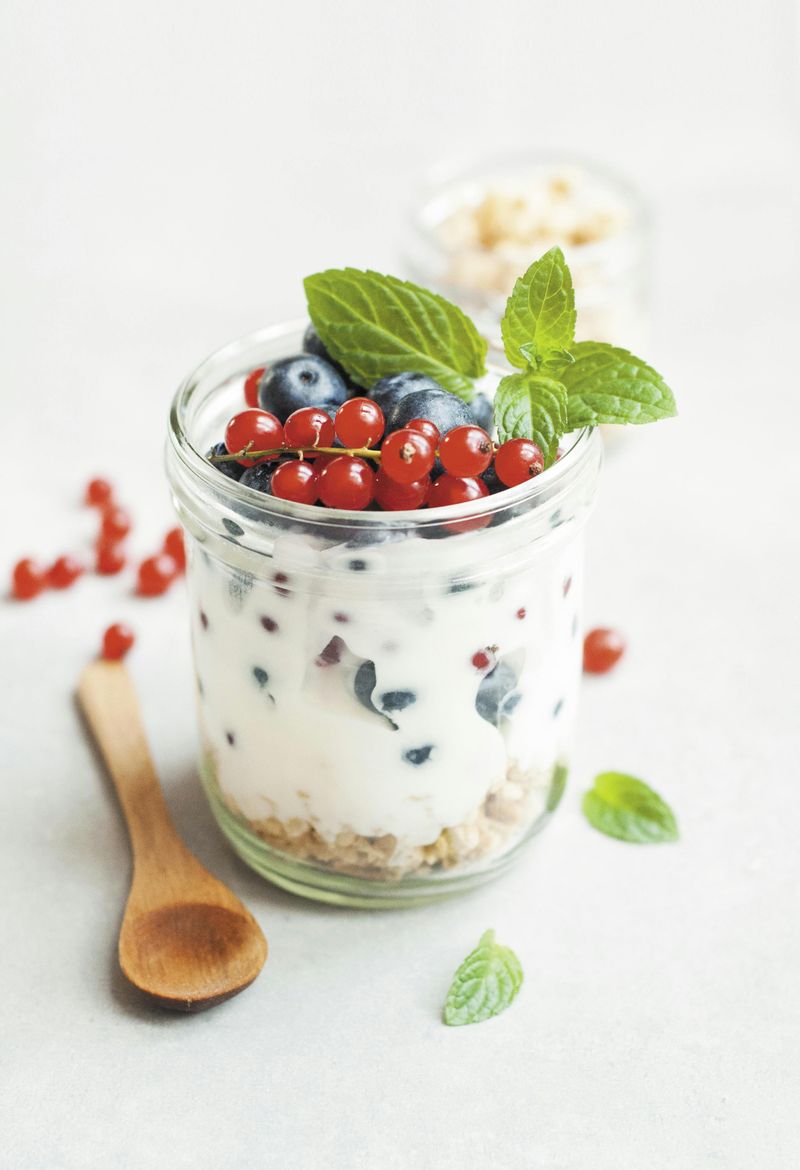
Layered parfaits look impressive while delivering protein, calcium, and fruit in a format that feels more like dessert than a healthy lunch.
Greek yogurt contains significantly more protein than regular yogurt, helping kids stay full and focused through afternoon activities.
Fresh California berries provide antioxidants and vitamin C, while a small amount of granola adds satisfying crunch and whole grains.
Layering these ingredients in a clear container lets kids see the colorful sections, which makes the lunch more visually appealing.
A light drizzle of honey adds just enough sweetness to satisfy without overwhelming the natural flavors of the other ingredients.
Packing the granola in a separate small container and having kids add it right before eating prevents it from getting soggy.
This lunch comes together quickly and can be customized based on which fruits look best at the market that week.
10. Mini Whole Grain Pizzas
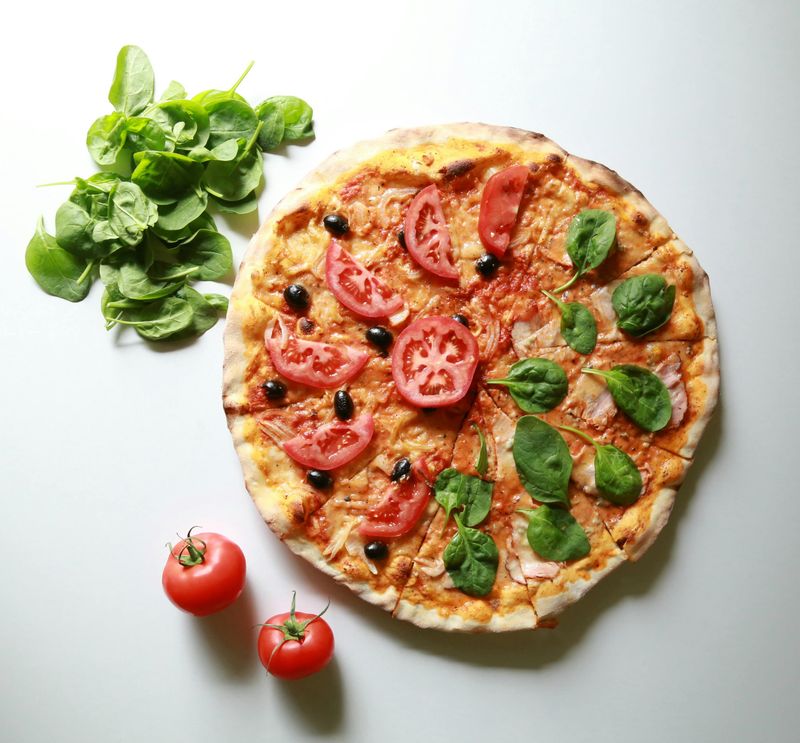
Pizza ranks among kids’ favorite foods, and making healthier versions at home ensures better ingredients than most cafeteria offerings.
Whole grain English muffins or pita rounds serve as individual pizza bases that provide fiber and complex carbohydrates.
Spreading a thin layer of marinara sauce adds lycopene and counts toward vegetable servings without feeling like you’re forcing kids to eat their greens.
A modest sprinkle of mozzarella cheese provides calcium and protein while keeping saturated fat reasonable.
Adding finely diced vegetables like bell peppers, mushrooms, or spinach sneaks in extra nutrition without overwhelming picky eaters.
These mini pizzas can be assembled and baked ahead, then packed cold for lunch since most kids don’t mind room-temperature pizza.
Making a batch on Sunday provides quick grab-and-go options throughout the week when mornings get hectic.
11. Hummus And Veggie Boxes
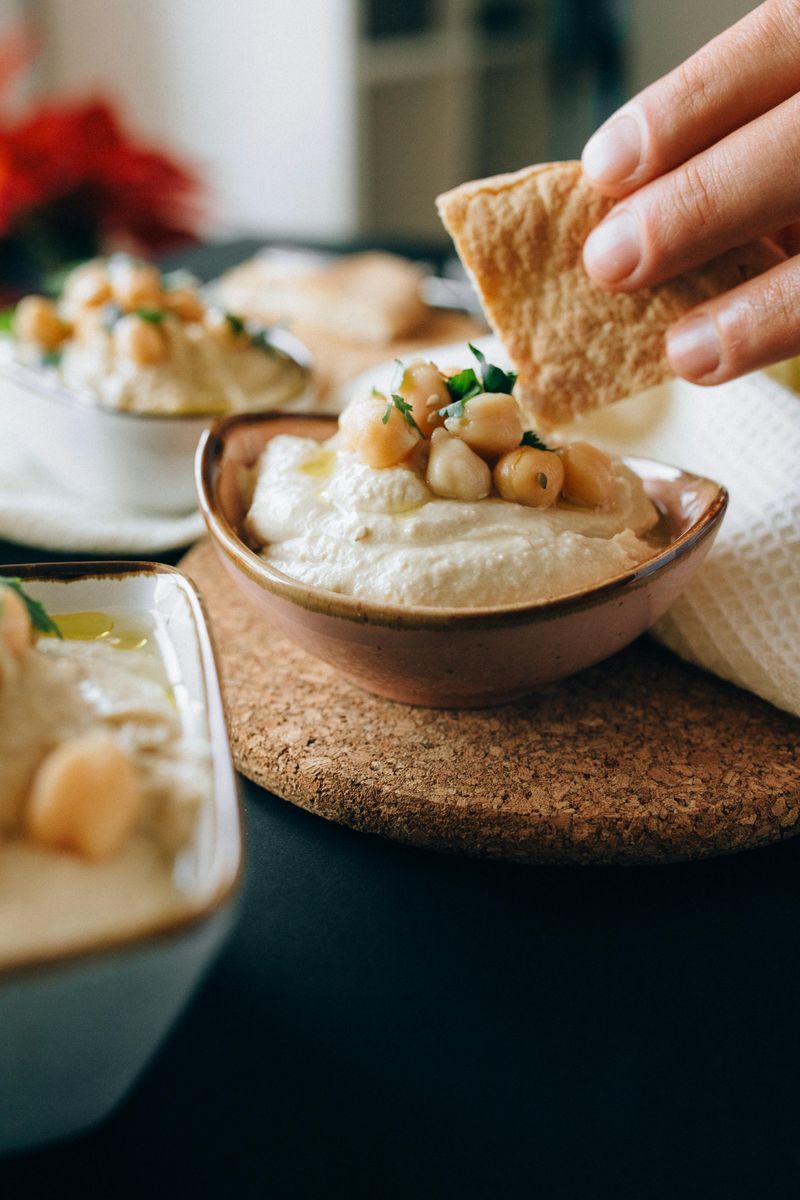
Bento-style boxes with separate compartments turn simple ingredients into an organized lunch that kids find appealing.
Hummus made from chickpeas delivers plant-based protein, fiber, and healthy fats that support sustained energy levels.
Carrot sticks, cucumber slices, bell pepper strips, and cherry tomatoes offer different colors, textures, and nutrients while staying crunchy throughout the morning.
Whole grain pita triangles or crackers provide a vehicle for scooping hummus and add complex carbohydrates to round out the meal.
The compartmentalized format appeals to kids who prefer their foods not touching, and the variety prevents boredom.
This lunch requires minimal cooking skills and comes together quickly, making it accessible even for parents who don’t enjoy spending time in the kitchen.
Rotating different hummus flavors like roasted red pepper or garlic keeps things interesting week after week.
12. California Cobb Salad
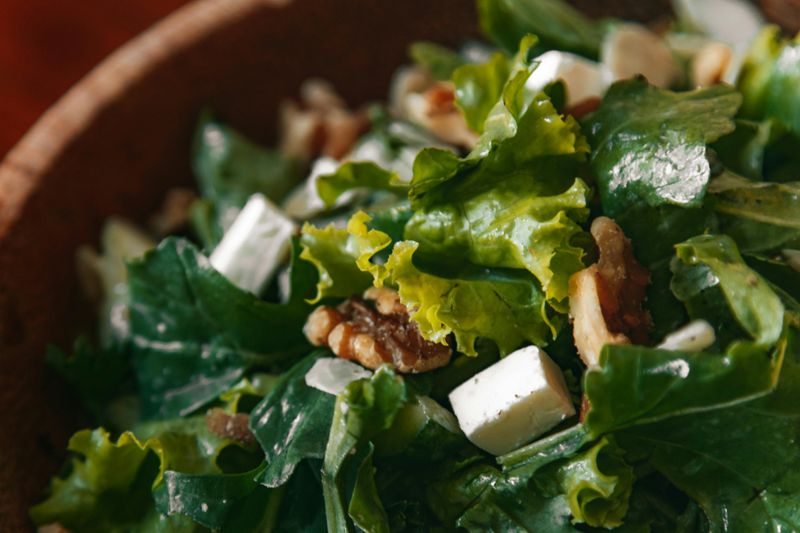
Salads get a bad reputation with kids, but arranging ingredients in colorful rows transforms them into something more visually interesting.
Chopped romaine lettuce provides a crisp base loaded with vitamin K and fiber, while diced chicken breast adds protein that helps kids feel satisfied.
Hard-boiled eggs contribute additional protein plus choline for brain development, and California avocado brings healthy fats and creamy texture.
Cherry tomatoes add vitamin C and bright color, while a small amount of crumbled cheese provides calcium and makes the flavors more appealing.
Arranging these ingredients in separate rows lets kids see exactly what they’re eating and pick around anything they’re not ready to try.
Pack dressing in a separate container so the salad doesn’t get soggy, and let kids add it themselves right before eating.
This lunch works well in compartmented containers that keep ingredients fresh and separated until lunch period.
13. Tuna Salad Lettuce Cups
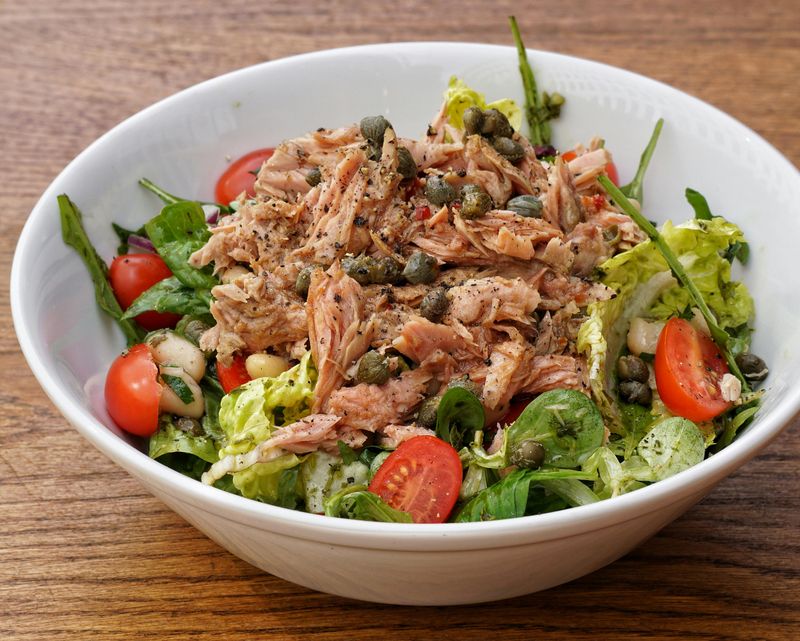
Canned tuna offers an affordable protein source rich in omega-3 fatty acids that support brain health and development.
Mixing tuna with a small amount of mayonnaise or Greek yogurt creates a creamy texture that most kids enjoy, while diced celery adds crunch.
Serving the mixture in crisp lettuce cups instead of on bread reduces carbohydrates and increases vegetable intake without making a big deal about it.
Romaine or butter lettuce works best since the leaves form natural cup shapes that hold the filling without breaking.
Pack the tuna mixture and lettuce leaves separately, then let kids assemble their own cups during lunch for the freshest texture.
Whole grain crackers on the side provide an option for kids who want some carbohydrates with their protein.
This lunch comes together in minutes and provides a refreshing alternative to heavier sandwich options.
14. Sweet Potato And Black Bean Burrito
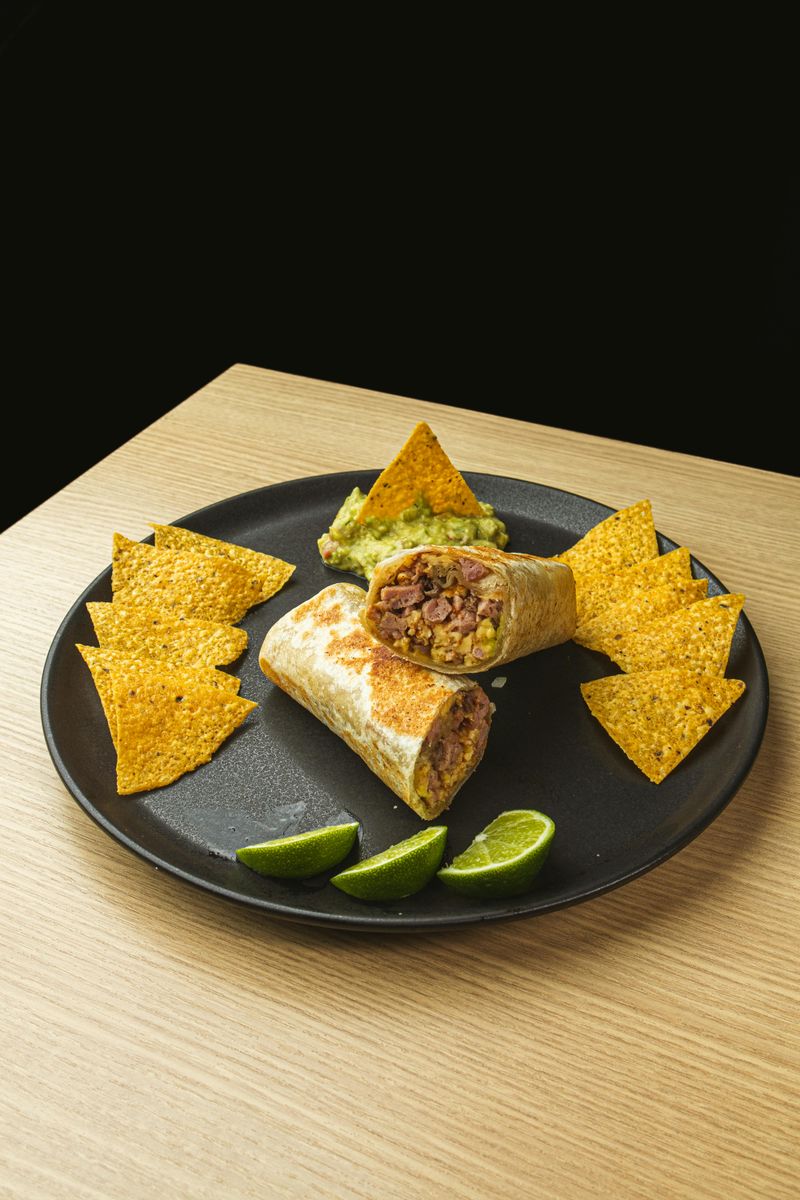
Roasted sweet potatoes bring natural sweetness and beta-carotene that supports eye health and immune function.
Black beans add plant-based protein and fiber that helps stabilize blood sugar and keeps kids feeling full through afternoon classes.
Wrapping these ingredients in a whole grain tortilla with a sprinkle of cheese creates a handheld meal that’s easy to eat during short lunch periods.
A small amount of salsa or Greek yogurt adds moisture and flavor without making the burrito soggy if packed properly.
These burritos can be made in batches and frozen individually, then pulled out each morning and packed still frozen to thaw by lunchtime.
The combination of complex carbohydrates, protein, and healthy fats provides balanced nutrition that supports learning and physical activity.
Cutting the burrito in half on a diagonal makes it easier for smaller hands to manage.
15. Cheese And Veggie Muffins
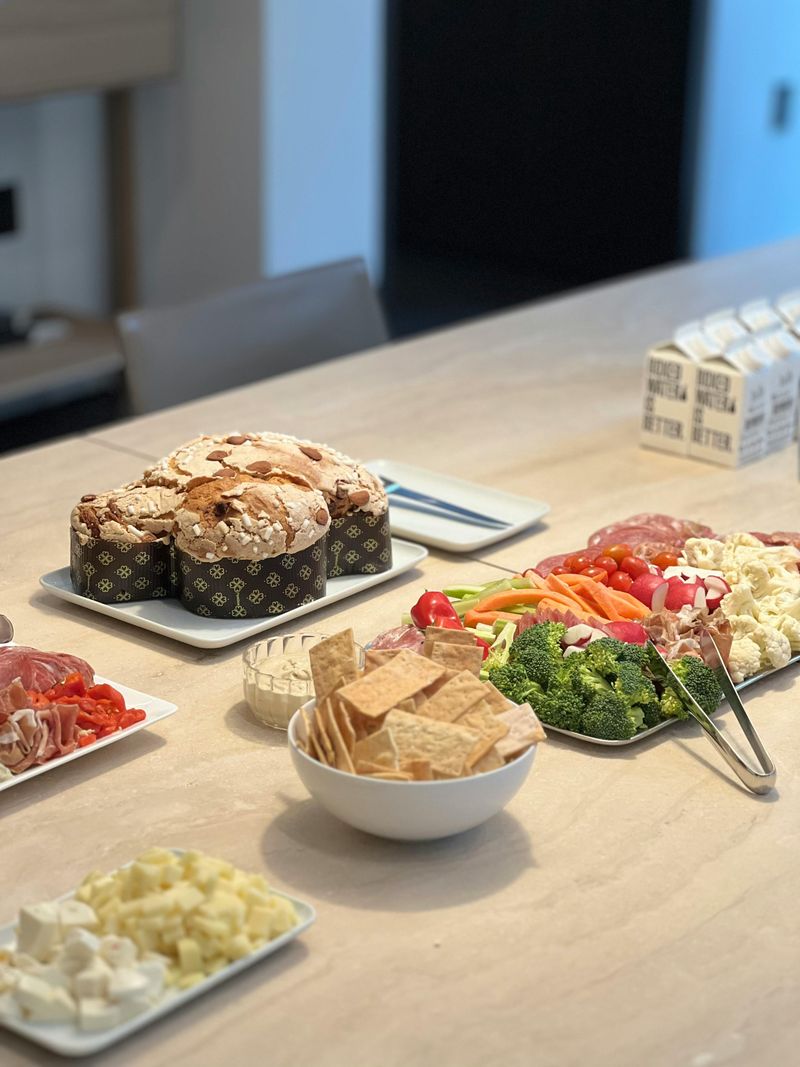
Savory muffins pack vegetables into a format that kids recognize as a treat rather than something they’re supposed to eat for health reasons.
Whole wheat flour provides fiber and nutrients while maintaining a texture that’s tender enough to appeal to young eaters.
Shredded zucchini or carrots blend into the batter almost invisibly, adding moisture and nutrition without an obvious vegetable presence.
Cheese mixed into the batter provides calcium and protein while making the flavor more appealing and satisfying.
These muffins can be baked on weekends and frozen individually, then pulled out as needed for quick lunch packing.
They taste good at room temperature and hold up well in lunch boxes without getting crushed like some more delicate options.
Pairing a muffin with fresh fruit and a protein source like yogurt or cheese creates a balanced lunch that covers all the nutritional bases.