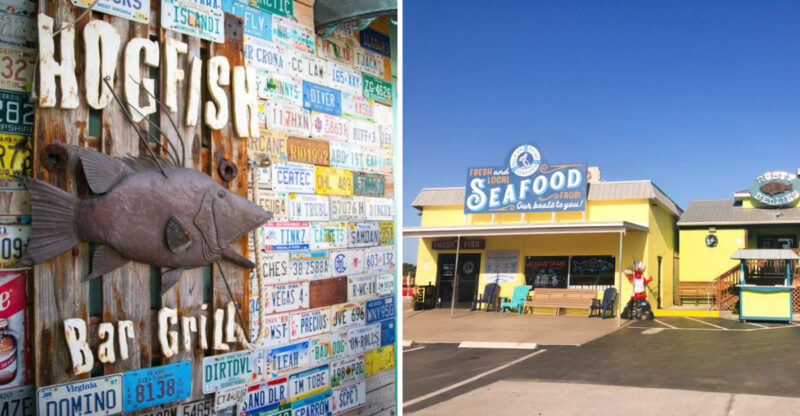
10 Hidden Towns In Florida That Are More Charming Than Most Travelers Realize
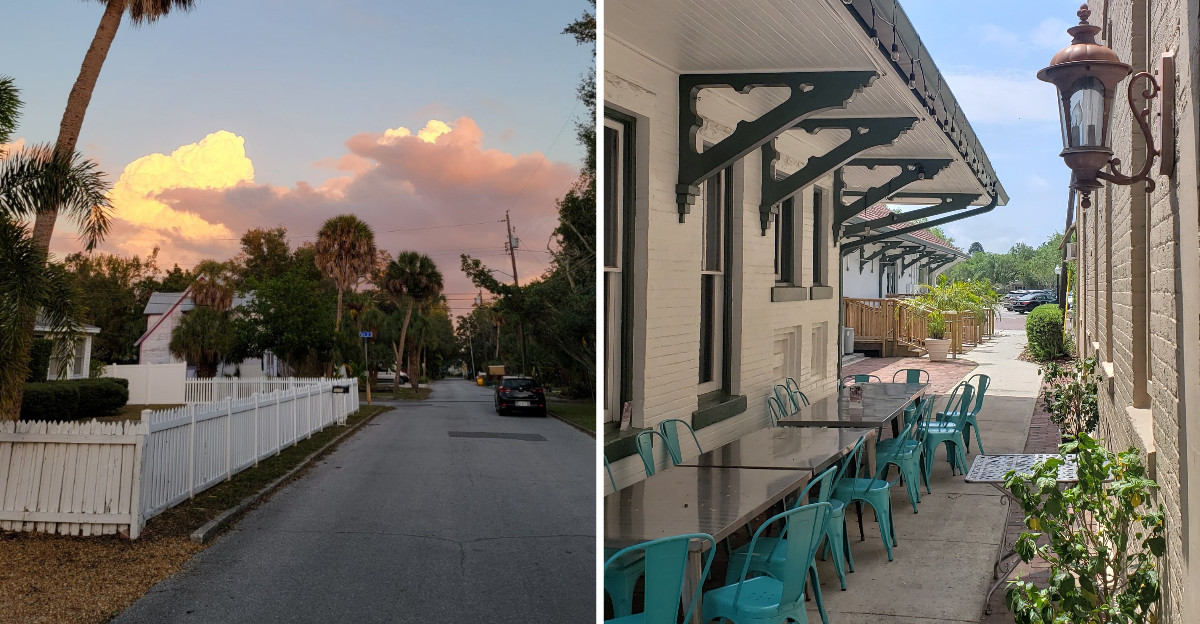
Take the exit you almost ignored. Drive past the crowded turnoff. Let the road narrow until storefronts replace billboards.
That is where another version of Florida begins to appear!
These smaller towns move at a pace that makes wandering feel useful instead of lazy.
A historic street or quiet waterfront can fill more of the day than expected. The charm is rarely concentrated in one famous attraction.
It is spread across details you notice because nobody is rushing you. Park once. Walk farther than planned.
The best part may be realizing you never needed a packed schedule at all.
1. Mount Dora, Lake County
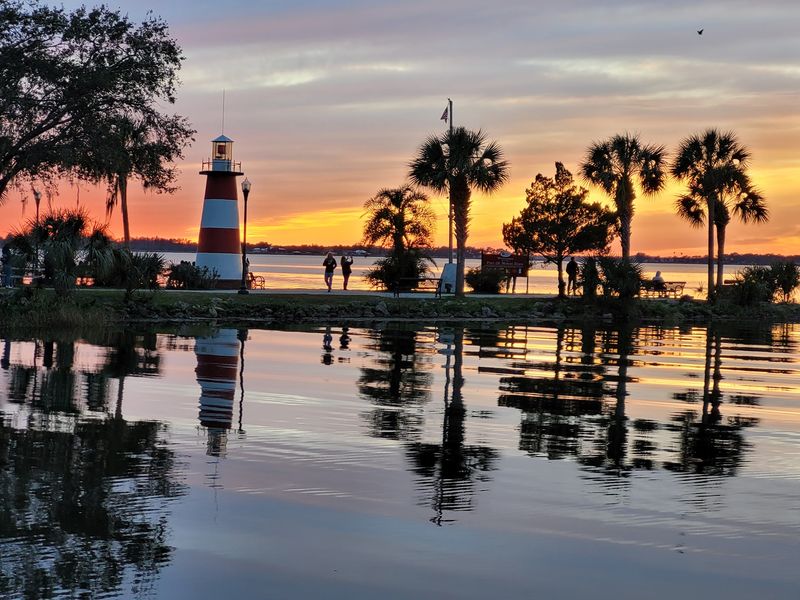
Rolling hills in Florida are a real thing. The terrain here climbs and dips in ways that surprise first-time guests.
Mount Dora sits in Lake County, wearing a New England style that looks borrowed from up north. Its historic downtown is packed with boutiques, art galleries, and cafes along picturesque streets.
Lake Dora is the main event for water lovers. Scenic boat tours glide past cypress knees and nesting birds. You can also rent kayaks or paddleboards and set your own pace.
Grantham Point Park holds the Mount Dora Lighthouse. It is Florida’s only registered inland navigational aid. It lives inside a former firehouse and city jail, which makes the exhibits even better.
Locals call this the Festival City, and the calendar backs it up. More than 30 events fill the year. The Mount Dora Arts Festival brings hundreds of artists, while the Craft Fair showcases handmade goods each October.
Antique hunters plan trips around Renninger’s Antique Extravaganza, held three times annually. Spring brings the Blueberry Festival and the Plant and Garden Fair.
An electric carriage ride through the cobblestone streets shows off the historic district beautifully. Go slowly, order a second coffee, and let the afternoon stretch out.
2. Cedar Key, Levy County
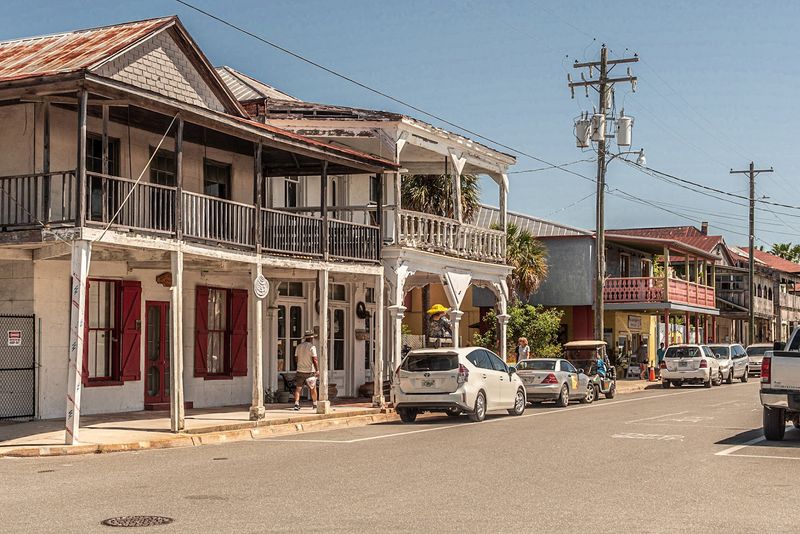
Some islands still run on tide charts instead of traffic lights. Life moves gently out here on the Gulf.
Cedar Key, tucked into Levy County, is a historic Gulf Coast community shaped by nineteenth-century port and cedar industries.
Its wooden buildings whisper stories of a busy port era. The 19th-century cedar timber industry once boomed along these shores.
Start at Cedar Key Museum State Park for shell and artifact collections, noting that the main museum currently opens Friday through Sunday.
Paddlers love the trip out to Atsena Otie Key. The original town stood there until an 1896 hurricane changed everything. Today you will find quiet beaches and plenty of wildlife.
Birdwatching in the salt marshes is outstanding. Keep your eyes open for roseate spoonbills and ospreys overhead. The Lower Suwannee National Wildlife Refuge sits nearby for longer hikes.
Clams are the local pride, farmed right in these waters. Several eateries serve them with wide Gulf views. Dock Street is the strolling route, often with live music drifting out.
Sunsets here turn the water copper and pink, and nobody rushes off. Old Florida still breathes on this little island, and that is exactly the appeal.
3. Micanopy, Alachua County
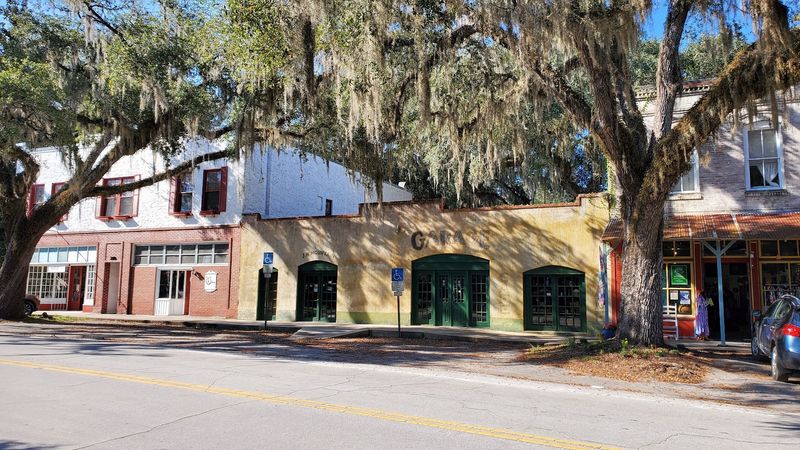
Just imagine for a second a main street roofed entirely by ancient oaks. Spanish moss hangs low enough to brush your shoulder.
Micanopy is Florida’s oldest inland town, with its modern settlement dating to 1821. Cholokka Boulevard runs through the heart of it, shaded and slow.
Antiques are one of Micanopy’s best-known visitor draws. Shops and galleries line leafy Cholokka Boulevard.
Browsers can lose an entire afternoon hunting vintage books, glassware, and furniture.
For context on all those old buildings, stop by the Micanopy Historical Society Museum. Exhibits cover early settlers, farming, and the town’s namesake, Chief Micanopy.
The Micanopy Native American Heritage Preserve adds historical trails worth walking.
Nature sits just up the road at Paynes Prairie Preserve State Park. A 50-foot observation tower gives sweeping views across the basin. Wild horses and bison roam freely out there, which never stops being remarkable.
Hiking and biking trails cut through the prairie and hammock woods. Bring water and binoculars, especially in cooler months.
A National Register historic district covers the traditional town center along Cholokka Boulevard and nearby streets, putting preserved architecture around many turns.
Walking tours connect the buildings to real stories. Leave with dusty fingers, a few treasures, and a softer sense of time.
4. Apalachicola, Franklin County
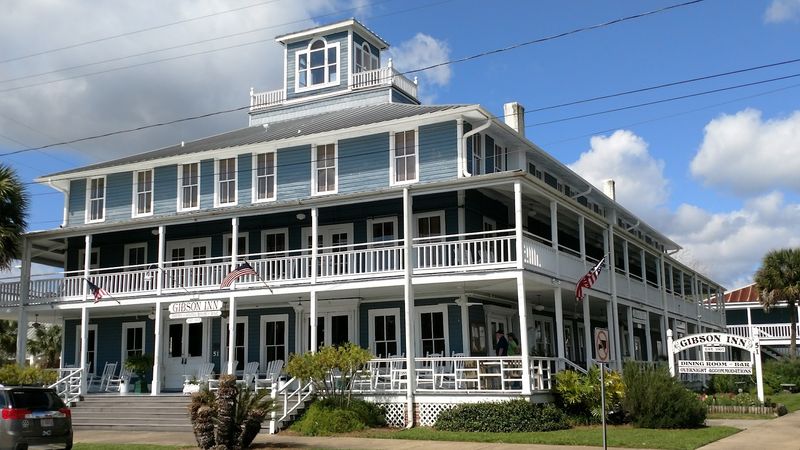
Over 900 homes and structures fill this historic district.
Apalachicola sits where the Apalachicola River meets the bay in Franklin County. Once a major Gulf port, it now runs on seafood, art, and salty charm.
A self-guided walking tour is the smartest way to start. Victorian homes line shaded streets with wide porches. Signs point out the shipping history behind each block.
John Gorrie Museum State Park honors the doctor who patented an ice machine here in 1851. That invention changed daily life across the country. Nearby, the Raney House Museum shows how families lived in the 1800s.
Oysters built this town’s reputation, and limited harvesting from restored Apalachicola Bay reefs resumed in 2026 after a five-year closure. Grab a table near the docks and watch boats come in.
Downtown mixes eclectic boutiques, galleries, and small eateries. Local art and handmade gifts are easy to find.
Outdoors, fishing and kayaking on the river fill entire days. St. George Island lies close by with wide, quiet beaches perfect for a day trip.
Locals shorten the name to Apalach, and the nickname suits the easygoing mood. Come hungry, stay curious, and let the tide set your schedule.
5. DeFuniak Springs, Walton County
Sounds too good to be true, but a nearly perfect circle of spring water really sits in the Florida Panhandle.
The city promotes Lake DeFuniak as one of only two nearly circular spring-fed lakes in the world. Although that distinction is a local tourism claim rather than a formal geographic classification.
DeFuniak Springs, in Walton County, grew up around that remarkable lake. A 1.25-mile paved path loops the whole shoreline.
Walk it once and you will pass Victorian homes with deep porches and turrets. The Walton-DeFuniak Library sits along the route; the organization dates to 1886, and its purpose-built library opened in 1887.
It remains Florida’s oldest library still operating in its original structure.
The Chautauqua Hall of Brotherhood stands as another landmark. The town was built as a resort for the Chautauqua movement, an educational and cultural assembly that thrived here between 1885 and 1928.
Today the Florida Chautauqua Association keeps that spirit alive with programs and gatherings.
Downtown rewards slow browsing. Antique stores, small boutiques, and local dining sit within easy walking range of the water.
Two annual events draw crowds. LakeFest fills the streets with music and vendors, while Christmas Reflections wraps the lake area in millions of lights.
Bring a camera at dusk, when the water turns glassy and the old houses glow. Few towns pair natural oddity with cultural history quite so neatly.
6. Fernandina Beach, Nassau County
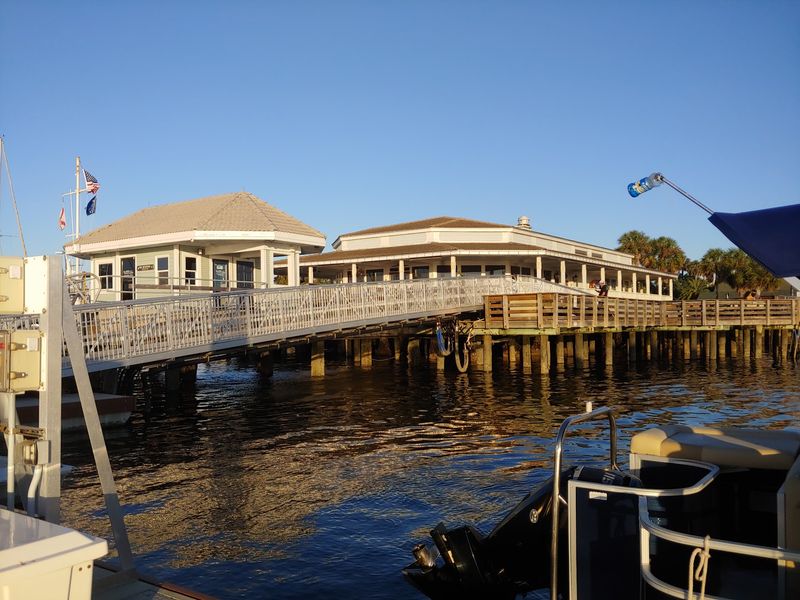
Here is a crazy thought: pirates, three European flags, and a shrimp festival all belong to one small seaport. The layers of history run deep on this barrier island.
Fernandina Beach anchors Amelia Island in Nassau County, the northernmost Atlantic city in the state. Centre Street forms the spine of its well-preserved Victorian downtown.
A 50-block historic district surrounds Centre Street, where shops, galleries, restaurants, and Victorian-era buildings mix together.
Antique hunters do well here. The waterfront marina delivers sunset views worth timing your dinner around.
Island history stretches back thousands of years and includes French, Spanish, and British influence. The Amelia Island Museum of History runs walking tours covering pirates, Civil War events, and early American settlement.
Fort Clinch State Park protects a beautifully preserved 19th-century fort with brick corridors and cannon views. The Amelia Island Lighthouse, built in 1838, holds the record as Florida’s oldest standing lighthouse.
Events keep things busy year-round. The Isle of Eight Flags Shrimp Festival floods downtown with seafood, crafts, and fireworks. A Saturday farmers market operates through every season.
Horseback riding along the shoreline ranks among the most memorable activities available. Sandy hooves, ocean breeze, and Victorian rooftops in one trip make a strong case for lingering an extra night.
7. Gulfport, Pinellas County
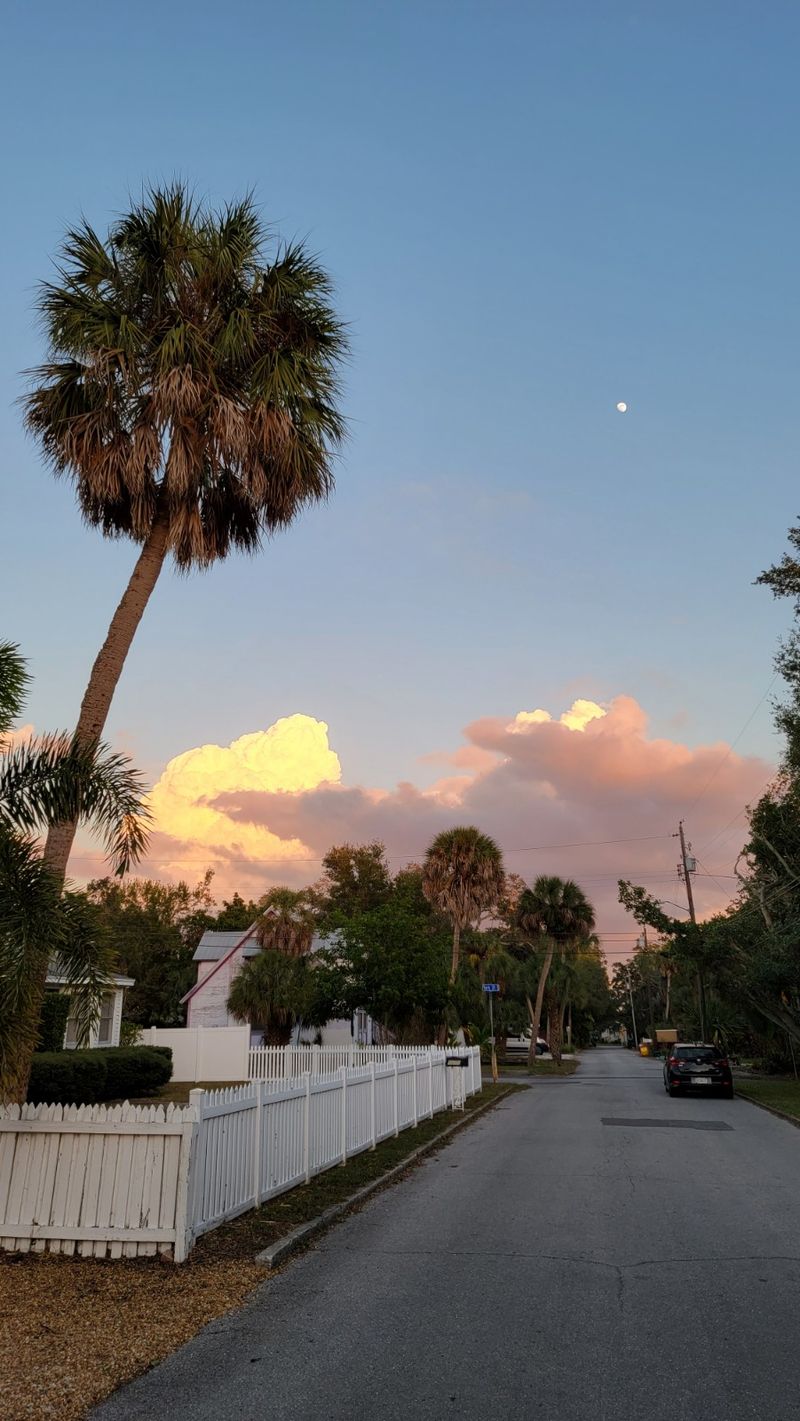
Finding a candy-colored arts town this close to a big city is practically a miracle. Paint choices here are gloriously bold.
Gulfport sits near St. Petersburg in Pinellas County, hugging the shore of Boca Ciega Bay. Quirky independent shops set the mood along Beach and Shore Boulevards.
Galleries, small eateries, and brightly painted storefronts line the waterfront. Live music spills out of venues on most evenings.
Tuesdays belong to the Gulfport Fresh Market, where artisans sell handmade goods. Many work right at their booths, so you can watch pieces come together. Produce, crafts, and conversation all mix freely.
Clymer Park Sculpture Garden displays public art created by local artists. The Gulfport Historical Society leads downtown walking tours and keeps a museum covering neighborhood history.
Water access starts at the Municipal Marina, which provides a public boat ramp and kayak launch. Paddling into Clam Bayou Nature Preserve puts you among mangroves, wading birds, and quiet channels.
GeckoFest is the signature celebration, closing out summer with music, costumes, and vendors filling the streets. The town takes real pride in being welcoming to everyone.
Casual, creative, and pleasantly offbeat, this bayside community makes a great half-day detour that somehow turns into a full one.
8. Tarpon Springs, Pinellas County
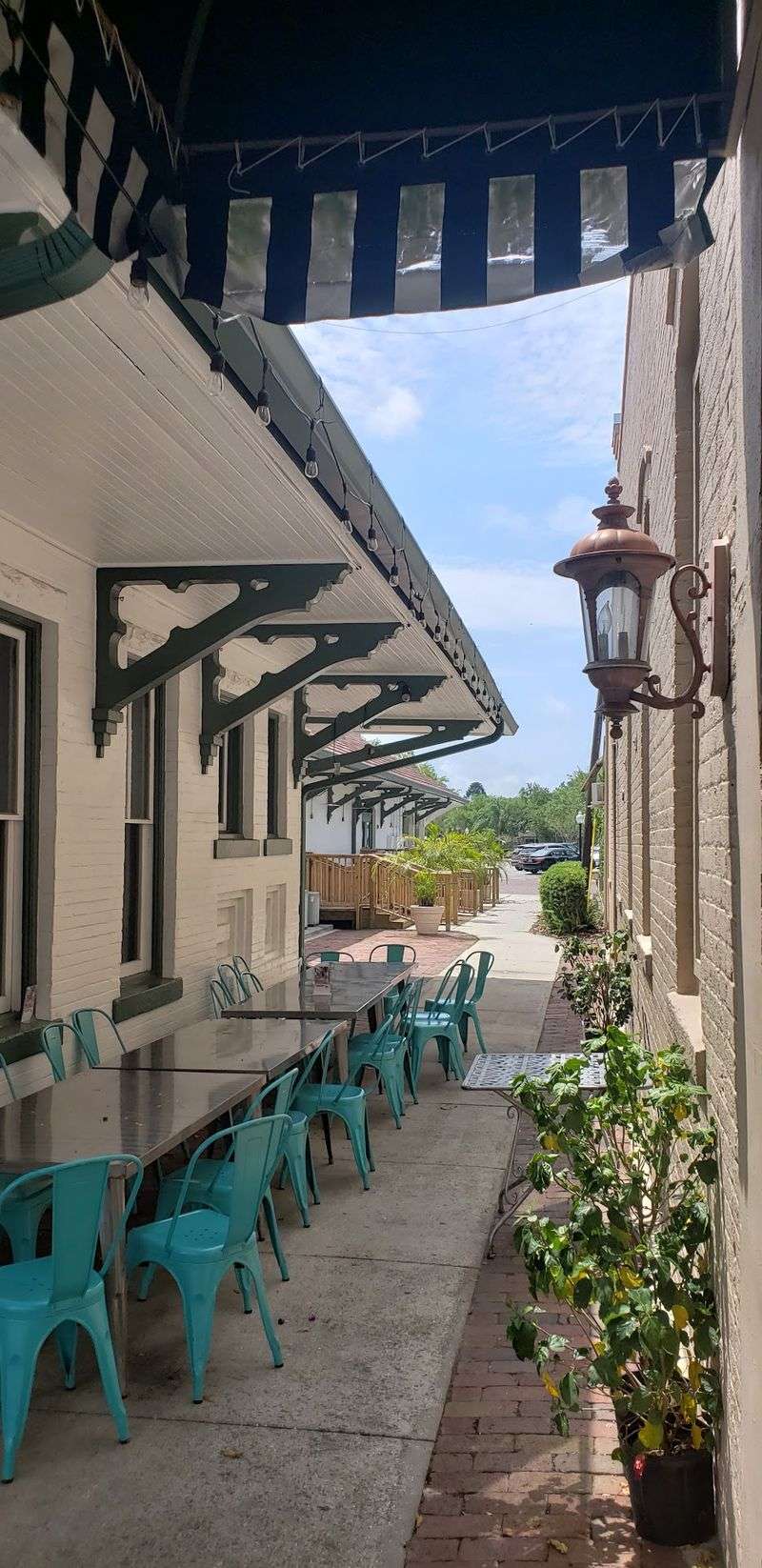
I had to do a double-take at the blue and white boats bobbing along the docks. The Mediterranean mood is no accident.
Tarpon Springs was laid out in 1882 and incorporated in 1887.
Greek sponge divers began arriving in large numbers in 1905, and the city now has the largest Greek community in the United States on a per-capita basis.
The historic Sponge Docks form the heart of everything. Sponges still hang for sale beside specialty stores and boutiques. Free movies about diving history play at Spongeorama.
Greek immigrants brought deep-sea diving skills that transformed a small settlement into the Sponge Capital of the World. The industry peaked during the 1930s. Sightseeing cruises remain part of the Sponge Docks experience today.
Food is a major reason to show up hungry. The aroma of spanakopita, fresh bread, and honey pastries drifts along the street. Family-run bakeries reward anyone with a sweet tooth.
Shops stock olive oil soaps, handmade loofahs, and imported goods. Bouzouki music occasionally floats between the storefronts, adding to the atmosphere.
Watching the working boats unload never gets old, especially in the late afternoon light. Between the food, the docks, and the traditions, this cultural enclave delivers an experience found nowhere else in the state.
9. Lake Placid, Highlands County
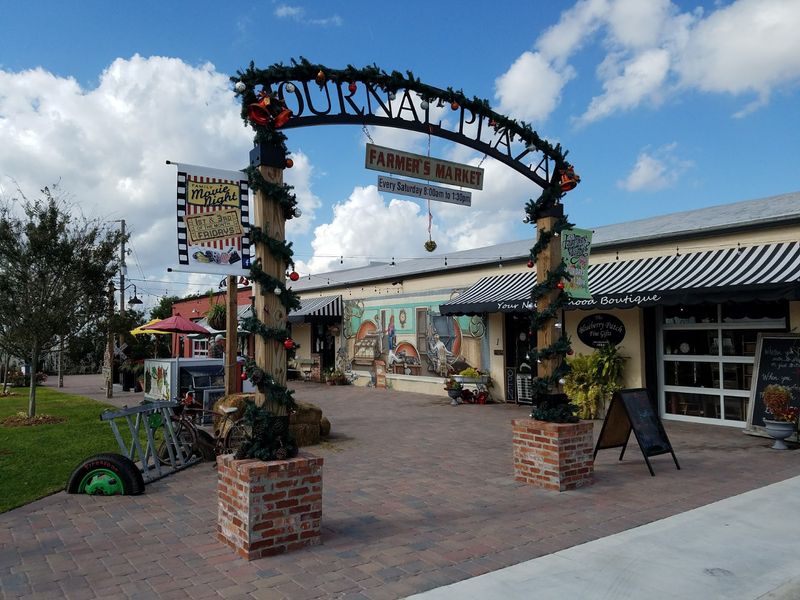
One town can be both an outdoor mural gallery and a center of the world’s caladium-growing industry. Two nicknames, both earned honestly.
Lake Placid in Highlands County goes by the Town of Murals and the Caladium Capital of the World. Both titles come with plenty to see.
Forty-seven large murals cover buildings around town. Scenes depict local history, industry, and everyday culture. Many include hidden objects, turning a walk into a scavenger hunt.
The Lake Placid Mural Society launched the beautification project in 1992. Pick up a mural tour book at the Visitor’s Center before you start exploring.
About 95 percent of the world’s caladiums are grown in the Lake Placid area. Those heart-shaped, brightly veined leaves get their own annual Caladium Festival, complete with farm tours and art vendors.
Back in 2013, Reader’s Digest named the town America’s Most Interesting Town. Small population, big personality.
Outdoor options stack up fast. Fishing and boating on Lake Istokpoga draw anglers year-round. Lake June-in-Winter Scrub Preserve State Park has hiking trails through rare scrub habitat.
For something delightfully odd, Toby’s American Clown Museum awaits. Murals, flowers, lakes, and clowns make an unlikely combination that somehow works perfectly.
10. Sopchoppy, Wakulla County
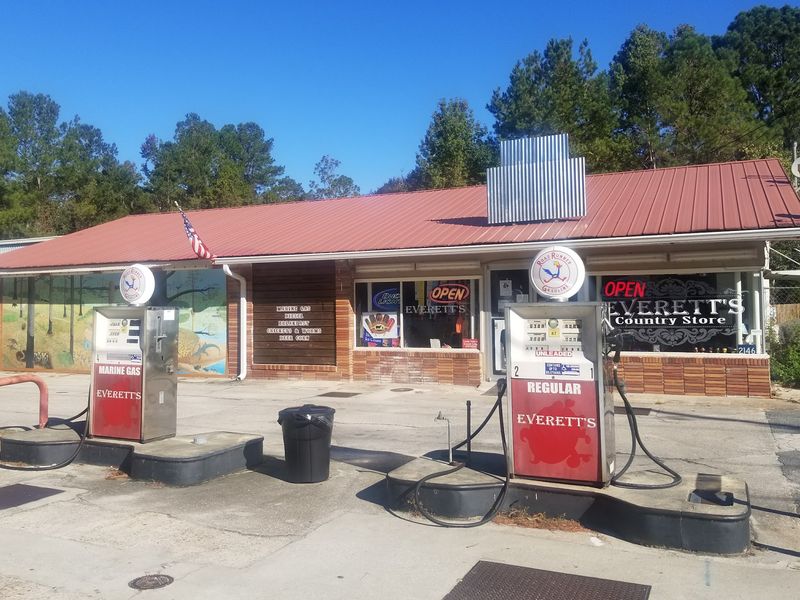
It makes you wonder, doesn’t it, how coaxing worms from soil became a whole festival? Thousands show up every April to find out.
Sopchoppy rests on the southwest edge of Wakulla County, nestled against the Apalachicola National Forest. Its Worm Gruntin’ Festival celebrates a genuinely local tradition.
Worm grunting means driving wooden stakes into the ground and rubbing them to bring earthworms up. The practice gained national attention during the 1970s. Bait collectors perfected it long before cameras arrived.
Nature carries the rest of the year. The Sopchoppy River runs dark and tea-colored, ideal for kayaking and canoeing. Paddlers drift beneath dense cypress forests and twisted roots.
Downtown holds restored buildings and small eateries, with several structures listed on the National Register of Historic Places.
The old Sopchoppy High School dates to 1924, while its native-lime-rock gymnasium was built in 1935 as a Works Progress Administration project.
Myron B. Hodge City Park gives easy river access plus picnic and recreation areas. Hiking trails run into the surrounding national forest.
The Sopchoppy Opry hosts live music from area performers, a warm way to spend an evening. Local shops like Posh Organics stock gifts and art.
Quiet roads, dark water, and one unforgettable festival make this tiny community worth the detour.