Hike Rugged Badlands And Toadstool-Like Rock Formations At This Nebraska Panhandle Grassland
Giant stone mushrooms stand in the far corner of Nebraska, and wind and water carved every one of them. Sandstone caps sit on skinny clay stems like someone balanced dinner plates on pillars.
The whole scene looks more like the moon than the Plains.
The ground under those rocks holds fossils from millions of years ago. Rhinos, camels, tiny three-toed horses and a giant pig nicknamed the hell pig once roamed here.
Scientists even found trackways left by ancient rhinos.
I like how a short gravel drive can feel like time travel. You can hike a one-mile loop, sleep under dark skies, and peek inside a rebuilt sod house in one trip.
I can’t imagine a better place to make kids put down their phones. Then again, the phones barely get a signal out there anyway.
So what else is waiting past the toadstools?
A Moonscape Waiting At The Top Of The Panhandle
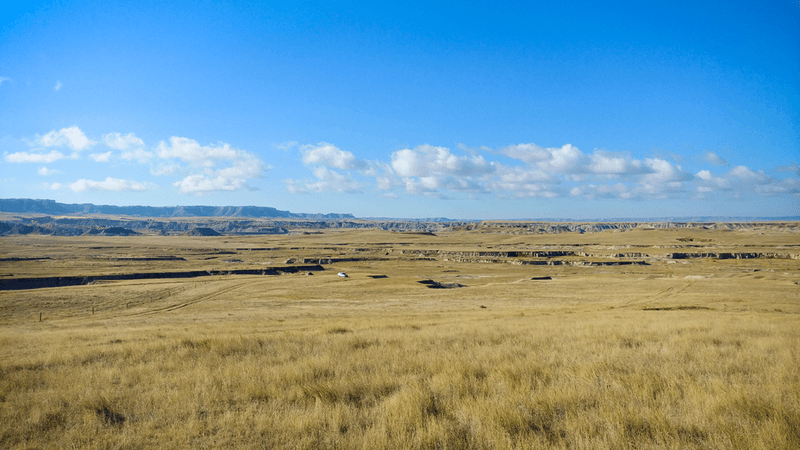
Nebraska keeps one of its strangest landscapes way up in the northwest corner. Oglala National Grassland covers parts of northern Sioux and northwestern Dawes counties, with Crawford as the closest town.
The U.S. Forest Service manages the grassland, and the Pine Ridge Ranger District in Chadron looks after it.
That means wide open public land, not a fenced roadside attraction with a gift shop.
The star of the show is Toadstool Geologic Park, sitting inside the grassland north of Crawford. Some signs and maps call it Toadstool Geological Park, but both names point to the same wild spot.
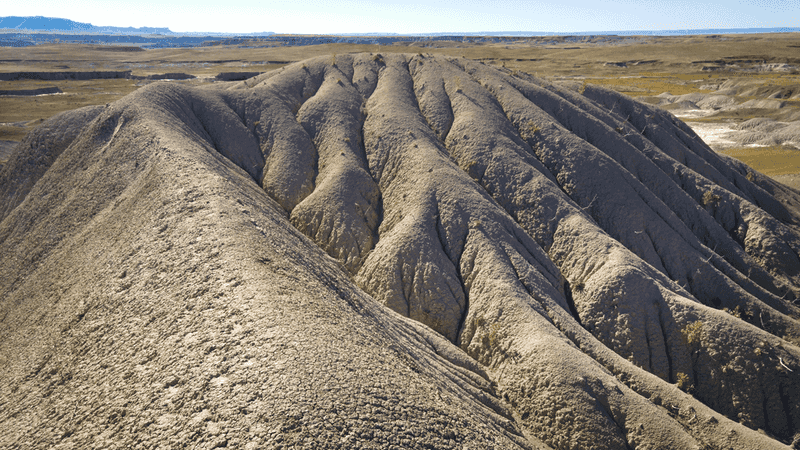
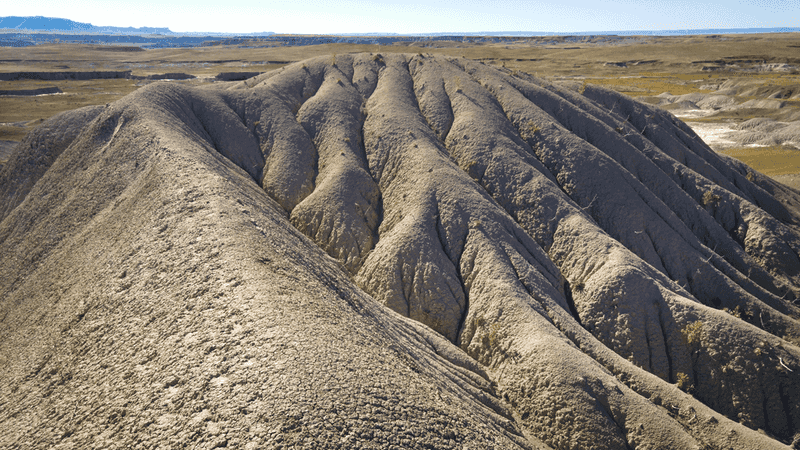
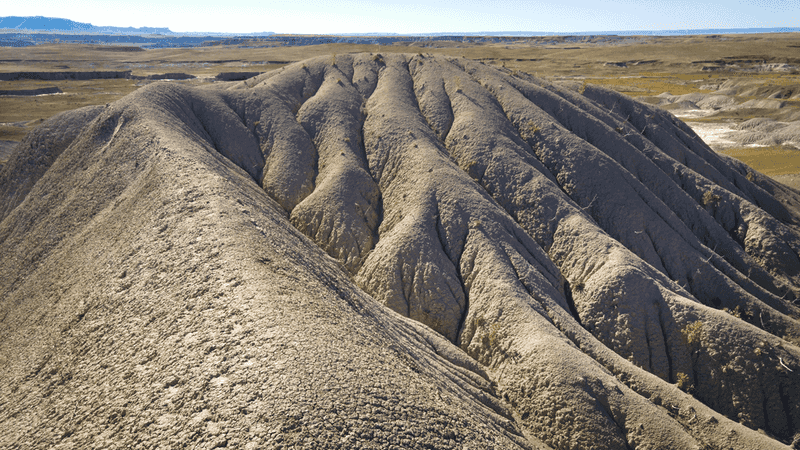
Out here, the prairie suddenly breaks into gray and tan badlands. Folks often call the area Nebraska’s Badlands, and the nickname fits the bare ridges and gullies perfectly.
Toadstool Geologic Park is open 24 hours a day, all year long. The larger grassland also stays open year-round for hiking, camping and wildlife watching.
So the door is basically never locked. The only real question is when you feel like pointing the car north and seeing rocks that look borrowed from another planet.
Pack a sense of wonder, plus plenty of water.
Rock Mushrooms Built By Wind And Water
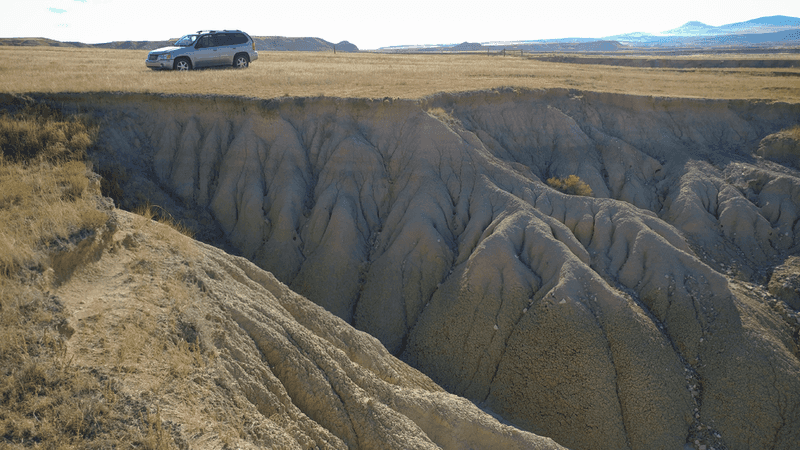
Erosion is a slow sculptor, but it sure has a sense of humor. The famous toadstools formed when wind and water chewed away soft clay faster than the tougher sandstone on top.
The result is a flat rock cap perched on a narrow clay stem. Some look like mushrooms, some like tables, and a few look ready to tip over any minute.
That uneven wear is the whole secret. Hard sandstone protects the clay right beneath it, while the unprotected ground around it washes away bit by bit.
The bedrock itself formed about 34 to 37 million years ago during the Oligocene epoch. Layers of volcanic ash and river deposits stacked up, waiting for weather to start carving.
Around 26 million years ago, the area dried out and the big erosion project began. Every rain and windstorm since then has added a small change to the scenery.
So when you stand beside a toadstool, you’re looking at a work in progress. These shapes will keep shifting long after your hiking boots leave.
Snap your photos now, because the rocks are still revising themselves.
Ancient Rhinos And A Pig With A Scary Nickname
Rhinoceroses once wandered through northwestern Nebraska. Long before the badlands formed, this area was an open savanna with winding streams and forests.
The fossil list reads like a very odd zoo. Scientists have found tortoises, rhinos, saber-toothed cats, early three-toed horses, camels, lizards and hyaenodons.
Then there’s the entelodont, a huge prehistoric pig sometimes called the hell pig. Kids tend to remember that name forever, and honestly, so do adults.
Geologists call Toadstool Geologic Park the type section for the White River Group. In plain words, it serves as a standard for comparing rocks of a similar age across North America.
That makes this quiet corner of Nebraska a big deal for science. It helps explain Earth’s story from roughly 38 to 24 million years ago.
One rule matters here, though. Collecting fossils or artifacts is prohibited by federal law, so every bone stays right where nature left it.
Look closely, take pictures, and let the next hiker enjoy the same discovery. That’s a pretty good trade for a trip into deep time.
Footprints Left About 30 Million Years Ago
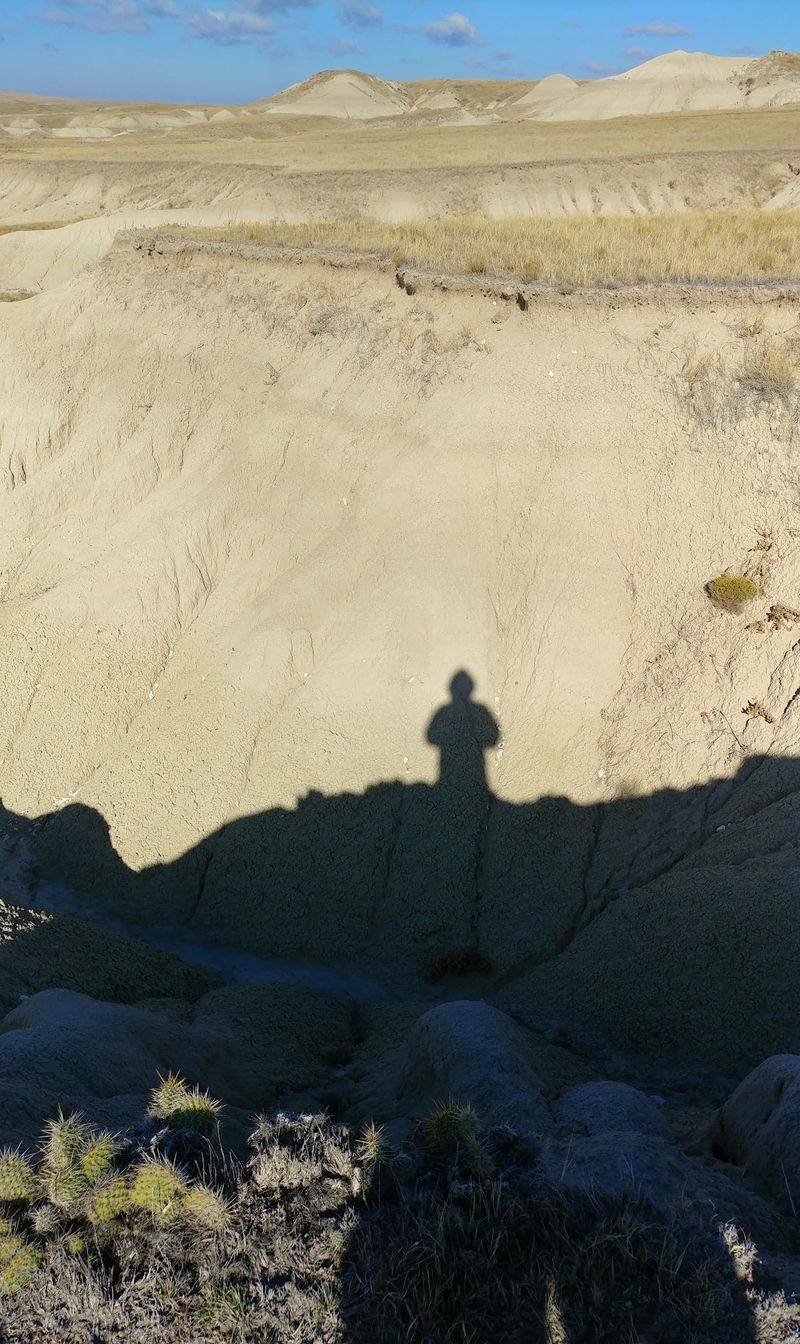
Bones are impressive, but footprints feel personal. Toadstool holds fossil trackways that record prehistoric mammal migrations from about 30 million years ago.
Among those tracks are the paths of two different rhinoceros species. Picturing rhinos strolling across what’s now the Nebraska Panhandle never really gets old.
Trackways tell a different story than skeletons do. A bone shows what an animal looked like, while a footprint shows where it actually walked.
That’s the kind of history you can stand right next to. A long-ago moment pressed into stone is still sitting out there under the open sky.
For families, this can turn an ordinary hike into a detective game. Who walked here, where were they going, and were they in a hurry?
The same federal rules apply to tracks as to fossils. Leave everything in place, and keep little hands from prying at the rock.
Bring a curious mind and a camera with a good zoom. These ancient travelers left their marks long before any trail existed, and they still beat everyone else to the best spots.
One Short Loop Packs In The Wow Factor
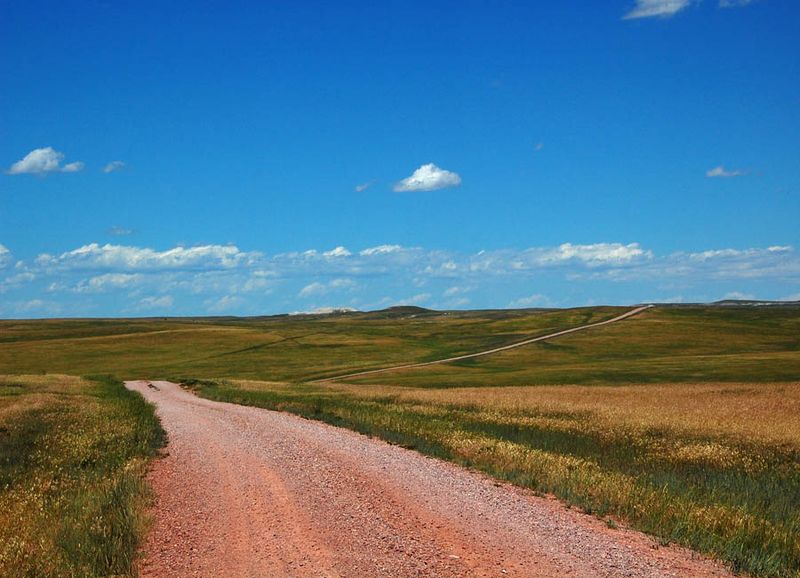
Only one mile separates you from the park’s greatest hits. The interpretive loop winds past plenty of eroded clay and sandstone formations, making it the easiest way to see the toadstools up close.
Brochures at the trailhead explain the geology as you go. That turns a casual walk into a mini field class without any homework afterward.
The loop suits first-timers, families and anyone short on time. You get the moonscape views without committing to a full day on foot.
Good footwear still matters out here. Cactus grows across the grassland, and sturdy boots help keep spines out of your ankles.
The terrain can be uneven, with gullies and slopes along the way. Take it slow, watch your step, and enjoy the scenery between careful footsteps.
Dogs are welcome on the trails, as long as they stay on a six-foot leash. Your pup gets an adventure, and the fragile formations stay protected.
Toss a hat and sunscreen in your bag too. Shade is hard to come by when your surroundings are mostly rock and sky.
Longer Trails For Hikers Who Want More Miles
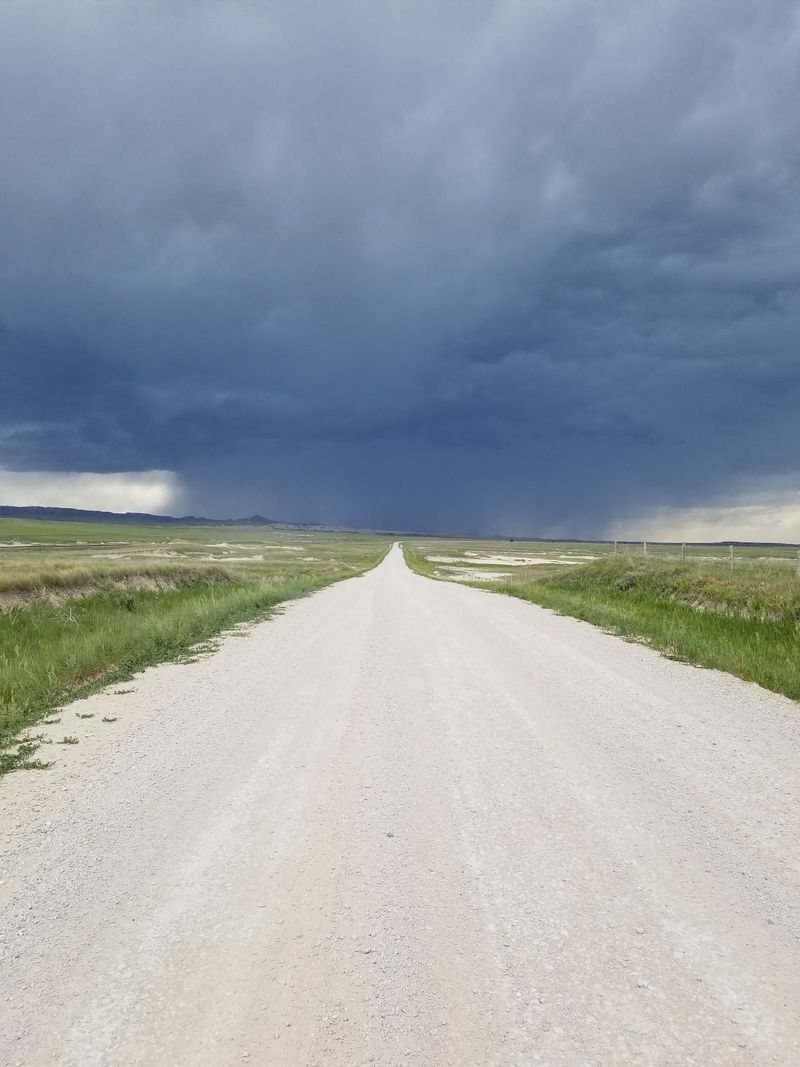
Ready for a bigger challenge? Two longer routes stretch beyond the loop and into the wider grassland.
The Bison Trail runs about 3 miles one way. It links Toadstool Campground with the Hudson-Meng Education and Research Center and crosses Whitehead Creek along the way.
That makes it a fun out-and-back with a destination at the end. Just remember the return trip doubles the distance, so plan water accordingly.
The Five-Mile Loop starts at the campground and follows part of the interpretive trail first. Then it heads north through badlands and open grassland.
That loop is part of the Great Plains Trail, a larger network of paths and roads across public lands. Hiking it gives you a small taste of something much bigger.
Out here, the views open wide in every direction. Badlands give way to prairie, and the sky seems to take up most of the picture.
Bring a map, extra water and a plan. Cell service is often weak or missing, so your phone shouldn’t be your only guide through Oglala National Grassland.
A Sod House Shows How Homesteaders Got By
Walls made of dirt might sound like a bad idea today. For homesteaders on the Plains, sod was simply the building material lying right under their feet.
Near the campground stands a replica sod house built in 1984. It sits close to the site of an original sod house from 1929.
Stepping up to it gives you a feel for frontier life on these grasslands. Few trees grew here, so settlers cut blocks of earth and stacked them into homes.
It’s a great contrast with the ancient fossils nearby. One spot shows millions of years of change, while the other shows a family making do less than a century ago.
An interpretive kiosk also explains the local geology and history. It helps tie the rocks, the bones and the homesteaders into one bigger Nebraska story.
Kids may find it surprising that people really lived in houses like this. Adults might feel a little extra gratitude for modern insulation.
Either way, it’s a quick stop worth making. Pair it with the loop trail for a well-rounded visit.
Bring Your Own Water And Stay For The Stars
Sleeping beside giant rock mushrooms is a pretty great bragging right. Toadstool Geologic Park Campground offers primitive sites on a first-come, first-served basis.
Each site comes with a gravel parking spur, a picnic table, a fire ring and an upright grill. Two accessible vault toilets sit on site as well.
Now the important part. There is no drinking water at the campground, so pack every drop you’ll need.
A modest nightly camping fee applies, and a small day-use fee runs from Memorial Day through Labor Day. Checking current rates before you go is a smart move.
Want even more space? Dispersed camping is allowed throughout the Oglala National Grassland.
That opens up peaceful, quiet spots with plenty of solitude. The dark skies out here also make stargazing a real treat.
Plan for weather changes and a long night without electricity. A good flashlight, warm layers and a full cooler go a long way.
Once the sun drops, the badlands turn quiet, and the stars take over the whole show.