This Nebraska Canyon Hike Gets Moderate To Hard, With Stunning Views Of The Bluffs Along The Way
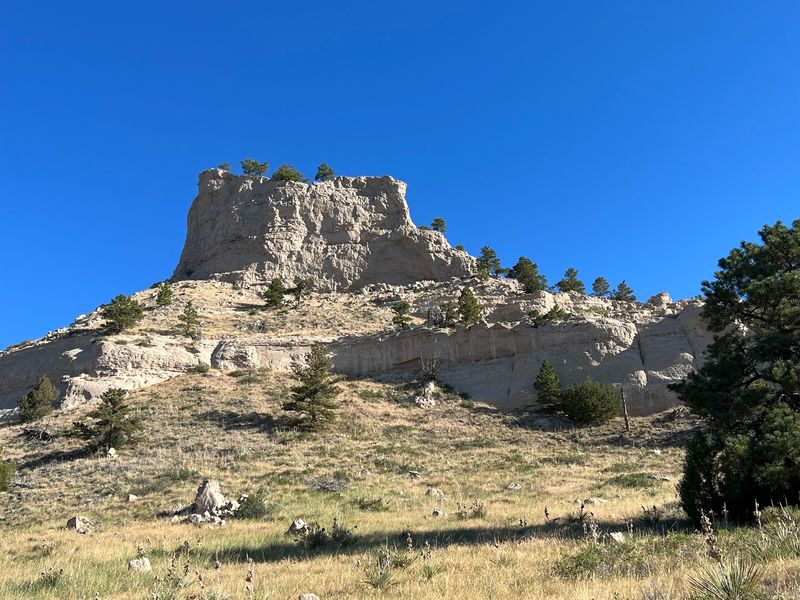
A tiny gravel parking spot in western Nebraska leads to a hike that can go from moderate to hard. How hard depends entirely on you and your legs.
The reward is a front-row look at rugged bluffs rising over the canyon. Wildflowers and native plants fill in the spaces between the rocks.
I like how the scenery doesn’t ask for a fancy lodge or a gift shop to make its point.
This place has a perfect five-star score on Google. It also has only a handful of reviews, which tells you how quiet it stays.
I believe that combination is rare in a world where every good trail ends up packed.
So who gets to enjoy it? Mostly the people who know where to turn off the road.
Lucky for you, that list is about to grow by one.
A Quiet Trailhead Just Outside Gering
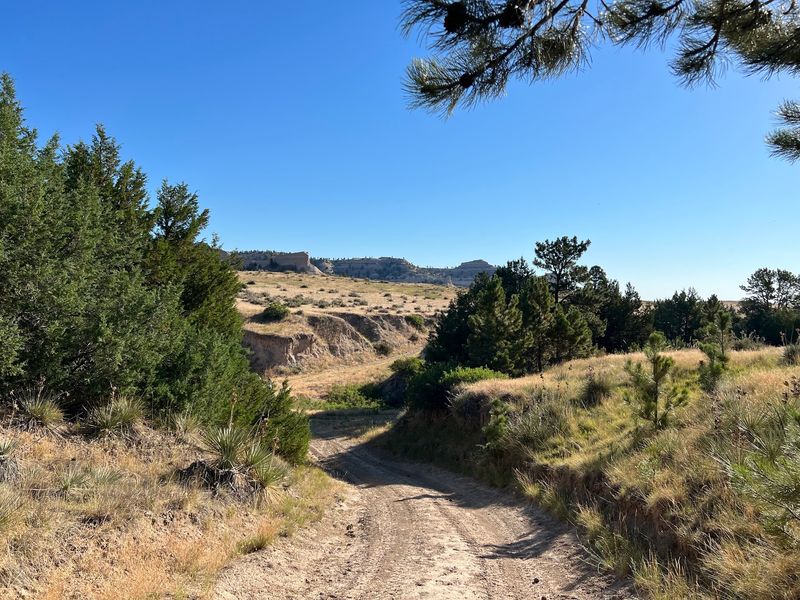
Cedar Canyon WMA Parking marks the starting point for a hike in the Nebraska Panhandle, near the town of Gering. It’s listed as a hiking area, and that simple label undersells the scenery waiting beyond the lot.
The spot sits south of Gering, out where the land starts to wrinkle into canyons and bluffs. Think rugged country instead of flat cornfields.
Your car stays here while your boots handle the rest.
WMA stands for Wildlife Management Area. In Nebraska, these lands are set aside to protect habitat while still letting people get outside and explore.
That means you won’t find a big welcome center or a snack bar here. What you get is open land, wild plants, and the kind of silence that city parks rarely manage.
For some hikers, that’s exactly the appeal.
The parking area itself carries a perfect five-star rating on Google, with only four reviews. That’s a small sample, sure.
Still, a clean sweep from everyone who bothered to write says plenty about how the place treats its hikers.
Gering folks may already know this turnoff. Everyone else has some catching up to do.
Wild Land With A Purpose Behind It
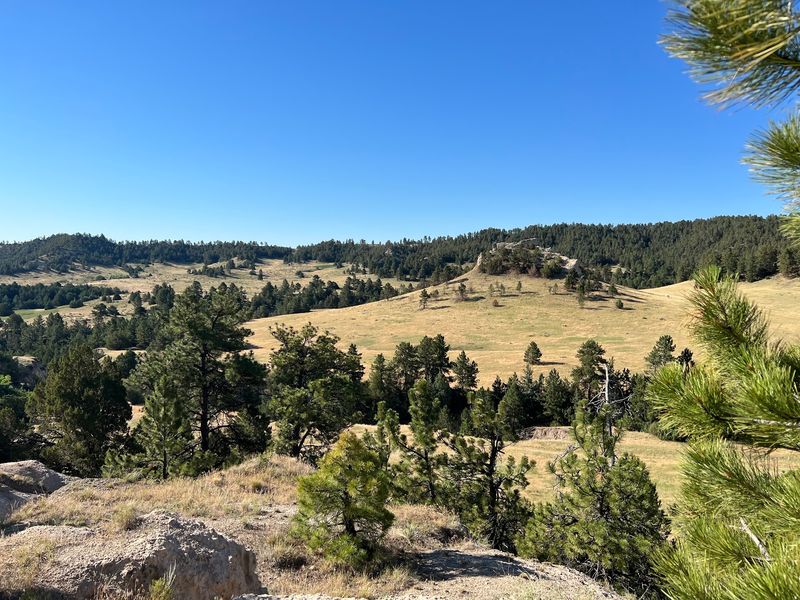
Wildlife comes first on a Wildlife Management Area, and hikers are welcome guests. That arrangement shapes everything about how this canyon looks and feels.
Nebraska manages these areas to keep habitat healthy for animals and plants. The result is land that stays rough around the edges, in the best possible way.
Nobody is mowing the hillsides or planting tidy flower beds.
Because of that, the canyon feels more like the Panhandle did long before highways showed up. Grasses, shrubs, and trees grow where they want.
Rock faces stay bare and weathered.
Many Nebraska WMAs also allow hunting during certain seasons. If you hike in the fall, bright clothing may help you stay easy to spot.
It’s a small step that makes shared land work for everyone.
The setting rewards hikers who slow down a bit. Birds, tracks, and small critters may show up when you least expect them.
Keep your eyes open and your voice low, and the canyon may share a little more.
Respect goes a long way here too. Stay on paths, pack out what you bring, and leave the wildflowers for the next person.
The land stays wild because people treat it that way.
You Get To Pick How Tough This Hike Becomes
Moderate to hard depending on your abilities. That’s the honest rating this canyon has earned, and I love how flexible it makes the trip.
Some hikers will stroll the gentler stretches and call it a great morning. Others will push up the steeper ground and feel every step in their calves.
Both choices count as a win here.
The Panhandle terrain doesn’t hide its ups and downs. Canyon country means climbs, drops, and uneven footing in spots.
Your pace sets the difficulty more than any map ever could.
That’s good news for mixed groups. A fit teenager and a retired grandparent can share the same trailhead and still have very different hikes.
Nobody has to feel left behind if you plan turnaround points ahead of time.
Listen to your body and don’t treat the hard parts as a dare. A shorter loop with great views beats a long slog that leaves you miserable.
The bluffs aren’t going anywhere.
Want a real challenge? Keep going and let the canyon test you.
Want an easy afternoon? Turn back whenever the mood strikes.
Either way, you’ll head home with a solid workout and a camera full of rock.
Paths That Won’t Leave You Guessing
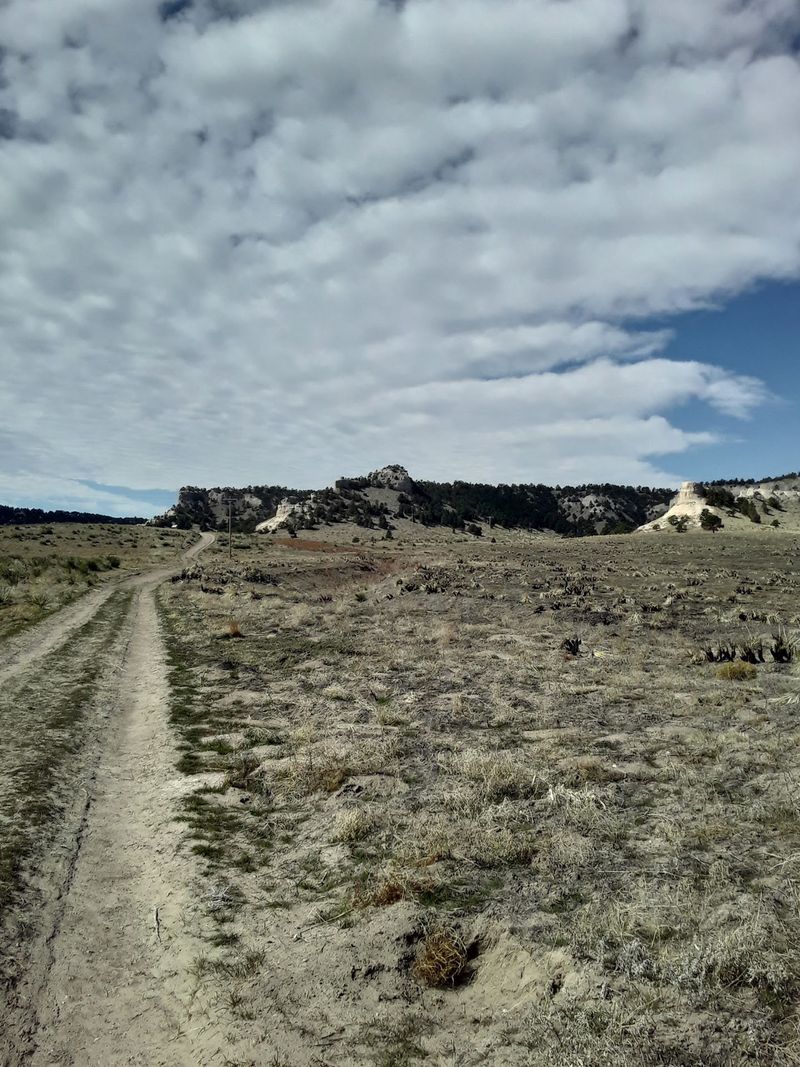
Good news for anyone who panics without trail markers every ten feet. The paths at Cedar Canyon WMA are easy to navigate, even with all that rugged scenery around them.
That detail matters more than it sounds. Wild areas can sometimes feel confusing, with faint tracks splitting in every direction.
Here, the routes stay clear enough that you can focus on the views instead of your phone.
Of course, easy to follow doesn’t mean easy to climb. The path can be obvious and still send you uphill with your heart pounding.
Clear direction and real effort live side by side here.
It still helps to pay attention to where you started. Note a landmark or two near the parking area before heading out.
A bluff shape or tree cluster makes a handy reference on the way back.
Cell service can be spotty in canyon country, so don’t count on it as your only guide. Download a map or screenshot the area before you leave town.
A little planning keeps the hike relaxing.
Once you settle into the route, the walking feels natural. You’ll spend less time wondering where to go and more time wondering how this place stays so quiet.
The Bluffs Steal Every Single Scene
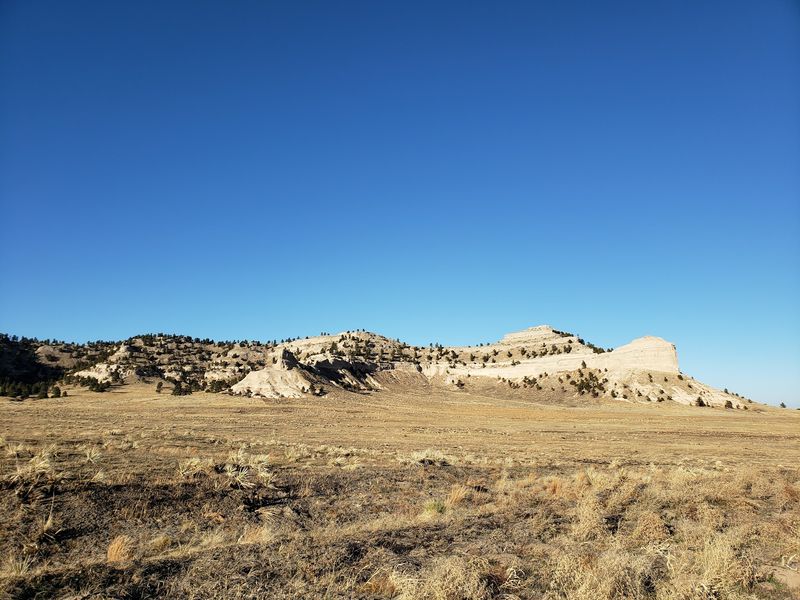
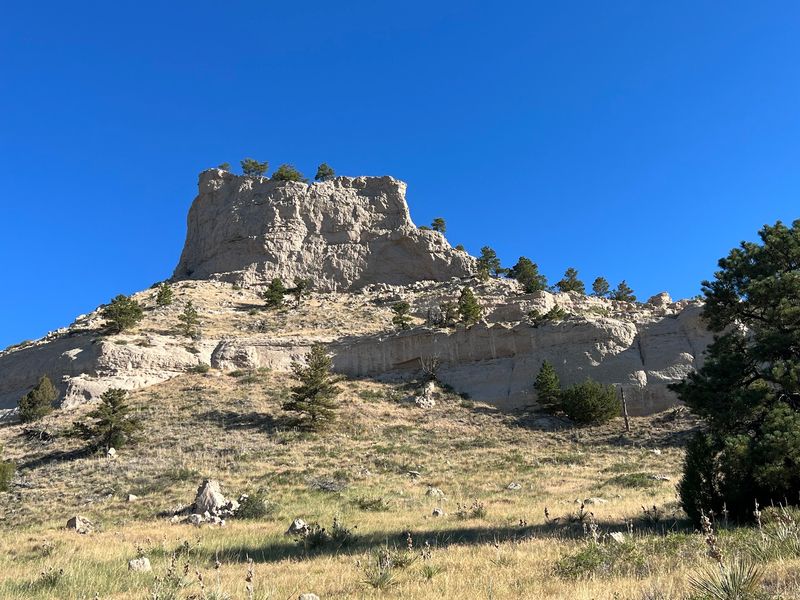
Western Nebraska saves some of its best rock for this corner of the state. The bluffs around Cedar Canyon are the main event, and they show off from almost every angle.
Layered rock faces rise above the canyon floor in shades of tan and cream. Cedar trees cling to the slopes in scattered patches.
The whole scene looks more like a Western movie set than the Nebraska many people picture.
As you climb, the views open wider. Higher ground gives you a better look at the canyon’s shape and the rugged walls around it.
Each switch in direction brings a slightly different frame.
Photographers should plan for good light. Morning and late afternoon often bring softer shadows that make rock textures pop.
Midday sun can feel harsh, both on the camera and on your skin.
The bluffs also do something sneaky. They make you stop more than you planned, just to stare for a minute.
Call it a rest break with a better excuse.
Visitors from eastern Nebraska are often surprised by this side of the state. Rolling farmland gives way to rock and canyon in a way that feels almost like another region.
Good luck keeping your camera in your pocket.
Wildflowers Add Color Between The Rocks
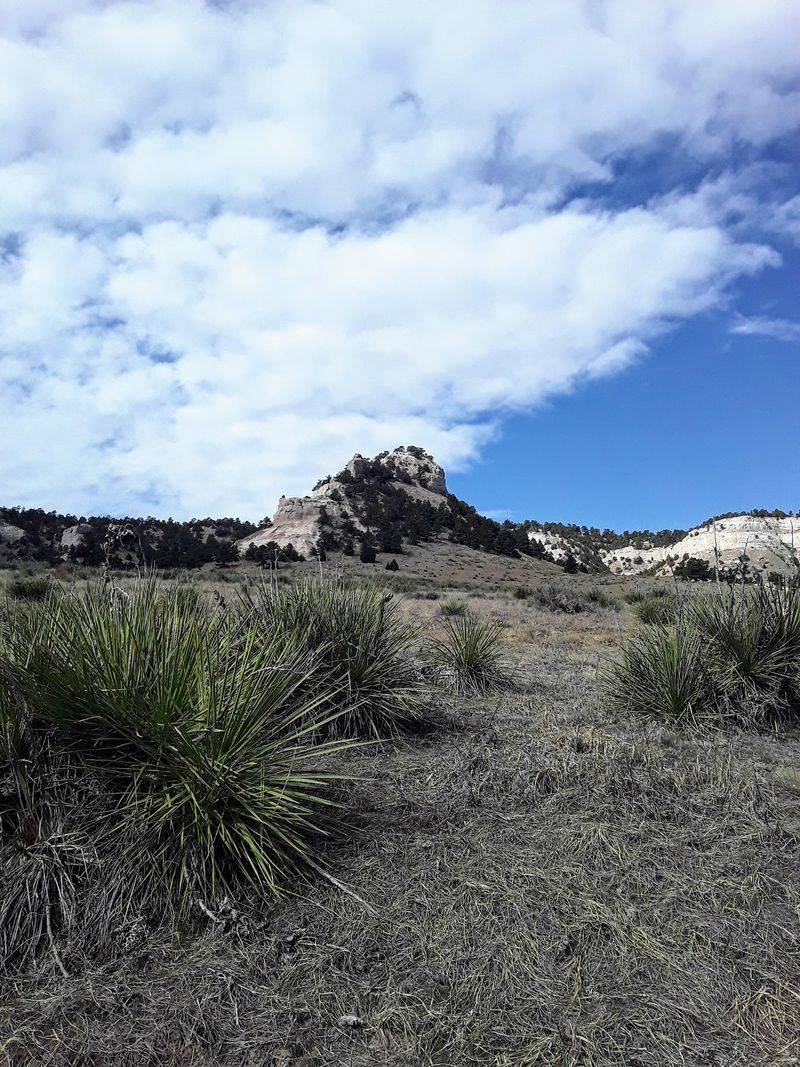
Rock gets the headlines, but the plants deserve a mention too. Flowers and vegetation help make this canyon a feast for the eyes.
Native grasses sway across the lower ground. Shrubs and cedars break up the open slopes.
In the right season, wildflowers splash bits of color against the pale bluffs.
That mix keeps the hike interesting from start to finish. Even when the climb slows you down, there’s something small and pretty to notice by your feet.
It turns a tough stretch into a nature walk.
Plant lovers may want to bring a field guide or a plant ID app. Western Nebraska has its own blend of prairie and dry-country species.
Learning a few names makes the hike feel more personal.
Remember that this is protected land. Snap photos of the blooms but leave the flowers where they grow.
Wildlife depends on these plants for food and shelter.
Blooms come and go with the weather, so no two visits look quite the same. A spring hike and a late summer hike can feel like two different trips.
That gives you a perfectly good reason to come back more than once.
Built For Hikers Who Like Their Trails Uncrowded
Four Google reviews. That’s the entire online footprint of this parking area, which tells you a lot about the crowd situation.
Plenty of popular trails feel like a parade on a sunny weekend. This canyon seems to fly under the radar, even for many Panhandle residents.
Quiet comes standard.
The setting suits hikers who want real effort and real solitude. Solo walkers, couples, and small groups of friends will feel right at home.
Bird watchers and photographers will appreciate the calm too.
Families with older kids can enjoy it as well. Pick easier sections, set a turnaround time, and keep snacks handy.
A little challenge often makes kids prouder of the finish.
Very young children or anyone with mobility concerns might find parts too rough. The terrain can turn steep and uneven quickly.
Scope out the start before committing to a long outing.
Above all, this is a place for people who like nature without extras. No playground, no café, no souvenir shelf.
Just rock, sky, and a path that asks you to show up ready. If that sounds like a perfect Saturday, you’ve found your spot.
Pack Smart Before You Leave Town
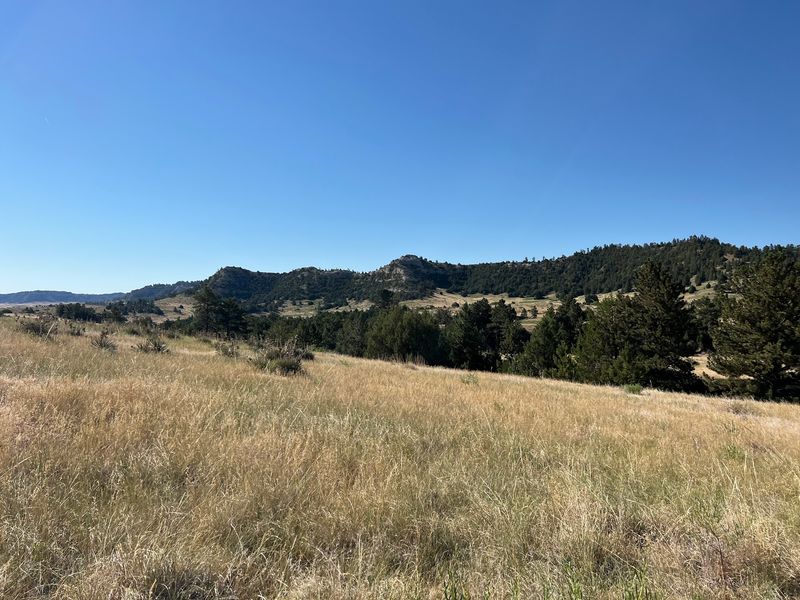
Gering is your last easy stop for supplies, so stock up there. Cedar Canyon WMA Parking is listed simply as Gering, Nebraska 69341, and a map app with the trailhead name will guide you in.
Bring more water than you think you need. Western Nebraska gets hot and dry, and canyon climbs burn through energy fast.
Shade can be limited on open slopes.
Sturdy shoes with good grip make a big difference. Rocky and uneven ground can feel slippery, especially on downhill stretches.
Leave the flip-flops in the car.
Sunscreen, a hat, and sunglasses belong in your pack too. Panhandle sun doesn’t mess around.
A light layer helps on breezy days or early mornings.
Watch where you step and where you put your hands. Prairie rattlesnakes are common in this part of Nebraska and usually prefer to avoid people.
Giving them space keeps everyone happy.
Wildlife areas usually have few or no facilities. Plan for no restrooms or drinking fountains at the lot.
Tell someone your plans, start early in warm months, and carry out every bit of trash you bring in.
A Worthy Day Out In Bluff Country
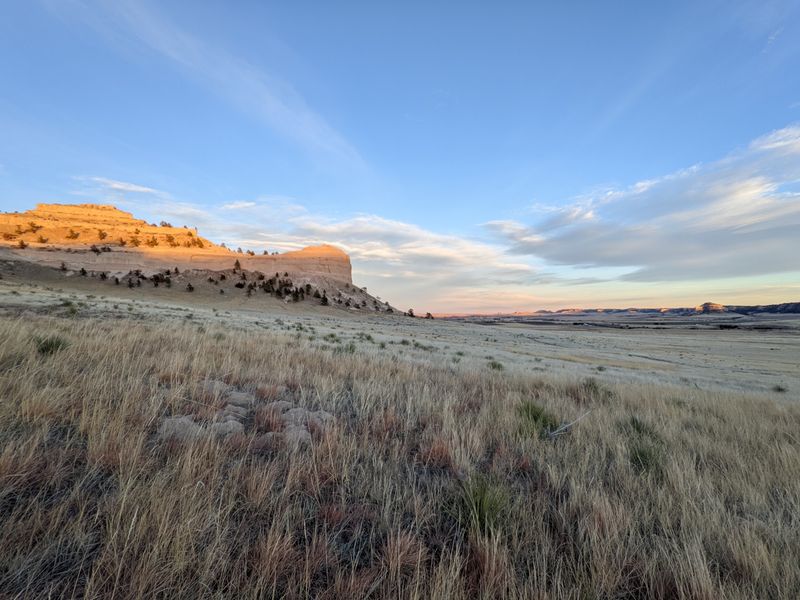
Few Nebraska hikes give this much payoff with so little fuss. Cedar Canyon WMA offers bluffs, wildflowers, clear paths, and a difficulty level you get to choose.
Make it a full day by pairing it with Scotts Bluff National Monument, about three miles west of Gering. The monument charges no entrance fee and features the Saddle Rock Trail, which climbs 435 feet to the summit.
That combination turns one canyon hike into a proper Panhandle adventure. Morning on the wild trails, afternoon soaking up Oregon Trail history.
Not a bad way to spend a weekend.
Cedar Canyon still holds its own, though. It lacks the big signs and visitor crowds, and that’s part of the charm.
You trade amenities for elbow room and a sense of discovery.
I can’t imagine a better spot for anyone who thinks Nebraska is all flat fields. One look at those bluffs settles that debate pretty quickly.
So fill your water bottles and lace up your boots. Pick your pace, pick your challenge, and let the canyon handle the scenery.
The only real question is whether you’ll go easy or chase the hard stuff.