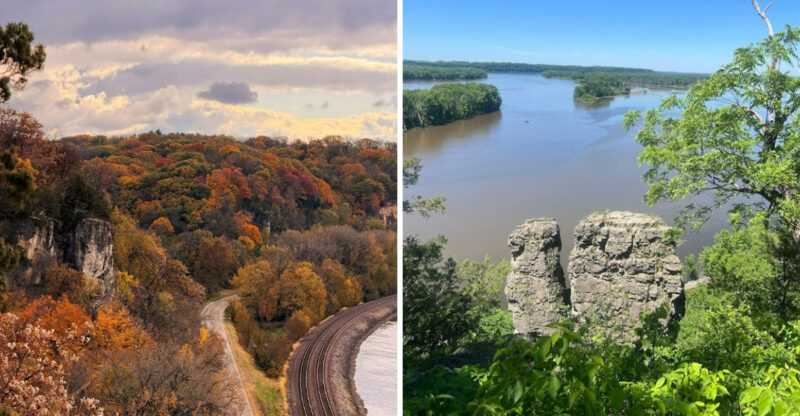
Hike This Stunning Illinois Trail For Sandstone Canyons And Hidden Waterfalls
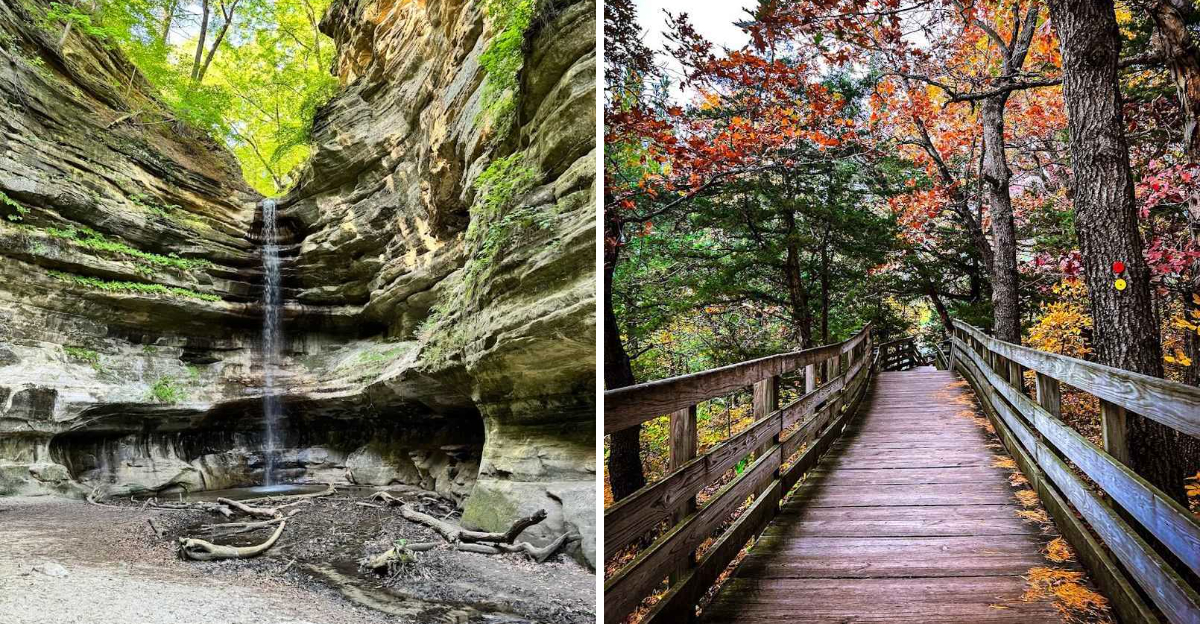
Say the word Illinois and most people picture flat farmland forever. They have clearly never been here.
Because this trail hides something the cornfields would never give away. Towering sandstone canyons.
Cool, shaded gorges. And waterfalls that appear when you least expect them.
It feels less like the Midwest and more like a movie set. The kind of place that makes you stop and pull out your camera every few minutes.
Spring is the showstopper, when the falls run full and loud. But honestly, this trail delivers in every season.
The path winds through canyon walls that have stood for thousands of years. You will feel wonderfully small the whole way through.
Most people drive right past without ever knowing it exists. Their loss is absolutely your gain.
So lace up your boots and charge your phone. This Illinois trail is about to surprise you.
The Canyon That Surprises You
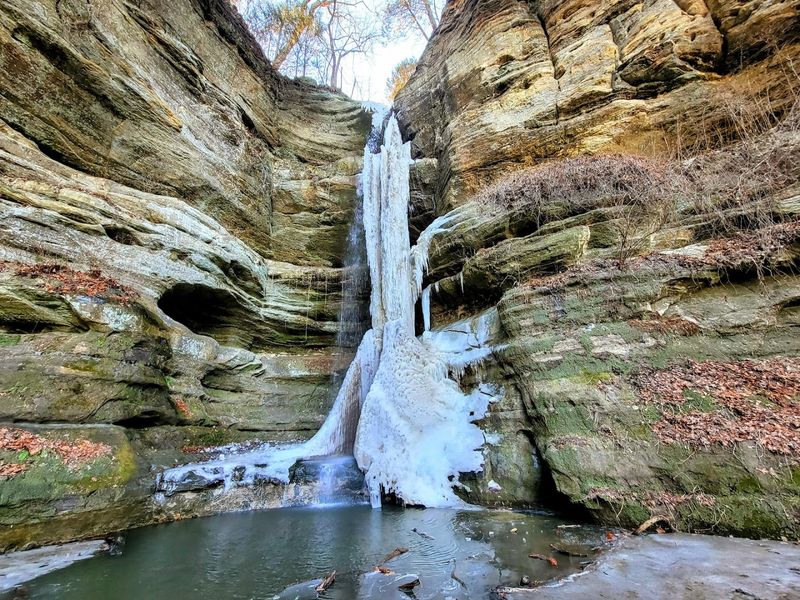
Starved Rock State Park near Oglesby, Illinois is the kind of place that makes you question why you ever spent a weekend on the couch.
The park sits along the Illinois River and draws nearly three million visitors a year, which sounds crowded until you actually walk into one of its eighteen canyons and realize why everyone keeps coming back.
The sandstone walls rise up to a hundred feet in some spots, carved by meltwater after the last ice age.
That slow geological drama left behind something that looks more like the American Southwest than central Illinois.
First-timers often stop mid-trail just to stare upward, mouths open, phones out.
The main visitor center is well-staffed and stocked with trail maps. Rangers are genuinely helpful, not just decorative.
If you are planning your first visit, grab a map, ask which trails are least muddy that day, and head out before noon. The park gets busy on weekends, so arriving early means quieter trails and better light for photos.
The Waterfall Everyone Talks About
Ask any regular visitor which canyon to see first and you will hear the same answer almost every time.
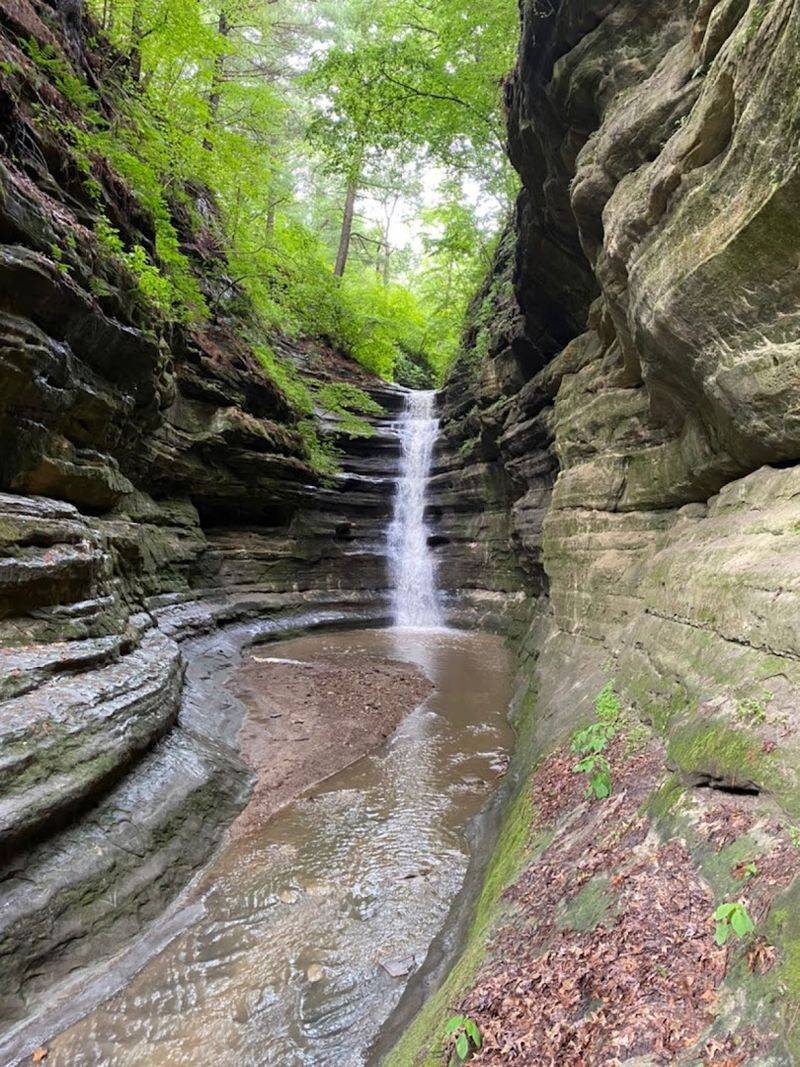
St. Louis Canyon has a waterfall that drops into a circular sandstone bowl, and the acoustics alone make it worth the walk.
Standing inside that canyon feels like being at the bottom of a natural amphitheater.
The trail to St. Louis Canyon is about 1.2 miles round trip from the main parking area, which makes it accessible for most fitness levels.
The path winds through hardwood forest before the canyon walls suddenly close in and the temperature drops a few degrees. That cool, damp air is your signal that the waterfall is close.
Water flow depends heavily on recent rainfall, so spring visits after a wet week offer the most dramatic falls. Summer visits are still worth it for the canyon scenery even if the waterfall slows to a trickle.
Winter turns the whole scene into a frozen sculpture garden, which is honestly a different kind of spectacular. Pack layers regardless of the season and wear shoes with actual grip.
Narrow Walls And Big Atmosphere
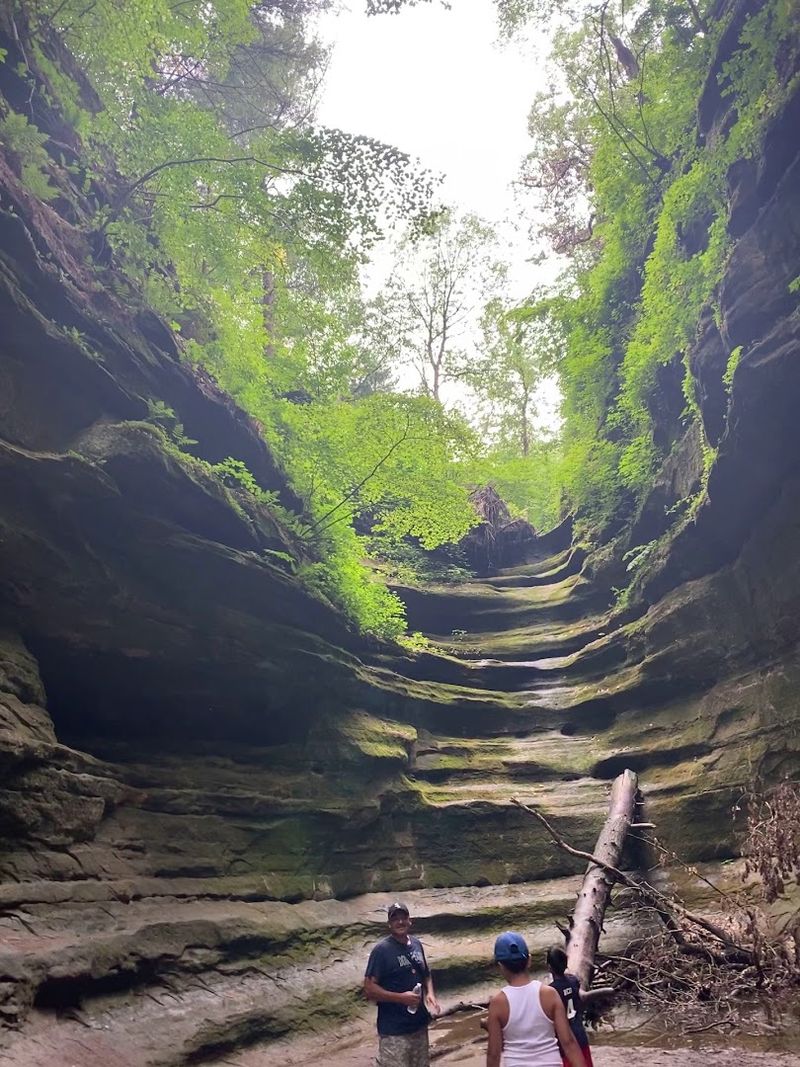
French Canyon is the trail that makes people feel like proper explorers.
The walls narrow so tightly in some sections that you have to turn sideways to squeeze through, and the light filters down in thin golden shafts that make every photo look professionally edited.
It is genuinely dramatic without trying too hard.
This canyon is slightly longer to reach than St. Louis, sitting about 1.5 miles from the main trailhead. The extra distance keeps the crowds a little thinner, which is its own reward.
You can hear your own footsteps on the sandy canyon floor, and that quiet is rare for a park this popular.
Geologically speaking, French Canyon formed the same way as the others, through glacial meltwater cutting through the St. Peter sandstone layer. But the narrowness here is distinctive.
The rock walls show horizontal striations that look like pages in a very old book. Local naturalists sometimes lead guided canyon walks that explain the geology without making it feel like a lecture.
Check the park schedule online before your visit to see if any programs line up with your trip.
Views Worth Every Step
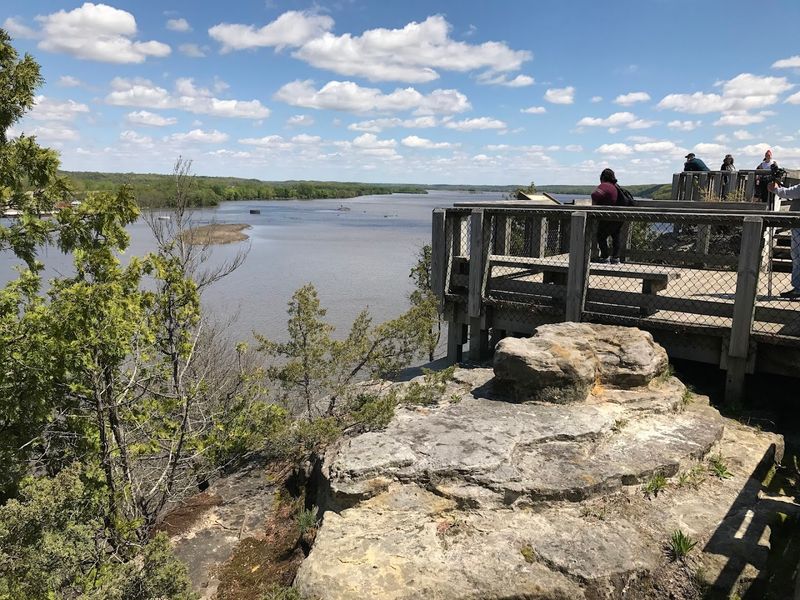
Some trails reward you at the end. Eagle Cliff Trail rewards you the whole way through and then hits you with a view that makes you forget you were tired.
The overlook at the top looks out over the Illinois River and the bluffs beyond, and on a clear day the distance seems almost impossible for a state known mostly for flat farmland.
The trail runs about two miles round trip with moderate elevation gain. It is not a casual stroll, but it is not a grueling climb either.
Most reasonably fit hikers handle it without issue.
The path is well-marked and maintained, which matters more than people realize until they end up on a poorly marked trail at dusk somewhere else entirely.
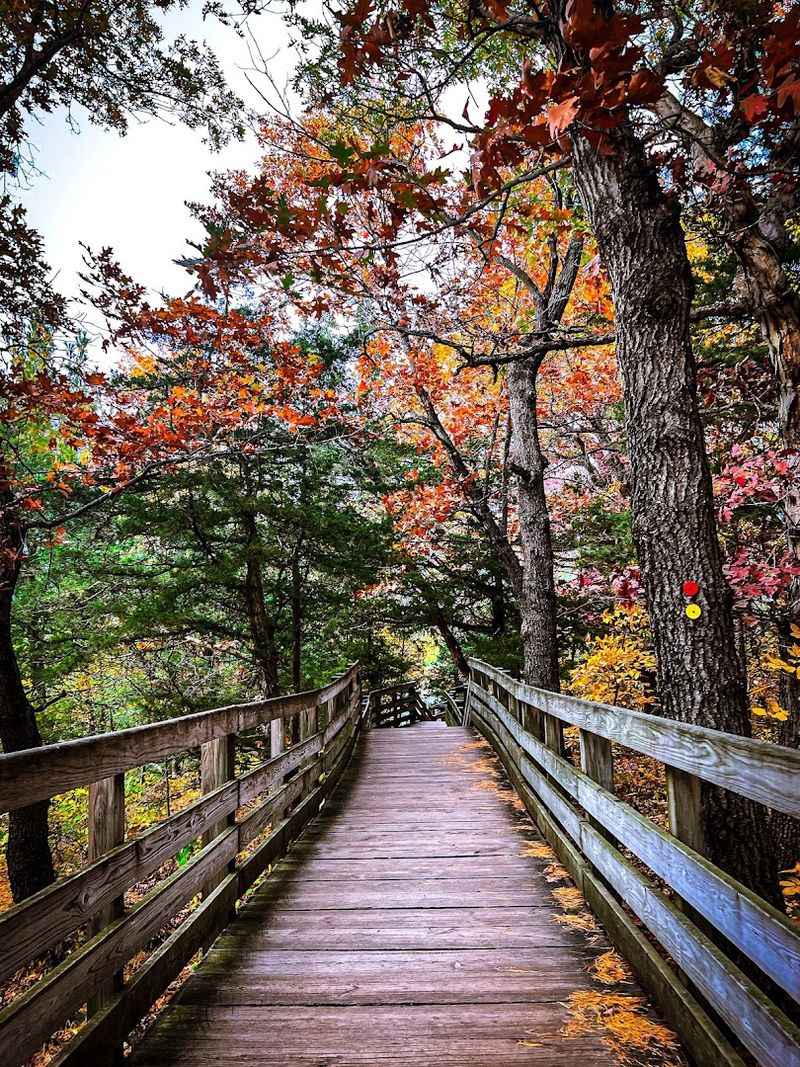
Fall is the peak season for this particular trail because the hardwood forest turns orange, red, and gold in a way that frames the river view dramatically.
Photographers start arriving before sunrise to catch the light. Birdwatchers come for the migrating raptors that ride thermals along the river corridor.
Bald eagles are a genuine possibility here, especially from November through March. Bring binoculars and patience in equal measure.
The One Most People Skip
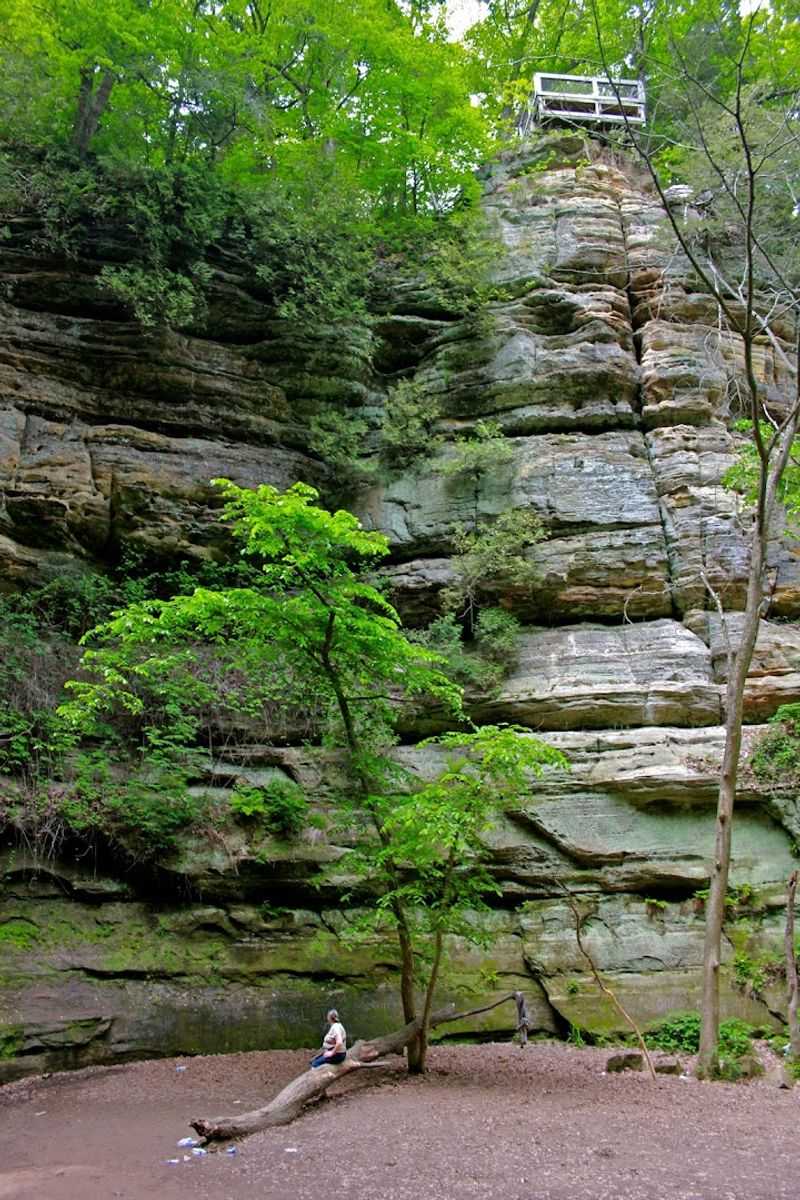
Wildcat Canyon does not get the same attention as its more famous neighbors, and that is exactly what makes it worth seeking out. The canyon sits on the eastern side of the park, farther from the main parking areas, which filters out the casual day-trippers pretty effectively.
What you get instead is a quieter, more contemplative experience.
The waterfall here is smaller than St. Louis Canyon’s showpiece, but the surrounding rock formations are arguably more interesting. The walls have eroded into curved shapes that catch shadows in unusual ways depending on the time of day.
Visiting in the late afternoon, when the sun angles low, turns the whole canyon golden.
Getting to Wildcat Canyon requires a bit more planning. The trail from the main visitor center runs around two miles one way, so budget enough time to explore without rushing back.
Some hikers combine it with nearby Tonti Canyon to make a longer loop. Trail maps are available at the visitor center and also downloadable from the Illinois Department of Natural Resources website.
Do not rely solely on cell service inside the park because coverage is inconsistent in the canyon areas.
Water, Wildlife, And Wide Open Sky
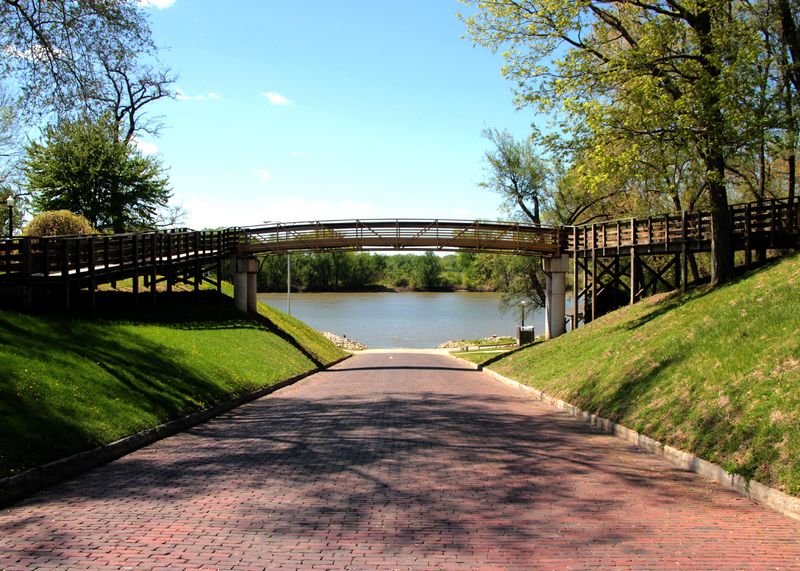
The Illinois River is not just a backdrop at Starved Rock. It is a functioning ecosystem that runs right alongside the park trails, and paying attention to it makes the whole experience richer.
Great blue herons stand motionless in the shallows like they are posing for wildlife calendars. Bald eagles circle overhead with a casual confidence that makes you slightly jealous.
The river corridor trail follows the bluff edge and offers repeated views down to the water. Seasonal changes transform the scene completely.
Spring brings high water and migrating waterfowl. Summer delivers green canopy and dragonflies.
Autumn turns the opposite bank into a wall of color.
Winter strips the trees bare and reveals the river’s full width, which is surprisingly impressive.
Oglesby sits just a few miles from the park entrance, making it a practical home base for multi-day visits.
The town itself is small and unpretentious, with a population just over 3,700 according to the 2020 census. It is the kind of town where people at the gas station actually answer questions about local trails.
That low-key helpfulness is underrated when you are trying to figure out where to park for the less-trafficked trailheads.
Why Timing Your Visit Matters
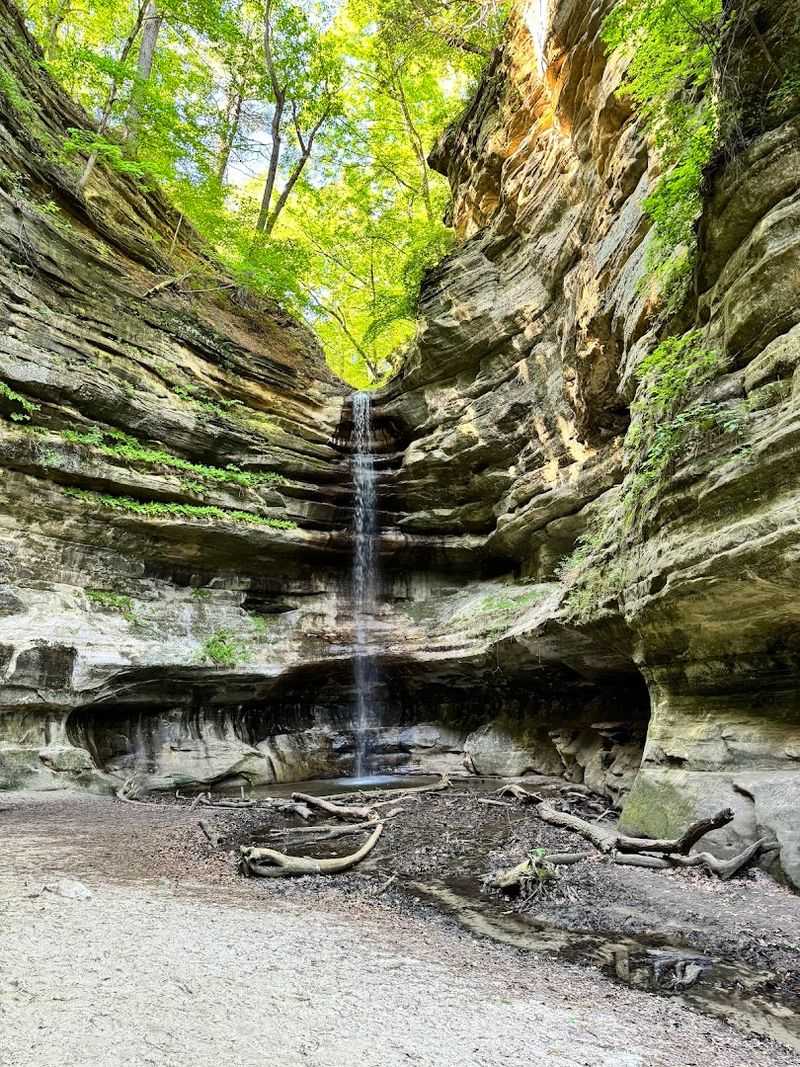
Timing a visit to Starved Rock is not just a suggestion, it is practically a strategy. The waterfalls that make this park famous are fed by surface runoff rather than permanent streams.
That means a dry summer visit might leave you staring at damp rock walls instead of actual falls. Not the end of the world, but not the postcard moment either.
Spring, particularly March through May, is the sweet spot. Snowmelt and spring rain keep the canyon streams running strong.
The vegetation is just starting to green up, which adds contrast against the pale sandstone. Crowds are present but not overwhelming, especially on weekdays.
Mornings after a rainfall are almost magically productive for waterfall seekers.
The park does not have a formal waterfall forecast, but the Illinois Department of Natural Resources maintains a Starved Rock social media presence that often posts current conditions.
Locals also share real-time trail reports in regional hiking groups online. Checking those sources a day or two before your visit saves a lot of disappointment.
The park is open year-round, and even off-season visits have their own rewards, but spring is when the canyons are at their most theatrical and alive.
Practical Details That Help
Oglesby, Illinois is your best launching point for a Starved Rock adventure. Located in LaSalle County, the town puts you within ten minutes of the park entrance.
There are lodging options ranging from the historic Starved Rock Lodge inside the park itself to more budget-friendly motels along the main routes through Oglesby.
Parking at the main Starved Rock lot fills up fast on weekends between April and October. Arriving before 9 a.m. gives you the best shot at a spot near the visitor center.
There is also an overflow lot with shuttle service during peak periods.
Trail conditions vary by season, so waterproof boots are a smart investment regardless of the forecast.
The park charges no admission fee, which is one of its genuinely great qualities. Dogs are welcome on the trails but must stay on a leash at all times.
The visitor center has clean restrooms, a small gift shop, and staff who know the trails well. Cell coverage drops in the canyon areas, so download an offline map before you head out.
A full day is enough for three or four canyons. Two days lets you see the park properly without rushing a single step.