This Historic Military Outpost In Macon Georgia Transports You Back To The 1800s
Did you know President Thomas Jefferson personally ordered construction of this frontier fortress mysteriously? Macon’s highest hill allegedly holds secrets spanning two centuries nobody discusses publicly.
Have you felt history breathing through replica blockhouses transporting consciousness backward authentically? Established eighteen-oh-six suggests something magical about frontier military heritage protection.
Sweeping city views from atop hills reveal perspectives generations discovered before you. Artifacts whisper stories about soldiers protecting frontier refusing commercialization protecting traditions fiercely.
Small museum pulses with energy celebrating human resilience across impossible generations. Historical gems hide deliberately beneath tourist radar protecting sacred spaces from crowds.
History buffs discover narratives revealing genuine American frontier consciousness authentically. Curious travelers stumble upon overlooked treasures rewarding patient explorers abundantly.
1. The Founding Story Behind Fort Hawkins
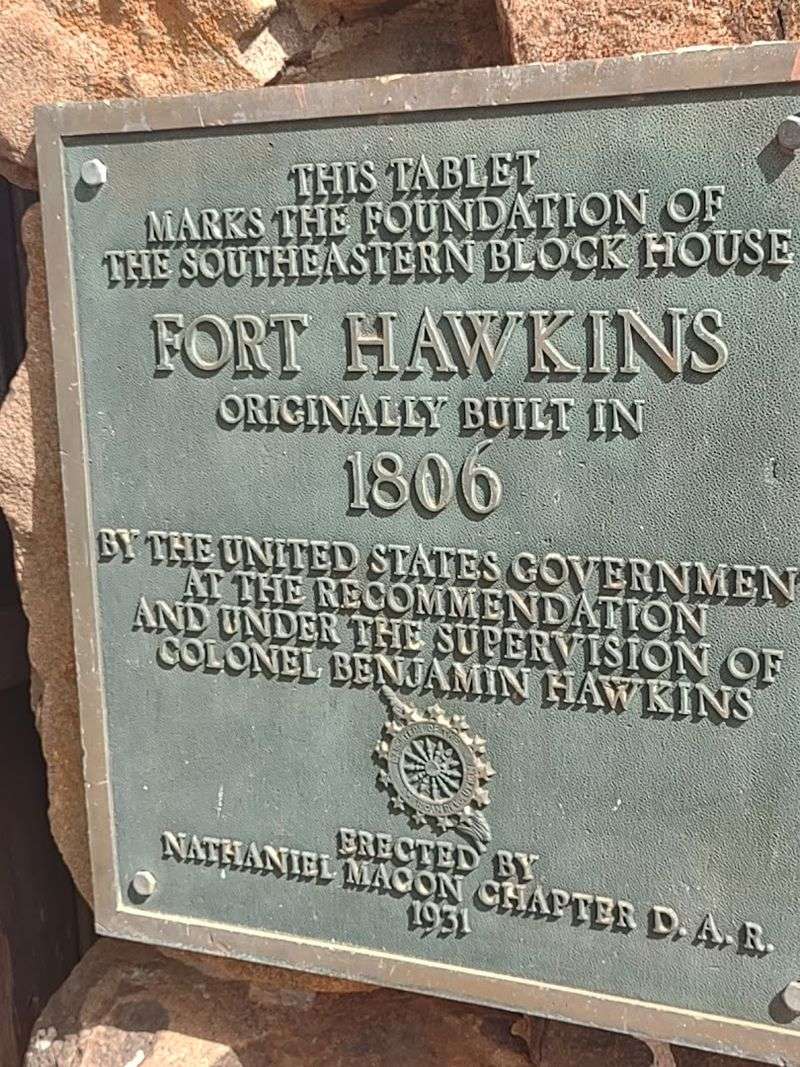
President Thomas Jefferson signed the order to establish Fort Hawkins in 1806, making it one of the earliest federal military outposts on the western frontier of the United States. The fort was named after Benjamin Hawkins, a U.S.
Indian agent who worked extensively with the Creek Nation in the Southeast. Its location along the Ocmulgee River was carefully chosen for both strategic defense and diplomatic purposes.
The fort served as the primary point of contact between the U.S. government and the Lower Creek Native Americans. That relationship was critical in shaping treaties, trade routes, and ultimately the settlement of central Georgia.
Without Fort Hawkins, the city of Macon might never have taken root where it did. Locals often call the fort the true birthplace of Macon, and that reputation is well earned.
Knowing this background before visiting makes every detail of the site feel richer and more meaningful.
2. Where Exactly Fort Hawkins Is Located
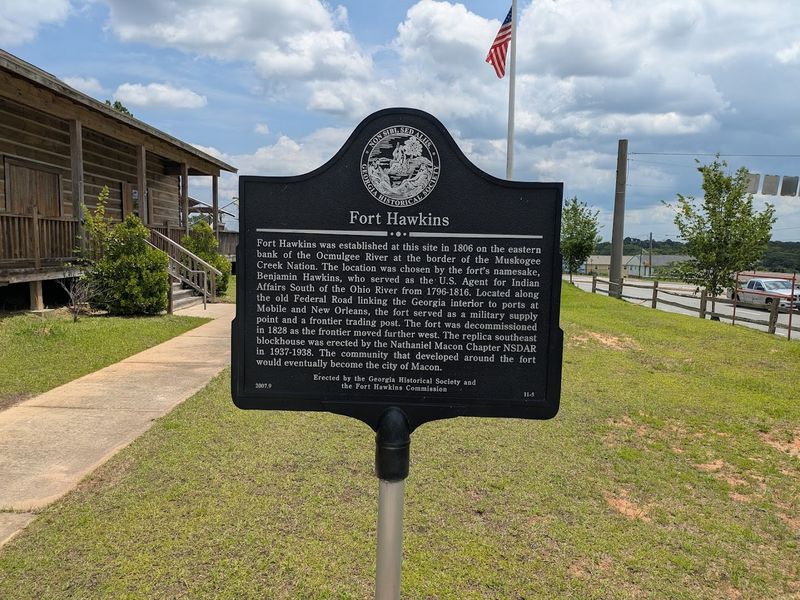
Fort Hawkins sits at Emery Hwy, Macon, GA 31217, perched on one of the highest natural hills in the city. The elevated position was not accidental military planners in the early 1800s deliberately chose high ground to maximize visibility over the surrounding terrain.
Even today, the hill gives visitors a surprisingly wide view of the Macon skyline.
Getting there by car is straightforward, though pulling in and out of the highway entrance can feel a little tricky due to traffic flow on Emery Highway. It helps to approach slowly and watch for signage.
Parking is available on site, and the grounds are compact enough to explore comfortably on foot. The address is easy to plug into any navigation app, and most visitors find the site within minutes.
Arriving with a little extra time to walk the perimeter before heading inside is a smart way to orient yourself.
3. The Iconic Three-Story Blockhouse
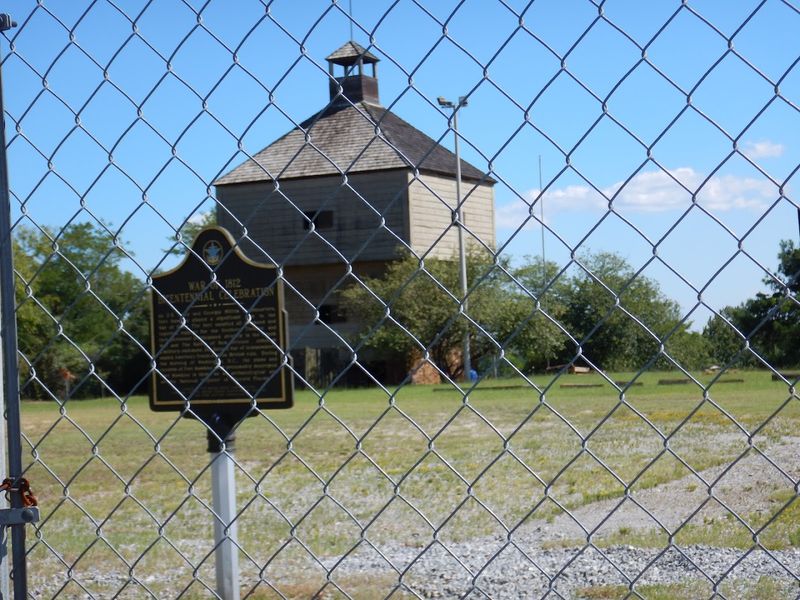
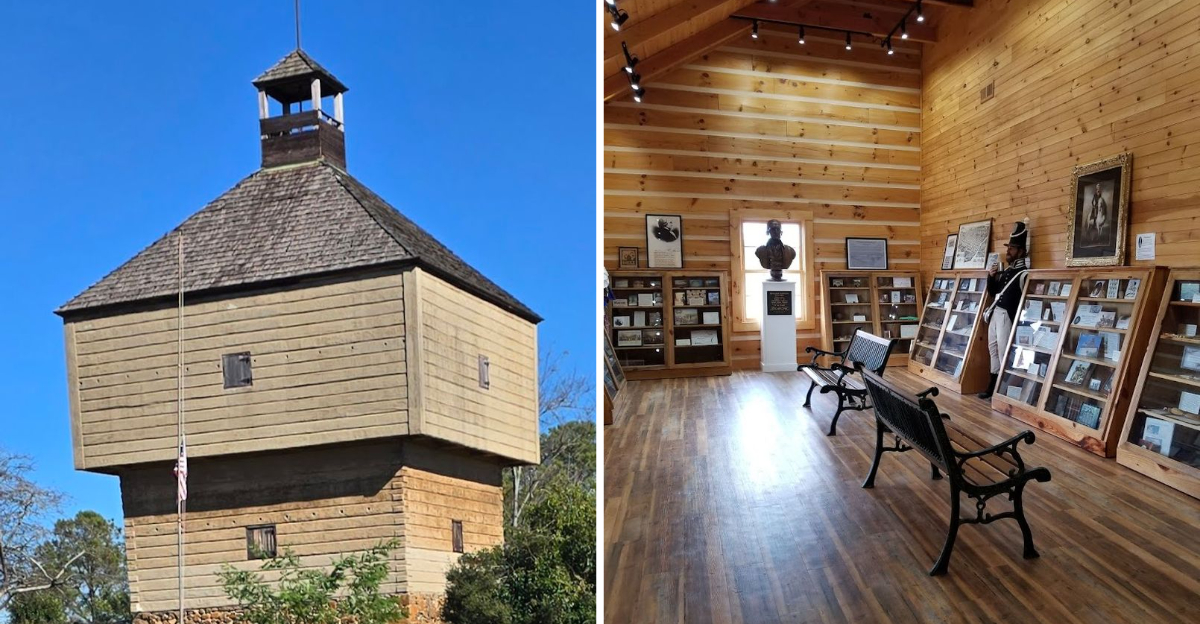
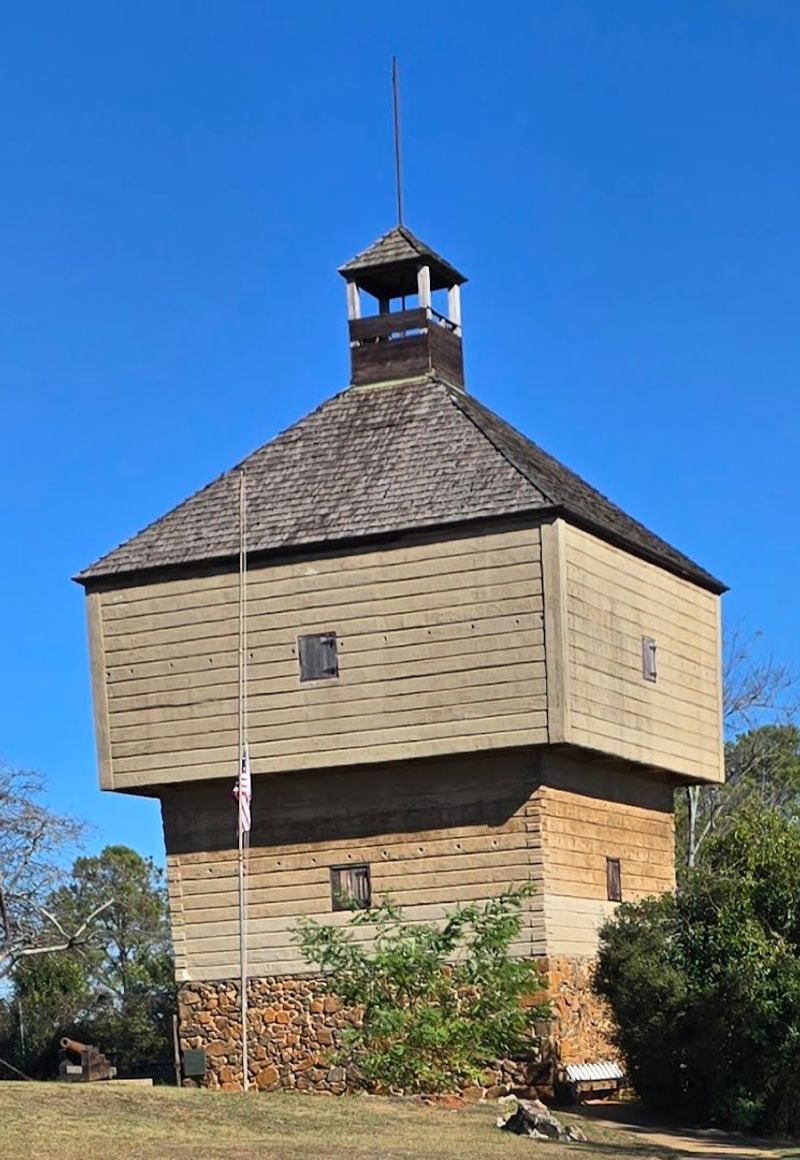
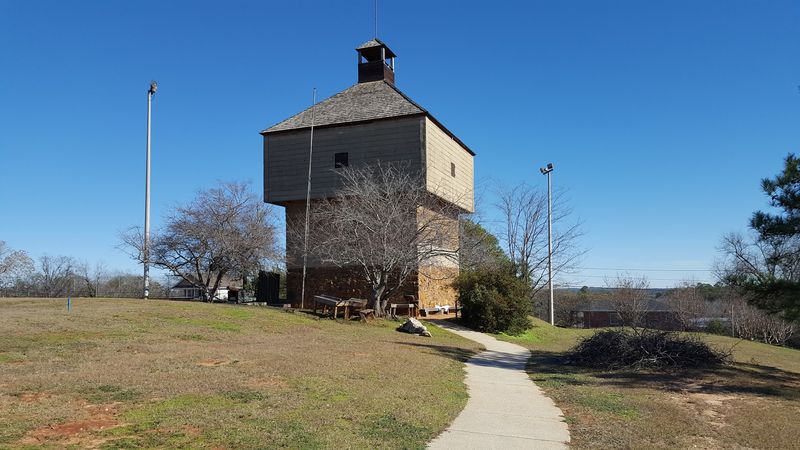
Standing tall on the hill, the three-story blockhouse is the visual centerpiece of Fort Hawkins and the feature most visitors remember long after leaving.
What makes it especially interesting is that the current structure is not just a modern recreation it was actually built between 1937 and 1938 as part of President Franklin D.
Roosevelt’s Works Progress Administration program. That means the blockhouse itself has become a piece of history layered on top of history.
Constructed from concrete to closely mimic the appearance of the original wooden fort, the blockhouse houses artifacts and historical displays on multiple floors. Each level offers a slightly different perspective on the fort’s story.
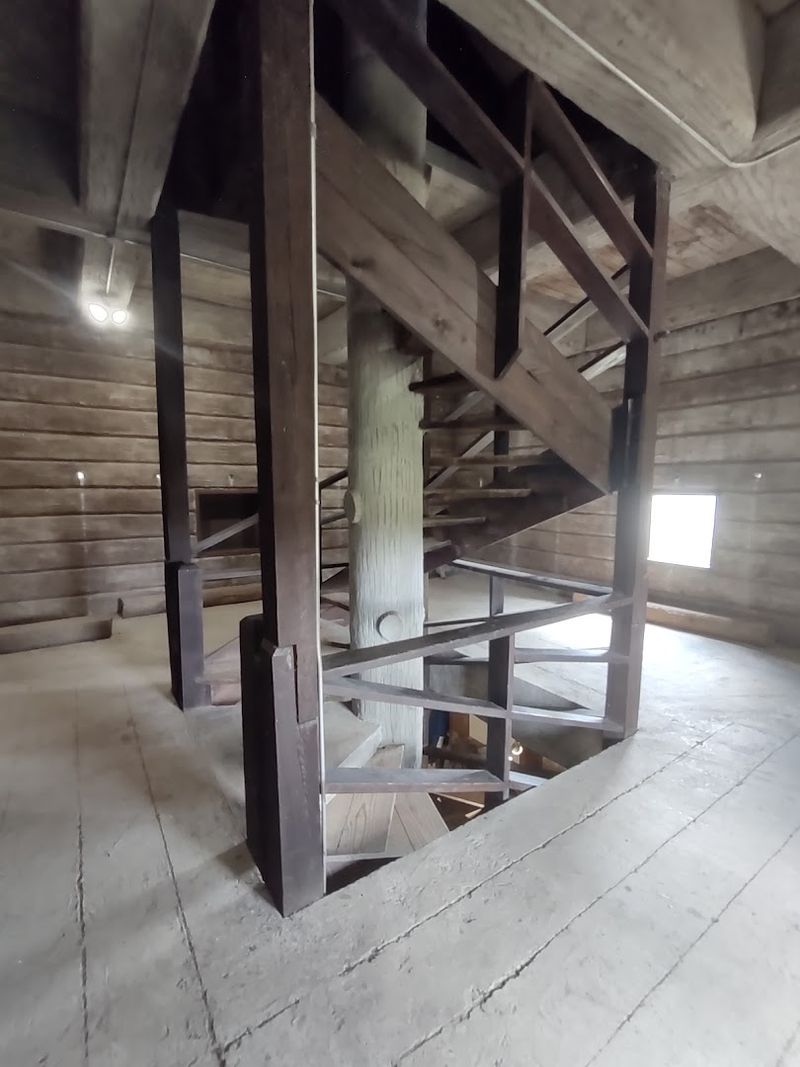
Climbing to the top floor and looking out through the open windows is one of the most rewarding moments of the visit. The view stretches across Macon in a way that feels both peaceful and surprisingly dramatic for a city overlook.
4. Admission Is Completely Free
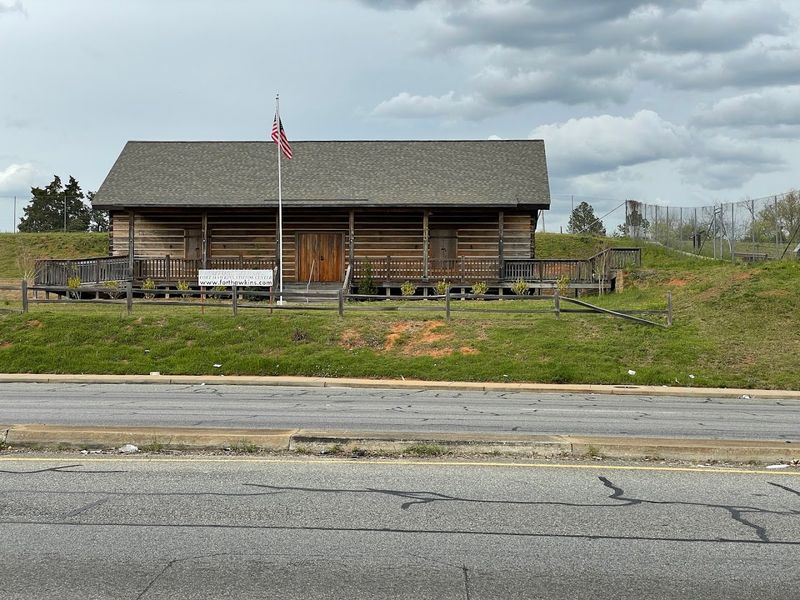
One of the most refreshing things about visiting Fort Hawkins is that admission to the site is entirely free. There is no ticket booth, no entry fee, and no reservation required to walk the grounds or explore the blockhouse during open hours.
For families, students, or anyone on a budget, that accessibility makes Fort Hawkins an easy and guilt-free outing.
Donations are warmly welcomed and genuinely help keep the site running. The fort operates largely through volunteer support, and those contributions go directly toward preservation, restoration, and community programming.
Dropping a few dollars in the donation box is a simple way to support a landmark that depends on community goodwill to survive.
Visitors who become especially attached to the site can also join the Friends of Fort Hawkins membership program, which comes with perks like a free T-shirt and helps fund future improvements.
Supporting a free historic site feels good in a way that a paid attraction rarely does.
5. When Fort Hawkins Is Open To Visitors
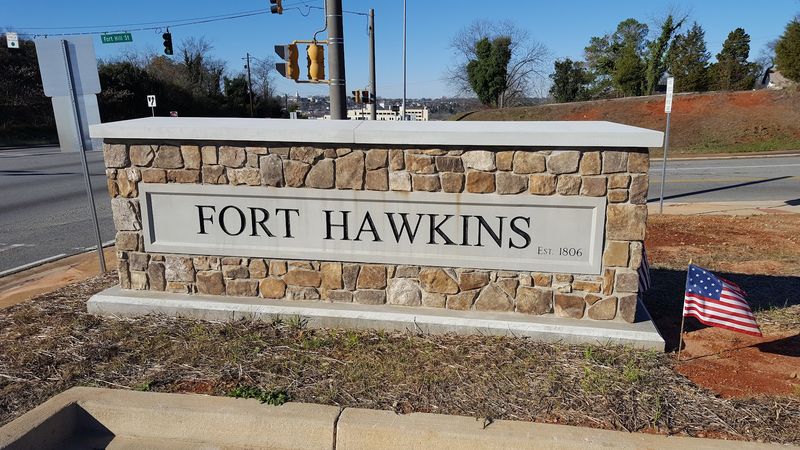
Planning ahead is essential when visiting Fort Hawkins, because the site operates on a limited schedule. As of the most current information available, the fort is open on Saturdays from 12 PM to 4 PM, with Sunday hours sometimes available depending on volunteer staffing.
The fort relies entirely on volunteers to operate, which means hours can occasionally vary without much advance notice.
Before making the trip, checking the official website at forthawkins.org or calling ahead at +1 478-257-7798 is strongly recommended.
Showing up outside of open hours means the grounds may be gated, though the exterior structures and historical markers are often still visible from the perimeter.
Visiting during confirmed open hours ensures access to the museum, the blockhouse interior, and a volunteer guide. Weekday visits are typically not possible for a full interior tour.
Timing the trip correctly makes a meaningful difference in the overall experience, so a quick phone call before heading out is well worth it.
6. The Breathtaking View From The Top
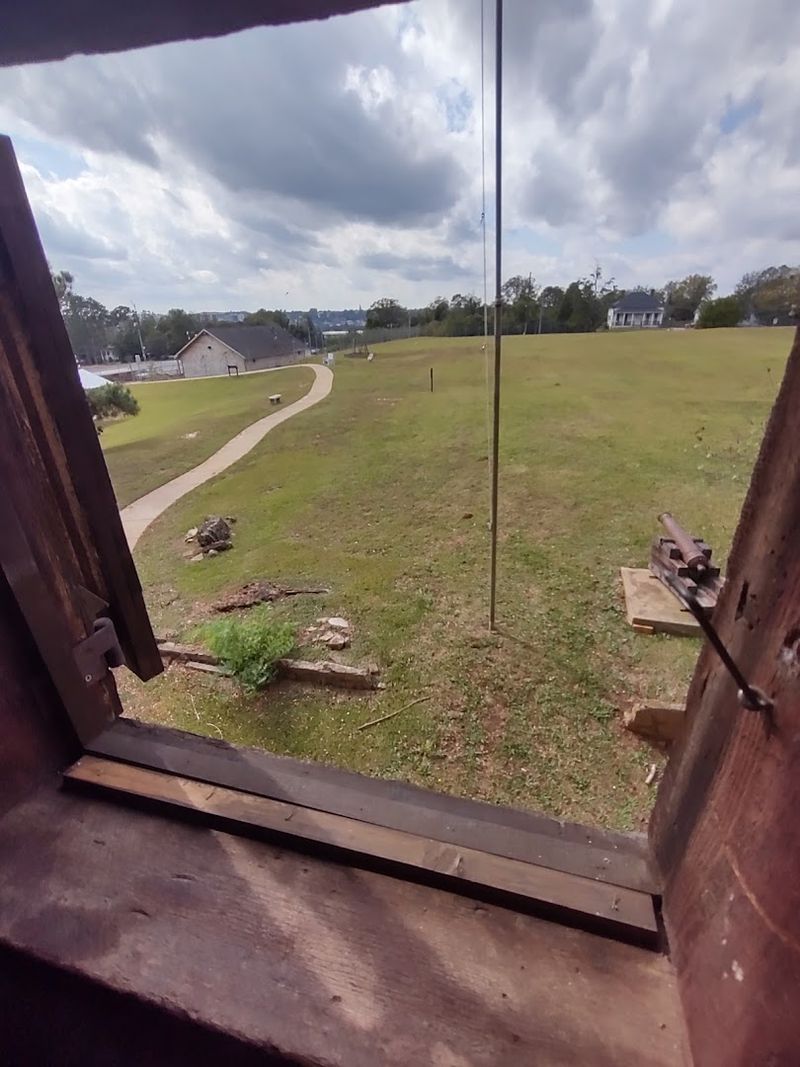
Climbing to the top of the three-story blockhouse at Fort Hawkins delivers one of the more unexpected rewards in all of Macon. From the open windows on the upper level, the city spreads out in a wide, unobstructed panorama that feels genuinely impressive.
Because the fort sits on one of the highest natural points in the area, the view reaches farther than most visitors anticipate.
On a clear day, the Macon skyline, tree canopy, and surrounding neighborhoods are all visible at once. The experience is quiet and grounding in a way that busy tourist attractions rarely manage.
Bringing a camera or simply pausing to take it all in without a screen is equally rewarding. Families with children tend to love the climb, and kids are often delighted by the sense of standing in a real fortress tower.
The view alone, as several visitors have noted, makes the entire trip worthwhile even before stepping inside the museum.
7. Special Events Held Throughout The Year
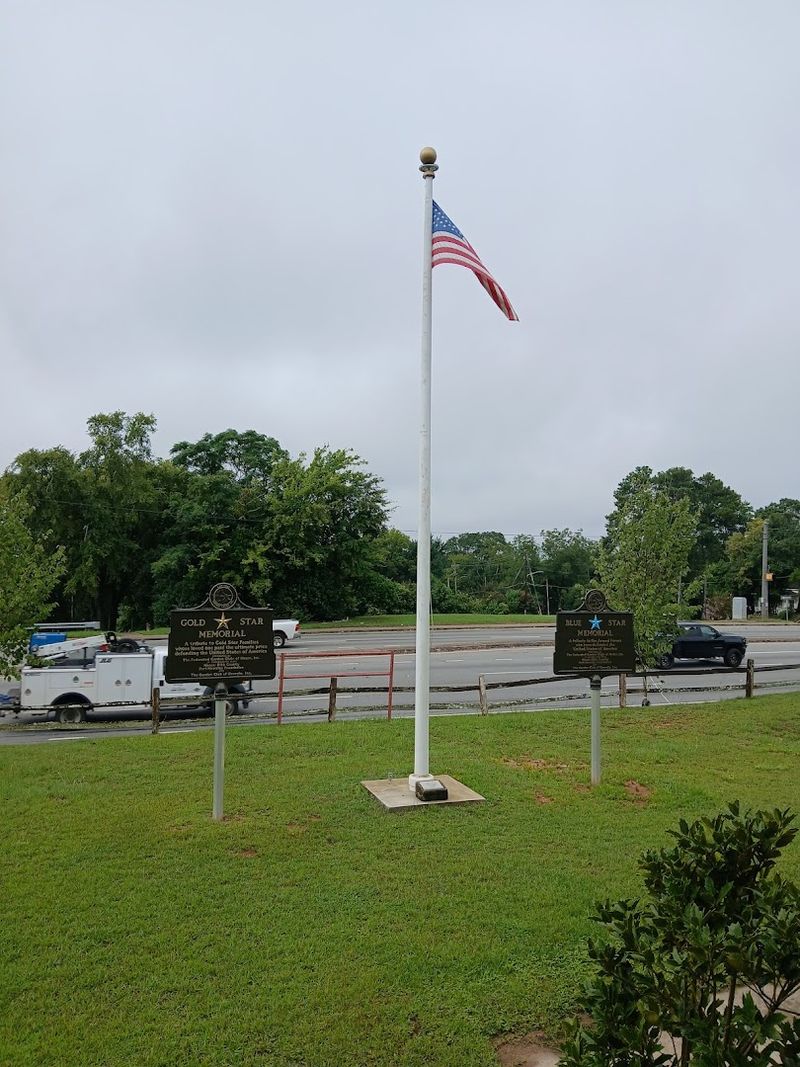
Fort Hawkins is more than a static historical display it hosts a rotating calendar of community events that bring the site to life in engaging and interactive ways.
The annual Veterans Day flag retirement ceremony is one of the most meaningful, drawing historical societies, genealogy groups, and community members together to respectfully retire worn American flags with full salutes before committing them to flame.
The event has been described by attendees as deeply patriotic and moving.
Other annual gatherings include Fourth of July celebrations and Easter events, as well as archaeology-focused days organized by groups like the Ocmulgee Archaeology Society.
During archaeology events, visitors have had the chance to make pinch pots, handle replica tools, and learn about the layers of history buried beneath the site.
Checking the fort’s Facebook page before visiting is a good way to catch upcoming events. Attending during one of these special occasions transforms the visit from informative to genuinely memorable.
8. The Archaeological Significance Of The Site
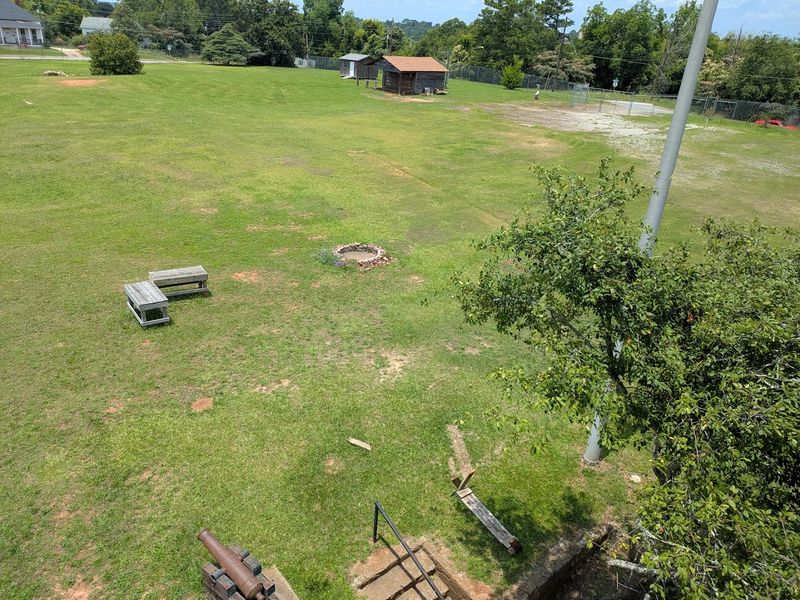
Beneath the grounds of Fort Hawkins lies an archaeological record that stretches back far beyond the fort’s 1806 founding. The site has been the subject of ongoing archaeological study, and digs have turned up artifacts from both the early American military period and the Native American cultures that preceded it.
Each discovery adds another layer to a story that is still being uncovered.
The Ocmulgee Archaeology Society has been involved in events at the fort that allow the public to participate in and learn about archaeological methods. For anyone curious about how historians piece together the past from physical evidence, those events offer a hands-on perspective that textbooks cannot replicate.
Even on a standard visit, the museum displays recovered artifacts in ways that connect the physical objects to their historical context. Fort Hawkins sits on land that has been significant to human communities for centuries, and that depth gives the site a weight that casual visitors may not expect when they first arrive.
9. The Role Fort Hawkins Played With The Creek Nation
Long before Macon existed as a city, the land around Fort Hawkins was deeply connected to the Creek Nation. The fort was established partly to manage and formalize the relationship between the United States government and the Lower Creek people, who had inhabited the region for generations.
Benjamin Hawkins, the fort’s namesake, served as the U.S. agent to the Creek Nation and lived nearby, working to bridge two very different worlds.
The fort became a place where diplomacy, trade, and tension coexisted in complicated ways. Understanding that layered history is essential to appreciating what the site truly represents.
It was not simply a military base it was a crossroads where cultures met, clashed, and negotiated. Visitors who take time to read the historical markers and listen to the volunteer guides gain a much fuller picture of the human stories behind the walls.
That context turns a simple site visit into something genuinely thought-provoking.
10. The Connection To The Birthplace Of Macon
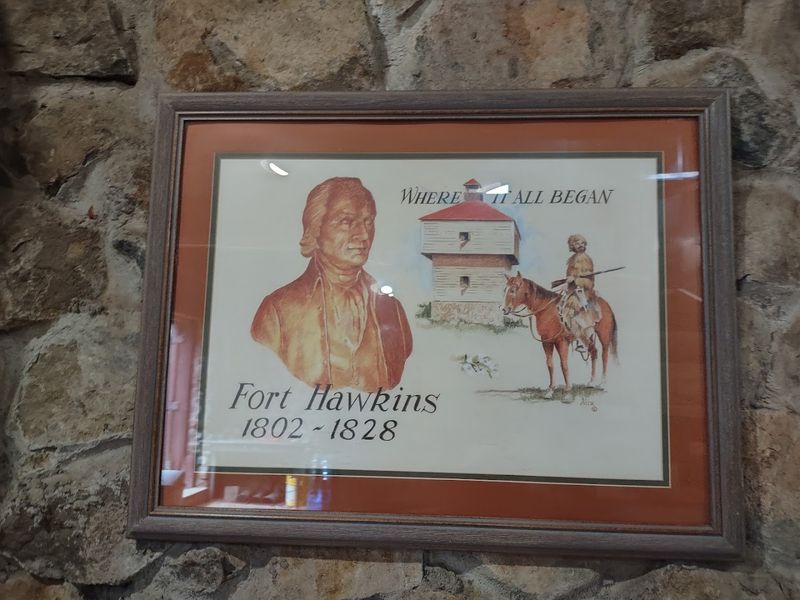
Ask any longtime Macon resident about Fort Hawkins, and there is a good chance they will call it the birthplace of the city. That description is not just sentimental it is historically grounded.
The establishment of the fort in 1806 created the first permanent American presence in the area, and the infrastructure and relationships built around the fort laid the groundwork for the city of Macon to be incorporated in 1823.
The fort attracted settlers, traders, and government workers, gradually building the human and economic foundation that a city requires. Without that initial military foothold, central Georgia’s development might have followed a very different timeline.
Visiting Fort Hawkins with that context in mind reframes the entire experience. The blockhouse is not just a replica of an old military structure it is a symbol of the moment a city began.
That kind of origin story gives Macon a distinct sense of place and pride that residents carry with genuine affection.
11. Tips For Making The Most Of Your Visit
A few practical tips can make a Fort Hawkins visit go much more smoothly. Arriving right at noon when the site opens on Saturdays is a smart move, especially during warmer months when the afternoon sun can make the open hilltop feel quite warm.
Wearing comfortable walking shoes is helpful since the terrain includes a grassy hillside and steps inside the blockhouse.
Bringing water is a good idea, as there are no refreshment vendors on site. Children tend to enjoy the visit most when a volunteer guide is available to walk the group through the history in a storytelling format guides are known for being patient and engaging, even with young audiences.
Calling ahead to confirm a volunteer will be present on the planned visit day is worth the extra step. Photography is welcome throughout the grounds and inside the blockhouse.
The mural inside the museum makes an especially popular backdrop for group photos.
12. The Small But Surprisingly Rich Museum
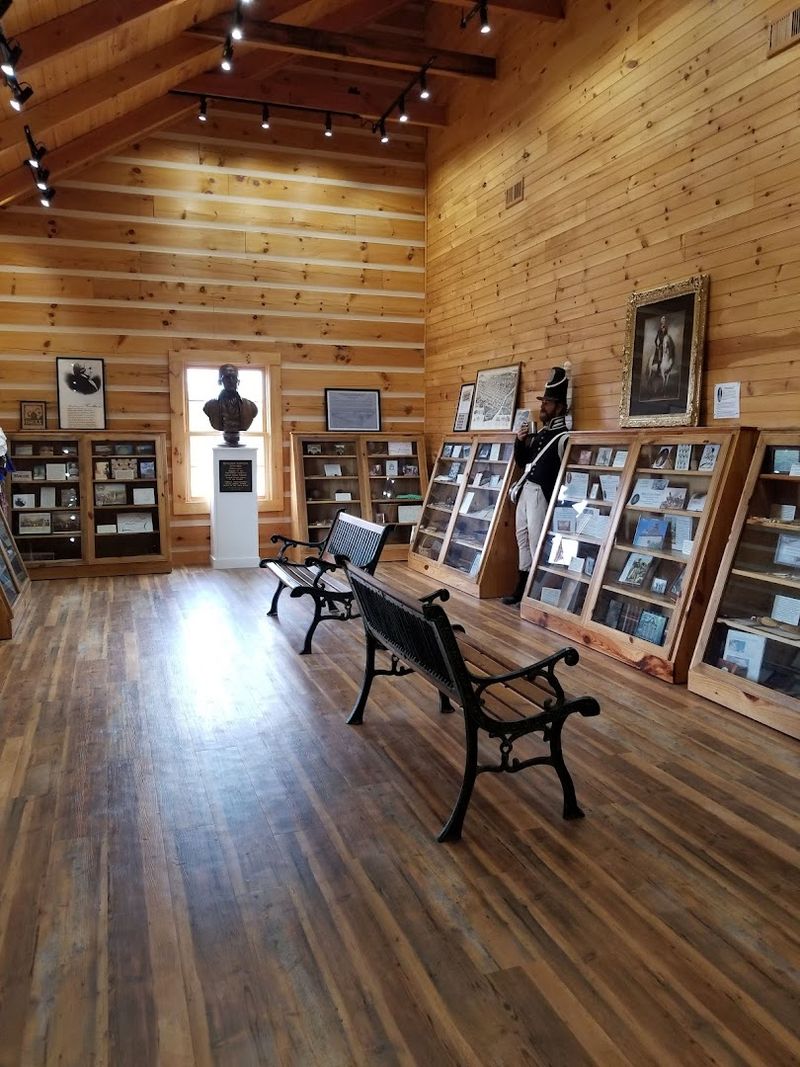
Tucked into the visitor center at the base of the hill, the museum at Fort Hawkins packs a remarkable amount of history into a compact space. Shelves and display cases hold genuine artifacts recovered from archaeological digs on and around the site, including pottery fragments, tools, and items linked to both Native American and early American military presence.
A large painted mural depicting an 1812 battle scene covers one wall and makes for a striking photo backdrop.
A documentary-style video plays on a loop inside the museum, giving visitors a solid overview of the fort’s role in Georgia history. Volunteers who staff the site tend to be genuinely knowledgeable and enthusiastic, often sharing details that go well beyond what the displays alone can cover.
Even visitors who consider themselves casual about history often find themselves lingering longer than expected. The museum feels honest and personal rather than overly polished, which gives it a warmth that bigger institutions sometimes lack.
13. Nearby Attraction: Ocmulgee Mounds National Historical Park
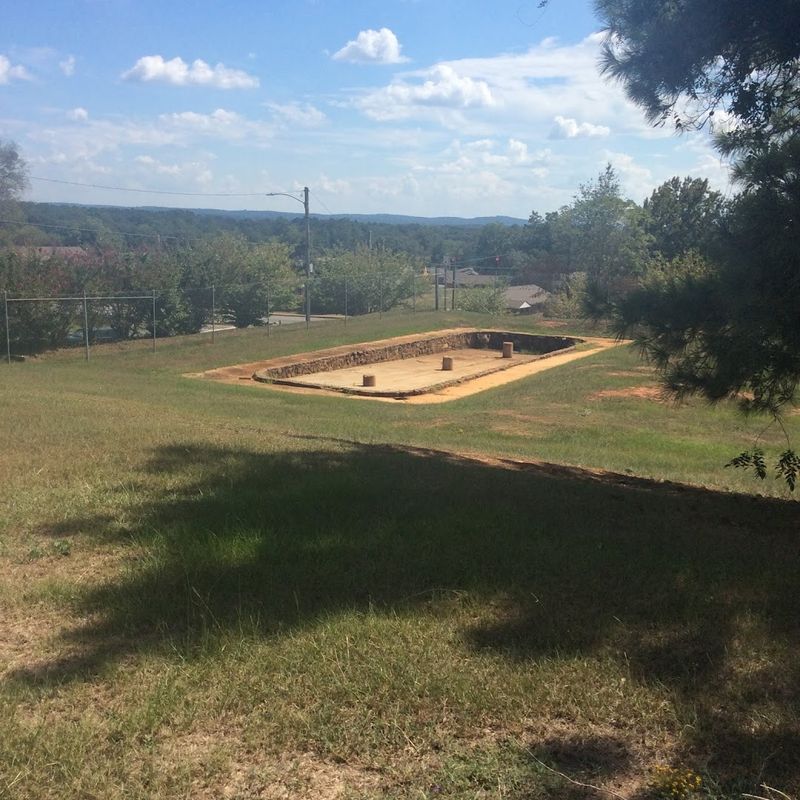
Pairing a Fort Hawkins visit with a stop at Ocmulgee Mounds National Historical Park makes for one of the richest historical day trips central Georgia has to offer. Located at 1207 Emery Hwy, Macon, GA 31217, the park is just a short distance down the road from Fort Hawkins and preserves massive earthen mounds built by Native American cultures over a thousand years ago.
The two sites together tell a sweeping story of human presence in the region across very different eras.
Ocmulgee Mounds is a federally managed national park with free admission, well-maintained trails, and a visitor center with exhibits and a film presentation. The scale of the mounds is striking in person, and the walking trails allow visitors to climb some of the larger structures for panoramic views.
Visiting both sites on the same day is very manageable since they are so close together, and many visitors say the combination makes each site feel more meaningful in context.
14. The Friends Of Fort Hawkins Membership Program
For visitors who feel a strong connection to Fort Hawkins after their tour, joining the Friends of Fort Hawkins is a tangible way to support the site’s future. The membership program helps fund ongoing restoration work, educational programming, and operational costs that keep the fort accessible to the public.
Members have reported receiving perks like a free T-shirt upon joining, which doubles as a conversation starter about Macon history.
The fort operates on a shoestring budget compared to larger state or national historic sites, which means community support carries real weight. Every membership and donation directly influences what the site can offer visitors in the coming years.
There are ongoing goals to restore additional portions of the original fort footprint and expand the museum’s programming. Getting involved feels less like a transaction and more like joining a small, passionate community of people who genuinely care about preserving a piece of Georgia’s earliest history for future generations.
15. Why Fort Hawkins Deserves More Recognition
For a site that played such a foundational role in Georgia’s history, Fort Hawkins remains surprisingly under the radar even among Macon locals. Multiple visitors have described it as a hidden gem, and that label fits.
The combination of a free admission policy, genuine artifacts, an architecturally interesting blockhouse, sweeping city views, and meaningful cultural history makes it one of the most complete small historic sites in the state.
Part of what holds the fort back from wider recognition is its limited operating hours and reliance on volunteers, both of which are tied directly to funding constraints. Greater community awareness and visitation could help change that equation over time.
Sharing the site on social media, recommending it to out-of-town guests, or simply showing up on a Saturday afternoon all contribute to keeping the fort alive and relevant. Fort Hawkins does not need to be a grand tourist destination to matter it just needs more people to know it exists.