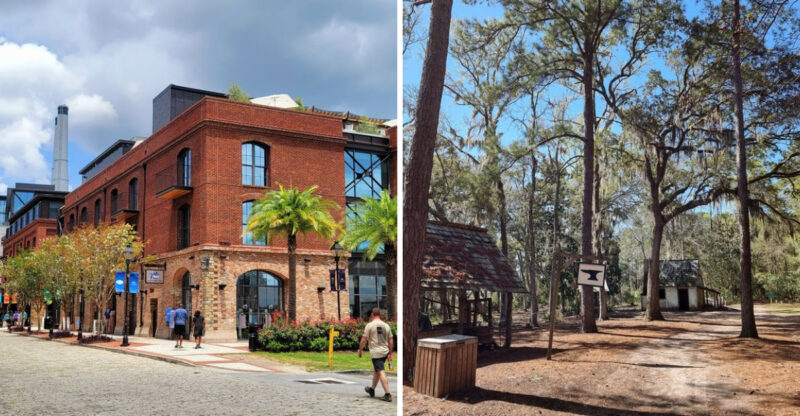
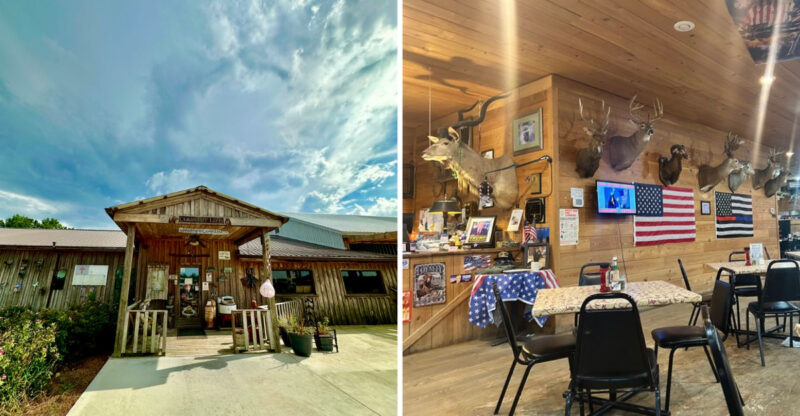
These Streets In Georgia Look Like They’ve Been Frozen In Another Century
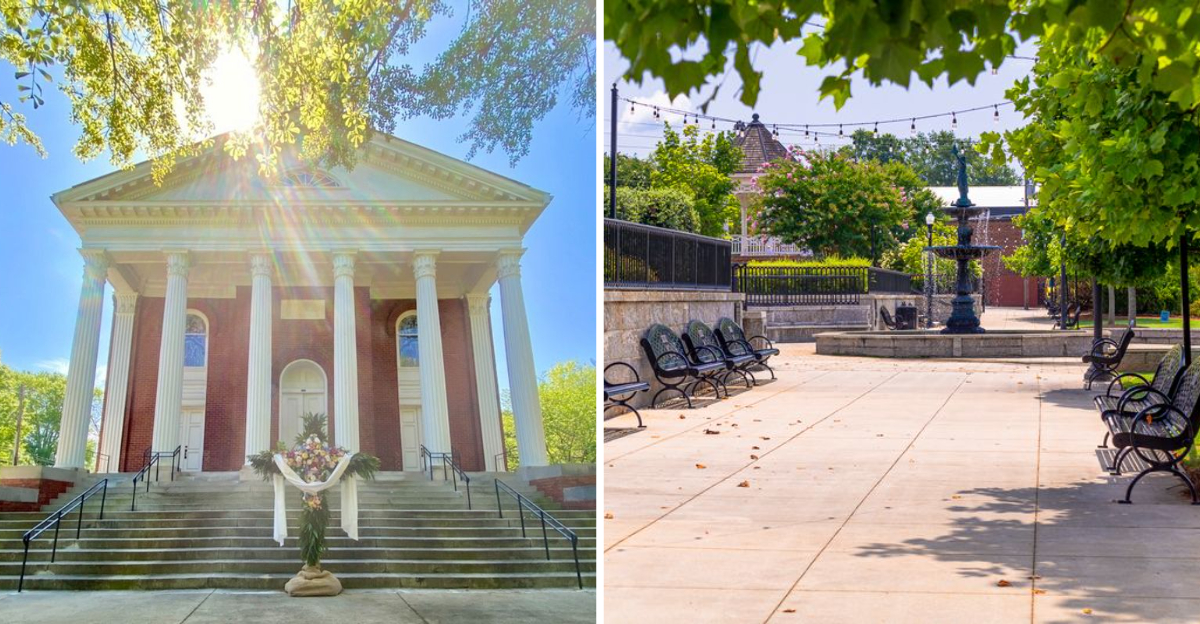
Footsteps echo a little softer here, like the town is encouraging you to slow down. Madison carries that rare, preserved feel where nearly every block looks like it has been carefully held onto rather than changed.
The historic district unfolds naturally as you walk. Brick sidewalks guide you past stately homes, shaded yards, and a courthouse square that feels like the center of something timeless rather than busy. There is no rush to get anywhere, just a steady rhythm that makes wandering the main activity.
What stands out is how intact everything feels. Architecture is not tucked behind modern additions or distractions, it is right there, uninterrupted, giving the whole town a sense of continuity that is hard to find. Even small details, iron fences, wide porches, old trees, add to that layered atmosphere.
It is the kind of place where you look up more, walk slower, and notice things you might otherwise miss.
For anyone drawn to quiet beauty and historic character, Madison offers a visit that feels calm, immersive, and genuinely worth taking your time with.
1. Madison-Morgan Cultural Center
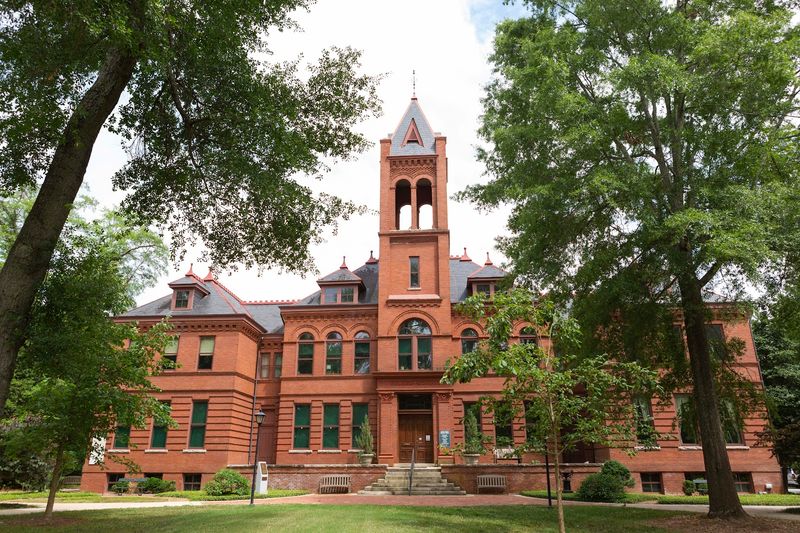
This is one of the easiest places to begin because it quickly explains why Madison feels so unusually preserved. At 434 S Main St, Madison, GA 30650, the former 1895 school building anchors the district with red brick walls, rounded arches, and a solid Romanesque look that stands out even on a street full of historic architecture. The grounds are manageable on foot, and the building is especially photogenic in softer morning or late afternoon light.
Inside, exhibits and community programming add context that can make the surrounding streets feel more meaningful afterward. At 434 S Main St, Madison, GA 30650, visitor information is often available nearby, which helps with planning a loop through downtown without too much backtracking. This stop tends to work well early in the day because it sets a calm pace, offers indoor time during hot weather, and gives the district a clearer historical frame before the walk continues.
2. Heritage Hall
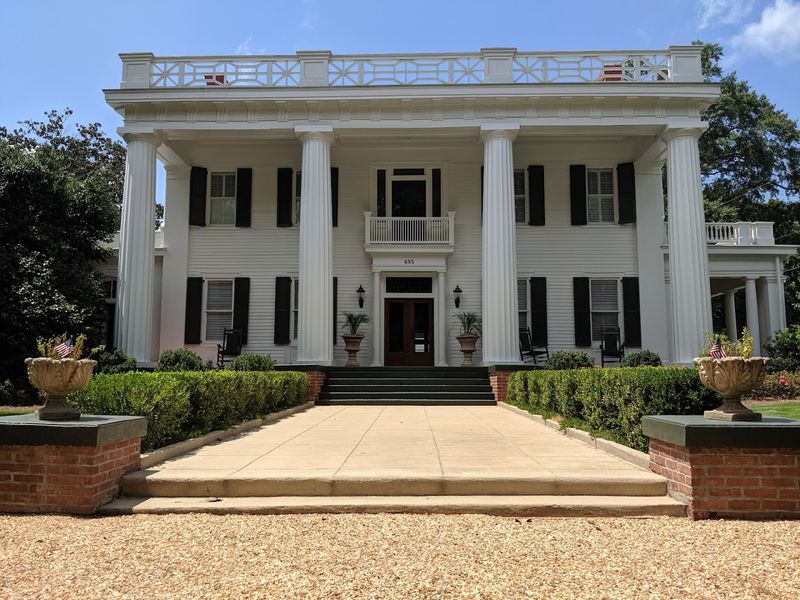
Heritage Hall gives the district one of its most polished and memorable mansion views without feeling overdone. At 277 S Main St, Madison, GA 30650, this Greek Revival house museum is known for its imposing columns, balanced facade, and the kind of stately proportions that make even a short stop feel worthwhile. The exterior alone is impressive, but guided access may add useful detail if timing lines up with open hours.
The setting on South Main makes it easy to pair with several nearby landmarks during the same walk. At 277 S Main St, Madison, GA 30650, the broad lawn and setback from the street create a quieter viewing experience than busier downtown corners, so it can be a nice reset between museums and shops. Comfortable shoes help here because the district invites lingering, and this is one of the places where slowing down usually pays off in architectural details, symmetry, and small porch features.
3. Rogers House and Rose Cottage
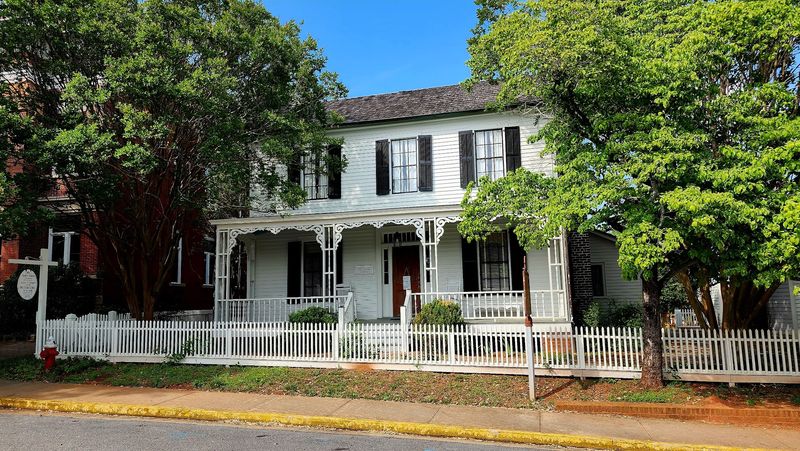
These neighboring houses offer a more intimate counterpoint to Madison’s grander mansions and help round out the district’s story. At 131 and 133 S Main St, Madison, GA 30650, the two preserved homes are often appreciated for showing different layers of domestic life and community history rather than just architectural scale. That makes the stop feel grounded, especially for visitors who enjoy details that connect buildings to everyday lives.
The houses sit in a stretch of downtown that is easy to cover on foot without much planning stress. At 131 and 133 S Main St, Madison, GA 30650, the exterior views are pleasant even during a shorter visit, and nearby sidewalks make it simple to continue toward larger landmarks without moving the car. Weekdays may feel a little calmer here, while weekends can bring more leisurely foot traffic, so a flexible pace tends to work best for photos, tours, and quieter observation.
4. Morgan County Courthouse
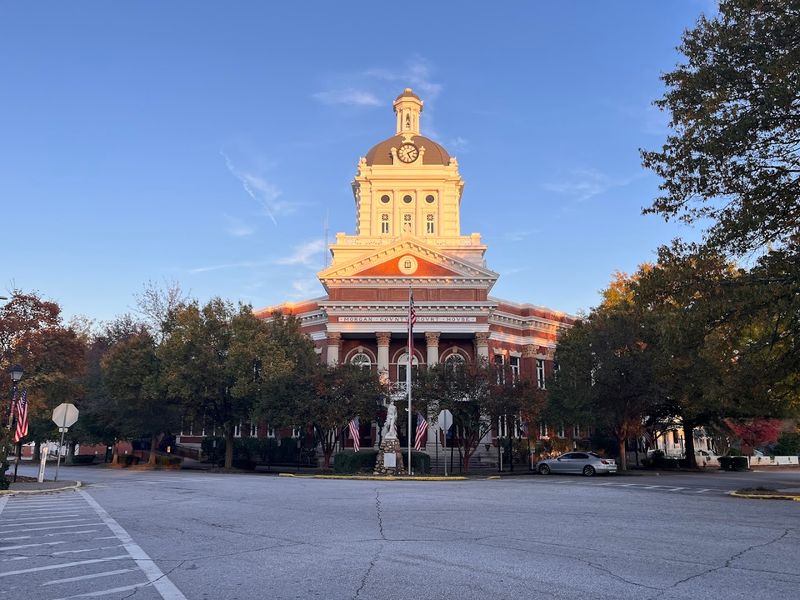
The courthouse square gives Madison one of its most cinematic views, especially when the light hits the dome and upper stonework. At 149 E Jefferson St, Madison, GA 30650, the 1905 Morgan County Courthouse brings Beaux Arts scale to the center of town with Corinthian columns, a formal stair approach, and the kind of presence that naturally slows down passing foot traffic. It is a strong place to stop for orientation because several walkable blocks spread out from here.
Benches, nearby storefronts, and short crossing distances make this a practical centerpiece for a self-guided wander. At 149 E Jefferson St, Madison, GA 30650, the square tends to feel livelier on weekends, while weekday mornings may be better for cleaner photos and easier parking nearby. Looking up matters here, since the most rewarding details sit above eye level, and this is also a good checkpoint for deciding whether the day calls for more museums, house exteriors, or a relaxed downtown break.
5. Joshua Hill House
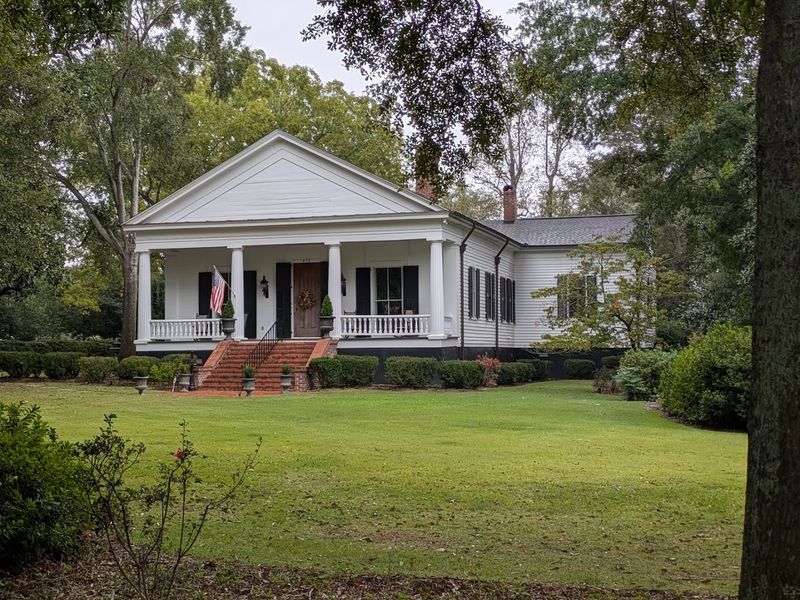
The Joshua Hill House is one of those stops that quietly reinforces how deep Madison’s political and architectural history runs. At 210 S Main St, Madison, GA 30650, this Greek Revival residence is associated with an important Georgia figure from the Civil War and Reconstruction period, giving the facade a little extra weight beyond its handsome lines and classical detailing. It works well as a pause point while walking the South Main corridor.
The appeal here is less about spectacle and more about context, proportion, and the street as a whole. At 210 S Main St, Madison, GA 30650, the house sits in a section where several notable buildings can be viewed within a comfortable distance, so the visit rarely feels isolated or inconvenient. A respectful exterior look is usually the right approach, and cooler morning hours may make the walk more comfortable, especially in warmer months when midday heat can turn a pleasant stroll into a shorter one.
6. Carter-Newton House
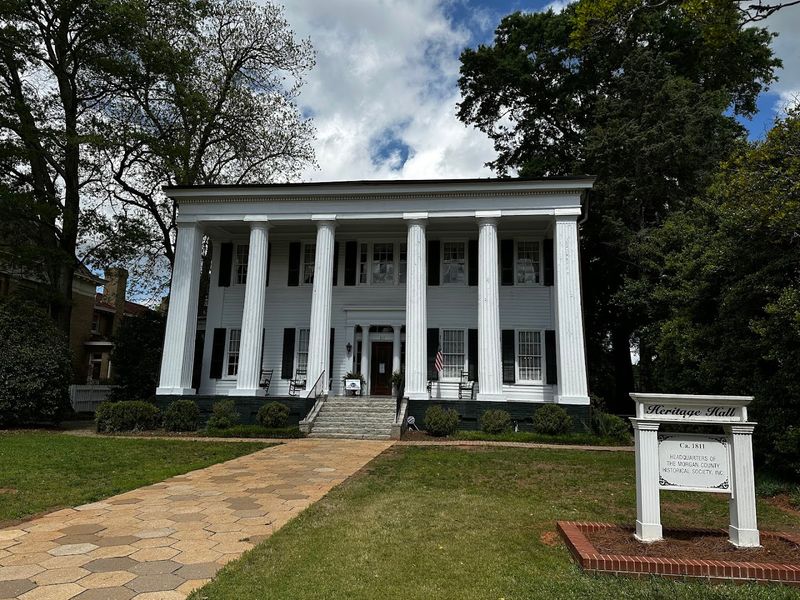
This stop fits perfectly into Madison’s rhythm because it delivers the kind of stately presence you expect from a town known for antebellum beauty. The Carter-Newton House, dating to around 1849, shows off Greek Revival balance with strong lines, generous proportions, and that unmistakable air of quiet wealth. Even from the street, it feels composed rather than flashy.
What I like here is how the house rewards a slow look. You notice the symmetry, the columns, and the way the setting frames it like a portrait. If you are wandering the district on foot, this is one of those homes that helps Madison’s past feel remarkably intact.
7. Boxwood
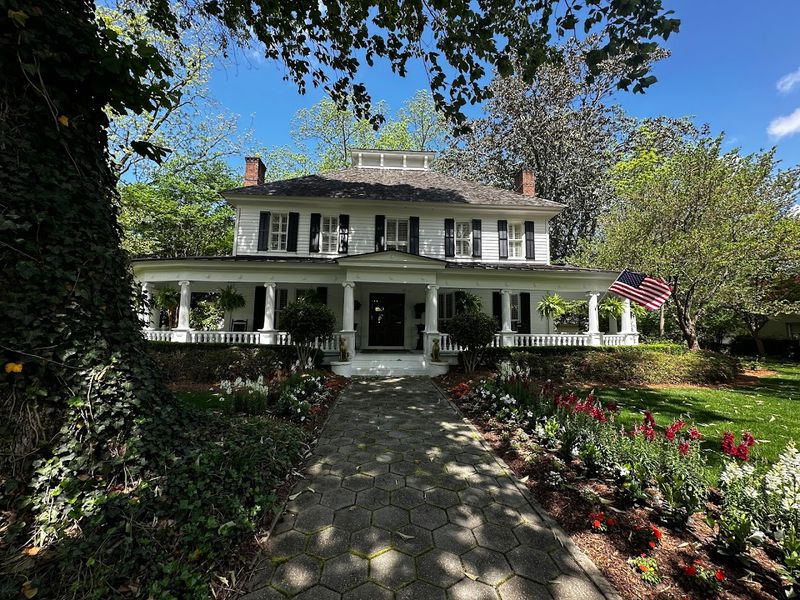
Boxwood stands out because it adds a slightly different flavor to the district without breaking the spell. Built in the early 1850s, this three-story townhouse blends classical form with Italianate touches, giving it a more layered personality than some of Madison’s stricter revival homes. It feels refined, urban, and a little unexpected in the best way.
I think this is one of the most satisfying buildings to study from different angles. The height, proportions, and decorative details make it easy to linger longer than planned. If you want proof that Madison’s historic streetscape is varied as well as beautiful, Boxwood makes that case almost instantly.
8. First Baptist Church
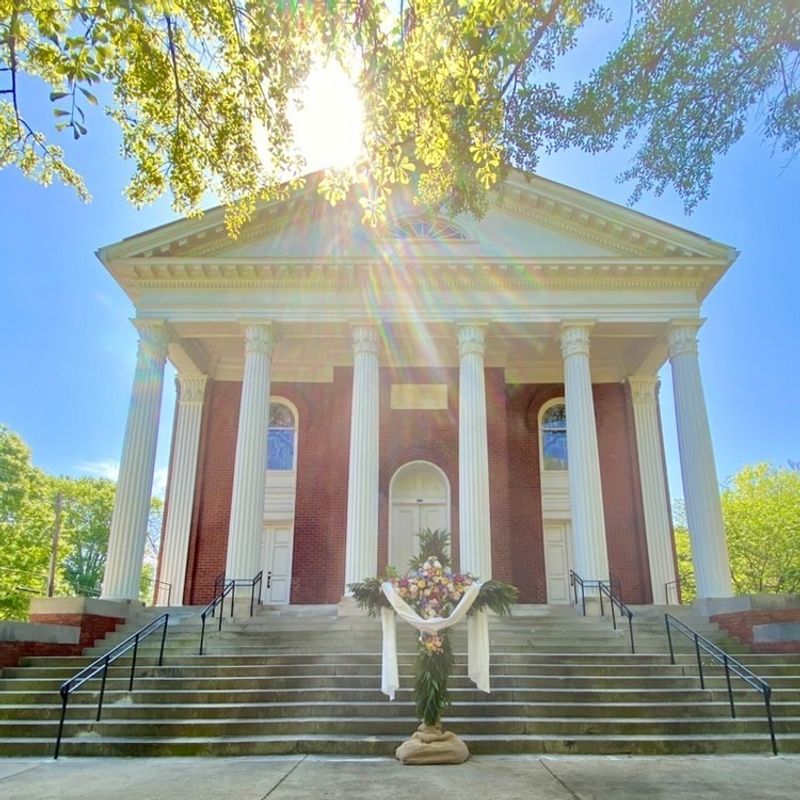
After so many grand houses, a church like this changes the pace in a really welcome way. First Baptist Church, completed in 1858, brings spiritual history and architectural grace together with a handsome steeple, balanced facade, and a presence that anchors its block beautifully. It feels substantial without losing its sense of calm.
This is also the kind of place that reminds you Madison was more than a collection of wealthy residences. It was a working community shaped by worship, routine, and shared life. When you stop here, you are not just admiring design – you are seeing one of the buildings that helped organize the town’s daily rhythm for generations.
9. St. Paul AME Church
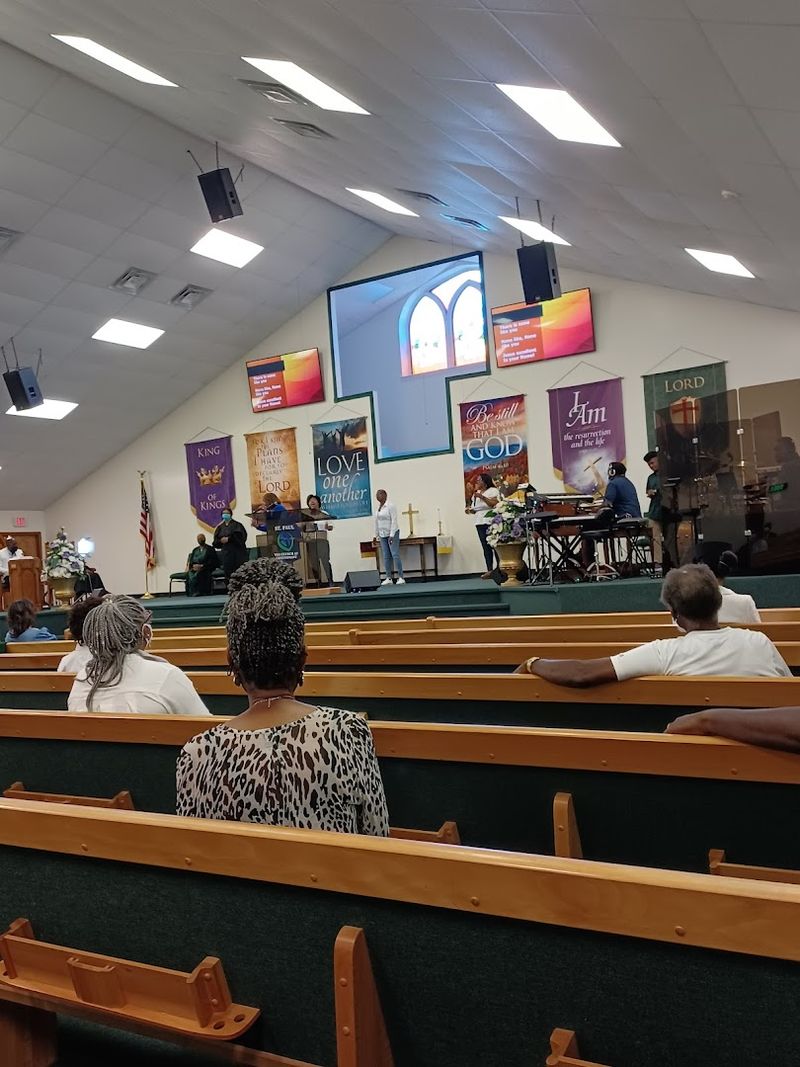
St. Paul AME Church adds an essential layer to any fuller understanding of Madison. Beyond its architecture, this historic congregation represents a deeply important part of the district’s religious and cultural story, grounding the area in lived community history rather than postcard beauty alone. That matters, especially in a town where preservation can sometimes distract from people.
I appreciate places like this because they widen the narrative. The building itself is worth seeing, but so is what it stands for – endurance, faith, and the presence of Black history within Madison’s preserved landscape. If you want your visit to feel more complete, make room for this stop.
10. Madison Town Park
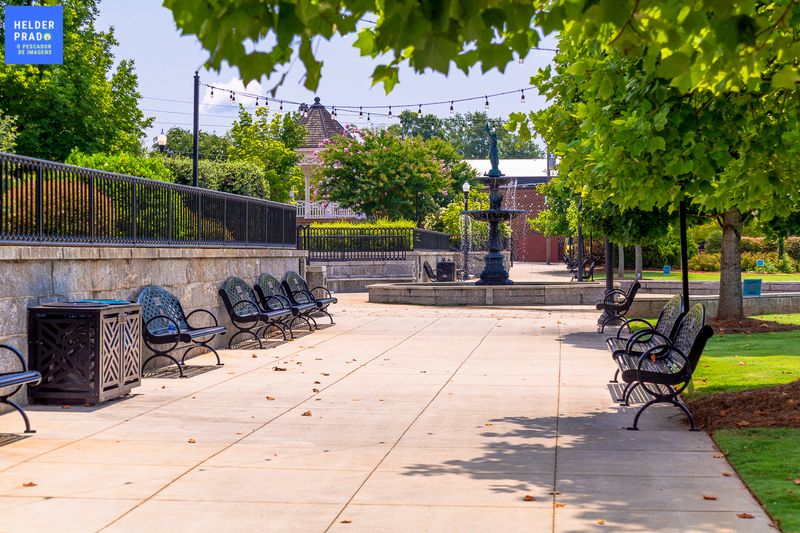
Madison Town Park gives you a chance to breathe between all the porches, cornices, and columns. Right in the middle of so much architecture, this green space softens the experience and lets the town show off its slower side, with shade, open views, and that easy small-town atmosphere that makes lingering feel natural. It is a simple stop, but a useful one.
I like to think of it as the district’s pause button. You can sit for a few minutes, look around, and notice how the historic buildings frame everyday life rather than dominate it. That contrast helps Madison feel lived in, not staged, which is a big part of its appeal.
11. Madison Flea Market
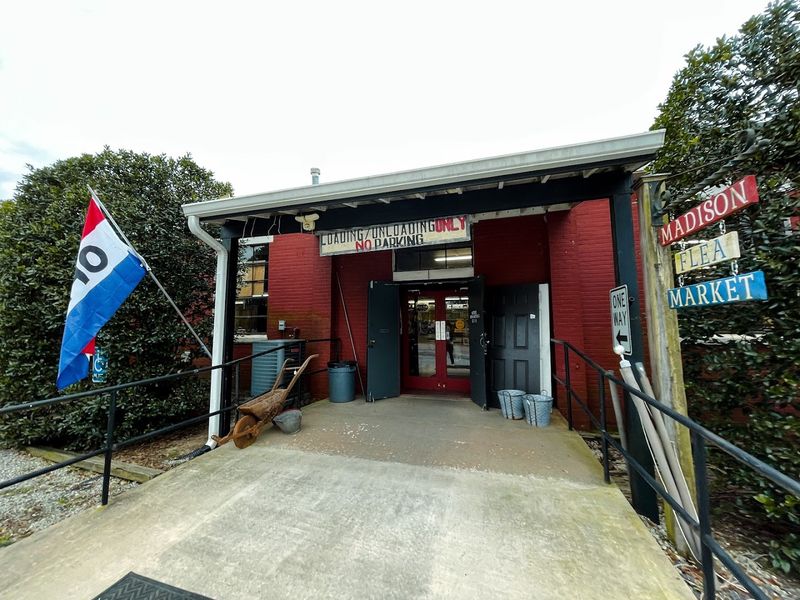
This one is a little different from the mansion-and-monument circuit, and that is exactly why it earns a place. Madison Flea Market brings a more casual, treasure-hunting energy to town, offering antiques, vintage finds, and the kind of objects that make you feel closer to local character than any plaque can. It is less formal, but still memorable.
If you enjoy balancing history with personality, this stop works surprisingly well. You may not come for textbook architecture, but you do get a sense of regional taste, collecting habits, and everyday nostalgia. Sometimes a market tells you as much about a place as its most polished landmarks do.
12. Madison Artists Guild
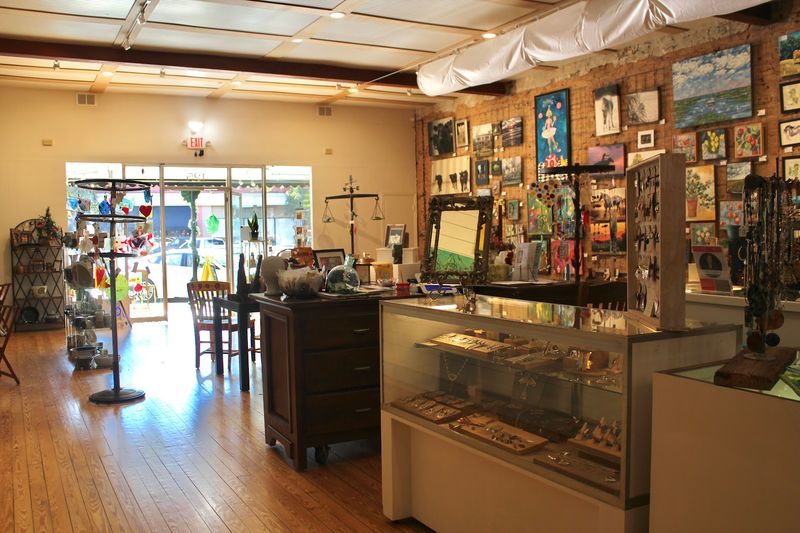
Madison Artists Guild is a smart stop when you want something that connects the town’s past to its present. In a district so defined by preservation, this gallery reminds you that Madison is still creating, not just remembering, with local art that adds fresh color and personality to streets known for historical elegance. That mix keeps the visit from feeling static.
I always like finding places where a historic town still sounds alive in the current tense. The work here reflects local talent and gives you another way to read the community beyond architecture. After several house tours, stepping into an art space can make the whole district feel more human.
13. Madison City Cemetery

A historic cemetery may not be everyone’s first choice, but in a place like Madison it makes complete sense. Madison City Cemetery carries the same sense of age and continuity found throughout the district, with old markers, quiet pathways, and the kind of atmosphere that encourages reflection rather than rushed sightseeing. It is solemn, but also revealing.
I find cemeteries useful for understanding who built a town, who shaped it, and how memory gets preserved outside museums. Here, the setting adds emotional depth to the polished homes and public buildings nearby. If you do stop, take your time and keep the mood respectful – it is one of Madison’s quieter history lessons.
14. Madison Town Square
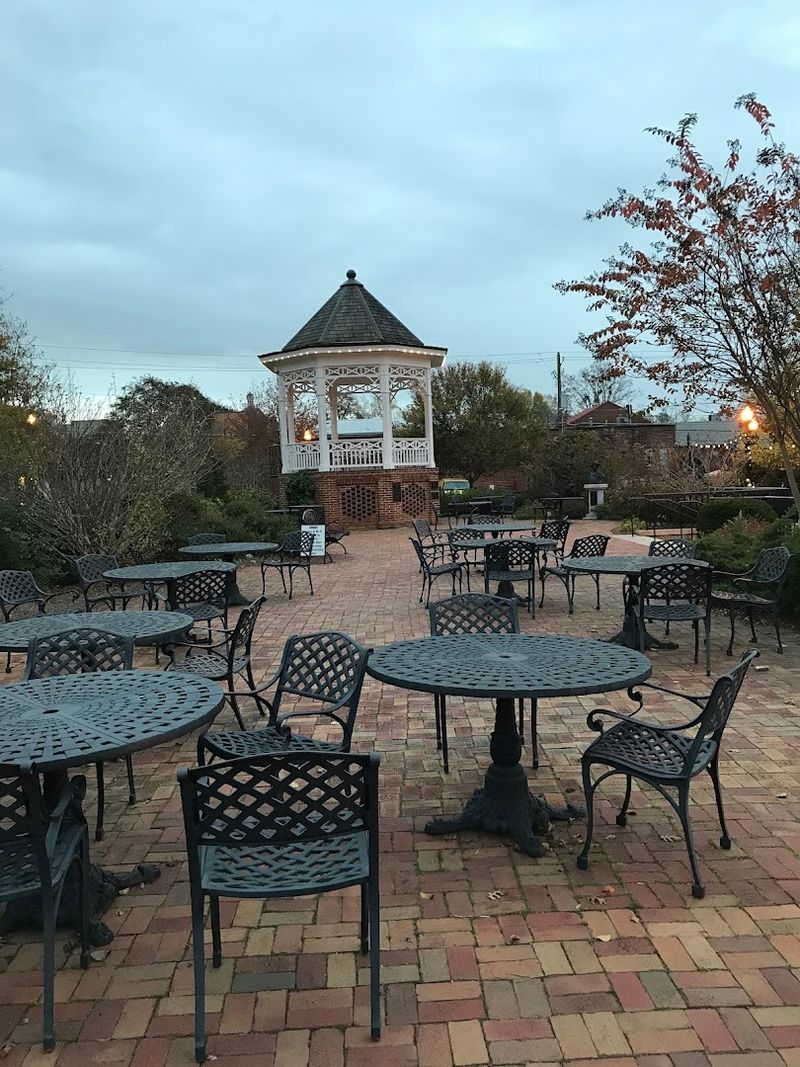
If you want to pull the whole district together, spend time around Madison Town Square. This is where the architecture, civic life, and walkable charm all meet, giving you a broader feel for how the town functions beyond individual landmarks. It is less about one standout facade and more about the complete historic setting working as a whole.
That is what makes it such a satisfying final stop. You can look outward and spot the layers that define Madison – formal buildings, inviting streets, and a pace that still feels pleasantly out of step with modern life. For me, the square turns a list of attractions into a place that actually feels coherent.