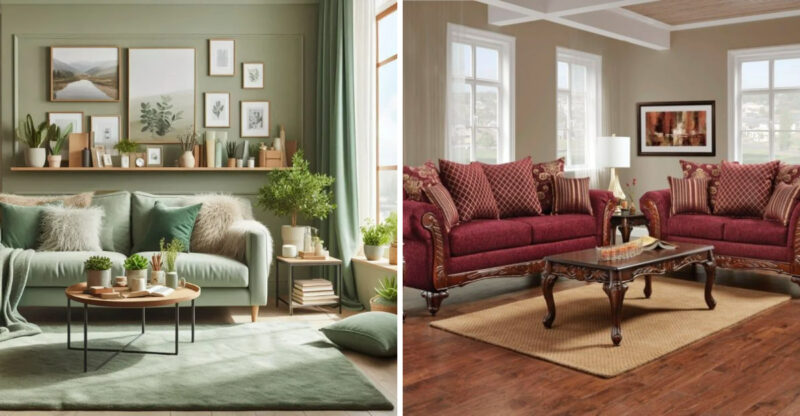
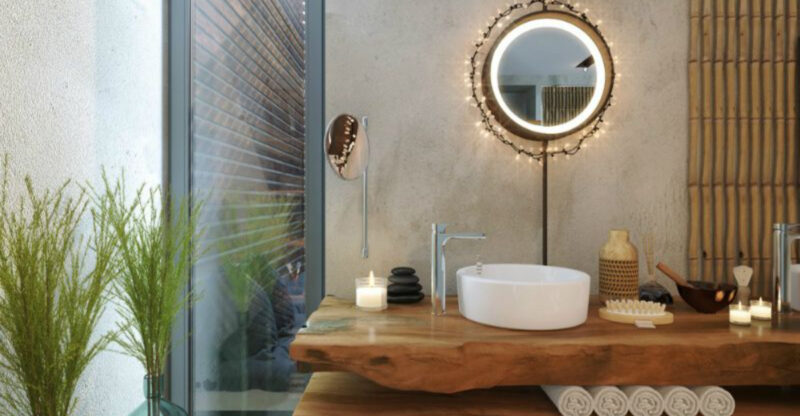
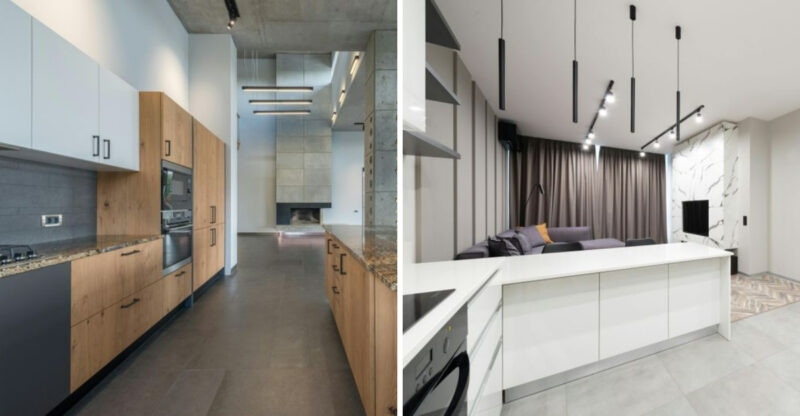
13 Home Design Trends That May Not Pass In Illinois
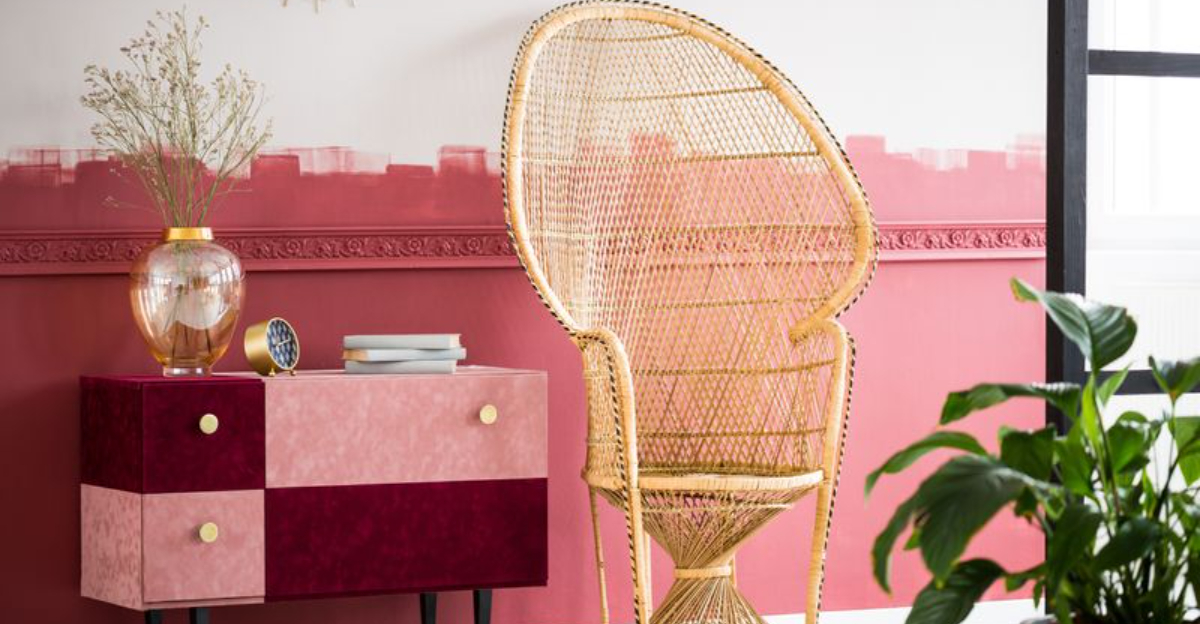
Design trends rise quickly and fade just as fast. What looks stunning online can feel impractical once real life, real weather, and real homes enter the picture.
Homes across Illinois deal with long winters, fluctuating temperatures, and regulations that demand more than surface-level style.
Design choices that ignore those realities often age poorly, feel uncomfortable, or require costly fixes.
Smart design in Illinois favors warmth, durability, and balance over short-lived visual impact.
Understanding which popular trends clash with daily life helps homeowners avoid frustration and create spaces that feel intentional, livable, and built to last.
1. Exposed Edison Bulbs
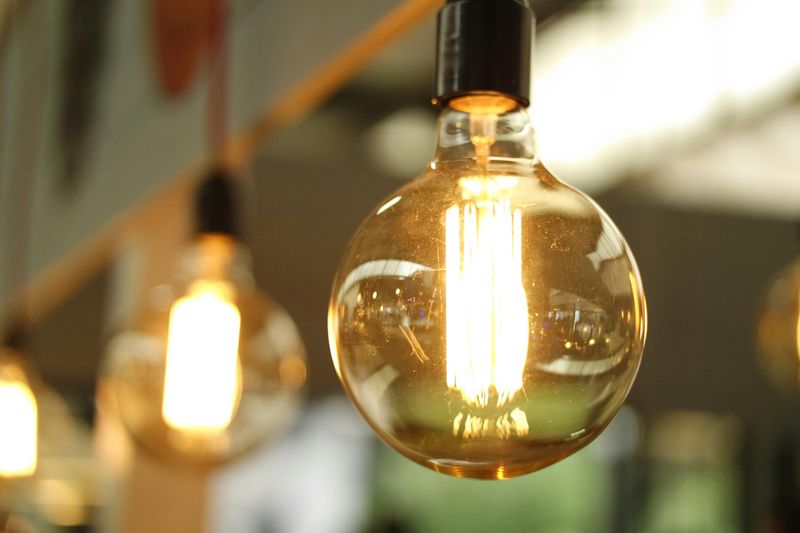
Once a darling of trendy cafes and industrial lofts, the exposed Edison bulb has lost its charm in Illinois homes.
These bulbs were everywhere a few years ago, dangling from cords in kitchens and dining rooms, promising vintage appeal and character.
The problem is that they offer harsh, unflattering light that does little to combat the gray Midwest winters.
Illinois residents crave warmth and coziness during long, cold months, and these bulbs simply don’t deliver the inviting glow needed.
Designers now recommend softer alternatives like diffused brass fixtures or alabaster lighting that provide historical warmth without the one-dimensional look.
The Edison bulb trend has become so overused that it no longer feels special or unique.
Switching to warmer, more sophisticated lighting options can transform a space from feeling cold and industrial to welcoming and comfortable, which is exactly what Illinois homes need.
2. Mid-Century Sputnik Pendants
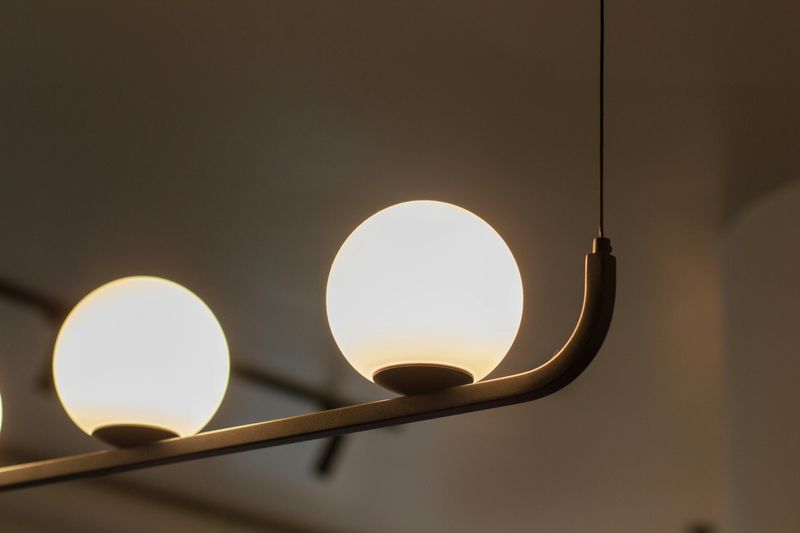
Sputnik pendants burst onto the scene with their starburst design and retro appeal, instantly recognizable from mid-century modern décor magazines.
These fixtures promised to add drama and personality to dining rooms and entryways across Illinois.
Unfortunately, mass-market reproductions flooded big-box stores, turning what was once a statement piece into something painfully common.
Walk into almost any home improvement store, and you’ll find dozens of nearly identical versions at every price point.
The oversaturation has stripped these fixtures of their original charm and uniqueness.
What once felt fresh and nostalgic now reads as predictable and tired, especially in a state where homeowners increasingly seek personalized, distinctive design choices.
Illinois designers suggest opting for custom or artisan lighting that reflects individual style rather than following mass-produced trends.
Choosing unique, locally crafted fixtures can give homes true character without the copycat feel that Sputnik pendants now carry.
3. Brass Overload
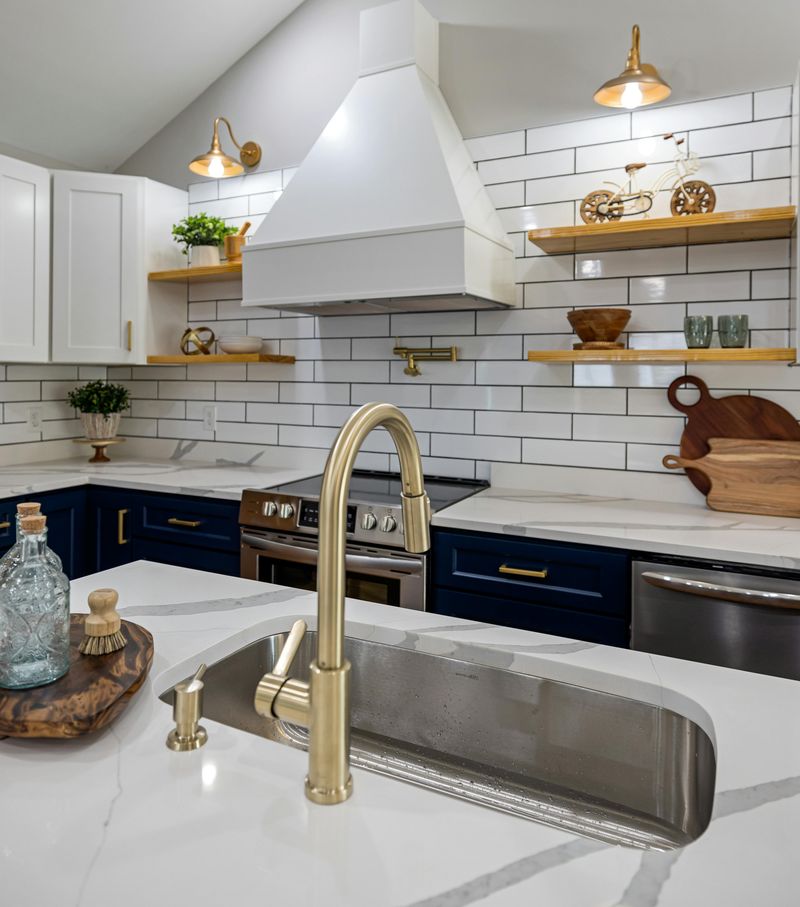
Brass hardware and fixtures enjoyed a major comeback in recent years, appearing on cabinet pulls, faucets, light fixtures, and even furniture legs.
The warm metallic finish promised to add elegance and timeless appeal to Illinois homes.
However, the trend quickly spiraled into overuse, with entire rooms covered in matching brass elements that create visual fatigue.
Too much of any one finish can make a space feel monotonous and dated rather than sophisticated.
Experts now recommend mixing metals thoughtfully or choosing nuanced brass finishes like burnished, antiqued, or satin brass instead of shiny lacquered versions.
This approach adds depth and prevents the overwhelming effect of brass overload.
Illinois homeowners can refresh their spaces by incorporating other metals like matte black, brushed nickel, or aged bronze alongside brass accents.
The key is balance and variety, which creates visual interest without overwhelming the senses or following a trend too literally.
4. Harsh Industrial Fixtures
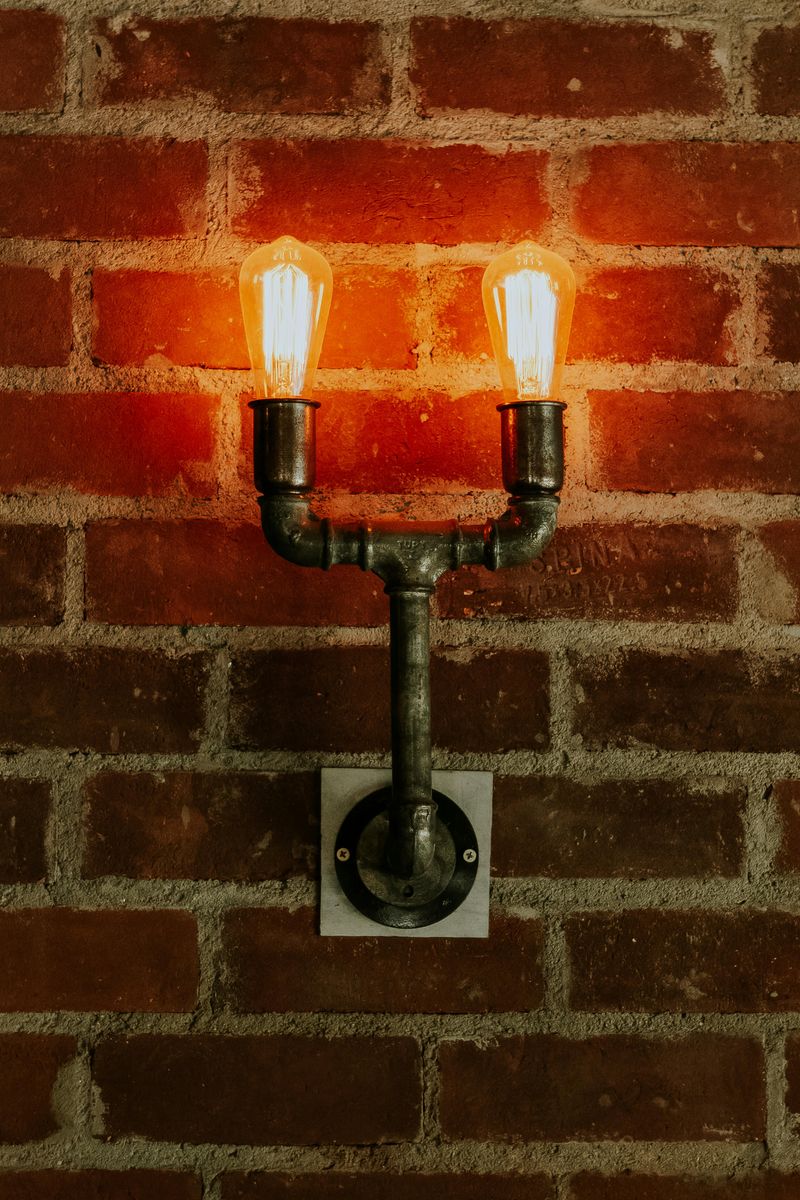
Raw metal pipes, exposed bolts, and utilitarian fixtures defined the industrial design trend that swept through urban lofts and suburban homes alike.
The look promised an edgy, urban vibe that felt modern and unconventional.
In Illinois, where winters are long and homes need to feel warm and inviting, these harsh industrial elements often fall flat.
The cold, hard aesthetic works against the cozy atmosphere most homeowners crave when temperatures drop and daylight fades early.
Designers are now favoring refined industrial styles that blend form and function with softer, more welcoming aesthetics.
Think blackened steel with curved lines rather than sharp angles, or metal paired with warm wood tones.
The shift reflects a broader move toward comfort and livability in Illinois homes.
Choosing fixtures that nod to industrial style without the stark coldness creates spaces that feel both modern and genuinely comfortable year-round.
5. Incorrect Scale In Lighting
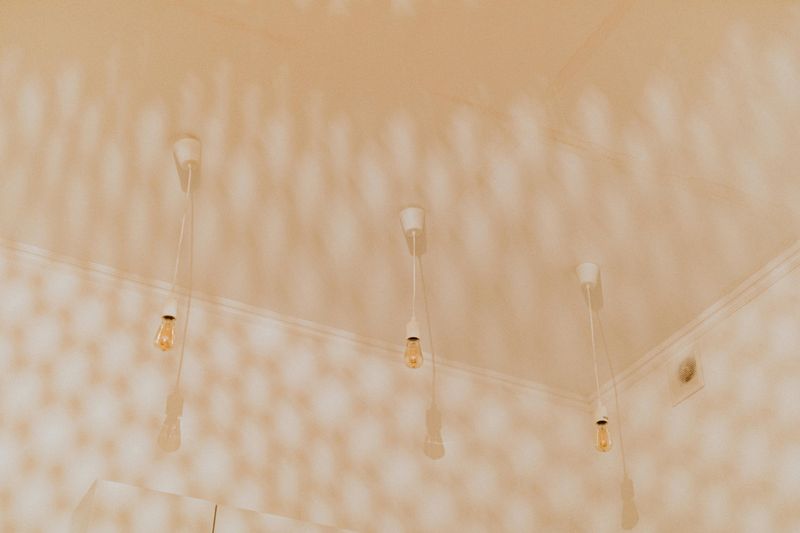
Many Illinois homeowners make the mistake of choosing light fixtures that are too small for their spaces, leaving rooms feeling unbalanced and incomplete.
A tiny pendant over a large dining table or a miniature chandelier in a grand foyer simply doesn’t work visually.
This sizing problem often happens when people shop online without considering actual room dimensions or when they’re afraid to go bold.
The result is lighting that disappears rather than anchors the space and provides proper illumination.
Designers emphasize that appropriately scaled or even oversized fixtures are essential for visual balance and impact in 2026 and beyond.
A statement light should command attention and provide adequate light, not shrink into the background.
Getting the scale right transforms a room from feeling tentative to feeling confident and well-designed.
Illinois homeowners should measure carefully, consider room height and square footage, and choose fixtures that make a proper statement rather than playing it too safe with undersized options.
6. Minimal Ring Pendants

Sleek LED ring pendants became ubiquitous in modern homes, promising clean lines and contemporary appeal with their simple circular designs.
These fixtures appeared everywhere from kitchens to bedrooms, often in matching sets throughout entire homes.
The problem is that their simplicity crossed into blandness, and their popularity made them feel generic rather than stylish.
When every home features the same minimalist rings, the look loses any sense of originality or personal expression.
Illinois designers are now steering clients toward sculptural, jewelry-inspired lighting designs with character and visual interest.
These pieces function as art while providing illumination, adding personality that simple rings simply cannot deliver.
The shift represents a broader desire for homes that feel curated and unique rather than catalog-perfect.
Choosing lighting with texture, unexpected shapes, or artisan craftsmanship helps Illinois homes stand out and feel genuinely personal rather than following a tired minimalist formula that has run its course.
7. Utility Lighting In Living Areas
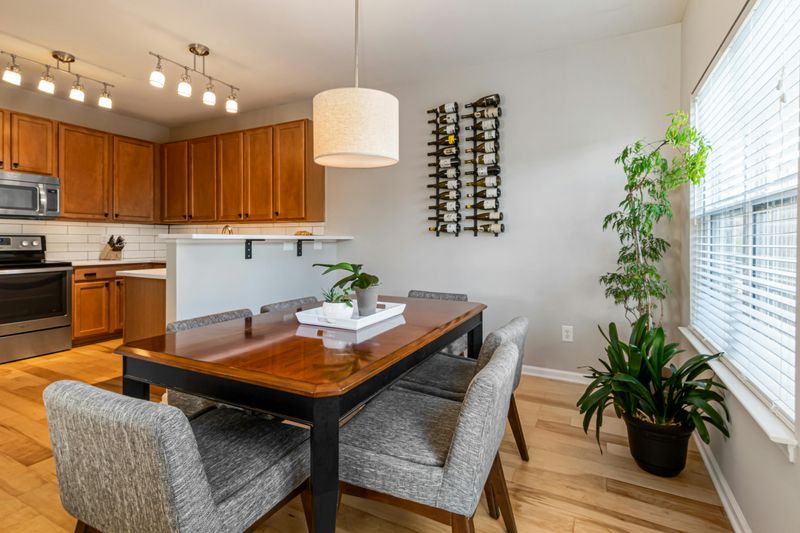
Bright, practical task lighting belongs in workshops and offices, not in living rooms and bedrooms where atmosphere matters most.
Yet many Illinois homes feature overly utilitarian fixtures in spaces meant for relaxation and gathering.
This trend likely emerged from open-concept designs where work-from-home spaces blend with living areas, but it creates a cold, institutional feeling.
Living spaces should invite people to unwind, not feel like they’re under fluorescent office lighting.
Designers strongly favor warm, sculptural lighting with personality for living areas, saving task lighting for dedicated workspaces and kitchens.
Layered lighting with dimmers allows flexibility without sacrificing ambiance.
Illinois homeowners can dramatically improve their spaces by replacing harsh overhead fixtures with softer options like table lamps, floor lamps, and wall sconces.
The goal is creating pools of warm light that make rooms feel inviting, especially during long winter evenings when good lighting becomes essential for both mood and function.
8. All-White Everything
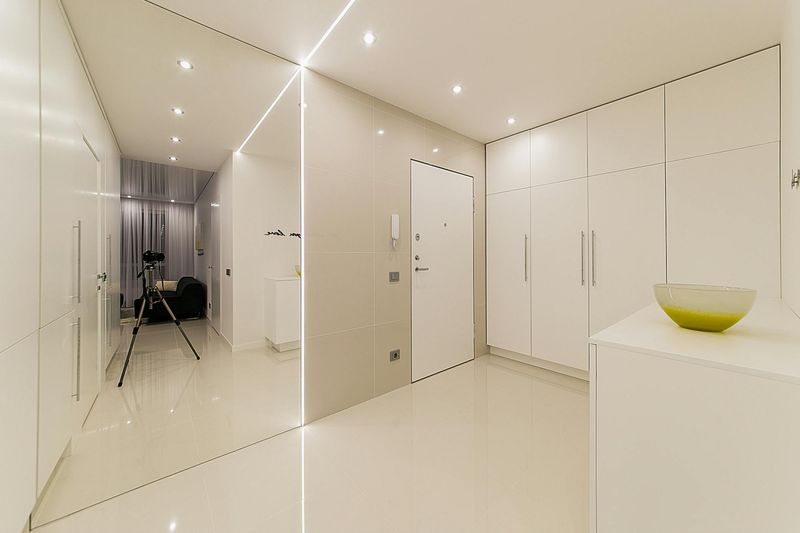
The all-white interior trend promised clean, modern spaces that felt airy and spacious, and for a while, white walls, white furniture, and white accessories dominated design magazines.
In Illinois, however, this approach creates problems that become especially apparent during gray winter months.
White interiors can feel cold and sterile rather than calming, particularly when natural light is limited and skies stay overcast for weeks.
The lack of warmth and color does nothing to combat seasonal dreariness that many Illinois residents experience.
Homeowners are now embracing warm minimalism instead, incorporating beiges, soft terracottas, sage greens, and other gentle earth tones.
These colors provide the clean aesthetic people love while adding much-needed warmth and coziness.
The shift reflects a more practical understanding of how color affects mood and comfort in different climates.
Illinois homes benefit from color choices that work with the environment rather than against it, creating spaces that feel welcoming regardless of what’s happening outside the windows.
9. Open Shelving Everywhere
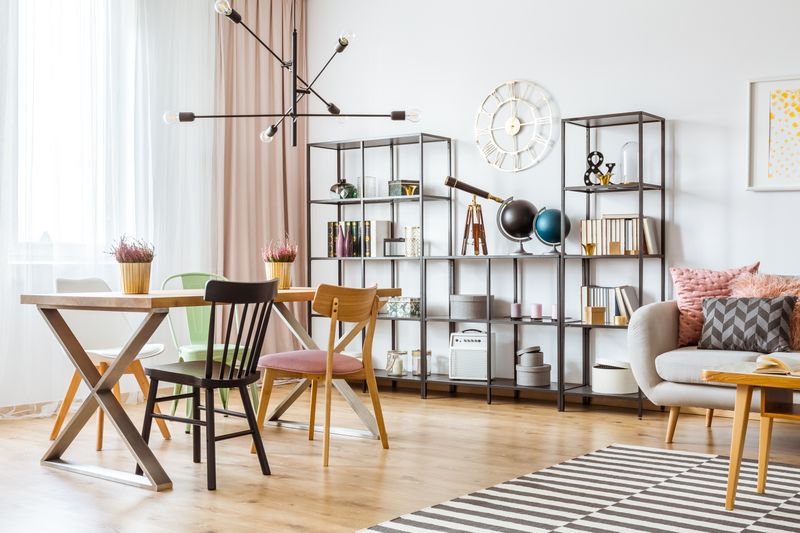
Open shelving took over kitchens and bathrooms with promises of easy access and display opportunities for beautiful dishware and décor.
The trend looked gorgeous in carefully styled photos where every item coordinated perfectly.
Reality in Illinois homes tells a different story, where dust accumulates quickly, everyday items don’t always look Instagram-worthy, and visual clutter becomes overwhelming.
Maintaining the perfect open-shelf aesthetic requires constant organizing and cleaning that most busy households simply cannot sustain.
Practical homeowners are returning to closed cabinetry that hides everyday mess while using open shelves sparingly for true display pieces.
This balanced approach provides storage that actually works for real life rather than just looking good in photos.
Illinois homes benefit from storage solutions that account for actual living patterns and maintenance realities.
A few open shelves can add visual interest, but replacing all upper cabinets creates more problems than it solves for most families who need functional, forgiving storage options.
10. Farmhouse Everything
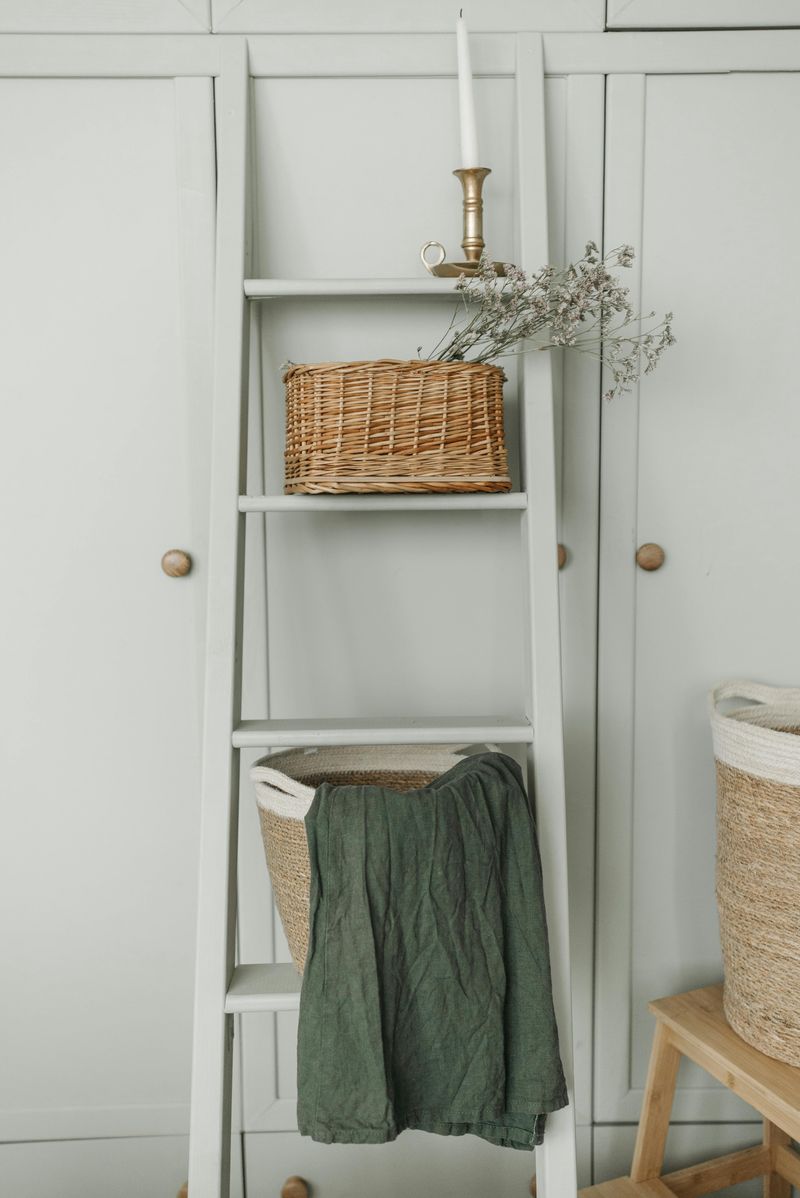
Shiplap walls, barn doors, and rustic décor turned every home into a farmhouse for several years, regardless of the home’s actual style or location.
The trend became so pervasive that it lost any connection to authentic rural design and became a caricature of itself.
In Illinois suburbs and cities, the farmhouse look often feels forced and inauthentic, especially when applied to modern construction or urban apartments.
Sliding barn doors on bedroom closets in a downtown Chicago condo simply don’t make architectural sense.
Designers now encourage homeowners to honor their home’s actual style and location rather than imposing a trend that doesn’t fit.
Modern homes can embrace modern design, while vintage homes can highlight their original character without adding faux-rustic elements.
The move away from farmhouse overload reflects a more thoughtful approach to design that values authenticity and appropriateness.
Illinois homeowners can create more cohesive, timeless spaces by choosing design elements that genuinely suit their homes rather than following a trend that has become exhausted through overuse.
11. Gray On Gray On Gray
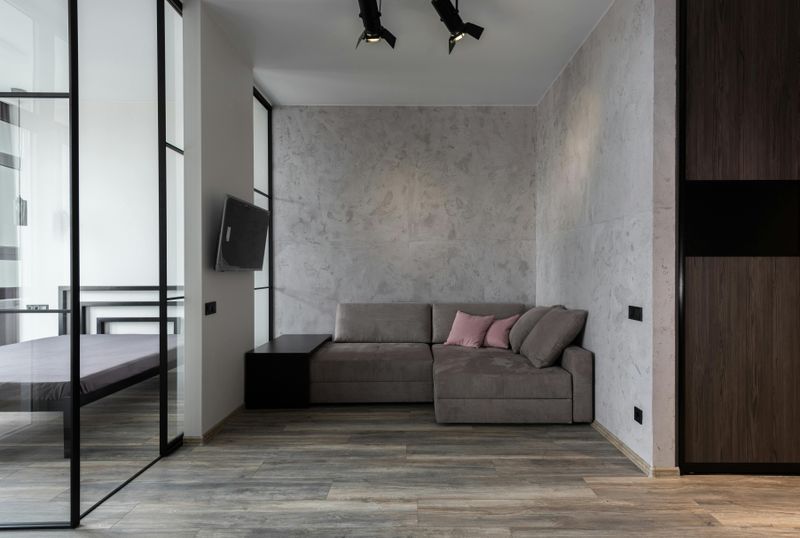
Gray became the go-to neutral color for nearly a decade, replacing beige as the safe choice for walls, furniture, and accessories throughout homes.
The cool, sophisticated tone promised versatility and timeless appeal that would work with any style.
In Illinois, where winter skies stay gray for months, filling homes with more gray creates a depressing, dreary atmosphere that amplifies seasonal gloom.
The color that looked fresh and modern in sunny climates feels cold and unwelcoming when natural light is limited.
Homeowners are now shifting toward warmer neutrals like greige, warm taupe, cream, and soft beige that provide neutrality without the cold undertones.
These colors create cozy, inviting spaces that work better with Illinois’s climate and seasonal light changes.
The transition away from gray reflects growing awareness of how color psychology and regional climate should influence design choices.
Choosing warmer tones helps Illinois homes feel more comfortable and livable year-round, especially during those long stretches when warmth and brightness become precious commodities.
12. Glossy White Kitchen Cabinets
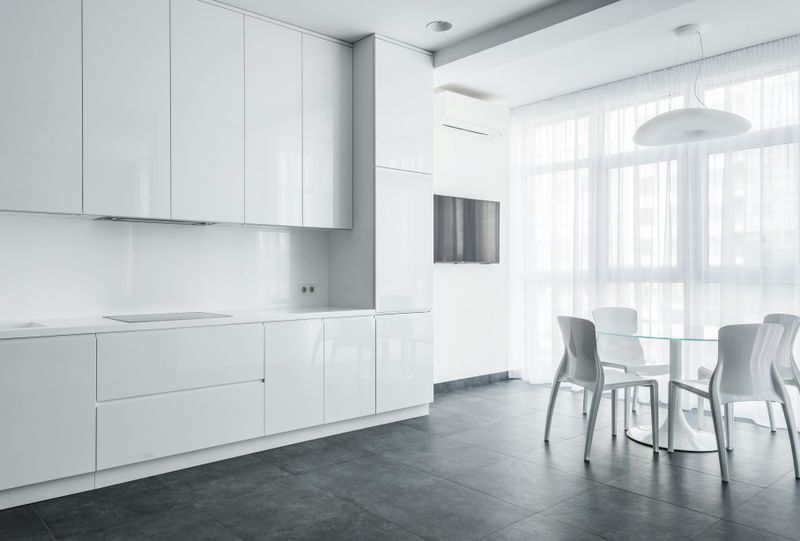
High-gloss white cabinets promised a sleek, modern kitchen aesthetic that looked pristine and contemporary in showrooms and design magazines.
The reflective finish seemed like the perfect way to brighten kitchens and create a clean, polished look.
However, these cabinets quickly reveal themselves as maintenance nightmares in real Illinois homes, showing every fingerprint, smudge, water spot, and imperfection.
Families with children or busy households find themselves constantly wiping down surfaces to maintain that showroom appearance.
Matte and satin finishes have become far more popular because they hide everyday wear while still providing a clean, modern aesthetic.
These finishes look sophisticated without demanding constant attention and cleaning.
Illinois homeowners are learning that beautiful design should also be practical and forgiving for everyday life.
Choosing cabinet finishes that can withstand real use without looking constantly dirty makes kitchens more enjoyable and less stressful, allowing families to actually live in and use their spaces without worry.
13. Trendy Accent Walls
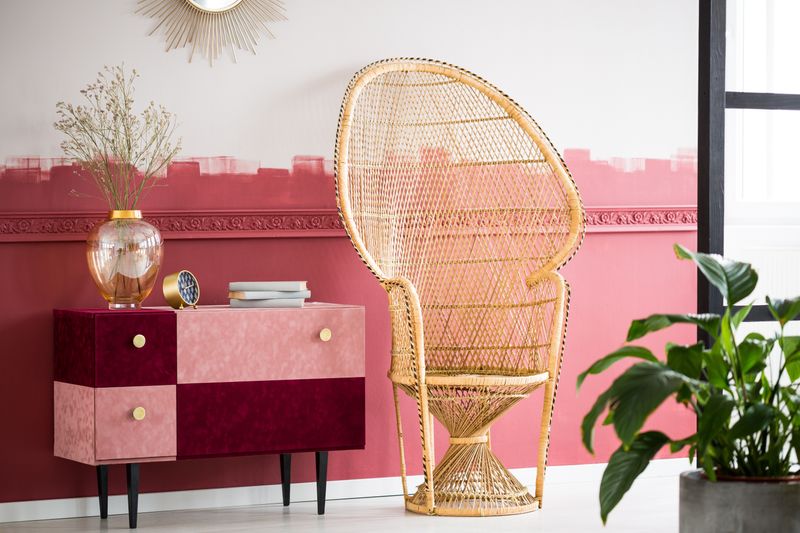
Accent walls featuring bold wallpaper, geometric patterns, or dramatic paint colors became a quick way to add personality to rooms without committing to full-room changes.
The trend promised instant style and visual interest with minimal effort and expense.
The problem is that trendy accent walls date quickly, and what feels fresh today often looks tired within a year or two.
Geometric patterns, popular colors, and specific styles all have expiration dates that arrive faster than most homeowners anticipate.
Illinois designers now recommend more subtle approaches to adding interest, like textured paint, timeless wallpaper patterns, or architectural details that won’t feel dated quickly.
These choices provide depth and character without screaming “trend.”
Creating lasting design means thinking beyond what’s currently popular on social media and considering what will still feel good years from now.
Illinois homeowners can build more timeless, satisfying spaces by choosing classic approaches to adding visual interest rather than chasing accent wall trends that will soon require redoing.