How A Vietnamese Community Quietly Reshaped Fishing On Mississippi’s Gulf Coast
There is something quietly disorienting about standing on a Mississippi dock, watching weathered fishing boats roll in with names written in Vietnamese.
You came for the shrimp. You did not expect a history lesson, a cultural revelation, and the best bowl of pho you have ever had before noon.
Yet here we are.
For decades, Vietnamese families have been building something extraordinary along the Gulf Coast.
They didn’t do it loudly, not with fanfare, but with early mornings, salt-stiff hands, and a stubborn belief that hard work and good food can make anywhere feel like home.
They brought their nets, their recipes, and their resilience to Mississippi’s waters, and the Gulf Coast has never quite been the same since.
This is the story of a community that chose an unlikely place to plant roots and ended up feeding an entire region, both literally and in every other way that actually counts.
Where It All Began
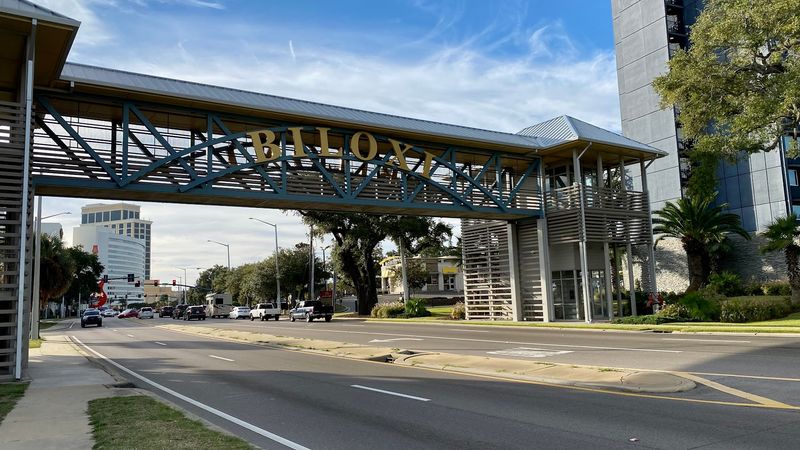
East Biloxi didn’t become the heart of Vietnamese Gulf fishing by accident. After the fall of Saigon in 1975, thousands of Vietnamese refugees were resettled across the American South, and many landed in coastal Mississippi.
They saw the Gulf and recognized something familiar: a working waterfront where a family could earn a living with their hands.
The Back Bay of Biloxi became their base. Shrimp boats started flying Vietnamese family names.
Docks that had been quiet for years hummed with early-morning activity again.
Locals noticed the boats going out earlier and coming back fuller.
East Biloxi, located along the Gulf Coast just south of Interstate 110, became ground zero for this transformation.
It wasn’t overnight. It took years of learning local waters, building trust with suppliers, and raising children who straddled two cultures without dropping either one.
What grew out of that effort reshaped an entire industry in ways Mississippi hadn’t seen coming.
The Boats That Changed The Docks
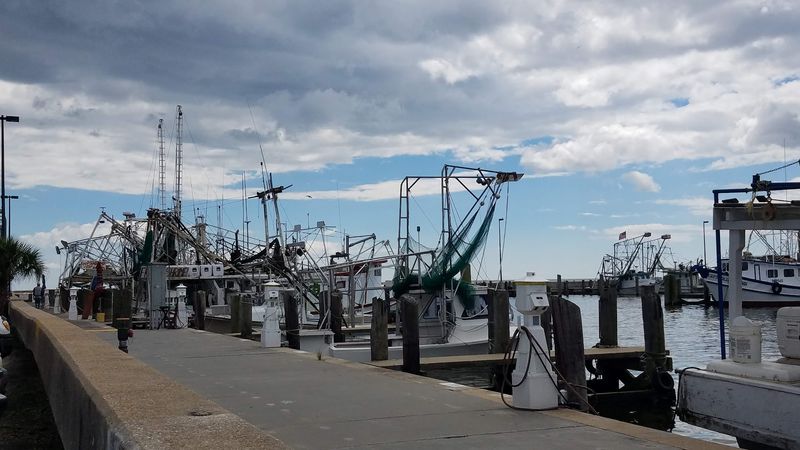
If you’ve ever stood on a Mississippi dock and spotted a shrimp boat painted in bold reds and yellows with a small shrine near the cabin, you’ve seen the influence up close.
Vietnamese fishermen brought their own boat-building traditions with them, and over time, those practices blended into Gulf Coast fishing culture in surprisingly practical ways.
Many Vietnamese families bought used vessels and modified them with techniques passed down from coastal Vietnam.
They added different net configurations, adjusted rigging styles, and fished at hours that local captains sometimes thought were too early or too risky.
The results spoke for themselves at the docks when it came time to weigh the catch.
Boat names became a small cultural marker worth noticing. You’d find vessels named after Vietnamese provinces, family matriarchs, or Buddhist blessings alongside boats named after American football teams.
The docks became a strange and beautiful mix of two fishing worlds sharing the same water. Nobody planned it that way.
It just happened, one tide at a time.
Shrimping Techniques That Surprised Everyone
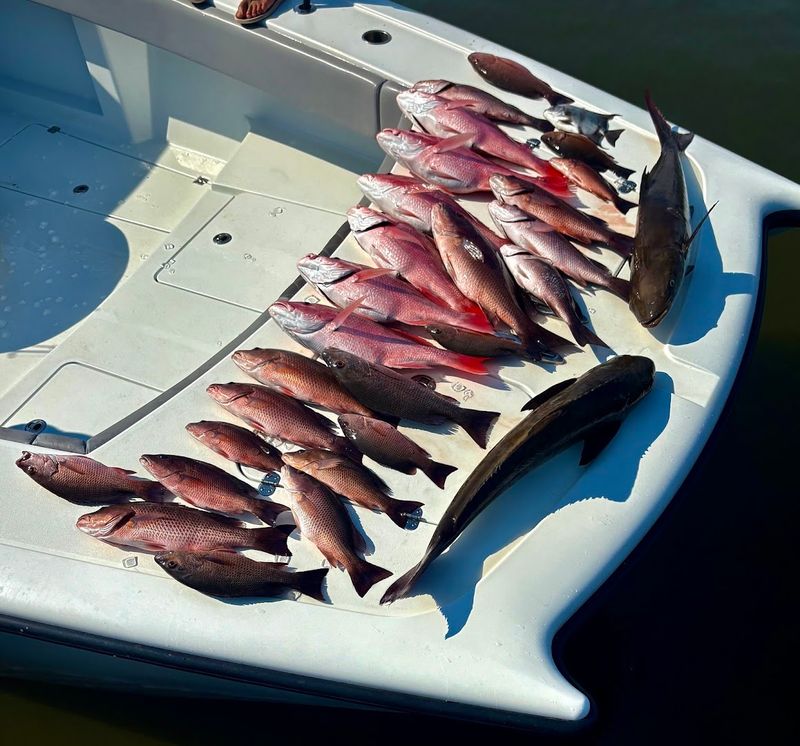
Shrimping looks simple from shore. Out on the water, it is anything but.
Vietnamese fishermen brought specific net-handling techniques and tidal timing knowledge that impressed even seasoned Gulf Coast captains who had been working these waters for generations.
One technique that raised eyebrows was the use of smaller mesh nets in certain seasons to catch specific shrimp sizes that other boats were passing over.
They also adapted quickly to the Gulf’s unpredictable weather patterns, using knowledge from fishing in the South China Sea to read water temperature and current shifts with impressive accuracy.
Word spread through the fishing community quietly. Nobody held a seminar.
Knowledge moved the way it always does in fishing towns, through conversation on docks, shared meals, and the simple act of watching someone else work and realizing they’re doing something you hadn’t thought of.
Several non-Vietnamese captains openly credit Vietnamese neighbors with teaching them techniques that improved their own catch numbers.
That kind of cross-cultural learning doesn’t make headlines, but it absolutely changed the industry in Mississippi.
The Seafood Markets That Fed Two Cultures
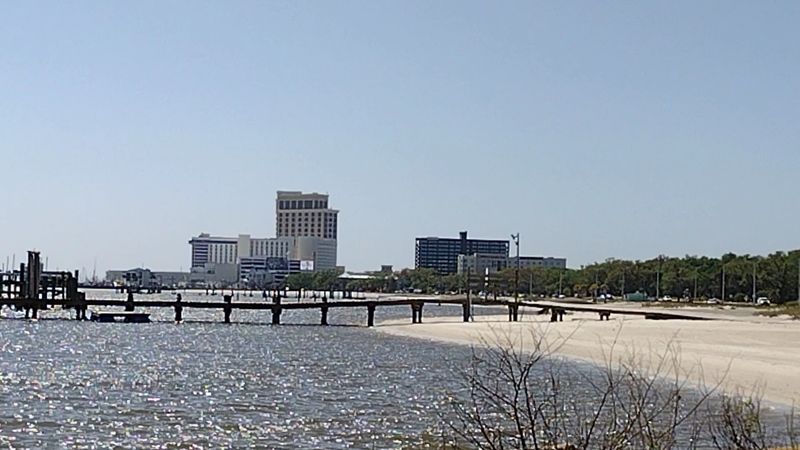
Fresh shrimp tastes completely different when you buy it two hours off the boat from someone who caught it themselves.
That’s the experience Vietnamese-owned seafood markets along the Mississippi Gulf Coast quietly made possible for anyone willing to seek them out.
Starting in the 1980s, Vietnamese families began opening small seafood shops in and around Biloxi.
They sold directly to the public, cutting out middlemen and offering prices that larger distributors couldn’t match.
The quality was hard to argue with because the supply chain was about as short as it gets.
These markets also introduced Gulf Coast shoppers to species and preparations they hadn’t considered before.
Whole fish displayed on crushed ice, live crabs sorted by size, shrimp sold by the pound in every size imaginable.
Regular customers started asking questions and going home with things they’d never cooked before. Over time, local palates shifted.
The Vietnamese seafood market didn’t just sell fish. It quietly educated an entire region about what fresh Gulf seafood could actually taste and look like when handled right from boat to counter.
How Faith Kept The Fleet Together
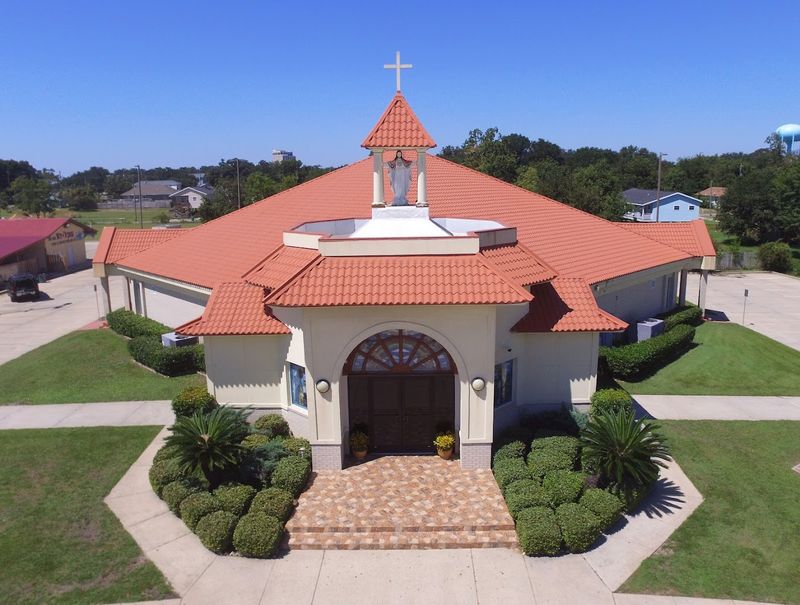
Fishing is dangerous work. You don’t stay calm on rough water without something holding you steady, and for many Vietnamese fishing families on the Gulf Coast, that anchor was faith.
Buddhist and Catholic traditions both played powerful roles in how this community organized itself and supported its members through hard seasons.
Small shrines appeared on boats, in market corners, and on dock pilings. Families held ceremonies before major fishing seasons, blessing vessels and asking for safe returns.
These weren’t private rituals kept hidden from outsiders. They were community events that neighbors of all backgrounds sometimes attended out of respect and curiosity.
The Mary Queen of Vietnam Catholic Church in New Orleans became a nationally recognized model for how Vietnamese communities built institutions around faith and mutual aid.
Similar patterns emerged in Biloxi. Churches and Buddhist temples became informal employment networks, emergency funds, and meeting places where fishing news traveled faster than any radio broadcast.
When storms hit and boats were damaged, it was often the faith community that organized repairs and meals before any government program showed up.
That kind of invisible infrastructure is what kept the fleet running through the hardest years.
The Next Generation Navigates Two Worlds
Growing up between a Vietnamese household and a Mississippi public school is its own particular kind of education.
The children of Gulf Coast fishing families learned English at school, Vietnamese at home, and the tides from whoever would take them out on the water. That combination produced some remarkably capable young adults.
Many second-generation Vietnamese-Americans in Biloxi pursued careers in marine biology, fisheries management, and environmental advocacy, fields where their background gave them a perspective that outsiders simply don’t have.
They understood both the economics of a working waterfront and the ecological pressures threatening it. That combination matters enormously in policy conversations about Gulf fishing regulations.
Not everyone stayed in fishing. Some became doctors, engineers, and teachers.
But even those who left the boats often stayed connected to the industry through family businesses or community advocacy.
The fishing identity ran deep, even for kids who grew up more comfortable in sneakers than rubber boots.
What their parents built out of necessity, this generation is now defending with education and visibility in rooms where fishing policy actually gets decided. That quiet shift in influence is still unfolding.
When The Community Rebuilt
Hurricane Katrina in 2005 didn’t ask anyone what their background was before it destroyed their boats, homes, and livelihoods.
The Vietnamese fishing community in Biloxi lost an enormous amount in one catastrophic storm. What happened next is the part of the story that people outside Mississippi rarely hear about.
Vietnamese families rebuilt faster than most observers expected. Community networks that had been built over thirty years activated immediately.
Neighbors shared tools, labor, and supplies. Religious organizations coordinated food and housing.
Boat repairs happened in driveways and on makeshift dry docks while federal assistance forms were still being filled out.
The resilience wasn’t magic. It was the result of a community that had already survived displacement once and understood, deeply, that waiting for outside help was not a strategy.
Several Vietnamese-owned fishing operations that had been wiped out by Katrina were back on the water within eighteen months. Some rebuilt larger than before.
The storm revealed something about this community that the Gulf Coast already suspected: they were not guests who might leave when things got hard. They were as rooted in those waters as anyone who had ever cast a net there.
A Lasting Mark On Gulf Coast Food And Culture
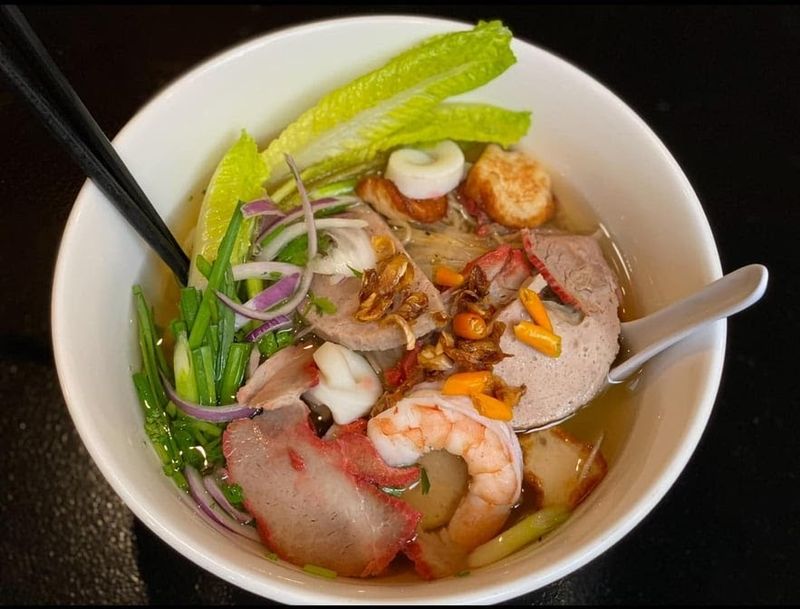
The clearest sign that a community has truly settled somewhere is when its food starts showing up in other people’s kitchens.
Along the Mississippi Gulf Coast, Vietnamese flavors have made their way into local cooking in ways that feel completely natural now, even to people who couldn’t tell you how it started.
Lemongrass shows up in shrimp boils. Fish sauce turns up in marinades at backyard cookouts where nobody thinks twice about it.
Vietnamese-Cajun fusion, a combination that sounds unlikely on paper, makes perfect sense on the plate because both traditions share a love of bold seasoning, fresh seafood, and feeding large groups of people at once.
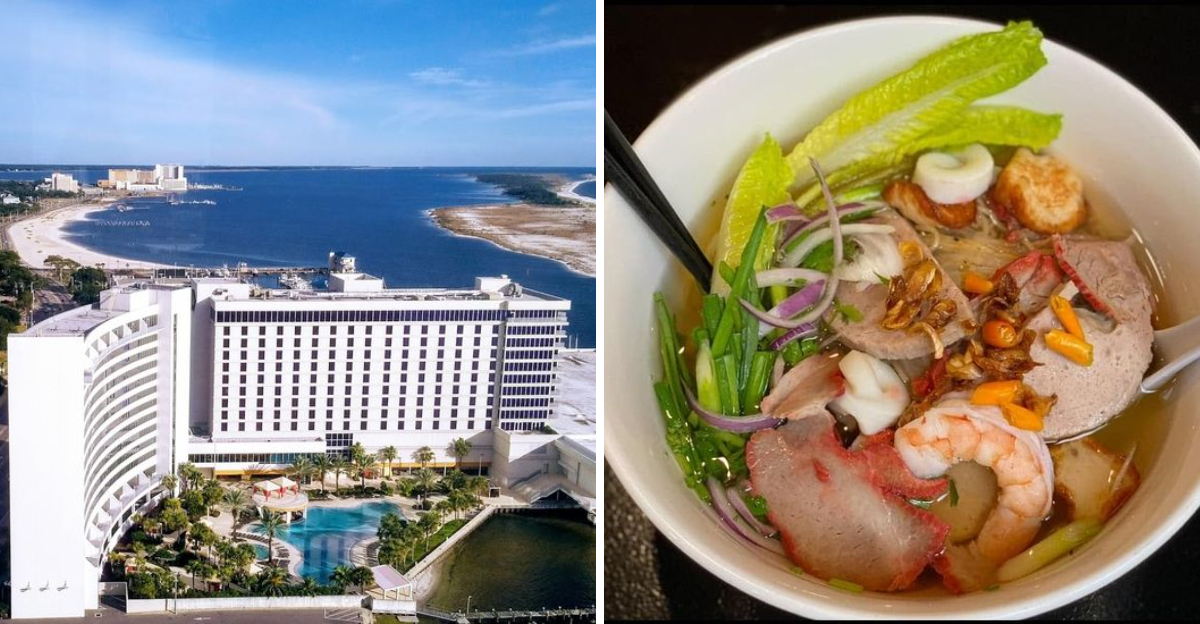
Restaurants run by Vietnamese families introduced Gulf Coast diners to pho, banh mi, and grilled whole fish preparations that have since become familiar favorites in Biloxi and beyond.
The influence runs the other direction too. Vietnamese cooks adopted Gulf spice traditions and made them their own.
What exists now along this coastline is a food culture that belongs to both communities equally and neither one completely.
That kind of exchange doesn’t happen by design. It happens because people share meals long enough that the recipes start to blend on their own.