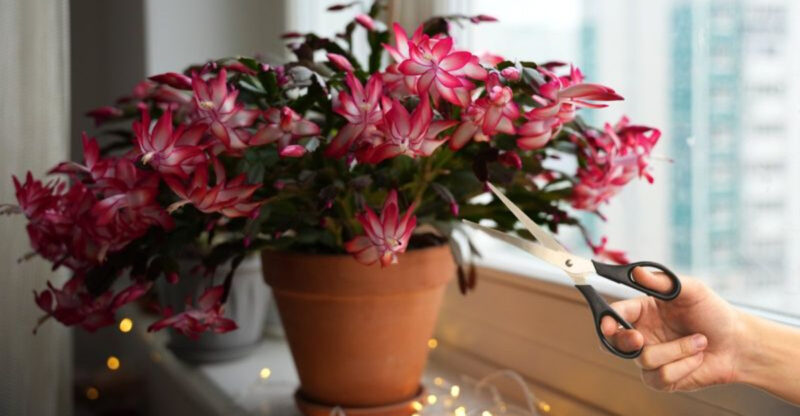
How Floridians Are Getting Their Christmas Cactus To Bloom Like Crazy
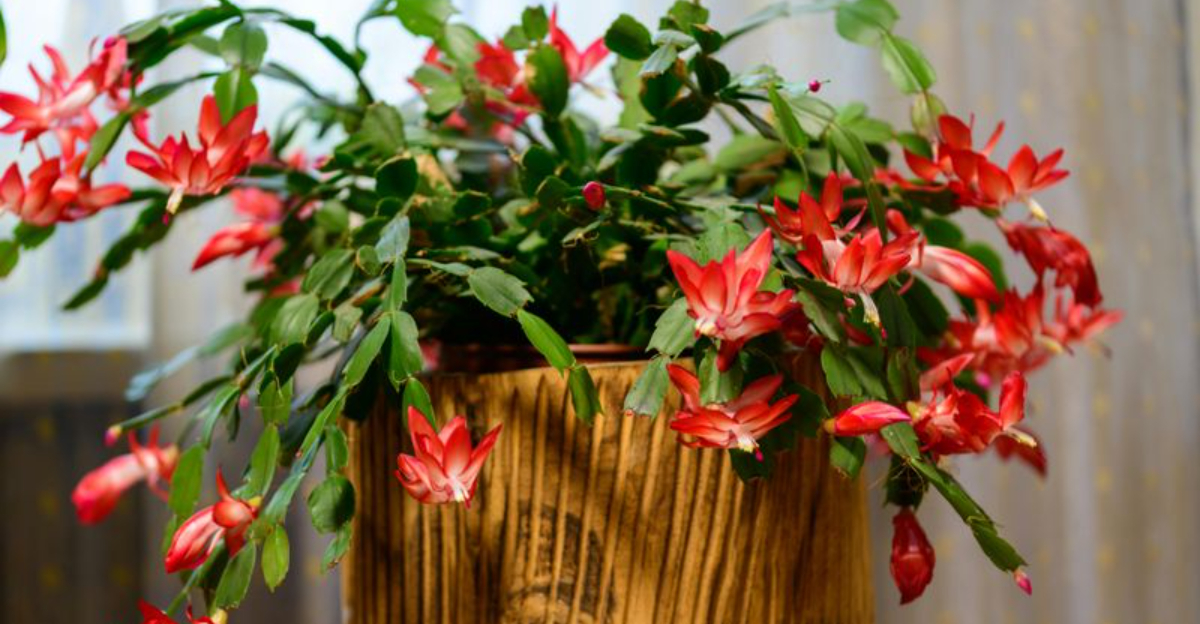
Florida’s sunshine might be perfect for beach days, but getting a Christmas cactus to bloom here feels like convincing a penguin to enjoy the tropics.
While these festive plants love to show off their vibrant flowers during the holiday season, our warm climate can make them stubborn about producing buds.
The good news?
Local plant lovers have cracked the code, and their Christmas cacti are exploding with blooms that would make even Santa jealous.
Lock Them In Total Darkness
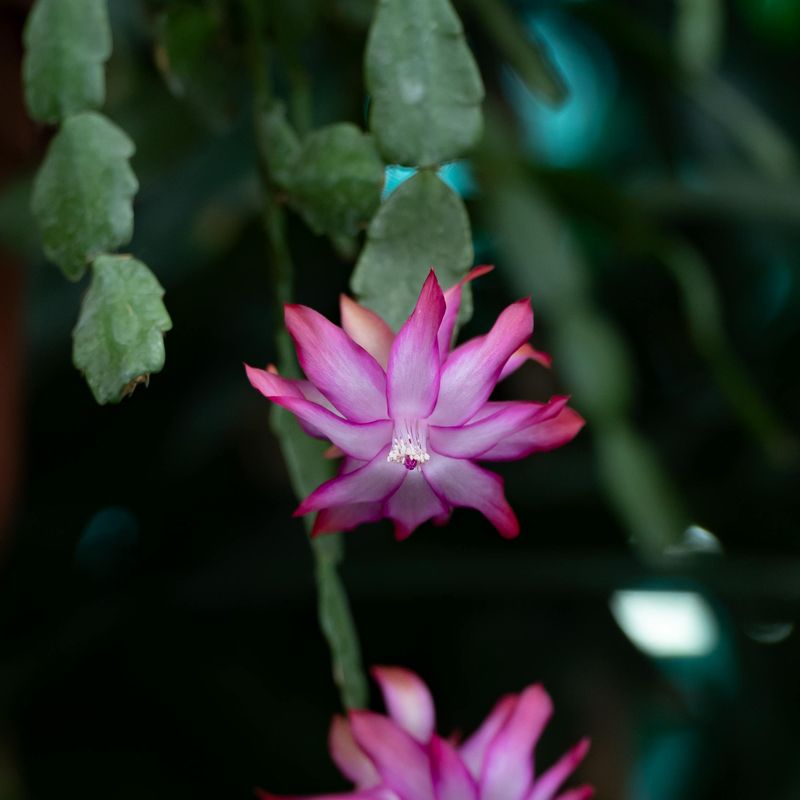
This might sound like plant prison, but your Christmas cactus actually craves a solid stretch of darkness to trigger its blooming mechanism.
Christmas cacti need roughly 12 to 14 hours of pitch-black conditions every single night for about six weeks straight.
Florida’s extended daylight during fall messes with this natural cycle, so you’ve got to get creative.
Some folks tuck their plants into closets each evening, while others drape cardboard boxes over them like botanical blankets.
The key is consistency, miss a night, and you might reset the whole countdown.
Your cactus isn’t being dramatic; it’s literally programmed to bloom when days get shorter.
By mimicking winter’s natural light patterns, you’re essentially flipping the biological switch that tells the plant it’s showtime.
Just remember to remove the covering each morning so your plant can soak up that Florida sunshine during the day.
Chill Them Out At Night
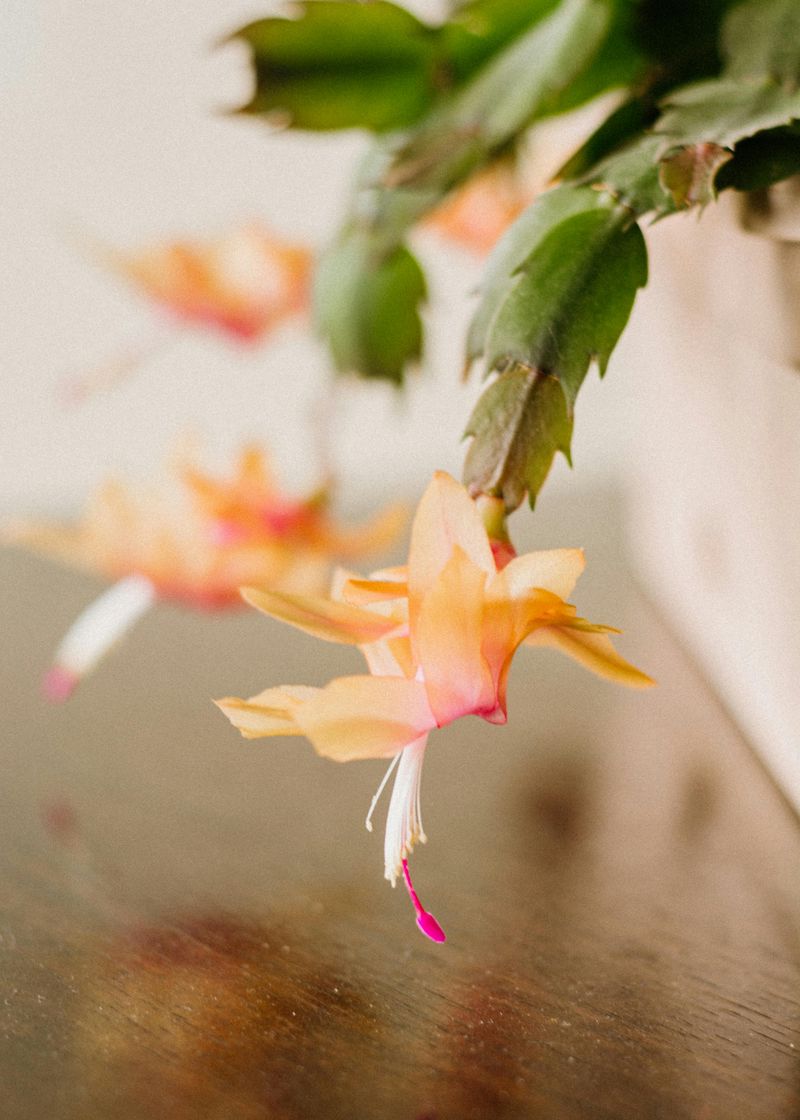
When nighttime temperatures drop, your Christmas cactus finally feels like it’s autumn somewhere other than the Sunshine State.
These plants need cooler evening temps, somewhere between 55 and 65 degrees, to start forming those gorgeous buds.
Florida’s perpetual warmth can make this tricky, but it’s not impossible.
Moving your cactus to the coolest room in your house after sunset works wonders.
Some plant enthusiasts even place theirs near air conditioning vents or in garages that stay comfortably cool.
Temperature fluctuations signal to the plant that seasons are changing, which kickstarts the blooming process.
Without that nighttime chill, your cactus might just sit there looking green and healthy but completely flowerless.
Think of it like this: your plant needs to feel a hint of winter magic, even if it’s manufactured by your AC unit.
Stop Drowning Them

Are you one of those people who thinks more water equals more love?
Christmas cacti are succulents at heart, which means they store water in their leaves and hate sitting in soggy soil.
Overwatering is basically the number one killer of these plants, and it definitely won’t help them bloom.
Wait until the top inch of soil feels completely dry before you even think about reaching for the watering can.
When you do water, give it a good soak, then let all the excess drain out completely.
Root rot happens fast in Florida’s humidity, so proper drainage isn’t optional, it’s survival.
A pot without drainage holes is basically a death sentence.
Your cactus would rather be slightly thirsty than swimming in water, so when in doubt, hold off another day or two before watering again.
Give Them The Right Dirt
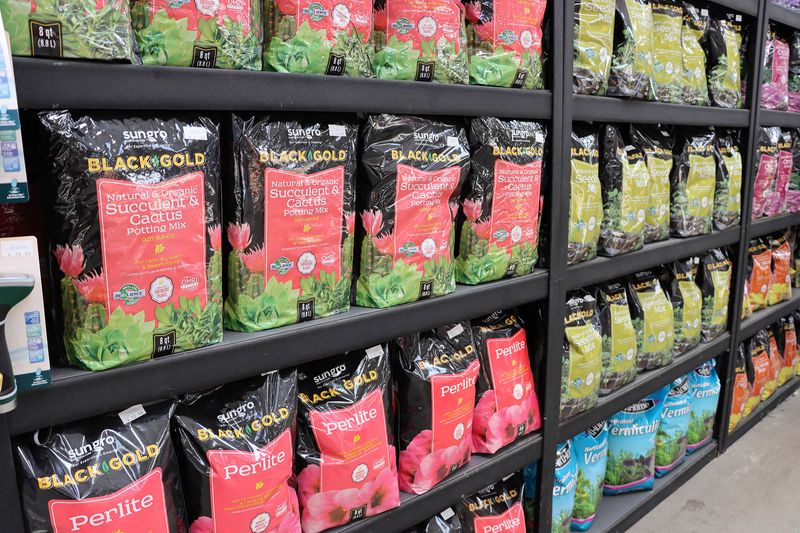
However tempting it might be to just scoop some dirt from your yard, your Christmas cactus deserves better.
These plants need a potting mix that drains faster than a Florida thunderstorm clears out.
The ideal blend is two parts peat moss mixed with one part perlite, creating a light and airy home for those roots.
Regular potting soil holds too much moisture, which brings us right back to that root rot problem.
The perlite adds tiny air pockets that let water flow through while keeping the soil structure intact.
You can buy pre-mixed cactus soil at most garden centers, or mix your own if you’re feeling ambitious.
Either way, the goal is soil that dries out reasonably quickly between waterings.
Good soil is like a good foundation, everything else depends on getting this part right first.
Find The Sweet Spot For Sunlight

Where you place your Christmas cactus makes all the difference between a thriving plant and a crispy disappointment.
These plants adore bright light but will absolutely throw a fit if direct Florida sun hits their leaves.
Think filtered sunshine, the kind that comes through a sheer curtain or from a north-facing window.
Too much direct light scorches the leaves, leaving them looking bleached and sad.
Too little light, and your cactus won’t have the energy to produce those stunning blooms.
The Goldilocks zone is somewhere with plenty of ambient brightness but no harsh rays.
An east-facing window works beautifully, giving morning light without the intense afternoon heat.
Watch your plant’s leaves for clues, if they start turning reddish or looking stressed, dial back the sun exposure immediately.
Happy leaves mean blooms are on the way.
Feed Them During Growing Season Only

Did you know that timing your fertilizer application is just as important as using it in the first place?
Christmas cacti appreciate a balanced fertilizer every month or two during spring and summer when they’re actively growing.
But come fall and winter, when you want blooms, you need to cut off the food supply completely.
Fertilizing during blooming season confuses the plant, making it focus on leaf growth instead of flower production.
It’s like feeding someone a huge meal right before asking them to run a marathon.
Use a balanced houseplant fertilizer diluted to half strength, and only apply it when the soil is already moist to avoid burning the roots.
Once September rolls around, put that fertilizer bottle away and don’t touch it again until after the blooming period ends.
Patience here pays off with an explosion of colorful flowers instead of just more green leaves.
Prune After The Show Ends
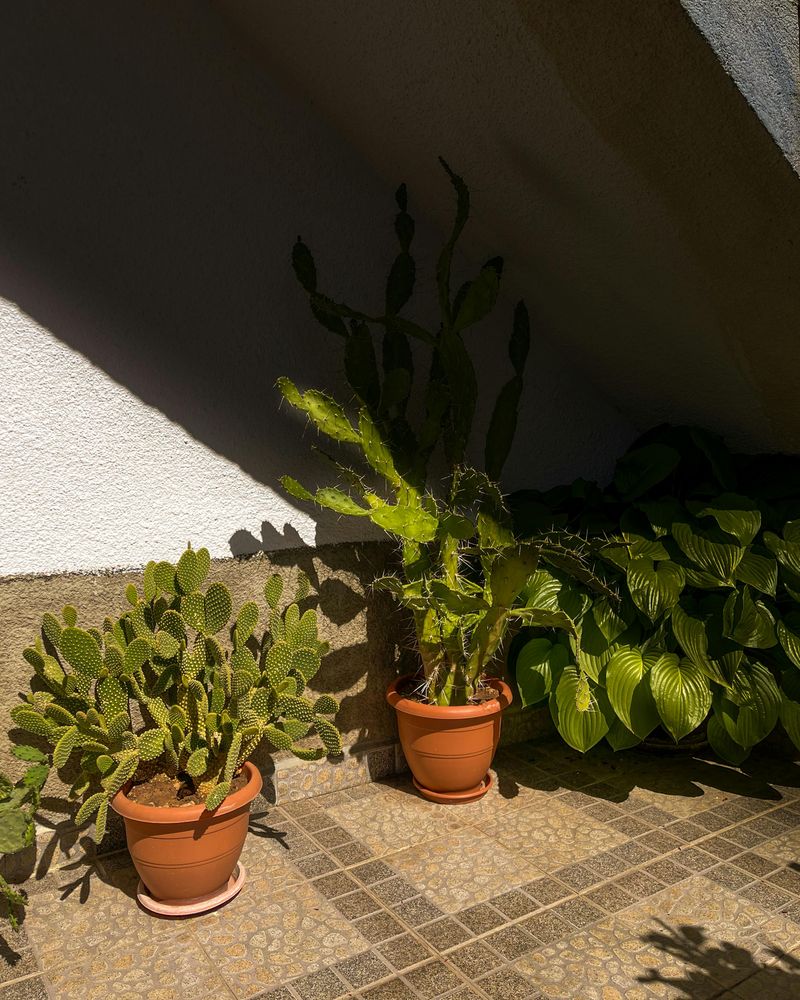
Though it might feel harsh, giving your Christmas cactus a haircut after blooming actually sets it up for next year’s spectacular display.
Pruning encourages the plant to branch out, and more branches mean more spots for future flowers to develop.
Wait until all the blooms have faded, usually in early summer, then pinch back the stems at the segment joints.
You don’t need fancy tools, your fingers work perfectly fine for this job.
Just twist and gently pull at the natural breaks between leaf segments.
This process redirects the plant’s energy into creating a bushier, fuller shape rather than getting tall and leggy.
A compact, well-branched Christmas cactus is basically a blooming powerhouse waiting to happen.
Don’t go overboard, removing about a third of the growth is plenty to stimulate new branching without stressing the plant unnecessarily.
Pump Up The Humidity
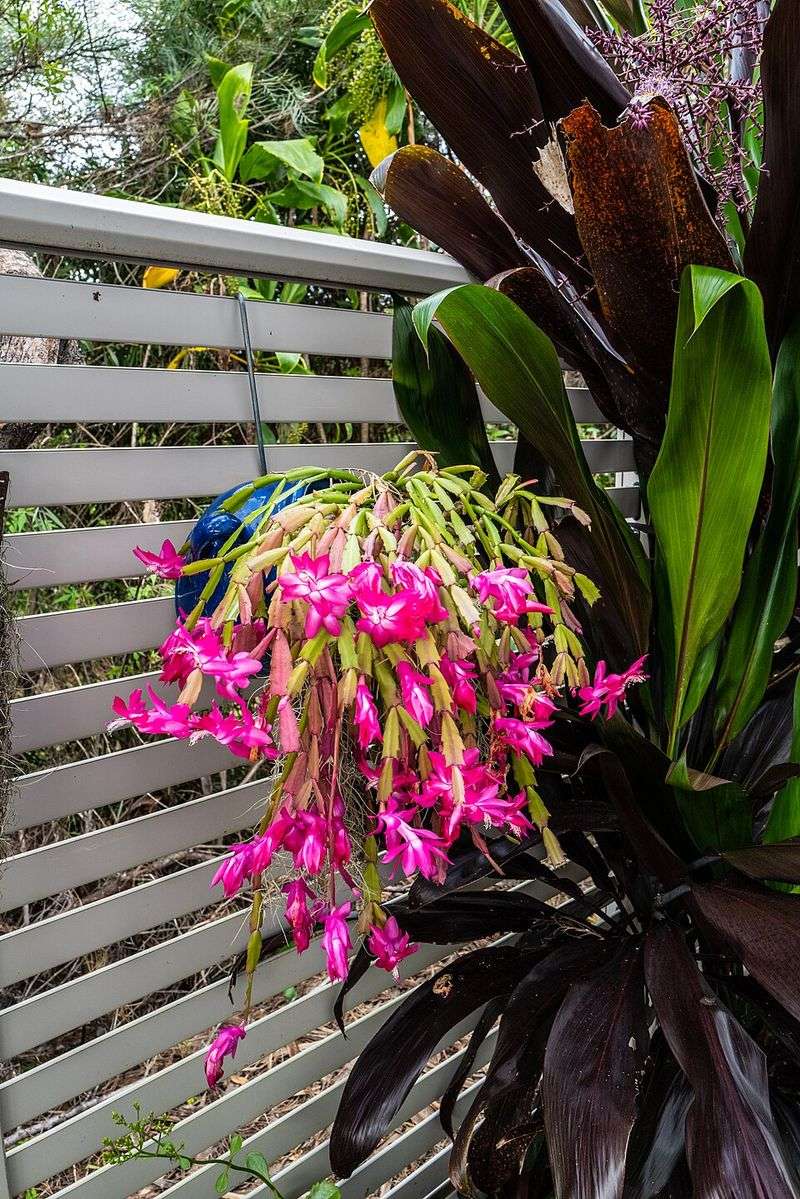
When your Christmas cactus originally lived in Brazilian rainforests, it enjoyed moisture levels that Florida summers actually deliver naturally.
These plants thrive when the air around them stays reasonably humid, which can be challenging once you crank up the air conditioning.
Dry air stresses the plant and can cause buds to drop right before they open, total heartbreak.
Setting your pot on a tray filled with pebbles and water creates a mini humidity zone as the water evaporates upward.
Just make sure the pot sits on the pebbles, not directly in the water.
Running a humidifier nearby also works beautifully, especially during winter when indoor heating systems suck moisture from the air.
Grouping several plants together creates a little microclimate where they all benefit from each other’s transpiration.
Your Christmas cactus will reward your humidity efforts with plumper leaves and more reliable blooming.
Keep Temperatures Steady
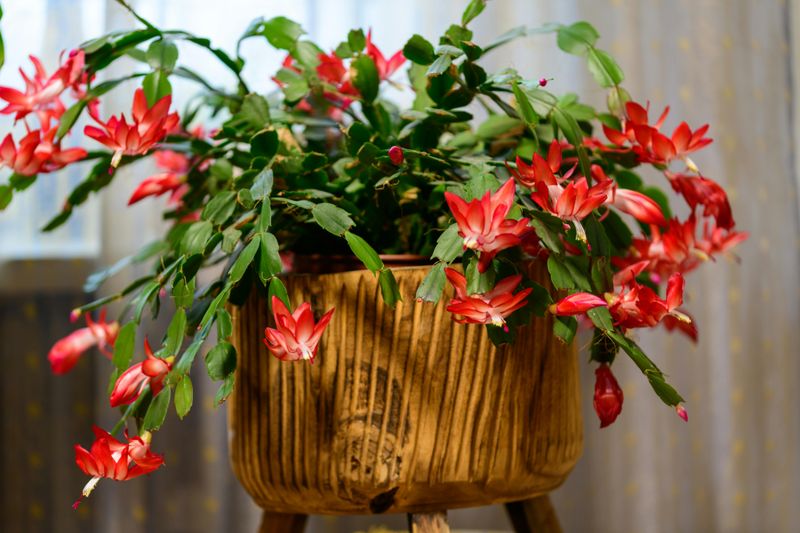
Are you constantly moving your plant around or keeping it near temperature trouble spots?
Christmas cacti absolutely despise sudden temperature swings, and Florida homes can be sneaky culprits with aggressive AC units and heating vents.
When temperatures bounce around wildly, buds often drop off before opening, a phenomenon that’ll make any plant parent want to cry.
Keep your cactus away from air conditioning vents, heating registers, drafty windows, and exterior doors where temperature shifts happen frequently.
Find a spot where conditions stay relatively consistent throughout the day and night.
Even moving the plant from one room to another during its budding phase can cause problems, so once you’ve found the perfect location, commit to it.
Stability is what these plants crave during their blooming period.
Think of your Christmas cactus as a creature of habit that really doesn’t appreciate surprises.
Practice Serious Patience

However much you want instant gratification, your Christmas cactus operates on its own sweet timeline.
From the moment you start the darkness treatment to when flowers finally open can take anywhere from six to eight weeks, sometimes longer.
Buds form slowly, starting as tiny nubs that gradually swell and develop color.
The absolute worst thing you can do once buds appear is move the plant to show it off or find better lighting.
Even rotating the pot can cause bud drop, leaving you with nothing but disappointment.
Resist the urge to fuss, adjust, or relocate your cactus during this critical period.
Water it gently, maintain consistent conditions, and basically leave it alone to do its thing.
When those flowers finally burst open in shades of pink, red, white, or purple, you’ll understand why the wait was absolutely worth every patient moment.