How Louisiana Is Setting The Pace For Cultural And Culinary Travel In 2026
Louisiana has always offered more than a place to visit.
It offers a feeling, one rooted in music drifting down city streets, recipes passed through generations, and communities that invite visitors to participate rather than just observe.
In 2026, that sense of connection is becoming the centerpiece of how people experience the state.
Travelers are no longer satisfied with checking landmarks off a list.
They want to eat where locals eat, learn the stories behind the food, and understand the culture beyond the surface. Louisiana is leaning into that shift in a way few places can.
From neighborhood kitchens and regional festivals to hands-on cultural experiences, the state is creating travel moments that feel personal and meaningful.
Food plays a major role, but it’s never just about what’s on the plate. It’s about who’s cooking, where ingredients come from, and how meals bring people together.
Cultural traditions are being shared more intentionally, inviting visitors to listen, learn, and participate respectfully.
This evolution isn’t about reinventing Louisiana, though. It’s about letting its culture lead the way.
With a 10-year community-centered plan in New Orleans and many cannot-miss events, the Bayou State is showing travelers that the most memorable trips come from connection, flavor, and authenticity woven together naturally.
Stay curious, because what is cooking here is bigger than a meal and richer than a single festival weekend!
1. New Orleans 10-Year Community-First Tourism Plan
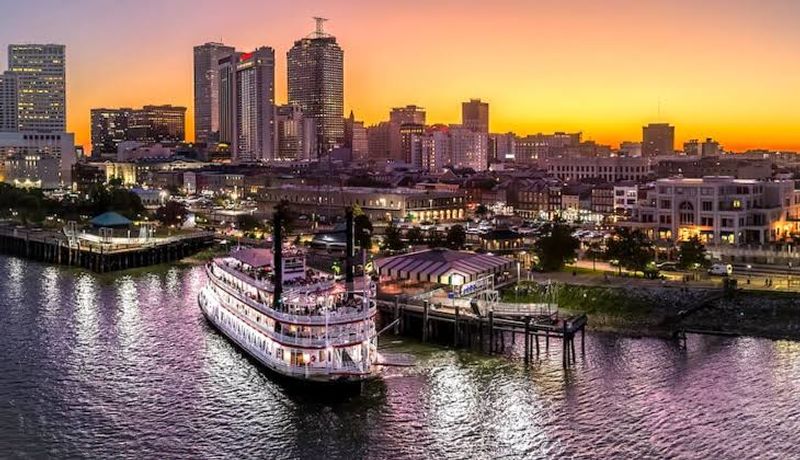
You want a trip that actually supports the people who make a place special?
The New Orleans & Company’s plan flips the script by centering neighborhood health, regional connectivity, and cultural preservation so your visit lifts communities while you explore.
Think better transit between districts, storytelling that spotlights tradition bearers, and visitor experiences shaped with residents at the table.
In practice, that means itineraries guiding you beyond the usual blocks to meet culture keepers, taste family recipes, and learn how your dollars circulate locally.
The plan aims to diversify opportunities for small businesses, invest in workforce pathways, and protect the rhythms that make the city feel like no other.
You get authenticity without extraction, and locals get partners instead of passersby.
Expect nuanced guides, neighborhood markets featured on official maps, and programming co produced with artists and chefs.
When you step into 2026, your choices map to community outcomes, not just convenience.
You can still chase second line joy and festival sparkle, but now the story includes the people who wrote the music.
That is how a destination grows without losing its soul.
2. MICHELIN Guide American South Debut
Louisiana joining the MICHELIN Guide American South has signalled a new era where bayous meet global acclaim.
We’re talking about curated roadmap to excellence that still tastes like home, from meticulous tasting menus to counter service spots with technique hiding in plain sight.
The partnership invites you to compare classic comfort with refined artistry, then decide what delicious means to you.
Expect inspectors to highlight craft, consistency, and ingredient integrity while honoring regional character.
That can push kitchens to document recipes, mentor emerging cooks, and source more transparently.
As a traveler, you gain clarity: bookmarked addresses, mapped neighborhoods, and standards that illuminate the depth behind familiar flavors.
The best part is the ripple effect.
Small towns on culinary trails can now anchor trips beside marquee New Orleans dining rooms, raising the tide for farmers, fishers, and food makers statewide.
You can plan a week that balances white tablecloth finesse with a steaming bowl that tastes like somebody’s grandmother.
Prestige meets porch talk, and your itinerary benefits from both.
3. Southern Palette Experience In Baton Rouge
Circle March 21, 2026!
Why?
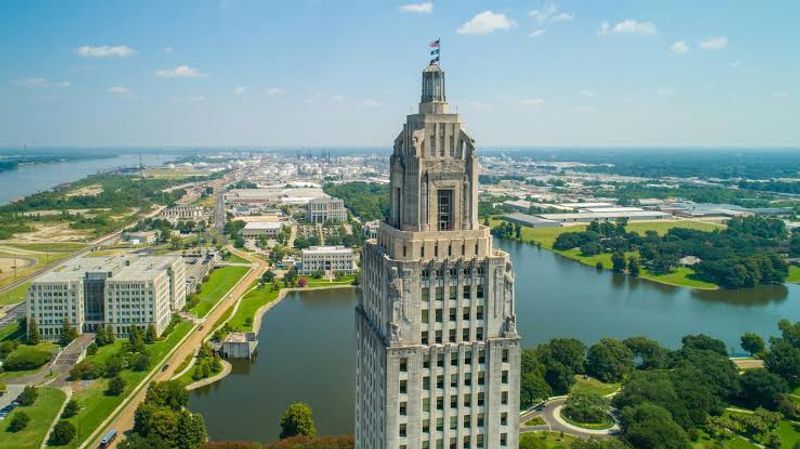
Because Baton Rouge is launching the Southern Palette Experience, a festival built to showcase award winning chefs and rising talents across the South.
You’ll be able to wander from chef-led tastings to technique demos, then drift into cultural programming that explains why a dish carries memory, migration, and meaning.
What sets this apart is curation!
Organizers have promised a mix of household names and new voices, so you discover tomorrow’s favorite before everyone else.
You could expect seasonality to drive plates, with Gulf seafood, Louisiana rice, and peak produce starring in tested recipes you can actually recreate back home.
Beyond the bites, you will find workshops on sourcing, heritage crops, and culinary storytelling.
The day should flow much like a narrative, linking flavors to place without feeling like homework.
Baton Rouge’s riverfront energy and easy logistics make it a friendly hub, whether you are road tripping in or hopping from New Orleans.
4. Hosting The Americas Selections Of The Pastry World Cup And Bocuse D’Or
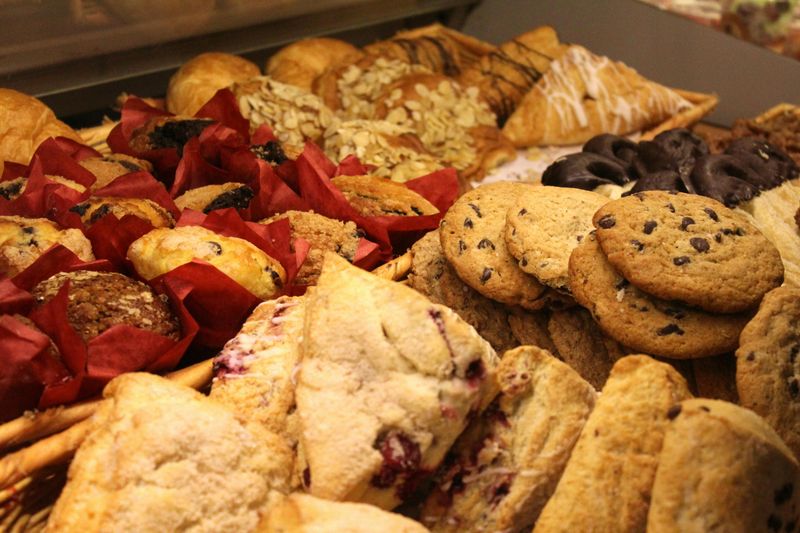
New Orleans is set to host the Americas Selections Of The Pastry World Cup and the Bocuse D’Or on July 25 to 26, 2026, respectively.
You’ll be able to watch elite teams sprint through intricate timelines, turning sugar into sculpture and ideas into plates that read like poetry.
It’s all envisioned to be a master class in precision, storytelling, and regional identity under pressure!
As a traveler, you get rare access to technique usually hidden behind kitchen doors.
Stroll the show floor to catch chocolate tempering, molded pralines, and savory builds assembled with surgical calm.
Between heats, explore booths featuring Louisiana producers, culinary schools, and innovation labs that connect tradition to future trends.
The competitions bring the hemisphere’s top talent to a city that knows how to host without losing warmth.
You’ll leave with a deeper understanding of why skills matter and how local ingredients can shine at world level.
The showcase format lets you root for teams, learn a trick or two, and plan your own kitchen experiments the minute you get home.
5. Culinary Trails Program Goes Statewide 2.0
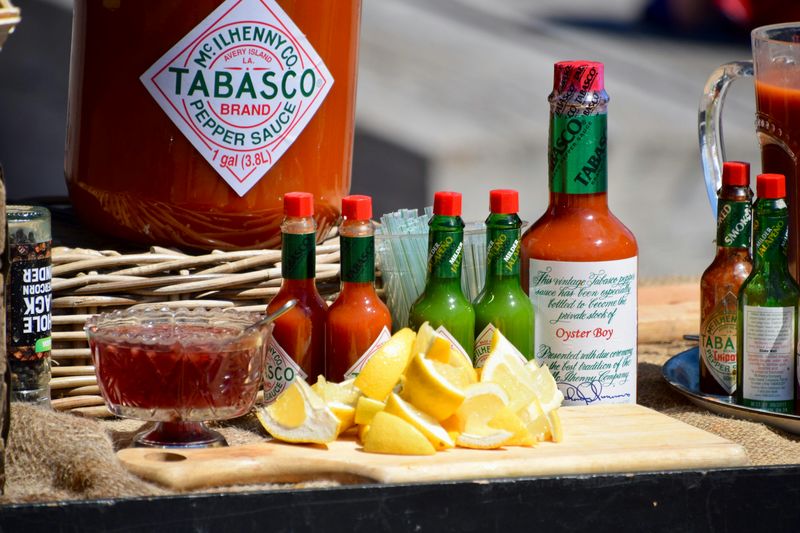
The Louisiana Culinary Trails program is leveling up with a refreshed guide, PR push, and social storytelling designed for 2025 into 2026.
You can build a choose your own adventure road trip that links parish specialties, from coastal seafood hubs to rice country comfort and prairie spice.
The updated recipe guide is to bring chef-tested dishes into your kitchen, so the trip will keep going after the drive.
On the road, expect clearer wayfinding, more bilingual resources, and itineraries aligned with seasonal harvests and festivals.
Small businesses will get the spotlight, while travelers will get routes that balance miles with meaning.
You won’t just be passing through town square, though.
You’ll be stopping for pralines, boudin, and a conversation that turns into a memory!
Because the program invites local input, the trails should feel lived-in rather than staged.
You can time a detour for a market morning, then grab a reservation at a new culinary star flagged by the regional press.
The result is a trip that feels personal and proudly local, with every exit promising a new favorite.
6. Afterglow Of The Year Of Food
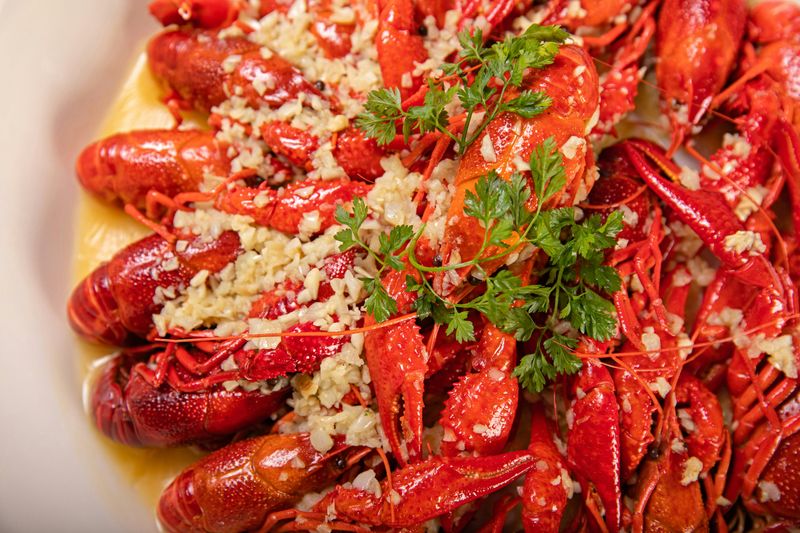
Louisiana’s 2025 Year Of Food set a big table and invited the world to sit down.
You might have seen the campaign on your feed or at a festival where Louisiana chefs told stories as compelling as their plates.
In 2026, the afterglow becomes momentum, with refined messaging and new partnerships that keep culinary curiosity burning.
For you, that means clearer pathways from inspiration to itinerary.
Ads become guides that link directly to bookable experiences, and pop up showcases lead to full blown weekends.
The state has learned which stories resonate, so expect more behind the scenes content and recipe drops that honor tradition without freezing it in time.
Because the campaign was everywhere, destinations large and small gained visibility this year.
Now they are ready with tours, classes, and markets when you arrive.
You’ll get a trip that feels like a sequel worth savoring.
The plot continues, the flavors deepen, and you are a returning character who already knows where to start.
7. Neighborhood-First Storytelling And Cultural Preservation
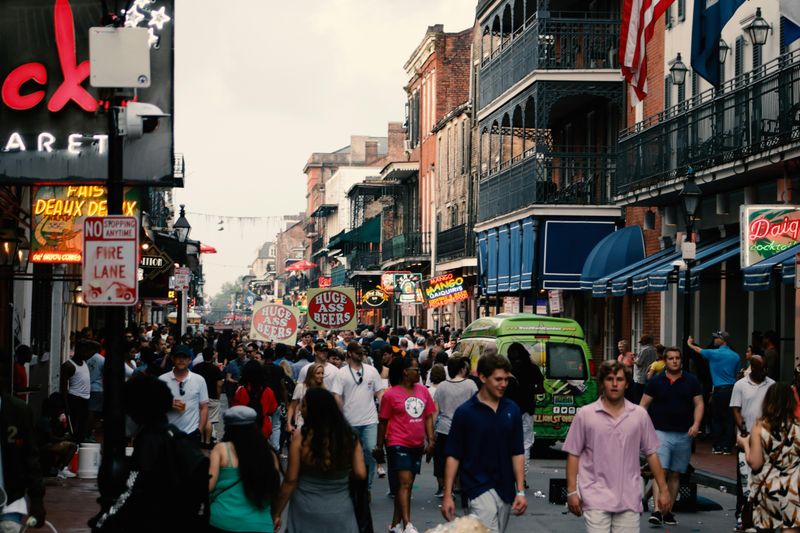
Preservation is not a museum label here.
It is a living practice that invites you into kitchens, studios, and rehearsal halls.
Guided by the new strategy in New Orleans and echoed statewide, storytelling efforts will match you with culture bearers who can teach, not just perform.
You might book a drum workshop, a spice blending session, or a quilting lesson where each stitch maps a journey.
This approach resists flattening culture into souvenirs. Instead, programs emphasize context, credit, and fair pay.
You’d get to learn how traditions travel across generations, why certain dishes taste like home, and how communities keep creativity alive through change.
The result is a trip that lingers.
You’d return with skills, recipes, and a better sense of how to be a thoughtful guest.
The people you meet will shape your itinerary and your understanding.
That is cultural travel redesigned with care.
8. Regional Connectivity That Makes Exploring Easier
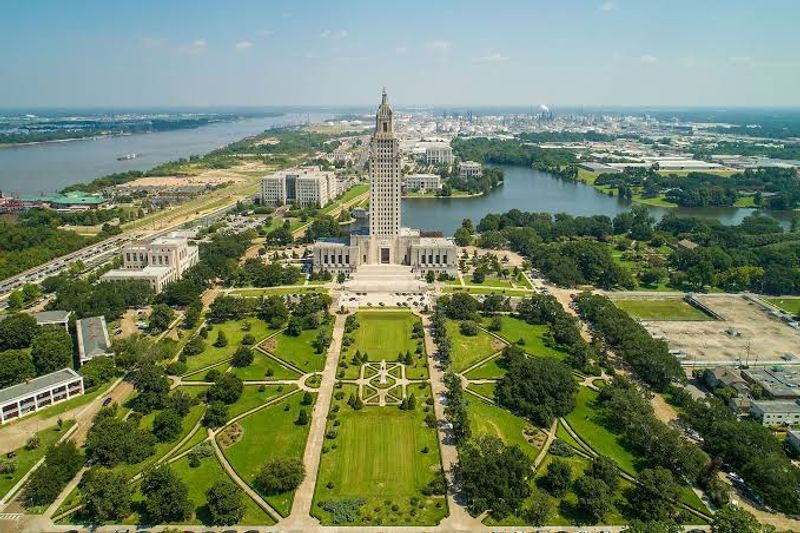
Great food is only great travel if you can reach it easily.
Louisiana’s planning push emphasizes better connections between districts and towns, so you spend less time routing and more time tasting.
Expect clearer signage, visitor hubs with multilingual help, and transit links that make it simple to hop from museum to market to dinner.
For you, this unlocks multi stop days without stress.
You can ride a streetcar, walk historic blocks, then catch regional options to explore neighboring parishes.
Even if you prefer to drive, improved wayfinding and parking guidance keep momentum on your side.
This is not about sleek maps for their own sake.
It is about knitting experiences into a day that feels effortless and safe.
When movement flows, curiosity grows, and a single reservation becomes a chain of discoveries.
You arrive calm, not rushed, which makes every bite taste better.
9. Food Education From Kitchen To Classroom
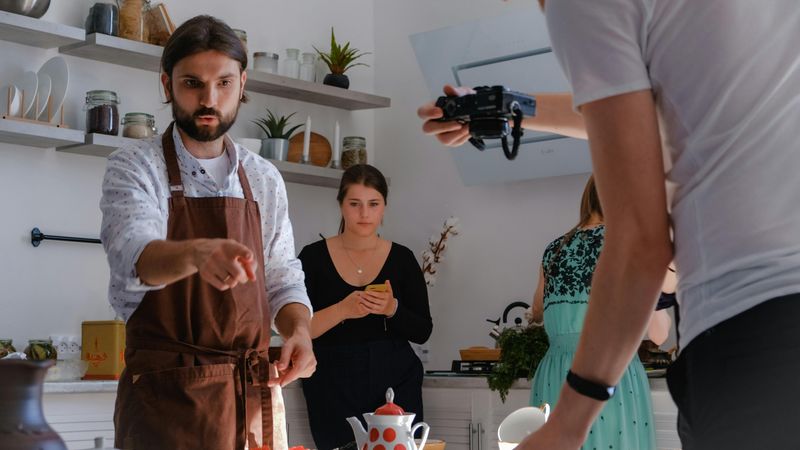
Louisiana is investing in food education that welcomes travelers into the process.
You can sign up for short classes led by chefs, market vendors, and culture keepers who translate techniques into approachable steps.
Knife skills meet gumbo science, and you leave with confidence rather than just photos.
These offerings align with festivals and culinary trails, so learning fits naturally into your trip.
You can expect topics like rice milling heritage, Gulf sourcing, spice history, and pastry fundamentals timed around marquee events.
Classes spotlight local producers and ethical buying, connecting taste to stewardship.
Education becomes a souvenir you will actually use!
The next time you stir a roux or steam seafood, you can hear the instructor’s voice guiding your timing
This is how a destination turns guests into cooks, and meals into bridges back to the place.
You’ll return home with skills that keep the memories warm.
10. Small Business Spotlights And Market Culture
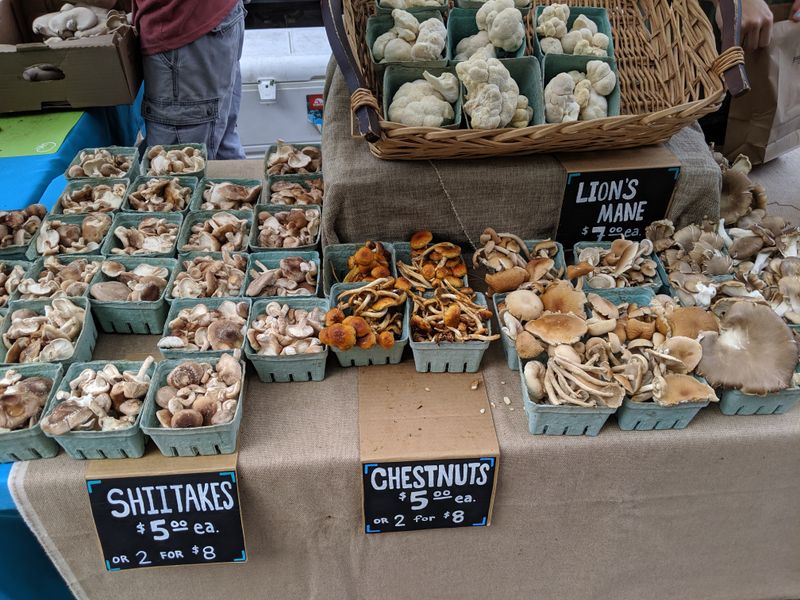
Markets are where you taste a place in real time.
Louisiana is amplifying market culture by giving small businesses more tools to shine, from digital listings to collaborative pop ups linked to bigger events.
You get a single stop where breakfast, souvenirs, and neighborhood history live under one roof or along a lively street.
Expect clearer hours, vendor maps, and thematic market days that tell a story through what is in season.
If you love meeting makers, plan to linger.
Conversations often lead to tips you would never find in a brochure and can reroute your entire afternoon for the better.
By centering micro entrepreneurs and family vendors, the experience feels human scale and welcoming.
This won’t be about navigating anonymous aisles!
You will be shaking hands with the person who grew, caught, or crafted the thing you will savor.
That direct line between maker and traveler is the heart of culinary tourism here.
11. Responsible Travel That Tastes Better
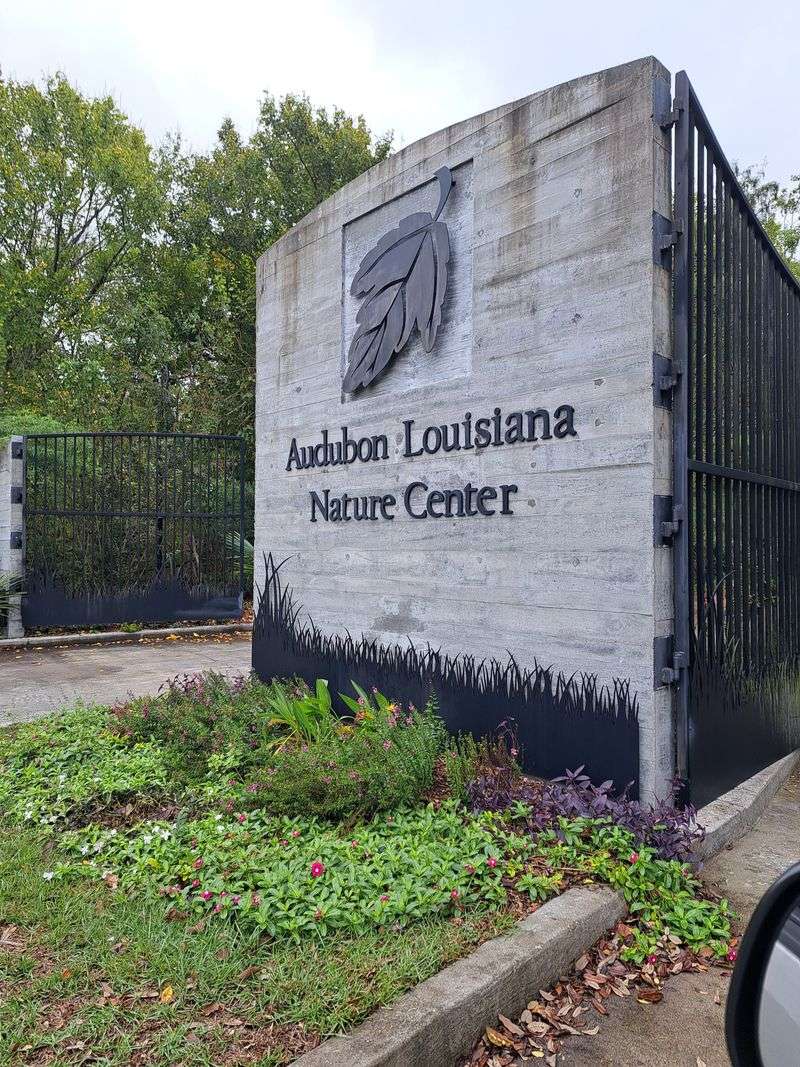
Louisiana’s 2026 playbook links delicious with responsible.
You’ll be given the option to choose experiences that protect wetlands, celebrate heritage, and put your dollars where they sustain communities.
Visitor guides call out low impact options, from walking food tours to producers who prioritize habitat friendly practices.
This is not homework, though!
It is an invitation to travel in a way that deepens joy.
When you learn how a rice field supports birds or how coastal projects protect fisheries, the plate in front of you gains texture and meaning.
Your trip becomes a story of connection.
As more partners adopt these standards, you will notice small but important shifts.
Reusable serviceware at events, composting at venues, and menus that explain sourcing in plain language.
You get transparency without guilt and flavor without compromise.
The future of travel here tastes like care, and you are part of making it possible.