Hundreds Of Rescued Animals Wait For New Homes At This Nebraska Humane Society
You walk in planning to just look, and that plan falls apart in about four minutes. Somewhere in Nebraska, behind a plain front door on a busy road, hundreds of cats and dogs are waiting for someone to notice them.
The place is bigger, cleaner, and more cheerful than most people expect from an animal shelter. It is also a spot where a quiet afternoon can end with a new roommate riding home in a cardboard carrier.
A Big Shelter on Fort Street in Omaha
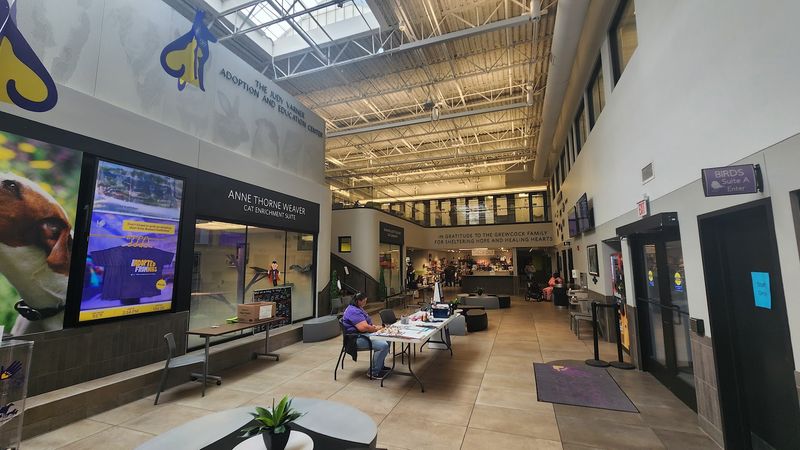
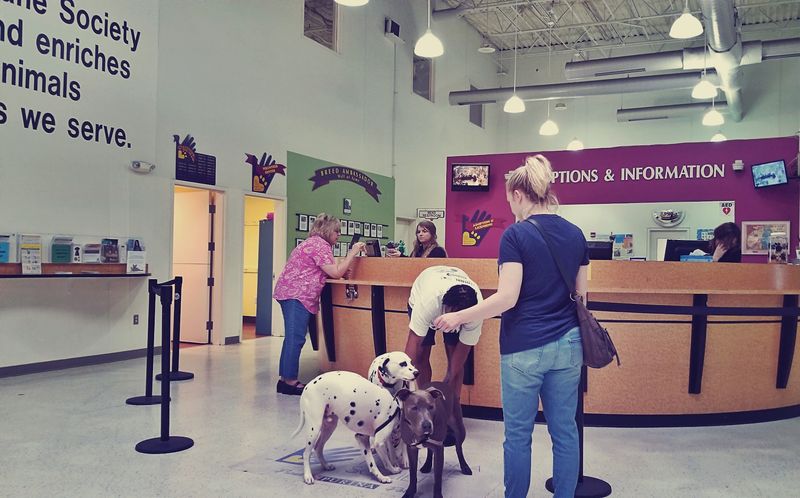
Traffic hums along Fort Street in northwest Omaha, and most drivers zip right past the Nebraska Humane Society without a second glance. That is a shame, because the building at 8929 Fort Street holds one of the largest collections of adoptable animals in the state.
The shelter works as a full animal services hub. Adoptions are the main event, yet the same roof covers lost and found pets, pet licensing, a spay and neuter clinic, training classes, a retail store, and memorial services for families saying goodbye to a longtime companion.
Why does that matter for a casual visitor? Because the lobby is always moving.
On any given afternoon, one family might be picking up a newly adopted kitten while another is filling out a license form and a third is reuniting with a runaway dog.
For anyone who grew up in Omaha, the Fort Street location is probably familiar, even if you only drove past on the way to somewhere else. Plenty of family pets across the metro started their story right here.
Stepping inside finally connects the building to all those names on dog tags and cat collars around town.
Hundreds of Animals Under One Very Clean Roof
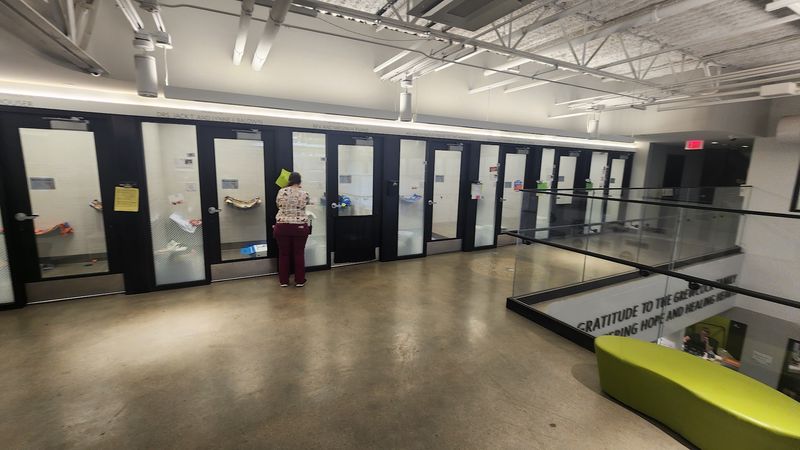
Hundreds. According to the shelter team, that is the number of animals living at the facility at any given time.
Picture a small town where every resident has whiskers, a tail, or both.
Keeping that many animals healthy takes serious effort, and the shelter treats cleanliness as a top priority. Kennels get cleaned daily, water bowls stay filled, and the halls smell far fresher than you might brace for.
In a written reply, the shelter explained that the constant scrubbing is there to slow the spread of easily passed illnesses like upper respiratory infections and kennel cough.
A few animals do arrive with sniffles, since many come in as strays straight off the street. One recent arrival showed up covered in fleas and mud, with an ear cyst that staff treated before he found a family.
The setup itself feels organized rather than chaotic. Animals are grouped sensibly, each kennel carries an information card, and staff move through with a steady rhythm.
For a building holding so many lives at once, the calm is impressive and a little surprising.
Where the Cats Hold Court
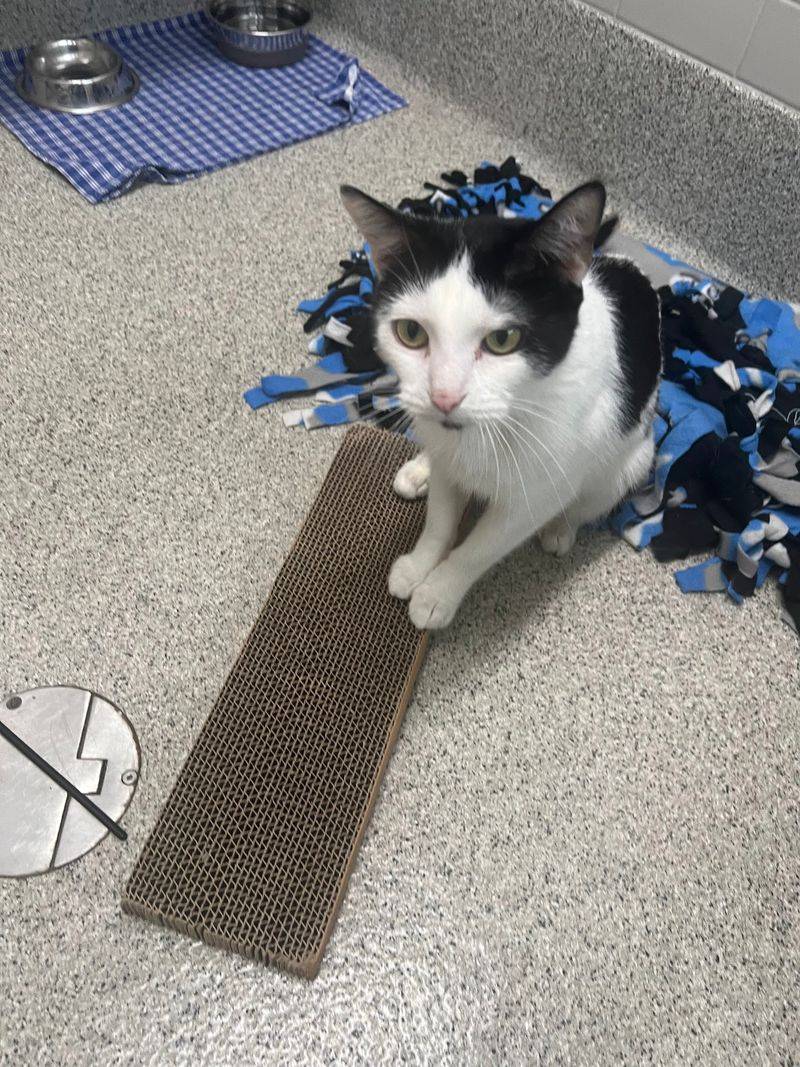
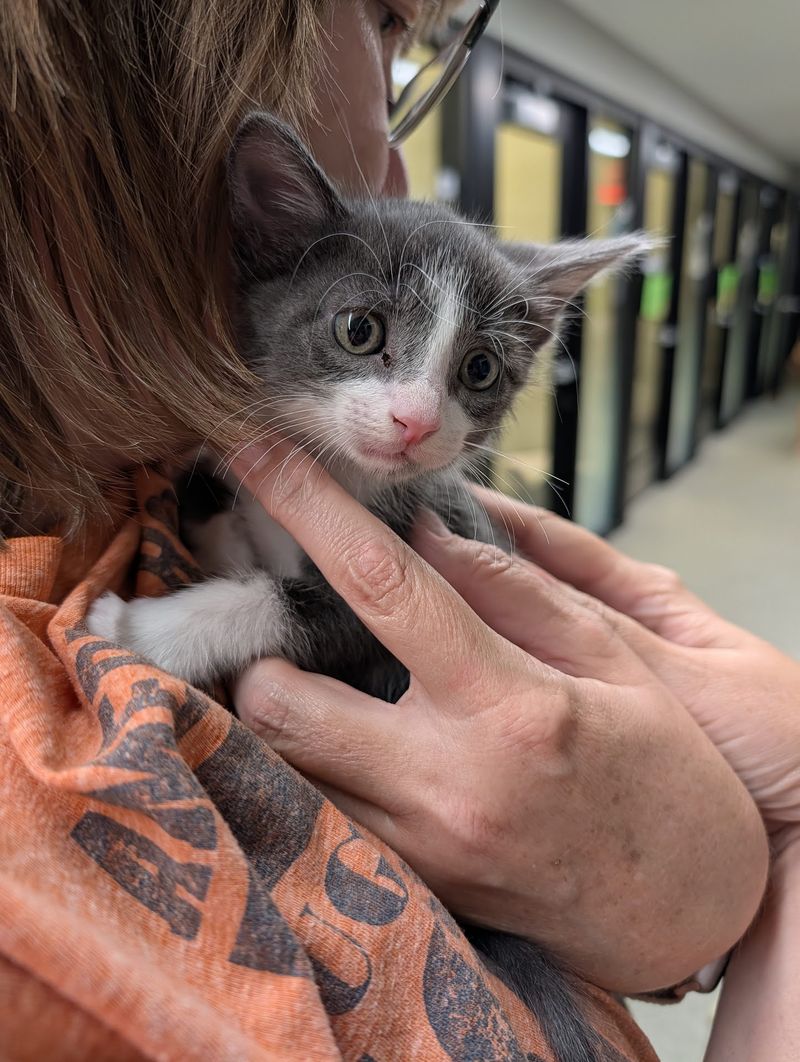
A gray tabby stretches across a carpeted shelf, one paw dangling, completely unbothered by the humans peering in. Over by the window, a pair of kittens wrestle like it is a championship match.
Cat adoption is a big part of daily life at the Nebraska Humane Society, and the feline side of the building can easily swallow an hour. The variety is wide: shy seniors, bold young adults, lap-seeking snugglers, and curious explorers who want to inspect your shoelaces.
Cats leave the shelter ready for home life. Adoptees go out microchipped and spayed or neutered, and some even get a fresh nail trim before the ride home.
The counselors answer questions about personality and history, which helps when you are torn between two equally fluffy options.
Here is a helpful trick. Fill out the adoption form online before your trip, then arrive near opening time.
Doing so can mean meeting your chosen cat almost immediately instead of waiting in line. Some cats sleep in laps for days after arriving home, then slowly reveal big, playful personalities once they settle in.
Meet Rooms and Matchmaking for Dog Lovers
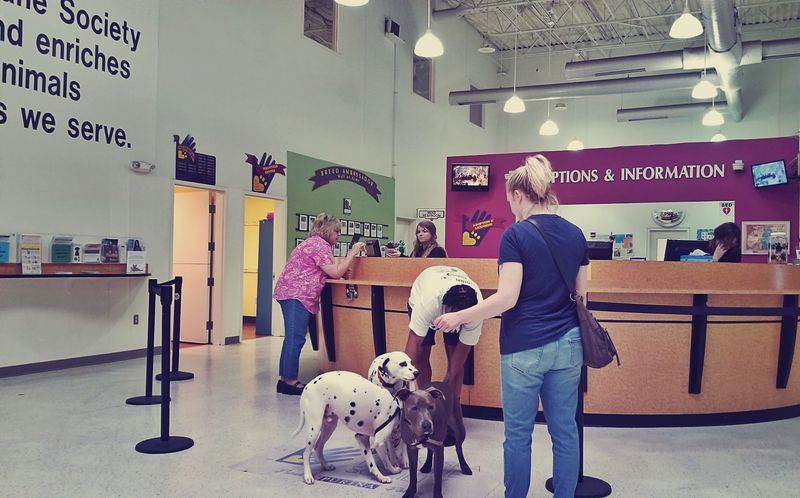
Plenty of people walk in with one dog in mind from the website and leave with a totally different pup. That happens often here, and there is a reason for it.
Dog adoption at the Nebraska Humane Society runs through private meet rooms. After paperwork, staff bring the dog in so you can spend unhurried time together, sometimes within fifteen minutes of arrival.
Counselors pay close attention to fit, weighing energy level, home setup, and other pets before recommending a match.
Size and breed options cover a wide range. Little dogs tend to get adopted quickly, while bully breeds, boxer mixes, and big goofy mutts are regulars in the kennels.
A tip that saves headaches: treat the kennel information cards as a starting point rather than the whole story. Ask the counselor directly about behavior around other dogs, medical history, and anything noted during volunteer walks.
If you live in an apartment full of neighbor dogs, request a careful walk-by before signing anything.
Staff are open about how much or how little is known about each animal. Good questions lead to better matches.
What Comes Bundled with an Adoption
Compare the cost of a shelter adoption to buying a pet elsewhere, and the difference can be eye-opening. Fees at the Nebraska Humane Society stay reasonable, and promotions sometimes drop prices even lower.
The fee is not just a ticket out the door. Adopted animals come with basic veterinary care, a rabies vaccine, and a microchip already in place.
Cats and dogs are also spayed or neutered, which saves a separate trip and bill down the road.
Budget for a few extras, though. Taxes plus any required licensing and registration are separate, and those depend on your home address.
Omaha and surrounding communities each have their own rules.
Checkout is thorough rather than rushed. Expect questions about your home, your schedule, and your plans for the new arrival.
An insurance representative may also offer a pet coverage pitch, and a polite no thank you is perfectly fine.
Right next to the checkout path sits the shelter store, stocked with collars, toys, and supplies. Staff will sometimes walk over with you to help choose the right gear for your new companion.
Lost Pets, Microchips, and Happy Reunions
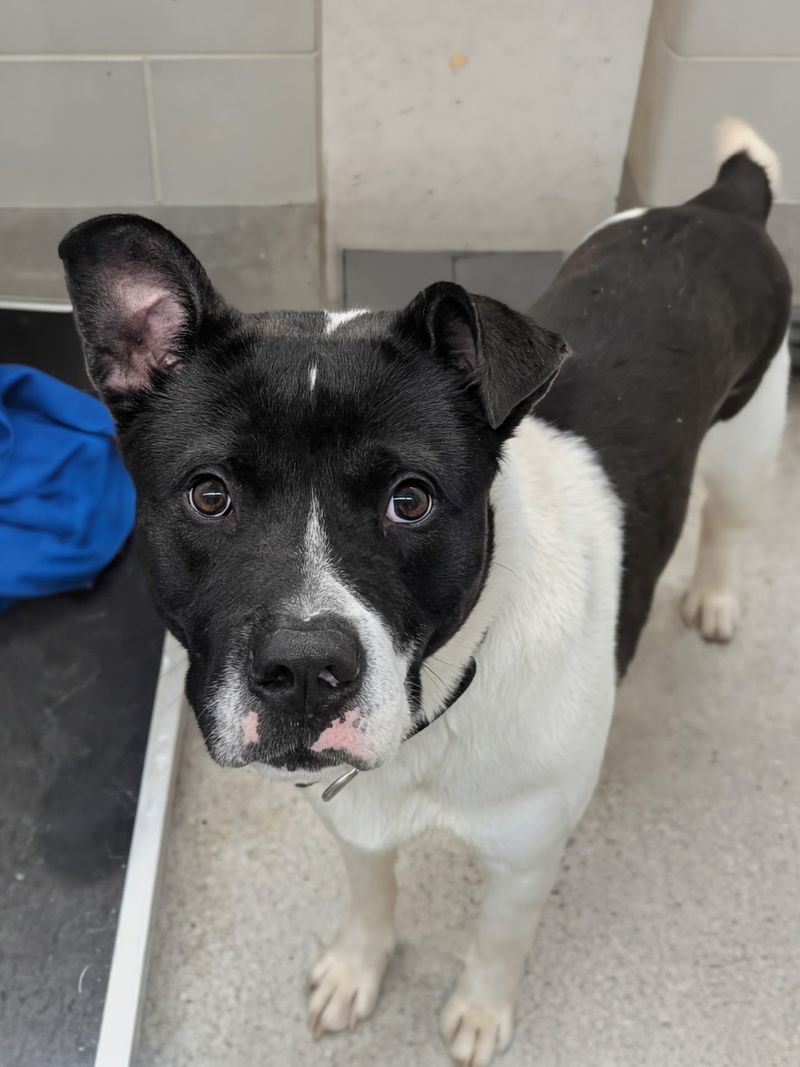
Picture a bully breed named Zues slipping his collar and bolting across a big, unfenced backyard. His family panicked, posted online, and waited.
The happy ending came through a microchip. Because Zues carried a chip registered with the Nebraska Humane Society, one phone call confirmed he was safe at the shelter.
The reclaim fee was even reduced, and the staff treated him with dignity while he waited for his ride home.
Stories like that explain why lost and found is such a busy part of the operation. Stray animals picked up around Omaha land here, and the shelter posts found pets so owners can search.
Some adopters even spot a future pet on the lost and found pages, then wait out the holding period before bringing that animal home.
Missing pet? Call the shelter, but also visit in person and check the listings often, since descriptions and names can get mixed up.
A current microchip with updated contact details remains the single best tool for getting a wandering cat or dog back where it belongs.
Camp Kindness, Training Classes, and Plenty of Helping Hands
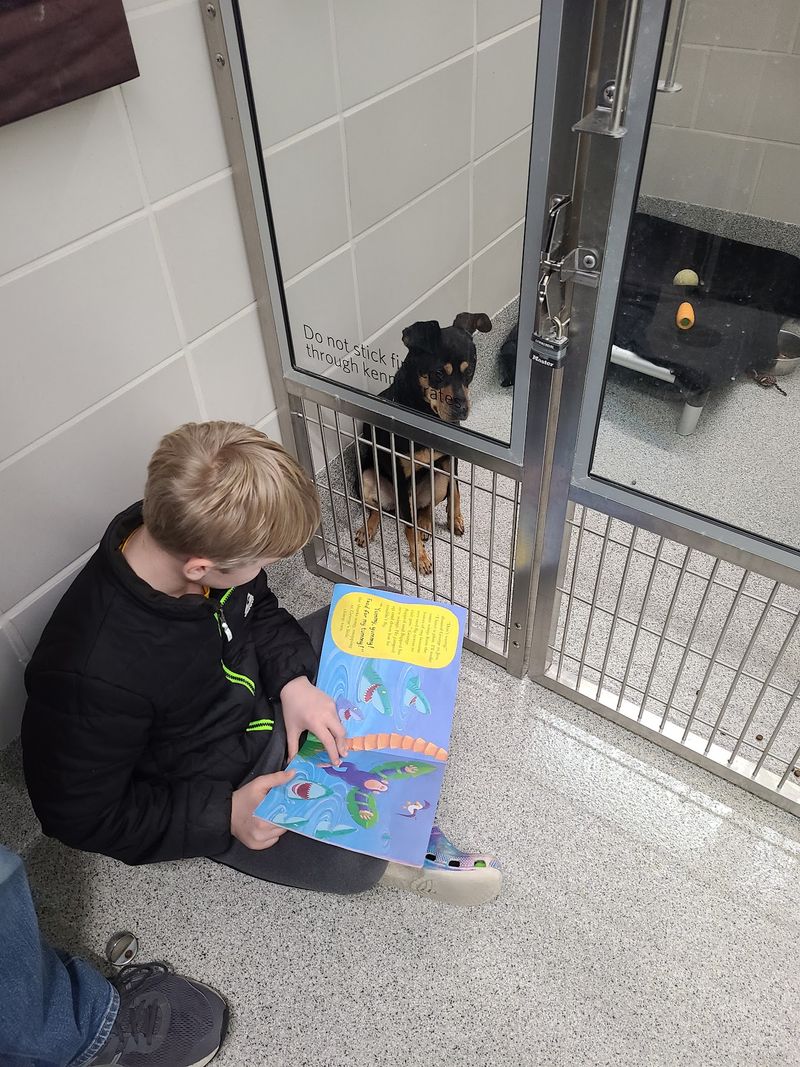
Summer break brings a different crowd to Fort Street: kids in camp shirts, clipboards in hand, learning how a shelter runs. Camp Kindness gives young animal fans a close-up look at the animals and the daily work behind them, and some campers return year after year.
Adults have options too. Training classes help owners handle tricky behavior, including a program called Owly Growly for reactive dogs.
One rescue dog named Henry, who arrived with a rough past, has grown steadily calmer around people and other dogs through that class.
Behind the scenes, volunteers keep the whole place moving. A dog walking program gets kennel residents outside for exercise and fresh air.
A foster program sends animals into temporary homes, which frees up space and gives shy or recovering pets a quieter place to heal.
So, not ready to adopt? Volunteering, fostering, or donating supplies like blankets, pet beds, food, and scratching posts all make a real difference.
The shelter also hosts an alumni page on Facebook, where adopters share updates on their pets.
Planning Your Trip to This Nebraska Shelter
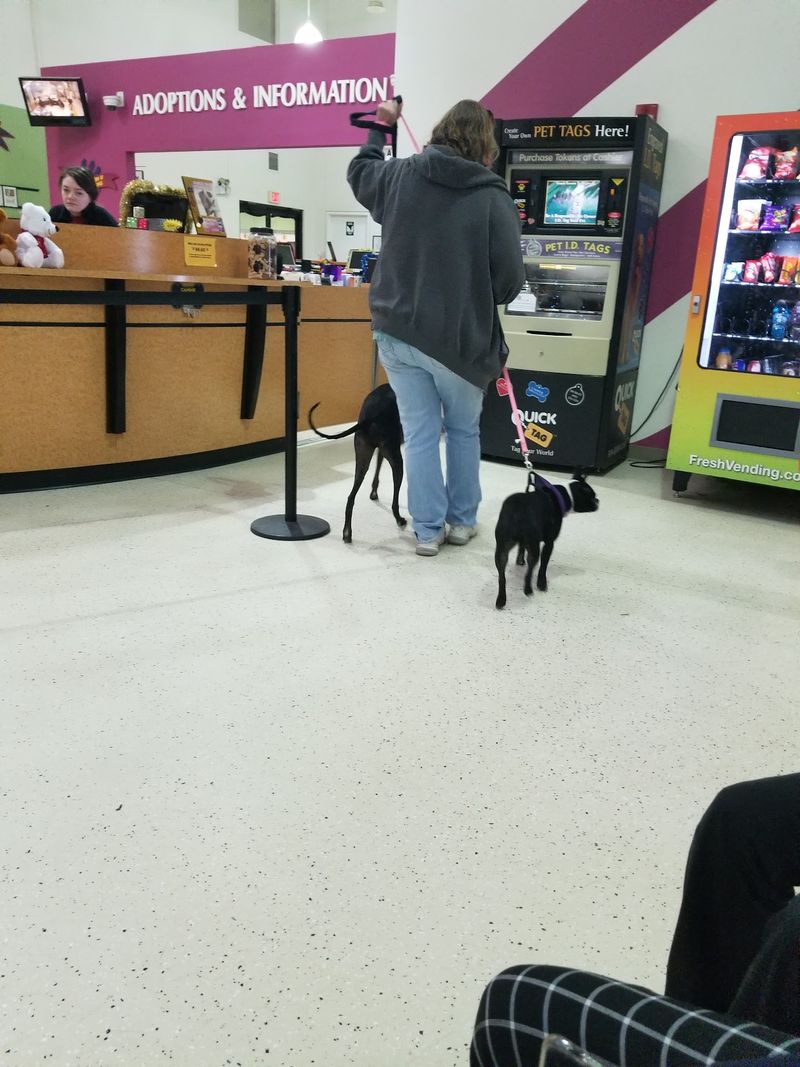
Timing makes a big difference here. The shelter opens around midday on weekdays and stays open into the early evening, while weekend doors open earlier in the morning and close late afternoon.
Weekends and late afternoons tend to be the busiest, and waits can stretch out when the lobby fills up. Arriving near opening time, with your adoption application already completed online, is the easiest way to skip much of that line.
Bring identification and, if you rent, details about your landlord’s pet rules.
Getting there is simple for anyone in the Omaha metro. The building sits on Fort Street in the northwest part of the city, with a parking lot right out front.
Families driving in from Lincoln, Fremont, or smaller towns can make it an easy day trip.
Pack a pet carrier if a cat might come home with you, or a leash and collar for a dog, although the on-site store sells both. Browsing the animals costs nothing.
An afternoon spent visiting the cats and dogs makes a free family outing, even without adopting.
An Afternoon That Might End With a New Best Friend
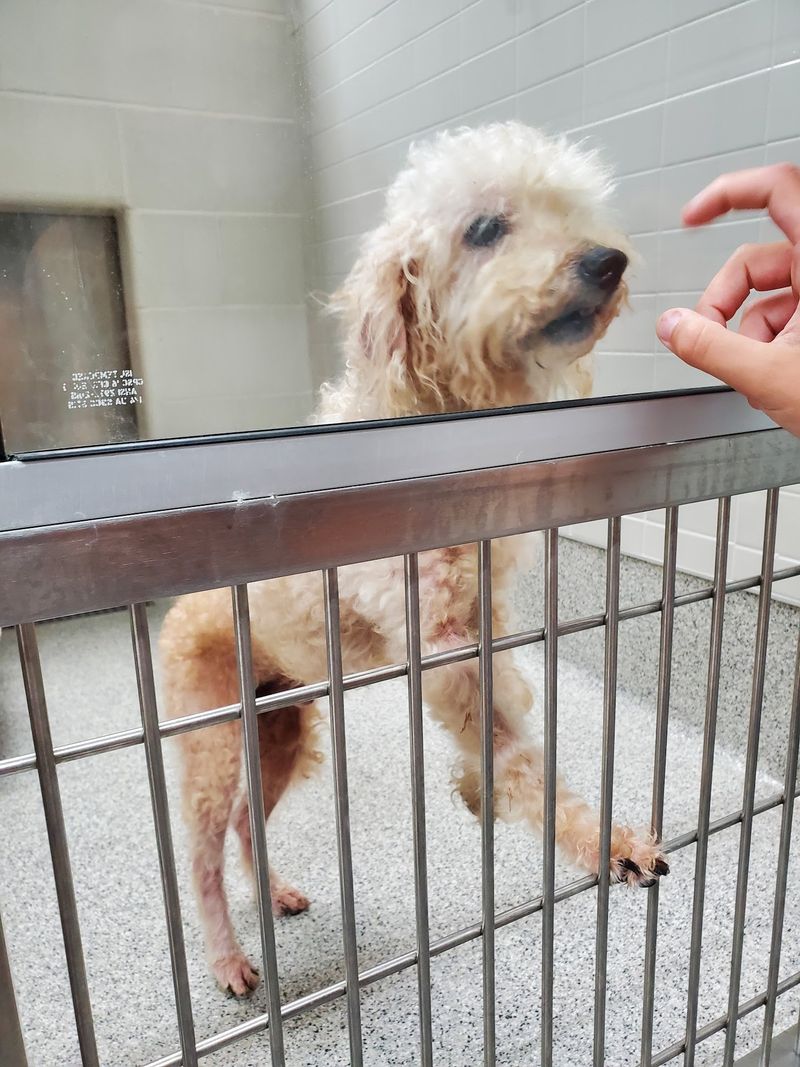
No antique booths line these halls, and nobody is selling vintage glassware. What fills the aisles instead is far more interesting: hundreds of rescued cats and dogs, each with a name, a quirk, and a card on the door explaining a little about who they are.
Families with kids will find a free, lively outing that sneaks in a lesson about caring for animals. First-time adopters get patient counselors and animals that come home already vetted and chipped.
Longtime pet owners mourning a loss will find gentle Rainbow Bridge services and, later, a place to meet someone new when the time feels right.
Is the process perfect every time? Not always, so ask plenty of questions, read the paperwork, and trust your instincts during meet sessions.
Still, the stories that leave this building tend to be good ones. There is Richie, the little dog who fit right in.
There is Miso, once called Green Tea, now playful and curious in her own space. And somewhere in those kennels right now, the next story is waiting for its first chapter.