This Iconic Waffle House Museum In Georgia Is A Must-See For Breakfast Lovers This Spring
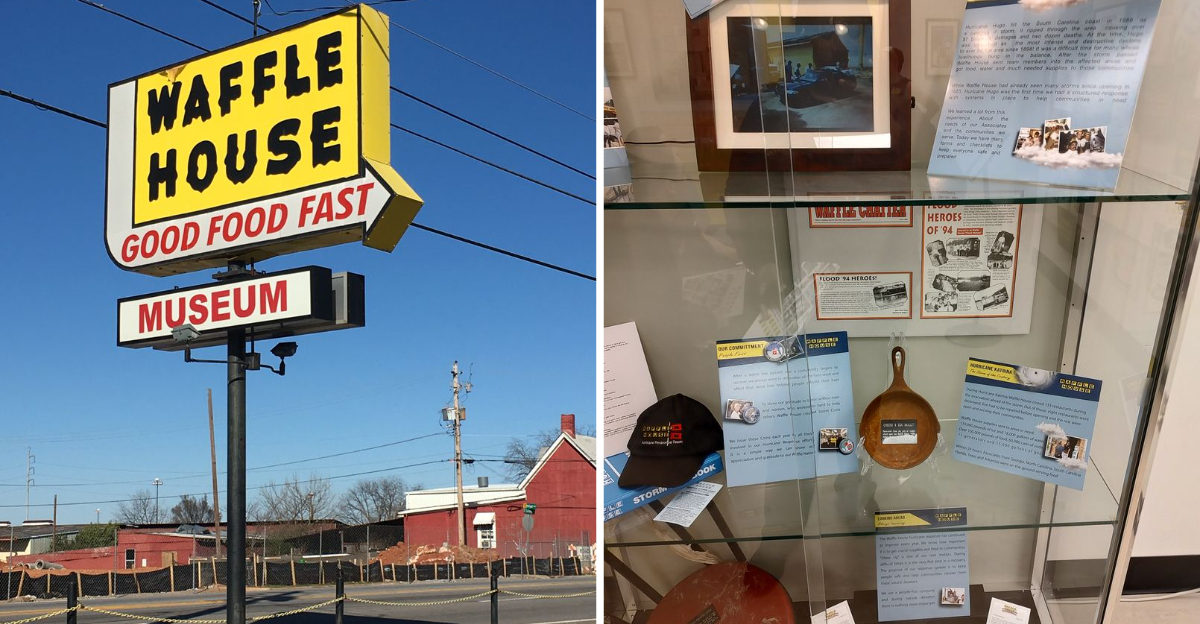
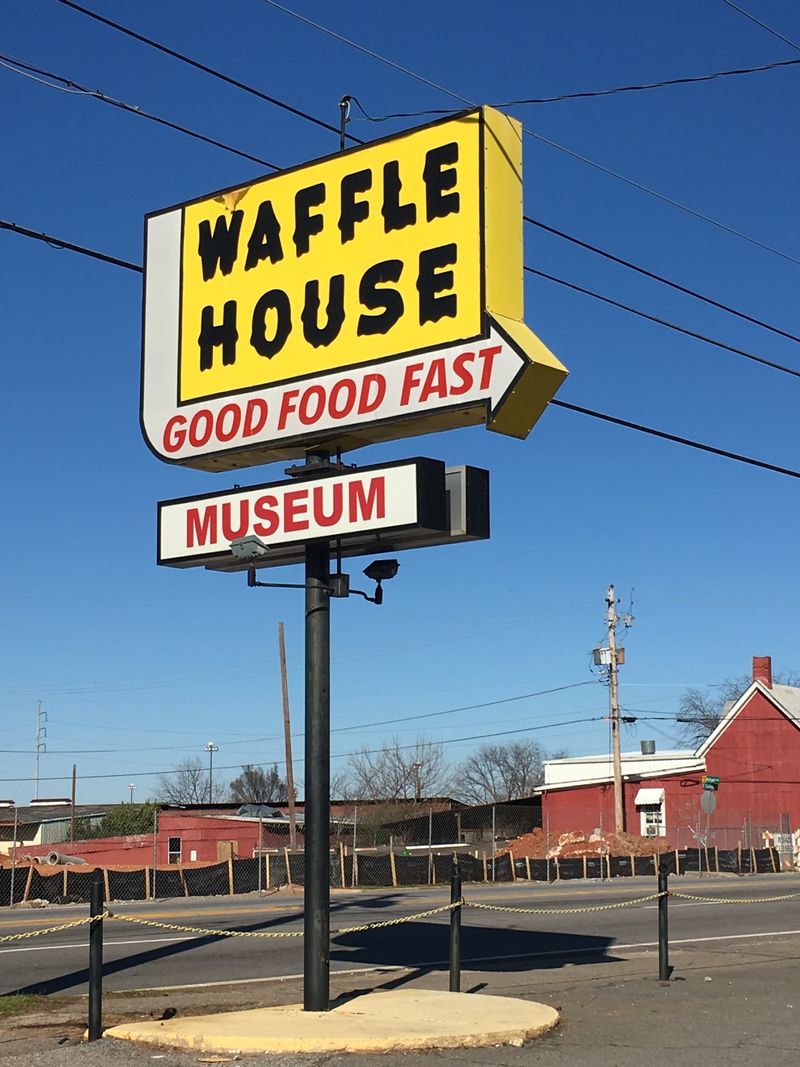
Have you ever wondered where America’s favorite 24 hour breakfast tradition first began? In Decatur, Georgia, the Waffle House Museum offers a nostalgic trip back to 1955, when the very first location opened its doors and introduced a new kind of diner experience. Located at 2719 East College Avenue, this carefully preserved site captures the spirit of the original restaurant in remarkable detail.
Stepping inside feels like entering a time capsule, complete with vintage menus, uniforms, equipment, and décor that reflect the brand’s earliest days. Visitors can explore how the concept grew from a single neighborhood eatery into a nationwide icon known for its round the clock service and famously customizable hash browns. The museum blends history with fun, making it appealing to devoted fans and curious newcomers alike.
It is more than a tribute to a restaurant. It is a celebration of an American dining legacy that continues to thrive today.
1. Original 1955 Location Preserved
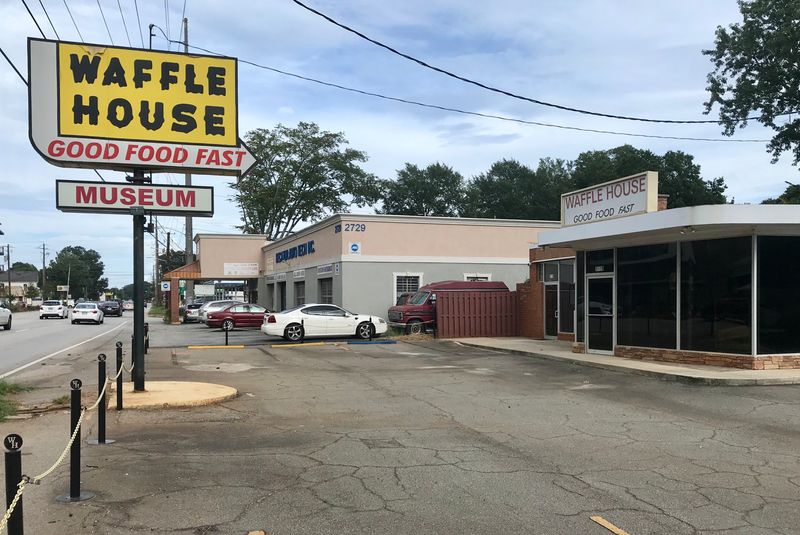
Step into the exact spot where breakfast history began. Walking through the door feels like stepping back nearly 70 years.
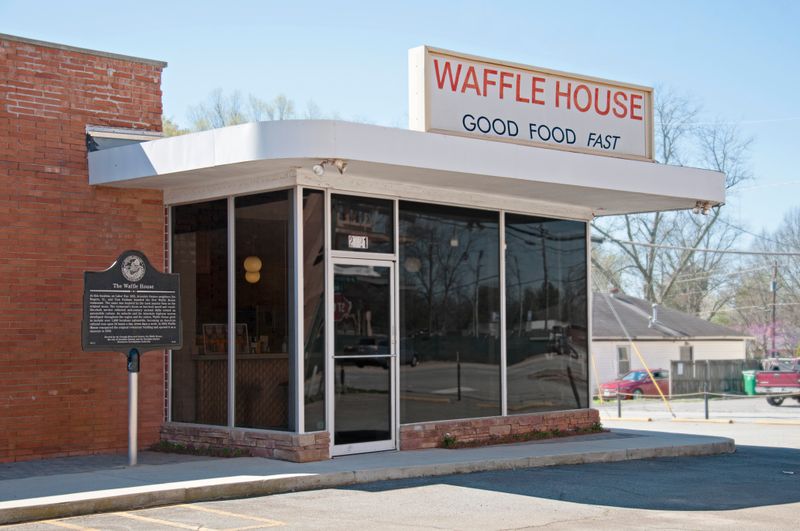
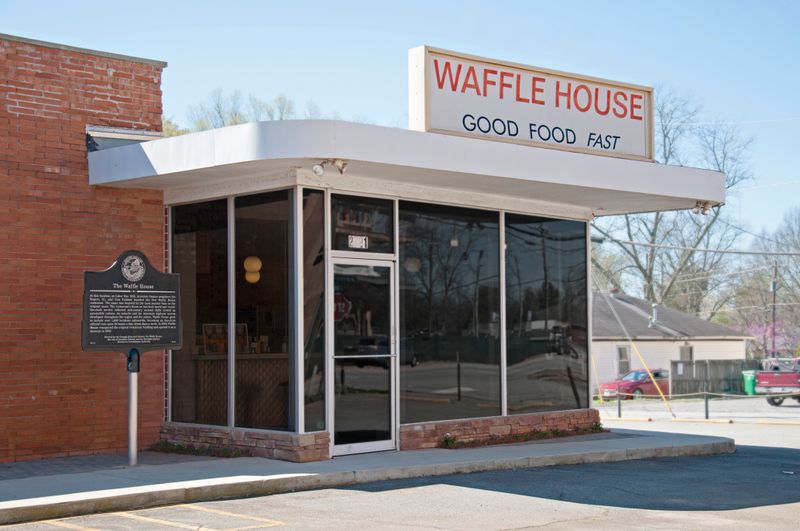
Everything about this place tells a story. The building’s compact size surprises most visitors because modern Waffle House locations are typically larger. You’ll notice the original layout that became the template for thousands of restaurants across America.
I love how they’ve maintained the authentic exterior. The vintage signage and architectural details remain untouched, giving you a genuine sense of what customers experienced in the 1950s. You can actually stand where the very first scattered hash browns were served to hungry customers all those decades ago.
2. Vintage Kitchen Equipment Display
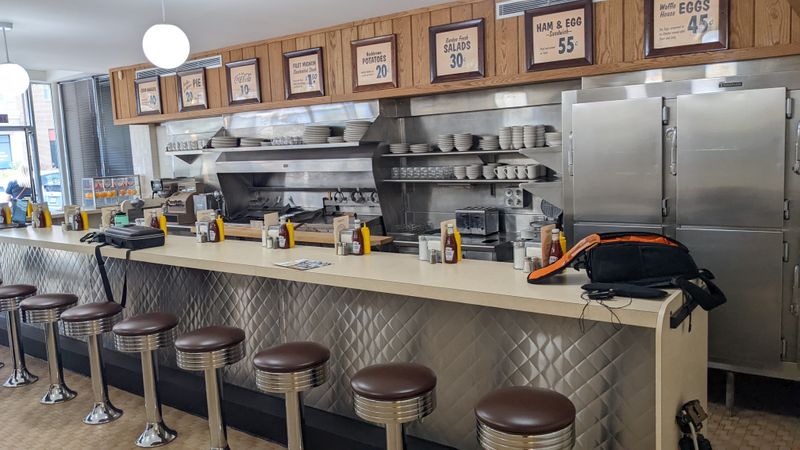
The kitchen equipment takes center stage in this museum. You’ll see the actual waffle irons, griddles, and cooking tools used by the first Waffle House crew. These aren’t replicas they’re the real deal, showing wear marks from decades of service.
Each piece of equipment tells its own story. The griddle where countless hash browns sizzled still bears the patina of use. The vintage waffle iron that gave the restaurant its name sits proudly on display, ready to share its history with every visitor.
What strikes me most is how simple the equipment was. Modern restaurant kitchens are filled with high-tech gadgets, but these basic tools created an empire. You can almost hear the sizzle and smell the coffee brewing when you stand near these historic appliances that fed hungry Americans during the Eisenhower era.
3. Founders’ Personal Memorabilia
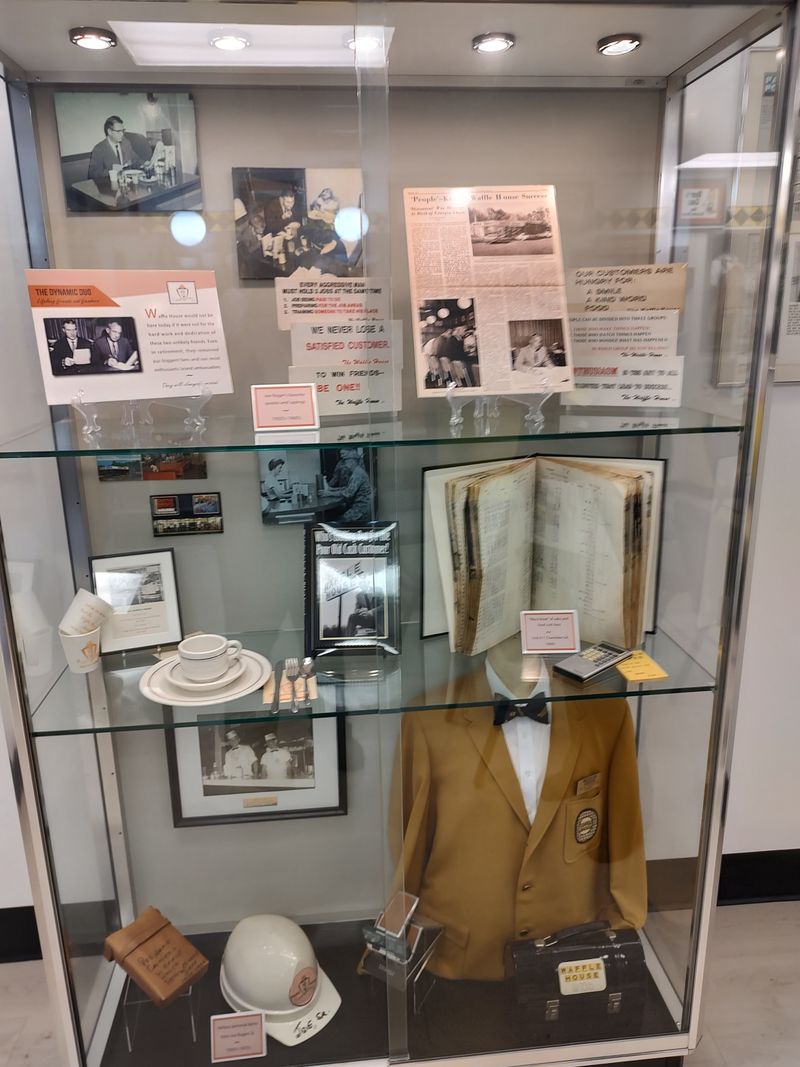
Getting to know Joe Rogers Sr. and Tom Forkner feels personal here. Their photographs, personal letters, and business documents line the walls, revealing the human side of this breakfast empire. You’ll discover they were neighbors who became business partners and lifelong friends.
The collection includes handwritten notes and early business plans. These documents show the challenges they faced and the decisions that shaped the company. Reading their original correspondence gives you insight into their vision and determination during those early years.
I find their story incredibly inspiring. Two regular guys with a dream created something that would touch millions of lives. The memorabilia shows they weren’t just businessmen—they were innovators who cared deeply about quality food and customer service, values that still define Waffle House today.
4. Original Menu Boards and Pricing
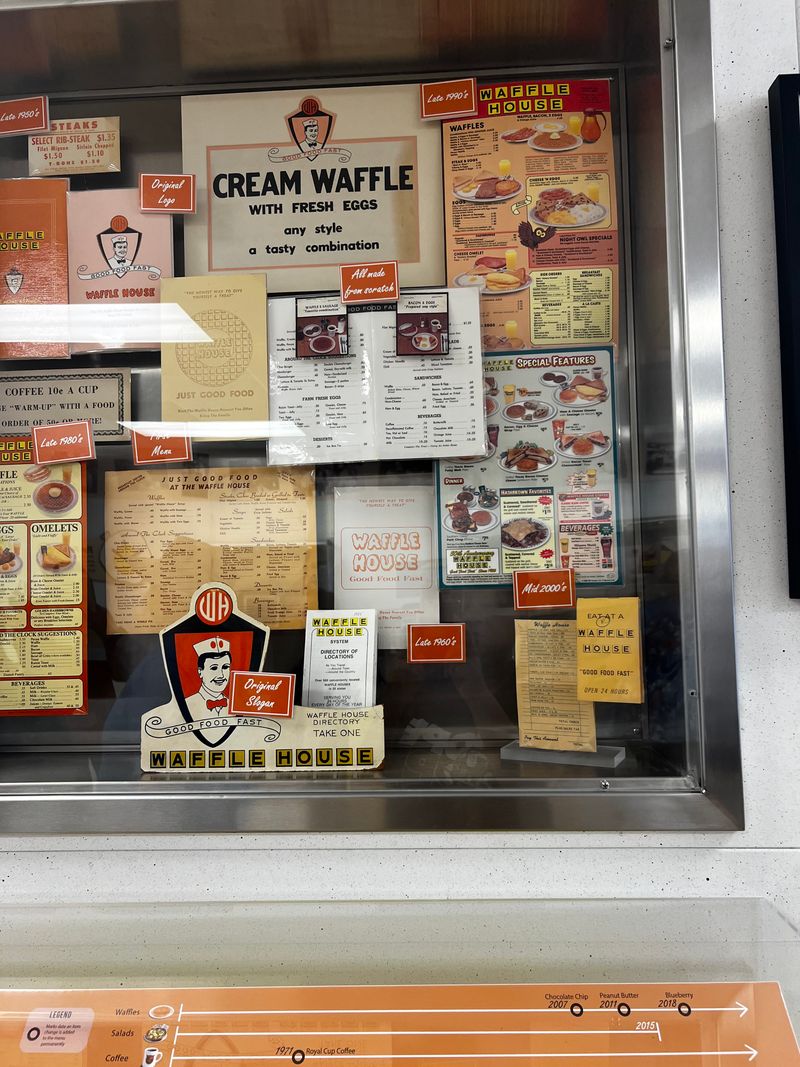
Prepare for sticker shock when you see the original prices. The menu boards display what customers paid in 1955, and you’ll be amazed at how affordable dining out used to be. A complete breakfast cost less than a dollar, making Waffle House accessible to working-class families.
The menu itself was remarkably simple compared to today. You’ll notice fewer items but the same commitment to quality that built the brand. The waffles, hash browns, and coffee that made them famous were already there from day one.
Reading these old menus transports you to a different economic era. I always spend extra time studying the prices and comparing them to modern costs. It’s a fascinating lesson in inflation and American economic history, all displayed on vintage menu boards that still hang in their original spots.
5. Historic Photographs Collection
Hundreds of photographs cover the walls, documenting Waffle House’s growth. You’ll see images of smiling waitresses in period uniforms, construction crews building new locations, and customers enjoying their meals. Each photo captures a moment in American dining culture.
The earliest photographs are particularly striking. Black and white images show the optimism of post-war America, with families gathering for affordable meals. You can see the fashion, the cars, and the social atmosphere of the 1950s and 1960s through these snapshots.
I could spend hours examining these photos. They reveal how the restaurant became a community gathering spot. You’ll notice the same faces appearing in multiple photos regular customers who made Waffle House part of their daily routine, creating the loyal customer base that exists today.
6. Original Uniforms and Name Tags
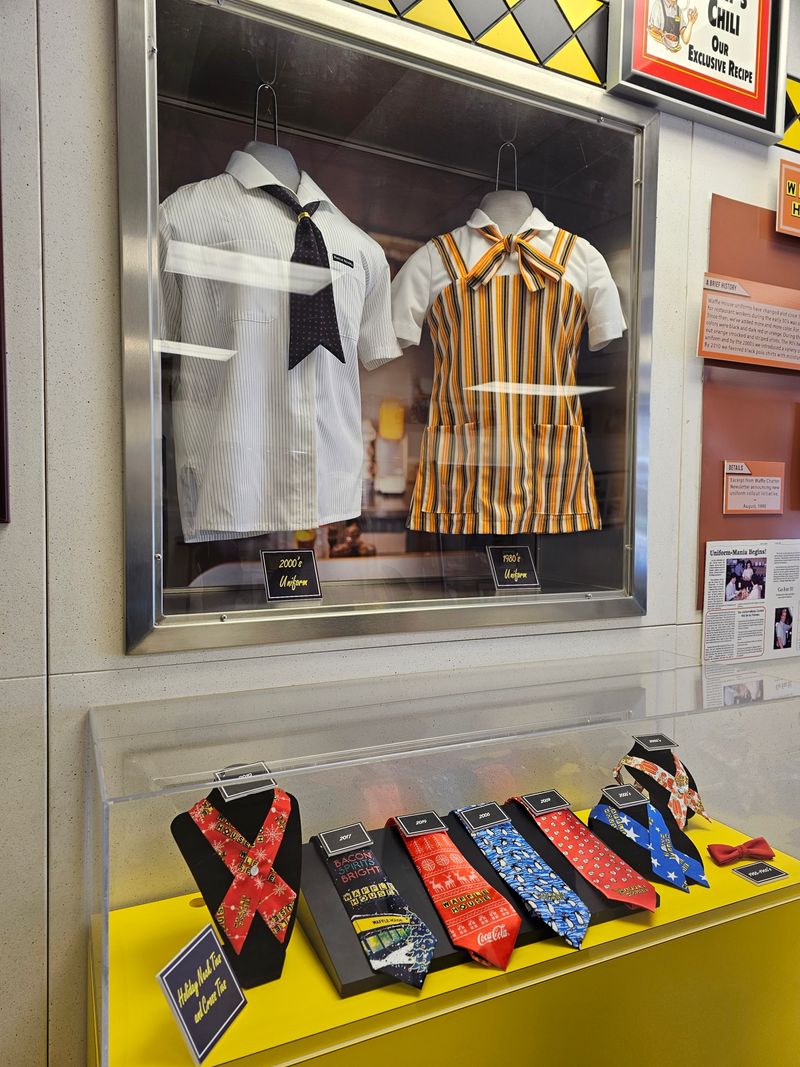
The uniform display brings the past to life. You’ll see the exact outfits worn by the first Waffle House servers, complete with original name tags and aprons. These garments tell the story of workplace culture and customer service standards from another era.
Each uniform piece is carefully preserved. The fabrics, colors, and styles reflect 1950s fashion while maintaining the professional appearance Waffle House required. You can read the actual name tags worn by employees who served the very first customers.
What touches me most is seeing these personal items. Behind each uniform was a real person earning a living and serving their community. The museum honors these workers by preserving their uniforms, recognizing that they were just as important to Waffle House’s success as the founders themselves.
Their dedication built the company’s reputation for excellent service.
7. First Franchise Agreement Documents
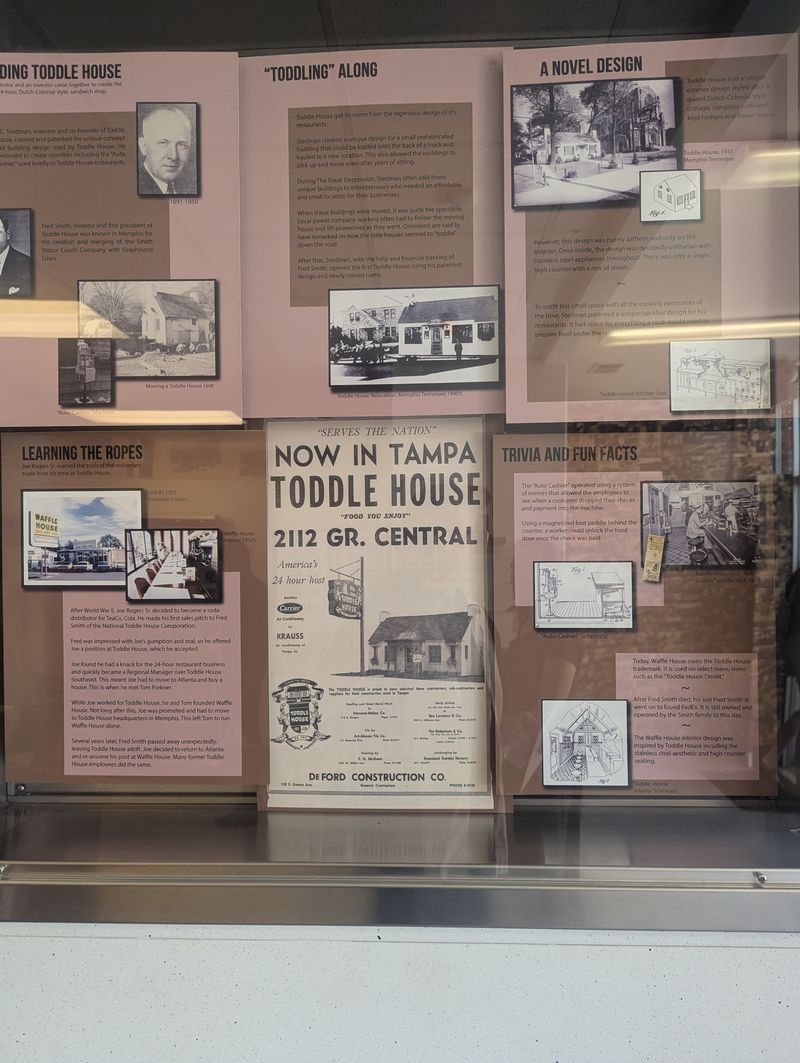
Business history enthusiasts will appreciate the legal documents on display. The original franchise agreements show how Waffle House expanded beyond that first Decatur location. These papers detail the business model that allowed the company to grow while maintaining quality standards.
Reading through these documents is fascinating. You’ll see the terms, conditions, and expectations set for early franchisees. The paperwork reveals the careful planning that went into expansion, ensuring every new location maintained the Waffle House standard.
I find the business strategy remarkable. Rather than rushing to open hundreds of locations, the founders grew deliberately. These agreements show their commitment to doing things right, choosing partners who shared their vision.
This careful approach explains why Waffle House maintains consistency across all locations even today, decades after these first contracts were signed.
8. Vintage Coffee Equipment
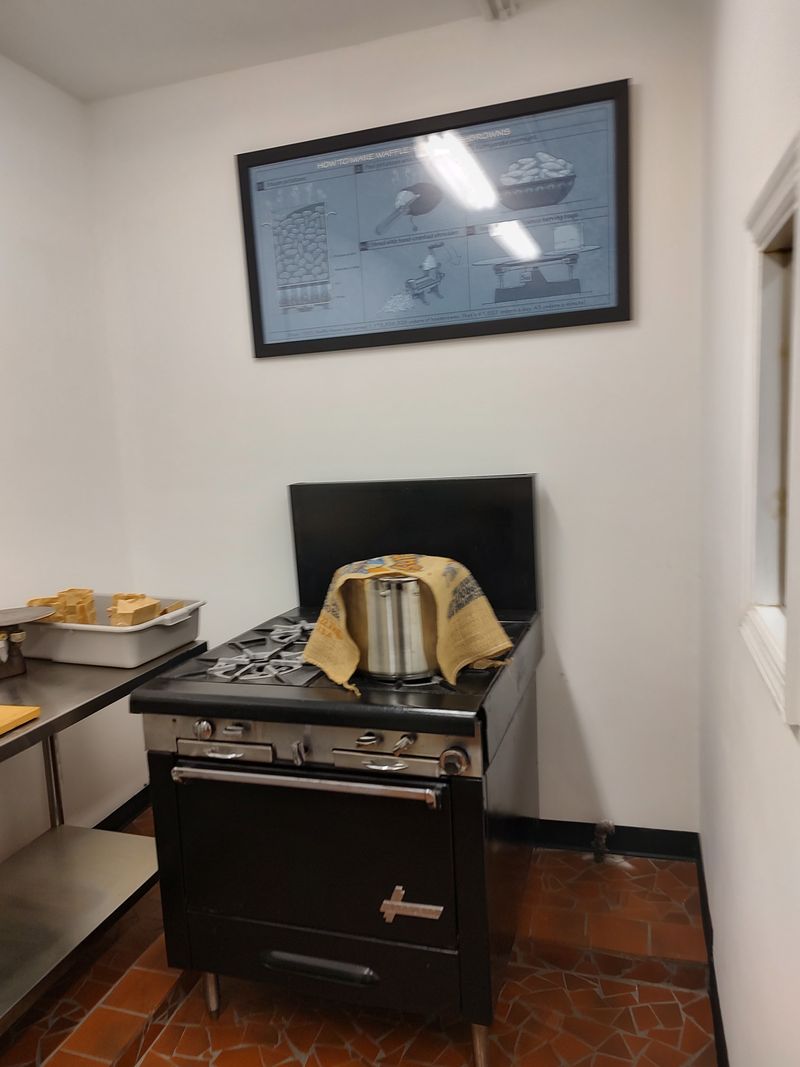
Coffee lovers will appreciate the vintage brewing equipment. The original coffee makers and serving pots sit exactly where they once produced thousands of cups for sleepy morning customers. These machines represent the beverage that kept Waffle House customers coming back day after day.
The equipment shows remarkable craftsmanship. Built to last, these coffee makers served reliably for years before being retired to museum status. You can see the sturdy construction that was standard in commercial equipment before planned obsolescence became common.
I’m always impressed by the simplicity of these machines. They produced excellent coffee without fancy electronics or complicated settings. Standing near this equipment, you can imagine the aroma filling the small restaurant as the morning rush began.
That coffee smell became as much a part of the Waffle House experience as the food itself.
9. Early Advertising Materials
The advertising collection reveals how Waffle House marketed itself in the early days. You’ll see newspaper ads, promotional flyers, and marketing materials that attracted customers before social media existed. These pieces show the creative strategies used to build brand awareness.
Each advertisement reflects its era perfectly. The language, graphics, and promises made to customers capture 1950s and 1960s American optimism. You’ll notice how the ads emphasized value, quality, and the welcoming atmosphere that became Waffle House trademarks.
I love analyzing these old marketing materials. They’re so different from today’s digital advertising but equally effective for their time. The simplicity and honesty in these ads built trust with customers.
You can trace the evolution of the Waffle House brand through these promotional pieces, watching it grow from a local restaurant to a regional phenomenon.
10. Original Booth and Counter Seating
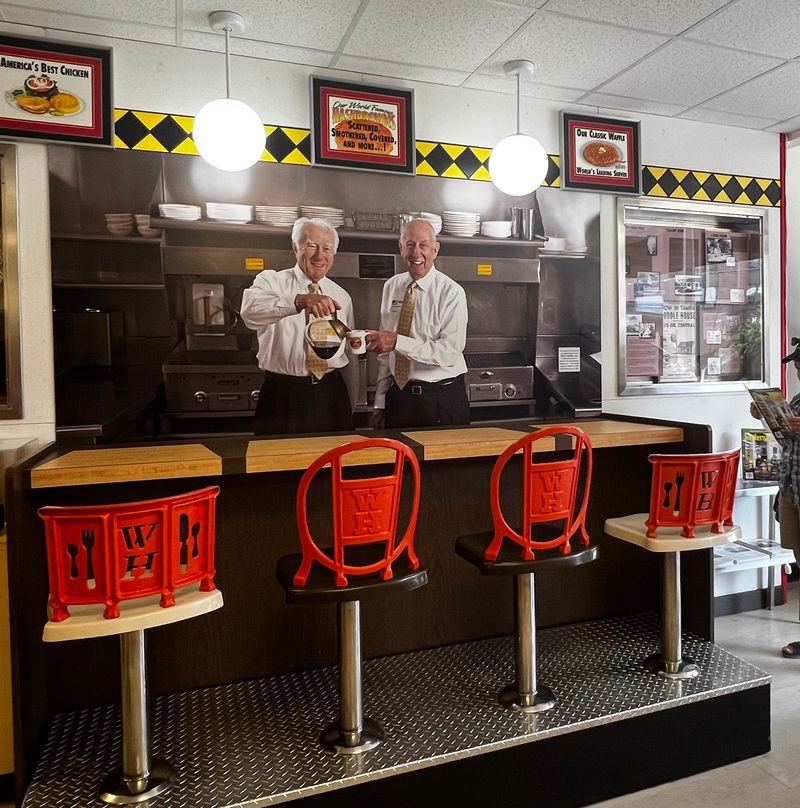
Sit where the first customers sat. The original booth and counter seating remains in place, allowing you to experience meals exactly as diners did in 1955. The vinyl seats and chrome fixtures transport you back to the golden age of American diners.
The seating arrangement shows the efficient layout that became standard. Counter seats allowed solo diners to eat quickly while watching their food being prepared. Booths provided space for families and groups, creating the inclusive atmosphere Waffle House wanted.
I recommend actually sitting in these seats. The experience connects you to history in a tangible way. You’ll notice the compact spacing that allowed maximum seating in a small building.
Thousands of conversations happened in these seats, from business deals to first dates to late-night chats between friends after long shifts.
11. Jukebox and Entertainment
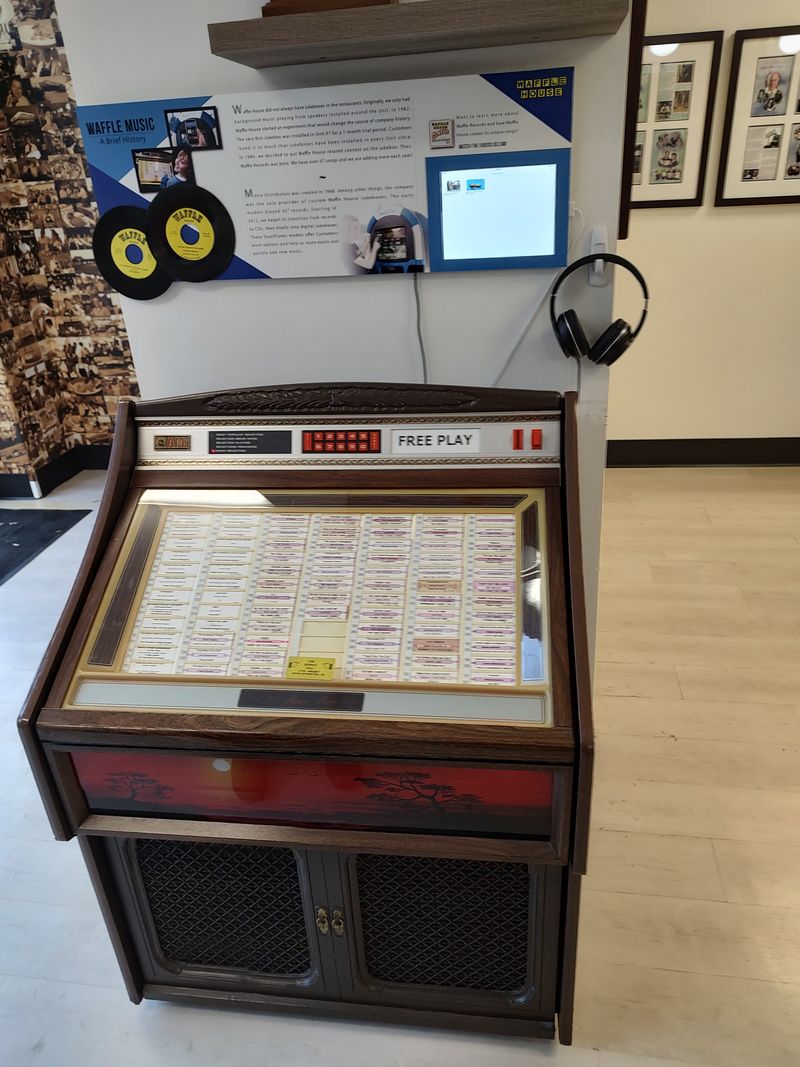
Music filled the original Waffle House through a classic jukebox. This entertainment centerpiece sits in the museum, still displaying the song selections available to customers decades ago. The music choices reflect popular tastes of the 1950s, from rock and roll to country.
The jukebox represents more than just entertainment. It created ambiance and gave customers control over their dining experience. For a nickel, you could choose your favorite song, making the restaurant feel more personal and welcoming.
I find the song selection fascinating. You can see what Americans were listening to while eating their hash browns. The jukebox also served a practical purpose it covered kitchen noise and encouraged customers to linger, increasing coffee sales.
This simple machine became part of the Waffle House experience, adding another layer to the warm, friendly atmosphere the founders wanted to create.
12. Expansion Maps and Timeline
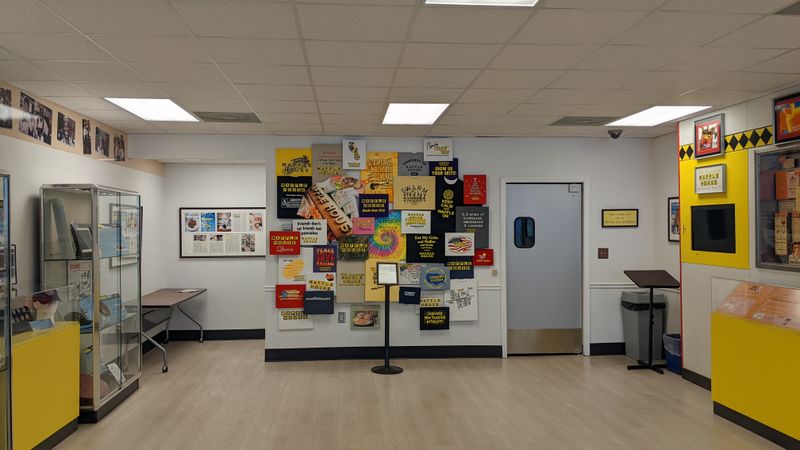
Watch the Waffle House empire grow before your eyes. Large maps display the expansion from that single Decatur location to hundreds of restaurants across the South and beyond. Each marker represents a new location, showing the steady growth over decades.
The timeline accompanying the maps provides context. You’ll learn when key milestones occurred, from opening the 100th location to expanding into new states. The visual representation makes the company’s growth story easy to understand and appreciate.
I’m amazed by the strategic expansion pattern. Rather than jumping to distant markets, Waffle House grew regionally, ensuring supply chains and management could support new locations. The maps show this thoughtful approach, with clusters of restaurants spreading outward from Georgia.
This expansion strategy created the strong regional presence that makes Waffle House a beloved Southern institution today.
13. Disaster Response Stories
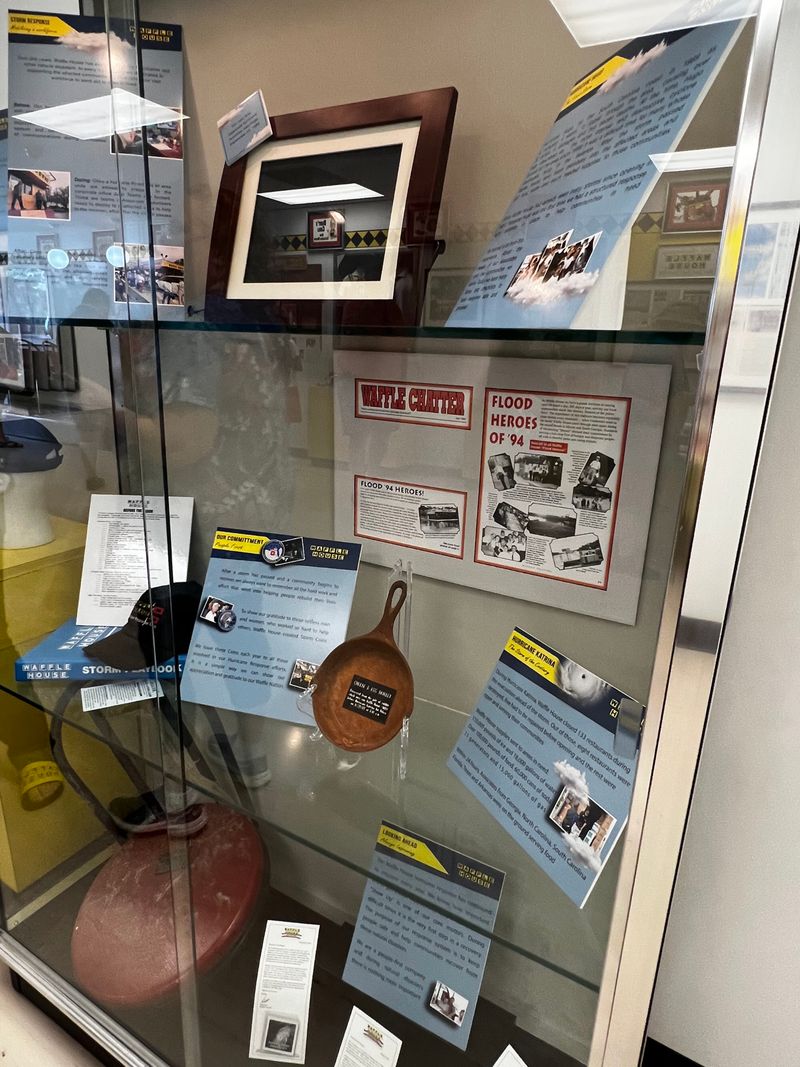
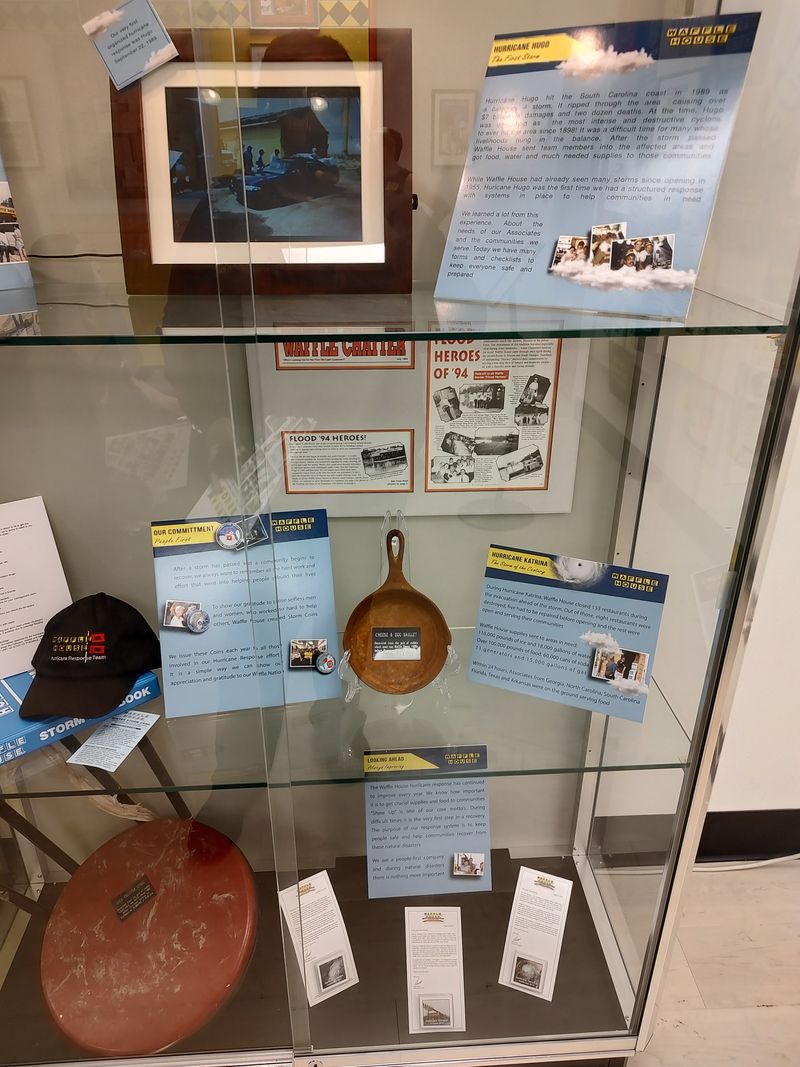
You’ll discover Waffle House’s surprising role in disaster response. The museum documents how the chain became so reliable during emergencies that FEMA created the unofficial Waffle House Index to assess disaster severity. If Waffle House stays open, the area is probably okay.
Photos show restaurants operating during hurricanes, floods, and other crises. These images capture employees serving communities when other businesses closed. The dedication to staying open during disasters earned Waffle House respect far beyond the restaurant industry.
This section moves me deeply. Behind these disaster stories are employees who chose to serve their communities during dangerous times. The museum honors their commitment, showing that Waffle House is more than a restaurant it’s a community institution.
Reading accounts of restaurants serving first responders and displaced families during emergencies reveals the company’s true character and values.
14. Celebrity Visitor Wall
Everyone from presidents to rock stars has eaten at Waffle House. The celebrity wall displays photos of famous visitors over the decades, proving that good food transcends social status. You’ll recognize faces from politics, entertainment, sports, and business.
Each photo tells its own story. Some celebrities stopped by during campaign tours, others after concerts or games. The collection shows that Waffle House appeals to everyone, regardless of fame or fortune.
The same menu that satisfies a truck driver also satisfies a movie star.
I enjoy seeing which celebrities chose Waffle House. Their visits weren’t publicity stunts—they genuinely wanted those hash browns and waffles. This wall demonstrates the restaurant’s cultural impact, showing how it became woven into American life.
From Anthony Bourdain to countless musicians, artists, and athletes, everyone finds something to love at Waffle House.
15. Employee Recognition Hall
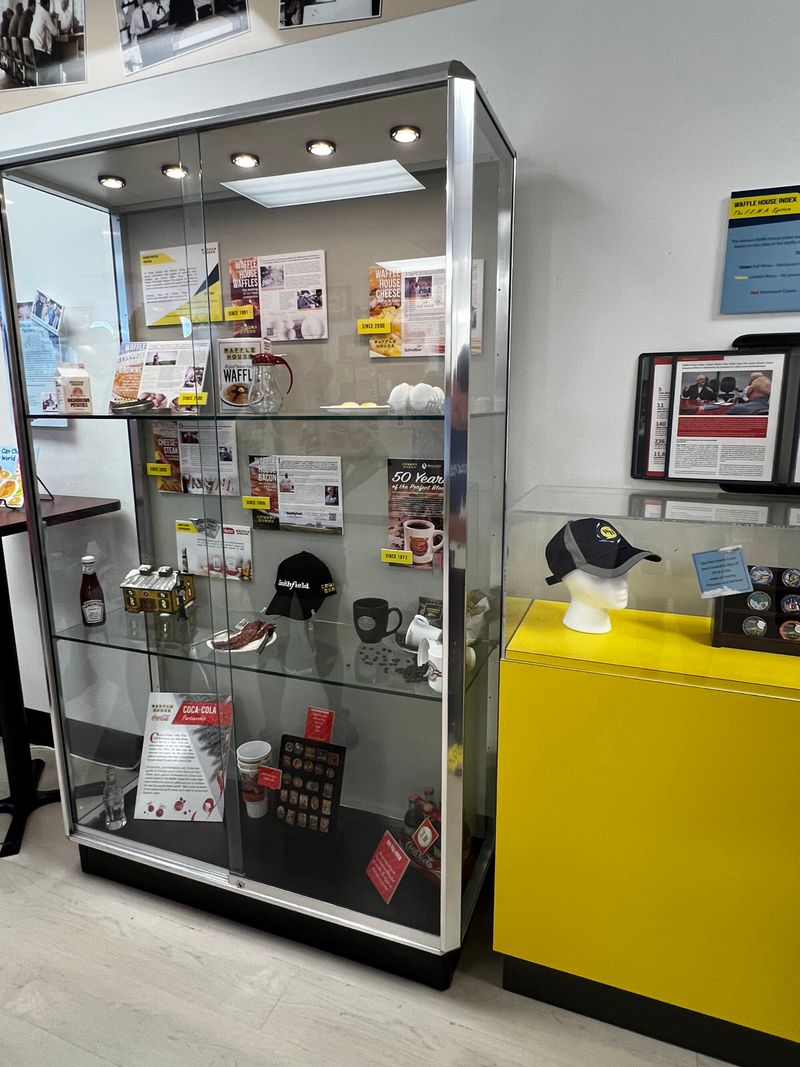
The museum honors the people who built Waffle House success. This section recognizes employees who dedicated decades to the company, displaying their photos, stories, and service awards. You’ll read about servers, cooks, and managers who became part of their communities.
These stories reveal the human side of the business. Many employees worked at Waffle House for 30, 40, even 50 years. Their loyalty speaks volumes about company culture and how workers were treated.
You’ll see photos of retirement celebrations and milestone anniversaries.
I find these employee tributes incredibly touching. Behind every successful restaurant are dedicated workers who show up day after day. The museum recognizes that these employees not just the founders—built Waffle House into what it became.
Their commitment to quality service and treating customers like family created the reputation that draws visitors to this museum today at 2719 East College Avenue.
16. Interactive Grill Operator Station
Experience what it’s like to work the grill. This interactive exhibit teaches you the famous Waffle House marking system, where servers use plate positions to communicate orders to cooks. You can practice the techniques that keep orders flowing smoothly during busy shifts.
The system is ingeniously simple yet effective. By positioning condiments and utensils on plates in specific ways, servers communicate complex orders without speaking. This method, developed in those early days, still works perfectly in modern restaurants.
I recommend spending time at this station. Trying to master the marking system gives you appreciation for the skill required to work at Waffle House. The exhibit includes training materials, videos of expert grill operators, and hands-on practice opportunities.
You’ll leave with newfound respect for the coordination and teamwork required to serve hundreds of customers daily in a fast-paced environment.