Idaho Has A Haunted Historic Prison And It’s Every Bit As Curious As You’d Hope
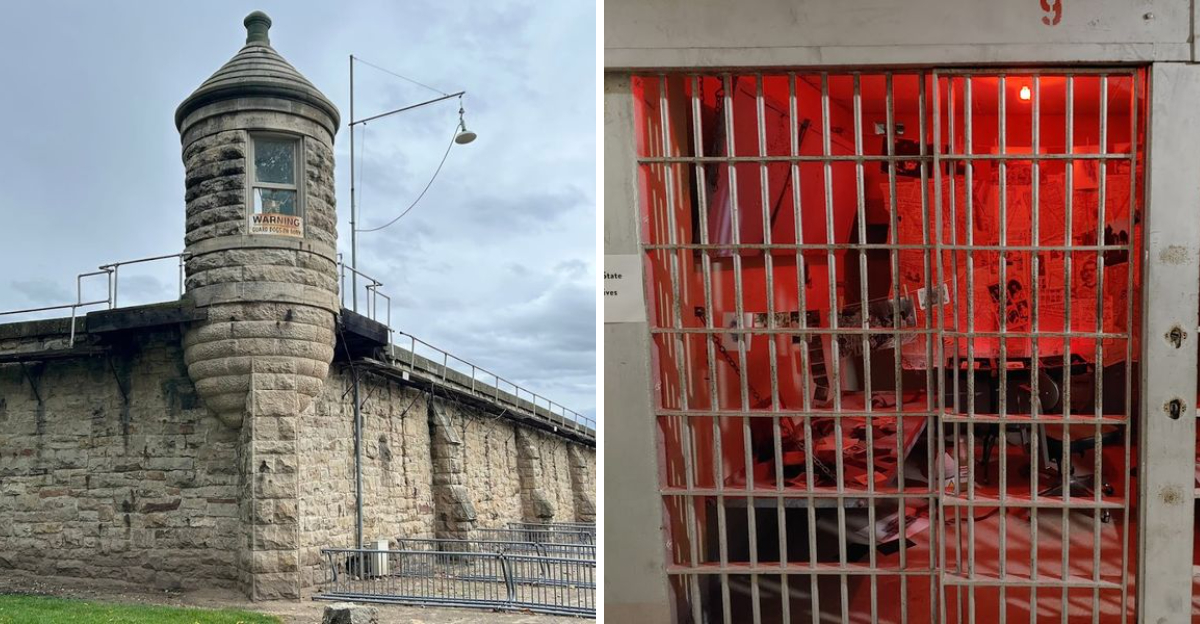
Respect comes first at this historic Idaho prison, because the sandstone walls hold real lives, hard choices, and more than a century of complicated Western history.
Walking through the cell blocks should feel thoughtful, not gimmicky.
Every corridor carries a quiet weight, and the old stone buildings make the past feel close without needing cheap scares.
Stories stretching from 1872 through 1973 reveal a place shaped by punishment, reform, isolation, and survival.
Some rooms may feel tense, but the real power comes from understanding what those spaces meant to the people who lived and worked there.
Curiosity brings visitors in.
Respect is what should guide the whole experience.
Boise’s Historic Prison Still Knows How To Raise Curiosity
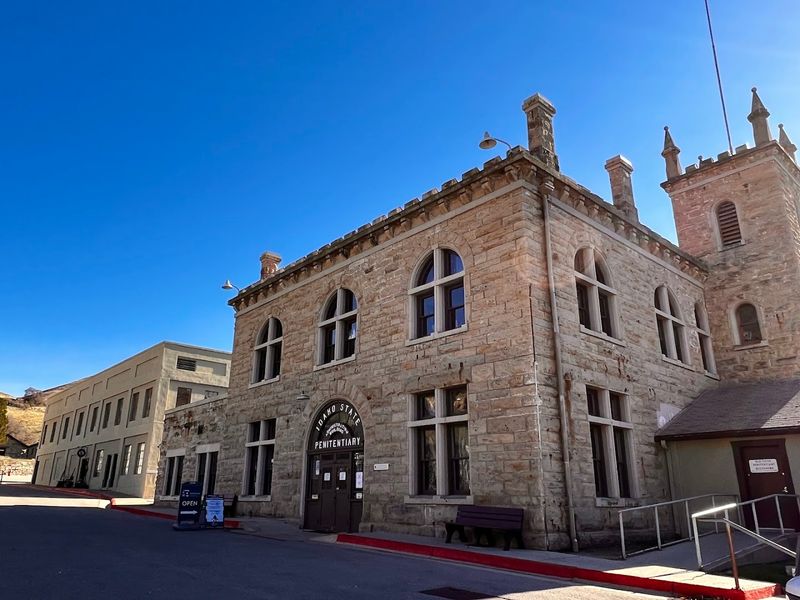
Stone walls, iron bars, guard towers, and long corridors give Old Idaho Penitentiary the kind of presence most historic sites can only hope for.
The site is at 2445 Old Penitentiary Road, Boise, ID 83712, and the Idaho State Historical Society notes that it housed prisoners from 1872 to December 1973.
More than 30 historic buildings help tell the story of how the complex grew from territorial-prison beginnings into one of Idaho’s most memorable historic attractions.
Visitors can take a self-guided walk, join guided programming when available, explore exhibits, and move through spaces that still feel intensely tied to the people who lived and worked there.
The experience does not need dramatic music or theatrical tricks to feel gripping. Its atmosphere comes from the real materials, real history, and real confinement built into every corridor.
Boise has plenty of polished attractions, but this one feels different because it asks visitors to slow down and pay attention. A visit can be educational, uncomfortable, fascinating, and oddly beautiful all at once.
That mixture explains why people keep recommending it to history fans, architecture lovers, paranormal-event seekers, and anyone drawn to places where the past still feels very close.
Sandstone Walls Make The Old Pen Feel Instantly Unsettling
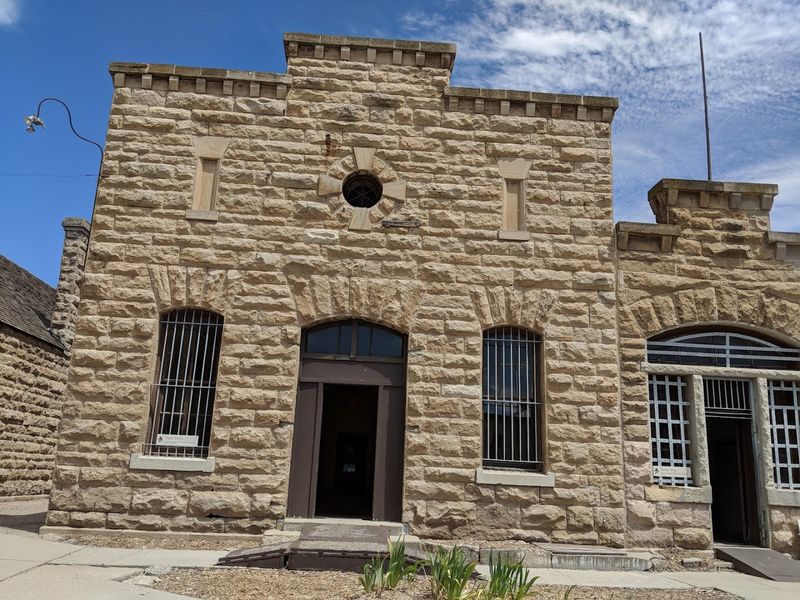
Weathered sandstone gives the Old Idaho Penitentiary its unforgettable look before visitors even reach the cell blocks. Many of the site’s buildings were made with sandstone quarried by inmates in the foothills above the prison, according to the Idaho State Historical Society.
That detail changes the way the walls feel. They are not just barriers around the prison’s history.
They are part of the labor and reality of the place itself. Sunlight gives the stone a warm color, but the texture still feels heavy, cracked, and severe.
Barred windows, high walls, and narrow openings create a visual mood that is hard to shake, especially when shadows stretch across the grounds later in the day. Photographers are drawn to this contrast because the site can look beautiful and intimidating at the same time.
Families may notice the architecture first, while history-minded visitors may find themselves thinking about the work, hardship, and time locked into the materials. No replica could create quite the same effect because the atmosphere comes from age, weather, and authenticity.
Every block seems to hold a little of the site’s long story. Before any exhibit panel explains the prison’s past, the sandstone has already started telling it.
Cell Blocks Turn Idaho History Into A Walk-Through Mystery
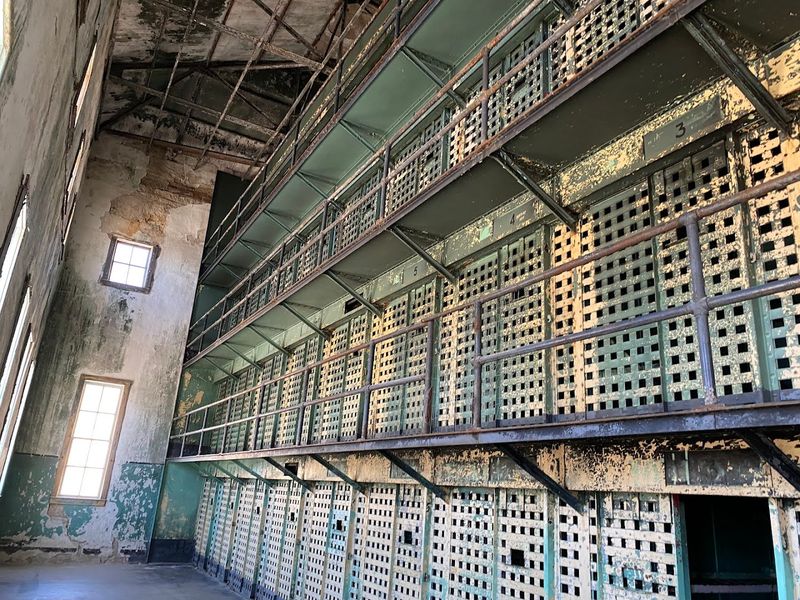
Narrow corridors and stacked cells make the prison’s history feel immediate in a way a regular museum display rarely can. Walking through the cell blocks brings visitors close to the daily reality of confinement: small spaces, metal bars, hard surfaces, and little room for privacy or comfort.
Old Penitentiary received more than 13,000 prisoners during its 101 years of operation, and that number gives the preserved spaces a heavier emotional scale.
Exhibits and interpretation throughout the site help connect the physical rooms to real people, rules, routines, and consequences.
Instead of presenting state history as a distant timeline, the cell blocks make it spatial. Visitors can stand where prisoners stood, look down the same corridors, and understand how design shaped life within the walls.
Some areas feel stark and practical, while others carry more layered stories about prison labor, discipline, reform, and daily routine. That variety keeps the tour from becoming one-note.
The site is not just “spooky,” even if the setting can feel deeply eerie. It is also a detailed look at law, punishment, architecture, and western history.
Cell blocks turn those subjects into something visitors can physically move through, which is why the experience tends to stay with people long after they leave Boise.
Solitary Confinement Adds The Site’s Most Chilling Pause
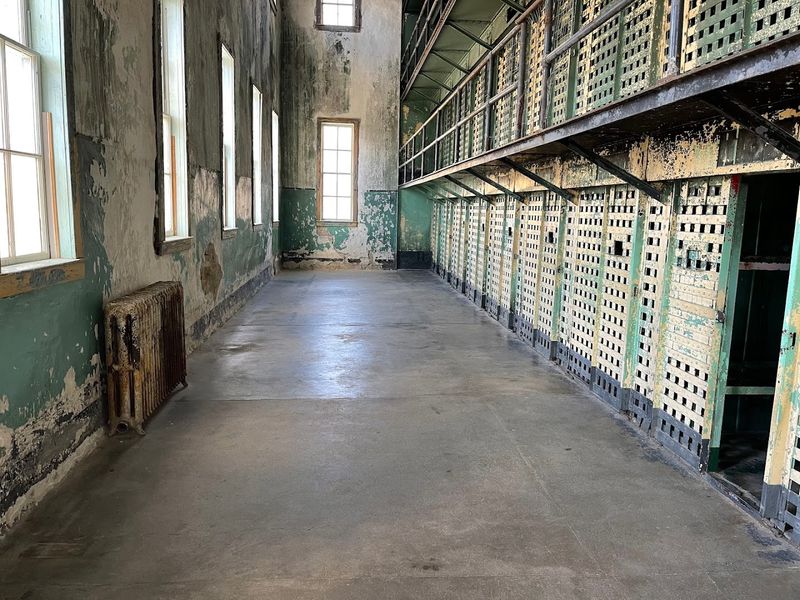
Isolation feels different when the space around it is right in front of you. Old Idaho Penitentiary includes areas tied to solitary confinement, and these rooms often create one of the visit’s most sobering moments.
Small cells, plain walls, and limited light make the concept less abstract, especially for visitors who have only heard the term in passing. The site’s interpretation gives this part of prison history a serious tone, which is important because the subject does not need exaggeration to feel powerful.
Standing near those spaces can spark difficult conversations about discipline, confinement, the effects of isolation, and how punishment has changed over time. Older children and teens may find this section especially thought-provoking, while adults often pause longer than expected.
The mood becomes less about haunted reputation and more about human experience. That shift is one of the reasons the Old Pen works as a historic site rather than just a curiosity stop.
It lets visitors feel discomfort without turning that discomfort into a cheap thrill. The rooms are plain, but that plainness is exactly what makes them memorable.
After walking through more open parts of the site, a smaller confinement space can change the whole pace of the visit and make the history feel much more personal.
A Somber Reminder Of Past Justice Shapes The Tour’s Tone
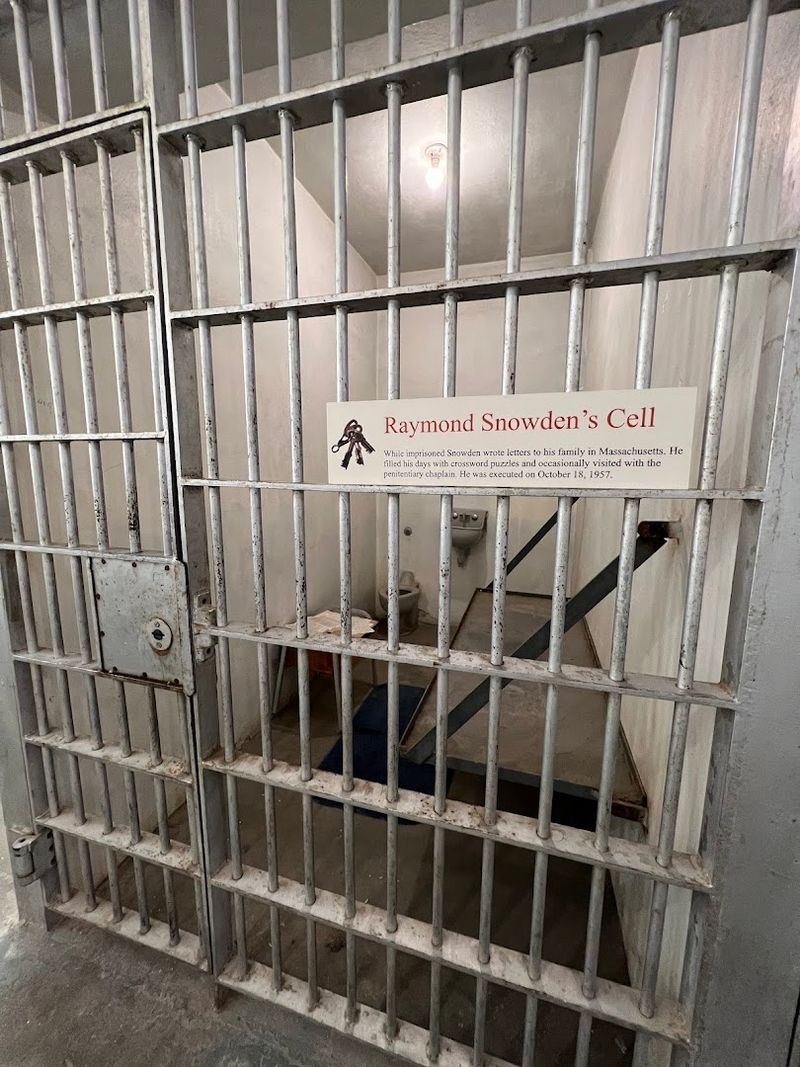
Capital-punishment history gives Old Penitentiary one of its most serious interpretive moments, and visitors usually feel the mood change around this part of the site.
Preservation organizations note that the site includes the gallows among its historic features, along with cell blocks, solitary confinement, and special exhibits.
That part of the tour should be approached with care, because it represents real legal punishments, real capital-punishment history, and a difficult chapter in the state’s justice history. The power of the space comes from its restraint.
No dramatic embellishment is needed when the setting itself carries enough weight. Visitors may arrive expecting a haunted attraction, but this area often redirects attention toward history, law, and the people affected by the prison’s harshest outcomes.
Guides and exhibits help frame the room in context, making it less about shock and more about understanding what the institution was and how it functioned. For many people, this becomes the point where the Old Pen feels least like an offbeat stop and most like a serious historic site.
The experience can be uncomfortable, but that discomfort is meaningful. It reminds visitors that preserved places do not only protect beautiful architecture or charming stories.
They also preserve hard truths that deserve careful attention.
Paranormal Programs Keep The Haunted Reputation Alive
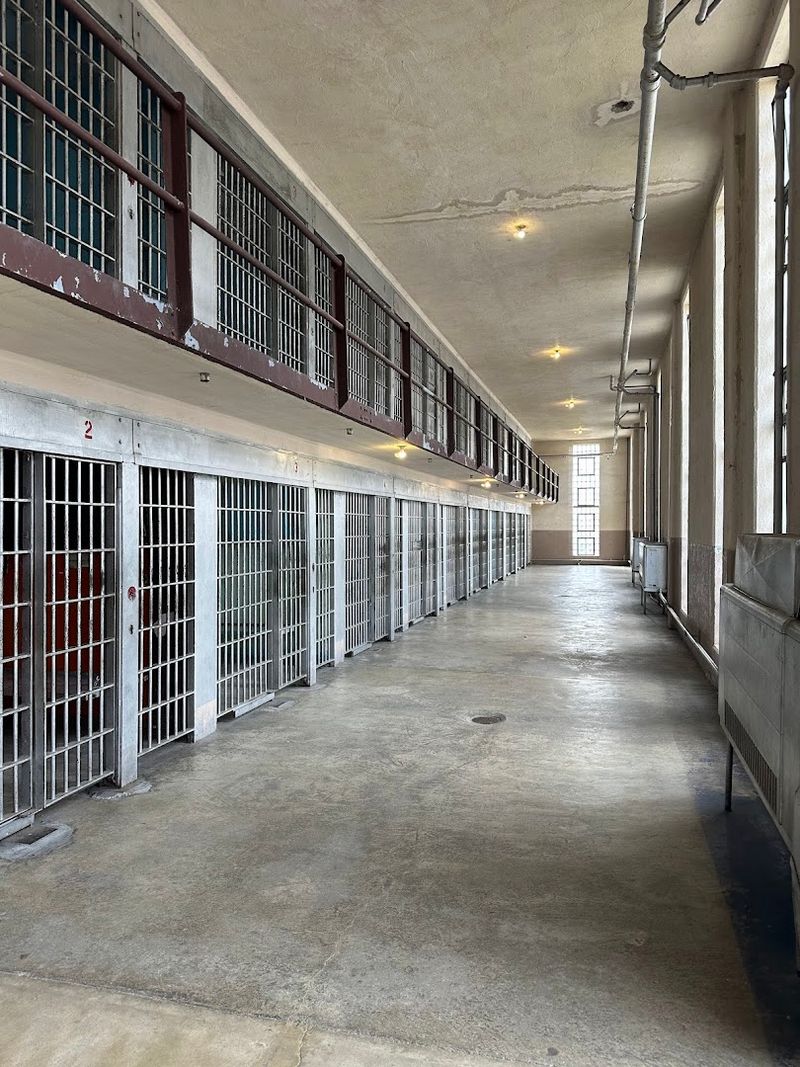
Haunted reputation adds another layer to the Old Penitentiary, even for visitors who do not fully believe in ghost stories. The preserved setting already has enough atmosphere to make unexplained creaks, cold corners, and nighttime shadows feel more intense.
State Historical Society event listings include Twilight Tours at the Old Penitentiary, showing how the site continues to use evening programming to give visitors a different way to experience the grounds.
Paranormal curiosity works here because it grows out of the prison’s real history rather than replacing it.
People come for the eerie reputation, then often leave talking about the architecture, exhibits, inmate stories, and the scale of the place. That balance keeps the haunted angle from feeling empty.
A stone prison that operated for more than 100 years naturally gathers legends, rumors, and local stories, especially when visitors can still walk through its cells and corridors. Night events heighten that mood by changing the light, sound, and pace of the visit.
Even skeptics may find themselves listening more closely after dark. For anyone drawn to haunted history, Old Penitentiary offers the useful combination of documented past and unsettling atmosphere.
That is much more interesting than a simple scare story.
Night Events Make The Prison Feel Even More Curious
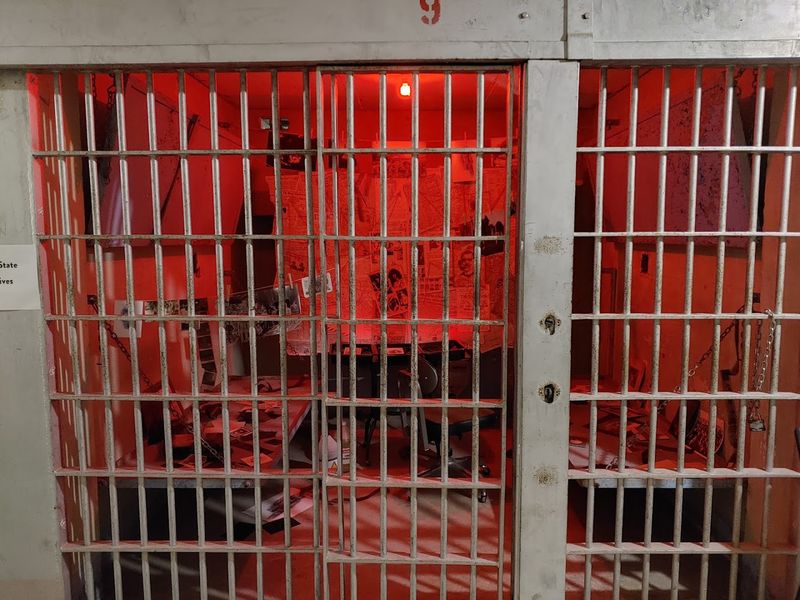
Evening access changes the entire personality of a historic prison. Daylight reveals sandstone texture, exhibit details, and architectural form, but low light makes corridors feel longer and courtyards feel more dramatic.
Old Penitentiary’s special programming, including Twilight Tours listed by the State Historical Society, gives visitors a chance to experience the site beyond a standard daytime walk.
Those events can be especially appealing for people who want atmosphere with their history, since the setting already carries enough intensity without needing overdone theatrics.
Night visits also encourage slower attention. Sounds stand out more.
Shadows change familiar spaces. Stories feel closer when the grounds are no longer bright and busy.
That said, checking the official schedule before planning is important because event dates, ticket availability, and access can change throughout the year.
Families with older kids, groups of friends, history fans, and paranormal-event seekers may all find evening programming more memorable than a regular afternoon stop.
Boise’s eastern edge adds to the mood, with the prison’s stone profile sitting near the foothills and the Botanical Garden nearby. A night event turns the site into more than a museum visit.
It becomes an atmospheric walk through one of the most curious historic places.
Old Idaho Penitentiary Blurs History, Architecture, And Uneasy Legend
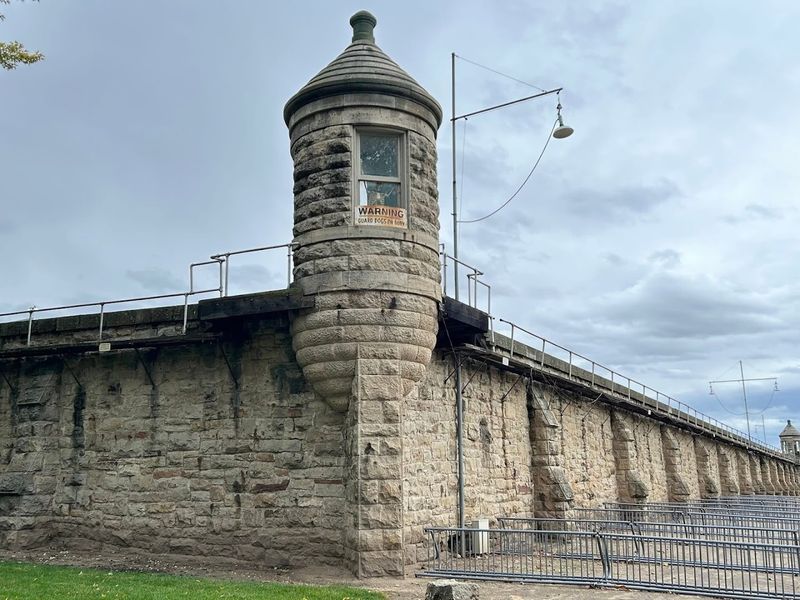
Historic sites often have one main reason to visit, but Old Penitentiary succeeds because several different interests overlap. Architecture lovers can study sandstone buildings, walls, cell houses, and the way the complex expanded over time.
History fans can follow more than a century of prison operations, inmate stories, reform efforts, punishment practices, and state history from territorial days into the 1970s. Museum visitors can explore exhibits, including the J.
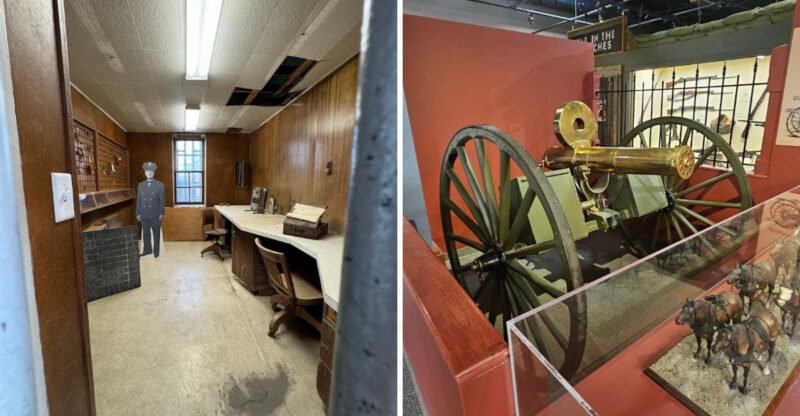
Curtis Earl Memorial Exhibit, which preservation sources identify as a historic arms and military memorabilia exhibit at the site. People drawn to haunted places get the atmosphere, the legends, and the event programming that keeps the prison’s eerie reputation alive.
That layered appeal makes the Old Pen unusually versatile. A visitor might arrive for ghost stories and leave thinking about architecture.
Another might come for history and end up fascinated by the setting after dark. The site also sits near the Botanical Garden, creating a striking contrast between preserved prison grounds and a gentler landscaped space on former penitentiary land.
That pairing can make a Boise outing feel fuller, especially for visitors who want both intensity and relief in the same area. Old Penitentiary remains curious because it never fits into one simple category.
It is historic, atmospheric, educational, unsettling, and unforgettable all at once.