10 Idaho Hikes Where You’ll Probably See More Wildlife Than People
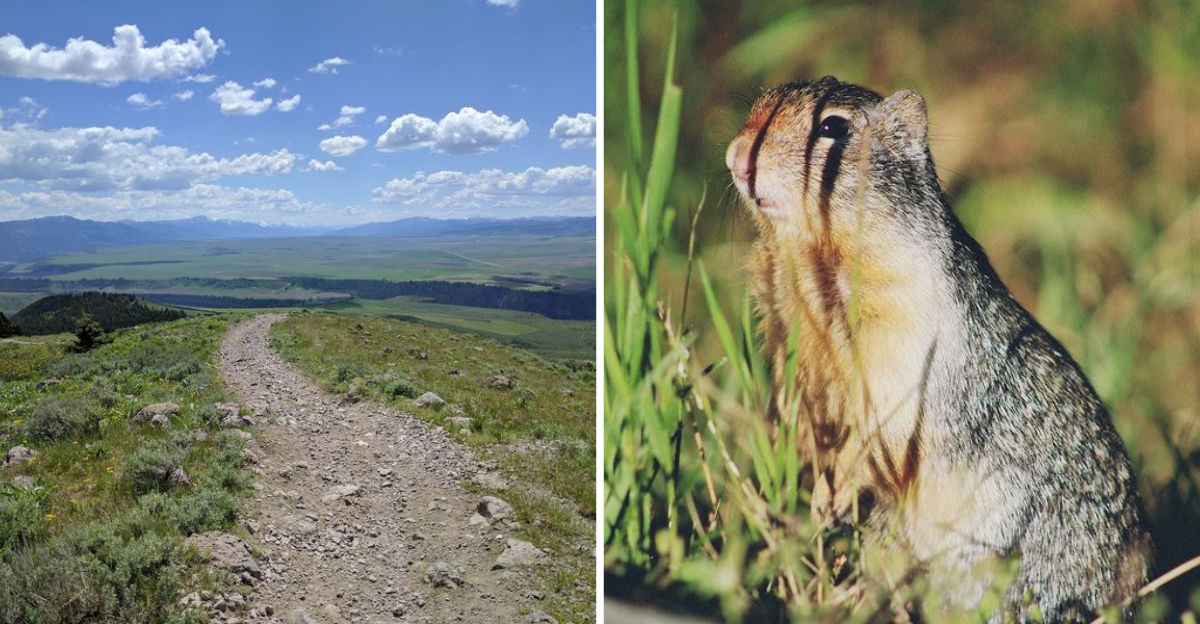
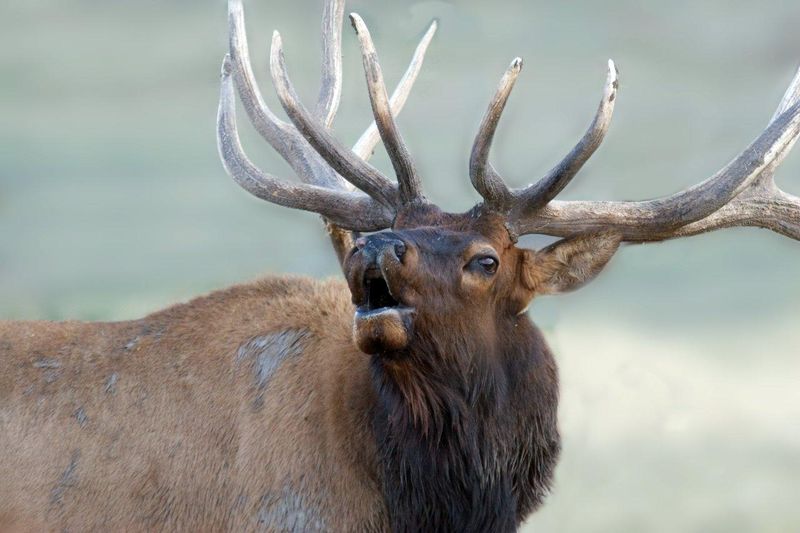
I will take an elk sighting over a crowded trailhead any day. Idaho has hikes where moose, mountain goats, eagles, and other wildlife can become part of the adventure.
The routes range from easier refuge walks to more serious backcountry outings, so there is plenty of variety in how you explore.
That also means preparation matters, especially in remote areas. For me, the reward is the quiet between sightings.
A distant bird call or fresh track suddenly becomes far more interesting when the trail feels open around you.
Bring binoculars, keep respectful distance, and stay observant.
The best moment may happen before you even reach the viewpoint.
1. Kootenai National Wildlife Refuge Trail, Bonners Ferry
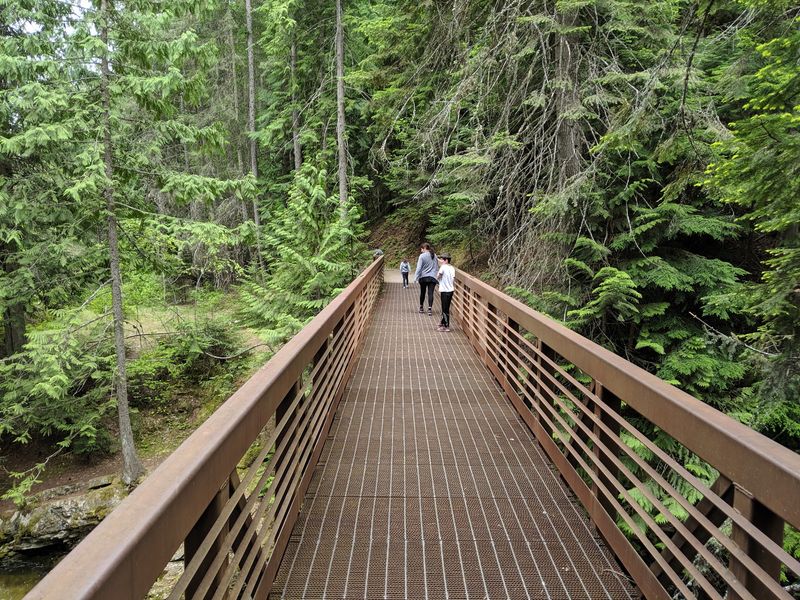
My jaw dropped at the sheer number of creatures packed into one protected pocket of northern Idaho. Binoculars are practically required equipment.
Spread across 2,774 acres, Kootenai National Wildlife Refuge near Bonners Ferry shelters more than 300 species. Moose, deer, and enormous rafts of waterfowl headline the show.
Bald eagles gather in winter, with dozens settling into the cottonwoods. Watching them perch along the water is a genuine thrill.
Spring brings migrating birds back in waves. Moose and elk grow noticeably more active as the snow retreats.
Autumn might be the prettiest window of all. Golden cottonwoods glow against crisp blue skies and cool morning air.
Trail choices suit almost everyone. The paved Chickadee Trail works for strollers, while the longer Deep Creek Trail rewards steadier legs.
Short on time or energy? A 4.5-mile auto tour route lets you watch animals from the comfort of your seat.
The refuge normally has a scenic auto-tour route, but it is currently closed to motor vehicles during ongoing road work, so check conditions before visiting.
The Selkirk Mountains rise directly behind the wetlands, creating a backdrop that makes even casual phone photos look impressive.
Go at dawn or dusk for peak animal movement. Keep voices low and stay on marked paths to avoid spooking anything.
You will find the refuge at 287 Westside Road, Bonners Ferry, ID 83805. Bring a bird list and plan on staying longer than expected.
2. Chain Lakes Trail, Coeur D’Alene
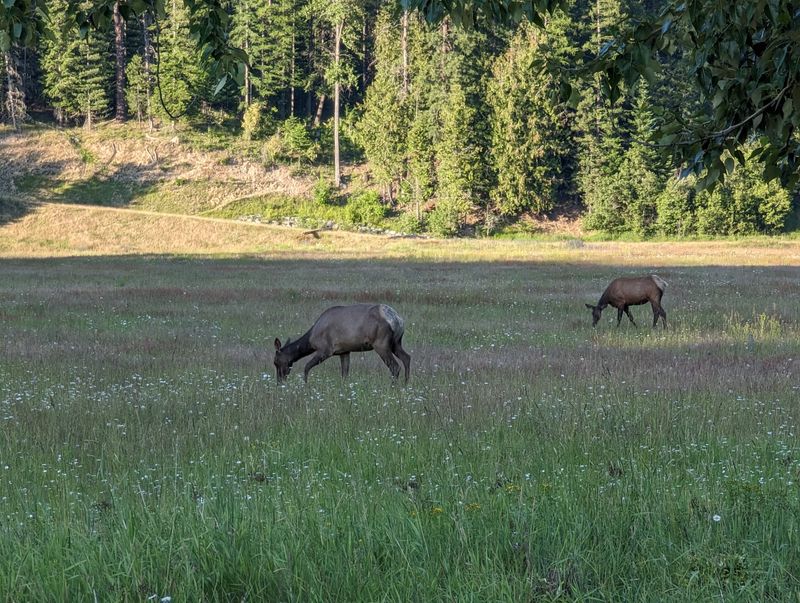
Wilderness this quiet should not sit so close to a busy lakeside town. The drive barely counts as a commute.
Chain Lakes Trail lies just east of Coeur d’Alene, and it has earned a reputation among locals for reliable deer and elk sightings.
A string of connected lakes anchors the scenery. Each one holds its own little ecosystem, which is why animals keep circling back.
Paths wander through leafy forest and open right onto still water. The reflections at sunrise are worth an early alarm.
Birders do well here too. Herons, ducks, and songbirds work the shallows and shoreline brush throughout the warmer months.
Terrain stays mellow enough for families with school-age kids. Nobody needs technical gear or a whole day off work.
Summer afternoons can get warm, so carry extra water and a hat. Mornings tend to be cooler and far better for animal activity.
Bug spray earns its keep near the marshier edges in June. A light rain shell handles the region’s surprise showers.
Fall thins the crowds even further while adding color to the hardwoods. Elk become noticeably more vocal as temperatures drop.
Pack a snack and linger at one of the quieter shorelines. Convenience and real wildlife rarely share the same trailhead this well.
3. Boulder Mountains Trail (Near Fishhook Creek), Ketchum
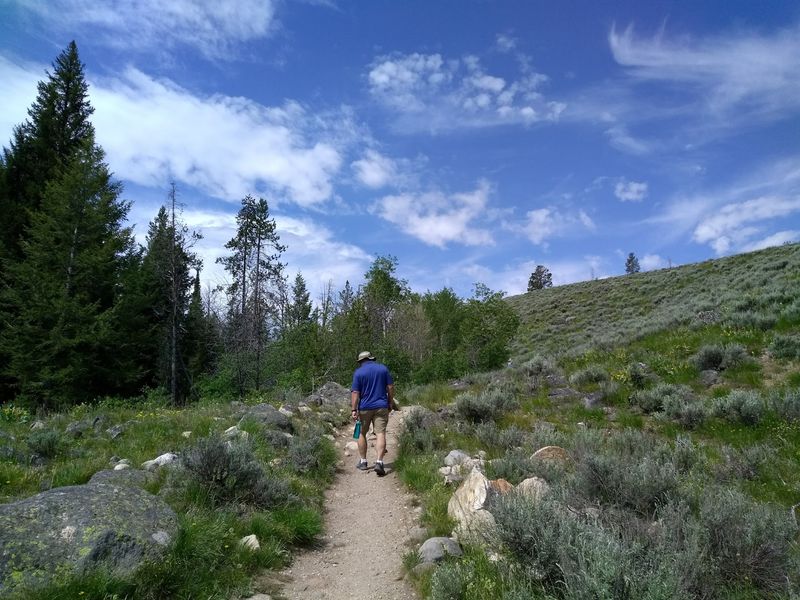
Spotting a mountain goat balanced on bare rock ranks high on most hikers’ wish lists. Here the odds tilt in your favor.
Fishhook Creek Trail is near Redfish Lake and Stanley, and it looks toward the Sawtooth Mountains.
Elk and deer share the slopes with those sure-footed goats. Scanning the upper ledges with binoculars usually pays off.
The trail is gentle and relatively flat, gaining only about 300 feet as it follows Fishhook Creek toward a meadow with Sawtooth views. Jagged peaks stack up in every direction.
Difficulty sits in the moderate range. Reasonably fit hikers manage it fine, though the altitude asks for a slower pace.
Early morning and late afternoon deliver the best sightings. Cooler air also makes the climbing far more pleasant.
Snow can linger into early summer on shaded stretches. July through September usually gives the cleanest conditions.
Creek crossings run high during spring melt, so waterproof footwear helps. Trekking poles steady you on loose rocky sections.
Wildflowers explode across the meadows in midsummer. Purple lupine and bright paintbrush line the path in generous clumps.
Afternoon thunderstorms build quickly over these ridges. Starting early keeps you off exposed ground when clouds gather.
Ketchum sits nearby for a hot shower and a good dinner. This trail bottles the essence of central Idaho and hands it right over.
4. Reynolds Creek Canyon Trail, Murphy
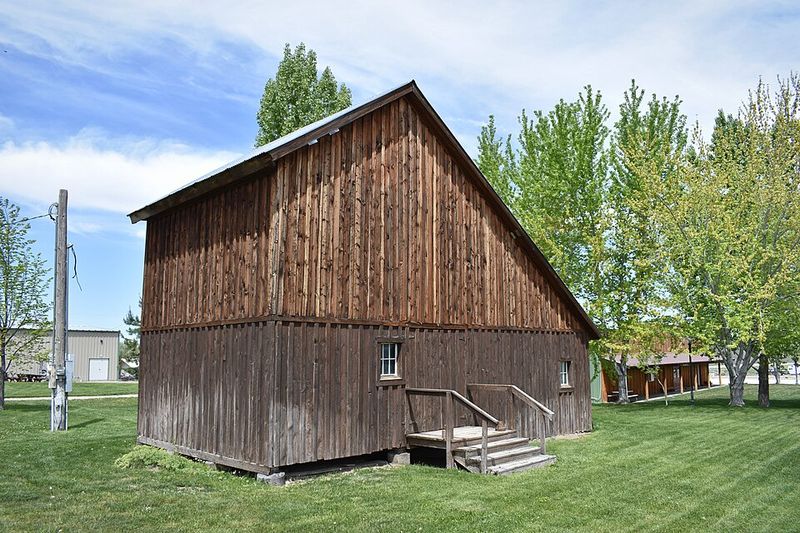
Desert canyons rarely get the credit they deserve in a state famous for pine trees. Red rock changes the whole conversation.
Reynolds Creek Canyon Trail sits near Murphy in the Owyhee foothills, running 7.4 miles through sculpted stone and sagebrush country.
The drive takes less than an hour from Boise, which makes it an easy weekend escape for city dwellers.
Rolling hills give way to strange, weathered rock formations. Some inclines get steep enough to remind your legs they exist.
Wildlife here looks different from the mountain trails. White-tail deer, falcons, lizards, rabbits, and mice all make appearances.
Reynolds Creek itself draws animals in during dry stretches. Following the water usually means following the tracks.
Spring brings green hillsides and a truly impressive number of crickets. Anyone squeamish about bugs should plan accordingly.
Summer heat builds fast in the canyon with almost no shade. Carry more water than feels reasonable and start at sunrise. Autumn might be the sweet spot, with mild temperatures and softer light on the red walls.
The trailhead sits roughly 30 miles outside Boise on gravel roads. A vehicle with decent clearance saves some worry.
Sunset turns the canyon walls a deep burnt orange. Idaho’s desert side deserves a spot on your hiking list.
5. Selway-Bitterroot Wilderness Trail, Elk City
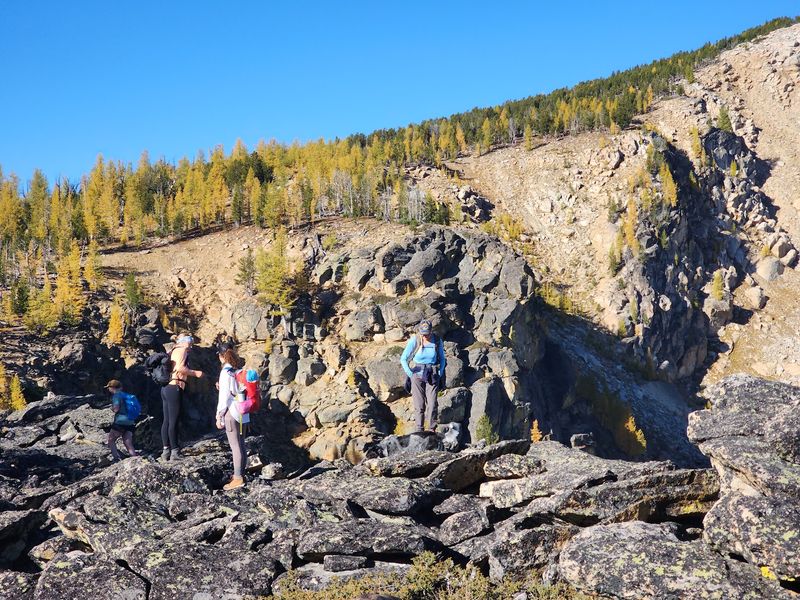
True solitude is harder to find than most people admit. Out here, it is basically the default setting.
Accessible near Elk City, the Selway-Bitterroot Wilderness stretches over a million acres across Idaho and Montana. Rugged peaks and deep forest fill nearly all of it.
Moose, elk, deer, and black bears roam these drainages. Wild berries grow thick, which explains a lot about the bear activity.
Trails range from well worn to lightly maintained. Route-finding skills matter, and a paper map belongs in your pack.
Summer and early fall work best. Snow can sit on high passes well into July, closing off the upper country.
Bear-safe food storage is essential, not optional. Hanging your supplies or using a canister protects both you and the animals.
Water sources are plentiful, but filter everything. Streams look pristine and still carry the usual backcountry surprises.
Silence out here feels almost physical. Whole days pass without hearing an engine or seeing another headlamp.
Huckleberry season in August turns the hillsides into a buffet. Move noisily around thick brush so bears know you are coming.
Plan for self-reliance since help sits many hours away. Anyone craving genuine backcountry immersion will find it waiting here, unhurried and enormous.
6. Palouse Range Trail, Harvard
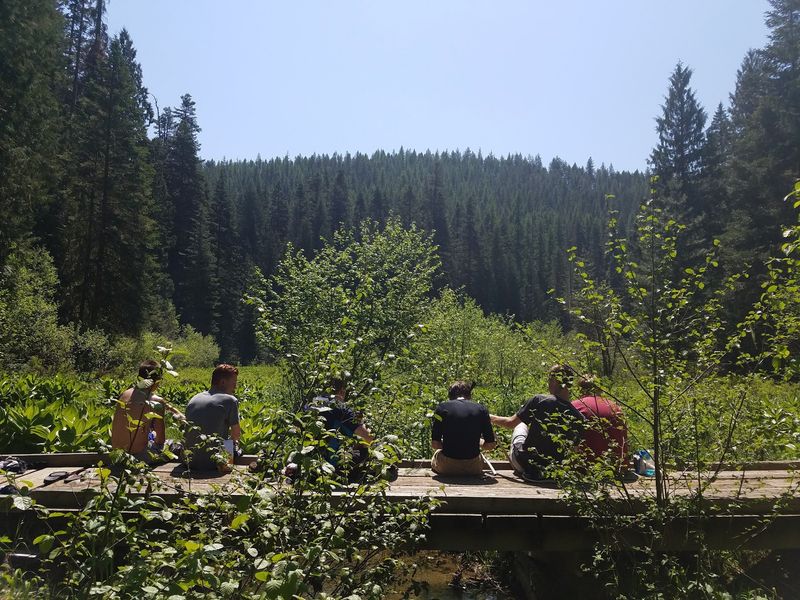
Rolling hills and forested ridges make a surprisingly good combination for animal watching. North central Idaho quietly nails it.
The Palouse Range Trail near Harvard has a reputation for near guaranteed wildlife encounters.
Views stretch across wheat-colored hills toward distant peaks. That mix of open country and timber keeps the scenery shifting.
Deer move through the tree line constantly. Songbirds, grouse, and the occasional elk round out the roster.
Spring and fall bring the friendliest temperatures. Color changes in October make the whole range worth photographing.
Much of the wider Palouse network, including routes around Moscow Mountain, features flowy singletrack winding through the forest.
Mountain bikers share many of these paths. Step aside on blind corners and everyone stays happy.
Trail surfaces stay soft and forgiving underfoot. Runners and long-distance walkers appreciate the easy footing.
Mud shows up after heavy rain, especially in early spring. Waiting a day or two protects the tread. Nine miles takes most hikers a solid half day. Pack lunch and find a viewpoint to enjoy it from.
Ticks appear in warmer months, so check yourself afterward. Long pants handle the brushy sections nicely.
Compared to Idaho’s craggy giants, this range wears its charm a little more gently and still delivers the goods.
7. Farragut State Park Trails, Athol
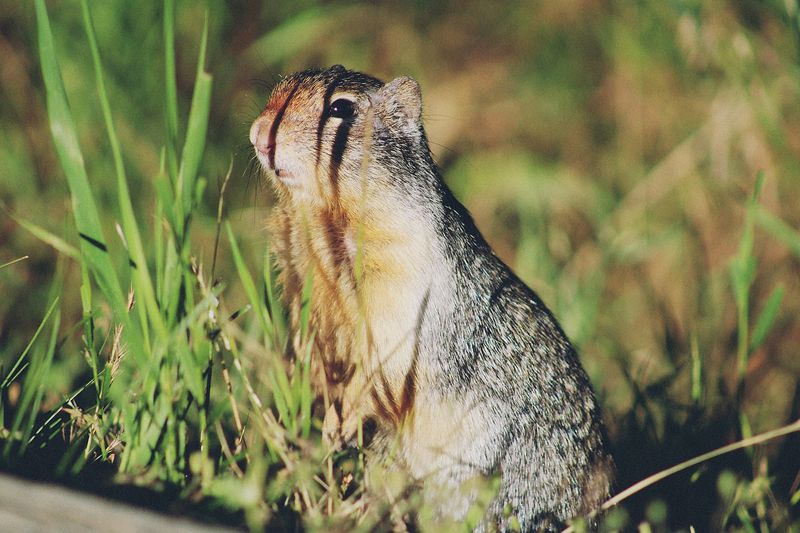
Combining big lake views with serious moose odds sounds like wishful thinking until you actually go.
Farragut State Park near Athol spreads across 4,000 acres of wetland and forest along the shore of Lake Pend Oreille.
Moose favor the marshy edges, especially in early morning. Patience near the wetlands often pays off within an hour.
More than 40 miles of trails crisscross the park. Hikers and mountain bikers both find plenty to work with.
Sixteen thousand feet of shoreline border Idaho’s largest lake. Water views appear at unexpected moments along several routes.
The Squirrel Cache Trail keeps things easy for little legs. The Highpoint Trail to Bernard Peak asks considerably more.
Bernard Peak hosts resident mountain goats. Reaching the top means a real climb, but the summit sightings justify every step.
History adds another layer here. The grounds once served as a naval training station during World War II.
Interpretive displays explain that past for anyone curious between hikes. Kids usually find the story surprisingly interesting.
Campgrounds make overnight stays simple. Waking up inside the park puts you on trail before the animals scatter.
The park sits about five miles east of Athol in Kootenai County. Lake, forest, wildlife, and history rarely stack up this neatly.
8. Pioneer Mountains Ridge Trail, Mackay
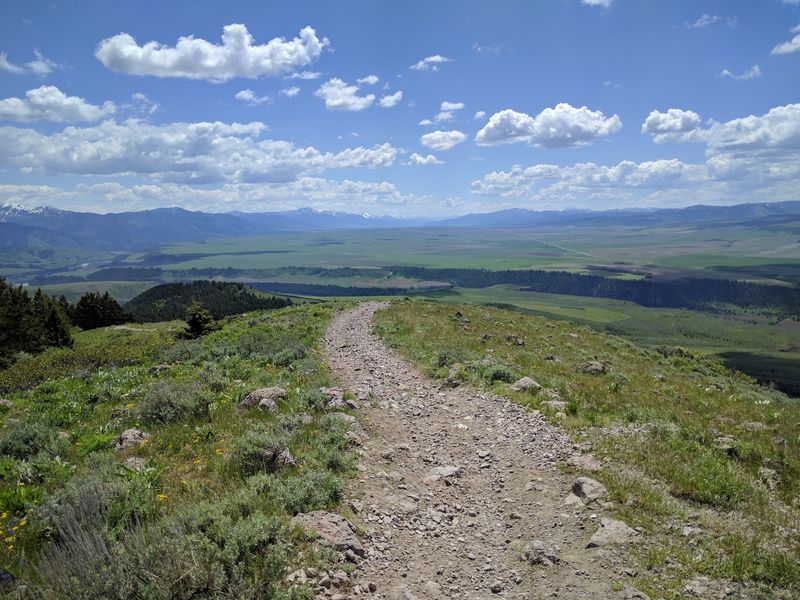
An old log cabin sitting quietly in the mountains adds something unexpected to a long hike. Curiosity kicks in immediately.
The Pioneer Mountains Ridge Trail near Mackay forms an 8.5-mile loop past clear creeks and that weathered historic structure.
Crowds simply do not show up here. Solitude comes standard, even on summer weekends when other trails fill up.
Central Idaho’s raw scenery surrounds you the entire way. Sharp peaks, open meadows, and running water trade places constantly.
Creek beds attract smaller wildlife worth watching for. Marmots, pikas, songbirds, and deer all pass through regularly.
Wildflowers carpet the meadows during July. The variety of blooms surprises hikers who expect nothing but rock and sage.
Elevation changes make the loop moderately demanding. Steady pacing and a couple of snack breaks handle it fine.
Weather shifts fast at ridge level. A windproof layer belongs in your pack even on warm mornings.
Sun exposure is significant along the upper sections. Sunscreen and a brimmed hat prevent a rough evening later.
Mackay offers a small-town base for fuel and supplies. Stock up before heading toward the trailhead.
Give yourself five or six hours to enjoy it properly. Quiet miles and a piece of frontier history make an excellent pairing.
9. Sawtooth Wilderness Backcountry Trail, Stanley
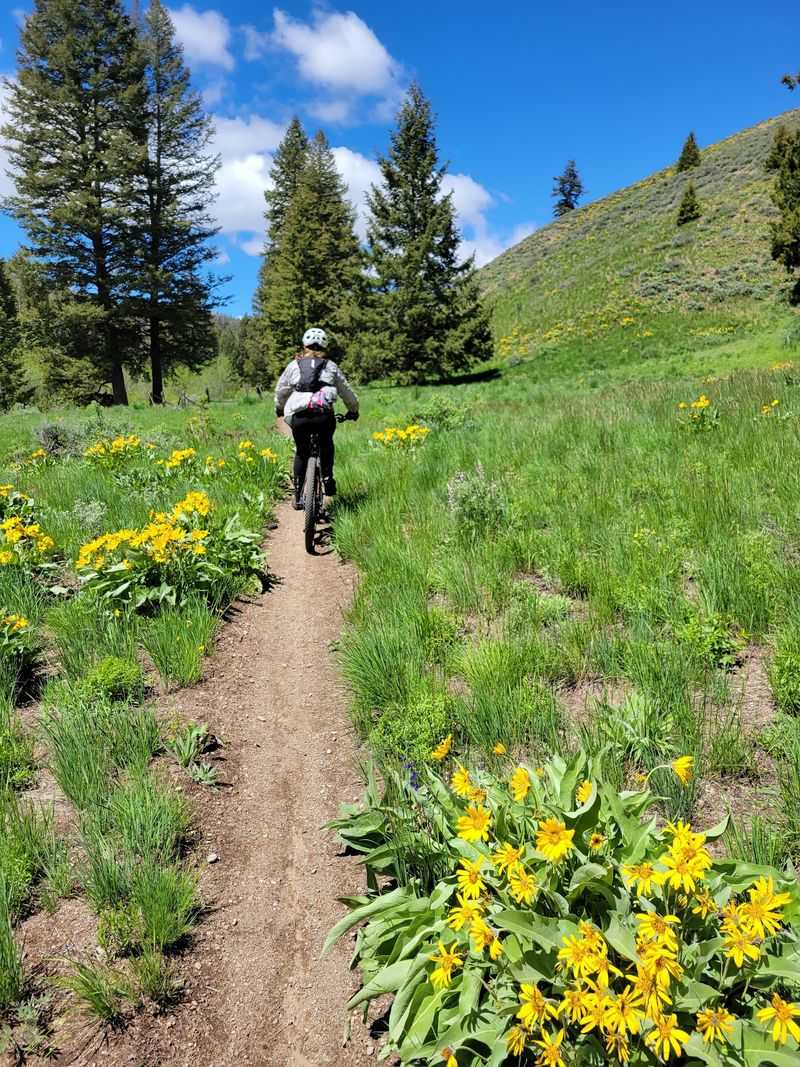
Some landscapes make you stop mid-stride just to stare. Central Idaho keeps a whole mountain range built for exactly that.
The Sawtooth Wilderness backcountry near Stanley carries you into terrain so remote and jagged it earns the crown jewel nickname honestly.
Crystal streams pour out of the Salmon River Mountains. Elk, moose, and bears follow that water through the drainages.
Hundreds of sharp peaks rise here, many topping 10,000 feet. Nearly 400 alpine lakes sit tucked between them.
Over 217,000 acres of protected wilderness means real distance from roads. Deep immersion is the whole appeal.
Hiking season runs short. July and August bring peak wildflower displays and the most dependable trail conditions.
Permits are required for wilderness entry, so check regulations before you go. Rules protect the fragile alpine ground.
Bear canisters and proper camp hygiene matter enormously out here. Store food away from your tent every single night. Mosquitoes peak right after snowmelt. A head net weighs almost nothing and saves your sanity.
The wilderness falls within the larger Sawtooth National Forest, which opens up even more routes nearby.
Stanley makes a practical launching point for multi-day trips. Few adventures anywhere pack this much rugged beauty into a single week.