This Idaho Mountain Town Is A Summer Escape That’s Still Flying Under The Radar
Plenty of drivers zoom right past this tiny mountain town, and that is truly their loss.
Off the busy tourist radar, the pace here feels rare, calm, and gloriously unhurried. Idaho offers loads of outdoor escapes, yet this quiet valley delivers something refreshingly different.
Clear rushing streams and tall pine-covered peaks frame a paved trail that runs for scenic miles. The main trailhead launches easy morning rides and long, ambitious cycling journeys alike.
Because the crowds stay thin, summer visitors chasing calm actually find exactly that.
This quiet little escape is ready to surprise anyone still hunting an under-the-radar getaway.
Where Every Adventure Begins
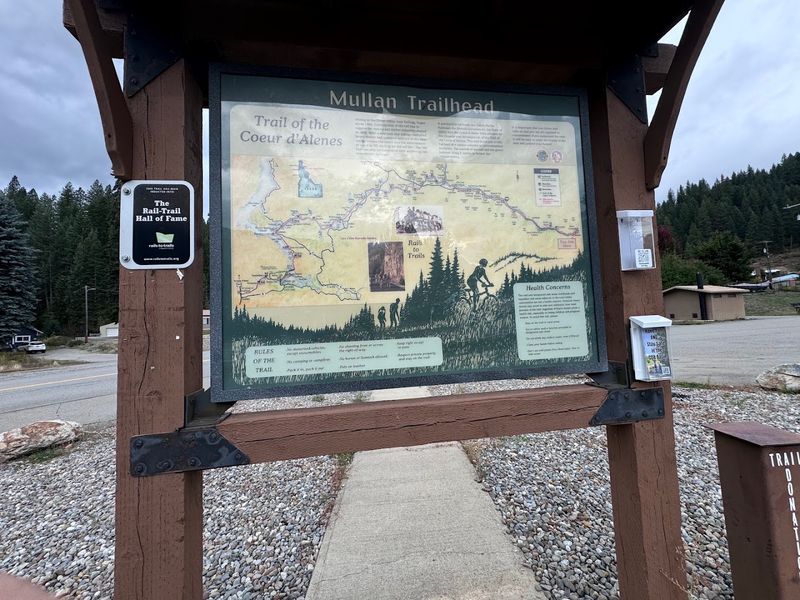
There is something quietly thrilling about standing at the start of a trail that stretches far into the mountains.
The Mullan Trailhead, at 115 2nd St, sits at the northeastern tip of the Trail of the Coeur d’Alenes. It is officially the highest-elevation end of the entire route, which means that almost every pedal stroke or step forward from here goes gently downhill.
The trailhead is easy to find and offers ample parking for cyclists, walkers, and runners. A pit toilet facility is available on-site, and several picnic tables provide a shaded spot to rest before or after a journey.
There is no water available at this trailhead, so arriving with a full bottle is essential, especially during warm summer months.
The surroundings feel immediately welcoming. Pine trees frame the entry, the mountain air carries a cool edge even in July, and the sound of nearby water follows you from the very first steps.
Idaho has many trailheads, but few offer this combination of accessibility and natural drama.
A Trail Built On History
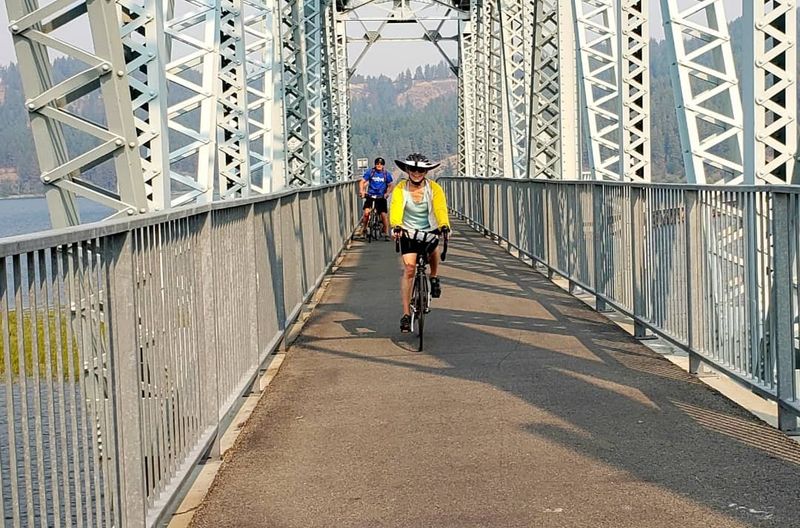
The Trail of the Coeur d’Alenes did not appear out of nowhere.
It was built on a former Union Pacific Railroad corridor, a route that once carried silver ore and timber through the heart of northern Idaho.
The conversion of old rail lines into recreational trails is a practice known as rails-to-trails, and this one is considered among the finest examples in the entire country.
Stretching roughly 73 miles from Mullan to Plummer, the trail passes through wetlands, forests, and lakeshores.
The section starting at Mullan Trailhead offers particularly dramatic scenery, with the South Fork of the Coeur d’Alene River running alongside the path for several miles. The trail is fully paved, making it accessible for road bikes, cruisers, and even rollerblades.
Idaho takes real pride in maintaining this corridor, and that care is visible throughout. The pavement is smooth, signage is clear, and distances are marked at regular intervals.
Knowing the route was once a working railroad line makes the journey feel layered with meaning.
Wildlife You Did Not Expect
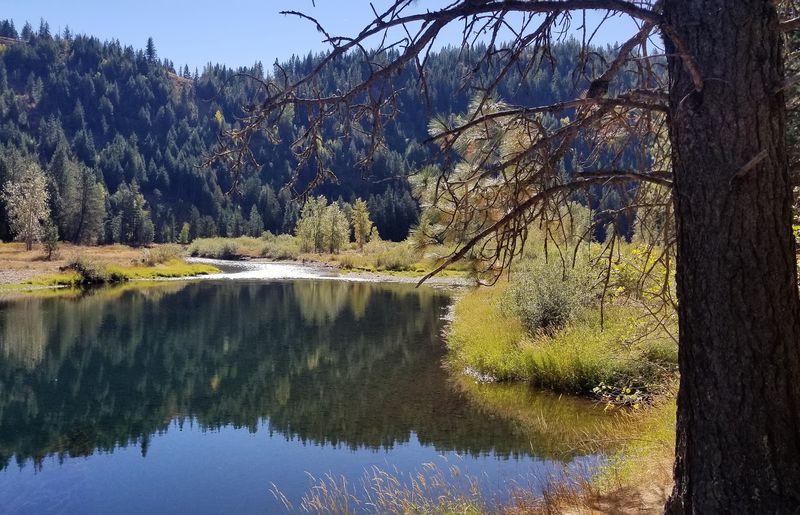
Forget the idea that wildlife sightings require a national park entrance fee and a two-hour drive.
The trail running from Mullan Trailhead delivers encounters with wild animals at a frequency that genuinely surprises first-time visitors.
Moose are among the most commonly spotted residents along this stretch, often grazing near the river or standing ankle-deep in the water just feet from the path.
Deer are a regular presence as well, particularly in the early morning hours when the trail is quieter. Birds fill the trees along the route, and the river itself supports a healthy ecosystem that attracts wildlife throughout the warmer months.
The mix of forested hillsides, open meadow patches, and river access creates ideal habitat for a wide range of species. Idaho’s Silver Valley might not be the first name that comes to mind when people think about wildlife watching, but the numbers tell a different story.
Visitors consistently report sightings that would impress even seasoned naturalists. Coming here with binoculars is not overkill, it is simply good planning for a trail that rewards the attentive traveler.
The Joy Of Going Downhill
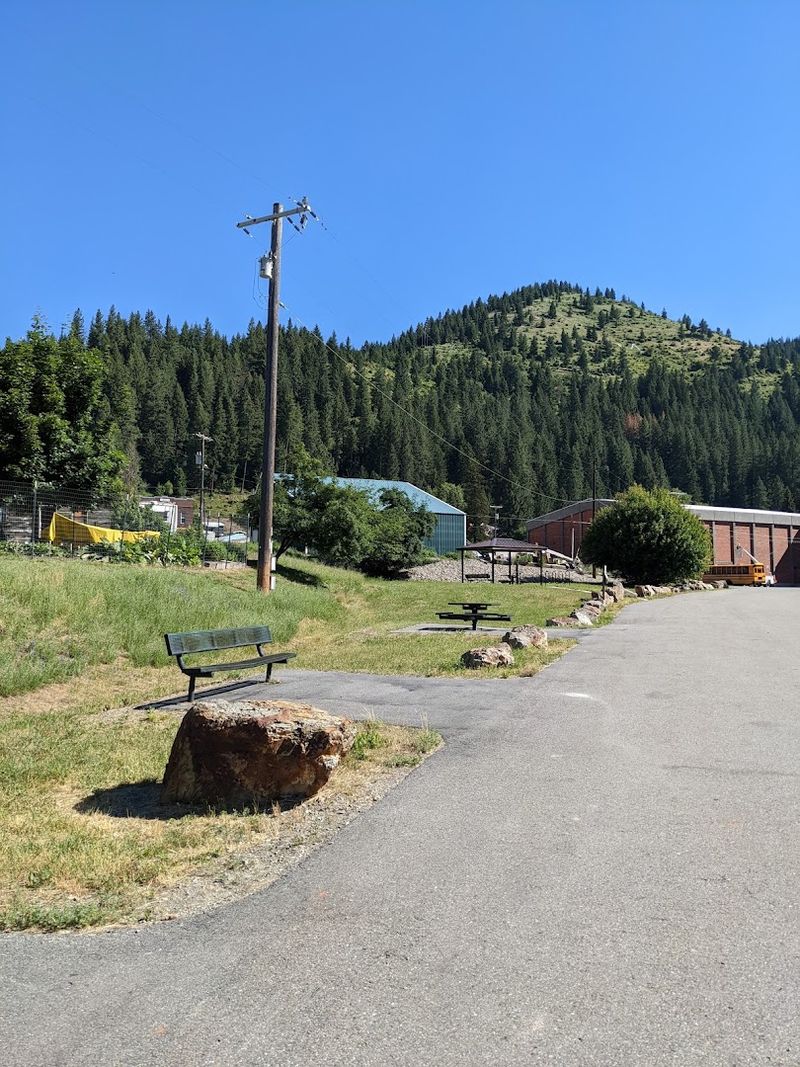
One of the most talked-about features of starting a ride at Mullan Trailhead is the elevation advantage.
Sitting at the highest point of the Trail of the Coeur d’Alenes, this trailhead gives cyclists a natural gift: a gentle, sustained descent that carries you forward with very little effort.
The grade is not dramatic or dangerous, just a smooth, steady downhill that makes the miles feel effortless.
For families with younger riders or anyone looking for a low-stress cycling experience, this directional advantage is a significant selling point.
Heading from Mullan toward Wallace covers roughly seven miles of scenic terrain with the river close at hand and the mountains rising on both sides. It is the kind of ride where you find yourself grinning without quite knowing why.
The return trip, of course, requires a bit more effort. But many visitors choose to shuttle back rather than pedal uphill, making the logistics simple and the experience entirely enjoyable.
Idaho summers are warm but rarely oppressive at this elevation, so the physical effort of the return route is manageable even for casual riders.
Running And Walking The Route
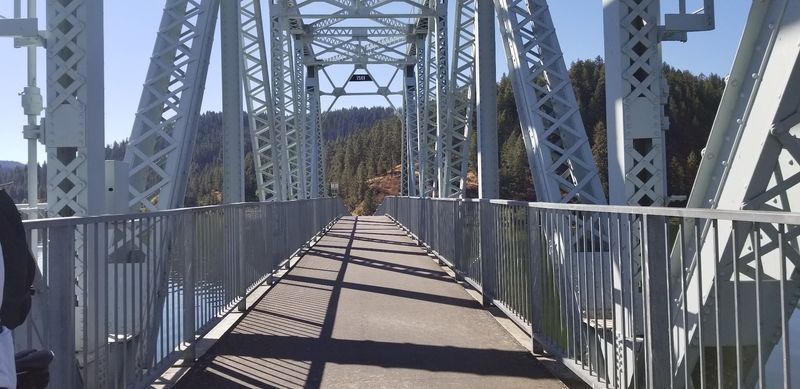
Not everyone who shows up at Mullan Trailhead arrives with a bicycle.
The trail is equally popular with runners and walkers, and the paved surface makes it friendly for all fitness levels. A five-mile out-and-back walk takes you deep into the valley scenery and back without requiring any special gear beyond a comfortable pair of shoes.
Runners who visit in the spring may find portions of the trail still dusted with snow in April, which adds a whole different texture to the experience.
The snow-covered route is quieter, the air is sharper, and the scenery takes on a stark, almost otherworldly quality.
Dogs are often spotted trotting alongside their owners, though the occasional barking from properties near the trail is part of the authentic, lived-in character of this route.
The trail runs adjacent to Interstate 90 for stretches, but the noise is surprisingly minimal once you settle into your pace.
The river sound competes favorably with highway traffic, and the visual beauty of the surrounding mountains keeps your attention pointed in the right direction.
Seasons Change The Experience
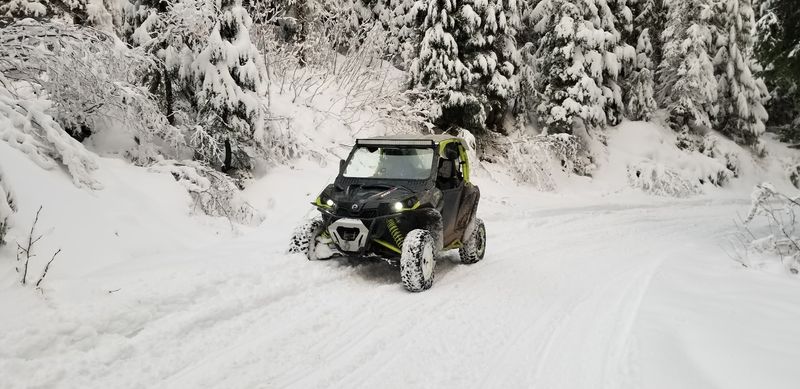
Summer gets most of the attention, but Mullan Trailhead has a different personality in every season.
Spring arrivals may find patches of snow still clinging to the trail surface well into April. Summer brings warmer temperatures, longer daylight hours, and the full chorus of the forest in bloom.
The river runs higher and faster with snowmelt in June, creating a soundtrack that follows you for miles.
By July and August, the trail reaches peak popularity, with cyclists and walkers arriving throughout the day to enjoy the mountain scenery under clear blue skies.
Fall is arguably the most visually dramatic season of all. The deciduous trees along the valley floor turn gold and amber, contrasting sharply with the deep green of the conifers above.
Autumns in the Silver Valley are cool, crisp, and often brilliantly clear, making late September and October ideal for a scenic ride or walk.
Winter closes the trail to most visitors, but the snow-dusted landscape visible from the trailhead parking area is a reminder that beauty here does not take a seasonal break.
The Town Behind The Trailhead
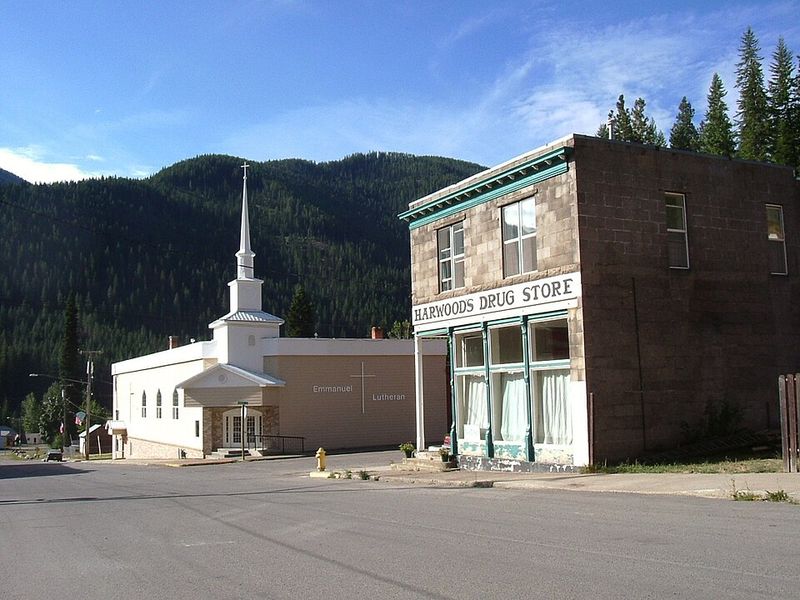
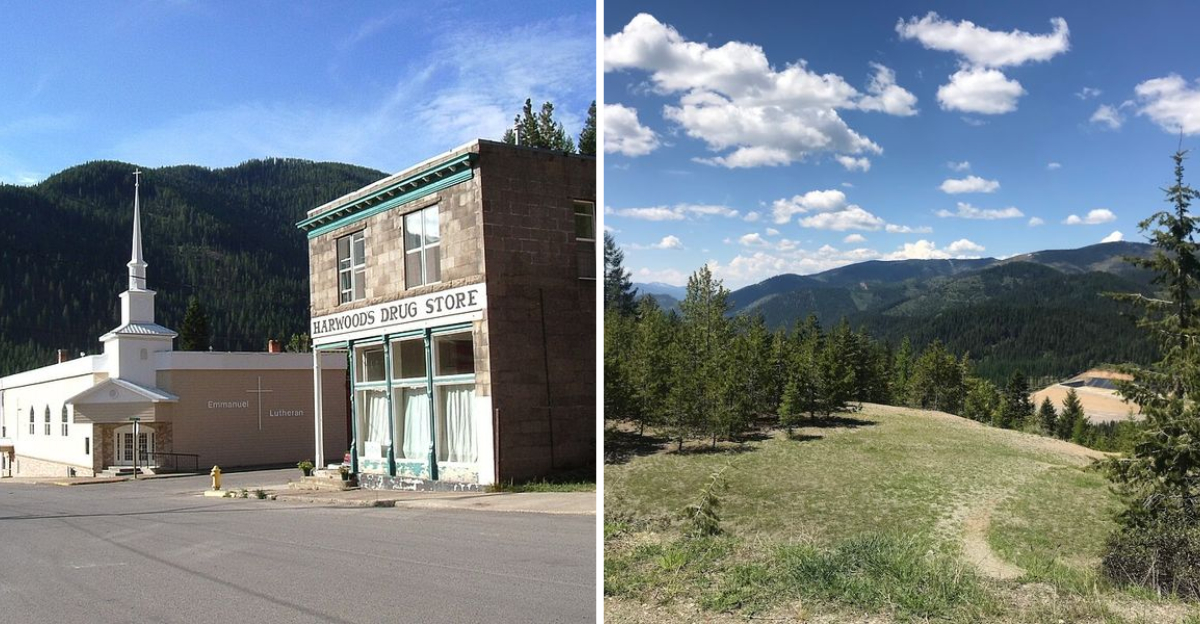
The trailhead is the main draw, but the town of Mullan itself deserves a few minutes of your attention.
Settled during the silver mining boom of the late 1800s, Mullan carries that history in its architecture and its community character.
The streets are quiet, the buildings carry the wear of decades, and the people who live here have a directness and warmth that feels genuinely unperformed.
A small library sits in town and is worth a stop for anyone curious about local history.
The surrounding mountains were once home to some of the most productive silver mines in the American West, and that legacy shaped everything from the layout of the streets to the cultural identity of the community.
The town is not a tourist destination in the polished sense, and that is precisely what makes it interesting. Idaho has plenty of resort towns with perfectly curated main streets.
Mullan is something different: a real working-class mountain community that happens to sit at the gateway to one of the finest recreational trails in the Pacific Northwest.
Planning A Visit That Works
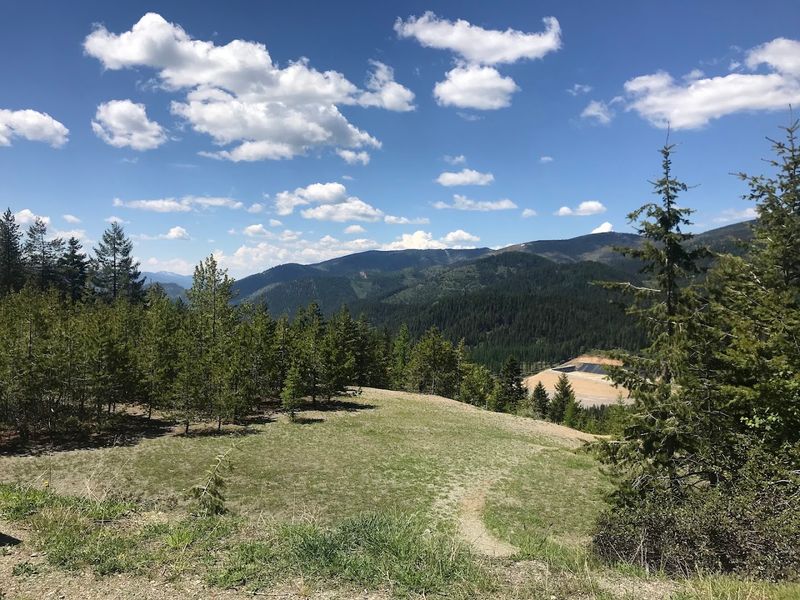
Getting the most out of a visit to Mullan Trailhead takes a little preparation.
The parking area is generously sized, but on peak summer weekends it fills up faster than you might expect. Arriving early in the morning is the best strategy for securing a spot and enjoying the trail before the midday heat sets in.
Water is not available at the trailhead or at any stops between Mullan and Bull Run, so carrying more than you think you need is strongly recommended.
A filled hydration pack or multiple water bottles is not optional on longer rides or runs, especially in July and August when temperatures can climb into the upper seventies. Snacks matter too, since there are no food vendors along the trail itself.
The pit toilet at the trailhead is kept reasonably clean, though it is a basic facility rather than a full restroom.
Picnic tables offer a welcome spot for a pre-ride stretch or a post-adventure snack. Cell service can be spotty along the trail, so downloading an offline map before leaving is a smart move.