Indiana Is Home To 8 Museums You Can Explore For Free In 2026
Free history beats a pricey ticket any day. The best experiences do not always cost money.
Indiana carries more history than the cornfields suggest.
Quiet neighborhoods hide museums with powerful stories. Some trace the roots of American law enforcement. Others celebrate art, invention, and the drive to explore.
These collections connect you to something real and lasting. I toured a few and never once checked my wallet. Nobody expects this much depth for zero dollars.
The stories stick with you long after leaving. Old badges gleam inside quiet cases. Inventions from another century line the walls.
How much history can a free ticket really buy?
1. Indiana State Police Museum
Slow looking teaches more than quick reading ever could. Step inside this tribute to Indiana’s law enforcement history and you will quickly understand why.
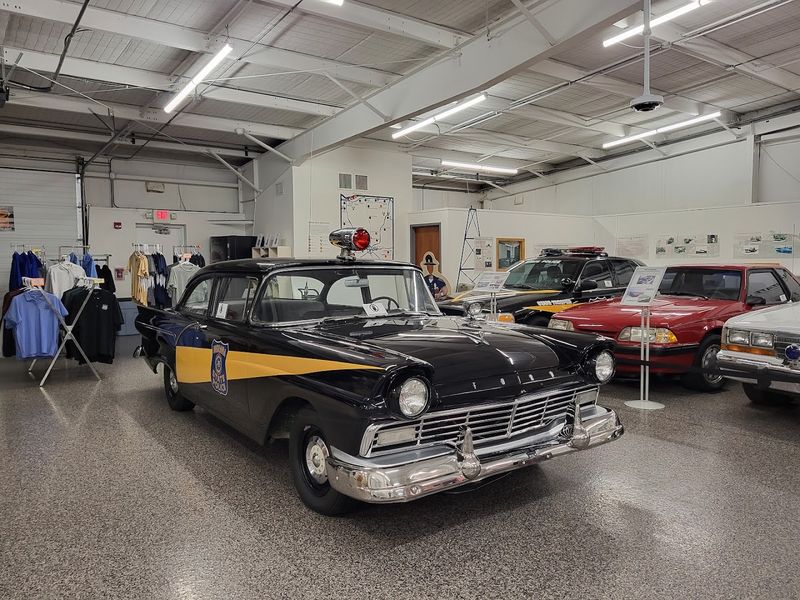
The Indiana State Police Museum holds decades of service history under one roof. Patrol vehicles, uniforms, badges, and equipment tell the story of those who protected the state.
Each exhibit is arranged thoughtfully, guiding you through how policing evolved across generations. The building itself sits at 8660 E 21st St in Indianapolis, and it is open to the public at no charge.
Vintage cruisers are among the most eye-catching pieces in the collection. They sit parked and polished, almost ready to roll.
You can see how radio equipment changed over the decades, from bulky analog boxes to sleek digital units. The timeline of technology here is surprisingly fascinating.
Children tend to gravitate toward the interactive sections near the entrance. Families often spend longer than planned exploring the gear displays.
There is a quiet reverence to the space that makes even casual visitors pause and reflect. This museum does not shout for attention; it earns it steadily.
Law enforcement history is not always an easy subject, but this collection handles it with care and honesty. The staff clearly takes pride in preserving stories that might otherwise fade.
If you have ever been curious about what Indiana troopers carried, drove, or wore through the years, this is exactly the kind of stop that answers those questions without a single boring moment.
2. AFCA Antique Fan Museum
You don’t need a degree, just a curious pair of eyes and maybe a healthy appreciation for the unexpected.
What if an entire museum dedicated to antique fans turned out to be one of the most charming stops in the state?
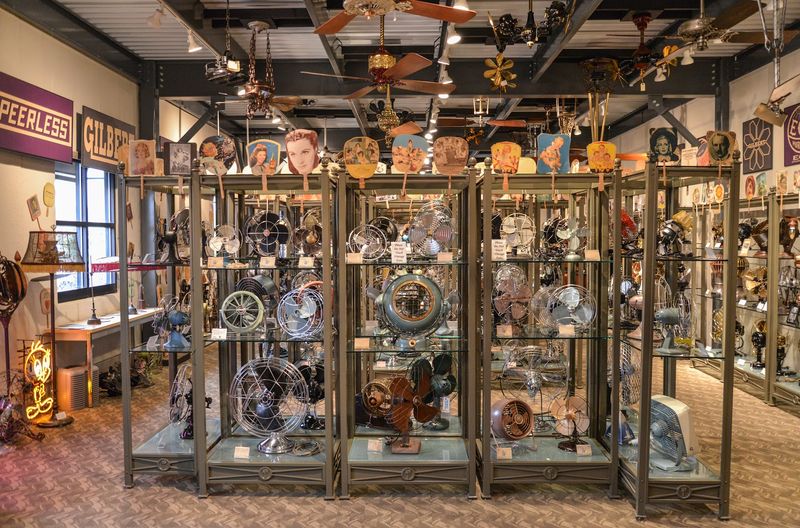
The AFCA Antique Fan Museum, hosted inside Fanimation’s facility, is exactly that kind of surprise. The collection spans over a century of fan design and engineering history.
Early electric fans from the 1890s sit alongside art deco models from the 1930s, each one a small window into the era that produced it. The address, 10983 Bennett Pkwy Ext in Zionsville, is worth the drive.
What makes this museum memorable is the sheer variety on display. Brass blades, ornate cages, and painted motors reveal how much craftsmanship once went into everyday household objects.
Some fans look more like decorative sculptures than cooling devices.
The collection belongs to the Antique Fan Collectors Association, and the depth of knowledge behind each label shows.
You can trace how industrial design shifted from ornate Victorian aesthetics to streamlined modernism in just a few feet of walking. That kind of visual history is rare and genuinely rewarding.
Fanimation still operates as a working fan company, which adds an interesting layer to the experience. Walking through a space where past and present design coexist makes the whole trip feel purposeful.
It is a niche collection, yes, but niche done this well is hard to resist. Leave extra time because the details demand it.
3. Indianapolis Art Center
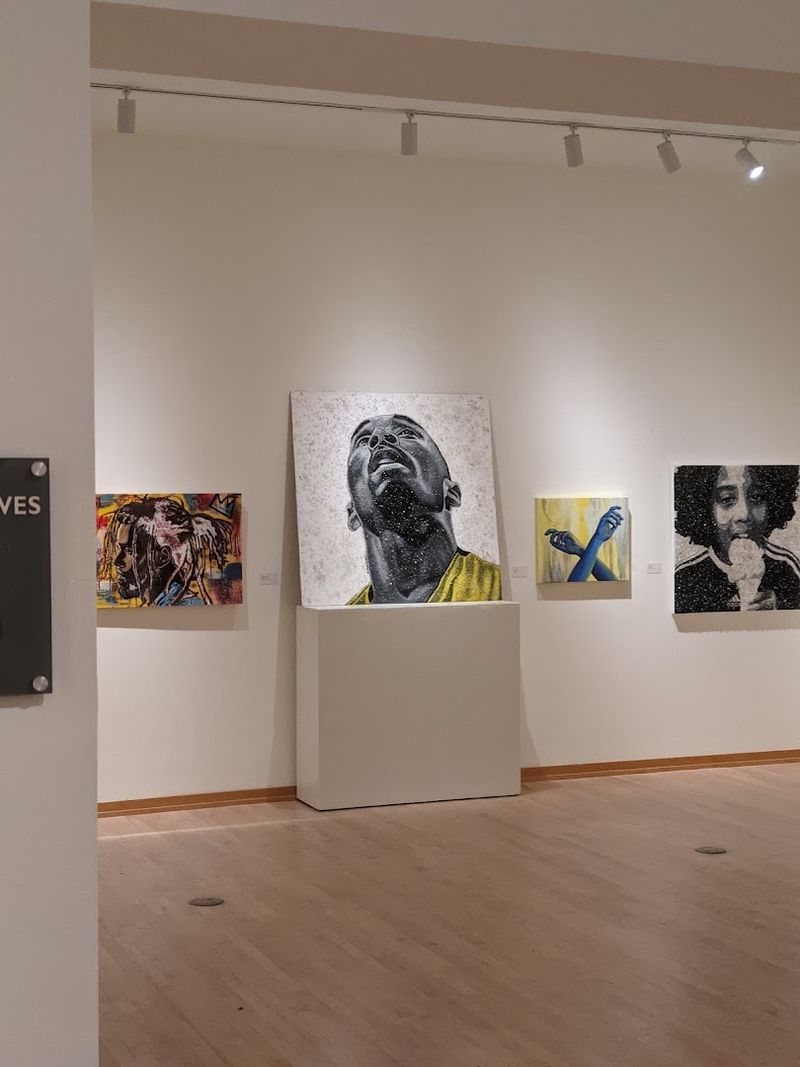
Trust the quiet corners because the overlooked pieces often linger longest. The Indianapolis Art Center rewards those who slow down and pay close attention to what surrounds them.
This is a working art center as much as it is a museum. Studios hum with activity while exhibitions shift regularly, keeping the experience fresh with every return trip.
The building, designed by architect Michael Graves, is a striking piece of design in its own right. Its angular forms and bold use of color make the structure feel like part of the collection itself.
Located at 820 E 67th St in Indianapolis, the center serves both practicing artists and curious newcomers. Free admission means there is no barrier between the public and the work on the walls.
Rotating exhibitions cover everything from photography to sculpture to mixed media installations.
The outdoor ArtsPark behind the building adds another dimension to the experience. Sculptures are scattered across a landscaped area where families, students, and solo travelers tend to wander comfortably.
It feels relaxed and open rather than formal or intimidating.
Community programming runs throughout the year, including workshops and artist talks that anyone can attend. The center has a strong local identity rooted in accessibility and creative education.
Even on a quiet weekday afternoon, the energy inside the building is tangible.
Something is always being made, shown, or discussed. That creative pulse is what separates this stop from a traditional museum and makes it worth building into any Indiana travel itinerary.
4. Swope Art Museum
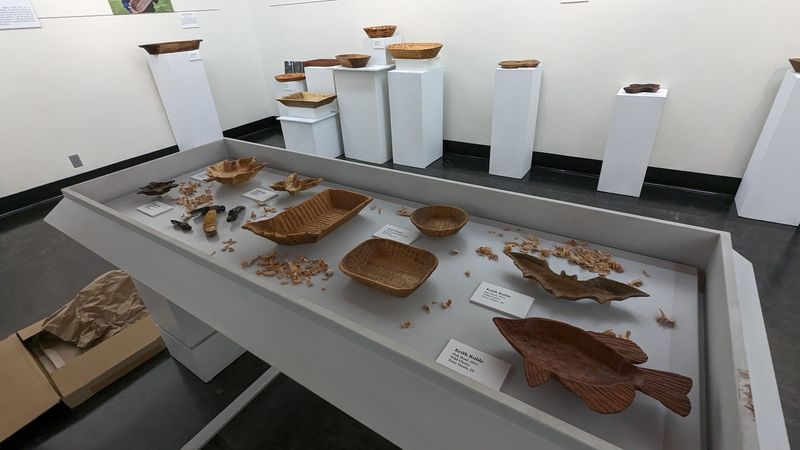
There is a specific stillness that only well-curated museums keep, and the Swope Art Museum in Terre Haute holds it well. The building alone is worth stopping for.
Opened in 1942, the museum occupies a neoclassical limestone structure that anchors the downtown area with quiet authority. The architecture sets a tone before you reach the entrance doors.
Inside, the focus is American art from the 19th and 20th centuries, with particular strength in modernism and regionalist painting.
Names like Grant Wood and Thomas Hart Benton appear in the collection, which immediately signals the caliber of what is on the walls.
The permanent collection includes over 1,400 works, a number that feels substantial for a mid-sized city museum. The galleries are organized in a way that encourages wandering rather than strict chronological navigation.
You can move between eras and styles organically, which makes the experience feel personal rather than academic. The museum sits at 25 S 7th St in Terre Haute, right in the heart of downtown.
Rotating exhibitions bring fresh perspectives throughout the year. The museum also maintains an active schedule of community events and educational programming.
That community connection is visible in how locals interact with the space, treating it as a familiar and valued part of daily life rather than a formal institution.
Admission is free, which removes any hesitation about stopping in even for a short time. The Swope rewards both the casual passerby and the dedicated art enthusiast equally well.
That balance is harder to achieve than it looks.
5. Elwood Haynes Museum
Not every inventor gets a museum, but Elwood Haynes earned his. The story behind this Kokomo landmark is one of American ingenuity at its most relatable and inventive.
Haynes is credited as one of the pioneers of the American automobile, having built one of the country’s earliest gasoline-powered cars in 1894.
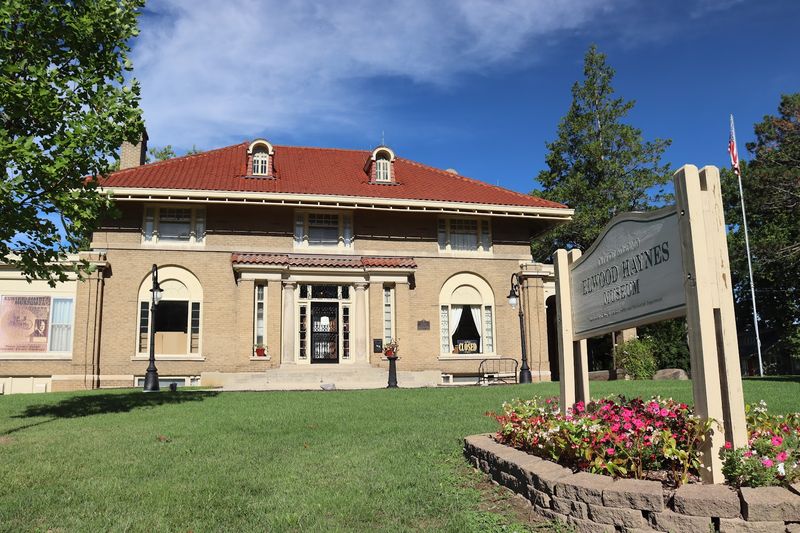
The museum dedicated to his life and work is housed in his former home, which adds an intimate layer to the experience. Walking through rooms where he actually lived and worked makes the history feel tangible rather than distant.
Beyond the automobile, Haynes was also a metallurgical inventor who developed stainless steel and stellite alloys. That second chapter of his legacy is often overshadowed by the car story but is equally impressive.
The exhibits cover both threads of his career with clear and engaging displays. His former residence at 1915 S Webster St in Kokomo is a well-preserved and thoughtfully maintained historic property.
Artifacts on display include early automotive components, personal documents, and tools from his laboratory work.
The scale is intimate rather than overwhelming, which suits the subject well. You can move through the entire collection in an hour and come away feeling genuinely informed.
The surrounding neighborhood retains a residential character that makes the museum feel like a discovery rather than a tourist landmark.
That sense of finding something real and rooted in a specific community is exactly what makes small historic museums worth seeking out. This one earns every bit of the curiosity you bring to it.
6. George Rogers Clark National Historical Park
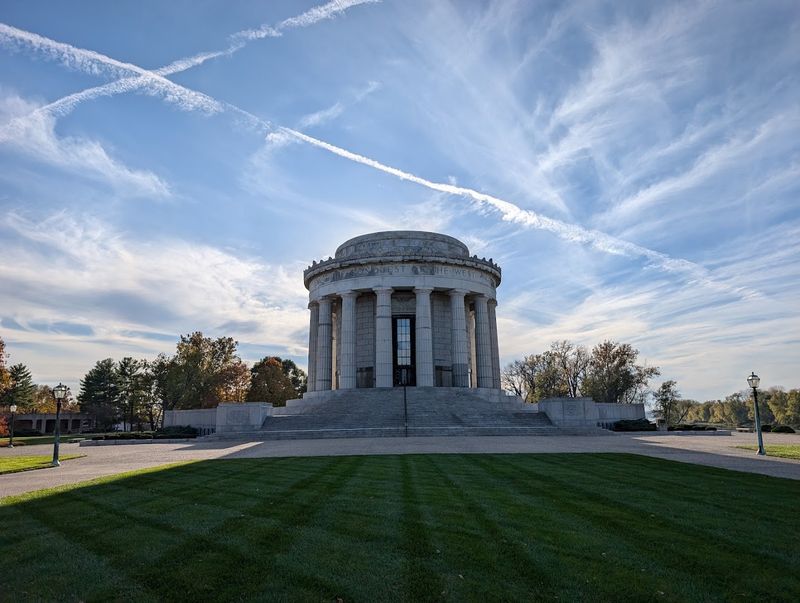
Forget the highlight reel because the smaller details inside this memorial hold the real surprises. Few free historical experiences in Indiana carry this kind of architectural and narrative weight.
The George Rogers Clark National Historical Park commemorates a pivotal moment in American Revolutionary War history.
Clark led a campaign in 1779 that secured the Northwest Territory for the United States, a victory that shaped the future boundaries of the nation.
The memorial built in his honor is a massive neoclassical rotunda that commands the landscape above the Wabash River. The interior murals, painted in the 1930s, depict the campaign in vivid and dramatic detail.
The park is managed by the National Park Service and offers free admission, making it one of the more impressive no-cost historical experiences in the entire region. Rangers are on hand to provide context and answer questions, which adds real value to the self-guided experience.
The address, 401 S 2nd St in Vincennes, places the memorial near the river that played a central role in the original military campaign.
Outside the rotunda, the grounds include interpretive markers and river views that help situate the story geographically. Standing at the site where the campaign reached its conclusion makes the history feel immediate and grounded.
The scale of the memorial surprises most first-time visitors who expect something modest. The building’s grandeur reflects how significant this moment was considered in the broader sweep of American history.
Come with a little background knowledge and the murals inside will reward every moment of careful attention you give them.
7. Raclin Murphy Museum Of Art
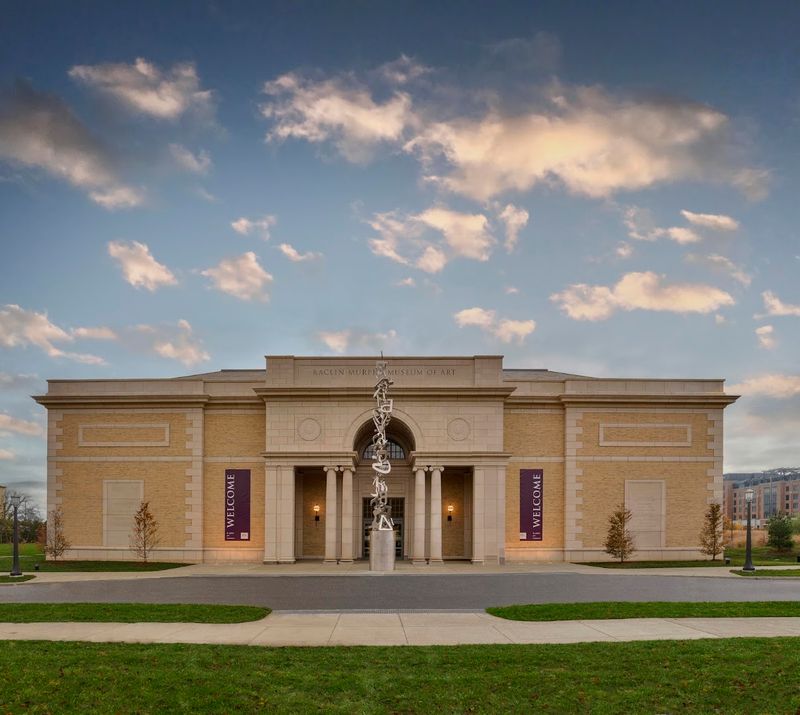
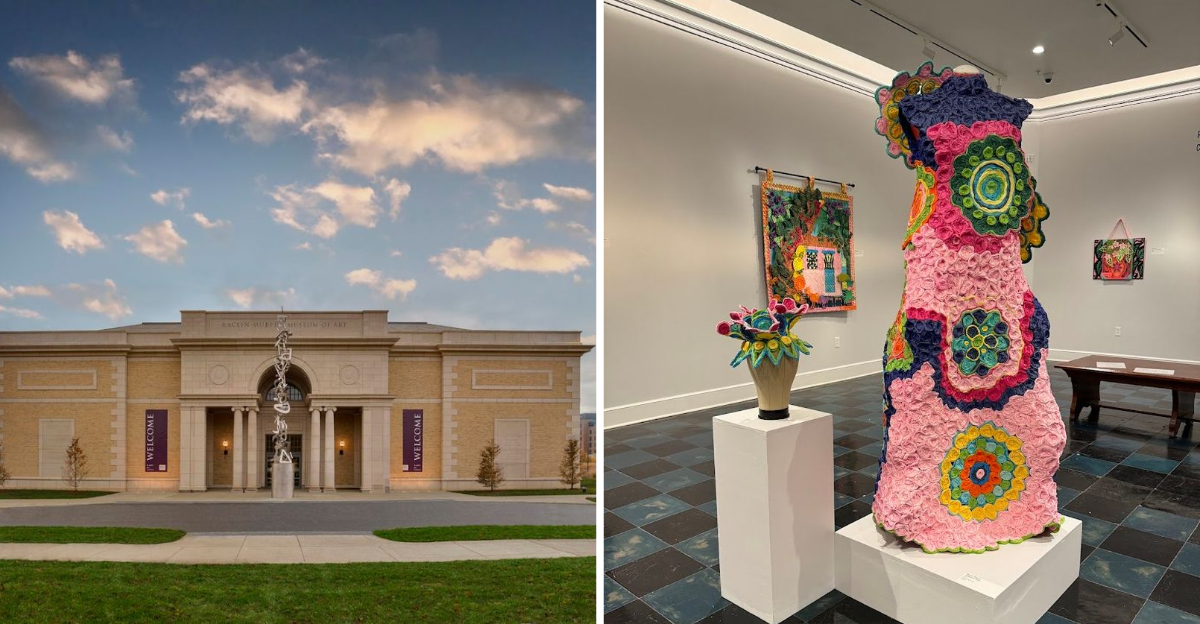
Have you ever circled back to one room you simply could not shake? That kind of experience is practically guaranteed at the Raclin Murphy Museum of Art on the University of Notre Dame campus.
The collection here spans thousands of years and multiple continents. Ancient works sit alongside European masterpieces and modern American pieces, creating a breadth that feels almost unlikely for a university museum.
The building itself was recently reimagined and expanded, giving the collection a setting that matches its ambition. Walking through the new galleries, the curation feels deliberate and deeply considered.
Notre Dame’s campus provides a remarkable backdrop. The museum’s address is on St. Andre Way in Notre Dame, nestled within one of the most architecturally striking university campuses in the country.
That setting alone adds something to the experience before you even step inside.
The permanent collection includes prints, drawings, photography, and decorative arts alongside the paintings and sculptures.
There is enough variety that two visitors with completely different tastes could each find something that holds their attention for an extended stretch.
Special exhibitions rotate throughout the year, which means repeat visits are always worthwhile. The museum is free and open to the public, not just students or faculty.
That openness reflects the university’s broader commitment to cultural access.
Few free art experiences in Indiana carry this level of scholarly depth combined with genuine visual beauty. It earns its reputation quietly but firmly, and that restraint is part of what makes it so satisfying to explore.
8. Richmond Art Museum
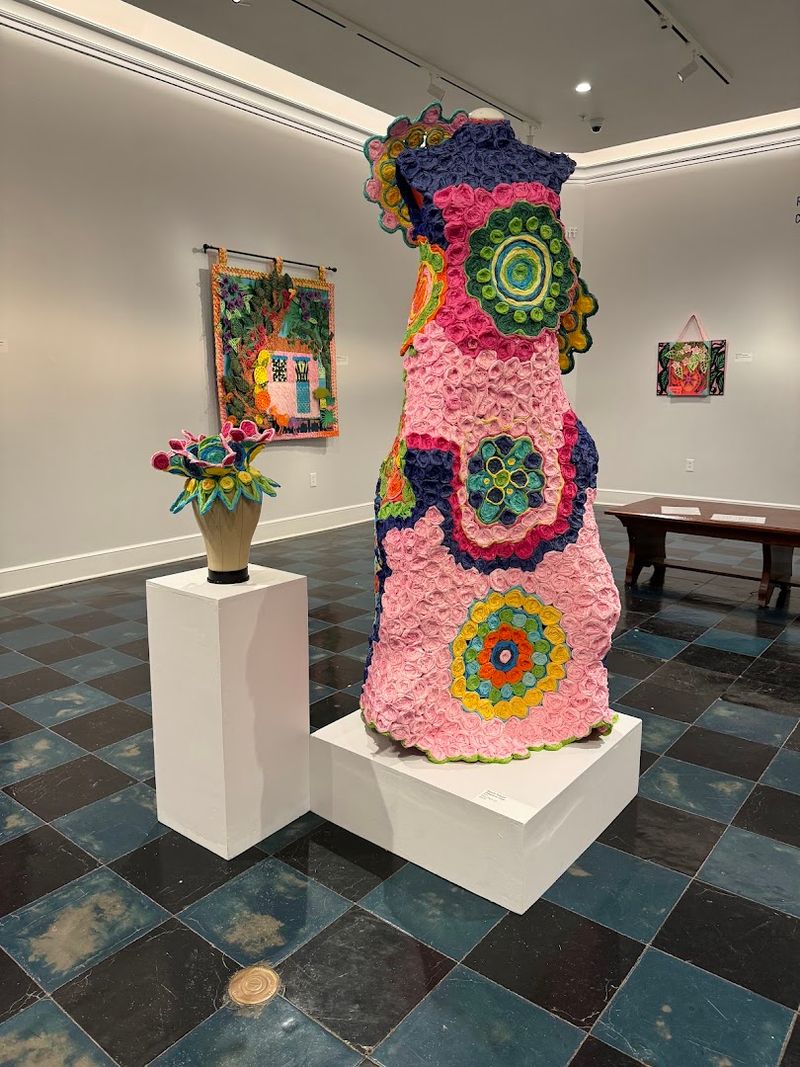
Some collections inform; this one quietly rearranges how you see American art history. The Richmond Art Museum carries a depth that surprises most first-time visitors.
Founded in 1898, the museum is one of the oldest continuously operating art institutions in Indiana. That longevity shows in the quality and range of the permanent collection.
American paintings from the late 19th and early 20th centuries dominate the galleries, with strong representation from the Richmond Group of painters who shaped regional art in meaningful ways.
The building itself is housed within the Richmond High School campus, which is an unusual arrangement that gives the museum a distinctly community-embedded character.
You can find it at 350 Hub Etchison Pkwy in Richmond, and admission is free. That accessibility has helped it remain a true neighborhood institution across more than a century.
Portraits, landscapes, and genre scenes fill the walls with warmth and technical precision. The works reward close inspection, especially the smaller pieces tucked between larger canvases.
Light falls well across the galleries, making the colors in older paintings appear richer than you might expect.
The museum also hosts rotating exhibitions that bring contemporary work into conversation with the historic collection. That dialogue between old and new keeps the space from feeling like a preserved relic.
There is real curatorial energy here. For anyone interested in American regionalism or the art history of the Midwest, this museum offers an honest and unhurried look at a chapter that deserves more attention than it typically receives.