Inside Boise’s Old Idaho Train Depot, A Bell Tower Still Overlooks The Capitol From 1925
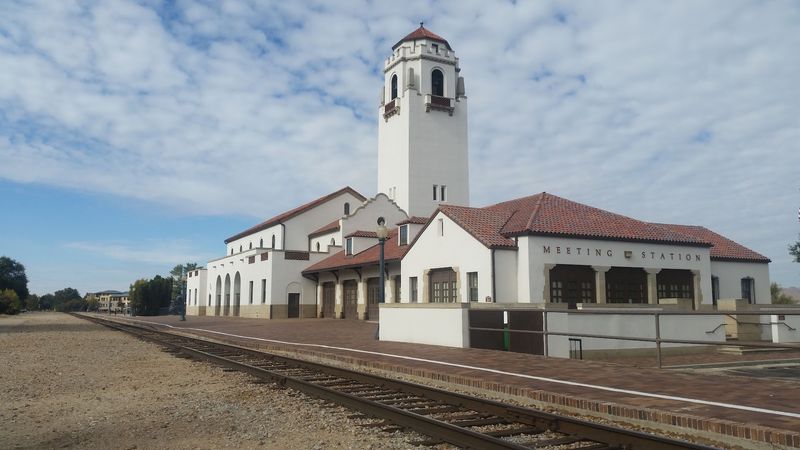
A single bell still rings every hour from a white tower on a hill at the south end of a long, straight boulevard in Idaho. Walk up to it and you find an old train station that no train has stopped at in decades.
Inside are tiled floors, tall arched windows, and an elevator that lifts you high above the city. Outside, koi swim in a garden pond while the State Capitol sits framed perfectly at the far end of the street.
A Station Perched Above Capitol Boulevard
Stand at the Idaho State Capitol, look south down Capitol Boulevard, and the street ends at a tower. That tower belongs to the Boise Depot, a former Union Pacific passenger station sitting on a raised bench of land above downtown Boise.
The address is 2603 W Eastover Terrace in Boise, and the building faces the city like it was built to show off the view. It was.
Railroad planners chose the spot so travelers stepping off the train would see the Capitol dome lined up straight ahead.
Today the depot works as a small historical museum, a public garden, and one of the busiest event spaces in the Treasure Valley. Boise Parks and Recreation runs the place, and the city has owned it since 1996.
Plenty of Idahoans have driven past the tower for years without ever going inside. That is a common story here, and it makes the first visit feel like a small discovery.
The building is also listed on the National Register of Historic Places. That status helps protect its tile roof, arched doorways, and tall tower for the generations who will climb the hill after us.
April 1925 And A Crowd Of Thousands
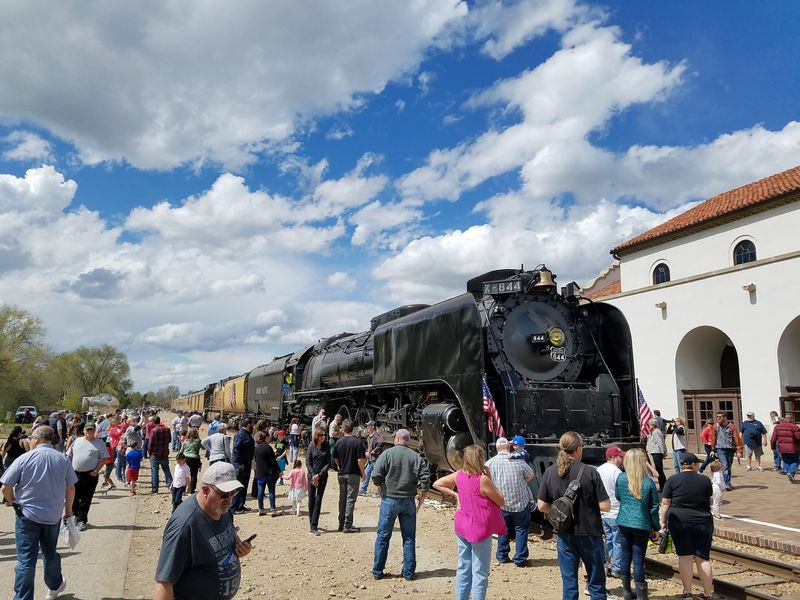
Thousands of people showed up on April 16, 1925. They came to watch the first transcontinental passenger train roll into Boise’s brand new depot, and for good reason.
Before then, Idaho’s capital had a reputation for being isolated. Main rail lines had passed the city by, so getting in or out took extra effort.
The new station changed that almost overnight and tied Boise directly to the rest of the country.
Construction had started on August 1, 1924, which means the whole building went up in well under a year. When it opened, people called it the most beautiful structure of its kind in the West.
That is a bold claim, but the crowd that day clearly agreed.
Imagine the scene: hats, coats, kids on shoulders, and a train whistle echoing across the Boise Valley. For a growing capital, it was a moment of real civic pride.
The 100th anniversary arrived in 2025, so the depot has now spent a full century watching over the city. Few buildings in Idaho can say they marked such a turning point for their town.
Spanish Mission Lines In Southern Idaho
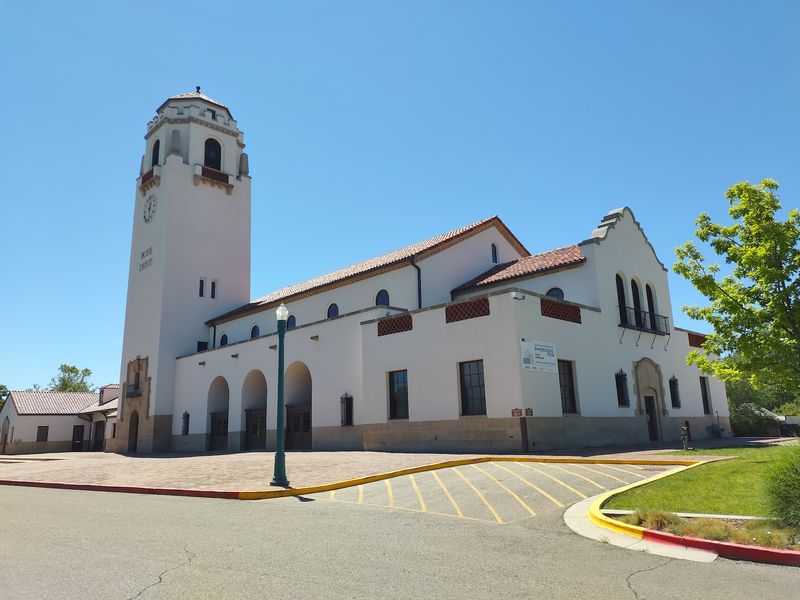
California missions might seem like an odd inspiration for a building in Idaho. Yet that is exactly what New York architects Carrere, Hastings, Shreve, and Lando borrowed when they drew up the Boise Depot.
The style is called Mission Revival. You can spot it in the massive, plain white walls, the wide overhanging eaves, and the low-pitched red clay tile roofs.
Nothing is fussy, and the shapes do most of the talking.
Six arched entrances run along the building. Besides looking handsome, they let daylight pour into the main hall, which keeps the interior bright even on gray winter afternoons.
Visitors often describe the color combination as white and terracotta, and it really does stand out against the brown foothills and blue sky. On a sunny day, the walls almost glow.
Some people call the look Spanish Revival, and others say Spanish mission style. Either way, the design gives the Treasure Valley something you will not see on many other buildings around Boise.
It feels like a warm, sunny corner of another place, set down on a bench above the river.
Ninety-Six Feet Of Watchful Tower
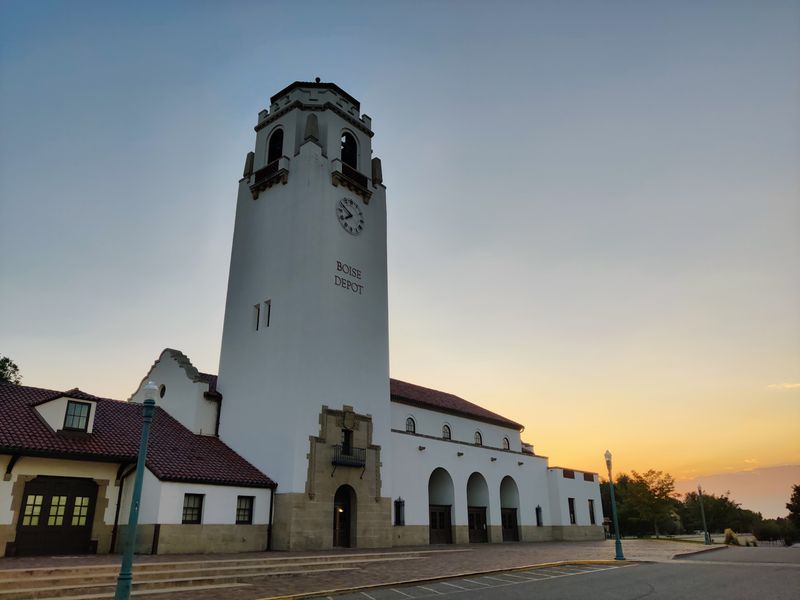
Ninety-six feet. That is how tall the bell tower rises, and it is the part of the depot almost everyone in Boise recognizes from across town.
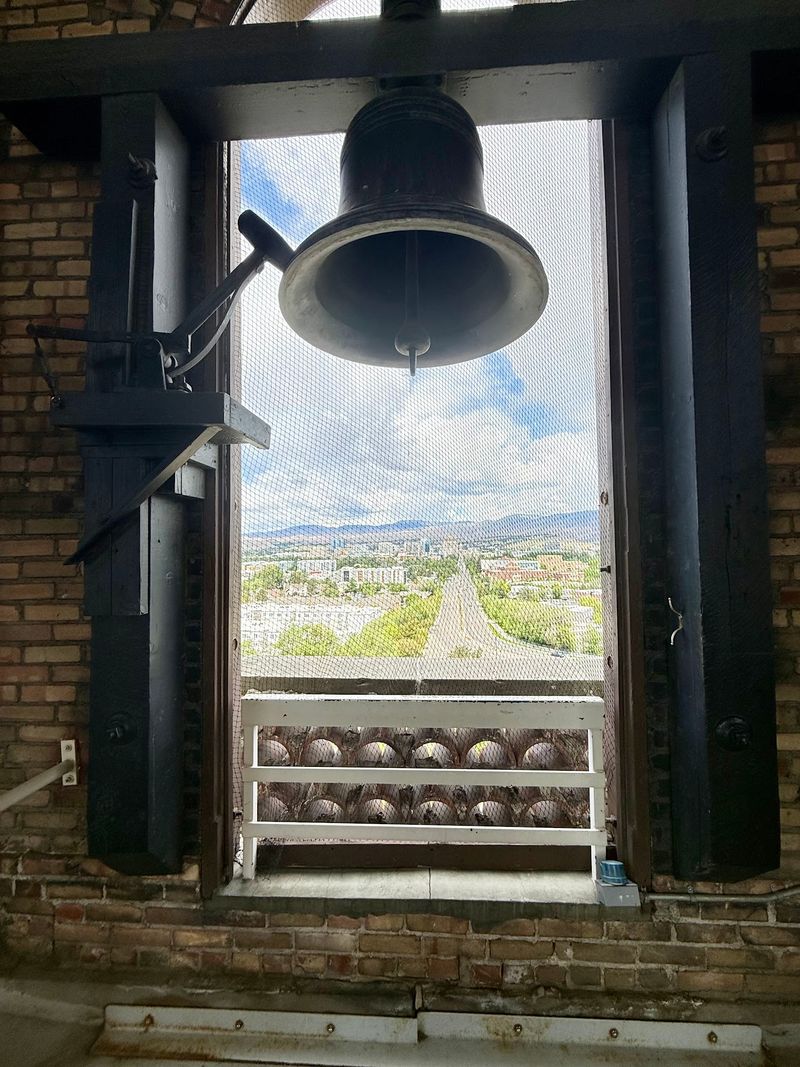
The tower once held four bells. Ringing them all eventually caused cracks in the structure, so the full set went quiet to protect the building.
One bell still sounds on the hour, a small, steady reminder that the old station is keeping time.
After dark, floodlights wash the tower in light. It becomes a landmark you can pick out from many spots around the city, almost like a lighthouse for the Treasure Valley.
One visitor described the tower as popping out of nowhere while walking up a regular hill. That feeling is real.
You round a corner, and suddenly there it is, tall and bright against the sky.
For photographers, the tower is the anchor of nearly every wide shot. It gives a sense of scale to the gardens and frames the city skyline behind it.
If you listen closely near the top of the hour, you may catch that single bell. It is a sound Boise has known for generations.
Elevator Ride To The Capitol View
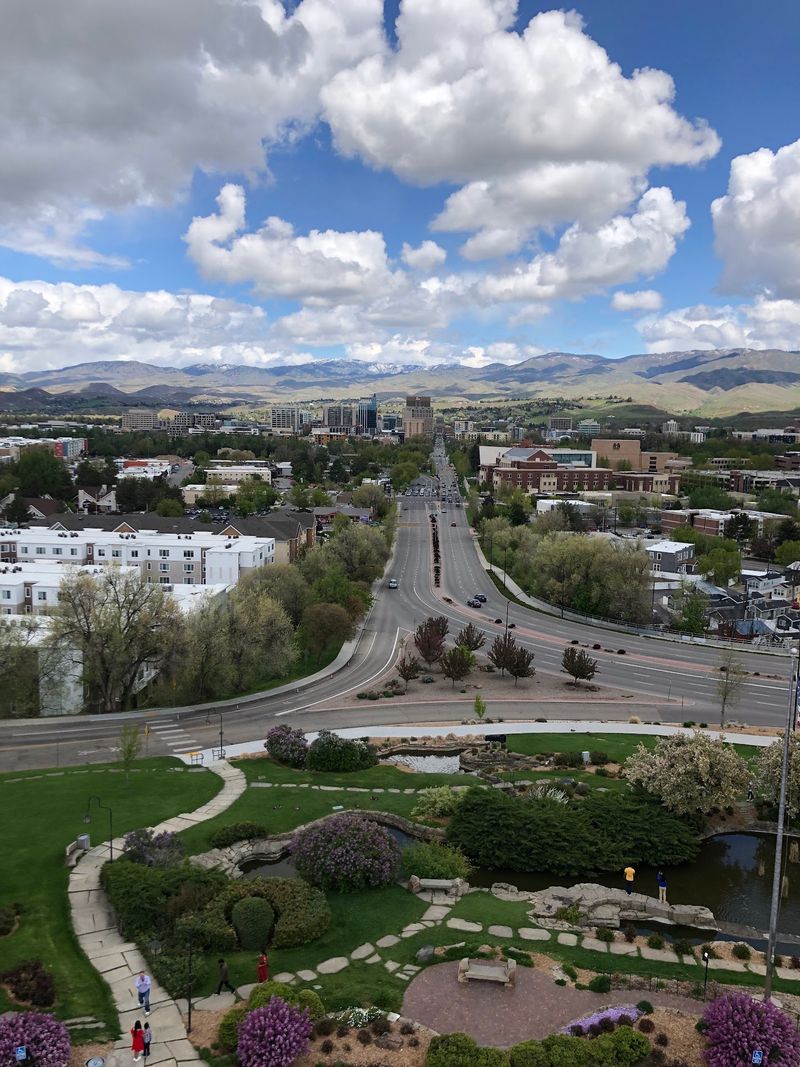
Here is the best part, according to many visitors: you can ride an elevator to the top of the tower and look out over Boise.
That was not always possible. During a major renovation in the 1990s, an elevator and stairway were added, opening the tower to the public for the first time in its history.
From up there, Capitol Boulevard runs straight toward the Idaho State Capitol like a ruler line. Visitors also point out the Ada County Courthouse, the St. Luke’s campus, and the foothills rising behind downtown.
Mentions of the downtown view come up more than almost anything else people say about the depot. It is easy to see why.
The scene feels wide and calm, and you get a real sense of how the city spreads across the valley.
Summer brings an extra treat. Longtime visitors enjoy watching hot air balloons drift over the area during the warm months.
One caution worth knowing: smoky wildfire seasons can blur the skyline. If you can choose your day, aim for clear weather to get the sharpest look at the Capitol dome.
Tile Floors And Tall Arched Windows
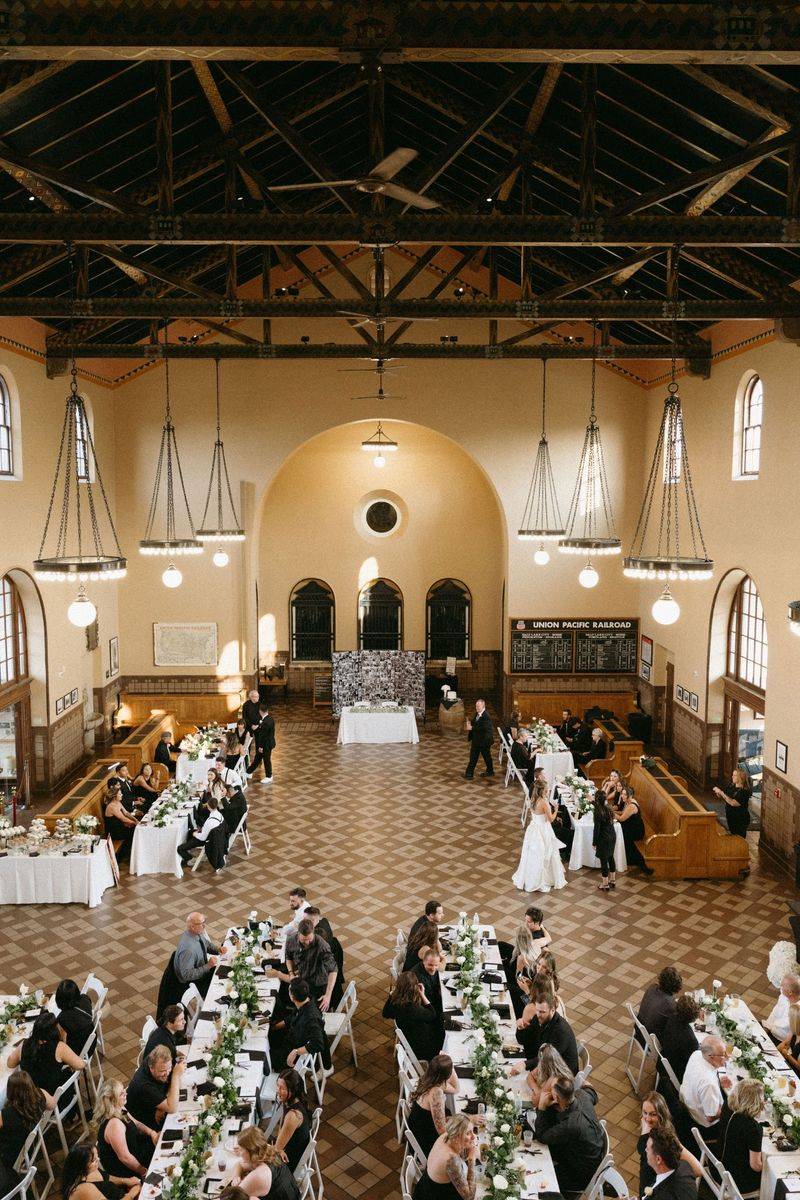
Step through the doors and look down first. The patterned tile floors are a favorite detail, especially for photographers who love shooting close-ups of rings, shoes, and flowers against them.
Then look up. Tall arched windows line the main hall, letting in soft golden light that gives the room a classic, almost movie-like feel.
Photographers often say the lighting inside is some of the best they find anywhere in Boise.
The lobby doubles as a small museum. Displays of artifacts tell the story of the depot and the railroad years, and visitors enjoy reading through them while waiting for the elevator.
It is not a huge exhibit, so you will not need hours. Still, it gives helpful context, especially for kids who have never seen a working passenger station.
Families who grew up in the Treasure Valley sometimes bring their children here to show them where trains once arrived. The building makes history easy to picture.
Private tours have been offered too, and longtime visitors mention guides who share fun stories about the station. If you want more detail, ask about tour options before you go.
Koi, Fountains, And Platt Gardens
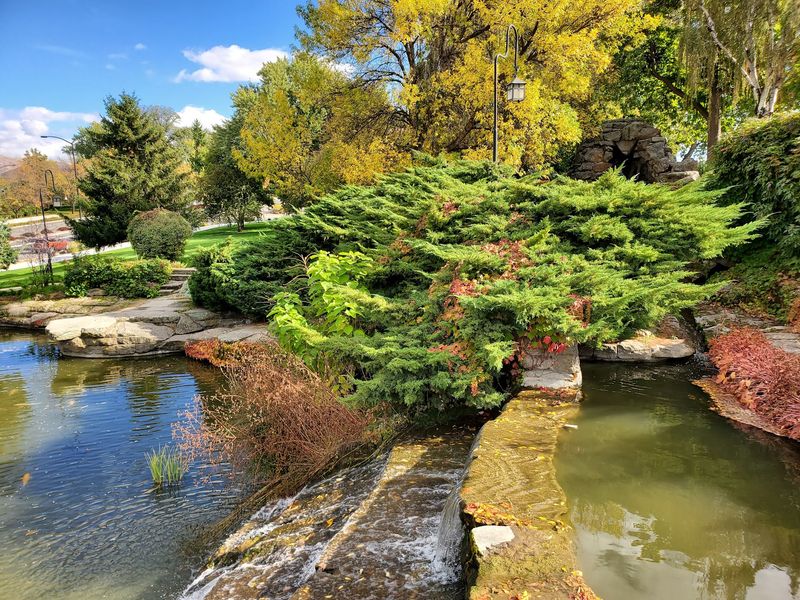
Union Pacific planted Platt Gardens in 1927, just two years after the depot opened. Spanish landscape architect Ricardo Espino designed the grounds, and his layout still shapes the visit today.
Winding walkways curve past benches, flower beds, and water features. Seasonal blooms change the colors throughout the year, so spring and summer look quite different from fall.
Kids usually head straight for the koi pond. Watching the bright fish glide under the surface is a simple pleasure, and the fountain nearby adds a bit of splash and motion.
Wildlife shows up too. Visitors mention bunny rabbits hopping along the edges and squirrels that are a little too interested in snacks.
It gives the gardens a lively, friendly feel.
Many people say the gardens are perfect for a slow stroll or a quiet sit. Some even suggest they would make a nice picnic spot.
The gardens are free to wander, and they offer one more angle on the city below. Even when the building is closed, the grounds alone make the trip up the hill worthwhile for many Idaho families.
Big Mike And The Last Departures
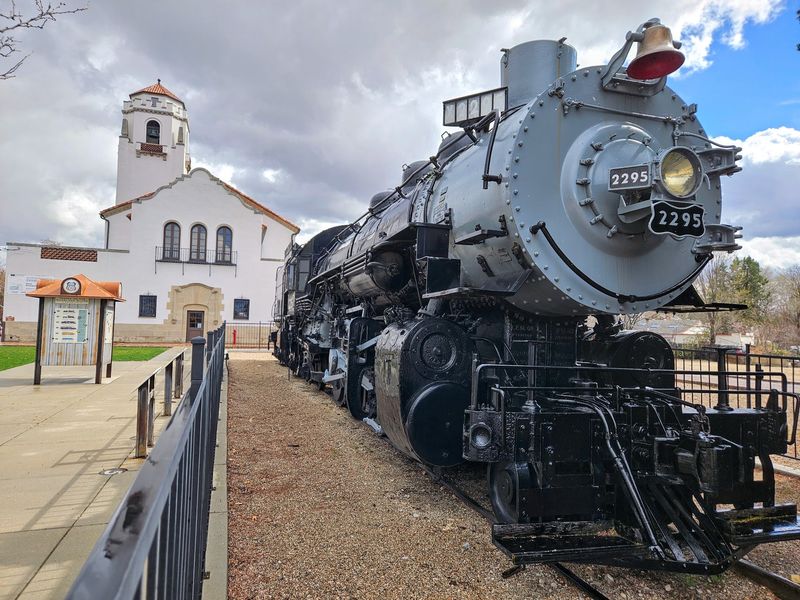
Train fans, look east. Sitting on a siding beside the depot is Big Mike, a Mikado-type steam locomotive built in 1920.
It is a hefty, black reminder of the years when steam power ruled the rails.
Passenger trains slowly faded from Boise over the decades. The last Amtrak passenger train left the depot in 1997, closing the book on the building’s original job.
Change came before that final departure, though. In 1990, Morrison Knudsen Co. bought the depot and carried out a big renovation to bring back its original look.
The city took ownership in 1996.
That story is part of why the depot matters to so many Idahoans. It could have been lost, but instead it was restored and given a new life as a museum, garden, and gathering place.
For locals watching Boise grow and change, the depot is a rare example of an old landmark that stayed put. Its purpose shifted, yet its silhouette did not.
Bring the kids to see Big Mike up close. A locomotive this size makes railroad history feel very real.
Weddings, Senior Photos, And Quiet Afternoons
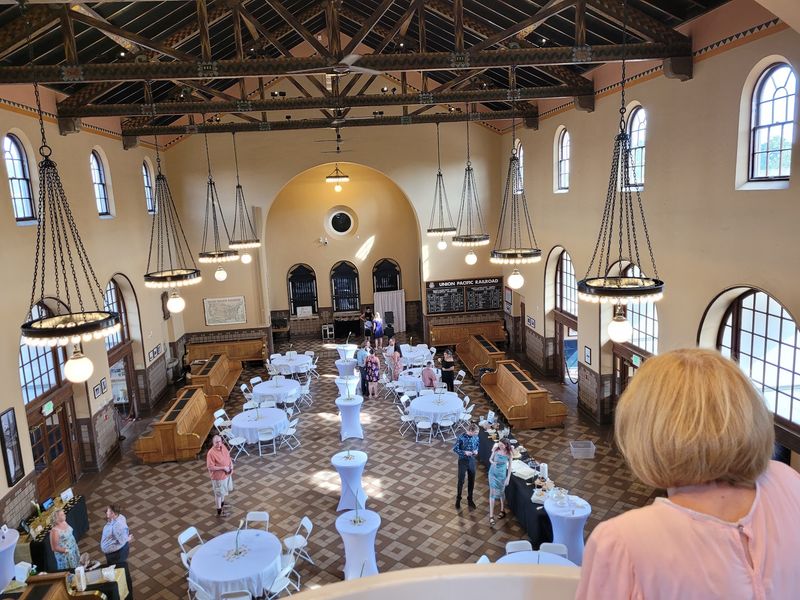
Wedding venue talk comes up more than any other topic about the depot. Couples book the building for ceremonies and receptions, and the grand hall plus city views make an easy backdrop.
Photographers love it for engagements, bridals, senior pictures, and pre-dance group shots. They mention how each season brings a different look, from spring flowers to golden fall light.
Even vintage car services bring classic convertibles up the hill for wedding photos. The old architecture and an older car pair together nicely.
You do not need a special event to enjoy it, though. Plenty of visitors come simply to walk, sit on a bench, and take in the quiet.
One person described the visit as a mood booster disguised as architecture.
Families with kids, retirees looking for an easy outing, and history fans all find something here. The paths are calm, and the views reward very little effort.
Because events are so common, you may spot a photo session or ceremony in progress. Give them a little space, enjoy the happy mood, and wander to another corner of the gardens.
Planning Your Trip Up The Hill
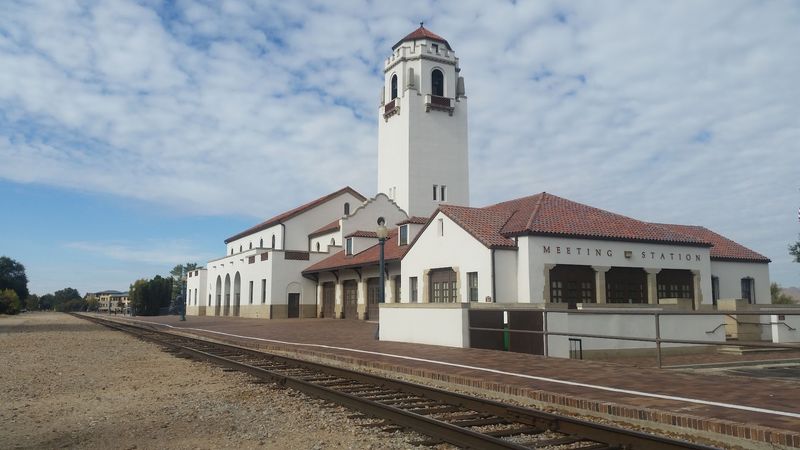
Timing is the main thing to plan around. Public hours inside the building are limited to just a couple of days each week, so check the City of Boise Parks and Recreation listing before driving over.
Holidays can change things too. Visitors who showed up on Easter and other public holidays found the doors closed during normal times.
They still enjoyed peeking through the windows and walking the grounds.
The good news is that visiting the museum and tower is free. That makes it an easy pick for families and anyone looking for a low-cost afternoon in the Treasure Valley.
Parking is plentiful, and visitors describe the lot as clean and easy to use. Head to the south end of Capitol Boulevard and follow it up to Eastover Terrace.
Plan on an hour or so, longer if you linger in the gardens. Clear days give the best views, so skip heavy smoke when possible.
For a century, this tower has watched over Idaho’s capital. A Sunday or Monday ride to the top is a simple, satisfying way to see Boise the way 1925 travelers first did.