Inside 11 Historic Brick Mansions Created By America’s Wealthiest Dynasties (One In Massachusetts Will Astonish You)
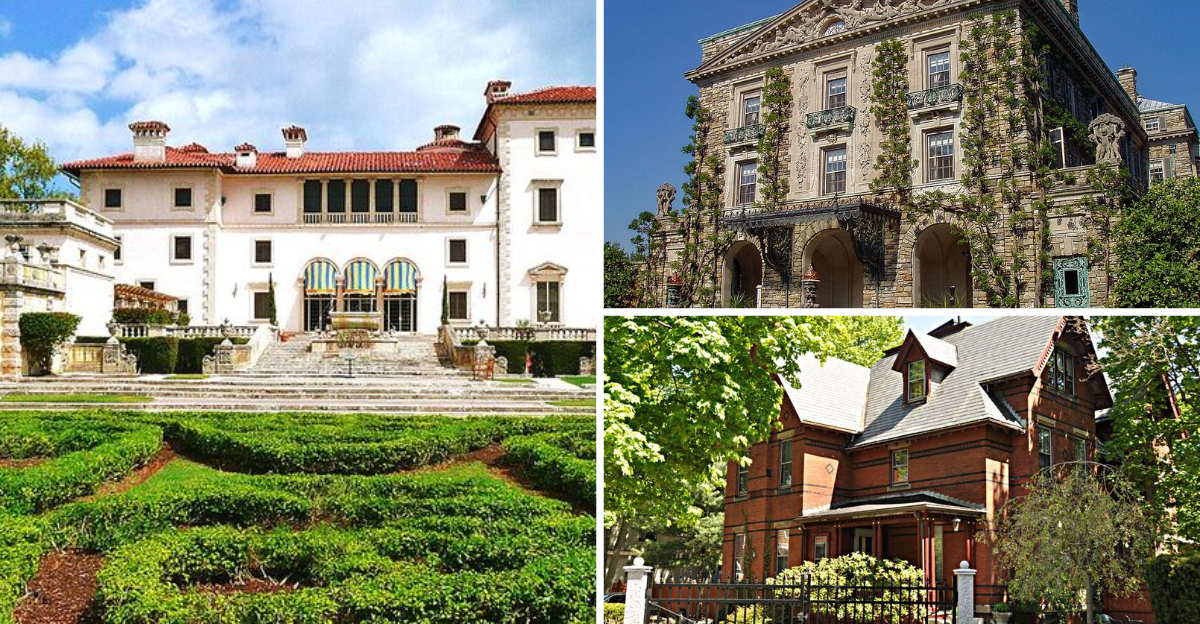
If walls could whisper, these brick mansions would talk your ear off about old fortunes and the kind of craftsmanship that turns time into a loyal friend.
Brick was chosen not just for beauty, but for durability and status.
Every archway, chimney, and courtyard was meant to signal success that would outlast generations.
Some of these mansions served as year round residences, while others were seasonal escapes designed for society gatherings.
Inside, rooms were planned for entertaining, privacy, and power all at once.
The families behind these homes often competed quietly, letting scale and detail speak for them.
While styles vary by region, the intention behind each mansion remains unmistakable.
Today, we are stepping through grand doorways built by families whose names still echo in American history, from shipping magnates to Gilded Age titans.
You will feel the hush of money well spent on symmetry, stone, and impeccable taste as we move from Massachusetts to New York, Florida, and Maine.
Ready to explore twelve real mansions where legacy is not just remembered but built, brick by brick?
Join me on this journey inside historic brick mansions created by America’s wealthiest!
1. William Brattle House, Cambridge, Massachusetts
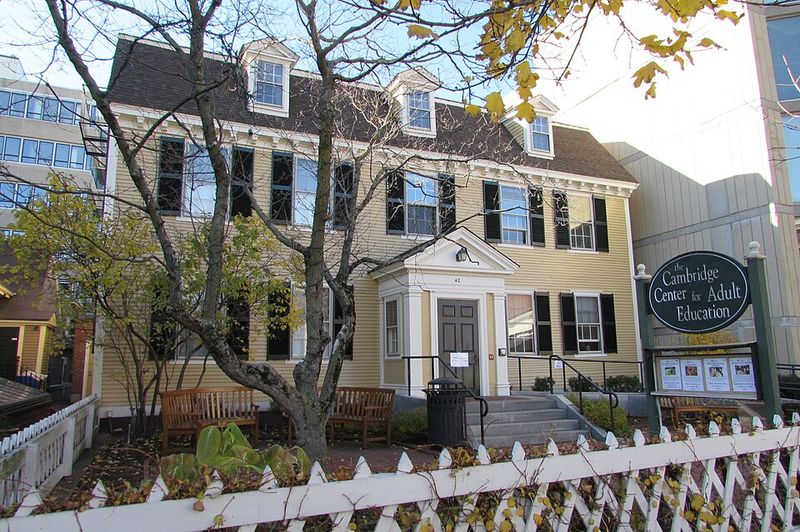
Walk down Brattle Street and this Georgian brick beauty greets you with calm authority.
Built in 1727 for William Brattle, who ranked among the colony’s most influential figures, the house wears symmetry like a tailored coat.
Brick courses, white trim, and a balanced façade give you that instant sense of order that Georgian architecture does best.
Inside, period proportions reveal a practical elegance that once hosted conversations about power, philosophy, and community.
You can almost hear the cadence of colonial footsteps in the stair hall, then the hush when strategy met civility.
Today, it serves learners at the Cambridge Center for Adult Education, proving grand houses can evolve without shedding their dignity.
Stand by the doorway and notice the sunlight slide across brick, catching the depth in each mortar joint.
The house feels both intimate and ceremonial, like a stage set for quiet decisions.
You are not just looking at a structure but at a toolkit of ideas that shaped early American life, preserved in clay, timber, and a confidence that still feels contagious.
2. Jeremiah Lee Mansion, Marblehead, Massachusetts
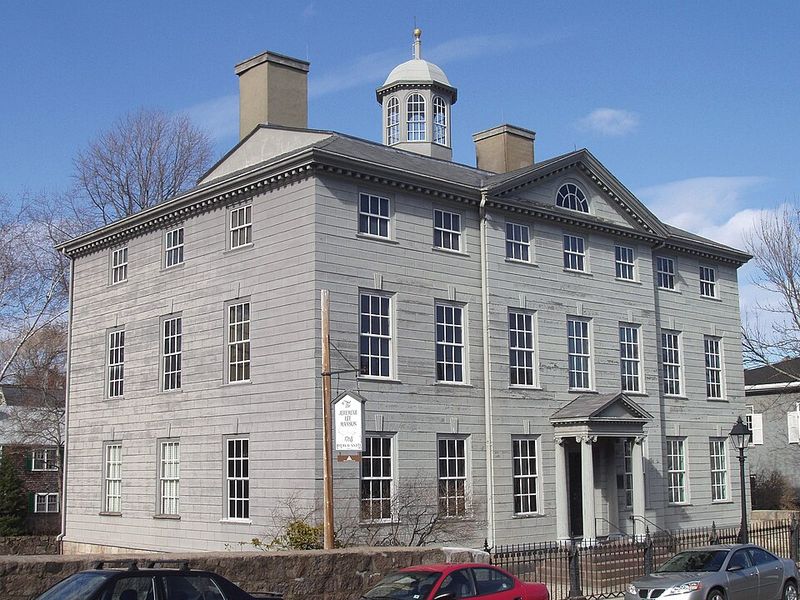
Imagine arriving in Marblehead at the height of merchant wealth and finding this Late Georgian statement blazing with ambition.
Built in 1768 for Colonel Jeremiah Lee, the richest merchant in the Province of Massachusetts Bay, the mansion broadcasts success through disciplined symmetry and precise ornament.
The brick reads like finely woven fabric, elegant and resilient.
Step closer and the entrance trim seems to breathe, framing a threshold that led to rooms lined with imported finishes and bold taste.
Here, commerce met culture, and a seaside town flexed global reach.
As a museum today, it invites you to consider how a home can double as a manifesto for prosperity and polish.
Look for the rhythm in the sash windows, the way light sets them sparkling even on a cloudy day.
You feel the weight of decisions made here, yet the house moves lightly, confident without swagger.
If you love architecture that whispers about trade winds, ledgers, and careful craftsmanship, this Marblehead gem quietly takes the prize.
3. Shirley-Eustis House, Roxbury, Massachusetts
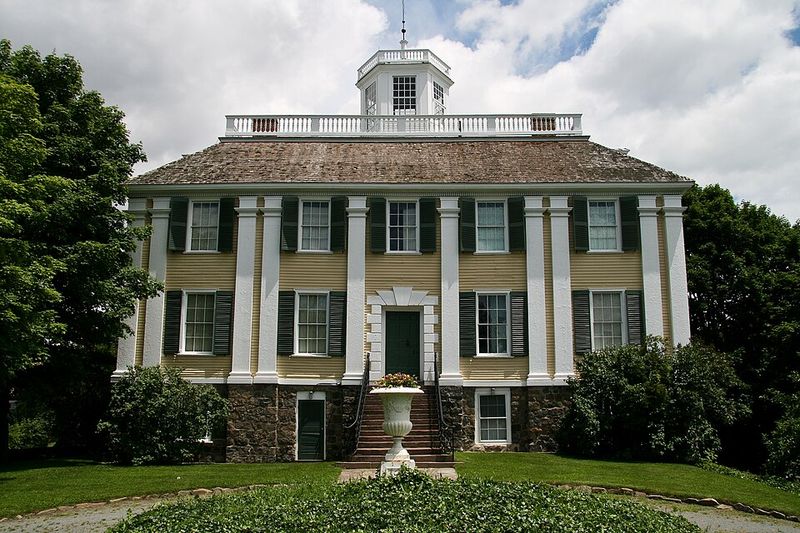
One of the few surviving American homes of a Royal Governor, the Shirley-Eustis House stands in Roxbury with rare authority.
Built between 1747 and 1751 for William Shirley, it fuses Georgian symmetry with social theater.
Brick and timber collaborate here, proving that power loves proportion.
Walk the grounds and the façade arranges your gaze like a conductor guiding a symphony.
The portico frames your approach, then rooms unfold with measured grace, each angle composed for conversation and diplomacy.
You feel how architecture once choreographed politics, subtly steering visitors toward civility and awe.
Now a National Historic Landmark open to the public, it lets you test the acoustics of centuries.
Notice the joinery, the measured fenestration, and the way time has smoothed every surface without erasing intent.
In a city that constantly reinvents itself, this house stands firm, a brick metronome keeping history on beat.
4. Elm Court, Lenox And Stockbridge, Massachusetts
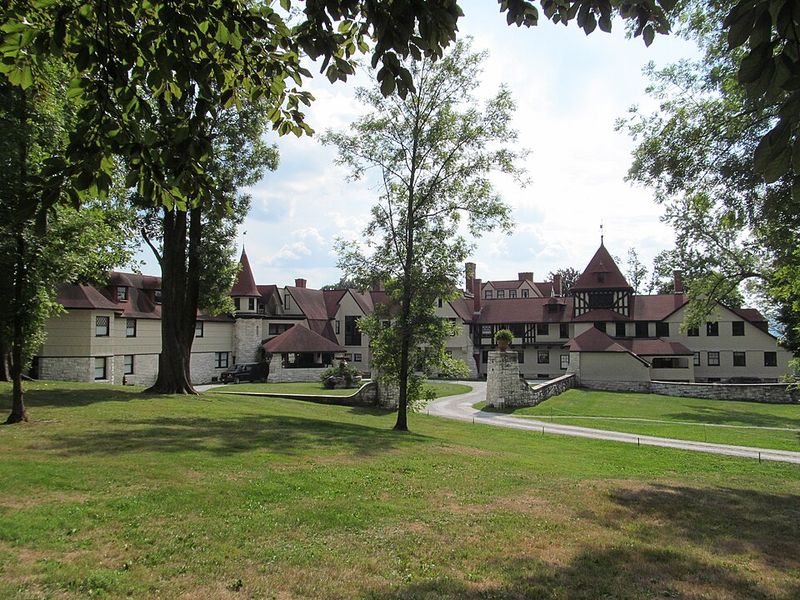
Elm Court stretches across the Berkshire landscape like a confident signature.
Built in 1885 for William Douglas Sloane and Emily Thorn Vanderbilt, it is America’s largest Shingle Style house, yet brick accents quietly anchor its breadth.
The estate balances airy porches with sturdy masonry, a dialogue between summer ease and serious fortune.
Wander the grounds and you sense the Vanderbilt intent: generous spaces designed for movement, conversation, and seasonal rhythm.
Brick chimneys punctuate the skyline, reminding you that comfort is engineered, not improvised.
The approach ways feel ceremonial without stiffness, countryside casual tuned to a grand key.
Added to the National Register in 1985, Elm Court has seen restorations aimed at reviving its layered glamour.
You notice the textures, from wooden shingles to brick lintels, playing against the Berkshire light.
If one Massachusetts estate will astonish you, it is this sweeping composition where scale turns surprisingly intimate once you step closer.
5. Lyndhurst, Tarrytown, New York
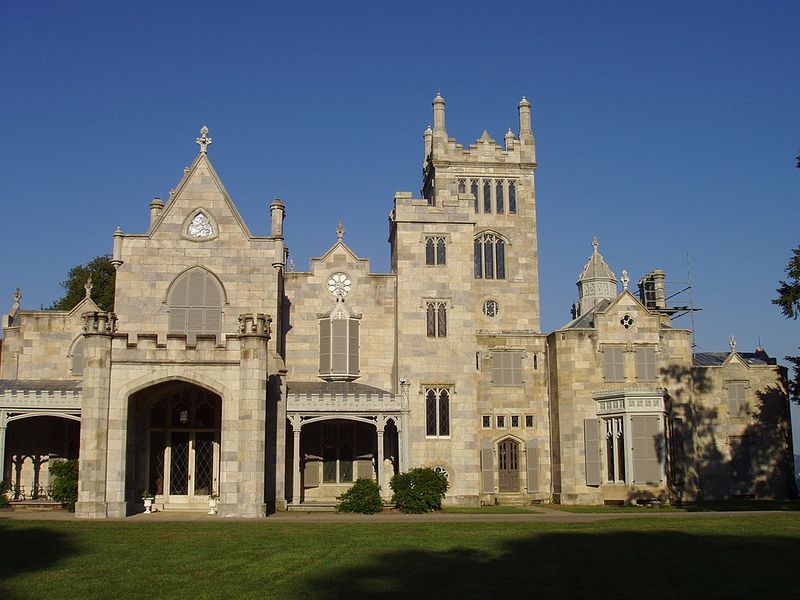
Lyndhurst rises like a dream over the Hudson, a Gothic Revival fantasy shaped by wealth and a taste for drama.
Built in stages during the 19th century and later owned by railroad tycoon Jay Gould, it layers stone and brick with sculptural confidence.
Pointed arches and towers pierce the skyline, turning gravity into theater.
Walk the lawns and the river shimmers as a theatrical backdrop.
Inside, craftsmanship nestles in niches and staircases, every flourish calibrated for effect.
The house teaches you how architecture can elongate time, each hall a corridor of anticipation that ends in a view or a hush.
Even from a distance, you feel the pulse of industry funding artistry.
It is opulent without apology, romantic without softness.
Look closely at the masonry and you will find disciplined craft under the performance, like a perfectly tuned instrument hiding behind a virtuoso solo.
6. DeRochmont House, Winchester, Massachusetts
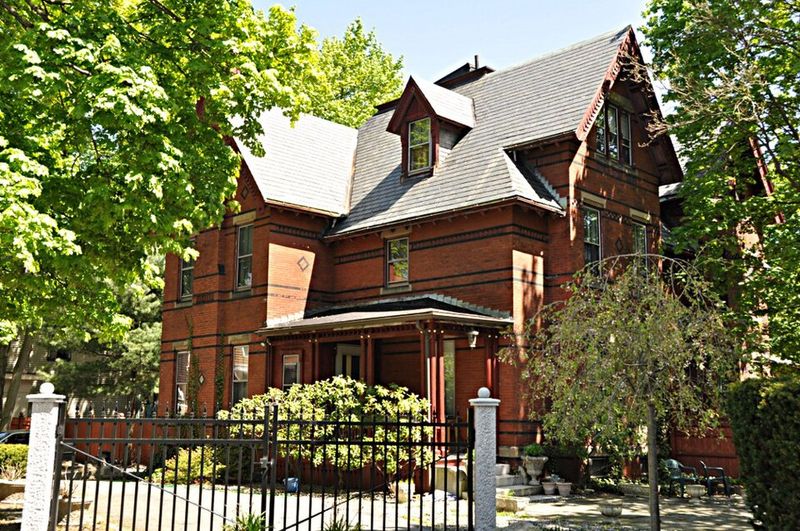
Winchester hides a brick surprise with the DeRochmont House, a rare Queen Anne panel-brick specimen circa 1876.
Commissioned by Maine lumber magnate David Skilling, it translates timber wealth into a show of masonry artistry.
Decorative brick panels ripple across the façade, turning structural necessity into visual flourish.
Queen Anne here means asymmetry done with swagger.
A tower element nudges the roofline upward while porches and bays create an inviting choreography of shade and sun.
You do not just look at the house, you read it, every course of brick a sentence with comma-like corbels and emphatic lintels.
Listed on the National Register of Historic Places, it proves the Gilded Age did whimsy as well as grandeur.
Stand curbside and watch how the brick warms in late light, coppery and rich.
If you love craftsmanship that doubles as a conversation, this house is fluent and charming in every dialect of detail.
7. John D. Rockefeller’s Kykuit, Sleepy Hollow, New York
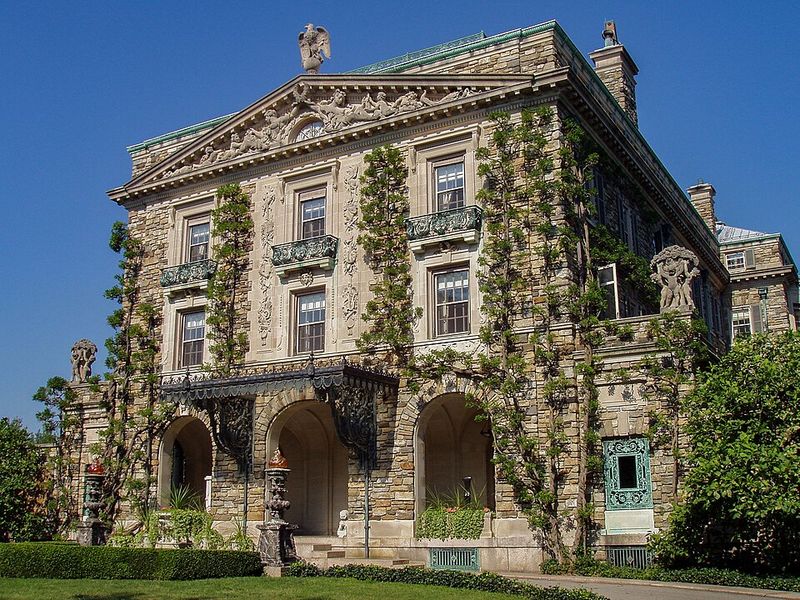
Kykuit sits high in Sleepy Hollow, a command center of calm where the Rockefeller legacy meets Beaux-Arts discipline.
Brick and stone collaborate in a poised composition, leading your eye down terraces toward the Hudson.
You feel the precision in every axis, like a garden compass set to true north.
Inside and out, craftsmanship does the quiet heavy lifting.
Carved details, curated art, and exacting geometry create a home that performs like a symphony at low volume.
The estate is less about flash and more about fluency, where money becomes a language for order and beauty.
Walk the gardens and notice how each step unlocks a new vista.
The estate’s calm confidence invites you to slow down and match its breathing.
If you want to understand how America’s wealthiest families curated lifestyle as a legacy, Kykuit is a masterclass written in brick, stone, and sunlit axis lines.
8. Vanderbilt Mansion, Hyde Park, New York
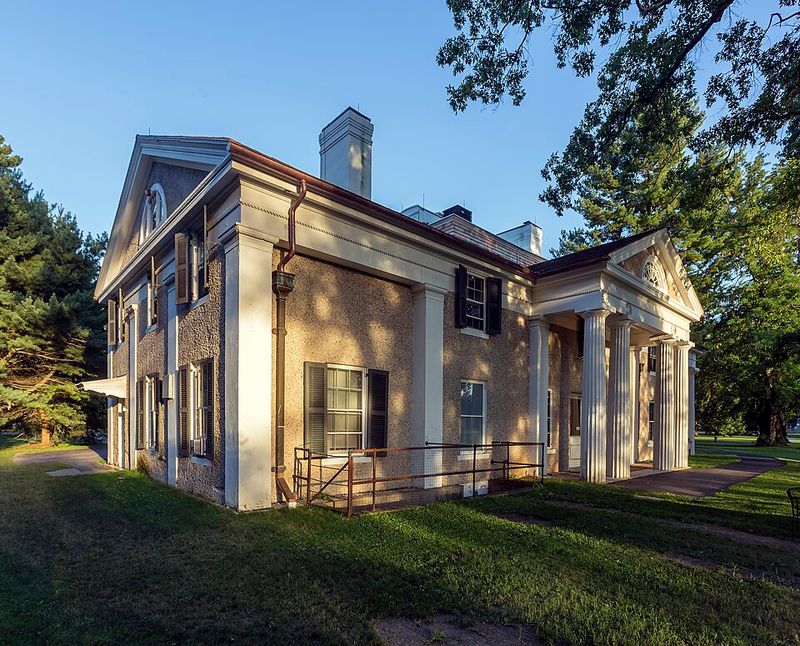
In Hyde Park, the Vanderbilt Mansion announces itself with measured grandeur.
Beaux-Arts order governs its brick and limestone skin, drawing you through a portico that feels both ceremonial and welcoming.
You sense the mathematics in its beauty, a house engineered for elegance.
As you move along the terraces, sightlines choreograph the river and gardens into a living painting.
The interiors continue the theme with rich materials set in confident geometry.
Money is visible here, but it behaves well, shaped by proportion and hierarchy rather than impulse.
Operated by the National Park Service, the estate distills Gilded Age ambition into a lesson on restraint.
The brick anchors the composition, a warm counterpoint to sculpted stone.
If you crave architecture that balances presence with poise, this mansion gives you equilibrium in every line and leaf.
9. Vizcaya Museum And Gardens, Miami, Florida
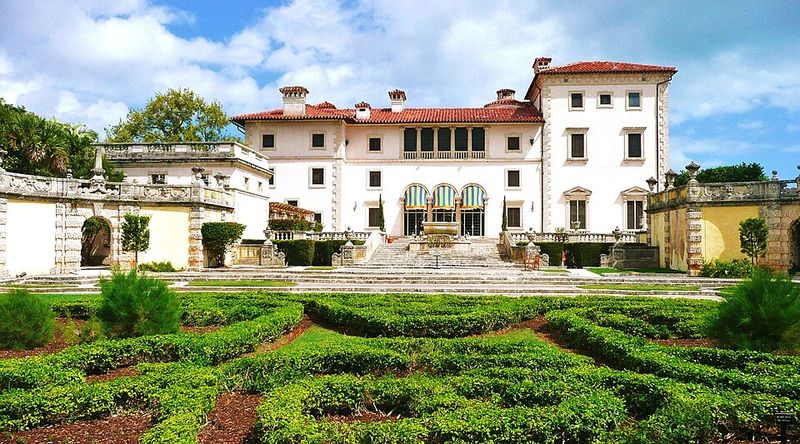
Vizcaya feels like a Mediterranean daydream translated for Biscayne Bay.
Built for James Deering in the early 20th century, it merges Old World references with Florida light and lush air.
Beneath the stucco romance, brick bones do the everyday work, steadying the poetics.
Wander the gardens and the bay becomes a gleaming co-conspirator.
Arcades frame breezes, staircases coil in sculptural curves, and rooms unfold like scenes from a travelogue.
This is a house that believes in delight, and you are invited to share the mood.
Look closely and you will find careful engineering making the theatrics possible.
The marriage of materials keeps everything grounded, literal and figurative.
Vizcaya proves that serious resources can produce playful results, especially when a coastal setting supplies light like a standing ovation.
10. The Breakers, Palm Beach, Florida
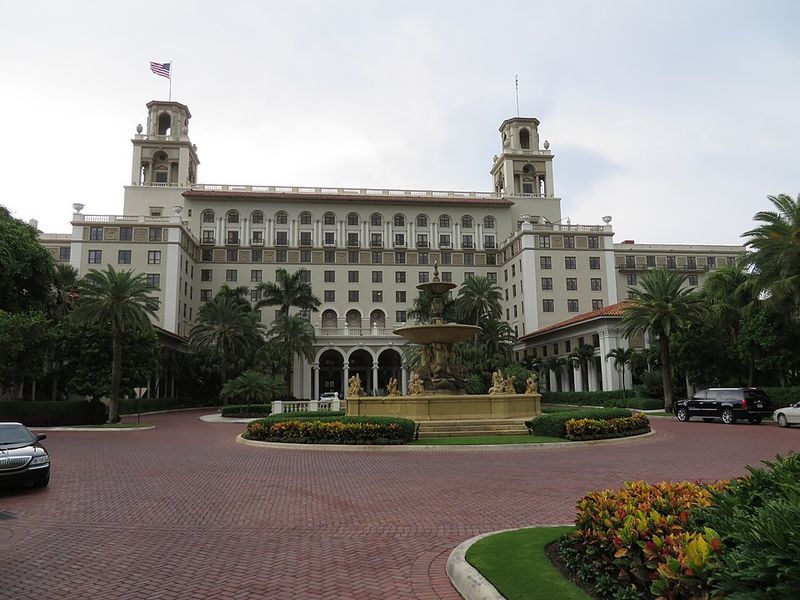
Built by Henry Flagler, The Breakers in Palm Beach presents Italian Renaissance exuberance tuned to Florida sun.
The visible palette is stucco and terra-cotta, but brick structure underpins the scale, giving the place its steady heartbeat.
From the approach, arches stack and rhythm emerges.
Step inside and the ceilings soar, decorated yet disciplined.
Corridors lead you toward courtyards and verandas that catch the sea breeze just right.
Even with its grandeur, the circulation feels intuitive, guiding you without fuss.
The property has evolved through careful reconstruction and stewardship, yet it still telegraphs Gilded Age confidence.
You feel the optimism of a state being built as rail lines stretched south.
It is a study in spectacle supported by hardworking masonry, proof that beauty travels best on strong bones.
11. Victoria Mansion, Portland, Maine
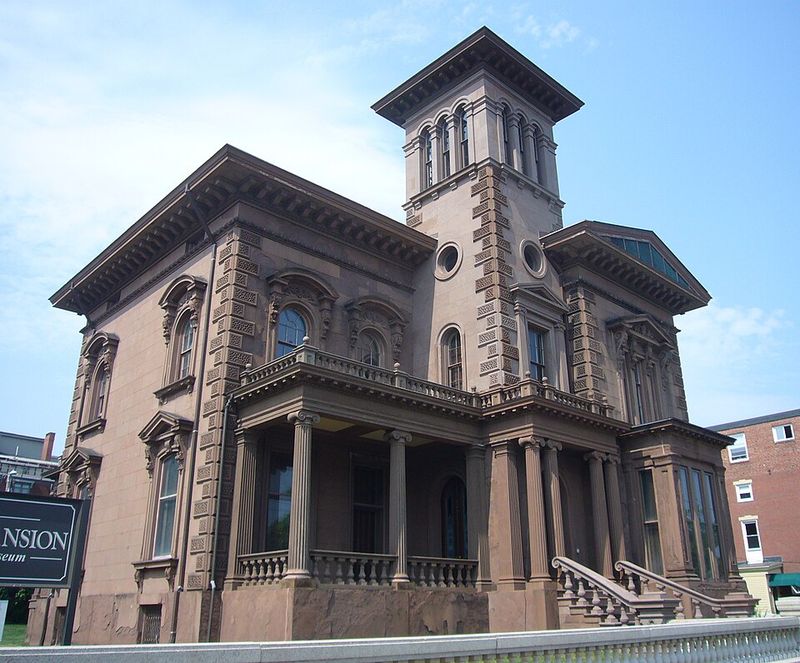
Victoria Mansion in Portland wears Italianate grandeur with enviable confidence.
Commissioned by hotelier Ruggles Sylvester Morse, it pairs brick structure with brownstone ornament, turning warmth and weight into style.
The tower lifts your gaze, and the brackets deliver rhythmic punctuation along the eaves.
Inside, original furnishings and decorative arts make the rooms feel astonishingly intact.
Murals, textiles, and carved wood tell you how mid-19th-century taste adored drama and comfort at once.
You feel welcomed and impressed in equal measure, as if the house knows how to host.
Walk its exterior and trace the way shadow clings to the brick, sharpening each profile.
There is real durability here, beauty that has negotiated decades without surrender.
If you are curious how Victorian luxury can still feel fresh, Victoria Mansion answers with a quiet, richly detailed yes.