Is The Arbor Day Celebration Really Nebraska’s Gift To The World Since This 1872 Farm Started It
An estimated one million trees went into Nebraska soil on a single day in April 1872. That was the very first Arbor Day, and it began as one man’s idea on a prairie with hardly any shade.
The man behind it lived on an estate that started as a modest four-room home in 1855. Over the years, that home grew into a 52-room mansion.
The grounds grew too, filling with lilacs, champion trees and winding trails.
I love that a tree holiday came from a place that badly needed trees. It feels very Nebraska, practical and hopeful at the same time.
Today, you can still walk the land where it all took root. You can sit under the trees, tour the rooms and even test a bench that whispers back.
So, is the world’s tree day really our gift?
The Nebraska City Estate Where A Tree Holiday Was Born
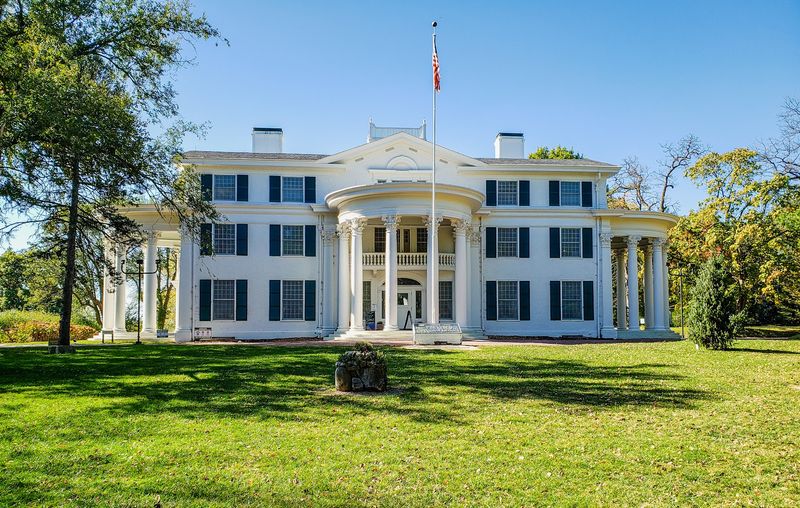
Arbor Lodge State Historical Park sits in Nebraska City, and it was once the home of J. Sterling Morton.
He’s the newspaper editor who dreamed up Arbor Day and later served as U.S. Secretary of Agriculture.
Today the estate works as a state historical park with a mansion, an arboretum and walking trails. The mansion portion operates under the direction of the Arbor Day Foundation, which keeps the story close to its roots.
Morton pitched his tree-planting idea to the State Board of Agriculture on January 4, 1872. A few months later, Nebraskans grabbed shovels and got busy.
That quick turnaround still impresses me.
Arbor Lodge State Historical Park is where that vision started at home. Morton planted, experimented and watched his ideas grow right on this property.
So when someone asks whether Arbor Day is really a Nebraska invention, you can point to an actual place. It ranks right up there with the Reuben in our list of homegrown bragging rights.
Better yet, it’s a place you can visit in an afternoon. The trees are real, the house is real and the history is easy to stand inside.
One Million Trees In A Single April Day
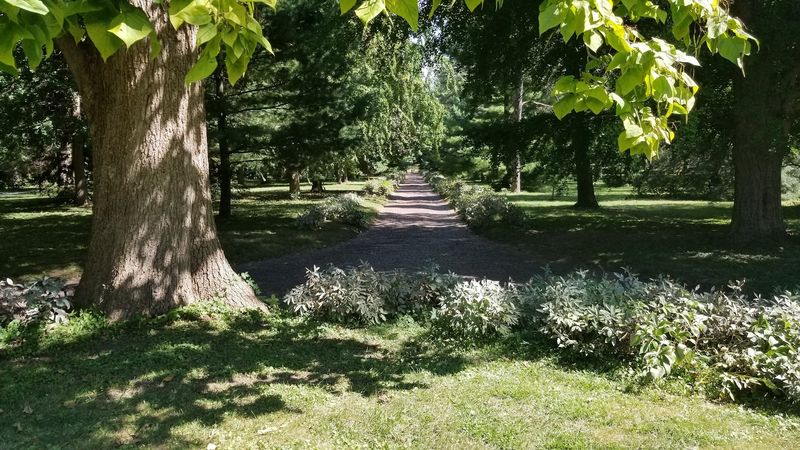
April 10, 1872, was a busy day on the Nebraska prairie. An estimated one million trees were planted across the state during that first Arbor Day.
Settlers had good reasons to care. The plains offered little shade, few windbreaks and not much lumber for building.
Morton’s idea answered a real need, and folks responded fast. Nebraska even earned the nickname The Tree Planters State before anyone called it the Cornhusker State.
The holiday kept growing. Nebraska made it a legal state holiday in 1885, set on April 22 to honor Morton’s birthday.
By 1920, more than 45 states and territories had adopted Arbor Day. Now it’s observed in all 50 states and in countries around the world, with dates shifted to fit local planting seasons.
Morton called it an invention of his that would become a blessing to posterity. Bold words, sure, but history backed him up.
Visiting his estate turns that dated story into something you can see. The groves around the mansion feel like the living receipt for a promise made more than 150 years ago.
A Four-Room Home That Grew To 52 Rooms
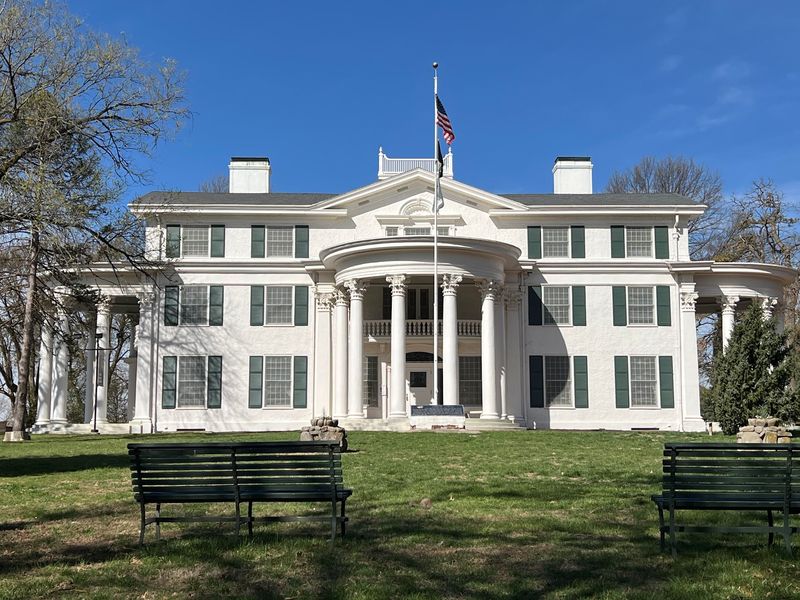
Talk about a glow-up. The mansion began as a four-room home in 1855 and expanded over the years into 52 rooms.
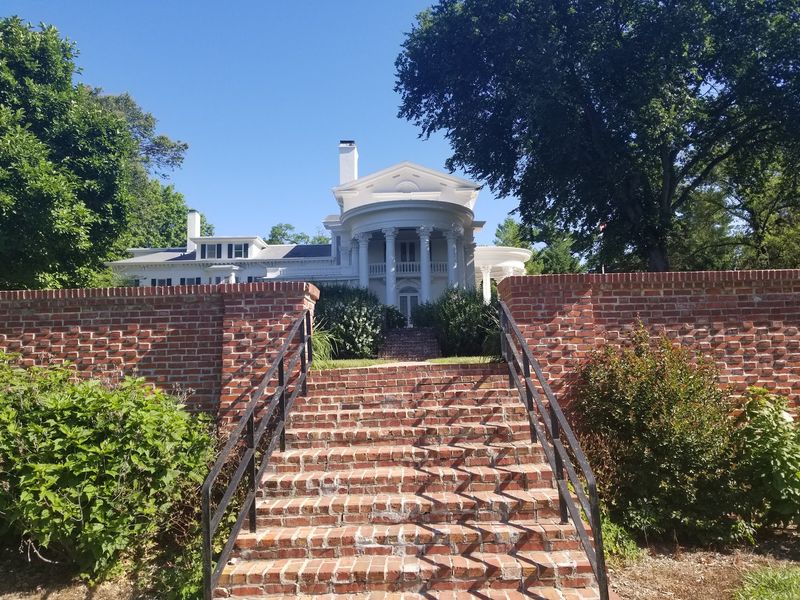
Its Colonial Revival style shows off a stately columned portico out front. Few Nebraska homes make that kind of first impression.
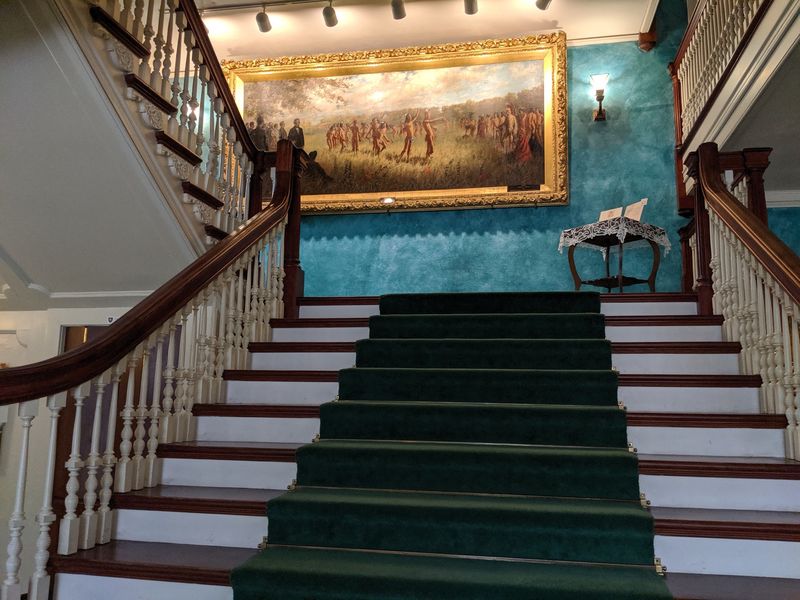
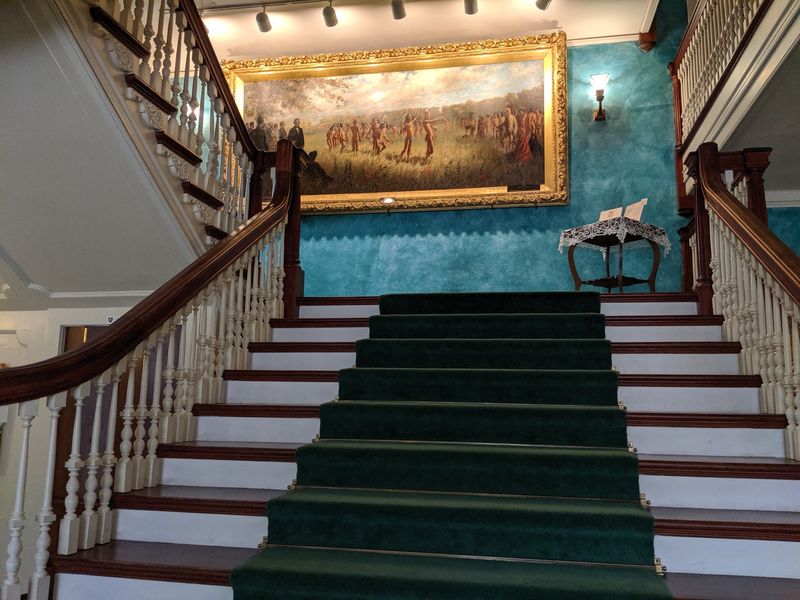
Inside, the house works as a museum about the Morton family, Nebraska agriculture and Nebraska City heritage. Period furnishings and decorations fill the rooms, so it feels lived in rather than roped off from life.
Keep your eyes up in the sun parlor. A Tiffany skylight graces that space, and it’s a lovely surprise in a prairie mansion.
The Morton family story goes beyond trees, too. They also built a business empire in salt, which adds a fun twist to the tour.
A self-guided walk-through can be fairly quick, around half an hour. History fans could easily stretch that to a couple of hours, since each room holds plenty to read.
Guided tours are also offered, and they add helpful context. The staff here is known for being knowledgeable and friendly.
Lilacs, Champion Trees And A Tree Trail Worth Wandering
More than 200 varieties of lilacs grow on these grounds. Spring here must smell fantastic, and I’d happily plan a whole drive around that idea.
The arboretum also holds more than 250 kinds of trees and shrubs. It makes sense that the founder of Arbor Day kept a collection this big.
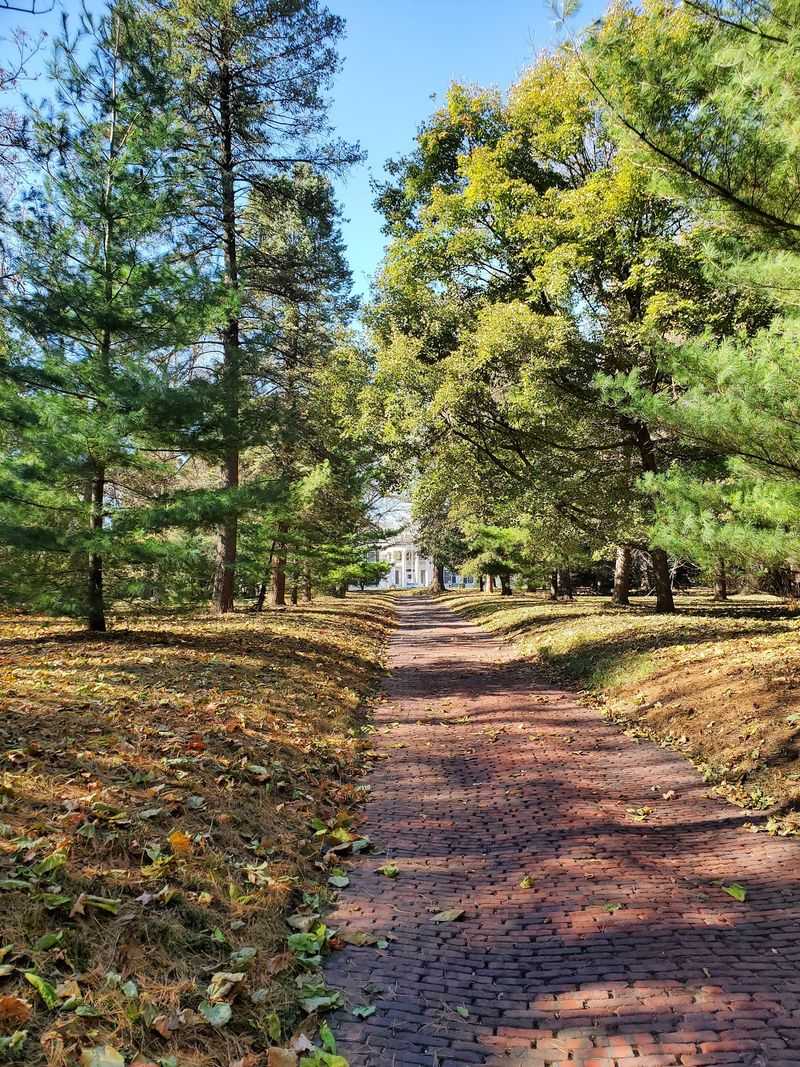
Want a guided walk without a guide? The half-mile Tree Trail lets you meet many specimens up close at your own pace.
Some trees are listed as state champions, with roots going back to the 1800s. That’s living history you can actually touch, gently.
An Italian terraced garden adds a formal touch near the house. A rose garden brings extra color to the manicured lawns.
Fall is another strong season here, when the trees put on their color show. Summer has its perks too, since all that canopy throws plenty of welcome shade.
Honestly, the grounds earn a visit even if the mansion is closed. The park is a lovely place for a slow, peaceful walk.
Go Ahead And Test The Whispering Bench
Here’s a quirky one. The grounds include a whispering bench, and it’s one of the most talked-about spots on the property.
Bring a friend, sit at opposite ends and try it out. Kids tend to treat it like a magic trick, and so might you.
The fun keeps going with a tree-themed playground. It’s a smart pick for families who need some running-around time between history lessons.
Inside the museum, younger visitors can find hands-on pieces like a music wall. That helps the visit work for curious kids, not just grown-up history buffs.
Over on the east side, Monument Square holds a statue of J. Sterling Morton.
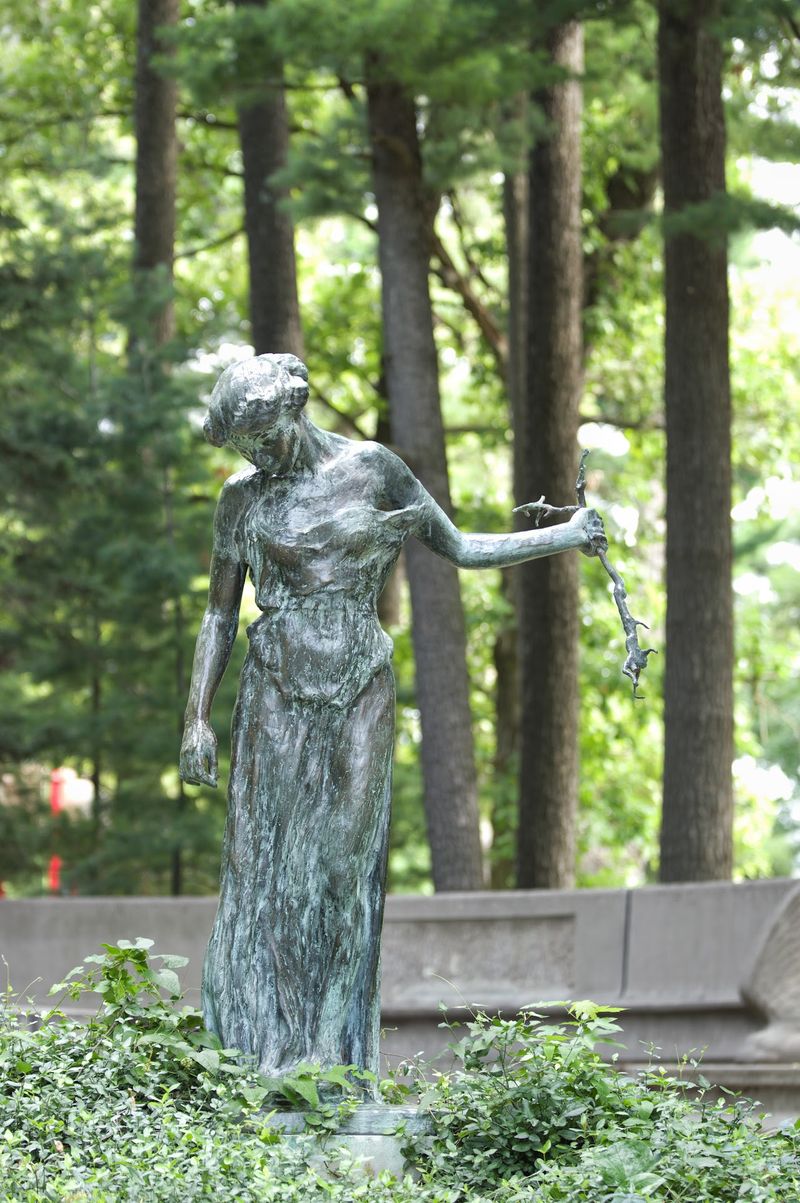
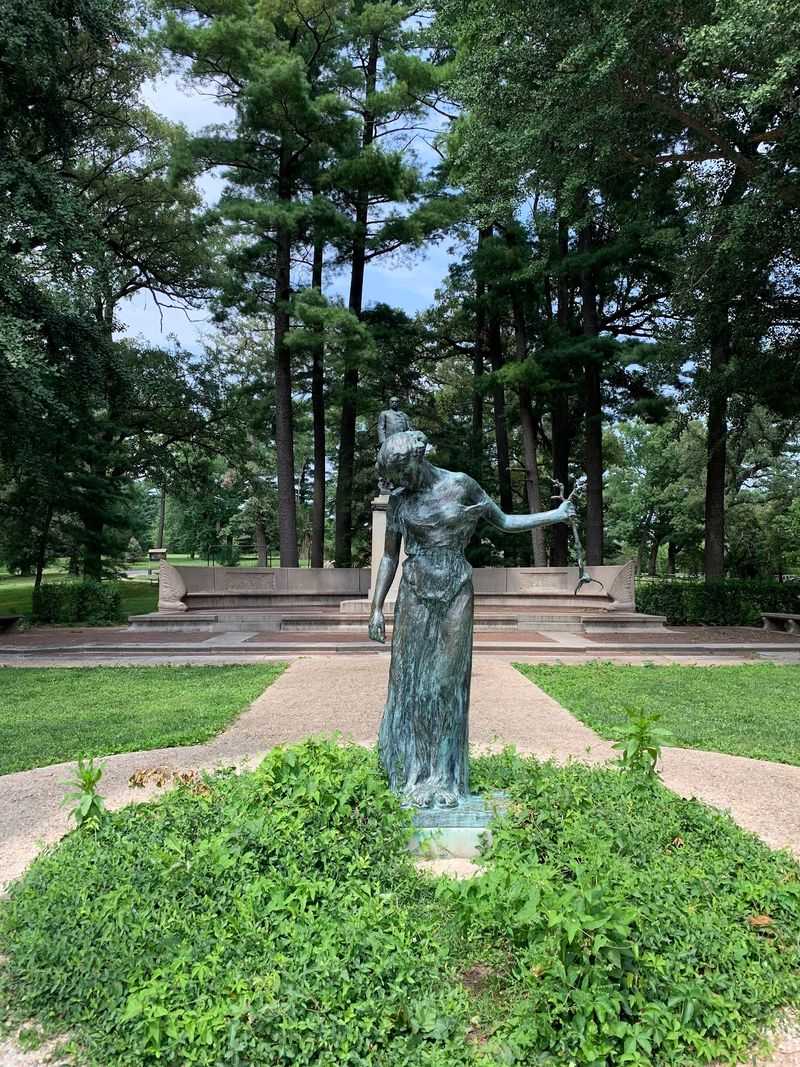
Nearby stands a bronze figure of Daphne, the Greek mythological figure tied to the laurel tree.
I like that pairing a lot. A tree-loving Nebraskan and a tree-linked legend, standing in the same corner of the park.
Pack a lunch if you can. The grounds make a pleasant picnic spot, with shade and open lawn to spread out on.
Carriage House, Log Cabin And Quiet Walking Paths
Not every treasure here lives under the mansion roof. A historic carriage house and a rustic log cabin offer peeks into daily life on the estate.
The carriage house gives a sense of how people moved around before cars. It’s an easy add-on while you’re exploring.
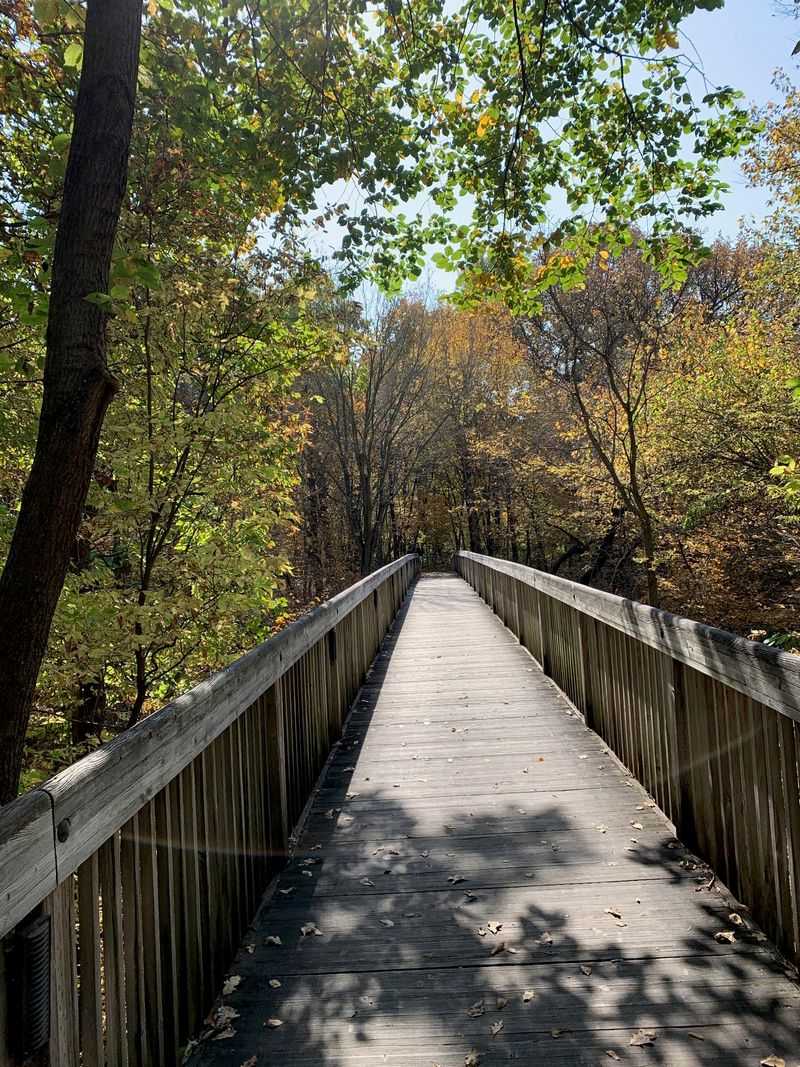
Walking trails wind through the property and tie the whole place together. You can wander without much of a plan and still see plenty.
That calm mood is a big part of the appeal. The park is known for a peaceful, relaxing atmosphere that suits slow strolls.
Trails also connect through the woods toward the nearby Arbor Day Farm attractions. That includes the apple area, an old barn and Lied Lodge, so you can build a longer outing.
Arbor Lodge State Historical Park rewards walkers who take their time. A short loop works, but a longer ramble feels more like Morton intended.
Wear comfortable shoes. The grounds are large, and you’ll likely want to cover more ground than you planned.
Candlelight Tours, Bloom Fest And Applejack Weekends
Plenty of historic homes stay quiet all year. This one throws a few parties.
Arbor Lodge hosts special events like Mysteries at the Mansion and Teas in the Sunroom. Candlelight tours also show the house in a whole new light after dark.
Spring brings Bloom Fest, a natural fit for a park packed with lilacs. Timing a visit around blooming season seems like a very good plan.
Fall belongs to the AppleJack Festival in Nebraska City. Some families have made it a yearly tradition for decades, and the park joins in the fun.
An AppleJack run has even sent participants along the paths of the property. Then they could come back later and tour the mansion.
Event schedules change, so check ahead before you go. Each season gives the estate a different personality.
I think that’s what keeps people coming back. One visit is history, but a second visit during a festival feels like a celebration Morton would applaud.
What To Know Before You Make The Drive
Plug 2600 Arbor Ave, Nebraska City, NE 68410 into your map. That’s where Arbor Lodge State Historical Park welcomes visitors.
The park grounds are open daily, year-round. No park permit is required, which makes a spontaneous stop easy.
The mansion keeps its own schedule. It’s typically open Tuesday through Sunday from late morning into the afternoon, and closed on Mondays except some major holidays.
Winter hours can shift toward weekends, so check before a cold-weather trip. Arriving early is fine if you just want to walk the grounds first.
There is a fee to tour the mansion. Nebraska City residents can get free entry, which is a nice perk for locals.
Getting there is simple for many Nebraskans. Lincoln and Omaha folks can reach it in a manageable drive, and travelers on I-29 can make a short detour.
Give yourself at least a couple of hours. Between the house, trails and gardens, it fills an afternoon nicely.
So, Is It Nebraska’s Gift To The World
Short answer? Yes, and Nebraska gets to keep the receipt.
Arbor Day started with a Nebraska proposal in January 1872. The first celebration followed that April, and the world eventually caught on.
Now every state observes it, along with many countries. Not bad for an idea hatched on the treeless plains.
Arbor Lodge State Historical Park makes that story feel personal. You can stand where Morton lived, walk past old champion trees and admire the mansion his family built.
It suits history lovers, garden fans and families with energy to burn. Quiet walkers will find plenty of peace here, too.
A full afternoon here can mix learning, shade and a little bench-whispering silliness. That’s a pretty great return for one drive.
I’d call it one of the most satisfying day trips in Nebraska. It’s a place where a big idea still has visible roots.
So next April, when someone plants a sapling halfway around the globe, you’ll know where it started. A Nebraska City farm deserves the credit, and it’s waiting for your visit.