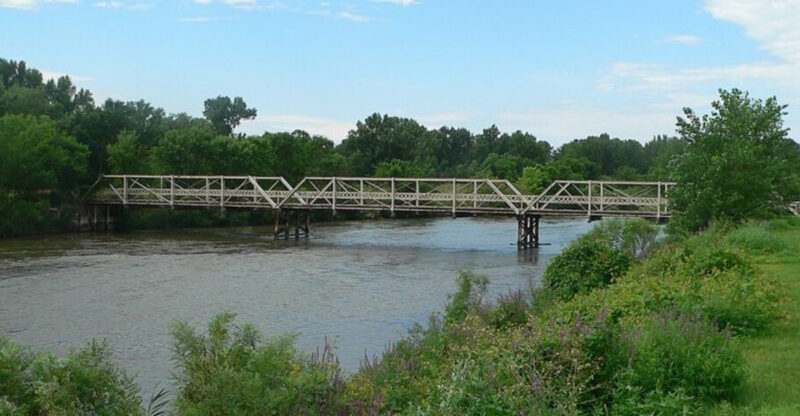
Bald Eagles Aside, 10 Nebraska Wildlife Spots Stay Open Through Winter For Free Viewing
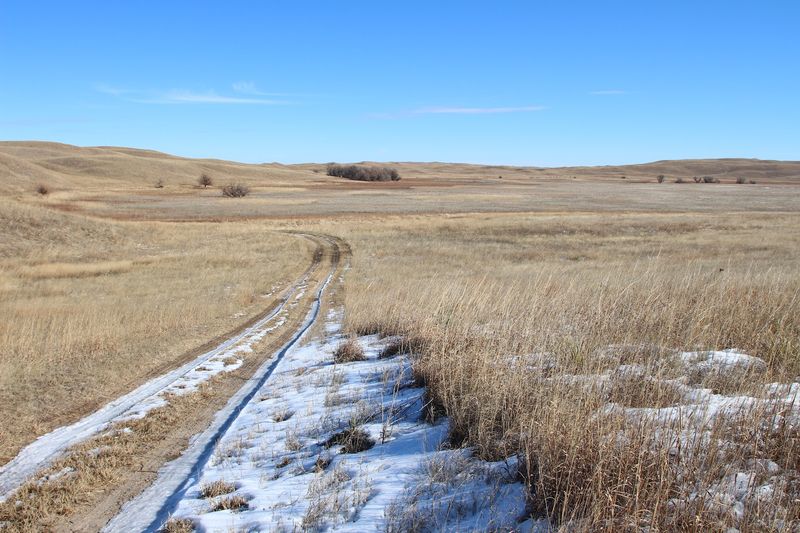
Hundreds of thousands of sandhill cranes start piling onto one stretch of river while snow can still be on the ground. That alone makes me want to grab a coat and a thermos.
Winter has a sneaky upside for animal watchers. Bare trees hide less.
Bison, elk, deer and waterfowl stand out against brown prairie and pale sky, and the trails feel like they belong to you.
I love that the price tag on most of this is zero. Nebraska keeps a surprising number of refuges, prairies and nature centers welcoming visitors through the cold months without charging admission.
Some sit inside city limits, and others take a real drive into the Sandhills.
The eagles get most of the winter attention, and fair enough. But what else is out there waiting for anyone willing to bundle up and look?
1. Boyer Chute National Wildlife Refuge
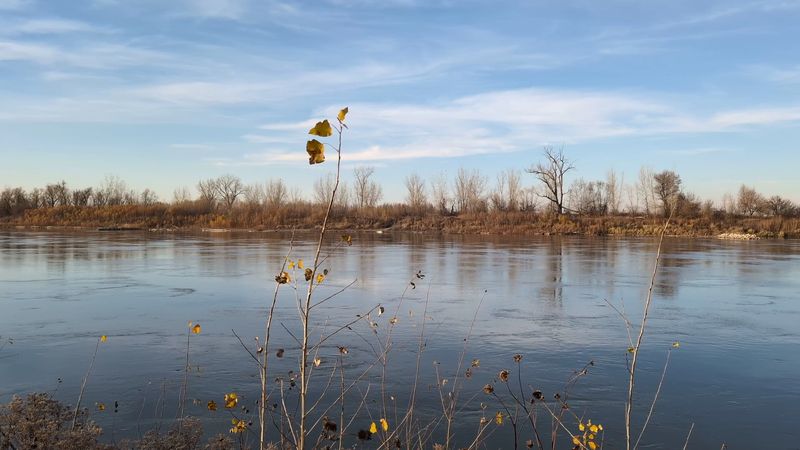
A river channel that people once filled in now runs free again, and the wildlife noticed. Boyer Chute sits along the Missouri River north of Omaha, and it makes an easy first stop on this list.
The U.S. Fish and Wildlife Service runs the refuge, and admission costs nothing.
You get trails, water views, and an auto-tour route for days when walking sounds too chilly.
Winter turns the ground into a guest book. Fresh snow shows tracks from animals that slipped past before you arrived.
Keep your eyes moving between the trees and the water. Beavers, hawks, and even eagles turn up here, plus plenty of birds along the channel.
Families will find kid-friendly hikes that don’t demand a full day. Dogs are allowed too, so your four-legged hiking buddy can come along.
Public restrooms make the outing easier with little ones. Fishing is also part of the draw when the weather cooperates.
Weekdays tend to stay quieter than Saturdays here. That makes a Tuesday or Wednesday walk a smart pick for spotting shy critters.
Short drive, wide views, no ticket booth. Not a bad trade for a winter afternoon in eastern Nebraska.
Address: 3720 Rivers Way, Fort Calhoun, NE 68023
2. Valentine National Wildlife Refuge
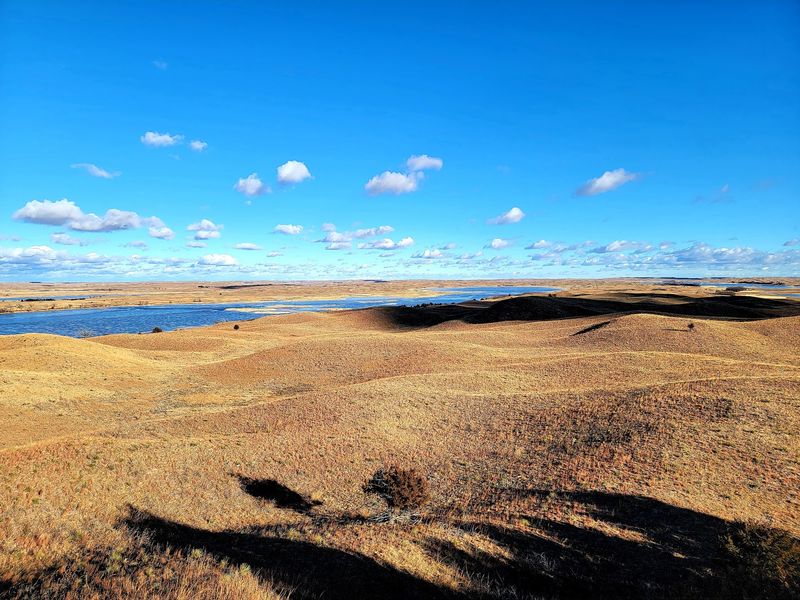
Sand dunes covered in grass, lakes tucked between them, and almost no one around. That’s the Sandhills, and this refuge puts you right in the middle of it.
Valentine National Wildlife Refuge is open around the clock, every day of the week. The federal refuge welcomes visitors at no charge, so the only cost is gas.
And yes, you’ll burn some. The refuge sits south of Valentine in north-central Nebraska, far from big-city traffic.
The payoff is space. Lakes, marshes, and rolling hills spread out in every direction you look.
Birders treat this place seriously, especially for waterfowl and shorebirds. Winter thins the crowds of migrants, but the open landscape makes any movement easy to catch.
Hiking trails give you a chance to stretch your legs. Fishing is popular here too, and the trails stay friendly enough for kids.
A visit also teaches you something about the Sandhills themselves. This grass-covered dune country is one of the largest of its kind in the Western Hemisphere.
Pack layers, snacks, and patience. Then enjoy how quiet a Nebraska winter can really get.
Address: 39679 Pony Lake Rd, Valentine, NE 69201
3. Crescent Lake National Wildlife Refuge
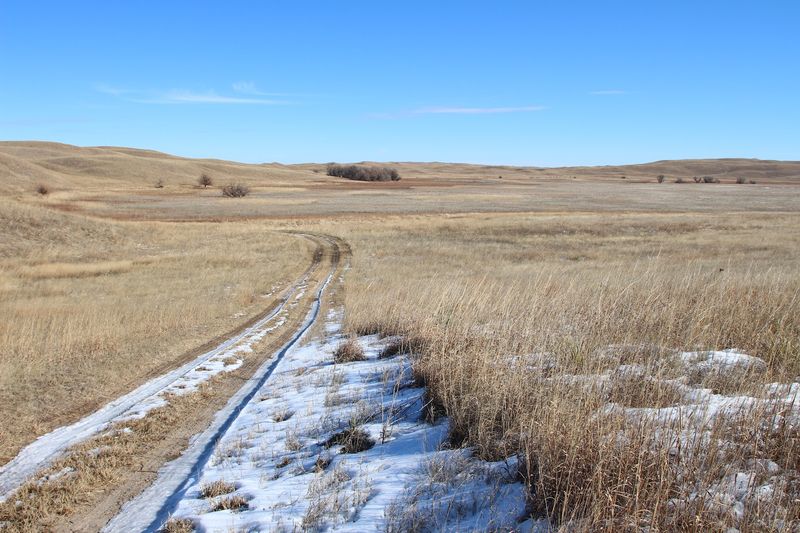
Solitude is the main attraction at Crescent Lake, and the refuge delivers plenty of it. Getting there means a long road through Sandhills country north of Oshkosh.
Once you arrive, the refuge rewards your effort with lakes, meadows, and grassy hills. A long one-way road lets you cruise slowly and scan for animals.
Ducks and deer show up in big numbers here. Late winter visits can turn up both before spring migration even hits full speed.
Birders consider this a serious destination. The mix of wetlands and uplands gives a wide range of species a place to land.
The U.S. Fish and Wildlife Service runs Crescent Lake, and you won’t pay to enter.
The visitor center keeps weekday hours and has public restrooms.
Plan around that schedule if you want to chat with staff or grab info. Weekends find the office closed.
Kids will do fine on the shorter hikes. Just bring plenty of water and a full gas tank, since services out here are few.
Remote? Absolutely.
But for wide horizons and wildlife without a crowd, few spots in western Nebraska compare.
Address: 10630 Rd 181, Ellsworth, NE 69340
4. Fort Niobrara National Wildlife Refuge
Bison in the snow look like they belong on a postcard, and Fort Niobrara gives you the real thing. The refuge sits just east of Valentine along the Niobrara River.
Bison share the land with elk, deer, hawks, and prairie dogs. The mix of prairie, river valley, and marsh supports a wide range of animals.
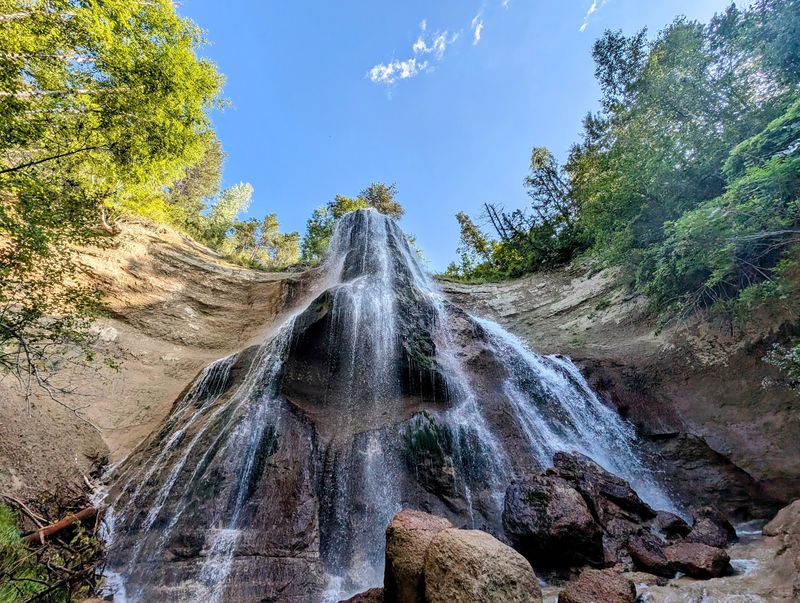
A one-mile nature trail leads to a waterfall. That’s a surprise in a state famous for flat ground.
Refuge roads and trails stay open daily. The visitor center keeps weekday hours, and public restrooms are available there.
Viewing the wildlife costs nothing. This public federal refuge keeps its trails and scenery free.
Picnics are popular in warmer months, but winter has its own perks. Big brown bison stand out sharply against white hills.
Kids usually love spotting prairie dogs popping up from their towns. Just remember these are wild animals, so stay in your vehicle near the bison.
Combine this stop with Valentine National Wildlife Refuge for a full Sandhills day. Two federal refuges, one town, no admission fees.
Address: 39983 Refuge Rd, Valentine, NE 69201
5. Rowe Sanctuary
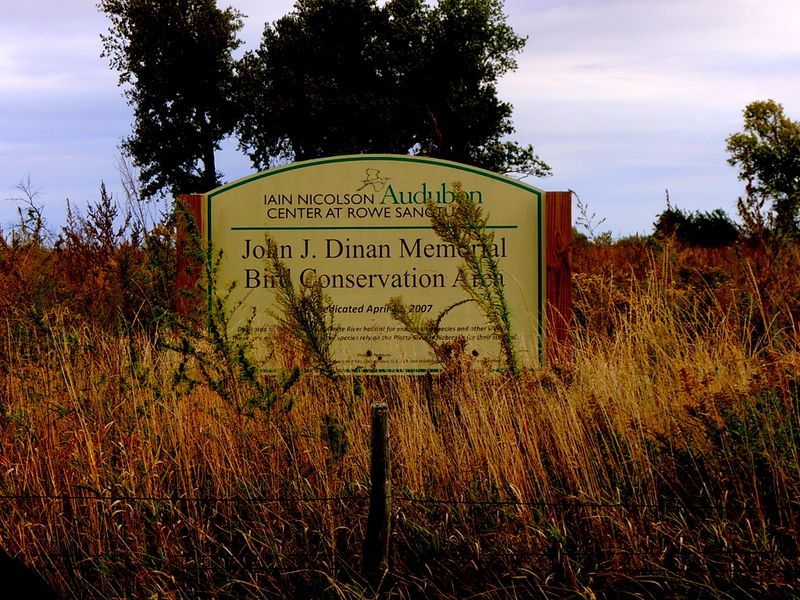
Hundreds of thousands of sandhill cranes, one river, and a front-row seat. Rowe Sanctuary near Gibbon is famous for exactly that.
The cranes start arriving on the Platte River in late winter. They stay through early spring, so a February visit can line up nicely.
Run by Audubon, the sanctuary covers roughly 3,000 acres of protected land. Most of it is set aside for wildlife, especially those cranes.
Admission is free. You can view the exhibits, walk the trails, and browse the gift shop without paying to get in.
Staff here know their birds. Ask questions, because they can help you understand what you’re watching.
Cranes aren’t the only show. Snow geese and other birds also gather in the area, often just a short drive from the center.
Hours run Tuesday through Saturday, so plan around that. Restrooms and kid-friendly hikes make it easy for families.
Picnic spots let you refuel between viewing sessions. Bring binoculars and a warm hat, because standing near the river gets chilly fast.
Few wildlife scenes feel more purely Nebraska than this one. It’s a migration people travel from around the world to see.
Address: 44450 Elm Island Rd, Gibbon, NE 68840
6. Crane Trust Nature & Visitor Center
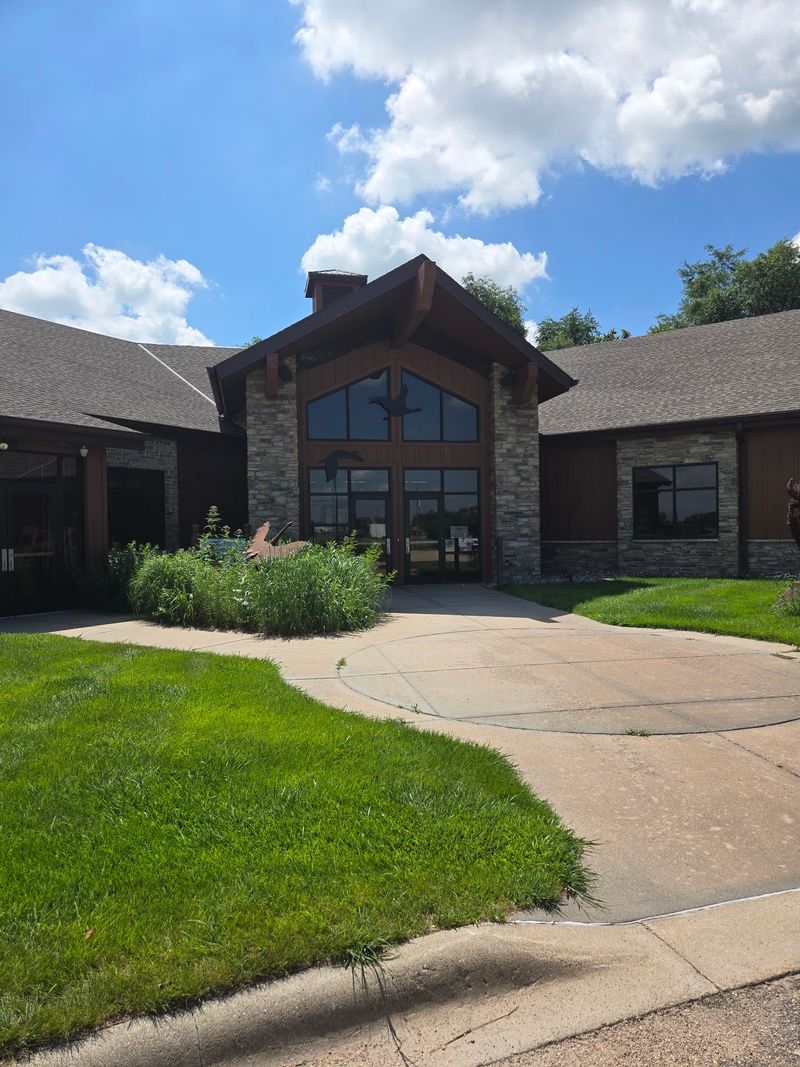
Cranes get top billing in the name, but bison often steal the scene. Crane Trust Nature and Visitor Center sits just off Interstate 80 near Wood River.
It makes a smart, free stop to learn about cranes, bison, and other local animals. Exhibits inside help you understand the Platte River ecosystem.
Outside, the trail system offers two path options. Both give you a feel for central Nebraska’s river and prairie habitat.
Spotting bison takes some luck. The herd roams the grasslands, so a sighting feels like a small win.
Birds are easier to find along the river. In late winter, sandhill cranes begin arriving in this stretch of the Platte.
The center keeps Monday through Saturday hours year-round. Restrooms are on-site, which matters when you’re traveling with kids.
Families will appreciate how approachable the trails feel. They’re not marathon hikes, just good walks with a reason to keep looking around.
Pair it with Rowe Sanctuary down the road for a full crane-country day. Two stops, lots of wings, and no admission to either.
Address: 9325 Alda Rd S, Wood River, NE 68883
7. Spring Creek Prairie Audubon Center
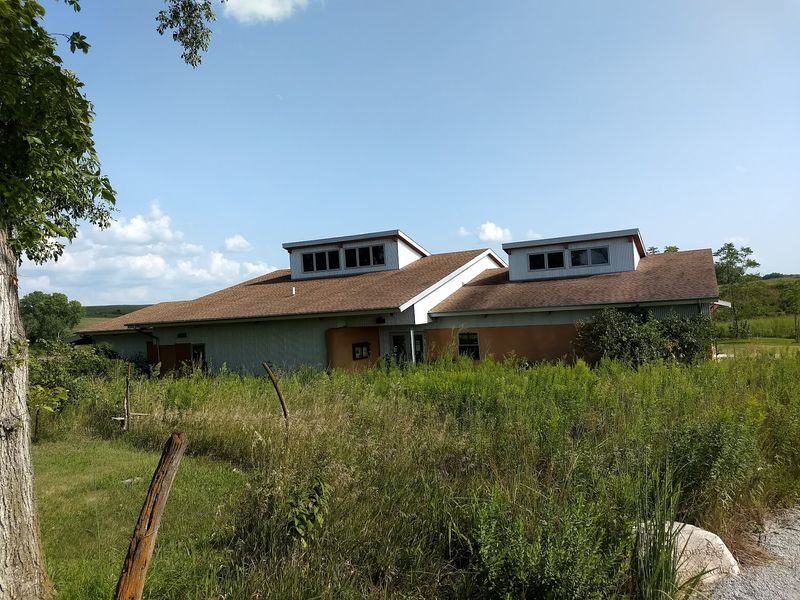
Wagon wheels carved lines into this prairie long ago, and you can still trace them. Spring Creek Prairie Audubon Center near Denton protects tallgrass prairie with history built in.
Those wagon ruts come from travelers heading west on a branch of the Oregon Trail route. They’re easier to see at certain times of year, and winter’s short grass can help.
Miles of walking paths cross the prairie. Each one gives you views that feel far away from Lincoln, even though the city sits nearby.
Birdwatching ranks high here. Prairie birds use the grasslands, and Audubon staff keep the trails well maintained.
A small bridge crosses a pond near the trails. In warmer months, it’s a hot spot for bullfrogs and turtles.
Families can enjoy a free walk through nature here. Picnic tables and public restrooms make the visit simple.
The center opens daily, with shorter afternoon hours on weekends. Plan ahead if you want time inside.
Southeast Nebraska doesn’t have much original tallgrass prairie left. Standing in this one, with history at your feet, feels like a rare treat.
Address: 11700 SW 100th St, Denton, NE 68339
8. Pioneers Park Nature Center
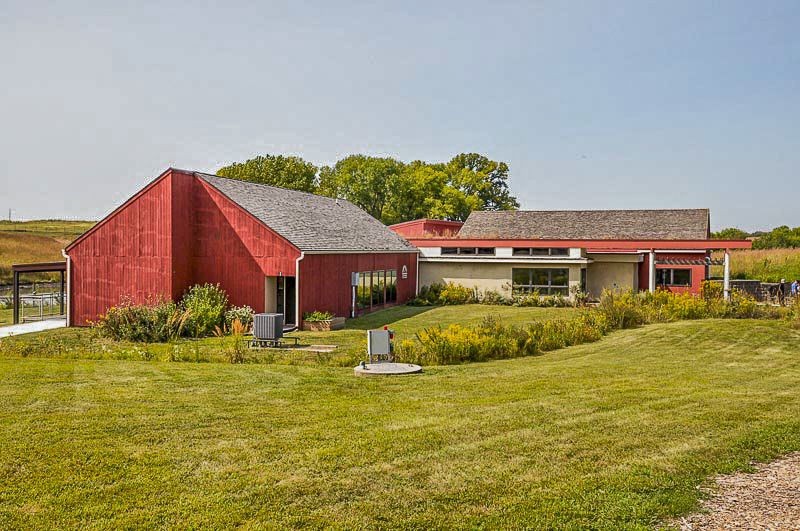
Bison and elk inside Lincoln city limits? Yep, and you won’t pay a cent to see them.
Pioneers Park Nature Center covers 668 acres of prairie, forest, and wetlands. It’s built for environmental education and animal care.
Bison, elk, and owls are among the residents. A bison enclosure and a feeding pond give you easy places to start looking.
Walking trails wind through the different habitats. Bird watching is a big draw, especially when bare branches make spotting easier.
Inside, the nature center buildings teach about Nebraska ecosystems. That’s handy when fingers start getting cold.
Kids get bonus fun here. A playground has slides and swings, and the area offers a sledding hill too.
Hiking, biking, and horse riding trails extend the options. Picnic tables and grills wait for milder days.
The center is open seven days a week, with shorter hours on Sundays. Saturdays tend to get busy, so weekday mornings can feel calmer.
For Lincoln families, this might be the easiest wildlife outing on the list. Drive across town, park, and go say hello to a bison.
Address: 3201 South Coddington, Lincoln, NE 68522
9. Heron Haven Nature Center
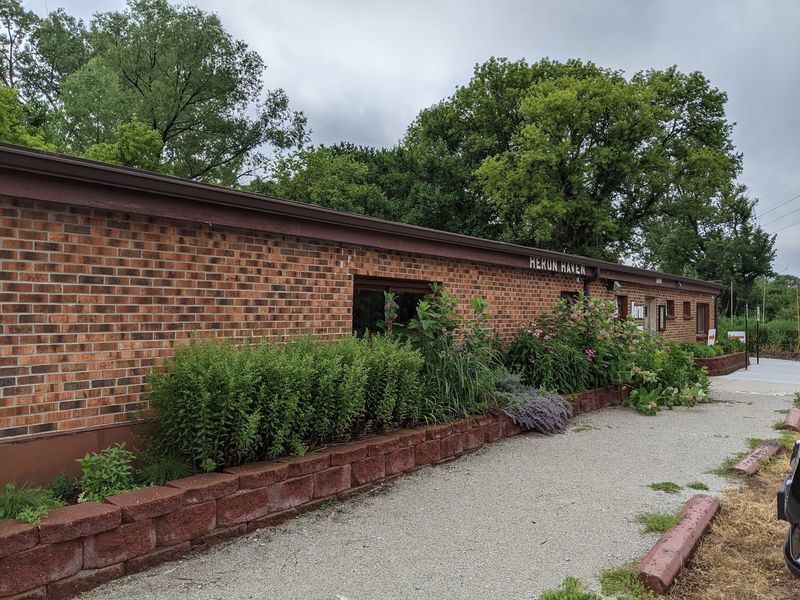
Muskrats, herons, and even the occasional mink live in Omaha’s backyard. Heron Haven Nature Center proves the city has a wild side.
The preserve centers on wetlands and ponds. A boardwalk crosses the marsh, letting you get close without muddy boots.
Photo blinds along the short trails let you watch birds and turtles at close range. That’s a gift for anyone with a camera or a curious kid.
Wildlife sightings here include ducks, geese, frogs, deer, and both blue and green herons. Winter shifts the cast, but the open marsh still draws visitors with feathers.
Trails vary in length and difficulty. A quick loop works on a cold day, and longer routes reward extra time.
A planted garden adds color in warmer months. Picnic tables wait nearby for a sunny break.
Entry costs nothing, and the parking lot is free too. Hours run daily, so a weekday lunch break could double as a nature walk.
Saturdays tend to fill up first. Pick a quieter weekday for better odds of spotting something shy along the water.
Address: 11809 Old Maple Rd, Omaha, NE 68164
10. Rainwater Basin Wetland Management District
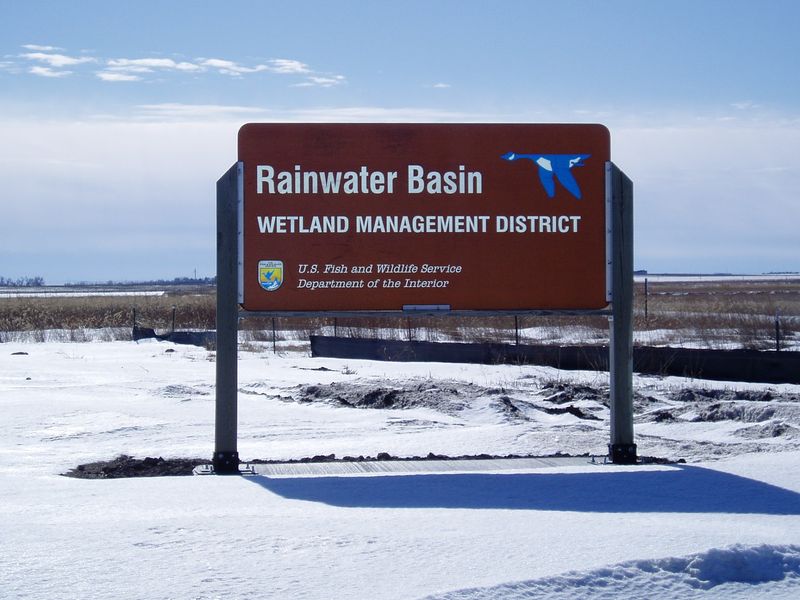
Duck Stamps paid for most of this place, which is a fun fact to drop at your next family dinner. Rainwater Basin Wetland Management District protects wetlands scattered across 21 Nebraska counties.
The U.S. Fish and Wildlife Service started buying land here in 1963.
The goal was saving critical habitat for migrating waterfowl.
Today, the district includes 63 Waterfowl Production Areas. Most were bought with money from the Migratory Bird Hunting and Conservation Stamp.
This region is the ancestral homeland of the Pawnee and Jiwere peoples. The shallow wetlands formed in low spots where rain collects across the plains.
Late winter is when things get loud. Massive flocks of ducks, geese, and other water birds use these wetlands during migration.
The headquarters near Funk keeps weekday hours. Staff can point you toward wetlands worth checking that day.
Parking is free, and so is access to the public areas. Kid-friendly walks make it doable for the whole crew.
Think of it as a scavenger hunt across south-central Nebraska. Each wetland might hold a few birds, or the sky-filling flock you hoped for.
Address: 73746 V Rd, Funk, NE 68940