12 Kentucky Highland Towns That Stay Fresher Than The Rest Of The State
Here is a secret the eastern half of Kentucky has been keeping. While the rest of the state simmers through summer, the mountain towns are sleeping with the windows open.
It sounds made up, but the elevation does real work out there. The Appalachian ridges catch the breeze, the hollows hold the shade, and the mornings arrive wrapped in fog that feels almost cold.
These highland towns get that refreshing mountain air all season long, and they pair it with waterfalls, overlooks, and porches built for sitting.
You can hike without melting and drink your coffee outside without regret. The air up there smells like pine and rain instead of hot asphalt.
So when the forecast starts looking spiteful, you now know which direction to point the car. Higher ground is calling, friend.
1. Lynch
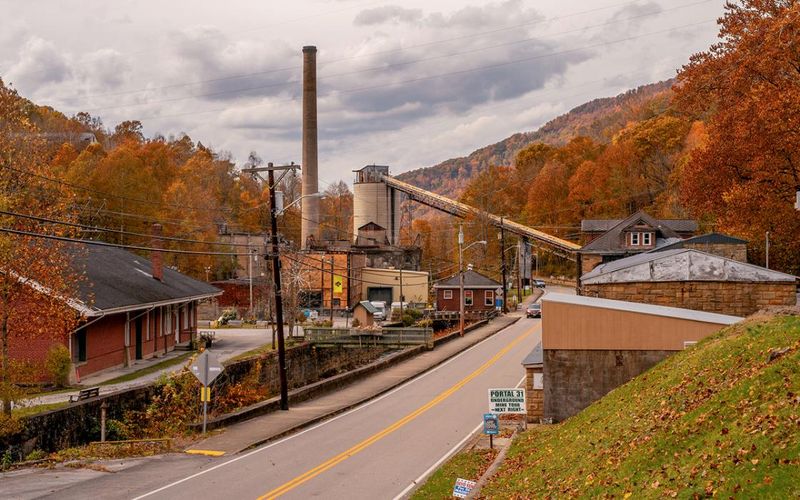
Lynch sits at the foot of Black Mountain, the highest point in Kentucky, and that alone makes it worth the drive.
Built almost entirely by U.S. Steel in the early 1900s, the town looks like someone froze a company town in amber and forgot to thaw it out.
The architecture here is genuinely remarkable. Rows of brick homes, a massive bathhouse, and stone structures still standing strong after a century of mountain weather.
The Black Mountain Overlook Trail rewards hikers with views that stretch into Virginia and Tennessee on a clear day.
Lynch has reinvented itself quietly over the decades. The Portal 31 Exhibition Mine lets visitors ride into an actual coal mine and understand what life underground really looked like.
It is immersive, respectful, and nothing like a theme park experience. The mountain air up here is noticeably cooler and cleaner than the rest of eastern Kentucky, especially in summer.
Lynch is the kind of place that earns your respect slowly, detail by detail, until you realize you have been standing there for two hours just looking around.
2. Benham
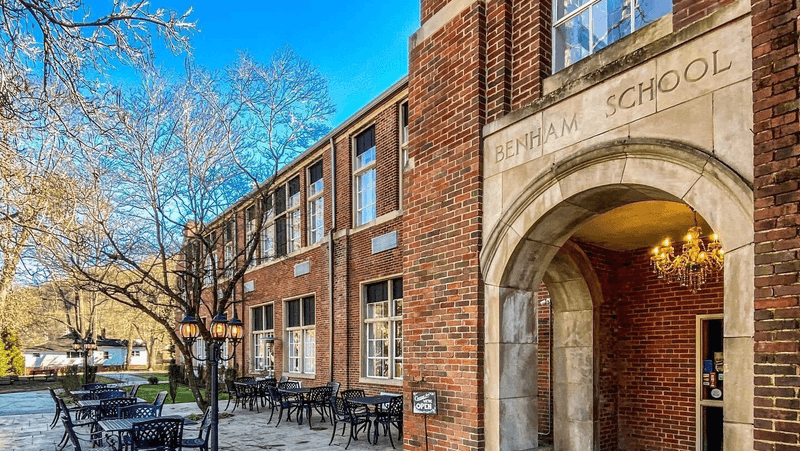
Benham and Lynch share a mountain road and a coal past, but Benham has its own personality entirely.
The Kentucky Coal Museum here is one of the most underrated attractions in the entire state, packed with artifacts, photographs, and equipment that tell the real story of Appalachian labor.
The schoolhouse, the company store, the superintendent’s home, all of it is still standing and open to visitors. Benham feels like a living history lesson that nobody bothered to put behind glass.
You can walk through it, touch the walls, and actually feel the weight of what happened here.
Summer temperatures in Benham run noticeably cooler thanks to the elevation and surrounding ridge lines. The town sits in a narrow valley where the mountains funnel in shade earlier than the lowlands.
Locals gather at the small park near the museum on summer evenings, and the pace of life is genuinely unhurried.
There is a pride in Benham that shows up in the way people maintain their homes and talk about their town. It is small but it holds its own with a quiet, unshakeable dignity that you do not find everywhere.
3. Cumberland
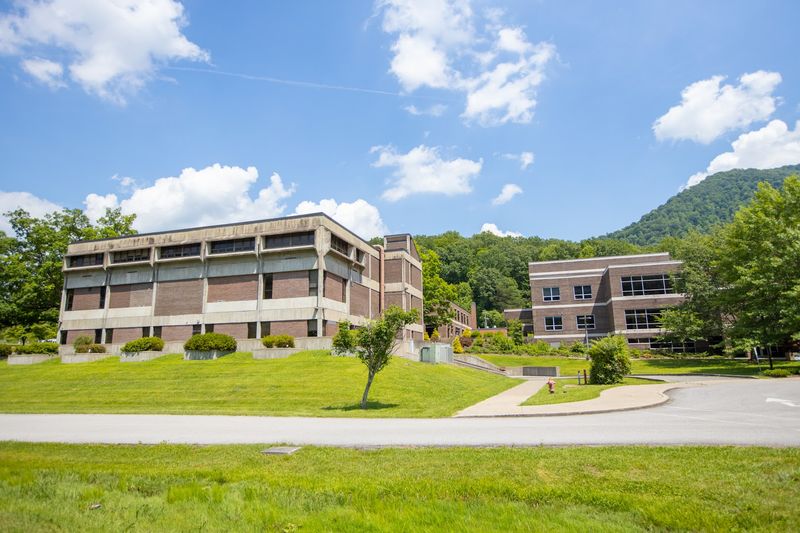
This is the largest city in Harlan County and carries that distinction with a relaxed confidence. Sitting at around 1,700 feet in elevation, the air here has a crispness that makes July feel almost reasonable.
The surrounding mountains form a natural wall that keeps the heat from ever fully settling in.
The town has a lively main street with local restaurants and shops that serve the surrounding mountain communities.
Southeast Community and Technical College anchors a youthful energy that keeps Cumberland from feeling like it is stuck in the past.
Students, locals, and visitors mix in a way that gives the town a livelier atmosphere than its size would suggest.
Kingdom Come State Park is just minutes away, offering some of the most dramatic sandstone formations in the eastern part of the state.
Log Rock and Raven Rock are natural landmarks that genuinely look like something from another world. The park trails are well maintained and manageable for most fitness levels.
Cumberland earns its reputation as a regional hub not through flashy development but through steady, community-driven energy.
Once you spend a full day here, you start to understand why people who grew up in Cumberland rarely stop talking about it.
4. Jenkins
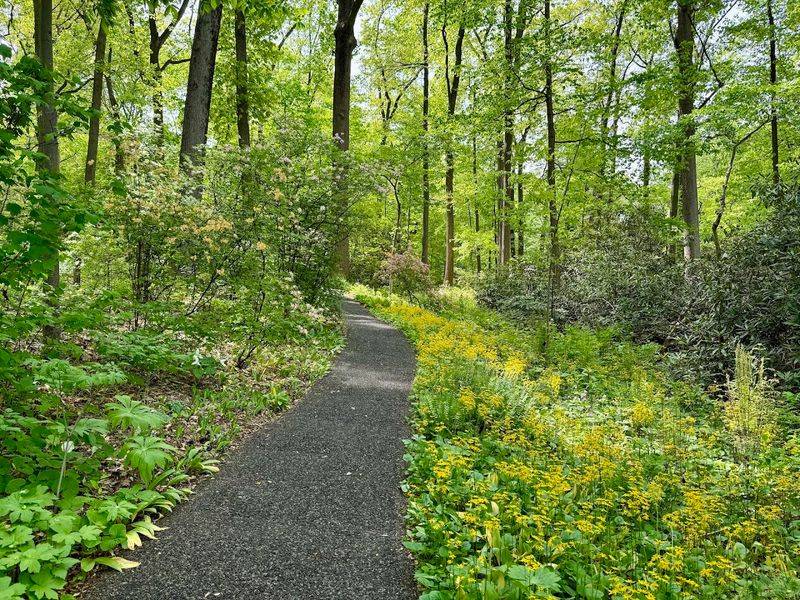
Jenkins was purpose-built by Consolidation Coal Company in 1912, and the bones of that original design are still visible everywhere you look.
The town climbs the hillsides in a way that feels almost European, with homes stacked up the ridges and narrow roads winding between them.
What makes Jenkins genuinely cool right now is the outdoor recreation scene that has grown up around it.
The area connects to trail systems that draw mountain bikers and hikers from several states away. The Breaks Interstate Park, shared with Virginia, is close enough to be a regular weekend destination for Jenkins residents.
Jenkins sits at an elevation that keeps summer temperatures noticeably lower than much of Kentucky. The fog that rolls through the valley on summer mornings is the kind of thing photographers chase for hours.
There is an arts community here that has been quietly growing, using the town’s industrial history as both inspiration and subject matter.
Local murals reflect the coal heritage without romanticizing it, which takes real creative courage.
Jenkins is a town that has chosen to be honest about where it came from while building something genuinely new on top of that foundation.
5. Whitesburg
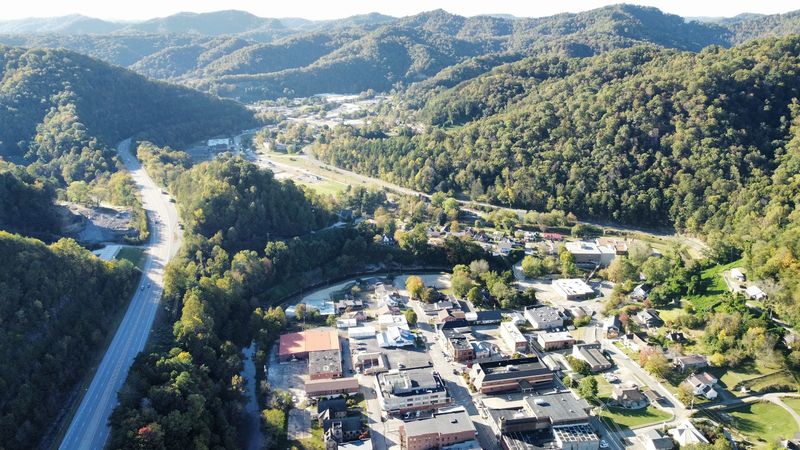
Whitesburg punches so far above its weight that it barely seems fair to the other small towns.
Home to Appalshop, one of the most respected arts and media organizations in the country, this town has been producing films, music recordings, and radio programs since 1969.
That is a legacy that most cities three times its size could not claim.
The downtown is compact but genuinely walkable, with a mix of local businesses that reflect the town’s creative identity.
The Letcher County seat has a courthouse square that anchors the center of town in the classic Kentucky tradition, but the energy around it feels decidedly more artsy and independent than most county seats.
Elevation here keeps temperatures cooler than the bluegrass region, and the surrounding mountains provide dramatic scenery in every season.
The Mountain Heritage Festival draws visitors each fall, celebrating Appalachian music, food, and craft traditions with real enthusiasm.
Whitesburg is also home to some of the most thoughtful local journalism in the state, which says something about the community’s commitment to telling its own story honestly.
People here are opinionated, engaged, and genuinely interesting to talk to. That alone makes Whitesburg worth the mountain roads you have to navigate to get there.
6. Harlan
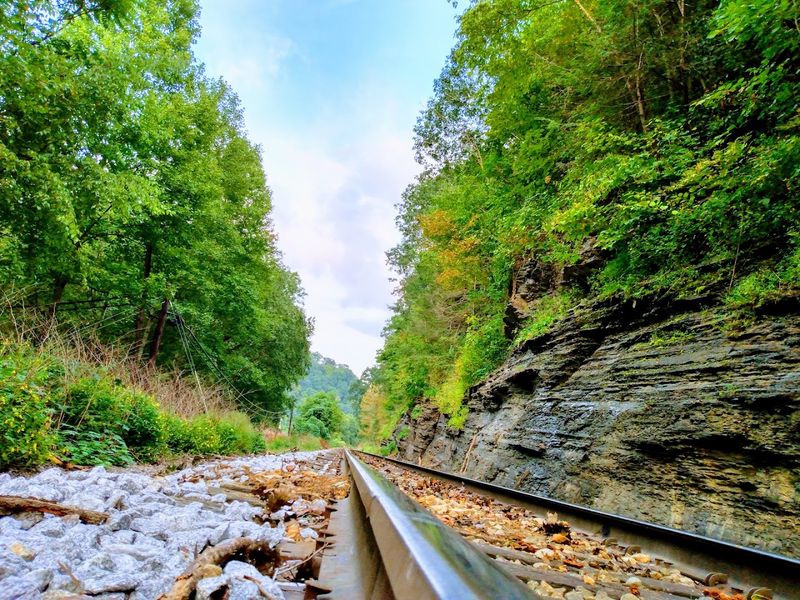
It has a reputation that arrives before you do, shaped by decades of labor history and a certain television drama that shall remain nameless.
But showing up in person, you find a town that is far more interesting and far less dramatic than any of those stories suggest.
The downtown courthouse square has been undergoing a steady revitalization that is visible in new storefronts, murals, and community events.
Harlan County is also the home of some seriously good mountain cooking, with local spots serving up soup beans, cornbread, and home-style plates that remind you why Appalachian food deserves more national recognition.
Situated at roughly 1,200 feet in elevation, Harlan stays cooler than the central and western parts of the state through much of the summer.
The surrounding peaks of Black Mountain to the southeast keep the air moving and the temperatures honest.
The Harlan County Courthouse, built in 1921, is one of the most photographed buildings in eastern Kentucky and for good reason.
The town hosts community events such as the Harlan County Poke Sallet Festival and seasonal downtown concerts.
Harlan is not trying to be anything other than what it is, and that authenticity is genuinely refreshing.
7. Middlesboro
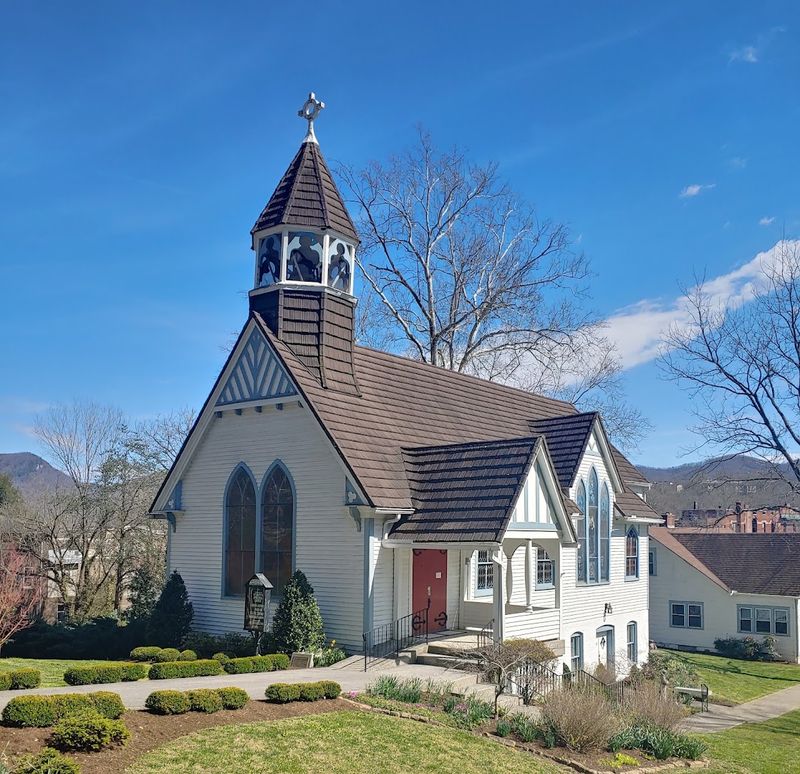
Middlesboro sits inside a meteor crater. That sentence alone should be enough to make you want to visit, but there is genuinely much more to the story.
The town was founded in the 1880s by a British land company that wanted to build an industrial city in the mountains, and the crater’s bowl shape helped create a natural valley perfect for development.
Cumberland Gap National Historical Park is essentially the town’s backyard.
The park preserves the mountain pass that Daniel Boone helped blaze, and the trails leading up to the gap reward hikers with views into three states simultaneously.
It is one of those experiences that feels genuinely historic without feeling like a museum exhibit.
Middlesboro’s elevation and position in the Cumberland Mountains keep it cooler and breezier than most of Kentucky throughout the warmer months.
The town has a walkable downtown with local shops and restaurants, and the surrounding park land creates a buffer of green that makes the whole area feel remarkably clean and fresh.
The Yellow Creek Park adds local outdoor recreation options right in town.
Middlesboro is one of those places where geography and history collide in a way that makes every visit feel like you are uncovering something genuinely rare.
8. Pineville
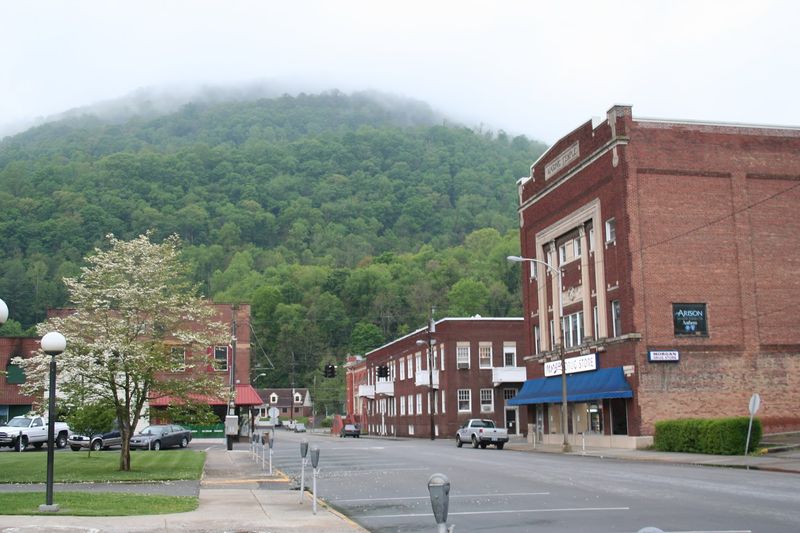
It sits right where the Cumberland River cuts through Pine Mountain, and that geography alone gives the town a dramatic visual character that most Kentucky towns can only dream about.
The river, the ridge, and the town all crowd into the same narrow valley in a way that feels almost cinematic.
Pine Mountain State Resort Park is the crown jewel here, Kentucky’s first state resort park, established in 1924.
The lodge perches on the ridge with views that stretch across the mountain landscape in a way that still stops people mid-sentence.
The hiking trails range from easy walks to serious ridge climbs, and the park hosts a living arts and crafts program that keeps traditional Appalachian skills alive.
Bell County Courthouse adds a stately anchor to the downtown, and the surrounding streets have a small-town energy that feels genuinely welcoming rather than performatively quaint.
The elevation and the mountain ridges keep Pineville noticeably cooler in summer, with evening breezes coming off Pine Mountain that make sitting outside a genuine pleasure.
Local events throughout the year draw visitors from across the region. Pineville is small enough to feel personal but rich enough in natural beauty and history to keep you busy for an entire weekend without trying very hard.
9. Elkhorn City
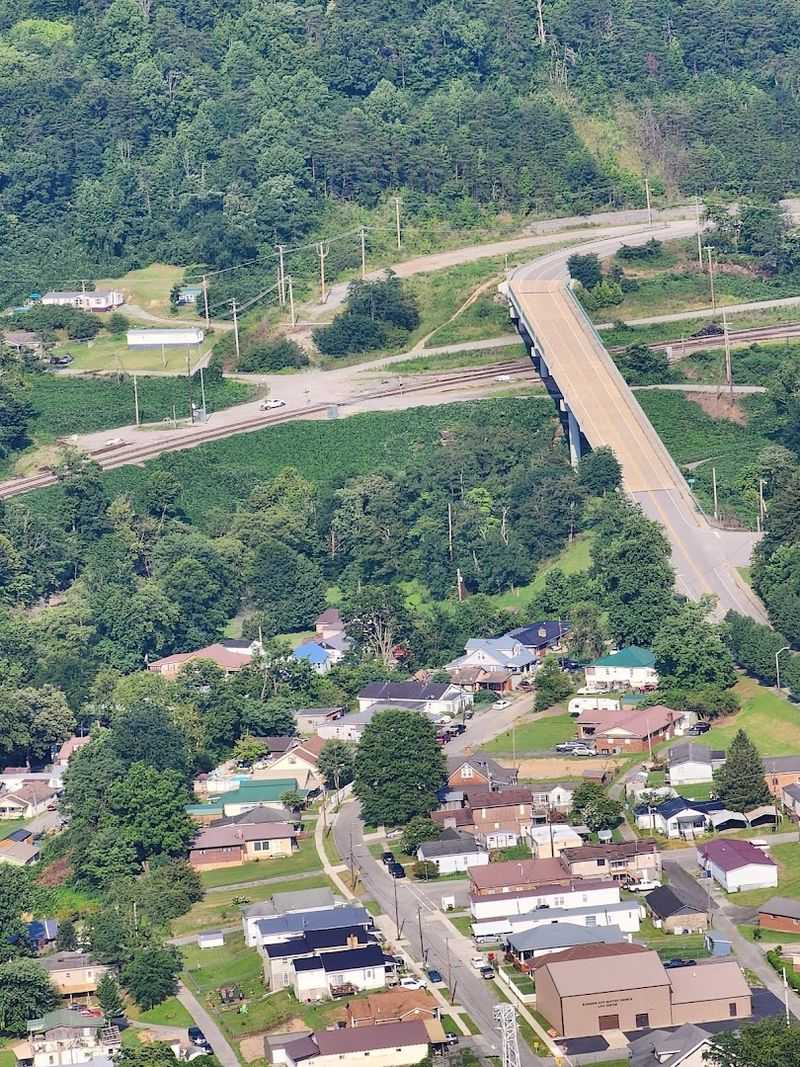
Elkhorn City is placed at the edge of one of the most dramatic river gorges in the eastern United States.
The Russell Fork River runs right through town before plunging into the Breaks Interstate Park canyon, and in autumn that combination creates scenery that photographers travel hundreds of miles to capture.
The Breaks, often called the Grand Canyon of the South, features a five-mile canyon carved by the Russell Fork that reaches depths of over 1,600 feet.
Whitewater rafting on the Russell Fork during fall water releases is a bucket-list experience for serious paddlers, and the surrounding trails offer stunning views for those who prefer dry land.
Elkhorn City itself is a small, unpretentious town with a welcoming local character.
The elevation and the surrounding mountains keep temperatures refreshingly cool, especially compared to the sweltering summer heat that settles over the western half of Kentucky.
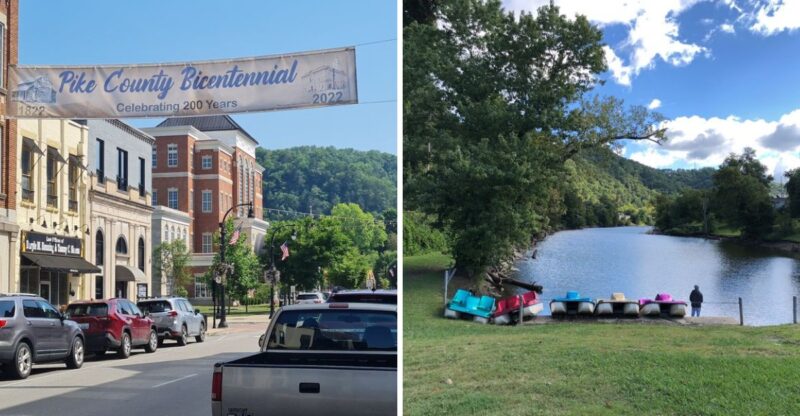
The train history here runs deep, and the Elkhorn City Railroad Museum preserves artifacts and stories from the coal and rail era that shaped this corner of Pike County.
The combination of outdoor adventure and authentic small-town atmosphere makes Elkhorn City one of the most genuinely compelling destinations in the entire state.
10. Campton
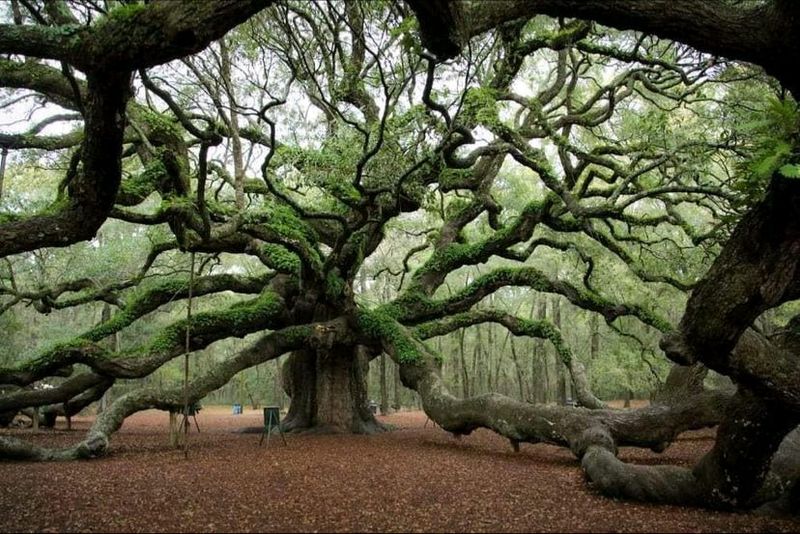
Campton is the kind of town that exists primarily as a gateway, but do not let that fool you into driving straight through.
As the seat of Wolfe County and the nearest town to the Red River Gorge, Campton has developed a character shaped by the thousands of visitors who pass through every year on their way to one of Kentucky’s most spectacular natural areas.
The Red River Gorge Geological Area and Natural Bridge State Resort Park are within easy reach, featuring over 100 natural arches and some of the best rock climbing in the eastern United States.
The gorge draws climbers, hikers, and campers from across the country, and the surrounding forest is genuinely breathtaking in every season.
Campton’s elevation in the foothills of the Cumberland Plateau keeps it measurably cooler than the Bluegrass region, and the forest canopy around town adds an extra layer of natural air conditioning.
Local outfitters and restaurants have grown up to serve the outdoor recreation crowd, giving Campton a livelier small-town scene than you might expect.
The Gorge Scenic Byway passes right through the area, making the drive itself part of the experience. Campton rewards the traveler who slows down long enough to actually notice where they are.
11. Morehead
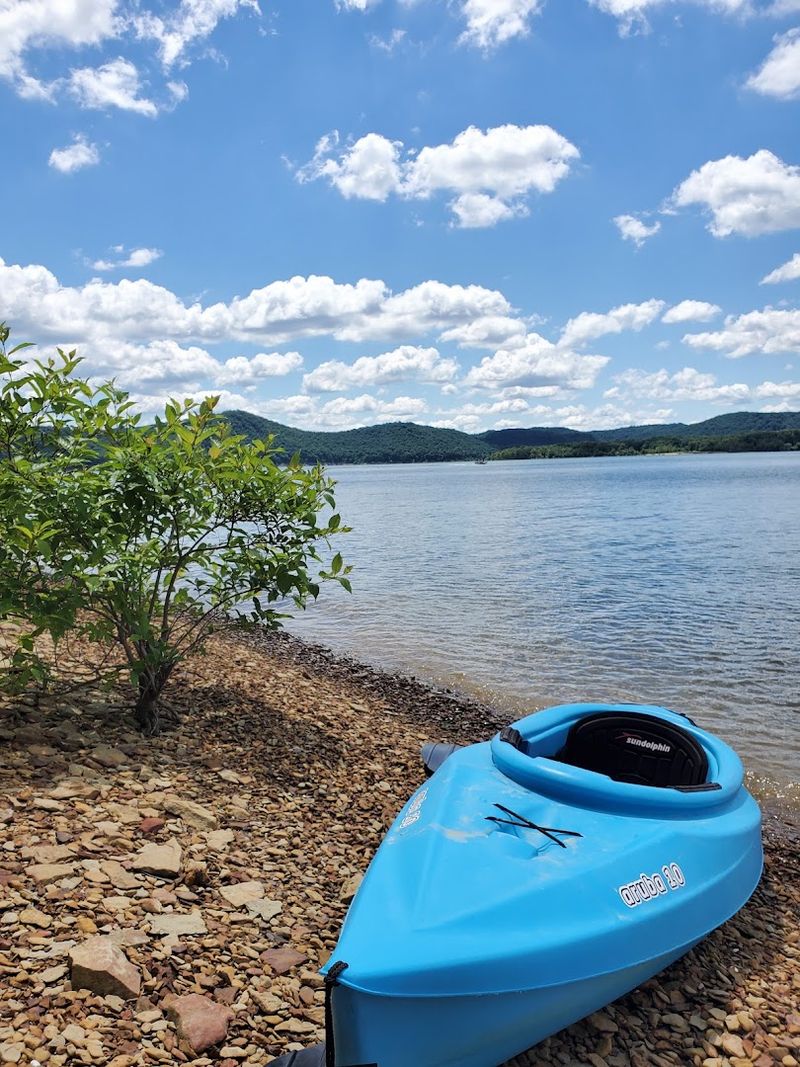
Morehead operates with a quiet energy that comes from having a university at its center without being swallowed by it.
Morehead State University gives the town a creative, youthful pulse that keeps restaurants, galleries, and community events running year-round in ways that other small Kentucky towns simply cannot match.
Cave Run Lake, just outside town, is one of the finest fishing and boating lakes in the state, drawing anglers after muskie, bass, and crappie throughout the warmer months.
The surrounding Daniel Boone National Forest adds miles of hiking and mountain biking trails that make Morehead a legitimate outdoor destination on top of everything else it offers.
The elevation in Rowan County keeps Morehead noticeably cooler than the central part of the state, and the tree coverage around the lake and forest areas makes a real difference on hot summer days.
The town’s arts scene is anchored by the university but extends well beyond campus, with local galleries and the Morehead Arts Partnership supporting community creativity year-round.
Downtown Morehead has seen steady investment in recent years, with new businesses setting up alongside long-established local favorites.
The result is a town that feels genuinely alive and forward-moving without losing the Appalachian character that makes it worth visiting in the first place.
12. Berea
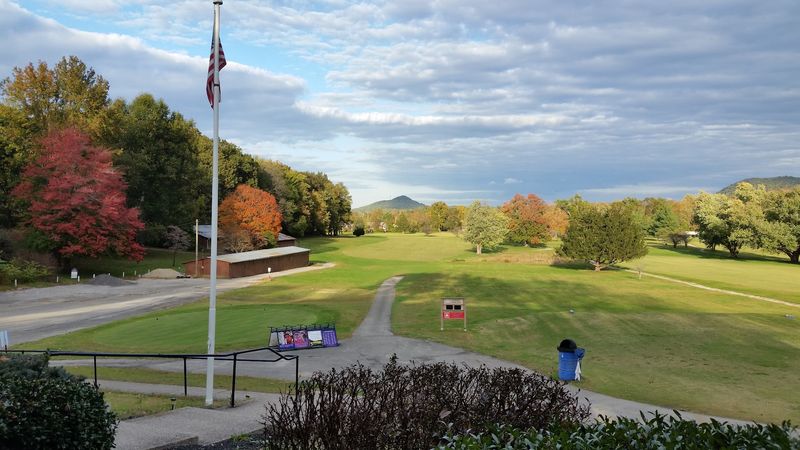
This town might be the most quietly extraordinary town in all of Kentucky, and that is a statement worth standing behind.
Founded as the first interracial and coeducational college in the South back in 1855, Berea College has shaped the town’s identity in ways that still show up on every street corner and in every conversation.
The college operates on a tuition-free model, and every student works as part of their education, many of them in craft programs that produce furniture, pottery, weaving, and woodwork of genuine quality.
The Berea College Craft Store and the surrounding galleries on College Square make the downtown one of the best places in the state to buy authentic, handmade Appalachian crafts directly from the people who made them.
Situated at the edge of the Appalachian foothills where the mountains meet the Bluegrass, Berea sits at an elevation that keeps it noticeably fresher than Lexington or Louisville in summer.
The Indian Fort Theater outdoor venue hosts performances against a backdrop of dramatic rock formations, which is the kind of detail that makes Berea feel entirely unlike anywhere else.
The food scene is small but excellent, with local spots that reflect the town’s commitment to craft and quality. Berea earns every bit of praise it receives and then some.