9 Kentucky Hiking Trails Locals Avoid In Summer And Fall Because Of Active Black Bears
Kentucky has bears now. Plenty of people still find that sentence surprising, which is exactly the problem.
Reforestation brought them back, and the population keeps growing along with its range. Southeastern Kentucky is where they live.
Late summer and fall are the busy season. Bears spend those months eating almost constantly to get ready for winter.
That means more of them moving around, and more of them near trails. Experienced hikers adjust their plans accordingly.
Nobody here is telling you to stay home. Bears want nothing to do with you and usually leave before you know they were there.
Still, there are trails where the odds of a sighting go up considerably. Knowing which ones is just useful information.
Bring a friend who talks too much. That habit finally becomes useful.
Make noise, keep your distance, and never run. Do those three things and the story stays a good one.
1. Sheltowee Trace National Recreation Trail, Daniel Boone National Forest
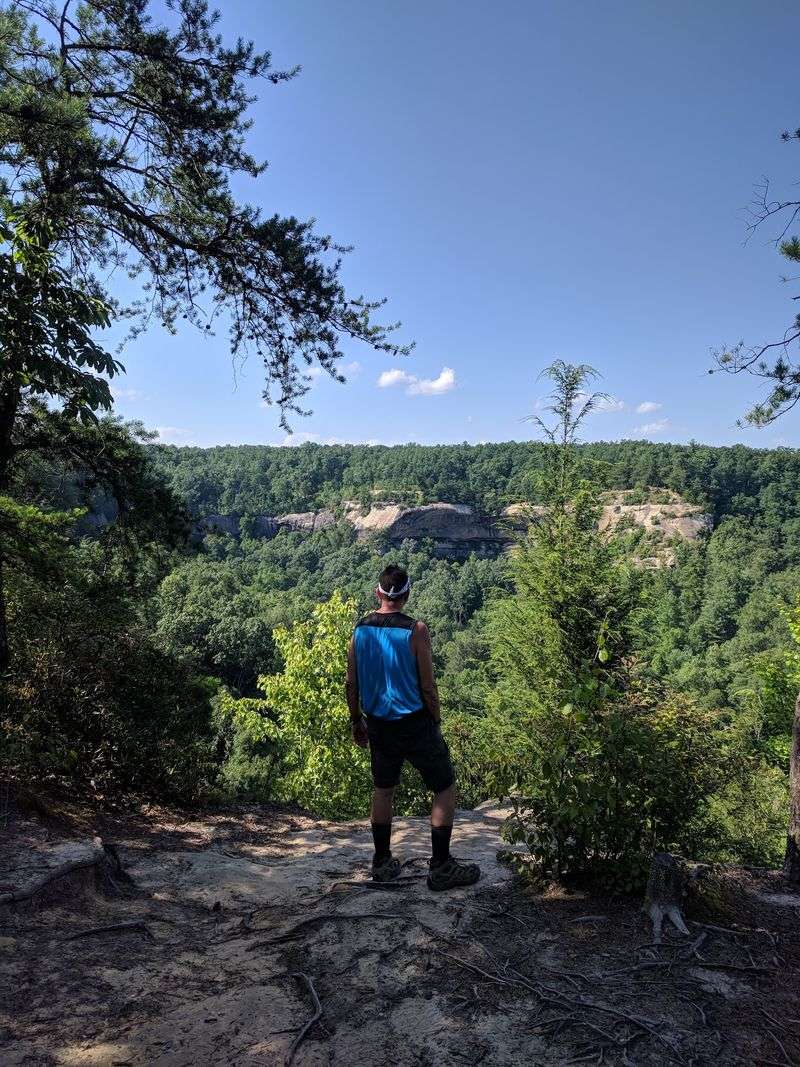
Three hundred and some miles of trail gives a bear plenty of room to be your neighbor. The Sheltowee Trace runs the length of the Daniel Boone National Forest, and bears use it too.
Locals who backpack sections in late summer talk about the same thing every year. Berry patches along the corridor draw bears in, and the bears stay until the food runs out.
The trail is marked with white turtle blazes, a nod to the name Daniel Boone was given by the Shawnee. Sheltowee means big turtle.
That bit of history sticks with you on a long walk.
Food storage is the real issue here. Bears that learn to raid packs keep coming back, and that ends badly for the bear.
Hang your food or use a hard-sided canister. Cook well away from where you sleep, and never keep snacks in your tent.
Fall brings a second wave of activity as bears fatten up for winter. Acorn-heavy ridges become busy dining rooms in October.
Many locals shift to spring or winter section hikes instead. The views open up once the leaves drop, and the bears are far less interested in you.
If you do go, hike with a partner and talk out loud on blind corners. Surprise is the thing you want to avoid most.
2. Kingdom Come State Park trails, Cumberland
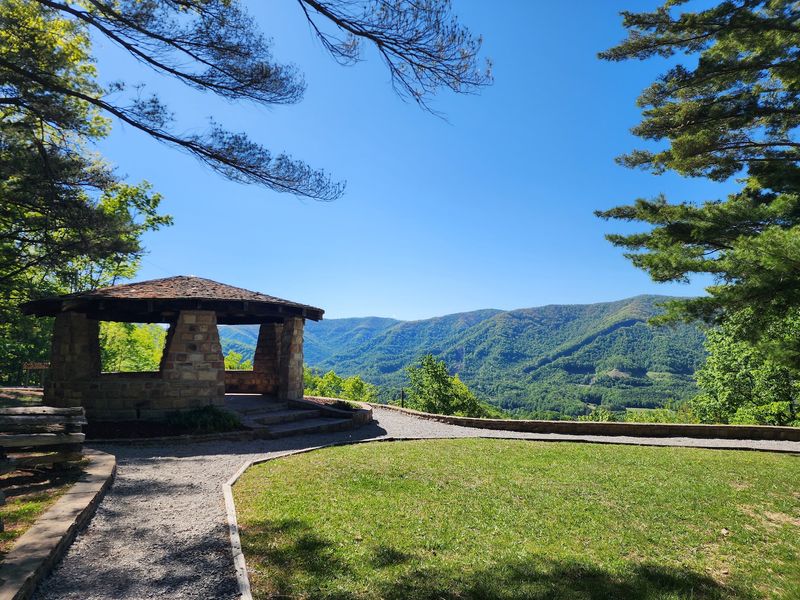
If Kentucky had a bear capital, this park would wear the crown. Kingdom Come sits high on Pine Mountain above Cumberland, and bear sightings here are routine rather than rare.
Park staff have long treated bears as regular residents. Visitors often spot them near the picnic areas and along the short rock-scramble trails.
The trails are compact, which is part of the issue. Log Rock, Raven Rock, and the boulder mazes put you in tight spaces with limited sightlines.
Summer weekends bring coolers and grills, and bears have excellent memories for parking lots. Locals know to keep car windows closed and food packed away.
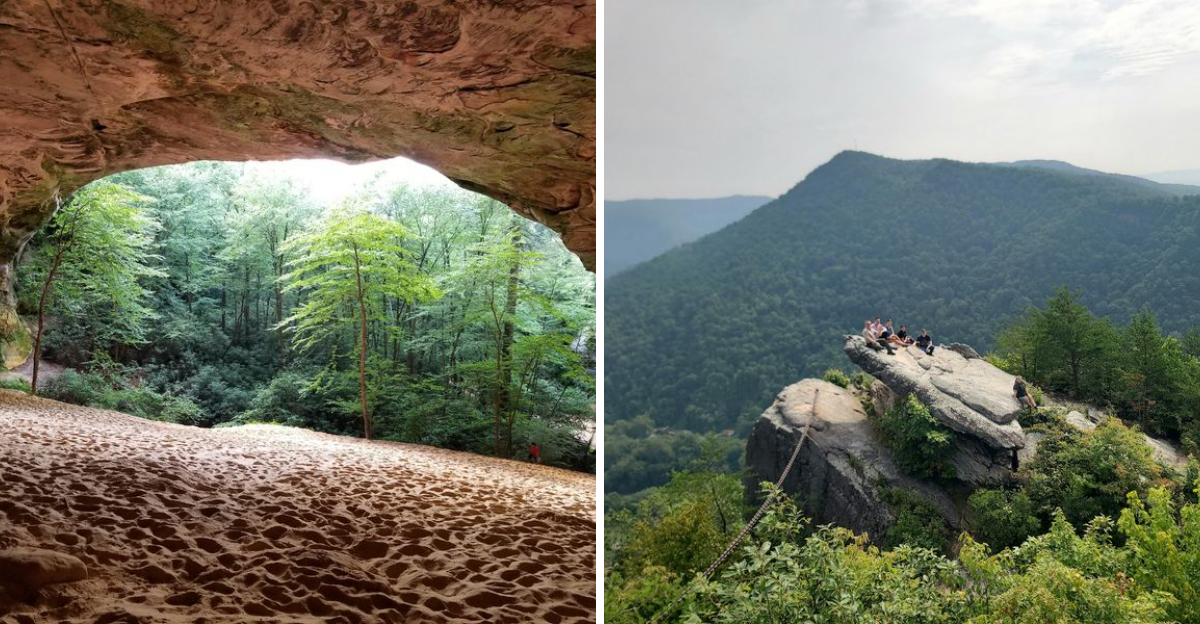
Photographers love this place for exactly the reason hikers get nervous. A bear on a sandstone ledge with mountains behind it is a striking sight.
Give any bear a wide berth and never step between a mother and her cubs. Cubs in trees mean mom is somewhere close.
Many area families visit in April or late November instead. The overlooks stay gorgeous, and the trails feel calmer.
3. Bad Branch State Nature Preserve, Eolia
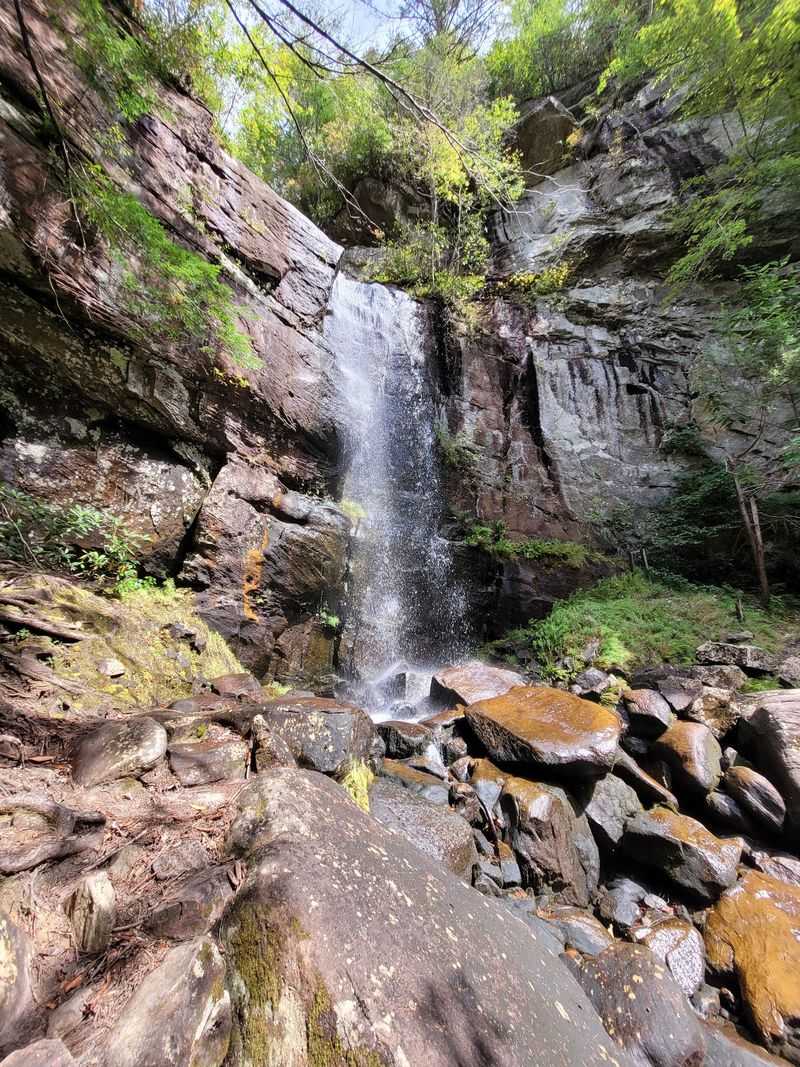
Cold water, deep shade, and rhododendron so thick you cannot see ten feet. Bad Branch feels wilder than most Kentucky preserves, and bears agree.
The gorge holds plants that belong farther north, kept alive by chilly creek air. Hemlocks tower over a stream that stays cool all summer.
That thick understory is the reason locals get cautious. You can walk past a bear without ever seeing it, which nobody enjoys.
The waterfall trail draws crowds on hot days. Bears usually keep to the slopes above, moving between berry patches and water.
Noise is your best tool here. Steady conversation beats a bell, and it warns wildlife long before you arrive.
Fall turns the gorge into a color show, but that is also peak feeding season. Oaks along the upper trail drop acorns by the bushel.
The preserve is protected land, so dogs and off-trail wandering are discouraged anyway. Staying on the path keeps you predictable to animals.
Rangers ask visitors to report sightings, which helps track movement patterns. Your note might shape somebody else’s safer hike.
Pack out every crumb, including apple cores and orange peels. Wildlife learns fast, and food scraps teach the wrong lesson.
4. Blanton Forest State Nature Preserve, Harlan
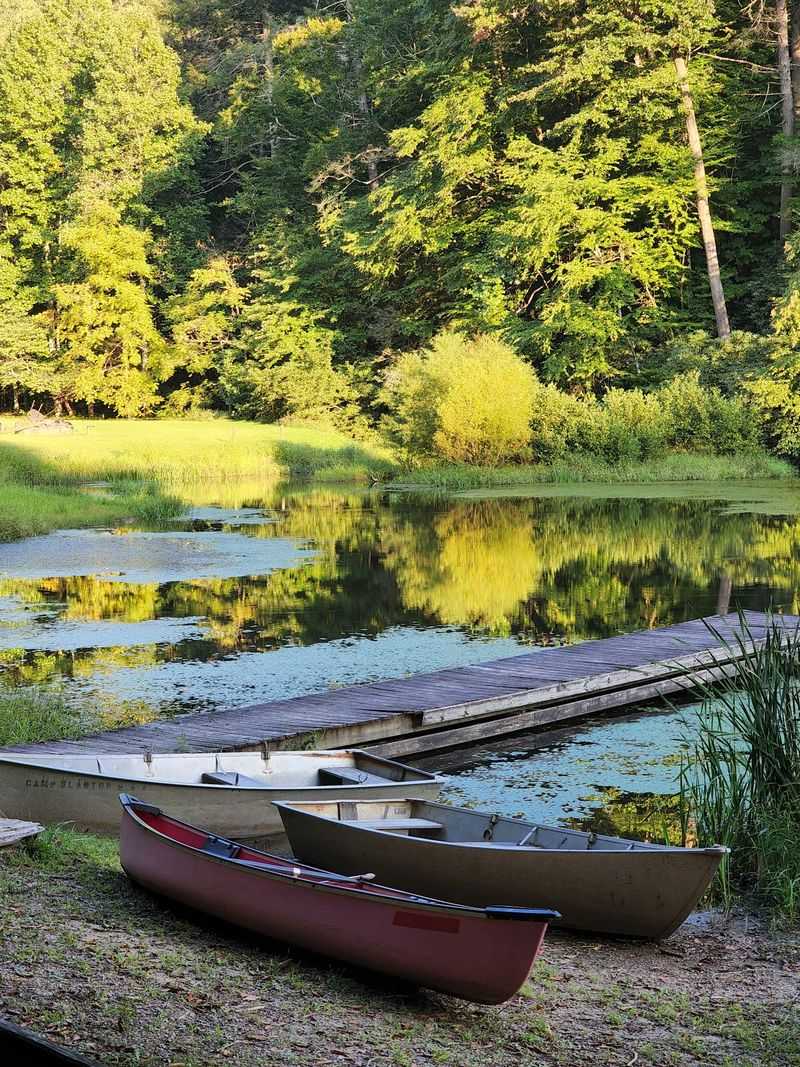
Old growth is rare in Kentucky, and Blanton Forest is the largest patch left. Trees here were standing long before the trails were cut.
Walking under them feels like stepping back a couple of centuries. The canopy is high, the floor is open, and everything smells like damp bark.
Big timber means big food. Mature oaks and hickories drop mast crops that pull bears in from surrounding ridges every autumn.
Locals in Harlan County know this preserve as prime habitat. Sightings climb sharply once September arrives.
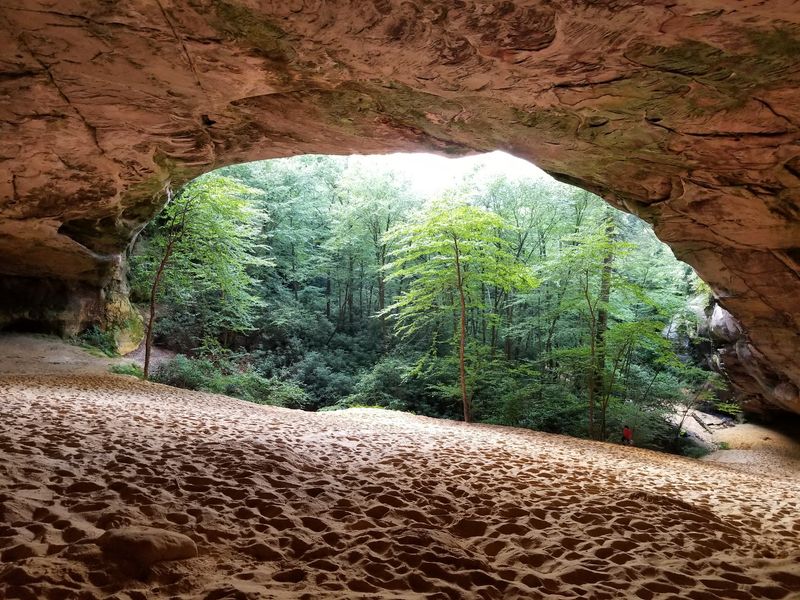
The main loop includes Sand Cave and Knobby Rock, both worth the effort. Rock houses along the way make natural shelters, and bears sometimes use them.
Peek before you duck into any overhang. A quick look saves an awkward moment.
Trail signage is modest, so bring a map or downloaded route. Getting lost and getting surprised often happen together.
The preserve has limited hours and no camping, which actually helps. Fewer overnight visitors means fewer food smells lingering.
Morning hikes tend to be quieter than evening ones. Bears are most active around dawn and dusk, so mid-morning is a smart window.
Bear spray is legal in Kentucky and worth carrying. Know how to use it before you need it.
5. Pine Mountain State Scenic Trail, Pineville
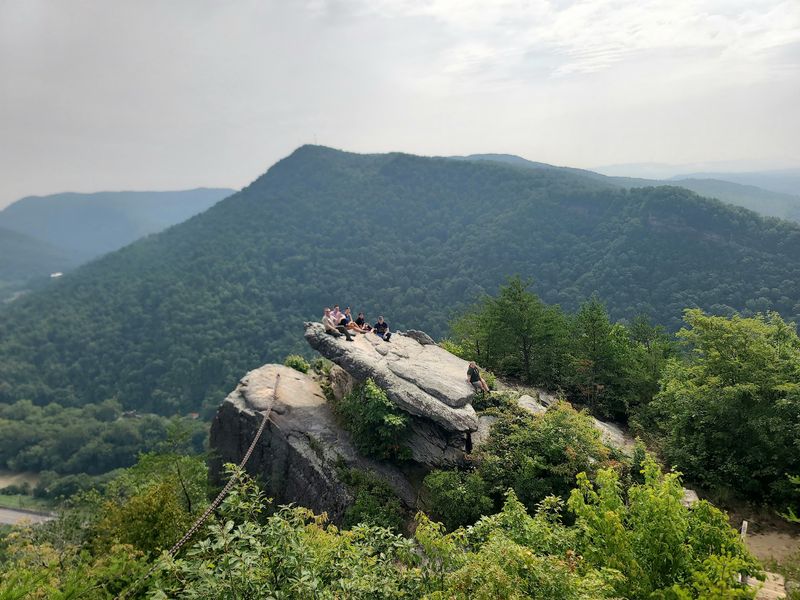
One long ridge, one long bear highway. The Pine Mountain State Scenic Trail follows a narrow spine that runs for many miles across southeastern Kentucky.
Wildlife biologists describe Pine Mountain as a natural travel corridor. Bears move along it the way drivers use an interstate.
Sections near Pineville and Chained Rock see steady summer traffic from hikers. Bears usually slip away, but the meetings do happen.
The ridge is skinny in places, sometimes only a few dozen feet wide. That geometry leaves little room to step aside.
If you meet a bear, do not run. Back away slowly while facing it and give it an obvious exit.
The trail links protected areas across county lines, which is exactly why conservation groups fought for it. Connected habitat keeps populations healthy.
Blueberries and huckleberries grow right along the treadway. Sweet reward for you, and a magnet for them.
Sunrise from the ridge is genuinely worth an early alarm. Just carry a headlamp and make noise on the walk in.
Section hikers should check access points ahead of time. Some trailheads are remote with no cell service.
Winter and early spring are the local favorites. The bears are quiet, and the long views stretch for miles.
6. Ridge Trail, Cumberland Gap National Historical Park, Middlesboro
Twenty-one miles of ridgeline, almost no road crossings, and very few people. The Ridge Trail is the park’s backcountry spine, and bears use it constantly.
Rangers here run one of Kentucky’s more visible bear education programs. That tells you something about how often bears turn up.
Backcountry campsites along the route require permits and proper food storage. Park staff enforce those rules for good reason.
Solo hikers get the most nervous stretches. Long gaps between campsites mean you may not see another person all day.
The park spans three states, and its wildlife pays no attention to state lines. Bears from Tennessee and Virginia wander through freely.
Water sources are limited on the ridge, so plan carefully. Dehydration causes more trouble here than any animal.
Hensley Settlement sits at the far end, a restored mountain community worth the trek. Bears have been photographed near the old apple trees there.
Fruit trees plus autumn equals guaranteed activity. Locals time visits around that.
Check in at the visitor center before heading out. They post recent sightings and closures.
Most nearby hikers save this route for late winter. Bare trees, clear views, and a much quieter forest.
7. Kentucky Trail, Big South Fork National River and Recreation Area, Stearns
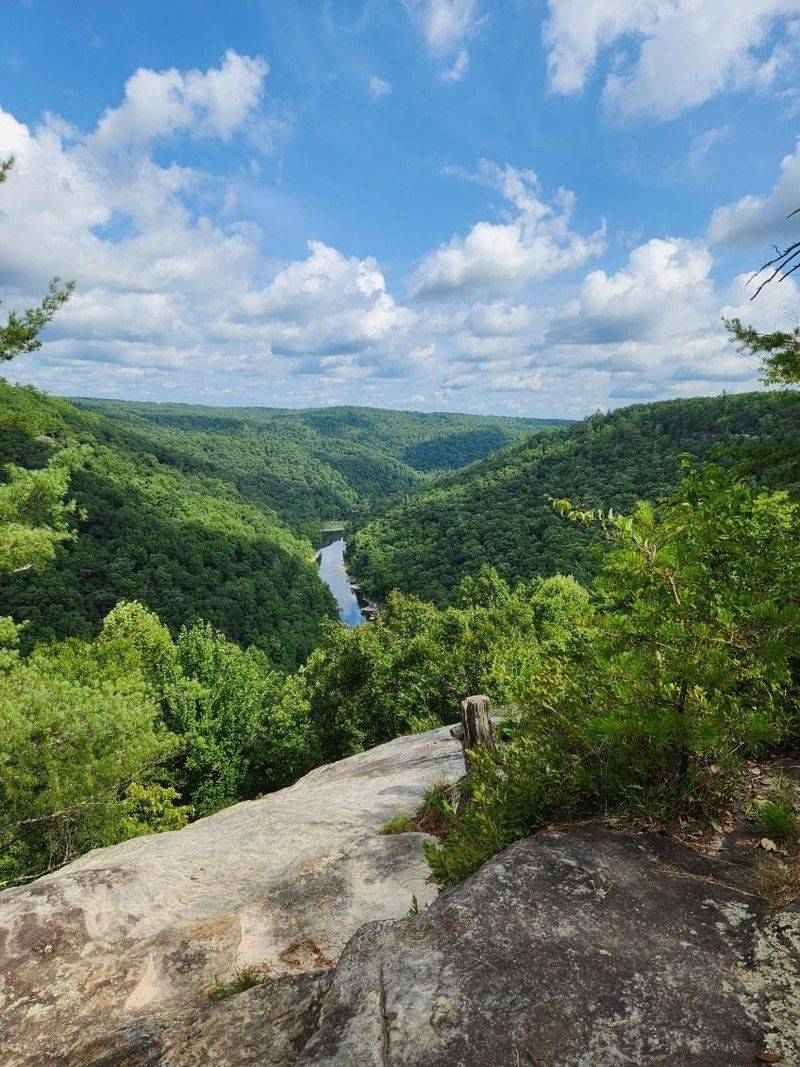
Sandstone arches, deep gorges, and a whole lot of nobody around. The Kentucky Trail winds through the northern end of Big South Fork, and it is genuinely remote.
Bear populations here have grown steadily over recent decades. Restoration efforts in the region worked, and the animals spread out.
Rock shelters dot the gorge walls, and bears sometimes use them for shade. Approach any overhang with your eyes open.
Creek crossings are common and can rise fast after rain. Wet feet are a given, so plan footwear accordingly.
The Blue Heron area near Stearns offers a good starting point. An old coal mining community sits restored nearby, which makes an interesting side stop.
Backpackers should hang food high and well away from the trunk. Bears here are clever climbers.
Trail markings are sparse in spots, and the terrain looks similar mile after mile. A GPS track beats guessing.
Cell coverage is basically nonexistent in the gorge. Tell somebody your route before you leave.
September and October bring cooler air and busy bears. That combination sends many locals to shorter day loops instead.
Keep dogs leashed if allowed, since a loose dog can bring a bear right back to you.
8. Koomer Ridge Trail, Red River Gorge, Slade
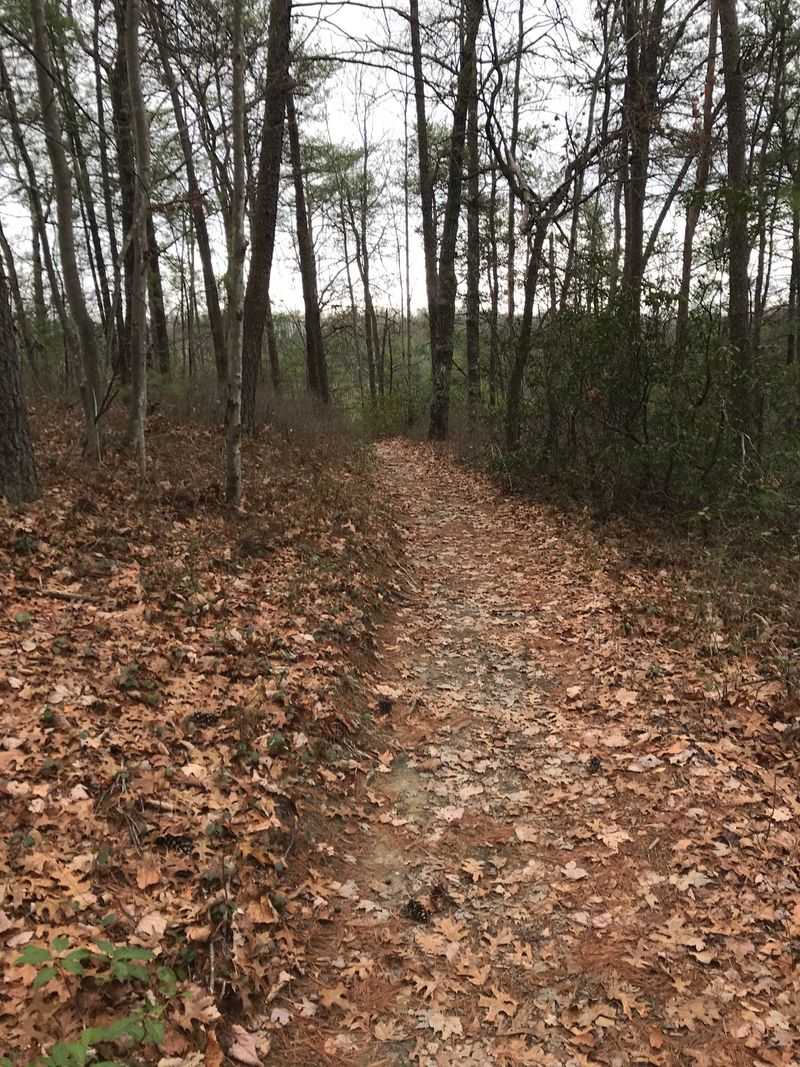
Red River Gorge gets the crowds, and crowds bring snacks. Bears figured that out years ago.
Koomer Ridge sits near a busy campground off the Bert T. Combs Mountain Parkway near Slade.
Popularity is exactly why food conflicts happen here.
Rangers have posted bear warnings at gorge campgrounds during active seasons. Improperly stored coolers are usually the cause.
The trail itself is lovely, with cliff lines, hemlock stands, and connections to longer loops. Arch hunters use it as a launching pad.
Rock climbers in the area know the routine. Store chalk bags and lunches in your vehicle, not at the base of a route.
Bear activity in the gorge is less about wilderness and more about habit. A bear that finds a sandwich once will look again.
Do not leave trash at a campsite, even bagged. Raccoons open it, and bears follow the smell.
Weekday hikes feel completely different from Saturday ones. Fewer people means fewer food smells drifting through camp.
Locals often shift to sunrise starts in summer. You beat both the heat and the parking chaos.
Report any bold bear behavior to forest staff right away. Early reports keep small problems from growing.
9. Lilley Cornett Woods Trails, Skyline
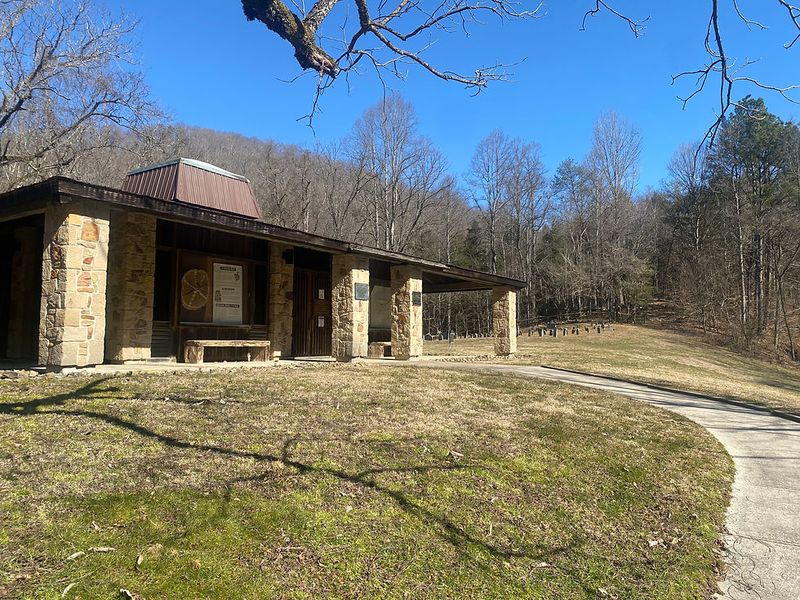
Some forests require a guide, and this is one of them. Lilley Cornett Woods protects old growth Appalachian forest, and access to the deeper trails comes with a staff escort.
That rule exists to protect the trees, but it happens to help with bears too. A guide knows the ridges and reads the signs.
The woods sit in Letcher County, surrounded by prime bear country. Sightings around the boundary are common in late summer.
Enormous tulip poplars and oaks fill the coves. Some trees here are well over two centuries old.
Mast production from those giants is the whole story. Acorns and hickory nuts pull bears in every fall.
Guided tours run on a seasonal schedule, so call ahead before driving out. Hours are limited and weather dependent.
Bring sturdy shoes because the slopes get steep and slick. Roots and wet leaves make a tricky combination.
Guides often point out claw marks on beech bark. Bears leave them while climbing after nuts.
Seeing that evidence changes how you walk through a forest. You start noticing who else lives there.
Locals treat the place with real respect, and that attitude is worth borrowing. Quiet feet, no food, and eyes up.