Kentucky Is One Of The Friendliest Places You’ll Ever Visit, Until You Try To Change These 10 Things We Love
A tiny river town in Kentucky has been electing dogs as mayor since 1998. Voters pay to cast their ballots, and the money helps the community.
I admire that a beagle mix once held real bragging rights over the whole town.
That same spirit shows up all over the state. People here will spread green cucumber dip on sandwiches and defend it like family.
They chase a rainbow that only shows up at night. They argue about how to say the name of their biggest city.
Kentuckians will welcome you, feed you, and give you directions with a smile. Just be careful.
A few local loves are not open for debate, and some are a lot stranger than you might expect.
Which treasures should you leave alone? I can’t wait to show you, starting with a word you’re probably saying wrong.
1. How To Pronounce Louisville
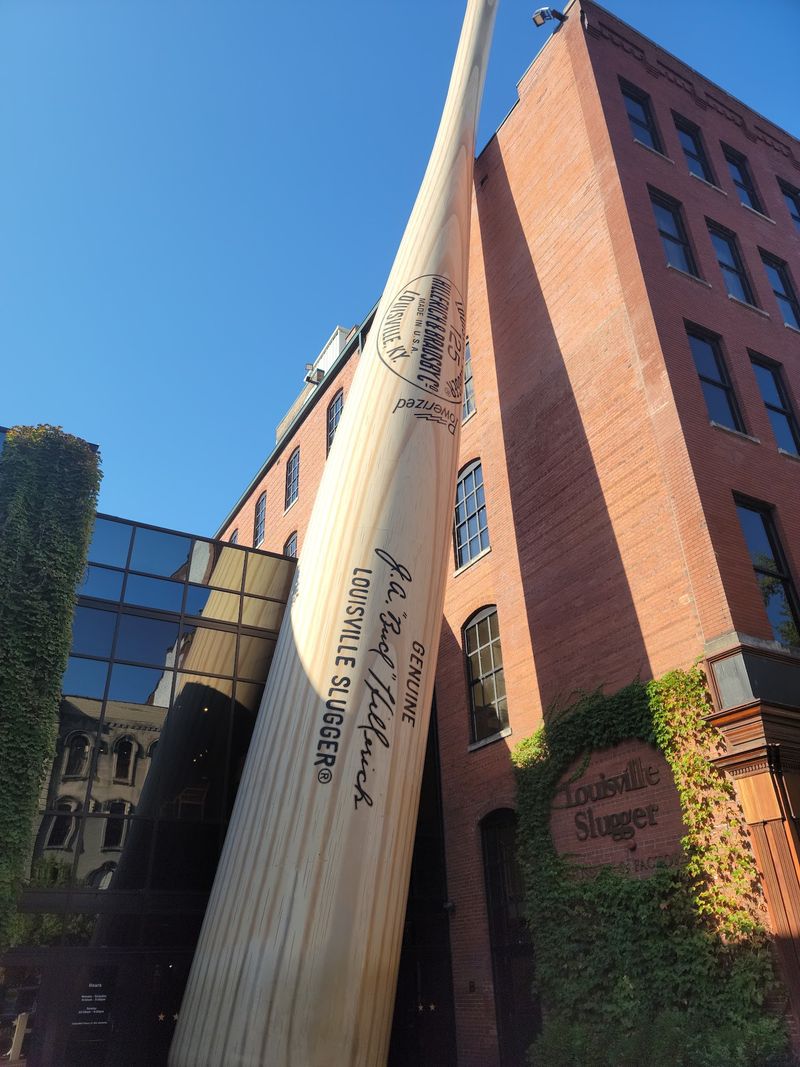
Say it like a tourist, and someone will lovingly correct you before your coffee cools. The name of Kentucky’s biggest city is a friendly battle zone.
Many locals say LOO-uh-vul. It’s often described as sounding like you have a mouthful of gravel.
Older natives sometimes shorten it even more to LUHV-ul. That one is fast, soft, and almost swallowed.
Then there’s LOO-ee-vil. It’s considered acceptable, though you’ll hear it more from visitors and voice assistants.
History adds a fun twist. The city was named after King Louis XVI of France, and his name sounded like Louie.
So some folks argue the Louie version is the historically correct one. You can bring that up, but expect a long conversation.
One version gets almost no support, though. Saying LOO-iss-vil, with a hard S, is widely seen as a mistake.
Want a simple tip? Listen first, then copy the person you’re talking to.
Nobody will mind if you stumble a little. Locals enjoy the topic, and most people find the confusion kind of charming.
If you want to practice, the city’s visitor center is a handy place to start. You’ll get maps, ideas, and probably a pronunciation lesson for free.
Just don’t try to settle the debate for good. It’s part of the city’s personality, and nobody wants it fixed.
2. Benedictine Spread
Green sandwiches might sound like a prank. In Kentucky, they’re a proud piece of party history.
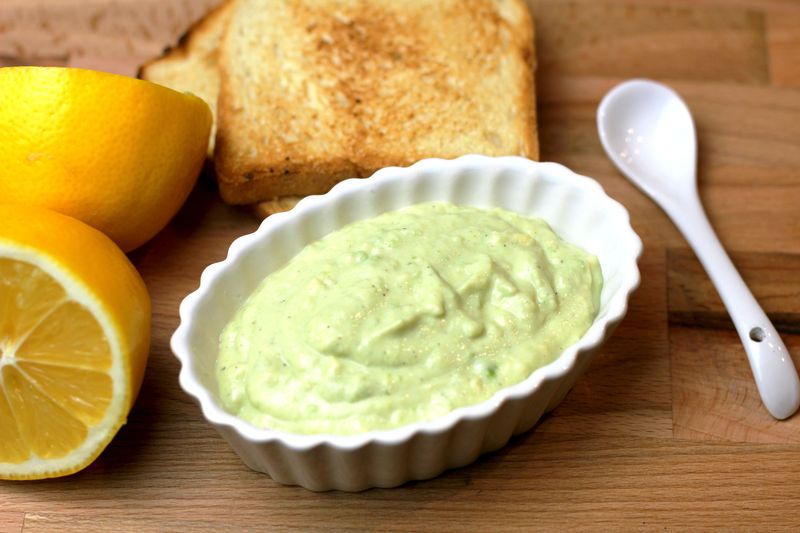
Benedictine is a creamy spread made mostly from cream cheese and cucumber. Onion often joins the mix for a little bite.
Credit goes to Jennie Benedict, a Louisville caterer and restaurant owner in the early 1900s. Her name stuck to the spread, and so did its fame.
That pale green color is classic. Some cooks add a drop of food coloring to make it pop.
You’ll see it on tea sandwiches, crackers, and veggie trays. It shows up a lot around Derby season and at bridal showers.
Some people even use it as a dip for chips. Others spread it on a burger for a cool, tangy twist.
Here’s a tip if you make it at home. Squeeze the grated cucumber well, or the spread can turn watery.
Fresh herbs like dill are a popular extra. Still, some purists argue the original needs no fancy add-ons.
Try telling a Kentucky host that it looks strange. You’ll probably get a polite smile and a second sandwich pushed your way.
Honestly, that’s the best response anyone could give. One bite usually ends the argument.
Since there isn’t one single home for this spread, look for it at local delis and markets. Plenty of shops sell tubs ready to go.
3. Goetta
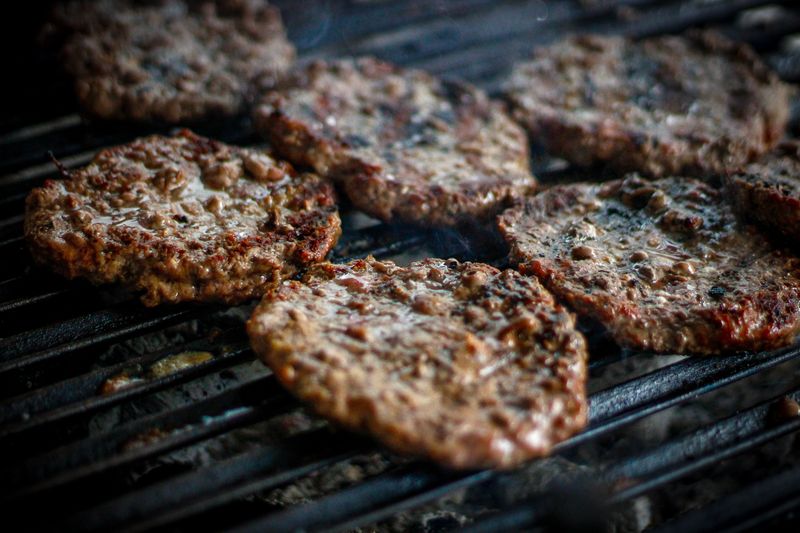
Breakfast in Northern Kentucky comes with a crunchy little surprise. It’s a sausage-like slice made with oats, and folks there adore it.
Goetta, often said like GET-uh, mixes ground meat with pin-head oats. Pork is common, and some versions use beef too.
The dish came from German immigrants who settled around the Ohio River. Oats helped stretch meat further and fill hungry bellies.
Cooks form it into a loaf, slice it, and fry it. The goal is a crisp outside with a soft center.
Many people eat it with eggs and toast. Others tuck it into sandwiches or crumble it over hash browns.
Glier’s Goetta in Covington is a big name in this world. The company says it produces more goetta than anyone else.
Want the best crunch at home? Use a hot pan and be patient before flipping.
Moving it too early can make it fall apart. Give it time, and you’ll get that golden crust.
Some outsiders call it scrapple’s cousin. Locals might nod, but they’ll quickly say goetta is its own thing.
Try to replace it with plain bacon, and you’ll lose friends fast. Around here, goetta is part of the morning routine.
You can find it in grocery stores across the region. It’s also on plenty of local diner menus.
4. Burgoo
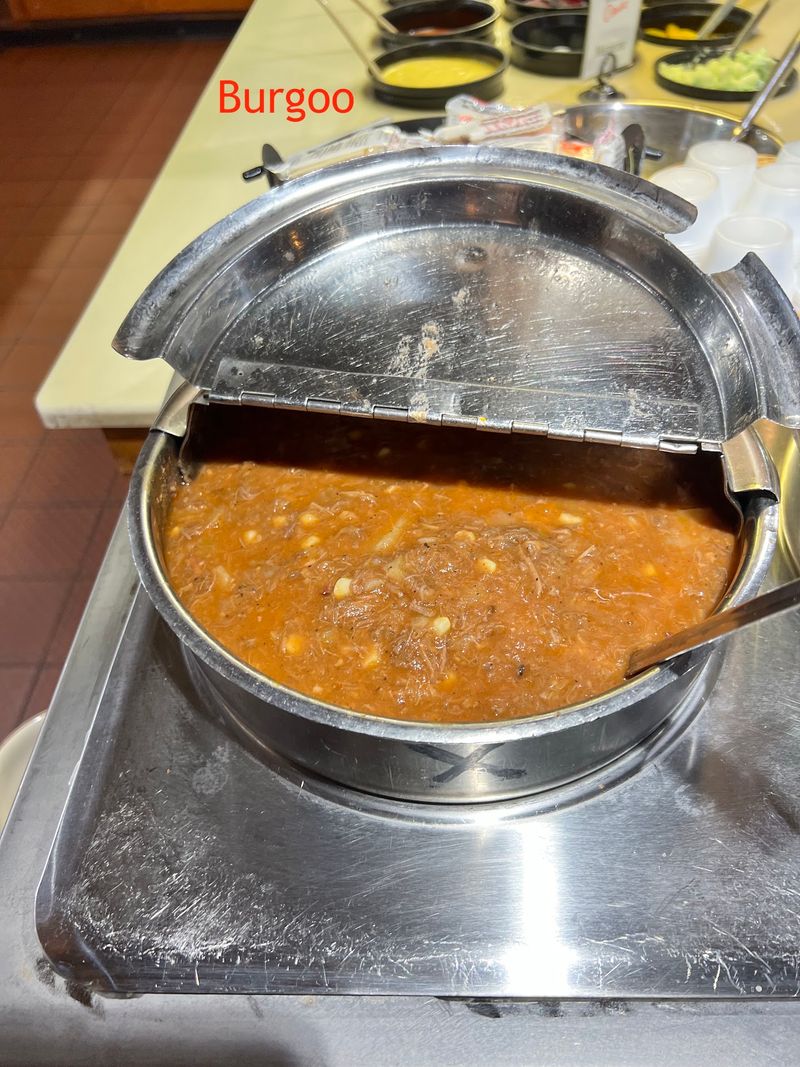
Ask three Kentuckians what goes in burgoo, and you might hear four answers. That’s part of the fun.
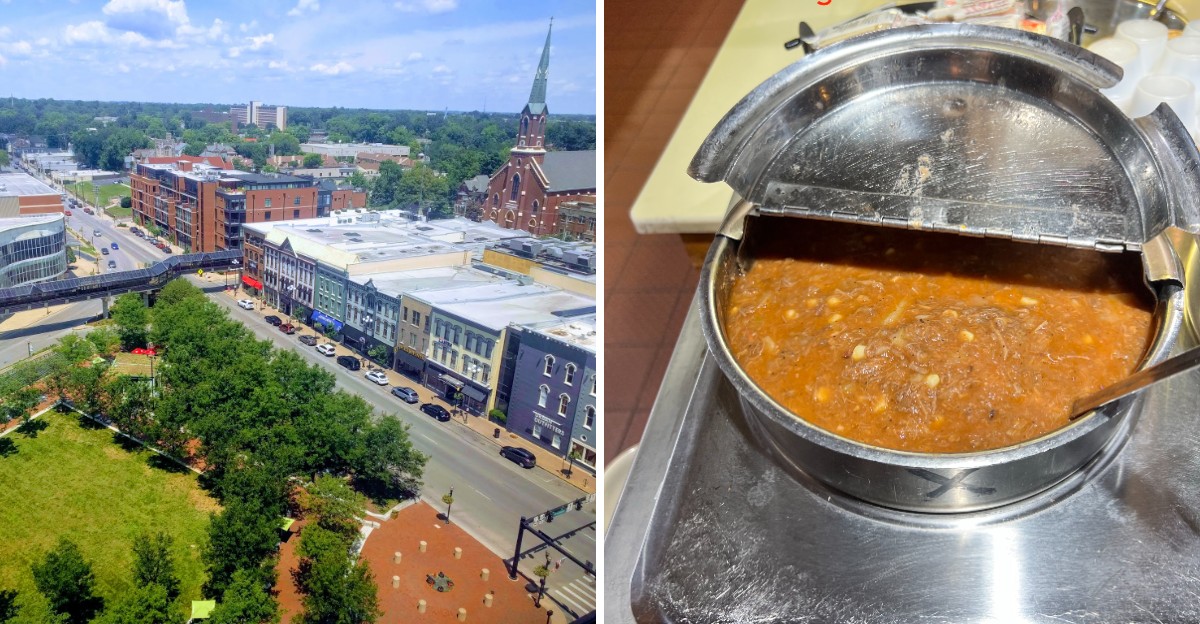
Burgoo is a thick, slow-cooked stew. It usually blends several meats with vegetables like corn, lima beans, potatoes, and tomatoes.
Mutton is a big deal in western Kentucky, especially around Owensboro. Chicken and pork also show up in many pots.
Traditionally, burgoo was made in huge kettles for crowds. Church picnics, political rallies, and fundraisers helped keep it going.
It cooks for hours, so the ingredients break down. The result is hearty and spoonable, not brothy.
Moonlite Bar-B-Q Inn in Owensboro is famous for its burgoo. It also sells it to take home.
Got a cold day ahead? A bowl of burgoo and some cornbread can carry you through it.
Making it yourself takes time. Many cooks say leftovers taste even better the next day.
Don’t call it just vegetable soup. You’ll get a lecture about patience, smoke, and family recipes.
Every cook seems to have a secret tweak. Some guard those secrets like heirlooms.
Kentucky folks don’t mind if you love chili or gumbo too. Just give burgoo its own spot on the table.
Address: Moonlite Bar-B-Q Inn, 2840 W Parrish Ave, Owensboro, KY 42301
5. Sorghum On Biscuits
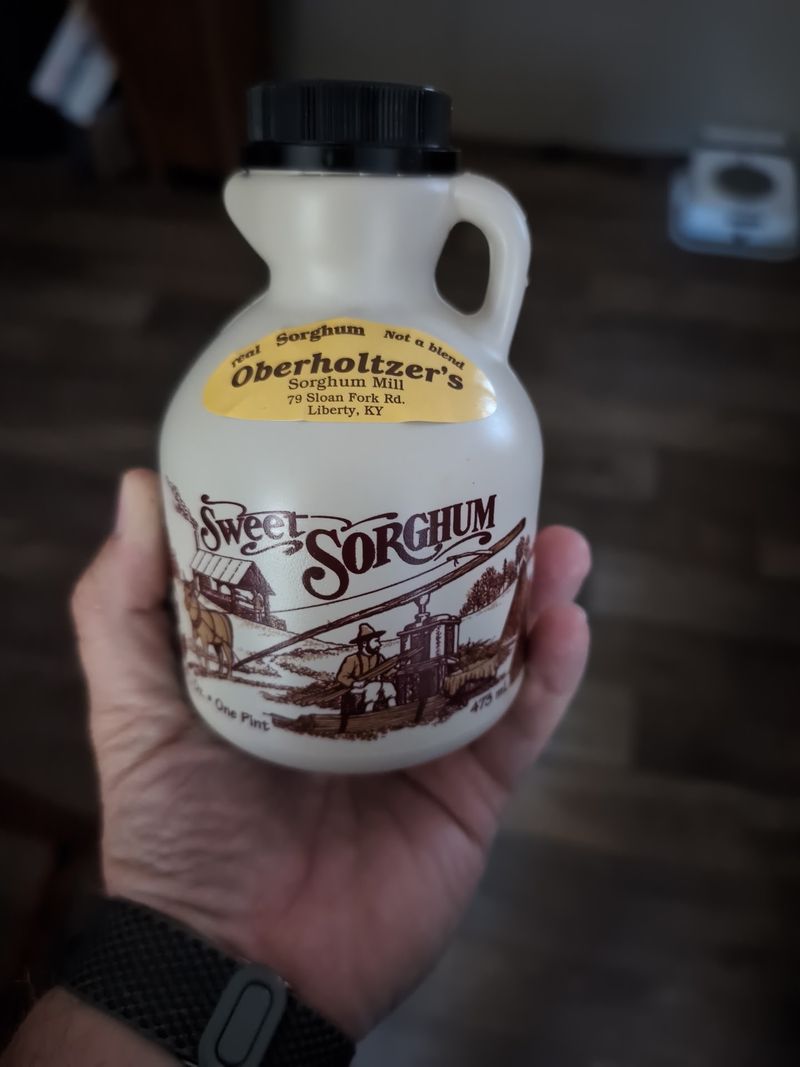
Honey is nice, but plenty of Kentucky grandmas reach for a darker jar. It’s sorghum, and it changes a biscuit completely.
Sorghum syrup comes from the juice of sorghum cane. Farmers press the stalks, then boil the juice down slowly.
The flavor is earthy and a little tangy. It’s sweet, but not as sugary as many syrups.
A classic move is mixing sorghum with soft butter on your plate. Then you swipe a hot biscuit right through it.
Some folks just pour it straight on top. Either way, you’ll want napkins nearby.
Kentucky has a long sorghum tradition, especially in rural areas. Fall festivals often celebrate the harvest and syrup making.
Sorghum works well in baking too. Try it in gingerbread, cookies, or baked beans for a deeper flavor.
Here’s a smart swap. Use it in place of molasses in many recipes.
Some people call sorghum molasses, and others will correct them. It’s made from a different plant than true molasses.
Tell a family to switch to pancake syrup, and watch the room go quiet. That jar might have come from a neighbor’s farm.
You can find it at farmers markets and country stores. Check the label for pure sorghum if you want the real stuff.
6. Kentucky Jam Cake
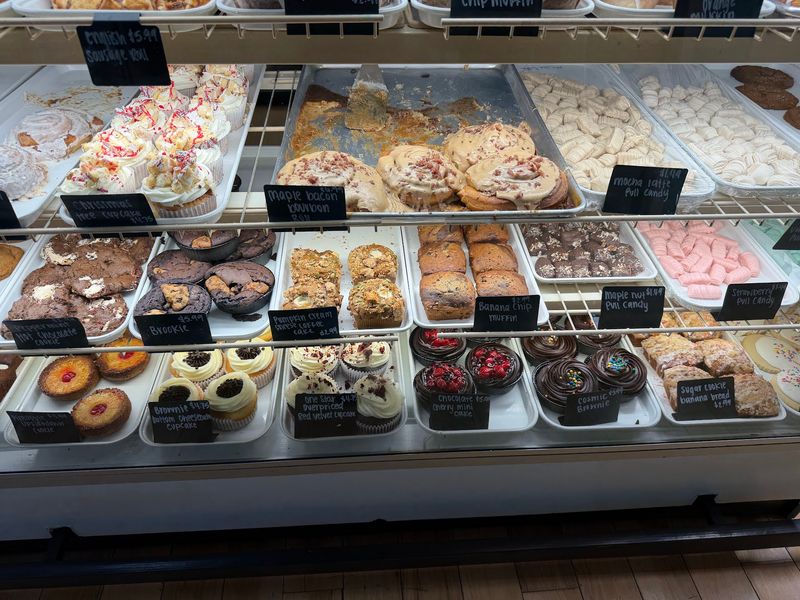
Some cakes show off with frosting swirls. This one wins hearts with a jar of blackberry jam.
Kentucky jam cake is a spiced layer cake. Blackberry jam goes right into the batter.
Warm spices like cinnamon, nutmeg, and allspice join the party. Many versions also add raisins or nuts.
Caramel icing is the classic topper. It’s rich, sticky, and a little tricky to make.
The cake is a holiday favorite in many families. Recipes often pass from grandmother to grandchild on stained index cards.
Why jam? Families once used what they had stored from summer berry picking.
Bakers often say the cake tastes better after a day or two. The flavors settle and the cake gets moister.
That makes it great for planning ahead. Bake it early, wrap it well, and save yourself holiday stress.
Caramel icing can stiffen fast. Work quickly, and keep a little milk handy to loosen it.
Suggesting a boxed cake mix instead? That’s a bold choice at a Kentucky Christmas table.
People here treat jam cake like family history. Changing the recipe can feel like rewriting a story.
If you don’t bake, look for it at church sales and local bakeries in late fall. A slice is worth the hunt.
7. The Moonbow At Cumberland Falls
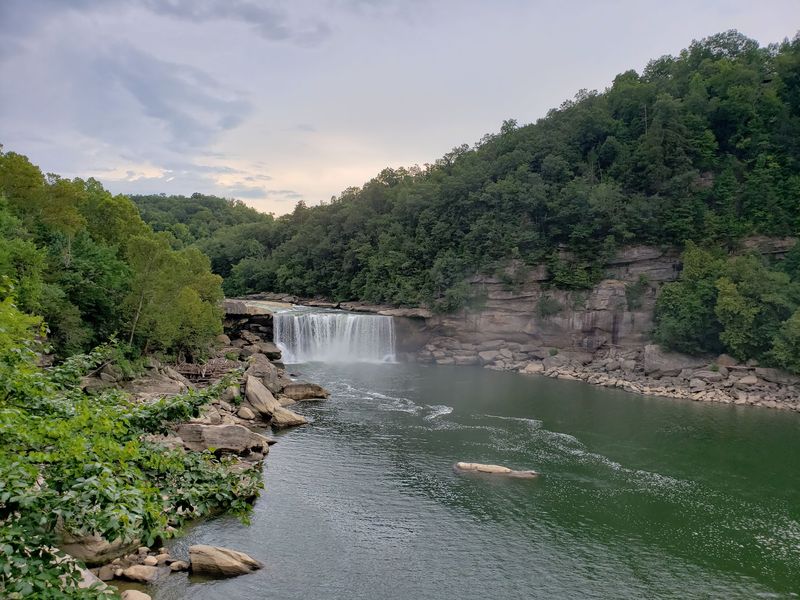
Rainbows usually need sunshine. At Cumberland Falls, one shows up by moonlight instead.
It’s called a moonbow. Light from a bright moon hits the mist from the falls and forms a soft arc.
Cumberland Falls is one of the few places in the Western Hemisphere known for regular moonbows. That’s a big claim for a Kentucky park.
Timing matters a lot. Your best chance comes around a full moon on a clear night.
The park posts predicted moonbow dates. Check them before you plan your trip.
Don’t expect bright colors like a daytime rainbow. To your eyes, a moonbow often looks pale or silvery.
Cameras can pick up more color with a long exposure. Bring a tripod if you want great photos.
The falls are impressive in daylight too. People often call them the Niagara of the South.
Dress for cool, damp air near the overlook. The mist can reach you when the water is high.
Locals would never want bright lights added near the falls. Darkness is what makes the magic possible.
Also, plan around the weather. Clouds can hide the moon and cancel the show.
Address: Cumberland Falls State Resort Park, 7351 KY-90, Corbin, Kentucky
8. Rabbit Hash’s Dog Mayors
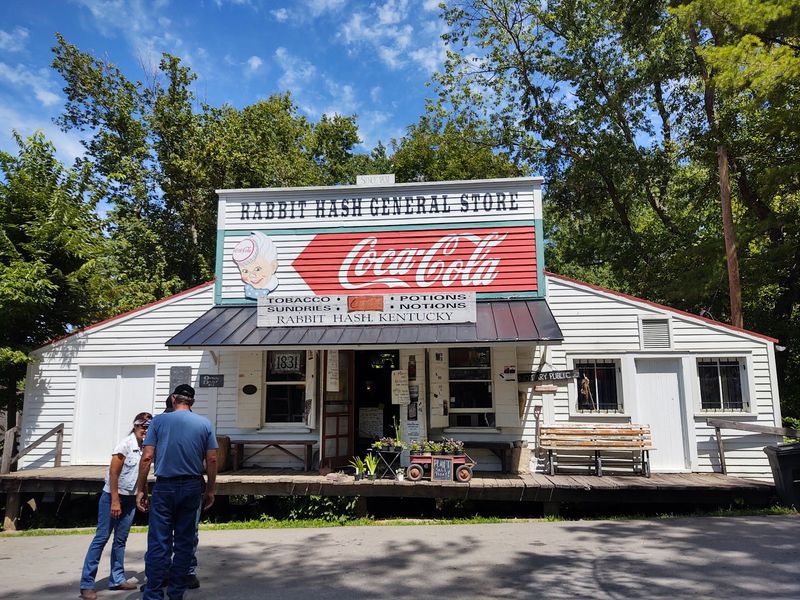
Most towns argue over politicians. Rabbit Hash elects dogs and seems pretty happy about it.
This tiny community sits along the Ohio River in Boone County. It started electing canine mayors in 1998.
The first winner was a dog named Goofy. Since then, several pups have held the title.
Voting works as a fundraiser. Each vote costs a small donation, and the money supports the town.
That’s a clever system. Fans can vote as many times as they want, as long as they pay.
Past mayors include Lucy Lou, a border collie. Brynneth Pawltro, a pit bull, won in 2016.
Wilbur, a French bulldog, won the 2020 race. His campaign drew attention far beyond Kentucky.
The heart of town is the Rabbit Hash General Store. It dates to 1831 and was rebuilt after a fire in 2016.
Neighbors and supporters helped raise money for the rebuild. It reopened in 2017.
Want to visit? Check the store’s hours before you go, since this is a small place.
Suggest a human mayor, and you’ll likely get a laugh and a firm no. Folks here like their leaders furry.
Address: Rabbit Hash General Store, 10021 Lower River Rd, Rabbit Hash, Kentucky
9. Pawpaws
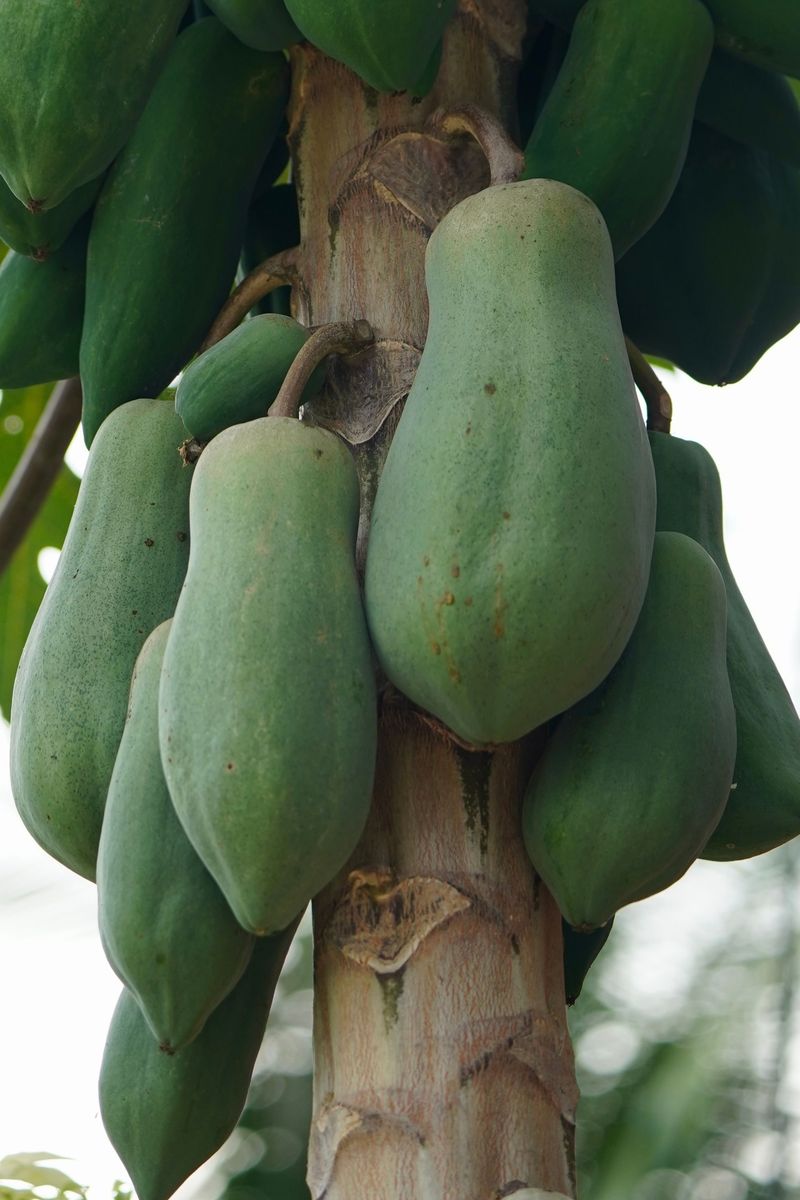
A tropical-tasting fruit grows wild in Kentucky woods. Many people have never heard of it.
The pawpaw is the largest edible fruit native to North America. It grows on small trees, often near creeks.
Its flavor gets compared to banana and mango. The soft flesh feels like custard.
Pawpaw season is short, usually late summer into early fall. Ripe fruit bruises easily, so it rarely shows up in stores.
That’s why foraging is popular. Look for fruit that gives slightly when you press it, like a ripe peach.
Don’t eat the large seeds or the skin. Just scoop out the flesh with a spoon.
Kentucky State University in Frankfort runs a well-known pawpaw research program. It has studied the fruit for decades.
Researchers there work on growing better varieties. Their goal is helping farmers grow pawpaws as a crop.
Home cooks use pawpaws in ice cream, bread, and smoothies. Freezing the pulp helps it last past the season.
Calling it a weird mango won’t win you points. Folks who love pawpaws treat the fruit like a backyard secret.
Ask around at farmers markets in September. You might get lucky.
10. Living In Two Time Zones
Drive across Kentucky, and you can gain or lose an hour without leaving the state. Your phone might notice before you do.
Kentucky is split between Eastern Time and Central Time. Roughly the western part follows Central, and the east follows Eastern.
The line doesn’t run straight. It zigzags along county borders.
That creates some fun moments. You could leave for lunch at noon and arrive before you left.
Road signs often mark the change. Keep an eye out on major highways.
Planning a meeting or a ballgame? Always ask which time zone people mean.
Locals handle it like pros. Many will say fast time or slow time to explain it.
Families who live near the line often juggle schedules. School, work, and church can follow different clocks.
Travelers should double-check reservation times. A one-hour mix-up can ruin a carefully planned day.
Some people have suggested moving counties from one zone to another. Those debates can get surprisingly passionate.
Still, most Kentuckians shrug and roll with it. The split is just part of life here.
So set your phone to update on its own. Then enjoy the strange feeling of time travel.