10 Kentucky Towns Losing Residents Due To Rising Property Costs
Some Kentucky towns are getting quieter, and the numbers prove it. Census estimates show entire counties shrinking year after year.
The reasons run deep, from property costs, fading coal jobs to young people chasing work elsewhere. Main streets that once buzzed on Saturdays now have empty storefronts between the survivors.
Yet these towns refuse to disappear without a story. Each one holds generations of history, stubborn local pride, and people determined to stay.
Some are betting on tourism, trails, and small business to turn things around. Others are simply holding on to what makes them home.
Reading about them feels like flipping through a family album that keeps losing pages. You might recognize a town where your grandparents lived or where you stopped for gas once.
These places shaped Kentucky long before anyone counted them in spreadsheets. Their stories deserve attention while the porch lights are still on.
1. Harlan
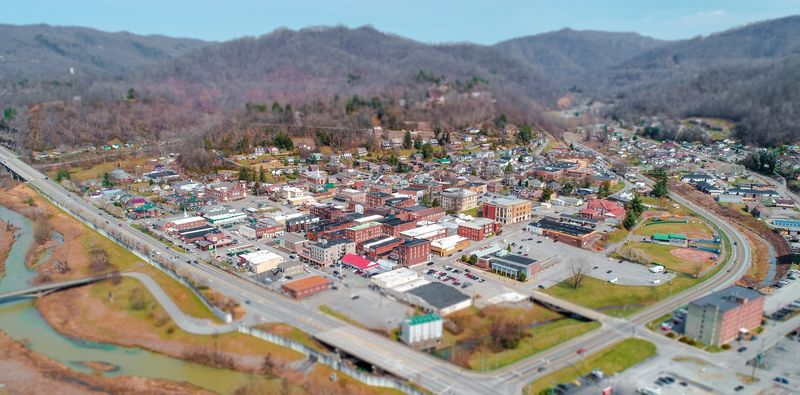
Harlan has always been a tough town in the best possible way. Nestled deep in the mountains of southeastern Kentucky, it built its identity on coal and community.
But something shifted when property values started climbing faster than local wages could keep up with.
Longtime homeowners suddenly found their tax assessments rising, which sounds like good news until your fixed income stays exactly the same.
Renters felt it even harder, with landlords raising prices to match a market that no longer reflected local economic realities.
Young families who wanted to stay close to parents and grandparents started looking toward cheaper counties.
The population has declined noticeably over the past decade, and empty storefronts on Main Street tell part of that story.
Harlan County once had tens of thousands of residents. Today, the numbers are a fraction of that peak.
Rising property costs are not the only factor, but they are absolutely one of the reasons people cite when explaining why they left.
The community still has deep roots and real pride, but affordability has become a serious conversation that local leaders can no longer afford to ignore.
2. Jackson
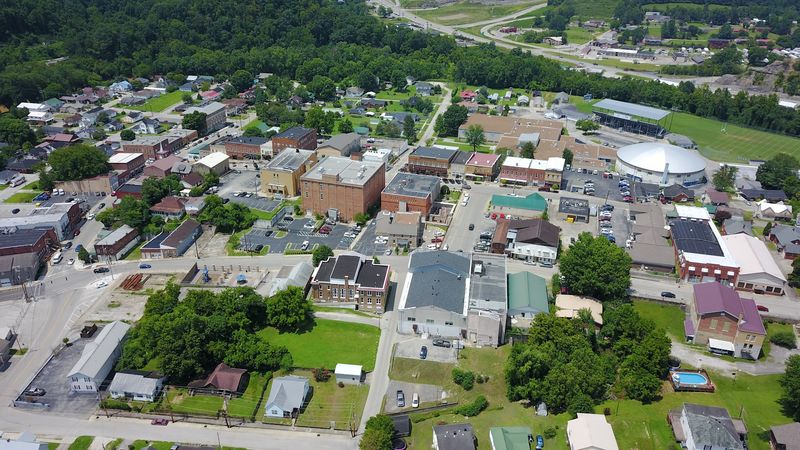
Jackson sits at the heart of Breathitt County, a place locals call “Bloody Breathitt” for its colorful history, though today the real drama is happening at the county assessor’s office.
Property valuations have been creeping upward, and residents on modest incomes are feeling the squeeze in ways that are hard to ignore.
Many households here depend on service-sector jobs or disability income, neither of which tends to come with raises that match a rising cost of living.
When rent goes up even fifty dollars a month, that is a meaningful hit to a tight budget.
Jackson has seen its population shrink as younger residents move toward Lexington or other urban centers where job opportunities at least justify higher costs.
The irony is that Jackson itself is not an expensive city by national standards, but it is expensive relative to what most people there actually earn.
Community members have spoken up at local government meetings about the impact of reassessments on their ability to stay in their homes.
Some older residents have lived in the same house for forty years and now face tax bills that feel completely disconnected from their daily financial reality. That tension is very real here.
3. Pikeville
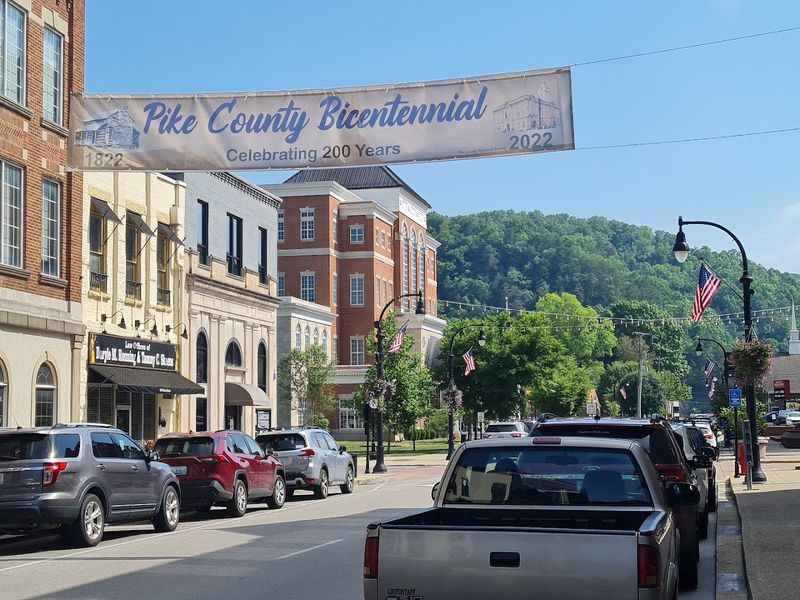
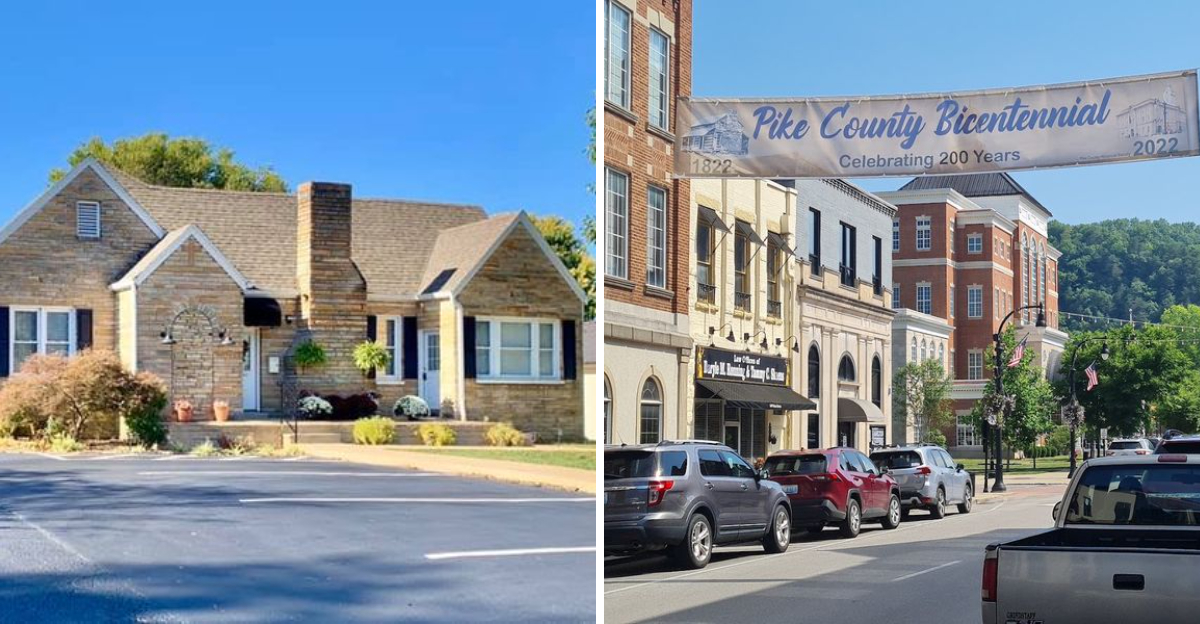
This is one of the more surprising entries on this list because it actually has a relatively vibrant downtown compared to many eastern Kentucky towns.
The university, the medical center, and a handful of newer businesses have given it economic energy. But that same energy has pushed property values in directions that not everyone can follow.
As Pikeville developed into a regional hub, demand for housing increased. That demand pushed prices up, which is great if you already own property but rough if you are renting or trying to buy your first home on a local salary.
Some long-term residents who rented near downtown found themselves priced out as landlords realized they could charge more.
Others saw their property taxes rise after reassessments tied to the area’s growth. Neither group was thrilled about it.
The population of Pike County overall has been declining for years, driven largely by the collapse of coal employment. Rising housing costs add another layer of difficulty for people who might otherwise consider staying or returning.
Pikeville’s growth story is real, but it has created a two-speed economy where some residents benefit and others quietly pack their bags and head somewhere more affordable.
4. Whitesburg
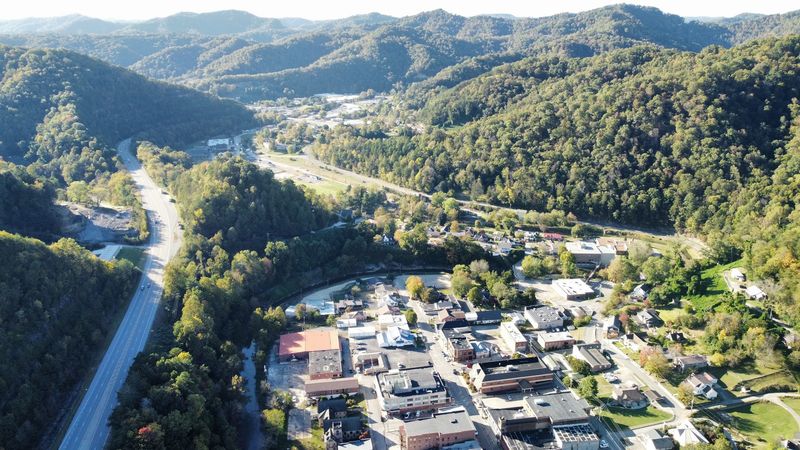
It punches well above its weight culturally. Home to Appalshop, a nationally recognized arts and media organization, this small Letcher County seat has long been a creative hub in a region often overlooked by the rest of the country.
But culture does not pay rent, and that is becoming a real problem.
The town saw renewed outside interest following increased media coverage of Appalachian communities, and with that interest came some investment and some property speculation.
Values rose, and with them came the familiar pressure on people who had been there all along.
Whitesburg was also severely affected by flooding in 2022, which damaged hundreds of homes and disrupted the local housing market significantly.
Recovery has been slow, and the combination of flood damage, rebuilding costs, and rising property assessments has created a complicated financial picture for many residents.
Families who lost homes to flooding and then found rebuilding costs far beyond their means had no real choice but to relocate.
Even those whose homes survived the floods have faced insurance and tax pressures that make staying a financial challenge.
Whitesburg’s spirit remains strong, but the practical realities of housing affordability are testing that spirit harder than most residents expected.
5. Hyden

Imagine the kind of place where everybody knows your name, your parents’ names, and probably your grandmother’s pie recipe. It is the seat of Leslie County, one of the more rural and isolated counties in the entire state.
For years, that isolation kept property prices low and communities tight-knit.
Recently though, even Hyden has felt the ripple effects of a broader shift in Kentucky’s property market.
Assessments have risen, and for a county where median household incomes are among the lowest in the state, even modest increases in housing costs create real hardship.
Leslie County has been losing population for decades, primarily due to the decline of coal mining jobs.
Rising property costs are not the original cause of that trend, but they are absolutely accelerating it. When staying home costs more than leaving, people leave.
What makes Hyden’s situation particularly poignant is how much residents genuinely want to stay.
Extended family networks here are strong, and leaving means leaving behind a whole support system, not just an address.
But wanting to stay and being able to afford to stay are two very different things. Local leaders are aware of the problem and working on solutions, but the math remains difficult for many families right now.
6. Hazard

This town has a name that sounds dramatic, and honestly, its current situation with housing costs is not far off. The seat of Perry County, Hazard was once a booming coal town with a thriving economy and a growing population.
Those days are mostly in the rearview mirror, but the housing market has not always gotten that memo.
Property values in parts of Hazard have risen even as the broader economy contracted, creating a disconnect that frustrates residents enormously.
You can have a town where jobs are scarce and wages are flat, yet somehow property taxes keep climbing because of regional market trends or state reassessment formulas.
That is exactly what many Hazard residents describe when you ask them why neighbors have been moving away.
It is not just unemployment. It is the combination of limited income and rising fixed costs that makes the math stop working.
Perry County’s population has dropped significantly over the past two decades. Hazard still has healthcare, education, and some retail that make it a regional center, but those services are harder to sustain when the population base keeps shrinking.
Addressing housing affordability could be one practical tool for reversing that trend, and some local voices are starting to push for exactly that kind of policy conversation.
7. Middlesboro
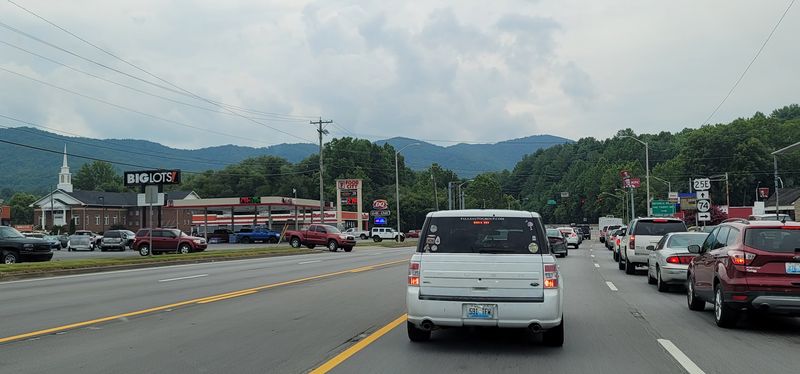
Here is a fun fact about Middlesboro that most people do not know: the entire city was built inside an ancient meteor impact crater. That makes it geologically unique among American cities.
What is less fun is what has been happening to its housing market and its population numbers in recent years.
Middlesboro sits right at the Cumberland Gap, near the borders of Virginia and Tennessee. Its location once made it a strategic commercial hub, and it was actually developed by British investors in the late 1800s with grand ambitions.
Some of that historic architecture still stands downtown.
Today, the city faces the same pressures as many small Appalachian towns: limited economic opportunity combined with rising property costs.
Bell County, where Middlesboro is located, has seen population declines that track closely with affordability challenges and job market contraction.
Residents who work in neighboring states sometimes find that even commuting does not solve the problem, because wages on both sides of the border have not kept pace with housing cost increases.
Young adults especially are choosing to relocate entirely rather than stretch their budgets to stay in a place where economic mobility feels limited. Middlesboro has real charm and real history, but charm does not cover a rent increase.
8. Prestonsburg
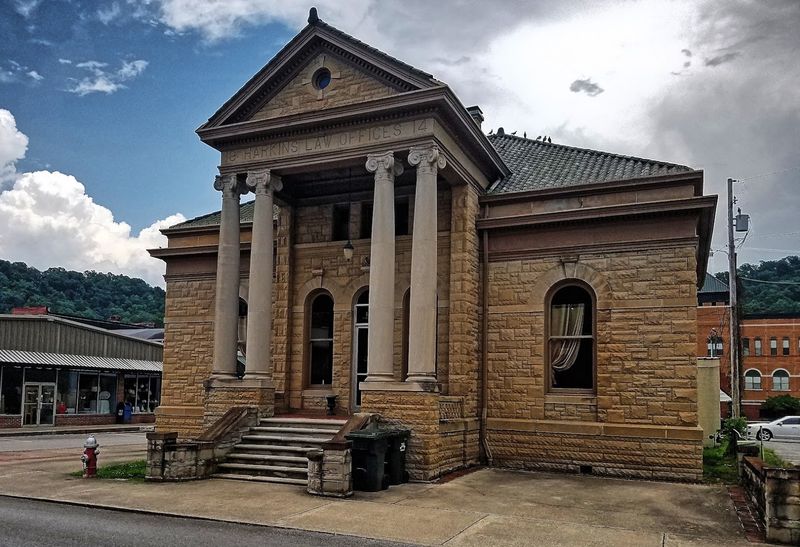
It has something a lot of eastern Kentucky towns do not: a fairly active arts and tourism scene anchored by the Mountain Arts Center.
Country music fans know it as a legitimate regional destination. That cultural draw has brought some economic activity, but it has also brought some unintended consequences for local residents.
When a town becomes a destination, even a modest one, outside interest in property tends to follow.
Some buyers from larger cities have purchased homes or land in the area, which pushes values up in ways that reflect outside money rather than local economic conditions.
For residents whose incomes are tied to local wages, that gap between what the market says a home is worth and what they can actually afford is deeply frustrating.
Floyd County has seen steady population losses, and housing cost pressure is part of that story.
Prestonsburg still draws visitors for concerts and festivals, and that is genuinely good for the local economy.
But the benefits of that tourism need to be matched by housing policies that protect longtime residents from being priced out of their own community.
Several residents have raised this point publicly, and it is a fair one. A town that loses its people loses the very thing that made it worth visiting in the first place.
9. Morganfield
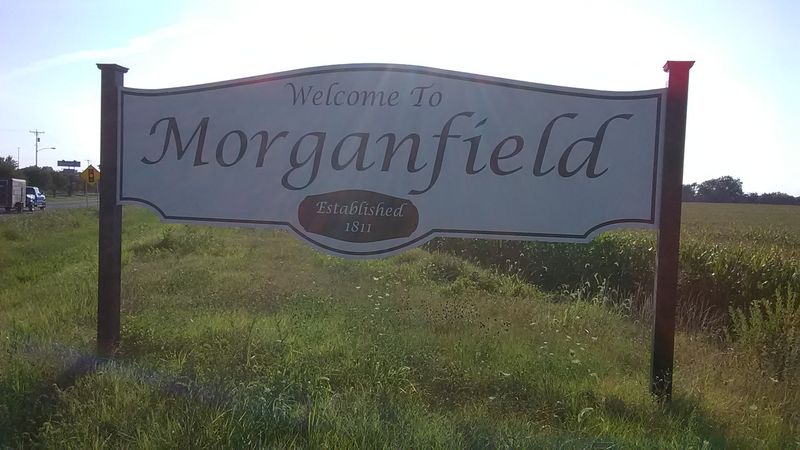
Morganfield sits out in Union County in western Kentucky, far from the mountains and far from most national attention. It is a quiet agricultural community where farming still shapes the local identity.
But quiet does not mean immune to economic pressure, and property costs here have been rising in ways that surprise people who assume rural automatically means cheap.
Agricultural land values in Kentucky have climbed significantly over the past several years, driven by commodity prices, investor interest in farmland, and low inventory.
When farmland values rise, residential property assessments in the same county often follow, even if the local job market has not changed at all.
For families in Morganfield who are not farmers or landowners, that means higher tax bills with no corresponding increase in income.
Some have chosen to move to Henderson or Evansville, Indiana, where job markets are stronger and the cost-to-income ratio makes more sense.
Union County is one of the less talked-about examples of rural affordability pressure because it lacks the media profile of Appalachian counties.
But the residents dealing with these costs do not care much about media profiles. They care about whether they can keep the lights on and stay in the community their families built.
That question is getting harder to answer with a confident yes.
10. Hopkinsville
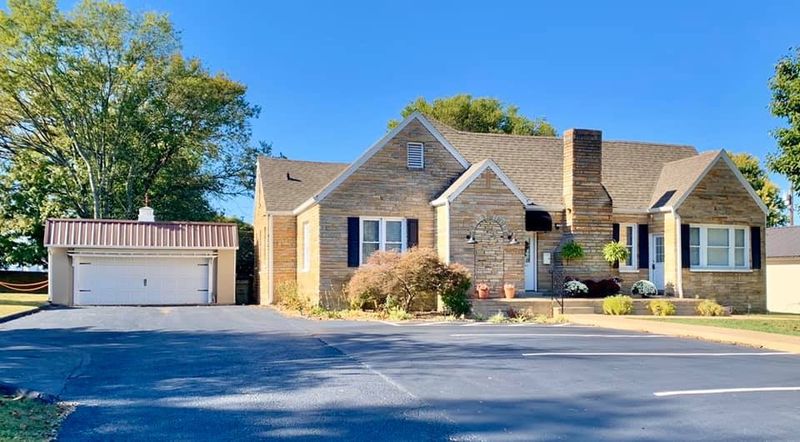
Hopkinsville is the largest city on this list and probably the most complex case. Located in Christian County near Fort Campbell, it has a built-in population of military families that creates unusual housing market dynamics.
When military families rotate in and out, demand for rental housing stays relatively high, which pushes rents up for everyone, including civilians with no military connection.
That military-driven demand has been a double-edged situation for Hopkinsville. On one hand, it brings economic activity and keeps certain businesses viable.
On the other hand, it creates a rental market that prices out lower-income local residents who cannot compete with military housing allowances.
Hopkinsville also has a significant portion of residents working service-sector and manufacturing jobs that pay wages well below what a comfortable mortgage requires in the current market.
Home prices have risen steadily, and first-time buyers without family assistance are finding the barrier to entry increasingly steep.
Christian County has actually seen some population fluctuation rather than pure decline, partly because of Fort Campbell’s influence.
But among the civilian, non-military population, the trend of outward migration due to housing costs is real and documented.
Hopkinsville has the infrastructure to grow, but affordability needs to be part of any serious growth conversation or the people who built this community will keep moving somewhere else.